Those Red Carpets Spreading Across The New Jersey Pine Barrens Aren’t Flowers And Here’s What They Are
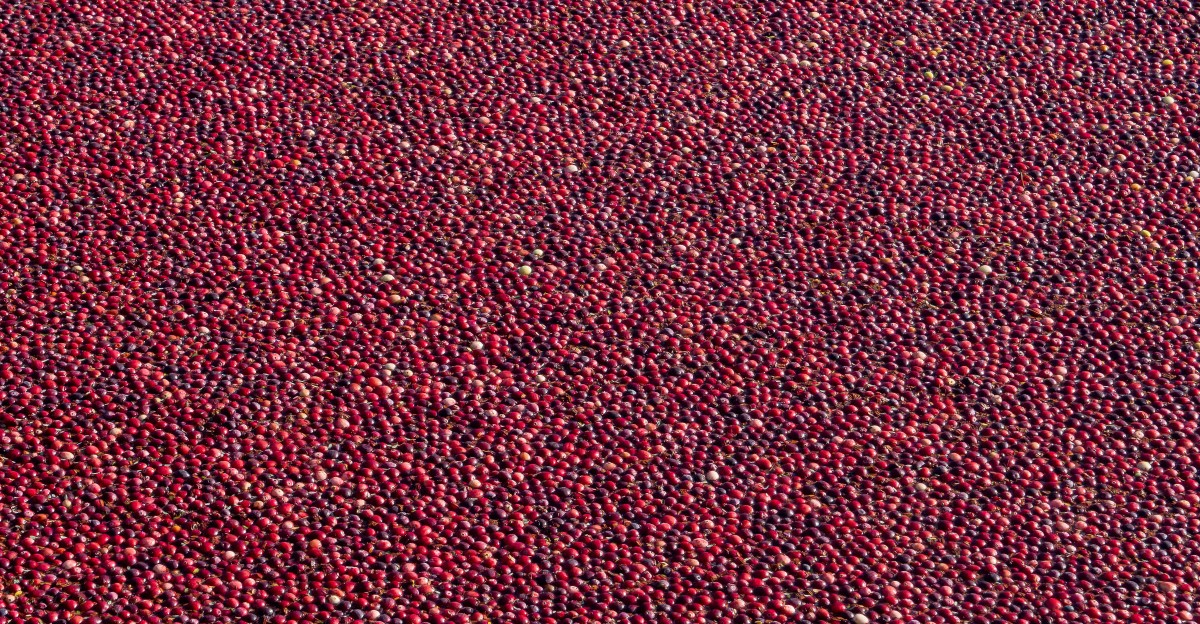
Every fall, whole fields in the woods turn the color of a stop sign, and they float. I first saw one from a sandy back road in New Jersey and honestly thought someone had spilled paint across a pond.
The color is not petals, leaves, or algae. It shows up in the same flat, soggy spots each year, right on schedule, as the pines around it stay green.
You might notice these glowing patches if you drive through the Pinelands between mid-September and early November.
They sit in low, sandy basins near rivers, often ringed by ditches and dikes, and they are one of the most striking sights in southern New Jersey.
After a little digging, I learned the answer is something you have probably eaten with turkey.
The story behind it involves hidden air pockets, a giant underground water supply, and over 150 years of farming history. Ready to find out what is really floating out there?
Those Floating Red Bog Fields Are Actually Growing Something You Eat
My first guess was wildflowers, and my second guess was some strange pond plant. Both were wrong, and the real answer made me laugh out loud.
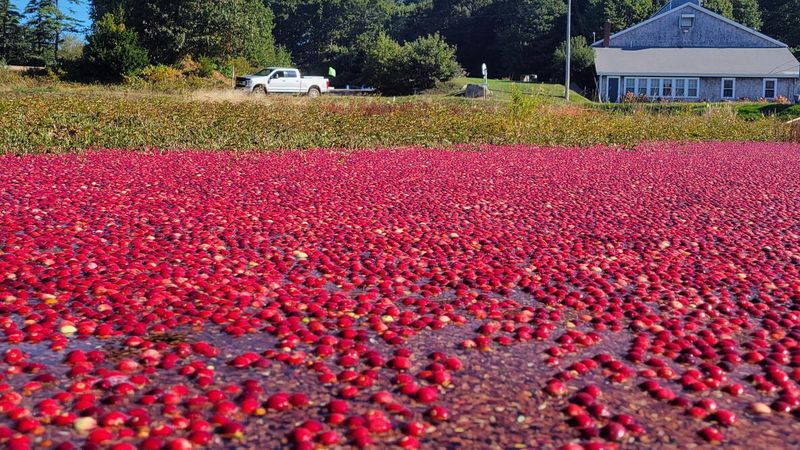
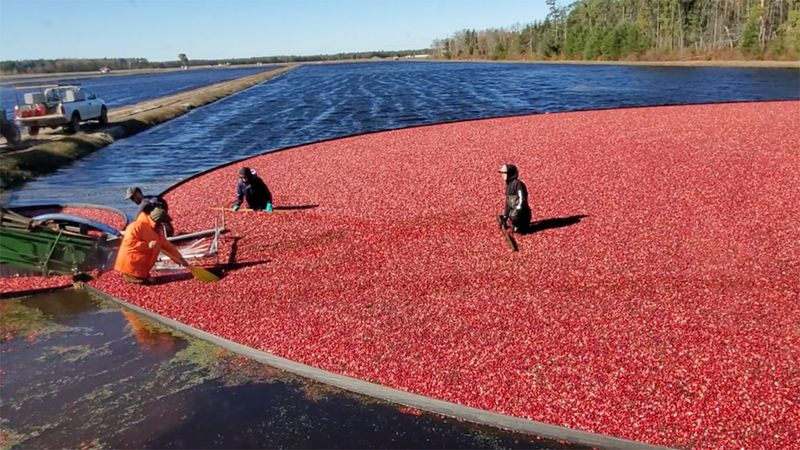
Those glowing red patches are cranberry bogs during harvest season. The fruit itself is what turns the water red, not blooms or fall leaves.
Cranberry vines actually flower in early summer with tiny pale pink blossoms, so by autumn the flowers are long gone.
The bogs look like natural ponds, but they are carefully built farm fields. Growers surround them with dikes, ditches, and flumes so they can raise and lower water levels when needed. Most of the year, the vines sit on dry, sandy ground like a low green mat.
Come fall, farmers flood certain bogs on purpose. That is when the magic happens and the surface fills with millions of shiny berries.
Many people drive past these fields for years without knowing what they are seeing. Once you know the secret, you start spotting bogs tucked behind tree lines all over the Pinelands.
Burlington and Atlantic counties hold many of the biggest operations. Keep your eyes open for flat, rectangular basins near streams, and you may catch the show yourself.
Tiny Air Pockets Make Cranberries Float To The Surface
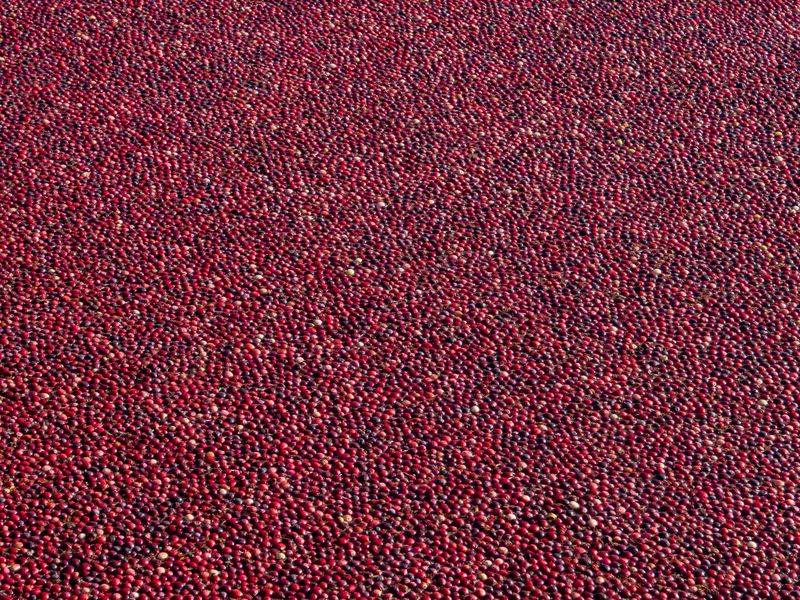
Slice a cranberry in half sometime and look closely. You will find four small hollow chambers inside, and those little spaces are the reason the red carpets exist.
Air trapped in those pockets makes each berry lighter than water. When a bog gets flooded, the loose fruit bobs right up to the top and gathers in a thick layer. With so many berries packed together, the whole surface glows deep crimson.
Growers use this clever trick during what is called wet harvesting. They flood the bog with a foot or more of water, and machines nicknamed egg beaters stir the water to knock berries off the vines.
Freed from the plants, the fruit floats up within minutes. Workers wearing waders then use long floating booms to gently push the berries toward one corner. From there, pumps or conveyors lift them into trucks.
Here is a fun kitchen test you can try with kids. Drop a few fresh cranberries into a bowl of water and watch them float.
Good, firm berries also bounce, which is why old sorting machines once tested fruit by bouncing it over little wooden barriers.
Sandy Acidic Soil And A Giant Aquifer Keep Pinelands Cranberries Happy
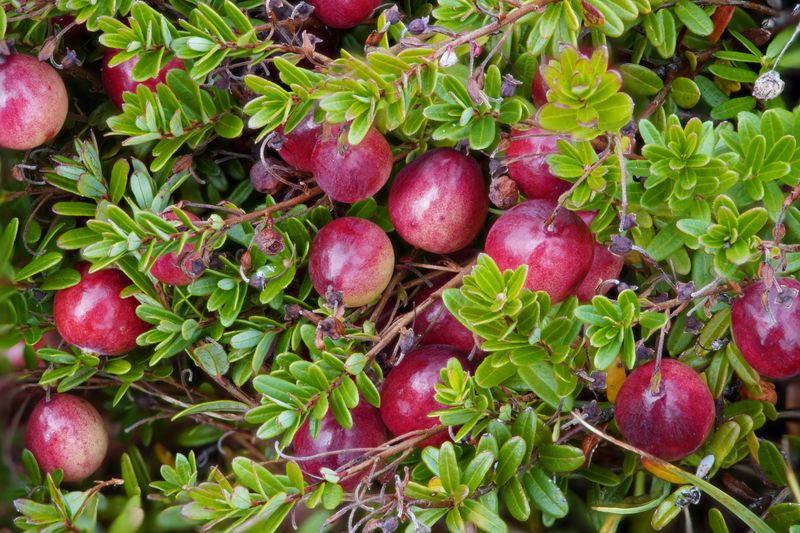
Most crops would sulk in Pine Barrens dirt. The soil is sandy, low in nutrients, and very acidic, which made early settlers call the region barren in the first place.
Cranberries love those exact conditions. The plant is native to New Jersey and evolved in wet, acidic spots like these, so it feels right at home where corn or tomatoes would struggle.
Water is the other big piece of the puzzle. Beneath the Pinelands sits the Kirkwood-Cohansey aquifer, which scientists estimate holds about 17 trillion gallons of fresh water. That huge supply keeps the water table high and feeds the streams growers rely on.
You may notice the local streams look like iced tea. That brownish color comes from natural tannins and iron, and it is a normal sign of healthy cedar swamp water.
Farmers reuse much of their water too. They often move it from one bog to the next during harvest and frost protection, then send it back to reservoirs.
If you garden in southern New Jersey with sandy acidic soil, take a cue from the bogs. Native acid lovers like highbush blueberry and inkberry may thrive where fussier plants give up.
Watching The Wet Harvest Boom Push Berries Across The Bog
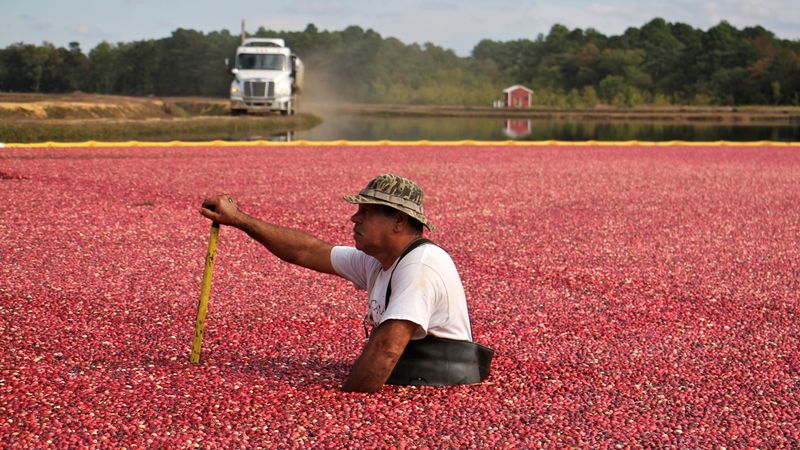
The sound gets you first. A low rumble of tractors and pumps drifts over the pines, and then you see workers in chest waders standing waist deep in a sea of red.
Wet harvest usually runs from mid-September through early November in New Jersey. Timing depends on the variety and on how the berries color up after cool nights.
The process follows a few steps. First the bog is flooded, then water reels churn the vines to loosen the fruit.
Next, crews stretch long floating booms across the water and slowly sweep the berries together like a giant broom.
Watching the boom tighten is the best part. The red layer grows thicker and brighter until it looks almost solid enough to walk on.
Once corralled, the berries move up a conveyor or through a pump. Leaves and twigs get shaken off, and the clean fruit heads to trucks bound for processing plants.
For the best photos, aim for a sunny morning. Low light makes the berries sparkle, and the dark green pines in the background make that red really pop. Bring a zoom lens, since you will usually be watching from a public road or tour area.
Some Cranberry Farms Skip The Flood And Pick Berries Dry
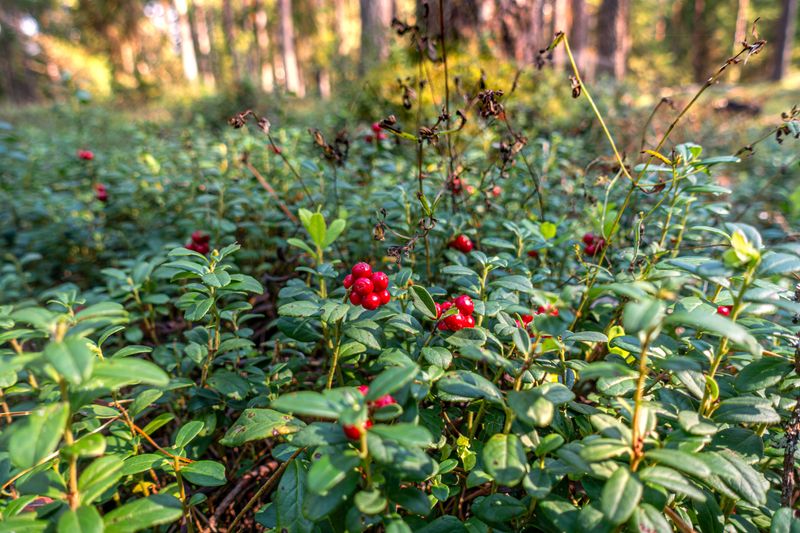
Not every bog turns into a red lake. Some growers harvest their fruit dry, and you would drive right past those fields without noticing anything unusual.
Dry harvesting uses machines that look a bit like oversized lawn mowers with metal combs on the front.
The combs rake through the vines and pull off berries, which drop into a bag or bin. No flooding is needed. So why the two methods? It mostly comes down to where the fruit ends up.
Wet harvested berries get processed quickly into juice, sauce, and sweetened dried cranberries, because soaking in water shortens their shelf life.
Dry harvested berries stay firmer and last longer. They are the ones you find in plastic bags at the grocery store around Thanksgiving.
Long before machines, families picked by hand and later used wooden scoops with long teeth. Many seasonal workers, including immigrant families from Philadelphia, spent autumns living near the bogs during the early 1900s.
Next time you buy a bag of fresh cranberries, try the bounce test on your counter. A firm, lively bounce means the berry is fresh, while soft or mushy ones are best tossed into the compost pile.
Blueberry Bushes And Blackgum Trees Add Their Own Red Glow
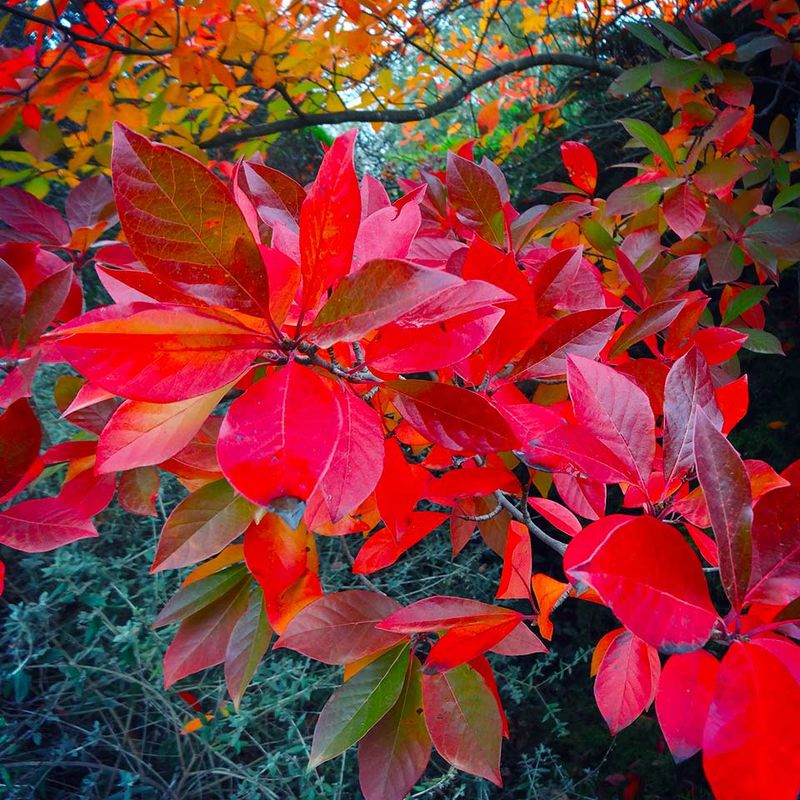
Cranberries get the spotlight, but they have plenty of company. Walk any sandy trail in late October and the forest floor practically glows.
Lowbush and highbush blueberries are the biggest stars. Their leaves turn shades of scarlet, burgundy, and orange, creating a low red blanket under the pitch pines. Huckleberries join in with similar warm tones, so the understory can look like it is on fire.
Look up and you may spot blackgum, also called black tupelo. It is often one of the earliest trees to change, flashing glossy red leaves in wet spots. Red maples add more color along streams and swamp edges.
Virginia creeper climbs trunks and fences with bright crimson leaves. Watch out for poison ivy, though, which also turns red and grows in the same areas.
Remember the old rhyme, leaves of three, let it be. Virginia creeper usually has five leaflets, which makes telling them apart easier.
If you love this fall color at home, these natives make great choices. Highbush blueberry, blackgum, and Virginia creeper all support birds and pollinators, and they handle acidic New Jersey soil well.
Historic Whitesbog Village Is A Great Place To See Cranberry Bogs
History buffs and berry lovers, this one is for you. Whitesbog Village in Brendan T. Byrne State Forest was once the largest cranberry farm in New Jersey, and its old buildings still stand.
It is also where Elizabeth White teamed up with USDA botanist Frederick Coville to develop the first cultivated highbush blueberries in the early 1900s. That fun fact surprises a lot of visitors.
The Whitesbog Preservation Trust runs events and tours, and nearby bogs are often active during fall. Check their website before you go, since schedules change from year to year.
Pinelands Adventures also offers guided trips that sometimes include working cranberry farms.
The annual Chatsworth Cranberry Festival in October is another favorite. You can sample treats, shop local crafts, and learn about bog life.
Many bogs along roads like Route 563 are private farms. Stay off dikes and sand roads unless you are invited, park safely, and enjoy the view from public spots.
My best tip is simple. Plan your trip for a weekday in mid-October, pack a thermos of cider, and leave room in the car for a bag of fresh cranberries from a local stand.