What It Really Means When Green Anoles Take Over Your Texas Yard This Summer
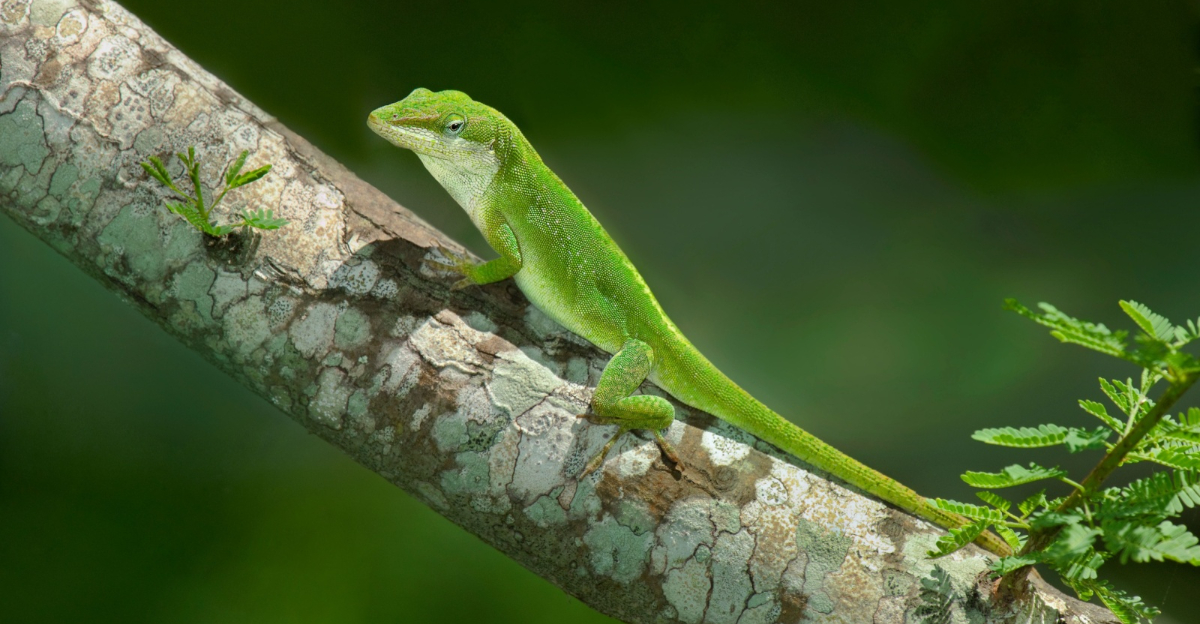
If you have stepped outside this summer and suddenly noticed small green lizards absolutely everywhere, on the fence, clinging to vines, darting across the porch, staring at you from a shrub with zero apology: welcome to peak Green Anole season in Texas.
These little reptiles have a way of going from barely visible to completely unavoidable seemingly overnight, and the things they get up to are genuinely entertaining once you start paying attention.
The bright pink throat fans, the dramatic chasing sequences along the garden wall, the territorial standoffs that look far more serious than they probably are.
A yard full of Green Anoles is actually a pretty good sign that your outdoor space is doing something right.
Understanding what is actually going on out there turns a fun backyard sighting into something genuinely fascinating.
1. Greenery And Shade Are Making The Yard Anole-Friendly
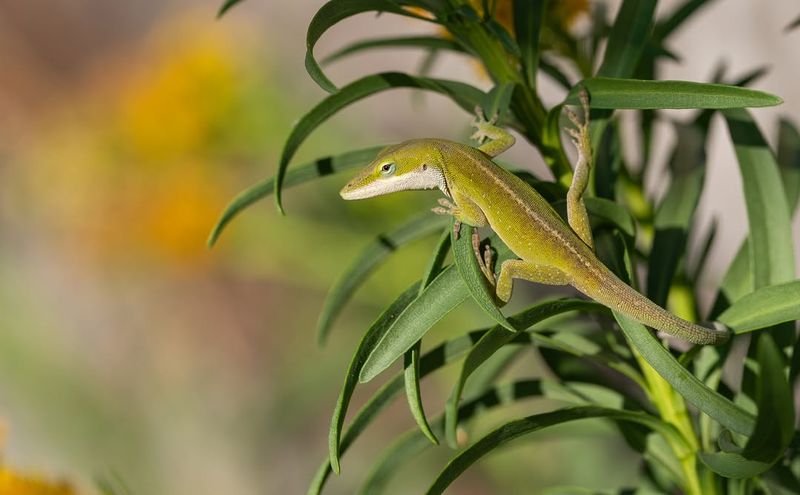
Walk through a shaded Texas yard on a summer afternoon and you might spot a flash of green disappearing into the shrubs before you even realize what you saw.
Green Anoles are built for leafy, layered environments, and a yard with dense plantings, climbing vines, and canopy shade is practically a welcome sign for them.
They rely on greenery not just for cover but for temperature regulation, moving between sun and shade throughout the day.
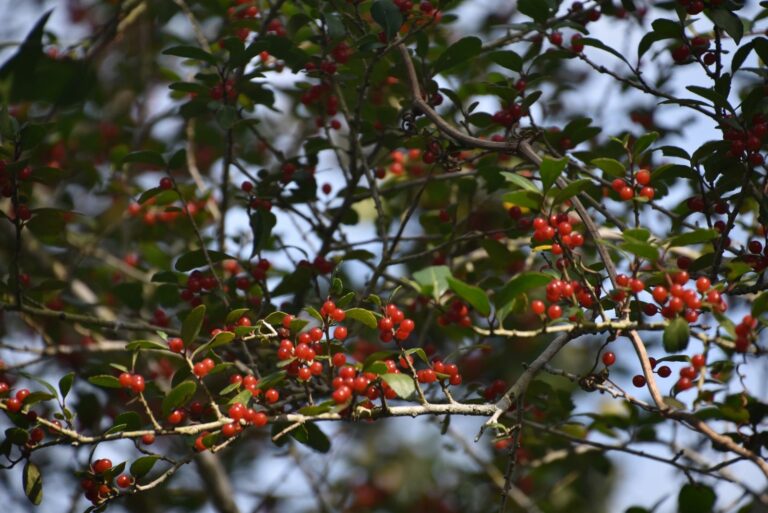
In Texas, especially in the eastern part of the state, yards that feature native shrubs, oak trees, yaupon holly, or thick garden borders tend to attract more anoles than open, sun-baked spaces.
The lizards use leaves and stems as perches where they can watch for insects while staying partially hidden from birds and other threats.
Shade also keeps surface temperatures manageable, which matters a lot during intense Texas summer heat.
If your yard has recently filled in with new plantings or a vine has spread across a fence or trellis, that added greenery may explain why you are suddenly noticing more lizards. Anoles do not seek out yards randomly.
They move toward places that offer the right combination of cover, warmth, and food. A yard that feels overgrown or wild to you might feel like ideal real estate to a Green Anole looking for a reliable summer home base.
2. Shrubs, Vines, Walls, And Fences Offer Perches
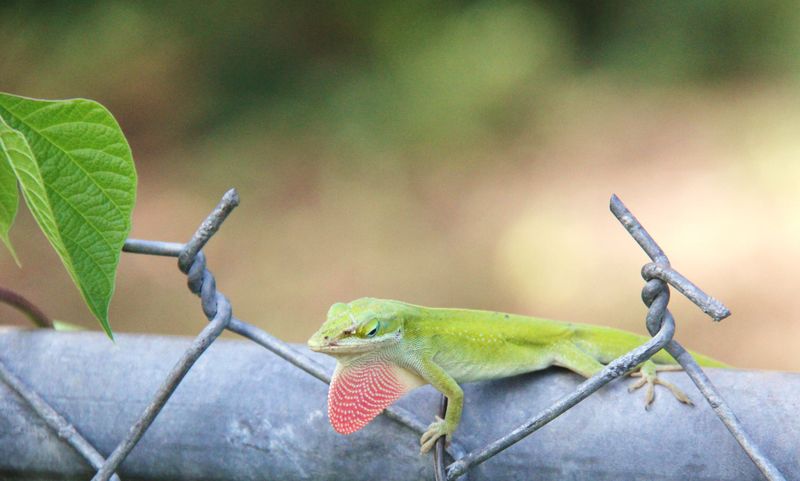
A green body pressed against a sun-warmed wooden fence post is one of those small summer sights that stops you mid-step.
Green Anoles are excellent climbers, and vertical surfaces like fences, walls, porch columns, and garden trellises give them exactly what they need.
Those elevated spots let them scan for food, watch for rivals, and soak up warmth without sitting on the ground where they are far more exposed.
In Texas yards, wooden privacy fences and brick walls are especially popular perching spots. The texture of these surfaces gives anoles a solid grip, and the height keeps them above ground-level activity.
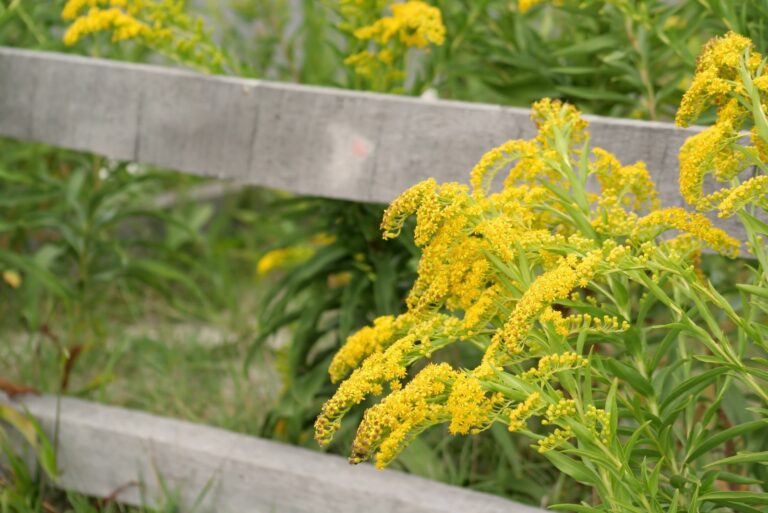
Vines growing along a fence or wall add another layer of value because the leaves provide both cover and hunting ground, since insects often rest on vine foliage during the day.
Your Texas Garden Changes Every Week. Your Plan Should Too.
Gardening in Texas changes quickly throughout the season. Every Friday you’ll receive a simple weekly plan showing exactly what to plant, prune, fertilize, harvest, and protect so you never miss the right timing.
Shrubs planted close to a fence or wall create what wildlife observers sometimes call edge habitat, a zone where two types of cover meet and small animals can move between them quickly.
Green Anoles take advantage of this kind of layered space, using shrubs for hiding and fences for display or basking.
If your yard has a combination of shrubs growing near a fence line or vines climbing a wall, you have likely created one of the most appealing setups a Green Anole could find in a Texas summer landscape.
That combination of structure and plant cover is hard to beat.
3. Moist Spots May Be Supporting More Activity
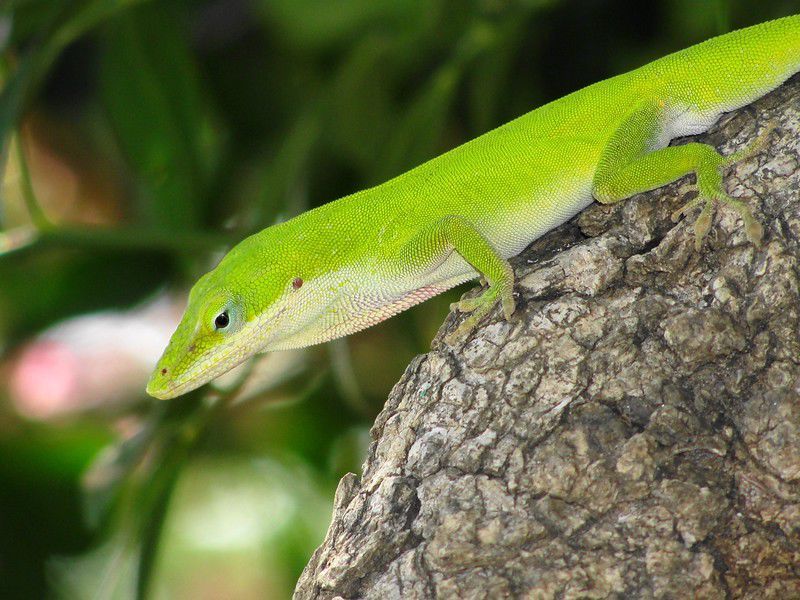
Near the edge of a garden bed where a drip hose keeps the soil consistently damp, anole activity tends to pick up noticeably during summer. Moisture matters to Green Anoles in a few important ways.
They get much of their water by lapping droplets off leaves rather than drinking from standing water, so surfaces that stay slightly wet after irrigation or rain are genuinely useful to them.
In Texas, summer heat can dry out a yard quickly, which means moist microclimates become concentrated gathering spots for small wildlife including anoles.
A shaded corner near a water feature, a garden bed with regular drip irrigation, or even a spot where an air conditioning unit drips onto the ground can attract lizards looking for both hydration and the insects that also gather near moisture.
Yards with thick mulch layers in garden beds tend to hold moisture longer and support more insect activity beneath the surface, which pulls anoles into those areas to hunt.
If you have noticed lizards hanging around a specific damp or shaded corner more than the rest of the yard, the moisture level there is likely part of the reason.
Keeping garden beds watered without creating standing water or soggy soil is generally the right balance. Green Anoles benefit from a yard that stays reasonably moist during Texas summer without becoming waterlogged or attracting mosquitoes in large numbers.
4. Summer Breeding Season May Increase Sightings
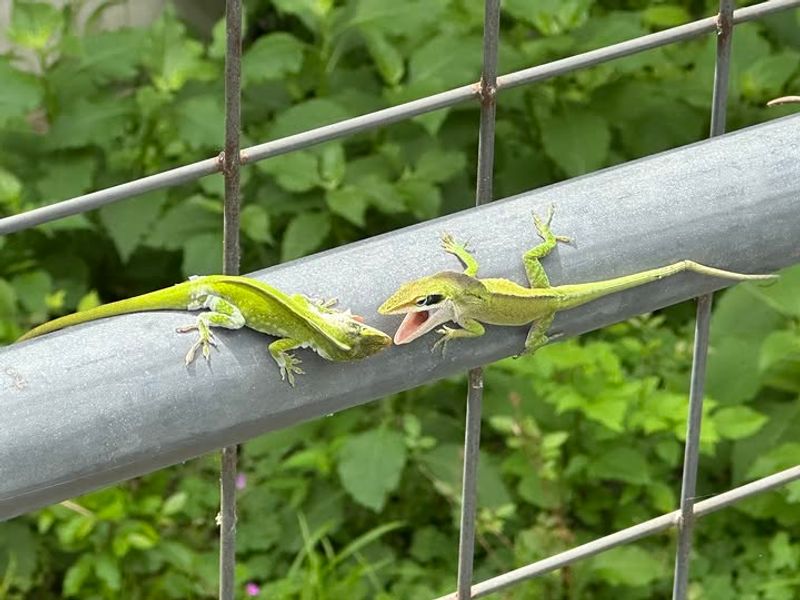
One reason so many Green Anoles seem to appear out of nowhere during Texas summers is that warmer months line up with their most active breeding period.
Males become noticeably more visible because they spend more time out in the open, displaying, chasing rivals, and courting females.
That increased boldness and movement is exactly why you might suddenly notice lizards you had never seen before even though they were likely living in the yard all along.
Female anoles also become more active during this time as they search for suitable egg-laying spots. They tend to prefer loose, moist soil or leaf litter where small eggs can be tucked away safely.
A well-maintained garden bed with mulch and consistent moisture gives females the kind of environment they look for when laying eggs through the summer months.
Breeding activity generally stretches through the warmer parts of the year in Texas, which means multiple clutches of eggs may be laid in a single season.
Each clutch is typically small, often just one or two eggs at a time, but the frequency of laying means populations can grow gradually in yards that offer reliable shelter and food.
Seeing juveniles, which are noticeably smaller and sometimes have striped patterns, is a sign that reproduction is happening nearby.
Rather than a sudden invasion, what looks like a surge in numbers is often just the natural rhythm of the breeding season playing out in a yard that suits them well.
5. Insects And Spiders Are Feeding The Population
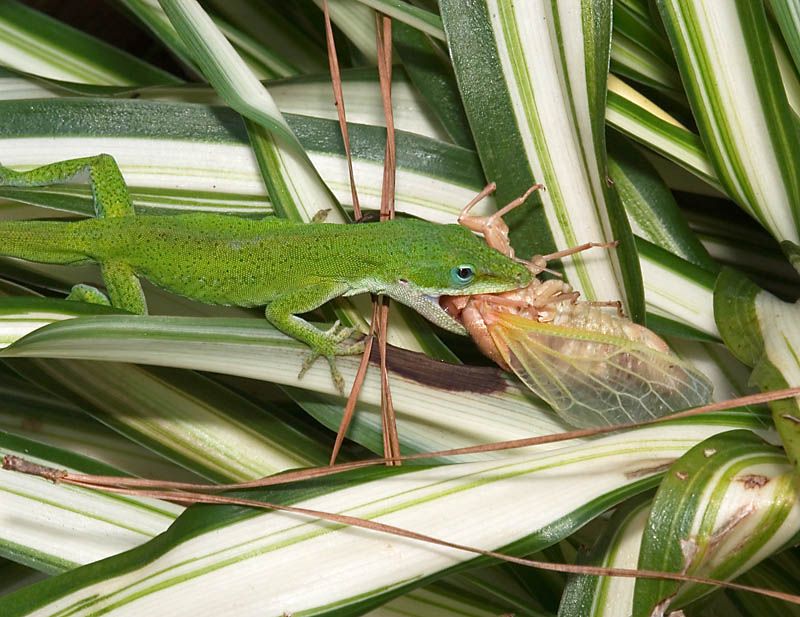
Insects moving through summer foliage are not just background noise in a Texas yard. For a Green Anole, they are the entire reason to be there.
Anoles are active hunters that eat a wide variety of small invertebrates including beetles, moths, crickets, grasshoppers, ants, and spiders.
A yard with a healthy insect population is essentially a well-stocked pantry, and anoles will stick around as long as the food supply holds up.
Texas summers produce an abundance of insect activity, especially in yards with native plants that support pollinators and other invertebrates.
Flowering shrubs, garden herbs, and native groundcovers tend to attract the kinds of small insects that anoles hunt throughout the day.
The lizards use their excellent vision to spot movement on leaves, stems, fences, and walls, then move quickly to catch prey before it escapes.
Spiders, which are also common in shaded Texas gardens, make up a meaningful part of the anole diet as well. You might notice an anole investigating a corner where a web is built or moving carefully along a fence rail where spiders tend to anchor their lines.
A yard that supports a diverse insect and spider community is doing something ecologically healthy, and anoles are a natural part of that web of activity.
Avoiding broad pesticide use in the yard helps keep that food supply available and supports the kind of balanced outdoor space where anoles can thrive naturally through summer.
6. Males May Be Defending Territory With Dewlap Displays
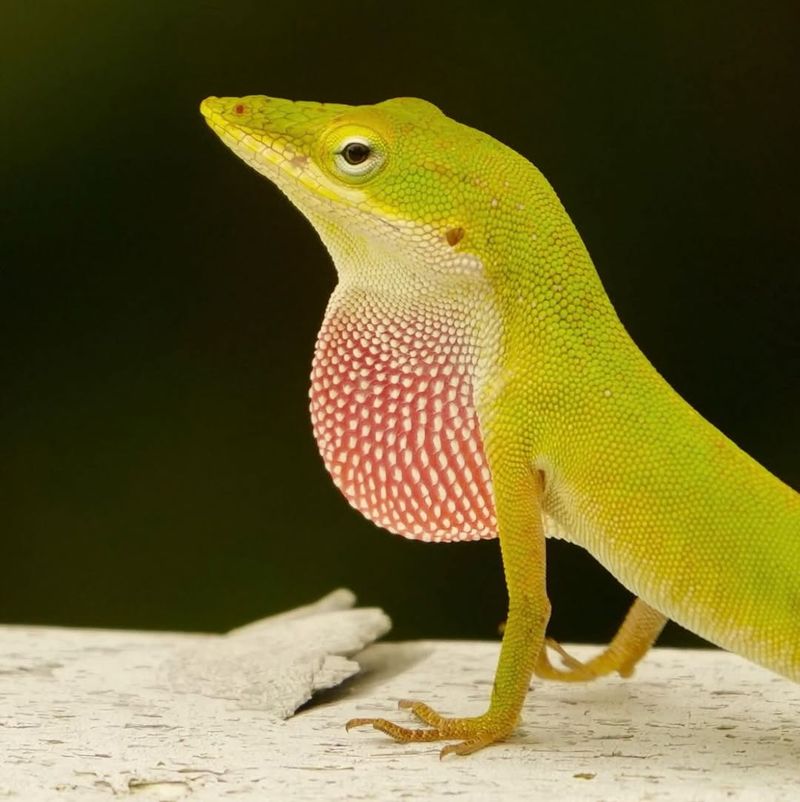
Spotting a tiny lizard doing what looks like push-ups on a fence post while flashing a bright pink throat fan is one of the more memorable sights in a Texas summer yard.
That fan, called a dewlap, is used by male Green Anoles to communicate with other males and to attract females.
When a male extends it rapidly while bobbing his head or doing push-up movements, he is usually staking out a section of the yard as his territory.
Males tend to hold territories that include several females, and they spend a good portion of each day patrolling the boundaries of that space. If another male enters, the resident male will display aggressively and may chase the intruder away.
This is completely normal behavior and is not a sign that the lizards are stressed or that something is wrong in the yard. It is simply how they organize their social lives during the active season.
The dewlap color in Green Anoles is typically pink to reddish-pink and can look startlingly vivid against green leaves or a wooden fence. Females have a much smaller dewlap and rarely display it the same way males do.
If you are seeing a lot of dewlap displays in one area of your yard, it likely means that spot has good perch height, sun exposure, and visibility, all qualities that make it worth defending.
Watching these displays up close is one of the genuinely entertaining parts of having anoles in a Texas yard.
7. Brown Anoles May Be Pushing Green Anoles Higher
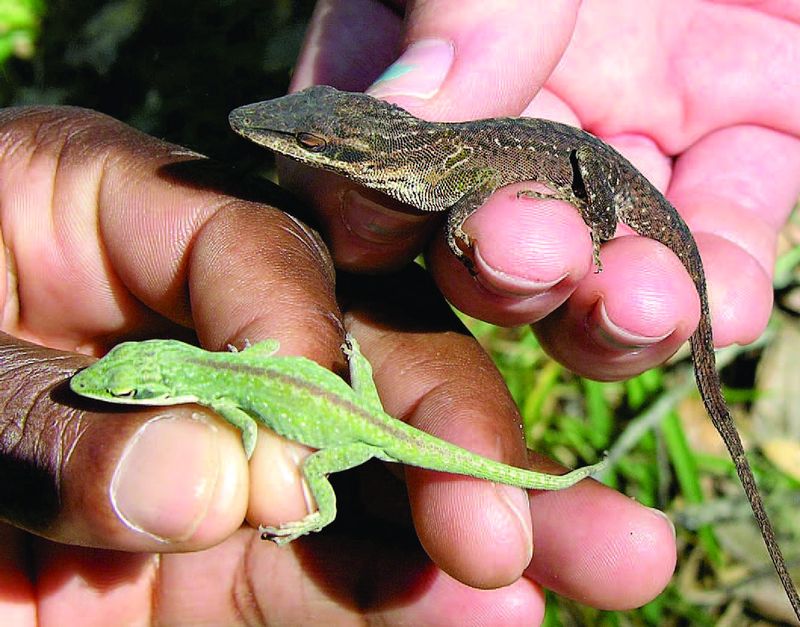
One pattern that researchers and Texas backyard observers have noticed over the years is that Green Anoles tend to move higher off the ground in yards where Brown Anoles are also present.
Brown Anoles, which are not native to Texas and have expanded their range through the state from the south and east, tend to occupy lower perches on the ground, roots, and the bases of shrubs and fence posts.
This overlap in habitat can shift where Green Anoles spend their time.
In response, Green Anoles often move up into shrubs, vines, tree branches, fence tops, and porch rails where Brown Anoles are less active.
This vertical separation allows both species to use the same yard without constant conflict, though competition for food and space does still occur.
The result from a homeowner’s perspective is that Green Anoles may seem to appear suddenly higher up on plants and structures than expected.
If you are in a part of Texas where Brown Anoles have become established, you may notice them lower to the ground while Green Anoles stay in the upper layers of vegetation.
This kind of habitat partitioning is a natural response to competition and does not necessarily mean the Green Anole population is struggling.
A yard with tall shrubs, climbing vines, and elevated perches gives Green Anoles the vertical space they need to coexist alongside Brown Anoles without being pushed out of the yard entirely.
8. A Busy Anole Yard Is Usually A Healthy Sign
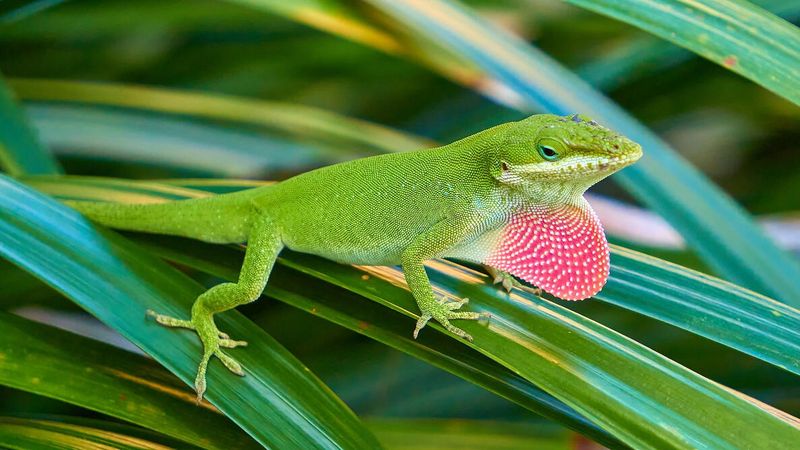
Coming outside to find Green Anoles scattered across the shrubs, fence posts, and garden edges is the kind of thing that can make a Texas yard feel genuinely alive. Rather than reading that activity as a problem, it is worth recognizing what it actually signals.
A yard with visible anoles is likely offering the right mix of shelter, sun, shade, moisture, and food to support a small but active wildlife community.
Green Anoles are native to parts of Texas, particularly in the eastern and Gulf Coast regions, and their presence in a yard reflects local ecological conditions more than any kind of random wandering.
When a yard sustains them through summer, it usually means the habitat is working well.
Native plantings, layered shrub cover, consistent moisture, and low pesticide use all contribute to the kind of environment where anoles can find what they need.
Framing a busy anole yard as a healthy sign rather than an infestation helps shift the experience from worry to appreciation. These lizards are not damaging plants, threatening pets, or causing structural problems.
They are small, native predators doing what they naturally do in a Texas summer landscape. Enjoying them from a reasonable distance, keeping cats indoors when possible, and maintaining the yard conditions that support them is really all that is needed.
A yard where anoles are thriving is a yard that is quietly supporting a broader web of Texas backyard wildlife worth celebrating.