Do This To Oregon Hostas Right Now And They Come Back Three Times Fuller Next Season
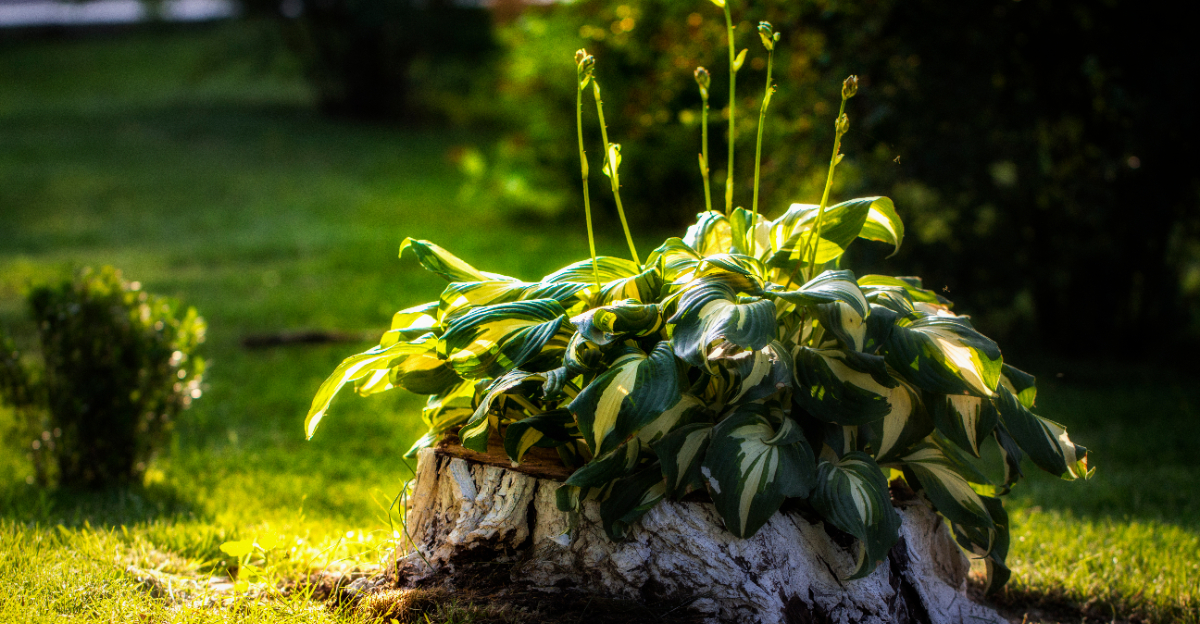
Oregon hostas can look lush one minute and tired, crowded, or slug-chewed the next. The good news is that a little attention now can set them up for a much fuller comeback next season.
This is not about hacking them down and hoping for magic. It is about giving the crown room, helping the roots recharge, and removing the messy growth that wastes energy.
When hostas get the right reset, they can return thicker, cleaner, and way more impressive after winter dormancy.
The trick is knowing what to trim, what to leave alone, and when division actually helps instead of stressing the plant.
Give them the right care now, and next year’s shade garden can look like it got a serious upgrade while barely admitting how easy it was.
1. Cut Flower Stalks Before Seeds Form
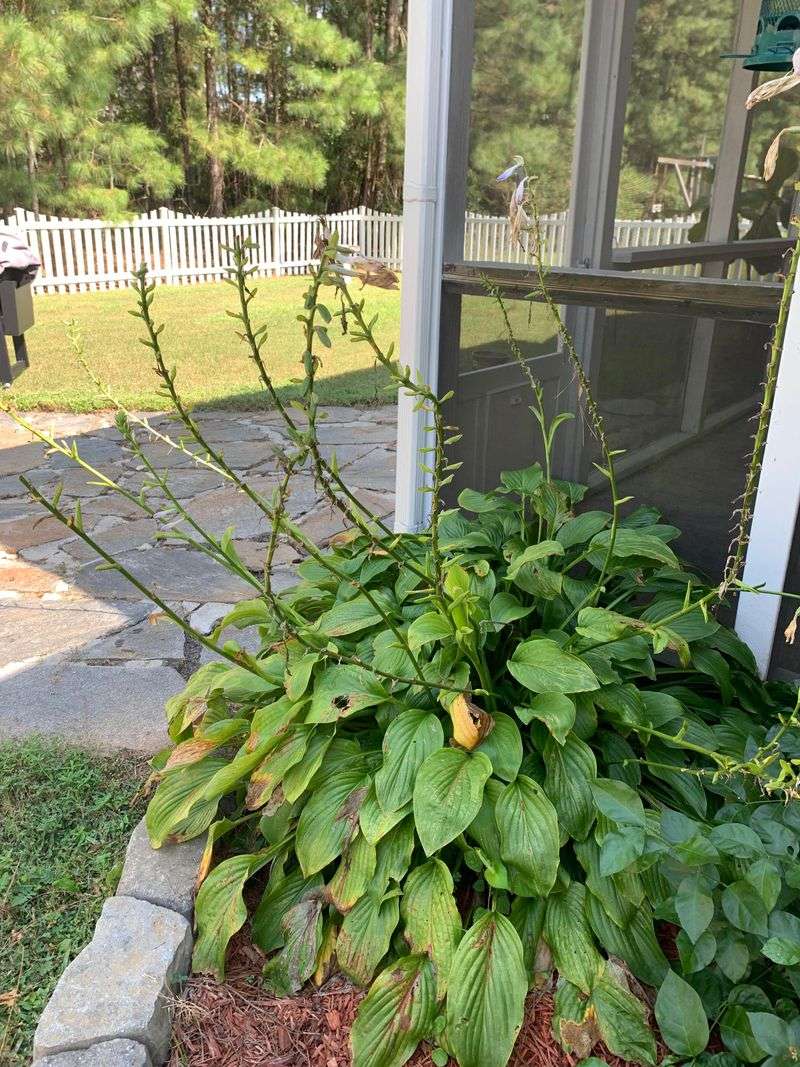
Most gardeners love watching hostas bloom, but leaving those flower stalks standing too long actually works against you. Once the blooms fade, the plant shifts its energy toward making seeds.
That is energy your hosta could be putting into root and leaf growth instead.
Cutting the flower stalks before seeds form is one of the smartest moves you can make right now. Grab a clean pair of pruning shears or sharp scissors.
Snip the stalk as low as you can without disturbing the surrounding leaves.
This small action tells the plant to stop wasting resources on seed production. Instead, it redirects all that stored energy back into the crown and roots.
That is exactly where you want the plant focusing its strength heading into fall and winter.
Gardeners across Oregon have noticed that hostas treated this way push out noticeably bigger clumps the following spring.
The difference can be striking, especially on mature plants that have been in the ground for several years.
Do not wait too long on this one. Once the seed pods start to swell and turn brown, the plant has already spent a good chunk of energy on seed development.
Catch them while the pods are still green and firm for the best results.
It only takes a few minutes per plant, and the payoff next season is absolutely worth the effort. Make this your first task on the list.
2. Keep Energy In The Crown
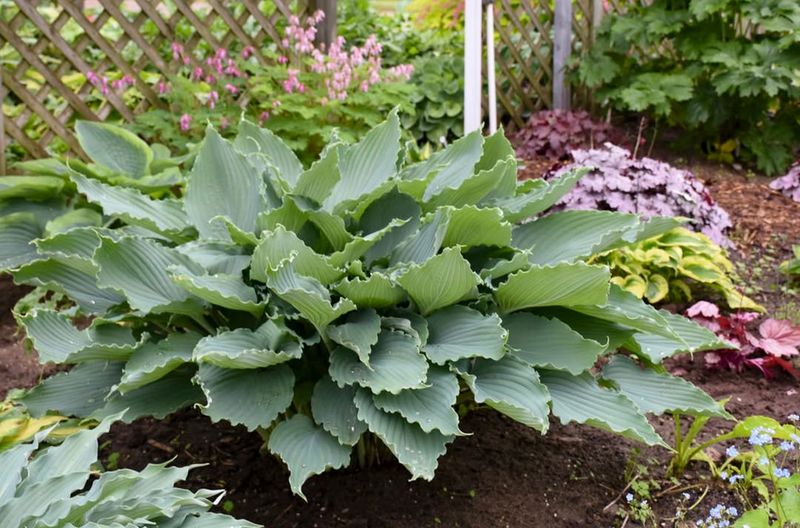
The crown is the heart of your hosta. It sits right at soil level, where the roots meet the base of the leaves.
Everything the plant needs to grow bigger and fuller next year gets stored right there in that dense, fleshy center.
Protecting crown energy means being thoughtful about what you remove and what you leave alone. Do not cut plants all the way back too early in the season.
Let the leaves keep doing their job as long as they are green and functional.
Leaves are like little solar panels. They capture sunlight and convert it into energy that flows down into the crown and roots.
The longer healthy leaves stay on the plant, the more energy gets stored underground for next spring.
Your Oregon Garden Changes Every Week. Your Plan Should Too.
Gardening in Oregon changes quickly throughout the season. Every Friday you’ll receive a simple weekly plan showing exactly what to plant, prune, fertilize, harvest, and protect so you never miss the right timing.
Think of it like charging a battery before a long trip. The fuller that battery is when winter arrives, the stronger your hosta will come roaring back when temperatures warm up again in spring.
Gardeners who cut hostas back too aggressively in late summer often wonder why their plants seem smaller the following year. Now you know the reason.
Patience pays off here.
Let nature take its course and only remove foliage once it has clearly finished working. Yellowing, shredded, or collapsed leaves are fine to pull.
But green, upright leaves are still earning their keep. Leave them in place and let the plant finish its season on its own terms.
3. Snip Scapes Close To The Base
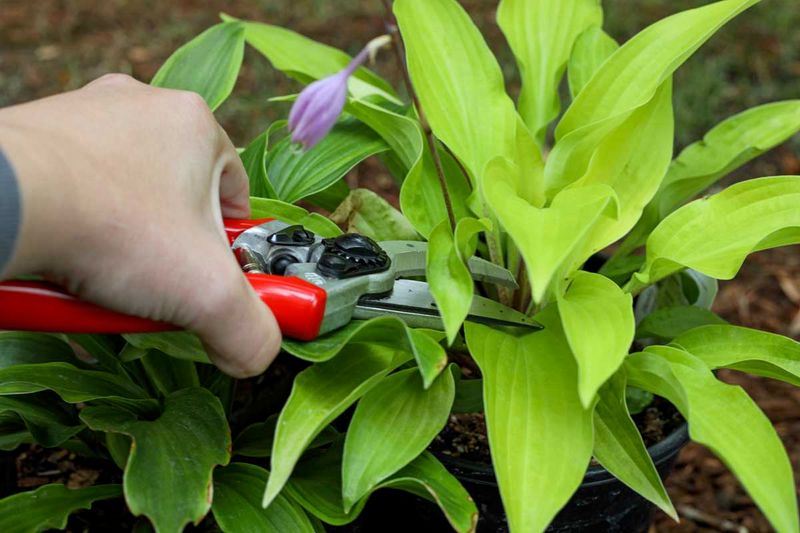
You might already know to remove spent flower stalks, but the exact spot where you make that cut matters more than most people realize.
Snipping scapes as close to the base as possible prevents a common problem that sneaks up on gardeners every year.
When you leave a long stub behind, moisture can collect in that hollow stem. That creates a perfect entry point for rot and pests.
A clean, low cut removes that risk entirely and keeps the plant healthier heading into the cooler months.
Use sharp, clean pruners for this job. Dull blades crush the stem instead of cutting it cleanly, which leaves the plant more vulnerable.
Wipe your blades with rubbing alcohol before you start, especially if you are moving from plant to plant across your garden.
Aim to cut within an inch of the soil if you can. Some gardeners go even lower, cutting flush with the crown.
Either approach works well as long as you are not gouging into the base of the plant itself.
This is also a good time to take a close look at the base of each hosta. Check for signs of pest activity, unusual discoloration, or soft spots in the crown.
Catching problems early gives you a much better chance of addressing them before winter sets in.
A tidy base also makes mulching easier later on, which is another step that pays big dividends come spring. Keep your cuts clean and low every time.
4. Leave Healthy Leaves In Place
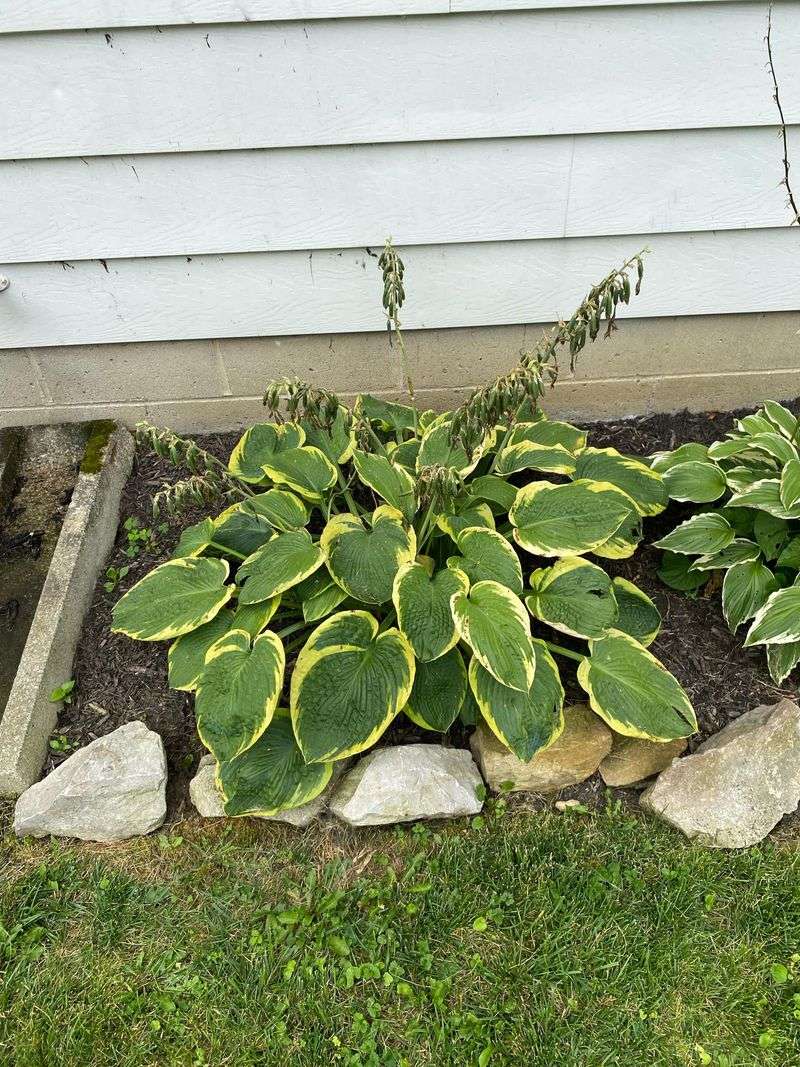
There is a strong temptation to tidy everything up and cut hostas all the way back as soon as summer winds down. Resist that urge when it comes to leaves that are still green and healthy.
Those leaves are still working hard for the plant.
Every green leaf is pulling in sunlight and sending sugars down into the root system. That stored energy is what fuels the explosion of growth you see every spring.
Remove leaves too early, and you are essentially cutting off the plant’s food supply before it has finished eating.
A good rule of thumb is to wait until leaves start to turn yellow or begin collapsing on their own. That natural change tells you the leaf has finished its job and the plant is ready to let it go.
At that point, removing it is perfectly fine. In many parts of Oregon, hostas keep their leaves well into October or even early November depending on elevation and local weather patterns.
Northern regions and higher elevations tend to see earlier dormancy, while lower valleys often stay greener longer.
Pay attention to what your specific plants are doing rather than following a fixed calendar date. Every garden microclimate is a little different, and your hostas will tell you when they are ready.
Letting the plant set its own pace is one of the most respectful things you can do as a gardener. Trust the process, and your plants will reward you generously next season.
5. Remove Yellow Or Shredded Leaves
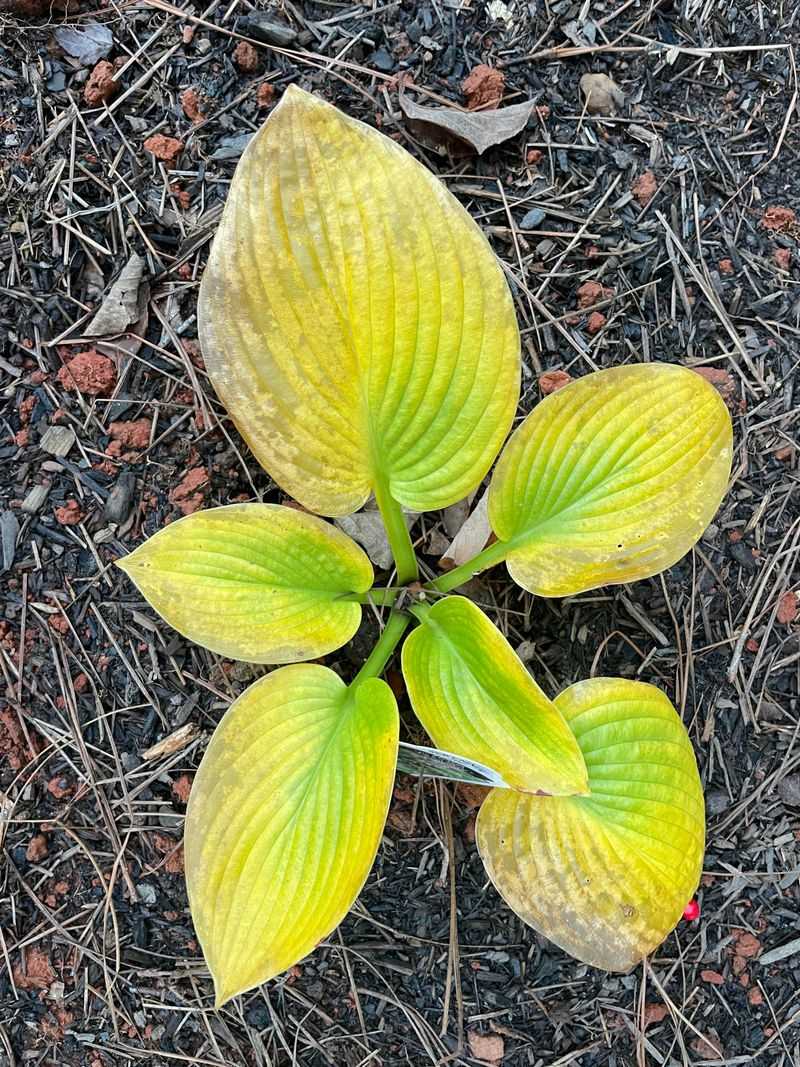
Not all hosta leaves deserve to stay on the plant. Yellow leaves, shredded leaves, and foliage that looks beaten up by the summer sun or wind are ready to come off.
Leaving them in place does not help the plant and can actually cause problems.
Damaged and withering leaves attract slugs, snails, and other pests that love to hide in damp, decaying plant material. In a rainy climate like ours, that is a real concern.
Removing those leaves eliminates a favorite hiding spot for creatures that will munch on your hostas next spring.
Pull yellowed leaves gently by hand or use scissors to snip them away cleanly at the base. Most of the time, a gentle tug is all it takes.
If a leaf resists, use a clean blade rather than yanking hard and risking damage to the crown.
Shredded leaves caused by hail, wind, or pest feeding are also worth removing even if they are still technically green.
They are not functioning efficiently anymore, and they can harbor fungal spores that spread to healthy tissue.
Once you have removed the damaged foliage, take a moment to clear away any leaf litter from around the base of the plant.
Fallen leaves and debris pile up quickly and create damp conditions that encourage rot and slug activity.
A clean, tidy base going into fall sets your hostas up for a much healthier and more vigorous start when spring finally arrives. A little cleanup now saves a lot of headaches later.
6. Water Deeply Through Dry Spells
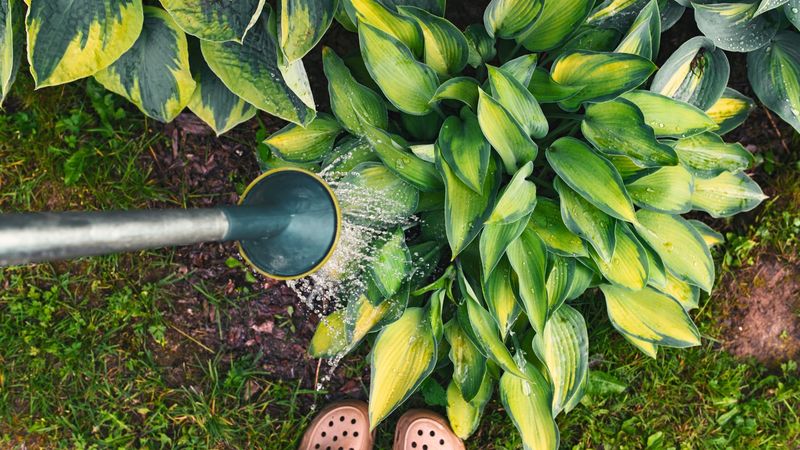
People often assume that once summer starts cooling down, hostas do not need much water.
That thinking can lead to real problems, especially during the dry stretches that hit many parts of Oregon in late summer and early fall.
Hostas are building up energy reserves right now. Their roots are actively working to pull nutrients and moisture from the soil.
If the ground gets too dry during this critical window, the plant cannot do that work as effectively, and next spring’s growth suffers because of it.
Deep watering is much more effective than frequent shallow watering. When you water deeply, moisture reaches down into the root zone where the plant actually needs it.
Shallow watering only wets the top layer of soil, which encourages roots to stay near the surface where they are more vulnerable.
A good soak once or twice a week during dry spells is usually enough for established hostas. Stick your finger about two inches into the soil near the plant.
If it feels dry at that depth, it is time to water.
Avoid watering late in the evening if you can. Wet foliage that stays damp overnight is more prone to fungal issues.
Morning watering gives leaves a chance to dry out during the day.
Also, water at the base of the plant rather than overhead. Keeping moisture off the leaves reduces the chance of fungal spotting, which is a common complaint among hosta growers in wetter climates across the region.
7. Mulch To Keep Crowns Cooler
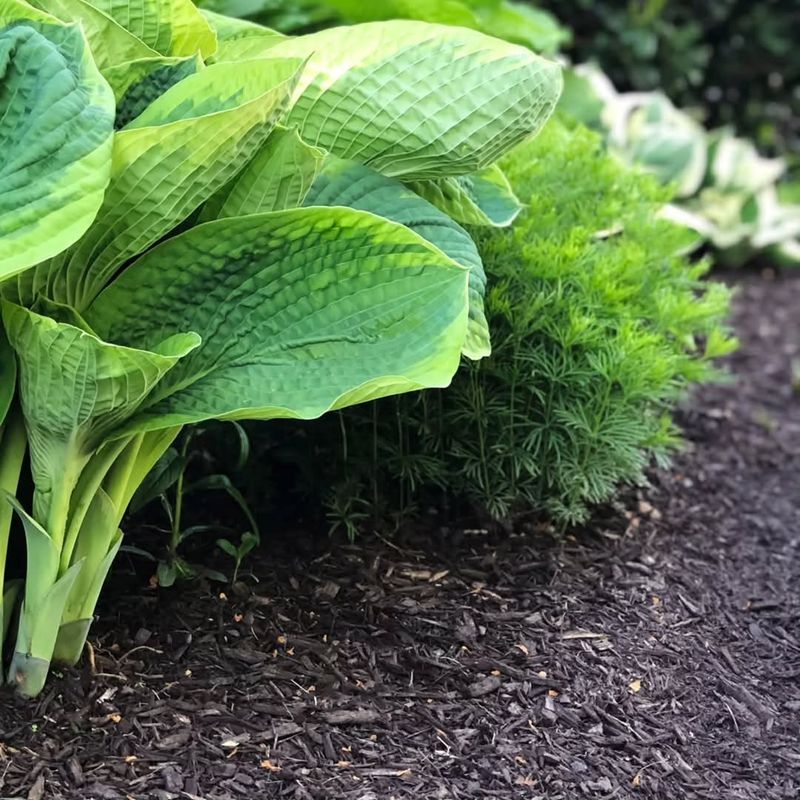
Adding a fresh layer of mulch around your hostas before winter is one of the most protective things you can do for them right now.
Mulch acts like a blanket for the soil, keeping temperatures more stable as the weather starts to swing between warm days and cold nights.
Crown damage from sudden temperature drops is a real issue in many parts of Oregon. When the soil freezes and thaws repeatedly, it can heave crowns upward and expose them to damaging cold.
A good layer of mulch reduces that freeze-thaw cycle significantly.
Aim for about two to three inches of mulch spread evenly around the base of each plant. Wood chips, shredded bark, or pine needles all work well.
Avoid piling mulch directly on top of the crown itself, as that can trap moisture and lead to rot.
Leave a small gap of an inch or two between the mulch and the actual crown of the plant. That breathing room allows air to circulate and prevents the crown from sitting in constant dampness through the wet winter months.
Mulch also suppresses weeds, which is a bonus that will save you time next spring. Fewer weeds mean less competition for the nutrients and water your hostas need to fuel that big flush of new growth.
Apply mulch after the first hard frost if your area gets one, or in mid-fall if frosts are light in your local area. Timing it right makes the protection even more effective for your plants.
8. Feed Lightly Only If Growth Is Weak
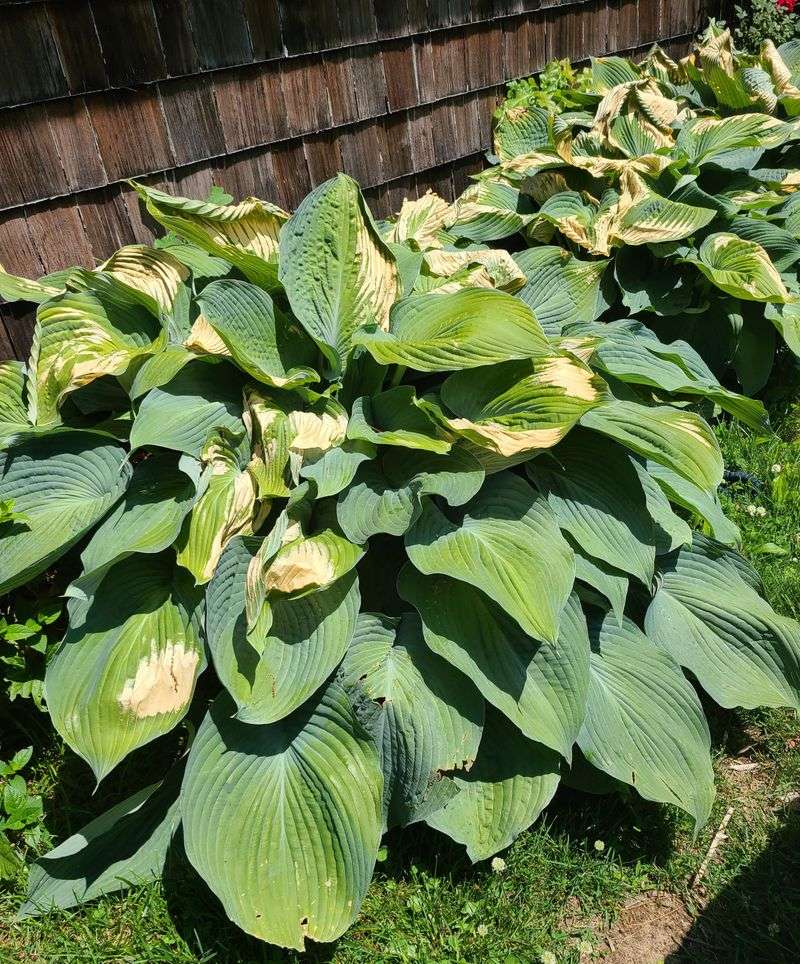
Fertilizing hostas at the wrong time or in the wrong amount can actually work against you. Late-season feeding with the wrong product pushes the plant to produce new soft growth right before cold weather arrives.
That tender new growth is vulnerable and can set the plant back rather than helping it.
That said, if your hostas have shown noticeably weak or sparse growth this season, a light application of a balanced, slow-release fertilizer in early fall can give the roots a gentle boost. The key word here is light.
Look for a fertilizer with roughly equal parts nitrogen, phosphorus, and potassium. A 10-10-10 blend works well for this purpose.
Scatter a small amount around the drip line of the plant and water it in thoroughly. Do not overdo it.
Avoid high-nitrogen fertilizers this time of year. Too much nitrogen late in the season encourages leafy top growth instead of root development.
You want the plant focusing underground right now, not above the soil.
Hostas growing in rich, well-amended soil often do not need any supplemental feeding at all in fall.
If your soil is healthy and your plants have looked strong all season, skip the fertilizer entirely and let the plant finish its cycle naturally.
Feeding should always be a response to what the plant actually needs, not a routine habit. Observe your hostas carefully, and only reach for the fertilizer bag if the evidence in front of you clearly calls for it. Less is more with fall feeding.