These Common Yard Habits Attract Fleas And Ticks In Arizona
Nothing makes it easier to enjoy your yard than stepping outside without worrying about what might be hiding in the grass or shrubs.
A clean, well-kept landscape feels like a place where you can relax and spend time outdoors without a second thought.
That feeling can change quickly after one unpleasant surprise because it makes you look at the same yard very differently.
The tricky part is that some of the most common yard habits quietly create ideal hiding places without giving you any obvious warning.
That is exactly why certain everyday habits deserve a closer look in Arizona. Fleas and ticks take advantage of shelter, moisture, and other protected areas where they can remain unnoticed for long periods.
A few simple changes around your yard can make it much less inviting and help you spend more time outdoors with greater peace of mind.
1. Letting Grass And Weeds Grow Too Tall
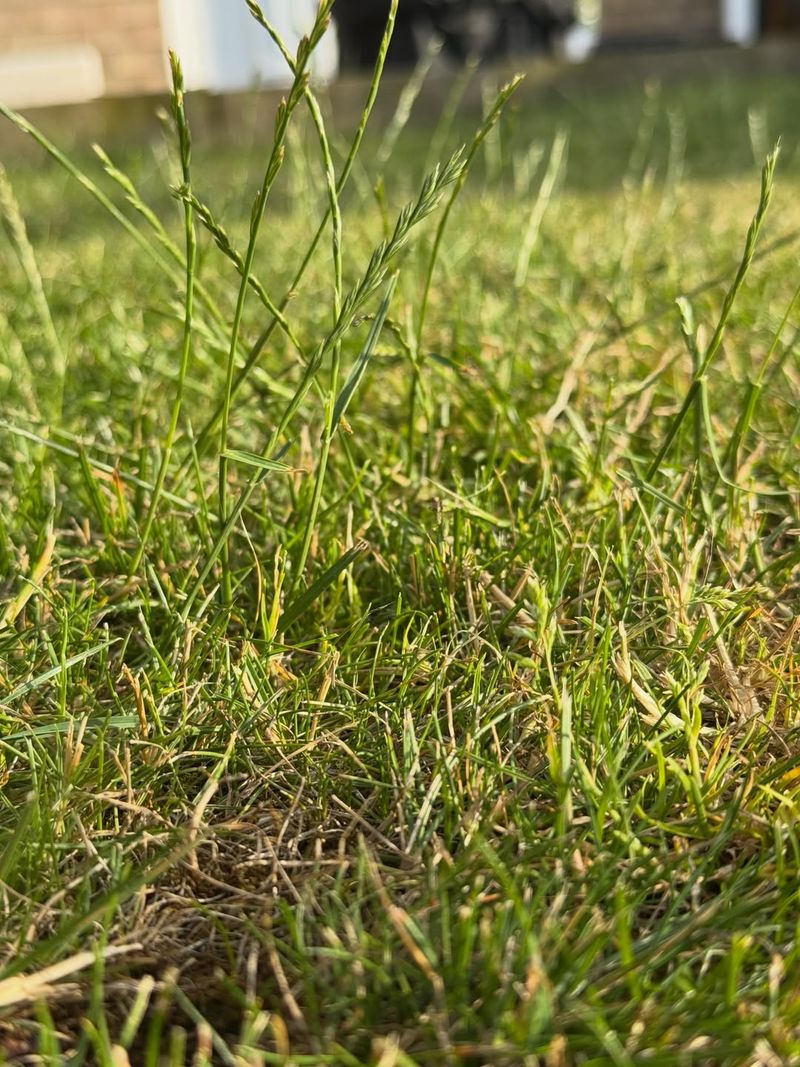
Tall grass is one of the biggest invitations for fleas and ticks you can offer without even knowing it. When lawn grass creeps past three to four inches, it creates shaded, humid pockets at ground level.
Fleas and ticks thrive in exactly those kinds of spots.
Weeds make it worse. Overgrown patches of brush and wild plants provide a dense canopy that traps moisture and blocks sunlight.
Pests use these areas to rest, reproduce, and wait for a warm-blooded host to walk by.
Keeping grass trimmed short and consistent is one of the most practical things you can do. Aim to mow at least once a week during warmer months.
Pull weeds regularly before they establish deep roots and spread across the yard.
Edges matter too. Along fences, walls, and garden borders, grass tends to grow unchecked.
Those narrow strips are prime hiding zones for ticks especially. Trimming edges every time you mow makes a real difference.
Lawns in hot, dry climates can still harbor pests, particularly in shaded or irrigated zones. Do not assume dry weather keeps the problem away.
Consistent mowing and weed control remain essential pest prevention habits no matter the season.
2. Leaving Brush And Yard Debris In Place
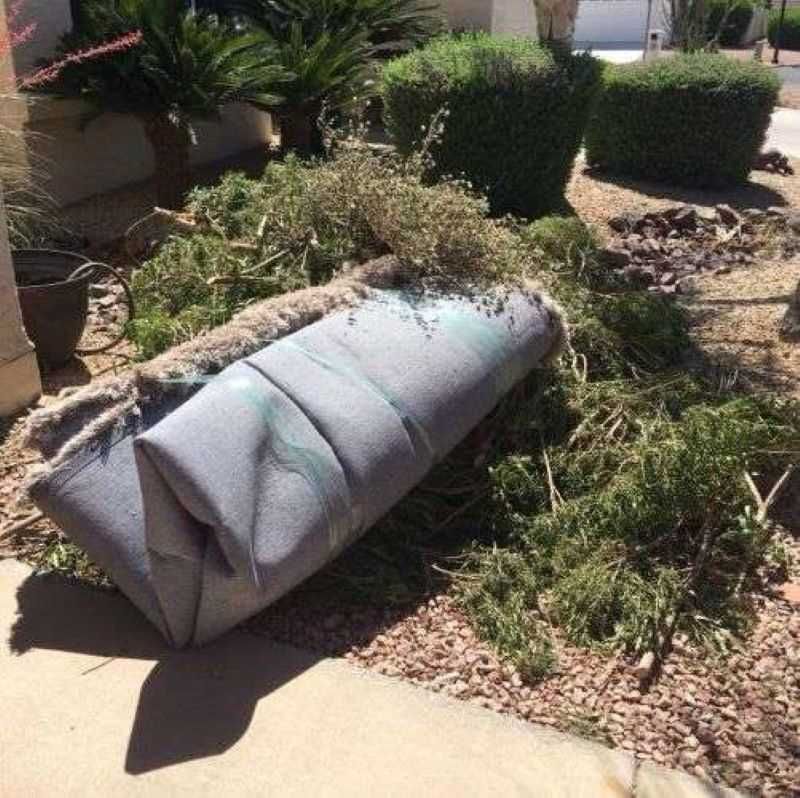
Piles of fallen leaves, broken branches, and grass clippings look harmless sitting in the corner of the yard.
In reality, they are pest magnets. Fleas and ticks seek out dark, damp, and undisturbed spaces to shelter and breed.
Brush piles are especially problematic near fence lines or under trees. Decomposing organic matter stays cooler and retains moisture longer than open soil.
That combination gives pests a stable microhabitat right next to your home.
Yard debris also attracts small rodents and wildlife. Mice, rats, and other small animals carry fleas and ticks directly into your yard.
Once those animals move through the debris pile, they leave pests behind that can spread further.
Clearing debris regularly breaks that cycle. Bag and remove clippings after each mow.
Rake leaves and dispose of them rather than letting them sit. Do not let trimmed branches pile up along walls or under dense shrubs.
Your Arizona Garden Changes Every Week. Your Plan Should Too.
Gardening in Arizona changes quickly throughout the season. Every Friday you’ll receive a simple weekly plan showing exactly what to plant, prune, fertilize, harvest, and protect so you never miss the right timing.
If you compost, keep your compost bin sealed and positioned away from areas where children or pets spend time. Open compost draws rodents, which in turn bring parasites.
A little attention to debris management goes a long way toward reducing flea and tick pressure around the property.
3. Keeping Pet Bedding Outdoors Too Long
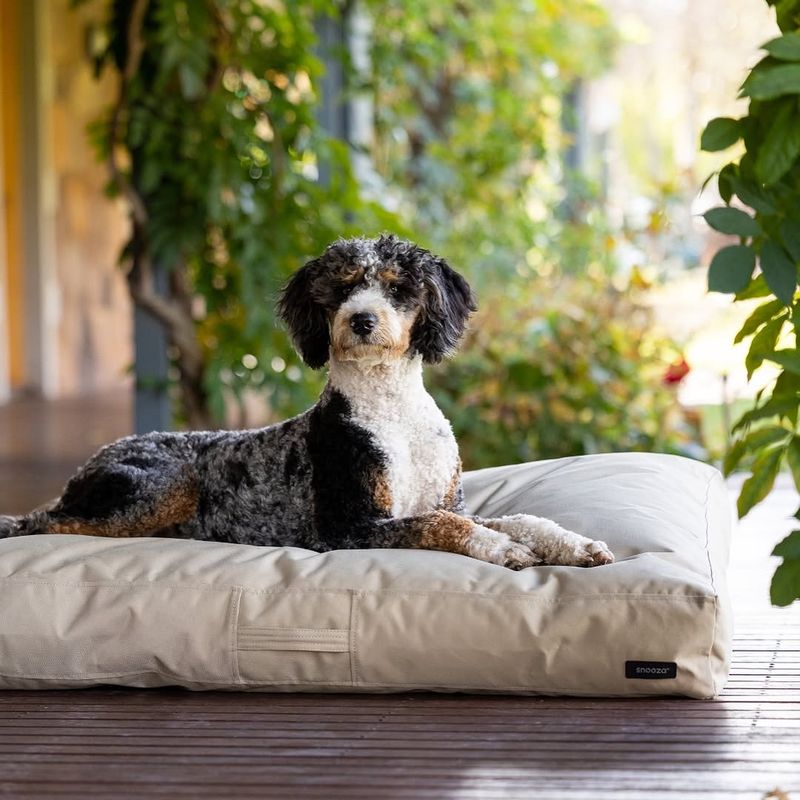
Outdoor pet bedding is one of the most overlooked flea breeding grounds in any yard. Fabric holds warmth, moisture, and pet dander, which makes it an ideal nesting spot for fleas at every life stage.
Flea eggs can fall from a pet onto the bedding and develop into larvae without anyone noticing. Pupae can survive in fabric for weeks.
By the time adult fleas emerge, the infestation is already well established in that spot.
Leaving bedding outside for extended periods accelerates the problem. Outdoor exposure to soil, grass, and wildlife traffic increases the chance that pests will settle in.
Bringing pet bedding inside and washing it frequently in hot water reduces that risk significantly.
If pets sleep outside regularly, choose bedding materials that are easy to wash and dry quickly. Replace worn or heavily soiled items rather than continuing to use them.
Fabric that breaks down retains moisture more easily, which encourages pest activity.
Check outdoor resting areas for your pets, including kennel floors and covered patio corners. Sweep and clean those spaces regularly.
Fleas do not need fabric to survive. Cracks in concrete, gaps along wall edges, and sheltered soil patches can all harbor eggs and larvae near where your pet rests most often.
4. Ignoring Rodent Activity Around The Property
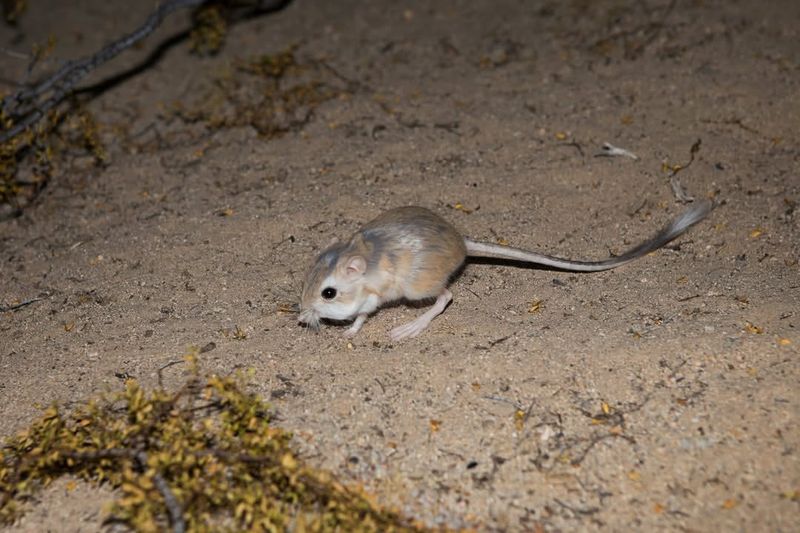
Rodents and fleas have a tight relationship. Mice and rats are primary flea hosts, and where rodents are active, fleas are not far behind.
Ignoring signs of rodent activity around the yard is one of the fastest ways to end up with a flea problem.
Burrow holes near walls, chewed materials, and small droppings near the foundation are all warning signs. Rodents tend to establish paths through the yard repeatedly, leaving flea eggs and waste along the way.
Those trails become active pest corridors over time.
Pack rats are particularly common in desert regions and often nest near structures. Their nests are built from sticks and debris, which also create ideal tick habitat.
A pack rat nest near the home can support a significant pest population without anyone noticing until the problem spreads.
Sealing gaps in fences, walls, and the foundation reduces rodent access. Remove food sources that attract them, including fallen fruit, open trash, and accessible pet food.
Keeping storage areas clean and organized eliminates nesting opportunities close to the house.
Addressing rodent activity promptly is a practical pest prevention strategy. When the rodent population near the property stays low, flea pressure typically decreases as well.
Combining habitat reduction with access control gives you the best chance of keeping both pests at manageable levels.
5. Feeding Wildlife Near The Yard
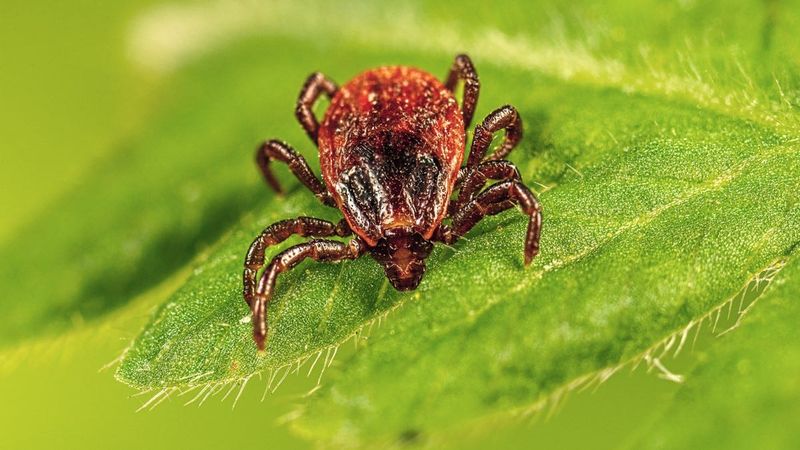
Putting out food for birds, squirrels, or stray cats might feel kind. But wildlife feeding stations pull in animals that carry fleas and ticks, often without homeowners realizing the connection.
Deer, javelinas, and feral cats are common visitors in many desert communities. Each of these animals can carry multiple ticks or flea colonies on their bodies.
When they pass through your yard to reach a food source, they leave pests behind in the grass and soil.
Bird feeders also scatter seed on the ground, drawing in rodents. Mice and rats are efficient flea carriers.
A single mouse moving through a yard can drop flea eggs across a wide area in one pass.
Reducing or removing wildlife food sources is a practical step toward lowering pest pressure. If you enjoy feeding birds, use feeders with catch trays to minimize seed spillage.
Place feeders away from areas where pets or children play.
Avoid leaving pet food bowls outside overnight. Even a small amount of leftover food attracts animals after dark.
Keeping the yard less appealing to wildlife means fewer opportunities for fleas and ticks to hitch a ride in and settle near your home. Small adjustments to feeding habits can produce noticeable results over time.
6. Overwatering Shaded Parts Of The Yard
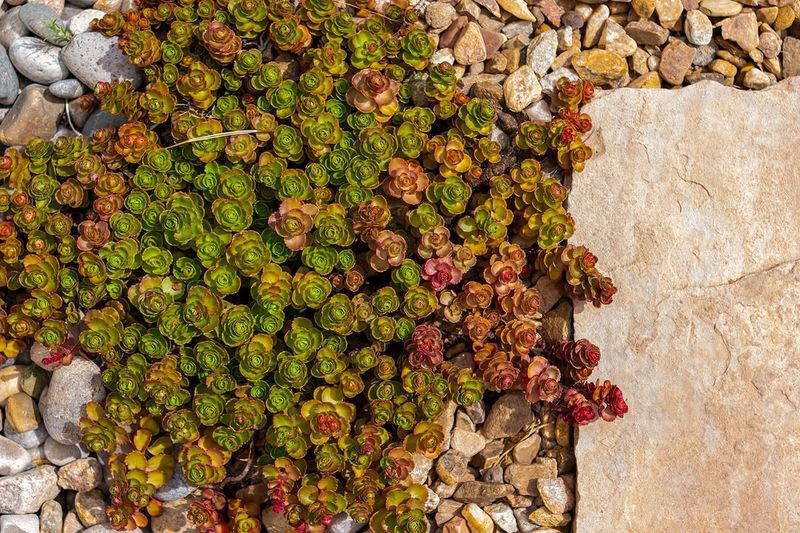
Shaded areas in the yard already stay cooler and hold more moisture than open spaces. Adding extra water to those zones creates conditions that fleas genuinely favor.
Overwatering is a common mistake in desert landscaping, and it quietly builds pest-friendly environments.
Fleas prefer humid soil and shaded ground cover. A damp patch under a dense shrub or tree canopy can support flea larvae even during dry, hot stretches of weather.
Most people assume desert heat prevents infestations, but shaded, wet soil changes that equation.
Ticks also benefit from excess moisture. They dehydrate quickly in direct sun and dry conditions.
Shaded, irrigated areas give them a refuge where they can survive longer between hosts.
Adjusting your irrigation schedule for shaded zones helps reduce that moisture buildup. Water those areas less frequently than sunny spots.
Check soil moisture before running sprinklers to avoid saturating ground that is already damp.
Trimming back dense shrubs and low-hanging branches can also help. Better airflow and more sunlight penetration dry out soil faster after watering.
Reducing standing moisture in shaded zones removes one of the key environmental conditions that allows flea and tick populations to persist and expand around the yard throughout warmer months.
7. Skipping Regular Yard Cleanup
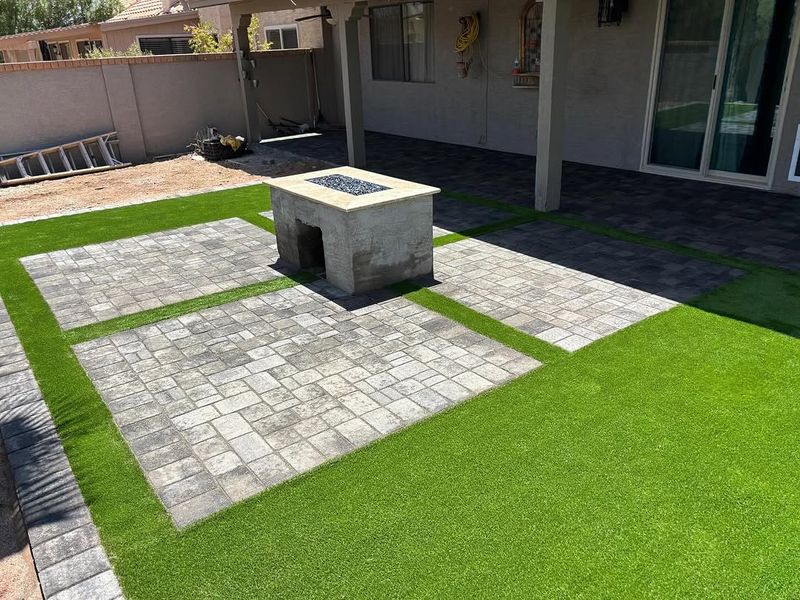
Skipping cleanup even for a few weeks gives pests exactly the environment they need to establish themselves. Clutter, organic buildup, and neglected corners compound quickly into serious pest habitat.
Fleas and ticks do not need exotic conditions. Leaf litter behind a shed, a forgotten pile of garden pots, or an untrimmed hedge along the back fence are enough.
Disorder in the yard creates dozens of small microhabitats that pests exploit.
Consistent cleanup removes those opportunities before they develop into bigger problems. Raking, trimming, sweeping, and organizing the yard on a regular schedule keeps conditions less hospitable for pests.
Even a basic monthly walkthrough can reveal problem areas before they worsen.
Pay attention to spaces that are easy to forget. Under decks, behind storage units, along drainage paths, and near air conditioning units are common spots where debris collects unnoticed.
Pests tend to move toward the quietest, most undisturbed areas of the property.
In warmer regions like parts of the Southwest, pest season extends through much of the year. That means cleanup cannot be a once-a-season task.
Building a simple weekly or biweekly yard maintenance routine reduces overall pest pressure and keeps your outdoor space far less welcoming to fleas and ticks throughout the entire year.