Can You Make Your Oregon Neighbor Remove A Tree That Threatens Your Home?
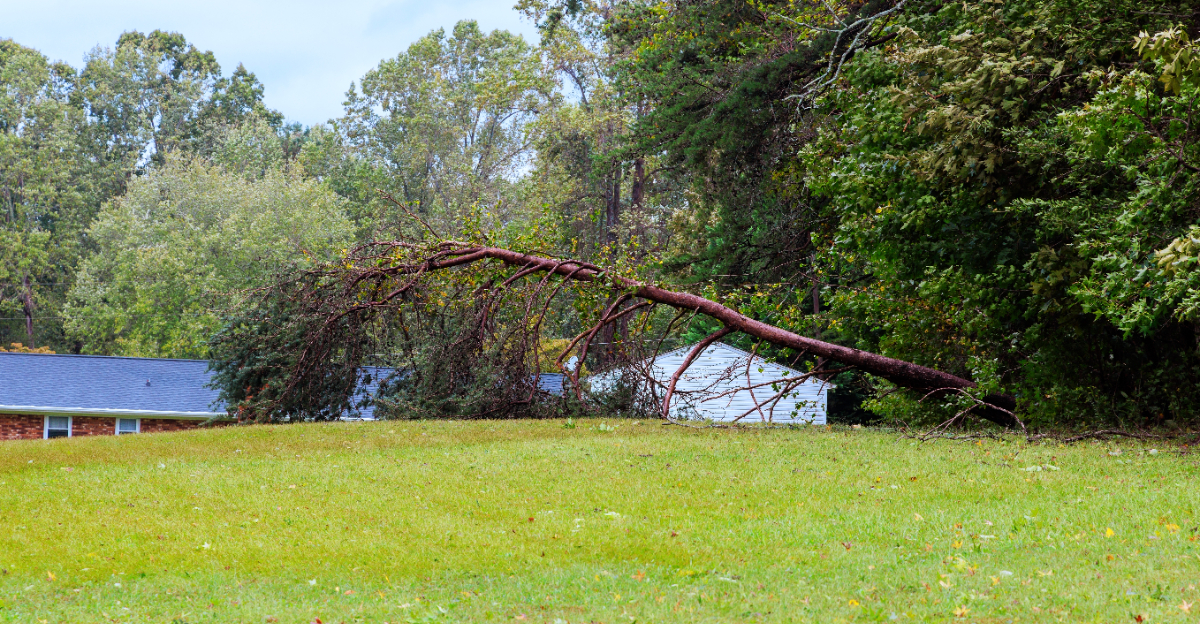
A neighbor’s tree can be lovely right up until it starts leaning toward your roof like it has personal plans. In Oregon, that situation can get awkward fast.
You may be worried about falling limbs, root damage, storm risk, or a trunk that looks a little too committed to your property line.
But making a neighbor remove a tree is not as simple as pointing at it and saying, “That one scares me.”
Tree disputes can involve property rights, local rules, proof of danger, and some very delicate neighbor diplomacy.
The tricky part is knowing when a tree is just annoying and when it is a real hazard. Before you call an arborist, the city, or your most dramatic friend, it helps to understand your options.
A risky tree may be your neighbor’s problem, but handling it the wrong way can become yours too.
1. A Scary Tree Is Not Always A Legal Hazard
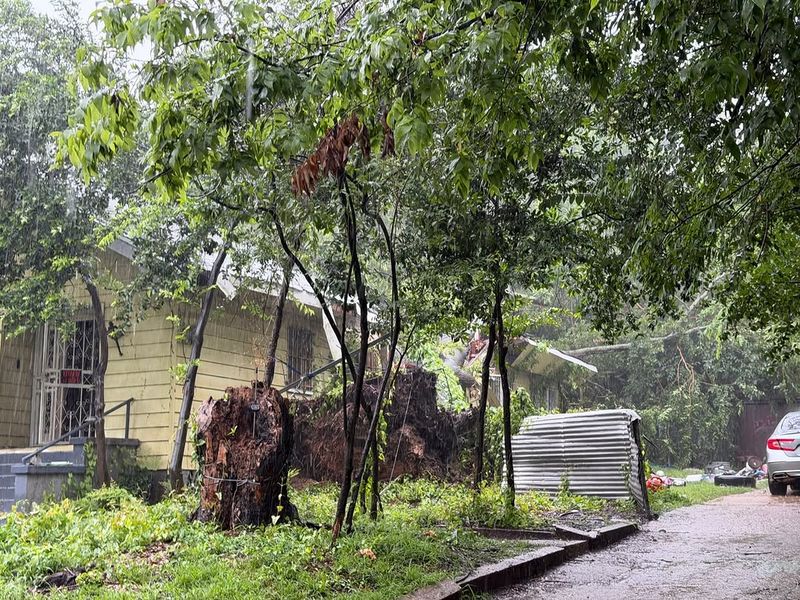
Not every tree that makes you nervous is actually a legal problem. A tree that looks withered, leans slightly, or drops branches onto your yard may not meet the legal standard of a “hazard tree.”
Oregon courts generally look for proof that the tree poses a real, foreseeable risk of harm before holding a neighbor responsible.
A tree that is simply old or ugly does not automatically create legal liability. Courts want to see evidence of structural failure, disease, root damage, or a dangerous lean that points directly toward a structure.
Your personal fear of the tree, while completely understandable, is not enough on its own to force a neighbor to act.
That said, your concerns are still worth taking seriously. Many disputes start because one neighbor notices something the tree owner has not yet seen.
A visual concern can become a real hazard over time, especially after a bad storm or a dry summer. Paying attention early is smart.
Getting a professional opinion is the best first step. A certified arborist can inspect the tree and tell you whether it meets the definition of a hazard.
That report gives you something solid to work with. Without it, you are just two neighbors arguing about a tree.
With it, you have facts, and facts carry real weight in any conversation or legal process that follows.
2. Start With Photos And Written Notes
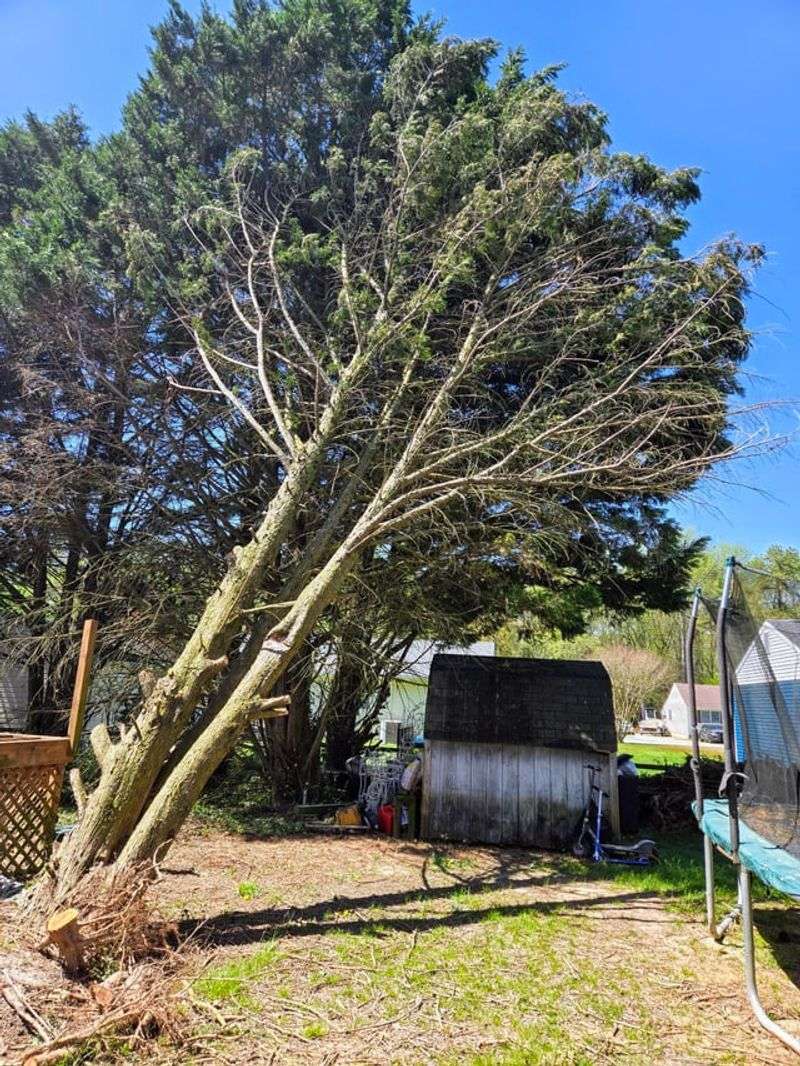
Before you say a single word to your neighbor, grab your phone and start documenting. Photos and written notes might seem like too much at first, but they become incredibly valuable if the situation ever gets serious.
Start by taking clear, dated photos of the tree from multiple angles.
Focus on anything that looks unusual. Cracks in the trunk, mushrooms growing at the base, withered branches hanging over your roof, or visible root damage near your foundation are all worth capturing.
Write down the date, time, and what you observed in a simple notebook or a notes app on your phone.
This habit protects you in a big way. If the tree later falls and causes damage, your documentation shows that the risk was visible and ongoing.
Your Oregon Garden Changes Every Week. Your Plan Should Too.
Gardening in Oregon changes quickly throughout the season. Every Friday you’ll receive a simple weekly plan showing exactly what to plant, prune, fertilize, harvest, and protect so you never miss the right timing.
It also shows that you were paying attention before anything went wrong. That timeline can matter a lot in a legal or insurance situation.
Keep your records organized and easy to find. A folder on your phone or computer works well.
If you have conversations with your neighbor about the tree, write those down too. Note the date, what was said, and how your neighbor responded.
Even a short text message exchange counts as documentation. Building this paper trail from the very beginning gives you a strong foundation if things ever escalate beyond a friendly conversation.
3. Ask Before The Problem Becomes A Fight
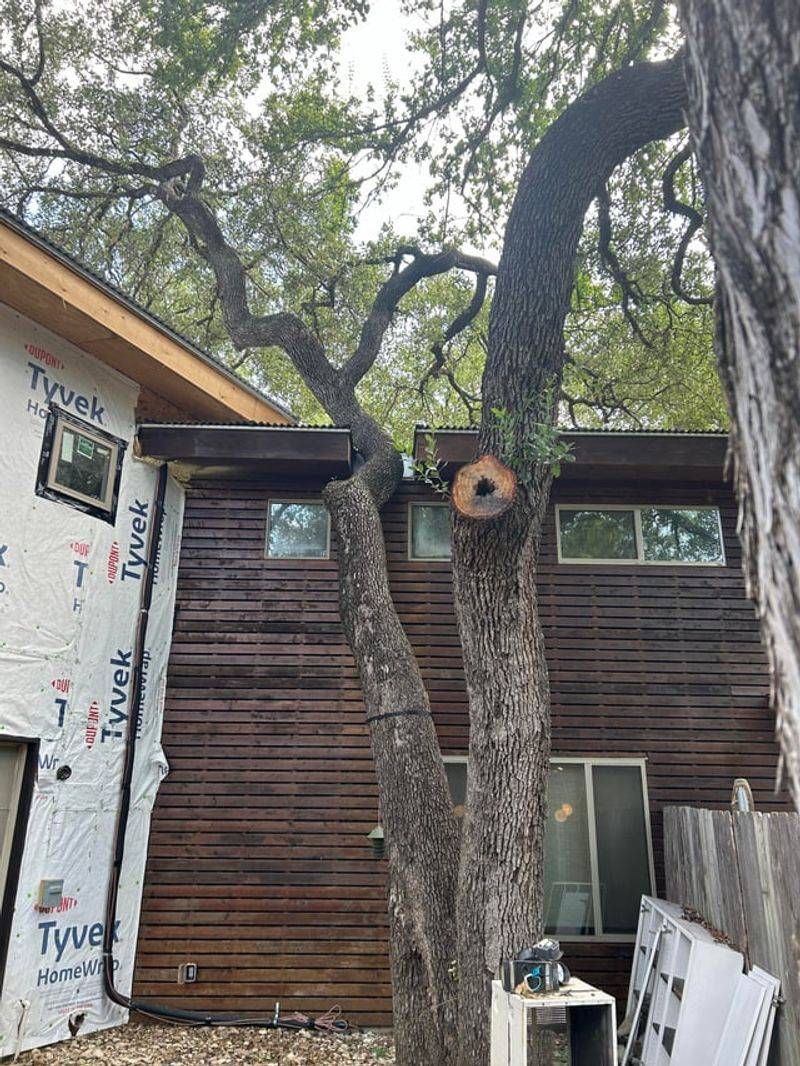
Most tree disputes do not need to become legal battles. A calm, honest conversation with your neighbor is almost always the right first move.
Many tree owners simply do not realize their tree is causing concern. A friendly heads-up can go a long way toward solving the problem quickly.
Choose the right moment to bring it up. Do not knock on the door right after a storm when emotions are high.
Pick a relaxed time and approach the conversation with curiosity rather than accusation. Something like, “Hey, I noticed that big oak is leaning a bit.
Have you had a chance to look at it lately?” opens the door without putting anyone on the defensive.
Be clear about what you are concerned about, but stay respectful. Explain that you are worried about your roof, your car, or your fence.
Share what you have noticed. Offer to split the cost of an arborist inspection if that feels appropriate.
Most neighbors respond much better when they feel like you are working with them, not against them.
Keep in mind that your neighbor may already be aware of the issue and just unsure what to do. Some people delay action because they are worried about the cost.
Offering to share information about local tree services or assistance programs can make a real difference. A good conversation now can prevent a very expensive and stressful dispute later on.
4. An Arborist Report Carries More Weight
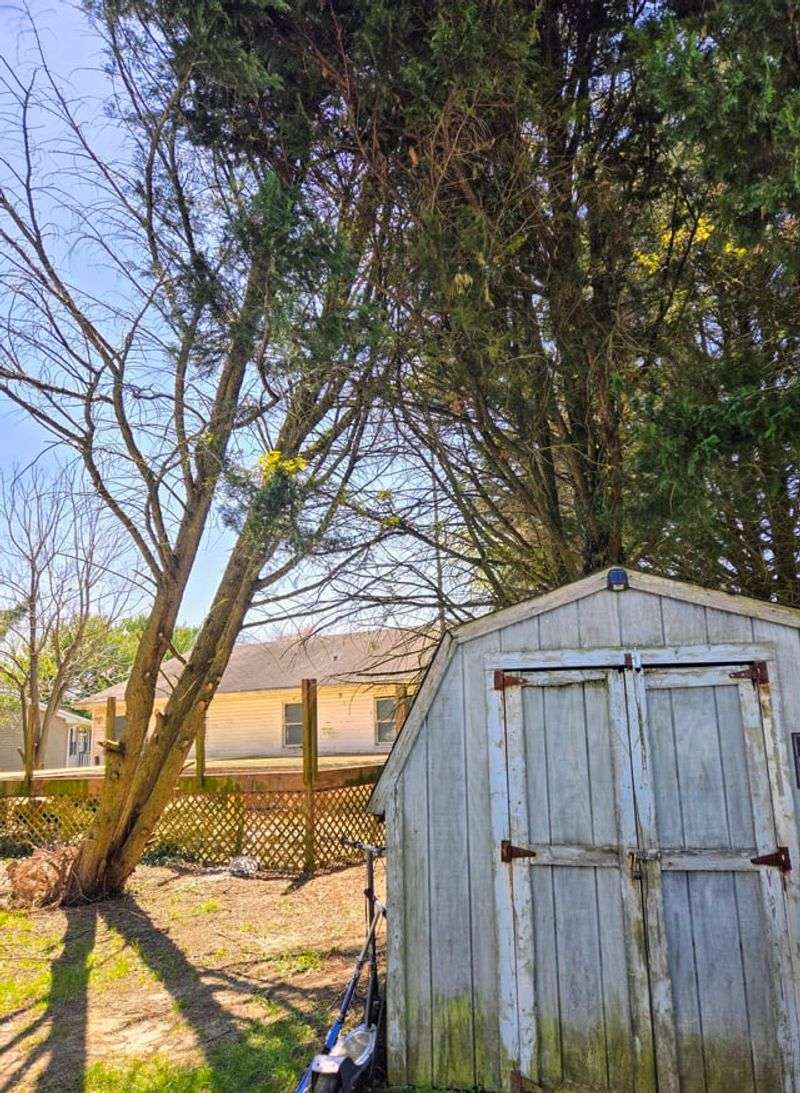
When a friendly conversation does not move things forward, bringing in a certified arborist is a smart next step.
An arborist report is a professional written assessment of a tree’s health and structural stability.
It carries a level of credibility that your own observations simply cannot match.
A certified Oregon arborist looks at things most homeowners would never notice. They check for internal decay, root system problems, soil conditions, and signs of pest damage.
They also evaluate whether the tree’s lean or branch structure creates a real risk to nearby structures. Their findings are based on training and experience, not just a quick glance.
Once you have that report in hand, you have something powerful. If the arborist concludes the tree is a hazard, you can share that report with your neighbor along with a written request to address the issue.
At that point, your neighbor has been officially informed by a professional. That matters under Oregon law because liability often depends on whether the tree owner had notice of the risk.
Hiring an arborist does cost money, but it is usually worth it. Fees vary depending on the size of the tree and the complexity of the inspection.
Some arborists offer free estimates before committing to a full report. Ask for credentials and make sure the person you hire is ISA-certified.
A report from an unqualified person will not hold the same weight in a legal or insurance context.
5. Damaged Or Leaning Trees Change The Conversation
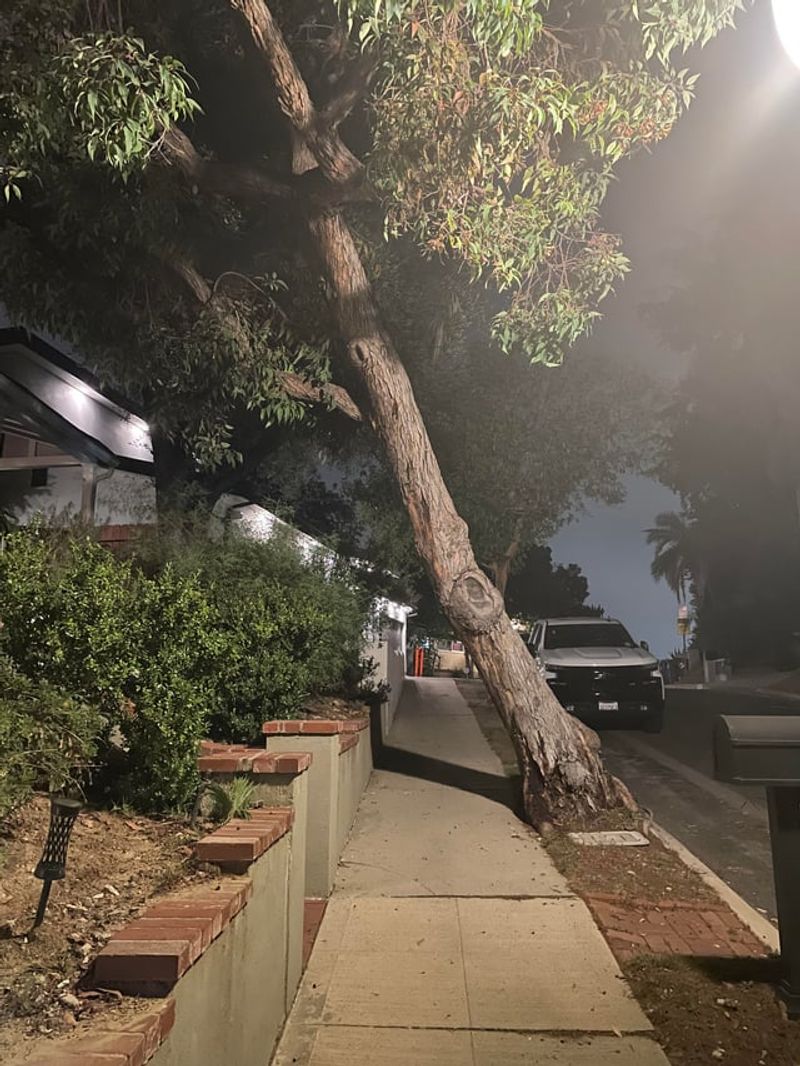
There is a clear difference between a tree that looks old and a tree that is actively showing signs of structural failure.
When a tree is visibly cracked, severely leaning, or has large withered limbs hanging over your home, the legal and practical situation changes significantly.
These are the kinds of conditions that courts and insurance companies take seriously.
A tree that suffered storm damage and was never properly treated is a common example. If a windstorm split the trunk two years ago and your neighbor never had it assessed, that history matters.
The same goes for trees with large sections of bark missing, visible fungal growth at the base, or roots that are lifting and cracking the soil in ways that suggest instability.
When you can point to specific, visible damage, your case for action becomes much stronger. An arborist can document these conditions in detail.
Combined with your own photos and notes, that documentation builds a compelling picture of risk. It also makes it harder for a neighbor to claim they had no idea there was a problem.
Leaning trees deserve special attention. A moderate lean is not always dangerous, but a lean that has gotten worse over time or that points directly at your home is a red flag.
Track changes with dated photos taken from the same spot. If the lean is increasing, that progression itself is evidence that something is wrong and that the situation needs prompt attention.
6. You Can Usually Trim To The Property Line
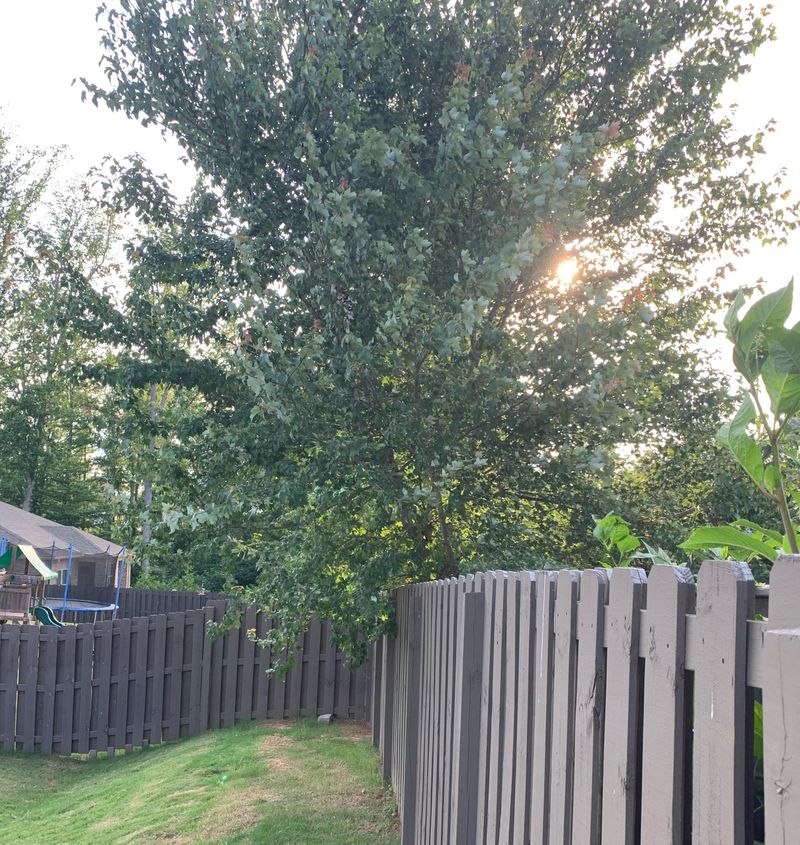
Here is something many homeowners do not realize: you generally have the right to trim branches and roots that cross onto your property, up to the property line. This is a well-established rule in Oregon and most other states.
You do not need your neighbor’s permission to do this kind of trimming.
That said, there are real limits to this right. You can cut back what crosses the line, but you cannot go onto your neighbor’s property to do it.
You also cannot cut branches in a way that would seriously harm or structurally damage the tree. The rule is about protecting your property, not punishing your neighbor’s tree.
Practically speaking, this option works well for overhanging branches that are dropping debris on your roof or blocking your gutters. Hiring a licensed tree trimmer to handle the work safely is usually the smartest move.
They know how to make clean cuts that reduce the risk of disease and do not stress the tree unnecessarily.
Keep in mind that any branches or debris you cut down become your responsibility to dispose of. You generally cannot dump them back on your neighbor’s property.
Check your local city or county rules about yard waste disposal, since some areas have specific pickup schedules or drop-off sites.
Trimming to the property line is a practical tool, but it works best when done carefully and with a clear understanding of where your rights begin and end.
7. Don’t Cut So Much That You Harm The Tree
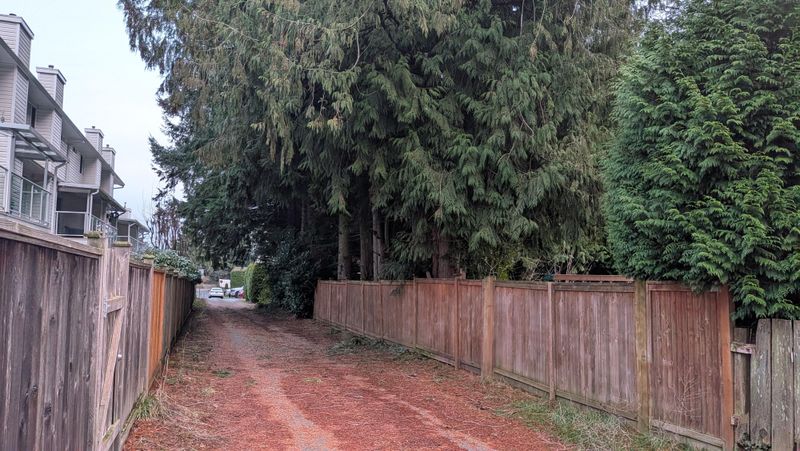
Knowing you can trim to the property line is useful, but it comes with an important caution. If you cut so much of the tree that it seriously harms or causes it to fail structurally, you could actually be held liable for the damage.
Oregon courts have ruled on cases where a neighbor trimmed too aggressively and ended up responsible for what followed.
Over-trimming, sometimes called “topping,” is one of the most common mistakes homeowners make. Cutting large sections off the top of a tree does not just look bad.
It weakens the tree’s structure, creates entry points for disease, and can cause the tree to grow back in unpredictable ways. A weakened tree is actually more dangerous than one that was left alone.
Before you start cutting, take a moment to think about what you are removing. Are you taking off a few small branches, or are you planning to remove a large portion of the canopy?
If the job feels significant, bring in a professional. A licensed arborist or tree trimmer can assess what can safely be removed without harming the tree’s overall health and stability.
Being thoughtful about how you trim also helps preserve your relationship with your neighbor. Removing a branch is one thing.
Leaving a tree looking butchered is another. A little consideration goes a long way, and keeping the tree healthy actually serves everyone’s interests, including your own property’s safety and curb appeal.
8. City Tree Rules May Limit What Happens Next
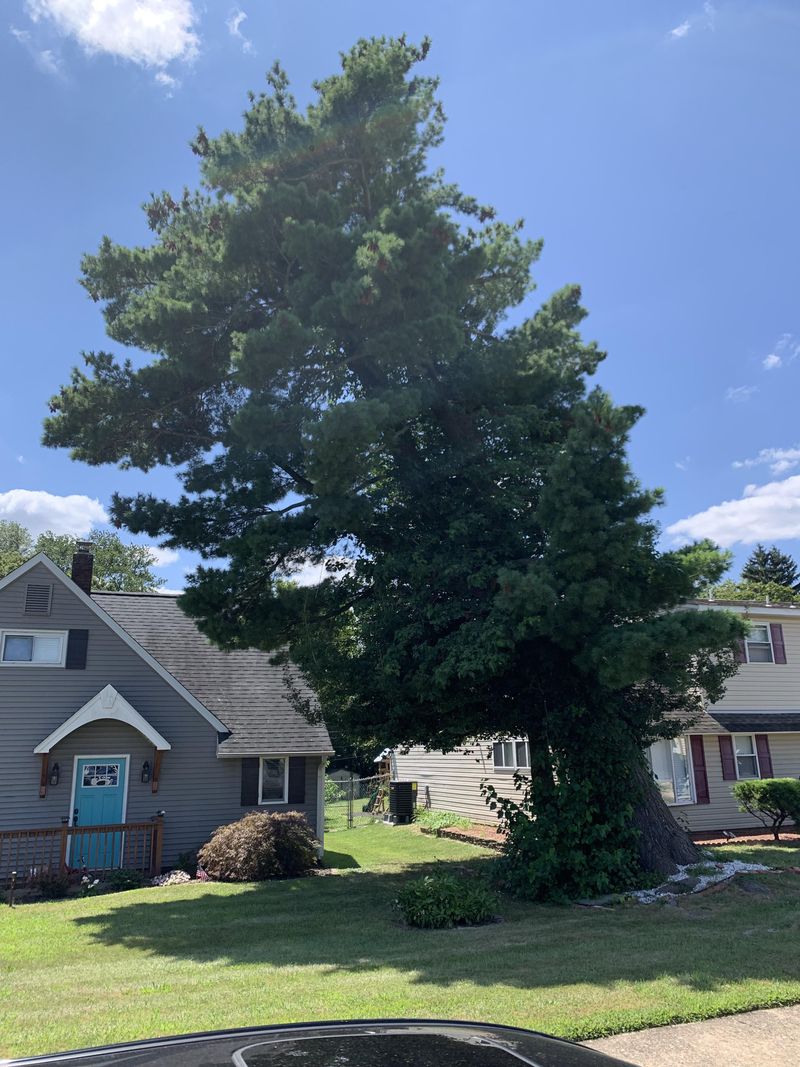
Many cities and counties across Oregon have their own tree ordinances, and those local rules can have a big impact on what you or your neighbor can legally do with a tree.
Some areas require permits before any significant tree work can be done, even on private property. Others have protections for trees over a certain size or species.
Portland, Eugene, and Bend all have specific urban forestry codes that go beyond basic state law.
In some cases, a tree that you consider a hazard may actually be protected under a heritage tree designation or a development tree protection plan.
Removing or significantly altering such a tree without permission can result in fines and legal trouble.
Before you take any action, check with your city or county planning or urban forestry department. A quick phone call or visit to the city website can tell you whether the tree in question has any special protections.
This step takes only a few minutes but can save you from making a costly mistake.
Local rules also affect what your neighbor is allowed to do. Even if they agree the tree is a problem, they may need a permit before they can remove it.
Knowing the local requirements upfront helps both of you move forward in the right way. It also gives you another avenue to pursue if your neighbor is unresponsive, since some cities will step in when a tree is officially flagged as a public safety concern.
9. Certified Letters Create A Paper Trail
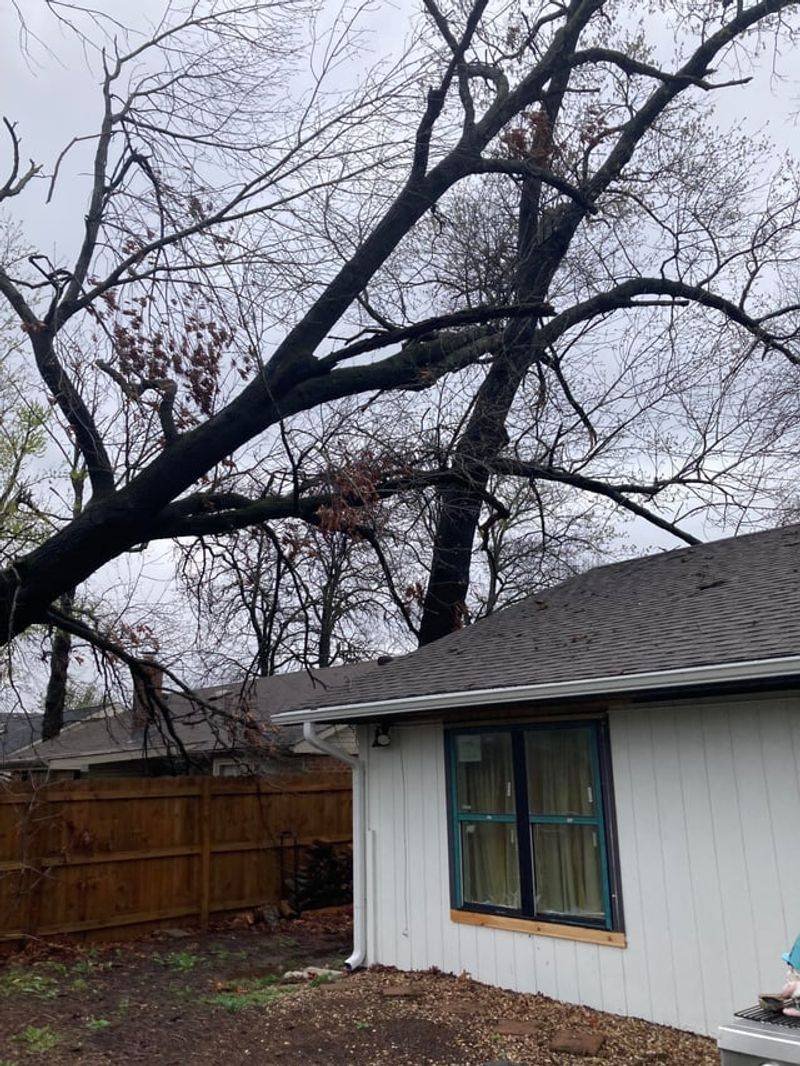
Friendly conversations are great, but they leave no record. Once you have documentation and a professional report in hand, sending a formal written notice to your neighbor is a critical step.
A certified letter with return receipt creates a legal record that your neighbor received your concern and when they received it.
Your letter does not need to be aggressive or threatening. Keep it factual and calm.
State what you observed, mention that you had an arborist inspect the tree, and include a copy of the report.
Clearly explain what you are requesting, whether that is a full removal, trimming, or an independent inspection. Give a reasonable time for a response.
Why does this matter so much? Because under Oregon law, a tree owner’s liability often depends on whether they had notice of the hazard.
A certified letter proves that notice was given on a specific date. If the tree later causes damage and the owner ignored your warning, that letter becomes a very important piece of evidence in any legal or insurance claim.
Save copies of everything. Keep the return receipt, a copy of the letter, and any response you receive from your neighbor.
If they respond by email or text, save those too. This paper trail does not mean you are preparing for a lawsuit.
It means you are protecting yourself responsibly. Most disputes never reach a courtroom, but having clear documentation makes every step of the process smoother and more credible.
10. Insurance May Treat Storm Damage Differently
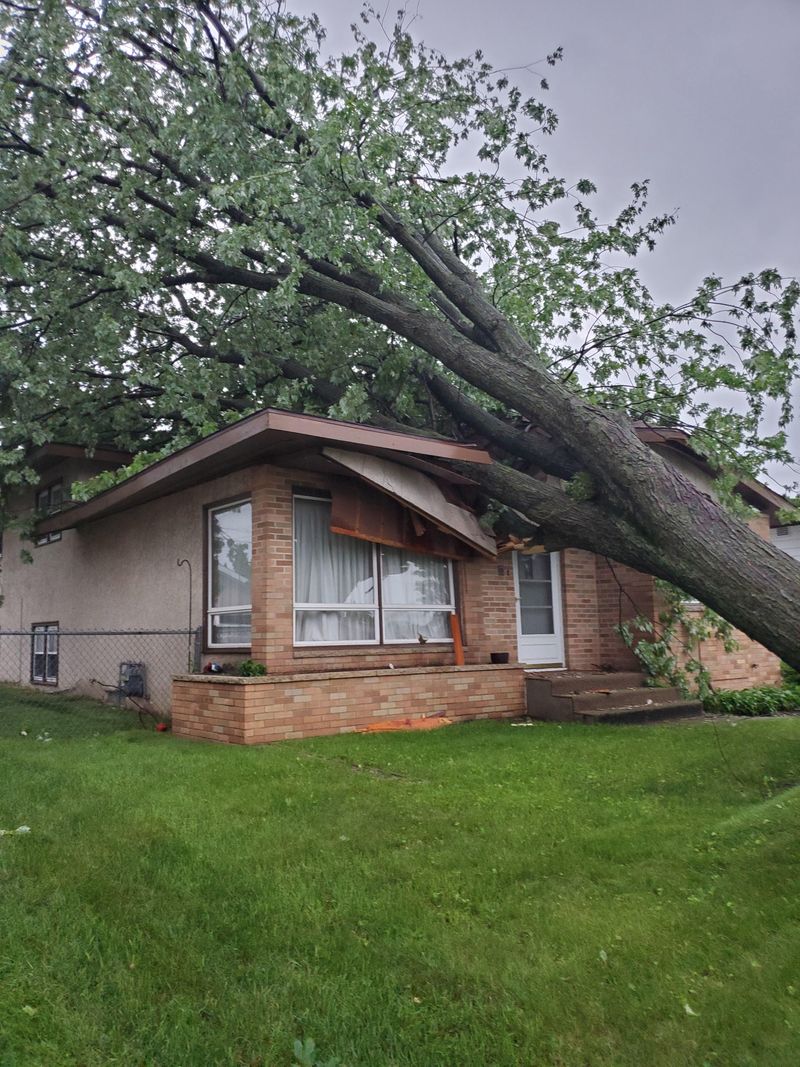
Many homeowners assume that if a neighbor’s tree falls on their property, the neighbor’s insurance will automatically cover the damage.
That is not always how it works, and understanding the difference can save you from a very unpleasant surprise.
Insurance policies and legal liability are two separate things, and they do not always line up the way you might expect.
In most cases, if a healthy tree falls during a storm and lands on your home, your own homeowner’s insurance is the one that pays for repairs to your property.
The neighbor is generally not liable if the tree was healthy and showed no signs of being a hazard.
Storm damage is often treated as an act of nature, not negligence.
The situation changes when negligence is involved. If you warned your neighbor in writing that the tree was a hazard, and they did nothing, and the tree later caused damage, their liability insurance may be on the hook.
That is why the certified letter and the arborist report matter so much. They are what separates a simple storm claim from a negligence case.
Talk to your own insurance agent before anything happens. Ask how your policy handles fallen tree damage from a neighbor’s property.
Ask about deductibles, coverage limits, and what documentation you would need to file a claim.
Being informed now means you will not be scrambling for answers after a tree has already come through your roof. Preparation is always your best protection.