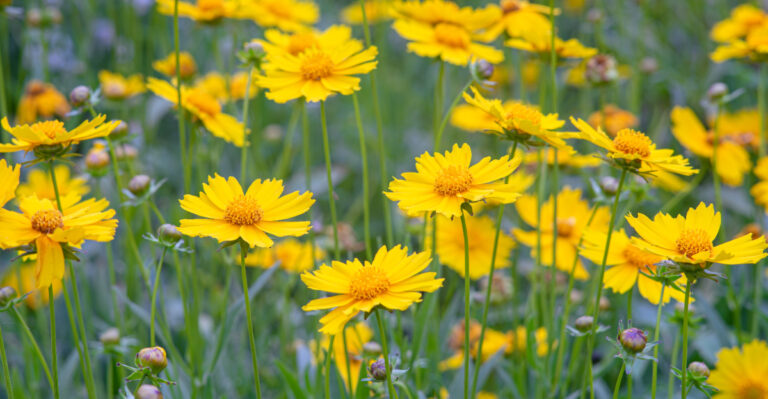
The Native Michigan Plant That Feeds Goldfinches All Summer Without Any Help
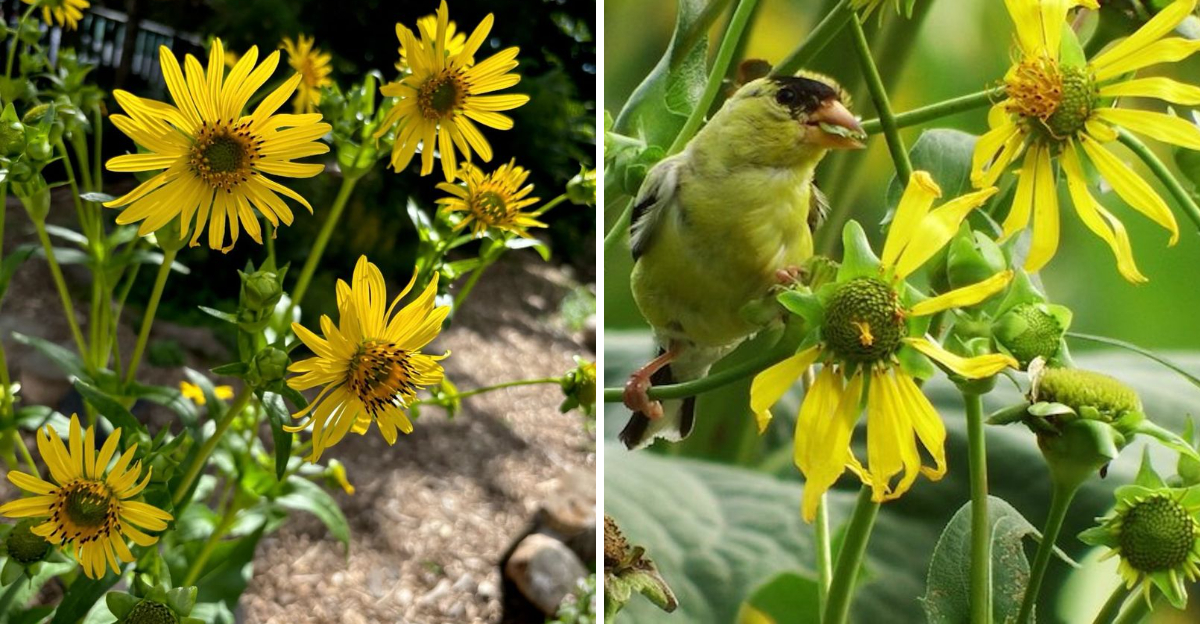
Goldfinches are one of the most visually striking regular visitors to Michigan yards, and the gardeners who see them consistently through the entire summer have almost always made one specific planting decision that others have not.
One native plant produces a seed supply that goldfinches return to repeatedly from early summer through fall, requiring no deadheading, no supplemental feeding, and no particular maintenance to keep delivering.
It handles Michigan’s heat and clay soils without complaint, fills a border or naturalistic area with genuine seasonal interest, and does more for consistent goldfinch activity in a single planting than a fully stocked feeder does through most of the summer.
1. Cup Plant Is The Native Michigan Pick
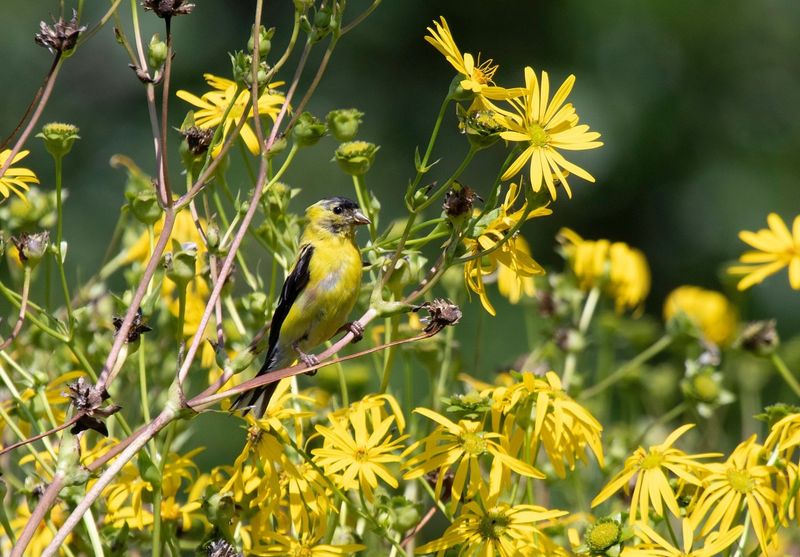
Some plants just belong in a place, and cup plant belongs in Michigan. Known scientifically as Silphium perfoliatum, this native perennial has grown across the Midwest for thousands of years.
It is not a trendy garden import or a plant that needs constant pampering. It evolved right here, alongside the birds and insects that depend on it.
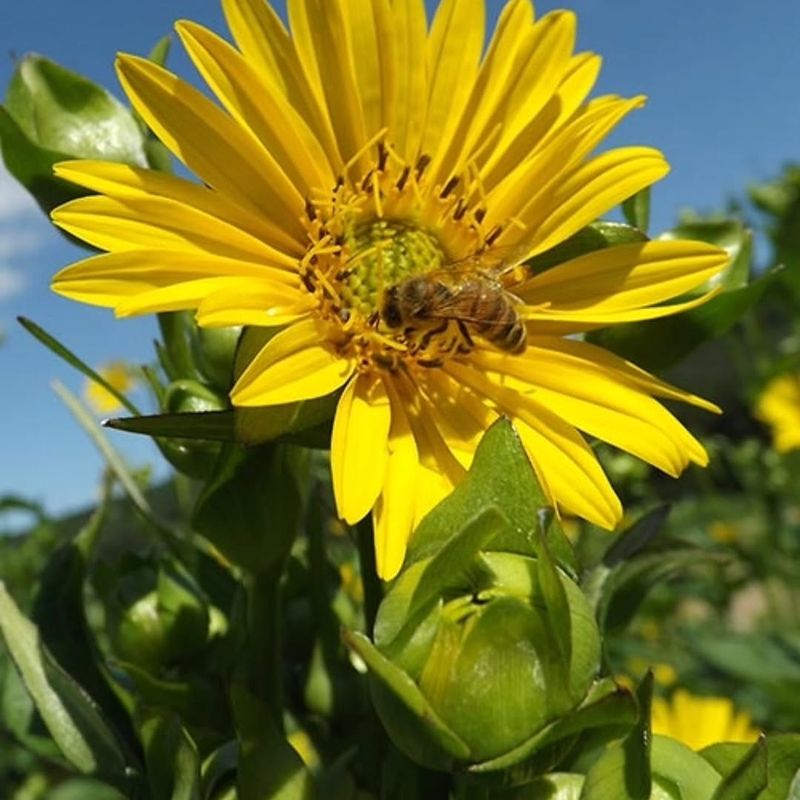
Cup plant produces bold, sunflower-like yellow blooms that open in midsummer and keep going for weeks. As those flowers finish, they develop into seed heads that American goldfinches absolutely love.
The plant does not stop being useful once the blooms fade. In fact, for goldfinches, the real excitement starts when those seeds begin to ripen.
Michigan gardeners who want to attract birds without hanging a feeder will find cup plant to be one of the smartest choices available. It is hardy through Michigan winters, comes back reliably each year, and spreads steadily over time.
Once established, it feeds birds on its own schedule without any extra effort from the gardener.
The key is leaving those seed heads standing instead of cutting them down at the end of summer. That one simple choice turns your garden into a natural feeding station.
Cup plant rewards patience, and Michigan’s goldfinches reward cup plant right back with visits that feel like a gift every single time.
2. Goldfinches Are Seed Specialists
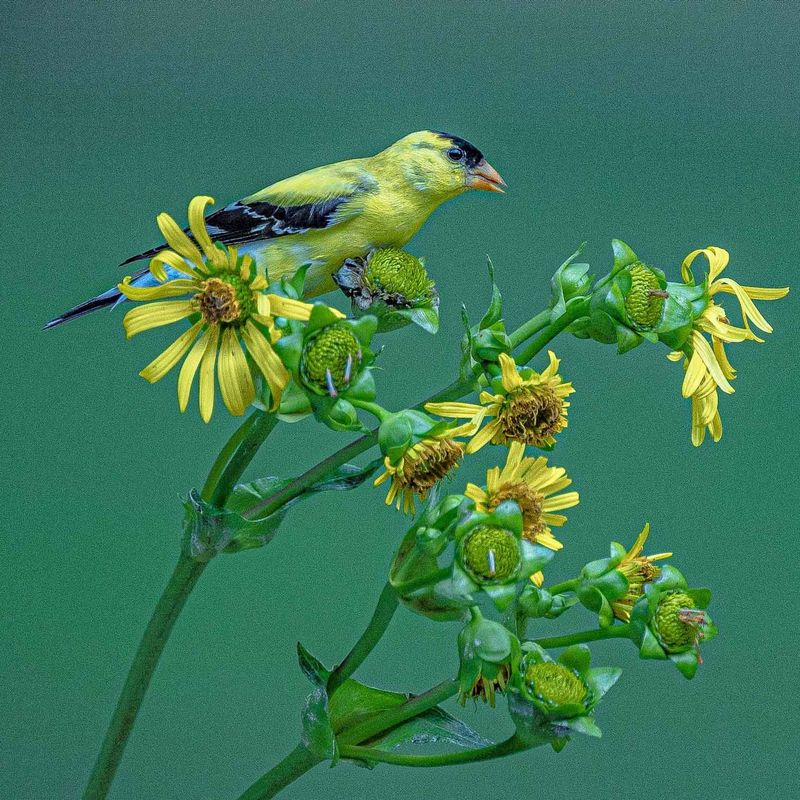
American goldfinches are not casual snackers. They are true seed specialists, and their entire diet revolves around finding the right seeds at the right time.
Unlike many songbirds that shift to insects during breeding season, goldfinches stick almost exclusively to seeds year-round. That preference makes them very particular about which plants they visit.
Plants in the composite family are goldfinch favorites. This group includes sunflowers, coneflowers, thistles, and asters, all of which produce the kind of small, oil-rich seeds that goldfinches crave.
Cup plant falls right into this family, which is exactly why goldfinches find it so irresistible. The plant’s yellow composite flowers mature into seed heads that are perfectly sized and perfectly timed for these birds.
Goldfinches also breed later than most songbirds, often raising their young in late summer when many other birds have already finished nesting. This timing lines up beautifully with cup plant’s seed production.
By the time goldfinch parents are feeding their fledglings, cup plant seeds are ripening and ready. It is a natural match that has been playing out in Michigan meadows long before backyard bird feeders ever existed.
Your Michigan Garden Changes Every Week. Your Plan Should Too.
Gardening in Michigan changes quickly throughout the season. Every Friday you’ll receive a simple weekly plan showing exactly what to plant, prune, fertilize, harvest, and protect so you never miss the right timing.
Planting cup plant means working with goldfinch biology rather than against it. You are offering exactly what they are wired to seek out.
A garden with established cup plant becomes part of their natural foraging route, and once they find it, they come back season after season with cheerful reliability.
3. The Plant Does The Work If You Leave The Seed Heads
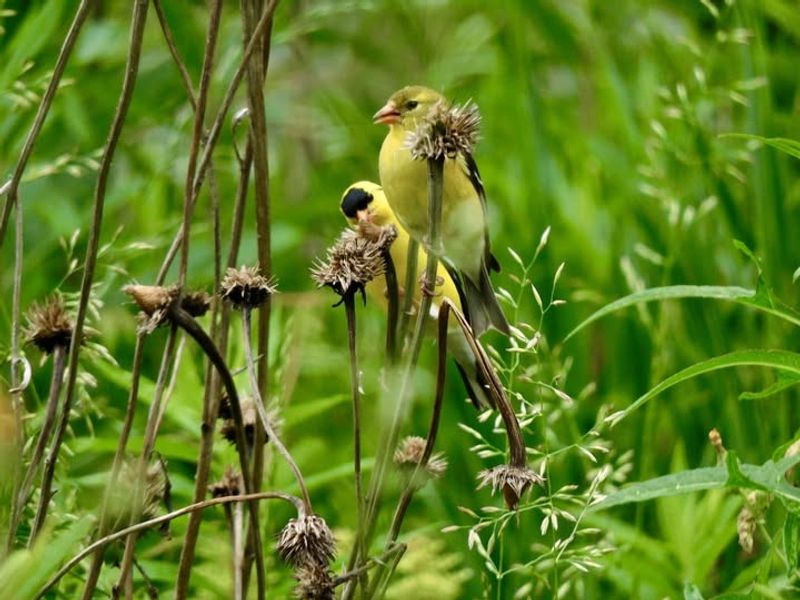
Here is the thing about cup plant and goldfinches: the plant genuinely does the heavy lifting, but only if the gardener gets out of the way at the right moment. The single most important task is simply not cutting down the seed heads too early.
That sounds easy, but it goes against the tidying instinct many gardeners feel when summer starts winding down.
Cup plant blooms from roughly July into August in Michigan, depending on the site and the season. After those sunny yellow flowers finish, the seed heads begin forming.
By late August and into September, those heads are packed with seeds that goldfinches will actively seek out. Cutting the plant back before that happens removes the food source entirely and forces the birds to look elsewhere.
Leaving the seed heads standing through fall is the main thing a gardener can do to support goldfinches. No feeder is needed.
No special seed mix, no expensive equipment, and no daily maintenance. The phrase without any help really does apply, but it comes with one important condition: the plant needs time to mature and the right site to thrive in the first place.
Cup plant takes a season or two to fully establish. Young plants focus on building their root system before producing heavy flower and seed crops.
Once established though, a well-sited cup plant becomes a reliable, self-sustaining wildlife resource that does exactly what nature designed it to do, season after season, without any extra effort from you.
4. It Also Offers Tiny Water Cups After Rain
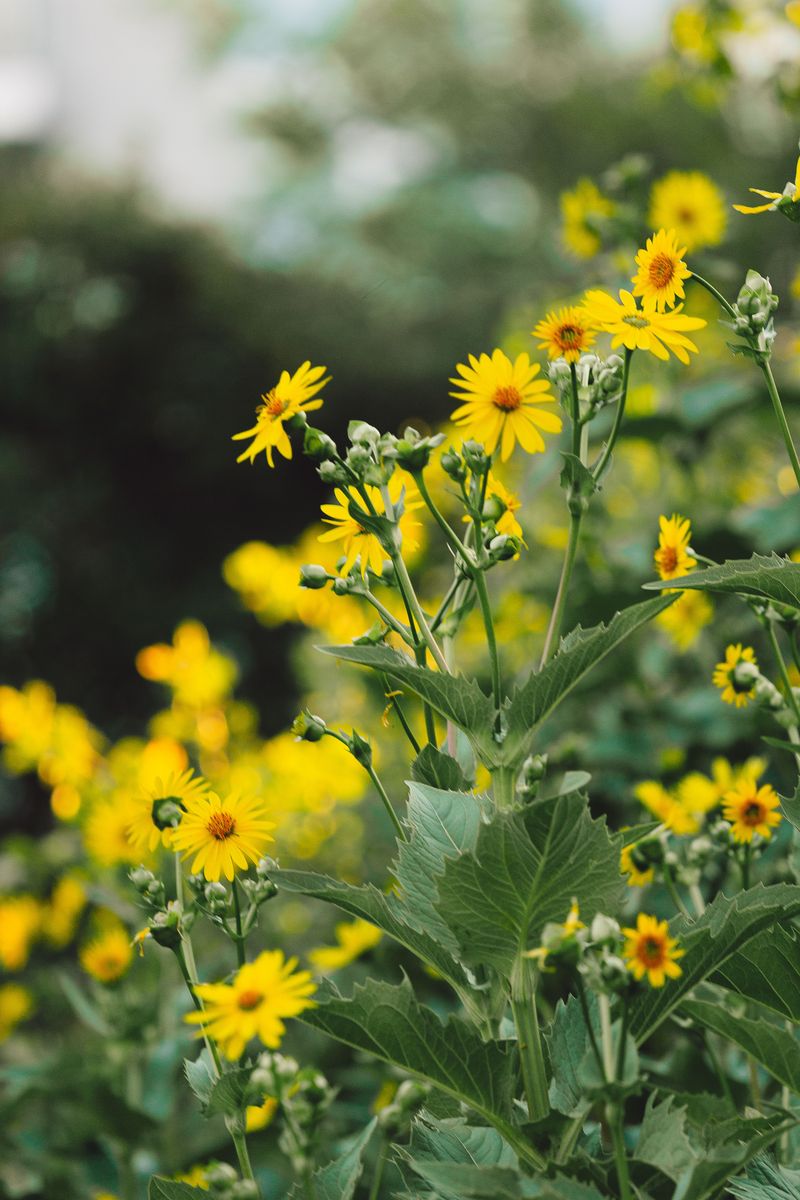
Cup plant has a feature that stops people in their tracks the first time they notice it. The paired leaves wrap around the stem at each node, forming a tight seal that creates a small natural cup.
After rain falls, these cups fill with water and hold it for hours or even days. It is a genuinely unusual structure, and it is part of why this plant earned its common name.
Birds and insects both take advantage of these little water reservoirs. Small songbirds may sip from them, and insects use them for drinking as well.
Some research suggests that tiny invertebrates even set up temporary homes in the water collected in these cups. It adds a whole extra layer of wildlife value that most garden plants simply cannot offer.
To be clear, these leaf cups are not a replacement for a clean birdbath or a dedicated water source in your yard. Birds need reliable, fresh water for drinking and bathing, and a proper birdbath serves that need far better than a leaf cup ever could.
Still, as a bonus feature, the water-holding leaves make cup plant uniquely attractive to passing wildlife in a way that goes beyond just seeds and flowers.
Think of it as a multi-function plant. Cup plant feeds birds, supports pollinators, provides natural water collection, and looks beautiful all summer.
Not many garden plants pack that much wildlife value into a single species. That combination is a big part of why native plant enthusiasts in Michigan get so excited about it.
5. It Needs Room To Grow
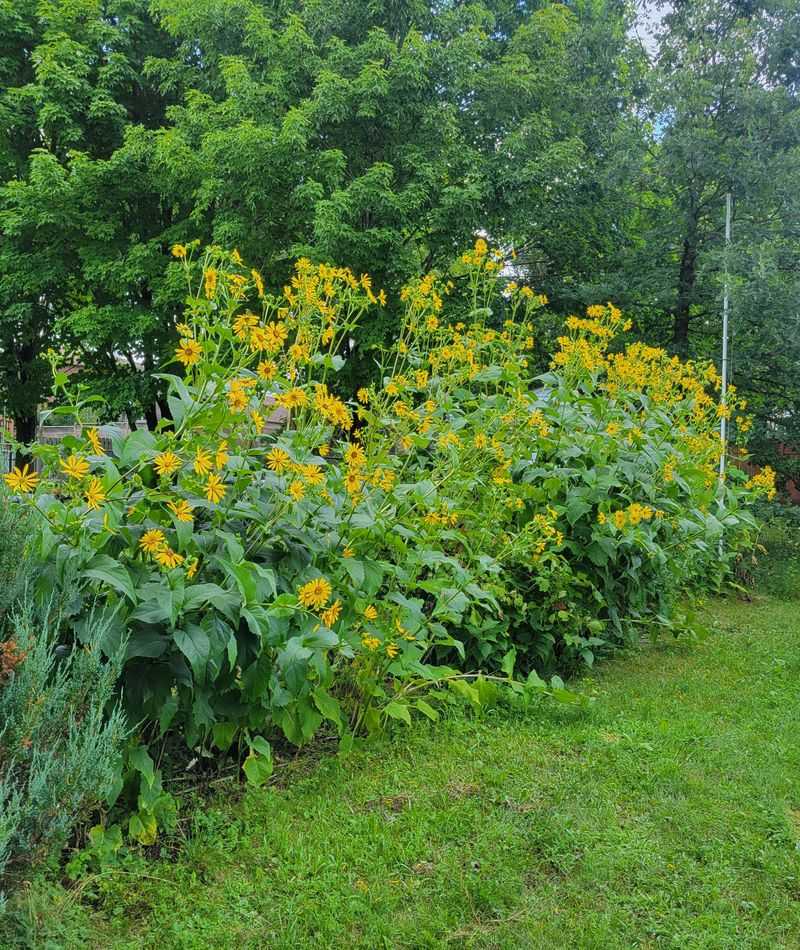
Cup plant is not shy. Given the right conditions, it can reach six to eight feet tall, sometimes even taller.
The stems are thick and sturdy, the leaves are large and rough-textured, and the whole plant has a bold, commanding presence. That is wonderful in the right spot, but it can be a problem if you tuck it into a small raised bed or a tight patio planter.
Michigan gardeners get the best results by placing cup plant at the back of a wide border, along a meadow edge, near a rain garden, or in a naturalized area where it has space to spread. Over time, cup plant can form colonies by spreading from its root system.
In an open area, that spreading habit creates a beautiful, wildlife-friendly thicket. In a cramped bed, it can crowd out neighboring plants quickly.
Planning ahead makes a real difference with this plant. Before you put it in the ground, think about what will be around it in three or five years.
Give it neighbors that can hold their own, like tall native grasses, Joe Pye weed, or ironweed. These plants thrive under similar conditions and create a layered habitat that benefits even more wildlife species.
Cup plant also makes a strong visual statement along property edges, fence lines, or the back corners of a yard where a tall, structural plant is welcome.
Its height becomes an asset rather than a problem when you match it to the right location. Give it room, and it will reward you generously every summer.
6. Moist Sunny Sites Bring Out Its Best
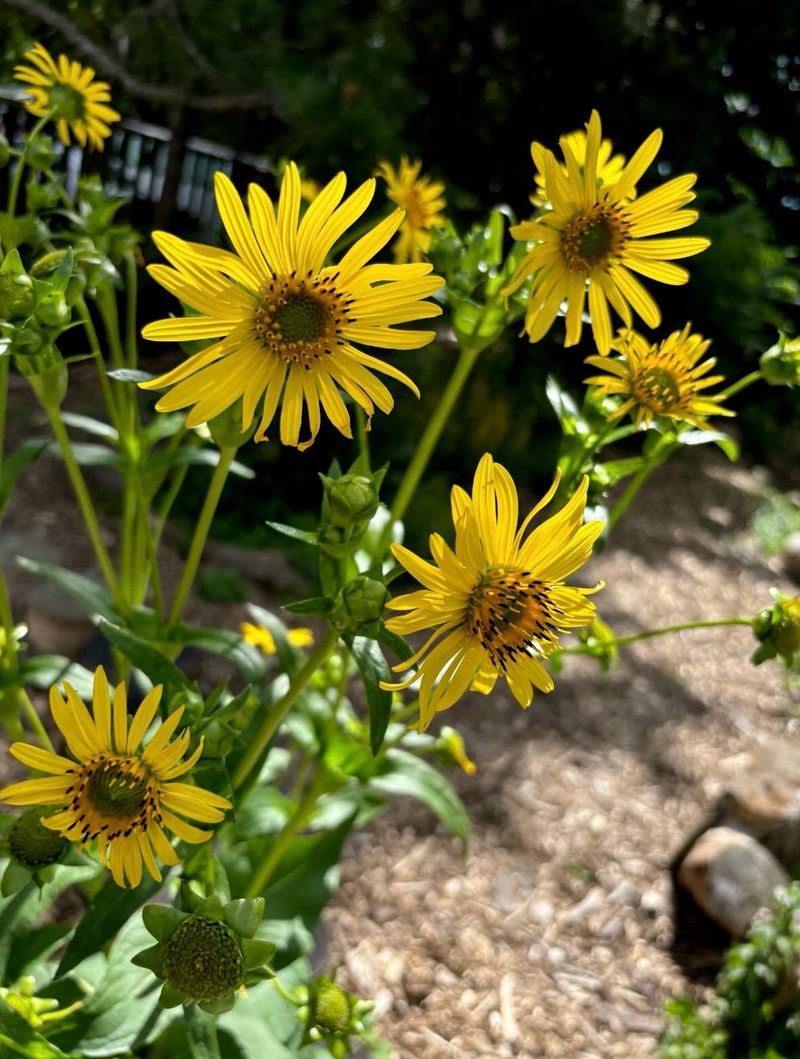
Every plant has a sweet spot, and cup plant’s sweet spot is a moist, sunny location. Full sun to partial shade works well, but the more sun it gets, the more it blooms.
Soil moisture matters just as much as light. Cup plant naturally grows along stream banks, wet meadows, and woodland edges where the soil stays consistently moist through summer.
Rain gardens are an ideal home for cup plant in Michigan yards. These low-lying planted areas collect and filter stormwater runoff, staying moist after rain events while still draining well enough to avoid standing water.
Cup plant thrives in exactly these conditions. It tolerates occasional wet feet better than most perennials, and it uses that extra moisture to fuel its impressive summer growth.
Damp borders, areas near downspouts, low spots in the yard, and edges near streams or ponds all work well. If your yard has a spot where the grass always looks greener after rain, that is probably a great place to try cup plant.
It handles average soil just fine too, as long as it does not stay completely dry all summer long.
One thing to avoid is planting cup plant in sandy, fast-draining soil with no irrigation. In very dry conditions, the plant may survive but will not reach its full potential for height, bloom production, or seed yield.
A well-watered, sunny border gives it everything it needs to become the goldfinch magnet Michigan gardeners want it to be. Match the site, and the plant handles the rest.
7. Nursery Grown Plants Are The Responsible Choice
Cup plant grows wild in parts of Michigan, and it is tempting to think that digging a plant from a roadside colony would be harmless. The reality is more complicated.
Cup plant has a protected status in Michigan as a native species, and wild populations face enough pressure from habitat loss that removing plants from natural areas is both ecologically harmful and potentially illegal depending on the location.
The responsible path is buying nursery propagated plants from reputable native plant nurseries. These plants are grown from seed or division in controlled nursery settings, so no wild population takes a hit when you make a purchase.
Michigan has a growing number of excellent native plant nurseries that specialize in locally sourced species, and many of them carry cup plant regularly.
Buying nursery stock also gives you a healthier start. Nursery grown plants typically arrive with established root systems, free of pests and diseases that wild-dug specimens might carry.
They adapt to garden conditions more reliably than plants pulled from their native habitat and transplanted without care. You get a better plant and a cleaner conscience at the same time.
Look for nurseries that clearly label their plants as nursery propagated rather than wild collected. Organizations like the Michigan Native Plant Producers Association can point you toward trustworthy sources.
Native plant sales hosted by conservation groups, botanical gardens, and university extension programs are also fantastic places to find quality cup plant at reasonable prices.
Supporting these sources helps protect Michigan’s native plant communities for the long run.
8. It Feeds Birds Best When The Garden Looks A Little Wild
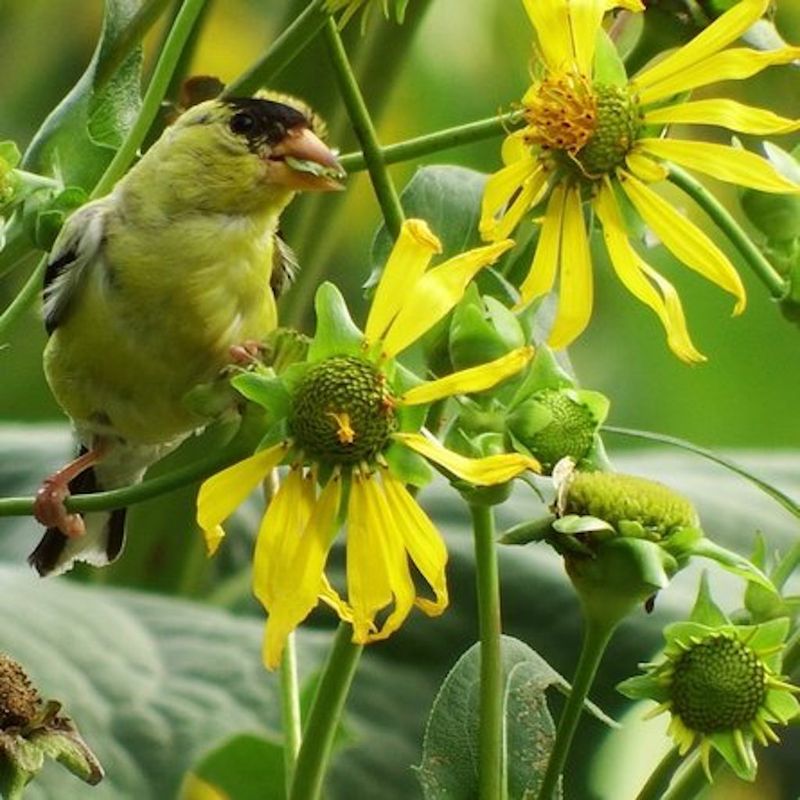
A perfectly manicured garden is beautiful, but it does not always work well for wildlife. Goldfinches need more than just seeds.
They need safe perching spots, cover from predators, and a garden that feels approachable rather than sterile.
When every plant gets cut back on a strict schedule and every seed head gets removed before fall, the birds simply have nowhere to land and nothing to eat.
Cup plant works best in a garden that leans toward the natural side. That does not mean messy or neglected.
It means thoughtful and intentional, with seed heads left standing, stems allowed to stay upright through the season, and a mix of plants that create layers of height and texture.
Goldfinches are more confident in spaces that offer some visual complexity and a sense of cover nearby.
Pairing cup plant with other late-season natives like purple coneflower, black-eyed Susan, and native grasses creates exactly that kind of layered habitat. The birds move between plants, foraging and resting in a garden that feels safe and productive to them.
You get more bird activity, more variety, and honestly a more interesting garden to look at from your window.
The main message is beautifully simple. Find a moist, sunny spot in your Michigan yard, plant cup plant with enough room to grow, leave the seed heads standing when the season winds down, and then wait.
The goldfinches will find it. They always do. No feeder required, no daily effort needed, just a little patience and one excellent native plant doing exactly what it was always meant to do.