What Virginia Homeowners Should Know About Trimming Shrubs In Hot Weather
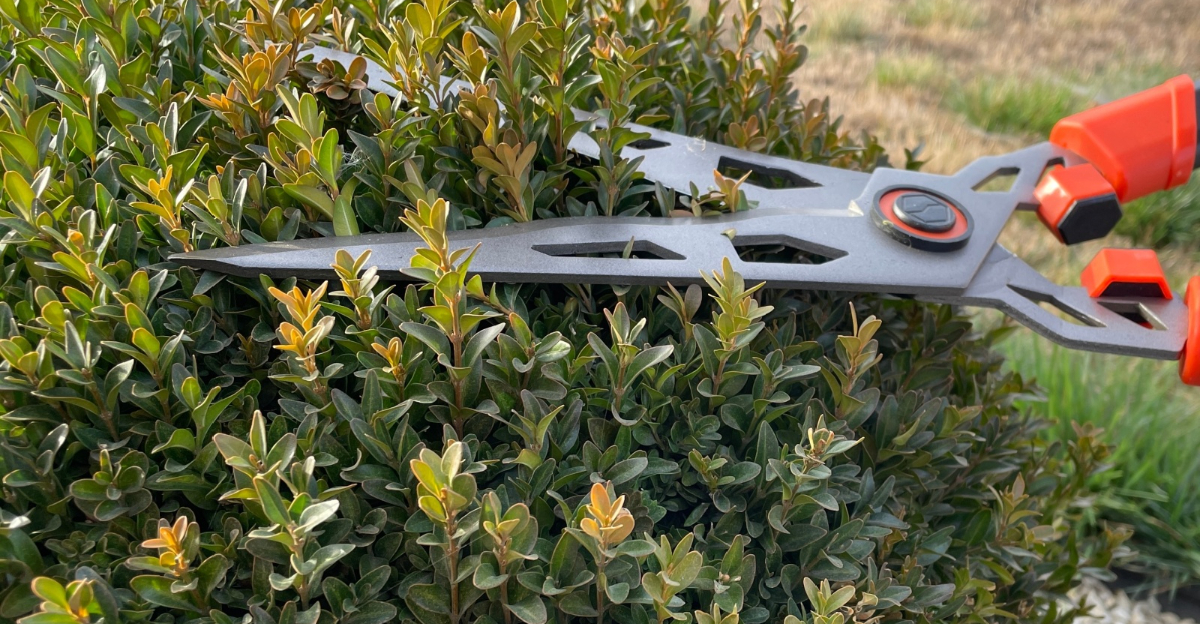
Virginia summers don’t ease in. They arrive fast, thick with humidity, and stay parked over your yard for months.
One week your shrubs look fine. The next they’re wilting by 2pm like they’ve given up on the day entirely.
That’s the tricky part about trimming in this kind of heat. Timing isn’t just a suggestion. It matters more than people think. Cut at the wrong moment and you’re not shaping a shrub.
You’re putting it through a slow-motion stress test. Virginia’s blend of blazing sun and swampy air makes life harder for plants that have just been shaped.
Fresh cuts get exposed to conditions that invite disease and sunscald. So before you head outside with shears in hand, it’s worth understanding how heat changes the rules.
A shrub that gets trimmed thoughtfully in summer bounces back green and full. One that gets trimmed carelessly turns crispy fast. And there’s no undoing that kind of damage once it sets in.
Why Pruning Shrubs In Hot Weather Puts Extra Stress On Plants
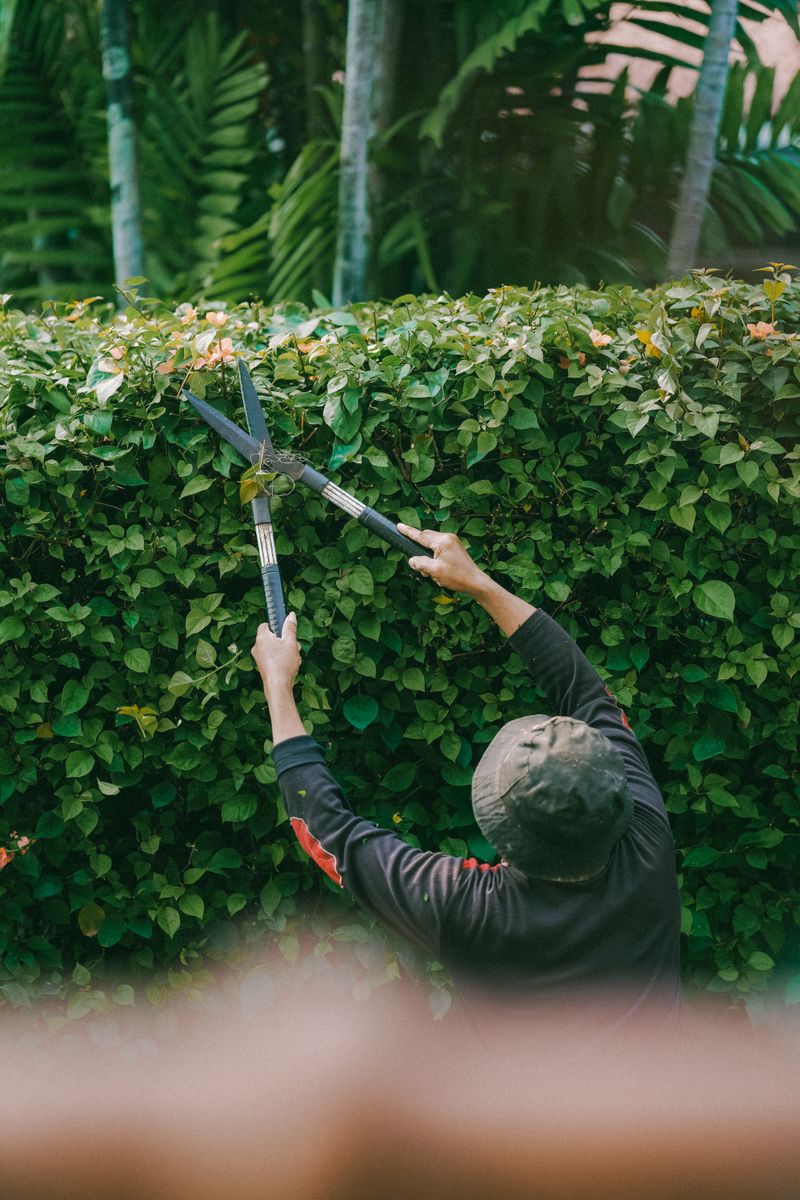
Grab your shears on a 95-degree afternoon, and your shrubs will not thank you. Trimming shrubs in hot weather opens fresh wounds on stems right when plants are already fighting to survive.
Plants lose moisture through every cut surface. High temperatures speed up that moisture loss, leaving stems exposed and vulnerable to drying out fast.
Think of it like getting a sunburn on already irritated skin. The plant has to heal the cut while also managing heat, drought, and blazing sun all at once.
Fresh pruning also triggers new growth. That tender new growth is especially sensitive to heat and can scorch or wilt within days of appearing.
Roots work overtime in summer, pulling water up to leaves and stems. Adding the stress of fresh cuts forces roots to work even harder, often more than they can handle.
Shrubs in central and eastern Virginia often face intense summers with high humidity and heat indexes that can top 100 degrees, though mountain regions typically stay cooler. That combination makes recovery from pruning cuts much slower than in spring or fall.
Some shrubs will drop leaves after summer pruning as a survival response. That leaf drop looks alarming, but the plant is simply protecting itself from further water loss.
Understanding this stress response helps you make smarter decisions about your yard. Your shrubs are tougher than you think, but they still need your help to thrive all season long.
The Best Time Of Year To Prune Shrubs In Virginia
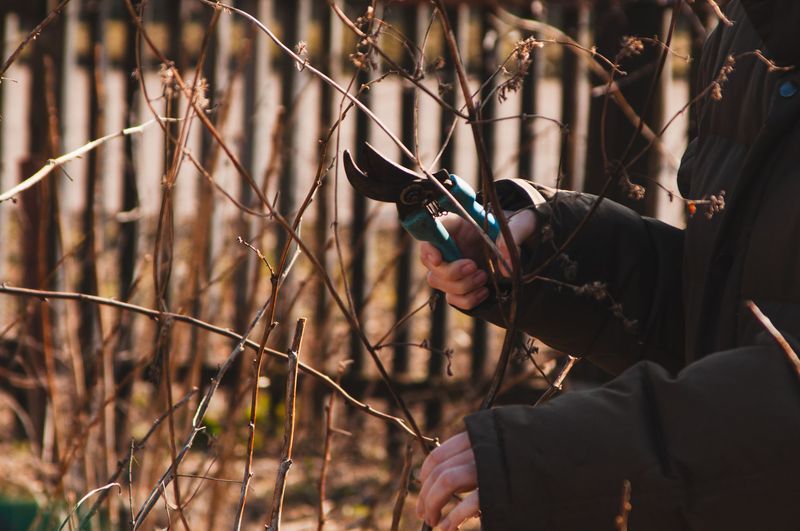
Timing is everything when it comes to healthy shrubs. The best windows for pruning in Virginia fall in late winter, early spring, or early fall when temperatures are manageable.
Late winter pruning, just before new growth begins, gives shrubs a clean start. Plants are still dormant, so cuts heal quickly once warm weather arrives.
Early spring is ideal for most flowering shrubs that bloom in summer. Pruning before buds form lets you shape the plant without sacrificing any of those beautiful blooms.
Your Virginia Garden Changes Every Week. Your Plan Should Too.
Gardening in Virginia changes quickly throughout the season. Every Friday you’ll receive a simple weekly plan showing exactly what to plant, prune, fertilize, harvest, and protect so you never miss the right timing.
Spring-blooming shrubs like azaleas and forsythia are a different story. Trim those right after they finish flowering, usually by late May, to protect next year’s buds.
Early fall, from late September through October, offers another good window. Temperatures drop enough that plants can recover without the intense heat slowing things down.
Avoid heavy pruning in November and December. Late-season cuts can push out new growth that gets damaged by frost before it has time to harden off.
Virginia’s climate swings hard between seasons, so paying attention to the forecast matters. A warm spell in February can fool shrubs into early growth, making late-winter pruning timing tricky.
A helpful rule of thumb is to prune when the plant is not actively fighting another stressor. Cool, calm weather is your best friend when it comes to trimming shrubs in hot weather climates like Virginia’s.
When It Is Okay To Trim During Summer
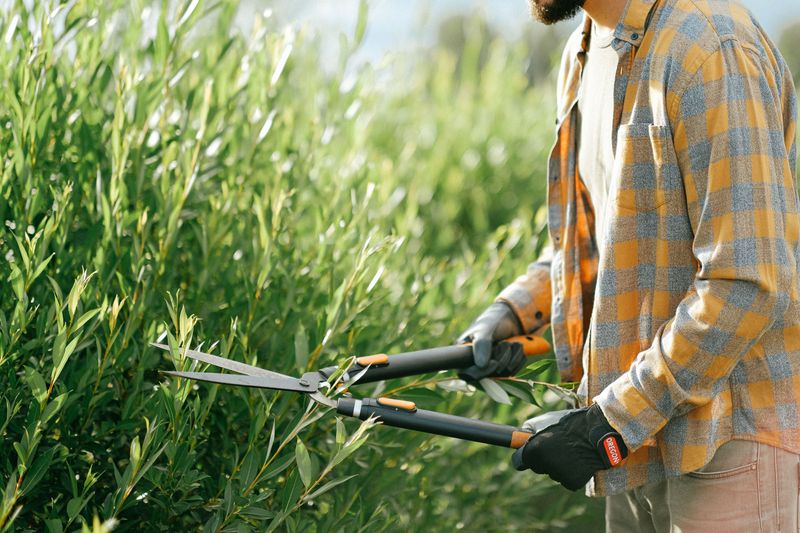
Summer pruning is not always a bad idea. There are specific situations where picking up those clippers during warm months is not just acceptable but actually necessary.
Broken or diseased branches should come off immediately, no matter the season. Leaving damaged wood on a plant invites pests and spreads disease to healthy growth nearby.
Crossing branches that rub against each other can cause open wounds over time. Removing those problem branches in summer prevents bigger damage down the road.
Fast-growing shrubs like crape myrtle can get unruly quickly. A light shaping trim in early summer keeps them looking tidy without triggering a surge of vulnerable new growth.
Removing spent flowers is another safe summer task. Removing old blooms encourages reblooming and does not stress the plant the way heavy structural pruning does.
If a shrub is blocking a walkway or growing into a window, safety takes priority. A targeted trim to remove just the offending branches is perfectly fine, even in July.
The key word in summer pruning is light. Removing no more than 10 to 15 percent of the plant at one time keeps stress levels low and recovery fast.
Always prune in the early morning during summer months. Cooler temperatures and higher moisture in the air give freshly cut stems a better chance of sealing up before the afternoon heat arrives.
How Heat And Humidity Affect Fresh Pruning Cuts
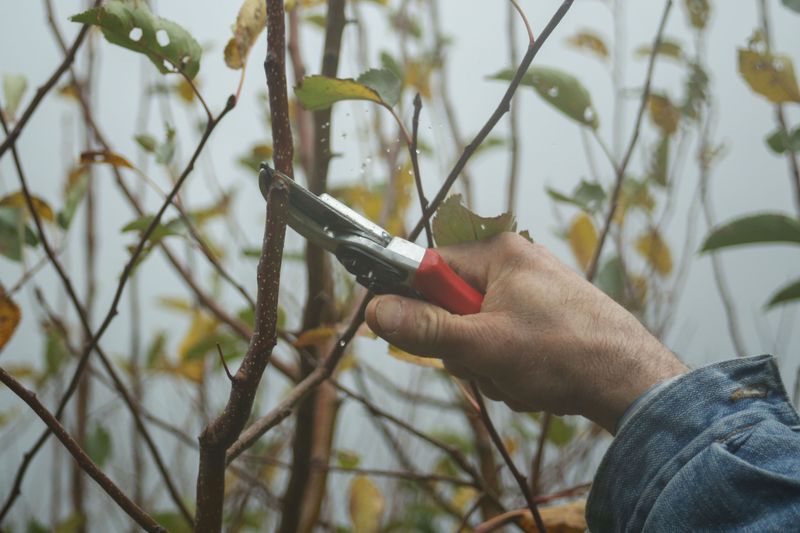
Fresh cuts on shrubs leave them more vulnerable to problems. Heat and humidity together increase the risk of problems that can set your shrubs back weeks or even months.
High humidity sounds like it would help plants stay moist. The reality is that damp, warm conditions encourage fungal diseases to move into fresh pruning wounds almost immediately.
Powdery mildew, canker diseases, and leaf spot fungi all thrive in Virginia’s steamy summer air. A freshly cut stem gives these pathogens an easy entry point into the plant’s tissue.
At the same time, intense heat causes cut surfaces to dry out unevenly. The outer edge of a cut seals while the inner tissue stays exposed, creating pockets where disease can develop unseen.
Plants naturally produce a protective callus over pruning cuts. Hot weather slows that healing process significantly, leaving shrubs exposed for longer than in cooler seasons.
Sap flow also changes in extreme heat. Some shrubs pull sap away from cut areas as a protective response, which can delay the sealing process even further.
Using clean, sharp tools helps minimize the damage. Ragged cuts made with dull blades create larger wound surfaces that take longer to heal in any weather, but especially in summer.
Applying a thin layer of pruning sealer to large cuts can offer some protection in hot months. This small step gives your shrubs a fighting chance against Virginia’s demanding summer conditions.
Signs Your Shrubs Need Immediate Attention Regardless Of Season
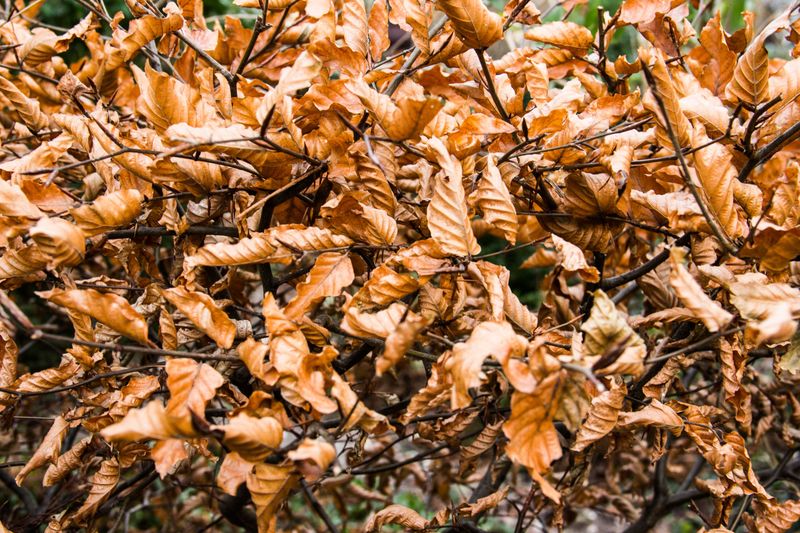
Some shrubs send out distress signals that cannot wait for the perfect pruning window. Learning to read those signs can save a plant that might otherwise be lost.
Yellowing leaves that appear suddenly often signal a root problem or disease. If the yellowing spreads quickly across the plant, do not wait for fall to investigate and act.
Branches that snap cleanly with no green inside have stopped growing entirely. Removing that wood right away prevents pests like borers from moving in and targeting the healthy tissue nearby.
Wilting that does not recover after watering is a serious warning. Persistent wilting despite adequate moisture could mean root rot, stem disease, or pest damage deep inside the plant.
Mushroom-like growths at the base of a shrub signal fungal infection in the root system. This type of damage moves fast and requires immediate removal of affected branches to slow its spread.
Sticky residue on leaves, combined with a black sooty coating, means scale insects or aphids are feeding. Pruning affected stems and treating with horticultural oil can stop the infestation before it takes over.
Galls, lumpy growths on stems or roots, often indicate bacterial infection. Cutting out galled wood and sterilizing your tools between cuts keeps the problem from spreading through the plant.
Trust your gut when something looks off with a shrub. Acting quickly on these warning signs is always better than waiting for the right season to roll around.
Tips For Keeping Shrubs Healthy Through Virginia Summers
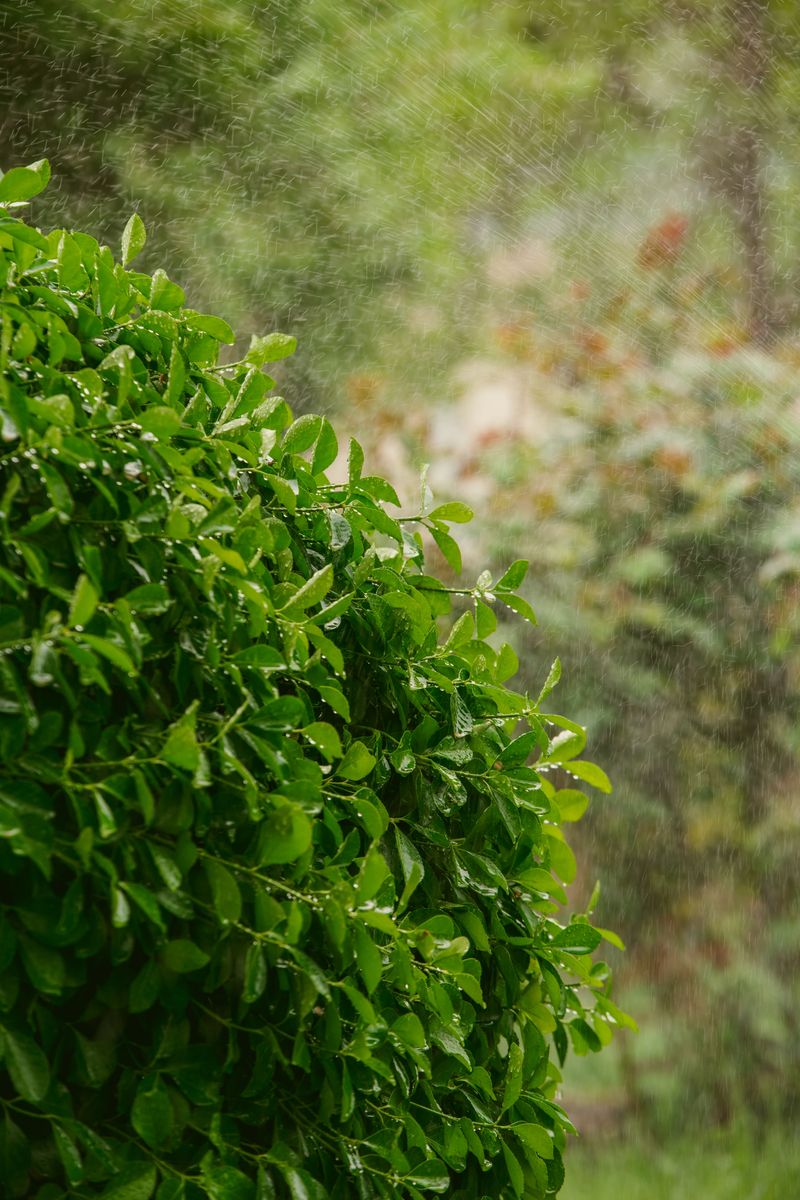
Healthy shrubs start with strong roots, and strong roots need consistent moisture. Deep watering two to three times per week during summer drought generally keeps shrubs stable and resilient, though exact needs vary by soil type and shrub species.
Mulch is one of the best tools in your summer toolkit. A three-inch layer of shredded hardwood mulch around the base of each shrub holds moisture and keeps soil temperatures cooler.
Avoid fertilizing shrubs heavily in summer. High-nitrogen fertilizers push out fast, soft growth that scorches easily and makes plants more vulnerable to pests and disease.
A light, balanced slow-release fertilizer applied in early spring sets shrubs up for the whole growing season. That single application fuels steady growth without overwhelming the plant during heat waves.
Check shrubs for pests at least once a week during the hottest months. Catching an infestation early means a quick targeted spray instead of a full-scale treatment later.
Avoid overhead watering in the evening. Wet foliage overnight in warm weather creates perfect conditions for fungal diseases to develop and spread across leaves and stems.
Morning watering gives leaves time to dry out before temperatures peak. Drip irrigation or soaker hoses deliver water directly to roots, which is even more efficient and plant-friendly.
Keeping shrubs healthy through a Virginia summer is all about working with the season, not against it. Strong, well-tended plants bounce back faster from heat stress and need far less emergency trimming in hot weather.