Maryland Gardeners Should Follow These Steps For Faded Spring Bedding Plants To Get A Better Garden
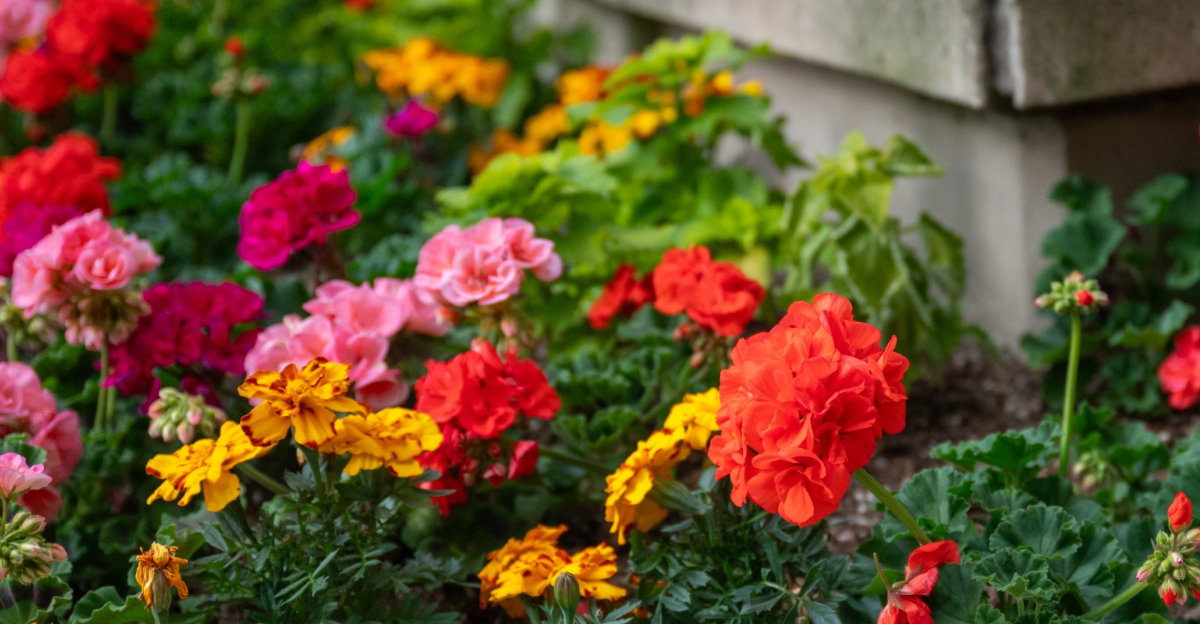
Nothing lasts less time in a Maryland garden than that first flush of tulips and pansies. Blink, and the petals that looked flawless on Sunday are curling into brown confetti by Thursday.
That’s just how it goes here. Humidity climbs. A heatwave rolls through without warning. Suddenly your once-photogenic flower bed shows clear signs of decline.
Here’s the part most homeowners miss. Those wilted spring plants aren’t a lost cause. They’re a starting point.
Pull them, amend the soil, and you’ve got a blank canvas sitting right there waiting for something bolder. Maryland’s summer heat wrecked your pansies.
But that same heat happens to be exactly what heat-loving annuals crave. With a little timing and the right plant choices, that sad patch of dirt can turn into the loudest, most colorful corner of your yard by July.
Your neighbors will notice. Maryland summers reward gardeners who know when to let go of spring.
1. Remove Spent Blooms And Faded Foliage
Your garden is sending you a message, and it smells faintly of overripe petals. Faded blooms signal that a plant has shifted its energy toward making seeds instead of producing more flowers.
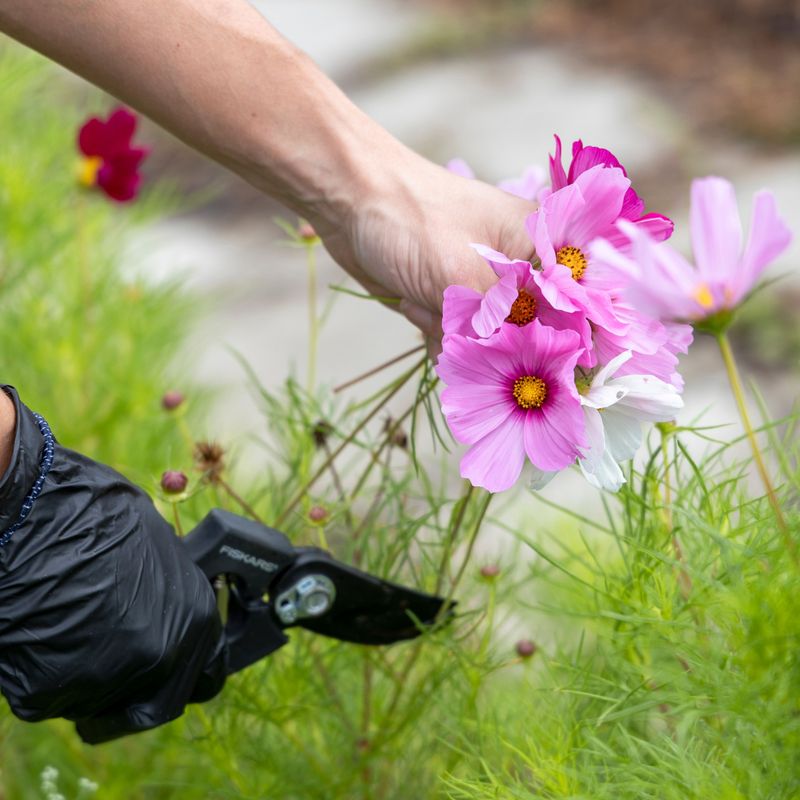
Removing spent blossoms redirects that energy back into fresh growth. Maryland gardeners who remove spent blooms regularly often enjoy a noticeably longer blooming season from their beds.
Grab a clean pair of pruning shears and snip just below each wilted flower head. Toss the clippings into a bucket as you work your way down the row.
Faded foliage is equally important to address. Yellowed or mushy leaves trap moisture and invite fungal issues that spread fast in humid summer air.
Pull or cut away any discolored leaves at the base of the plant. Leaving just the healthy green growth helps the remaining plant look tidy and breathe more easily.
This step also gives you a chance to assess each plant honestly. Some may have strong root systems worth saving, while others are clearly past their prime.
Working through your beds this way takes maybe an hour on a weekend morning. A cup of coffee in hand makes it feel less like a chore and more like a garden audit you actually enjoy.
Consistently removing spent blooms throughout spring keeps beds looking polished. It also sets you up perfectly for the transition into summer plantings without starting from a messy baseline.
2. Pull Plants That Stopped Flowering
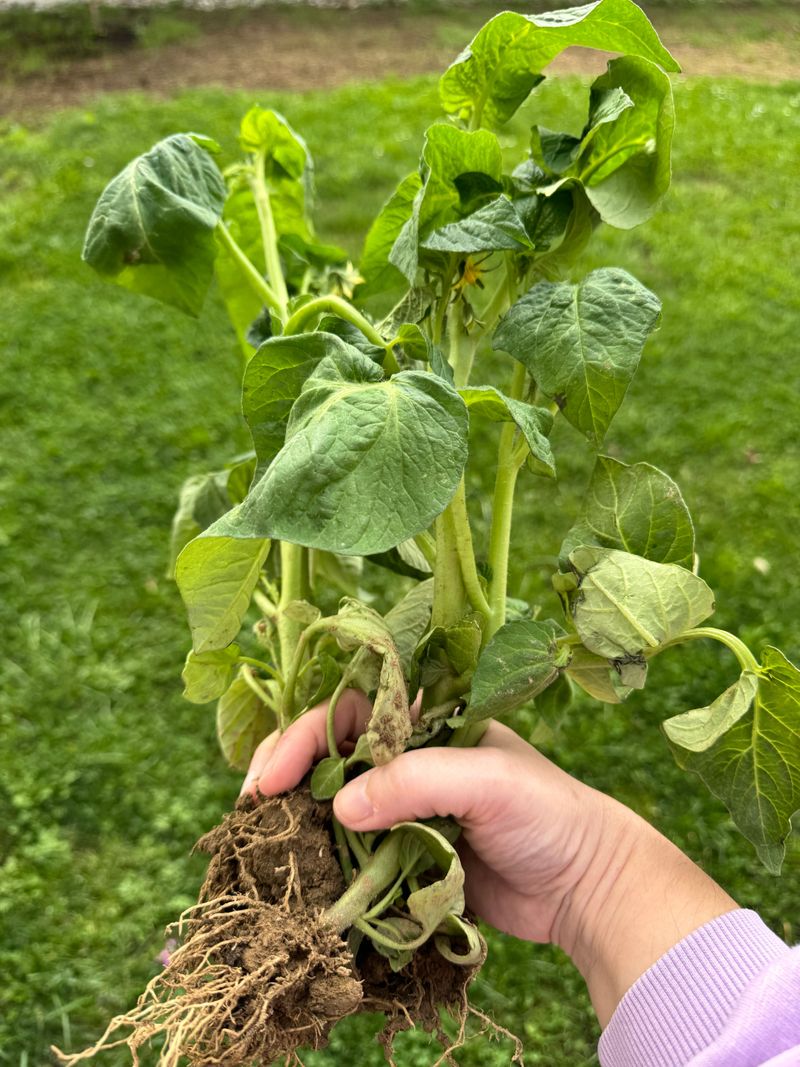
Some plants simply stop producing blooms, and watering is unlikely to change that. Pansies, snapdragons, and sweet alyssum are classic cool-season performers that quit when summer heat arrives.
Trying to nurse them back is an uphill effort in Maryland’s sticky July weather. Pulling them out makes room for plants that actually want to grow right now.
Grip the plant firmly near its base and pull with steady, even pressure. Most spent annuals release from the soil without much resistance after a rainy spell.
If the ground is dry, loosen the soil first with a hand trowel. Breaking up compacted earth around the root ball prevents you from leaving chunks of root behind.
Your Maryland Garden Changes Every Week. Your Plan Should Too.
Gardening in Maryland changes quickly throughout the season. Every Friday you’ll receive a simple weekly plan showing exactly what to plant, prune, fertilize, harvest, and protect so you never miss the right timing.
Roots left in the ground can harbor pests or slow decomposition in the bed. A clean pull gives you a fresh slate to work with.
Lay the removed plants in a wheelbarrow and sort them quickly. Healthy stems and roots can go to compost, while diseased material should head straight to the trash.
Clearing out tired plants also opens up airflow across the bed. Better circulation means less humidity buildup, which is a genuine problem in Maryland during late spring and early summer.
Once the bed is clear, you will be amazed how much potential space you suddenly have. That open soil is basically an invitation for something spectacular to grow next.
3. Compost Healthy Plant Debris
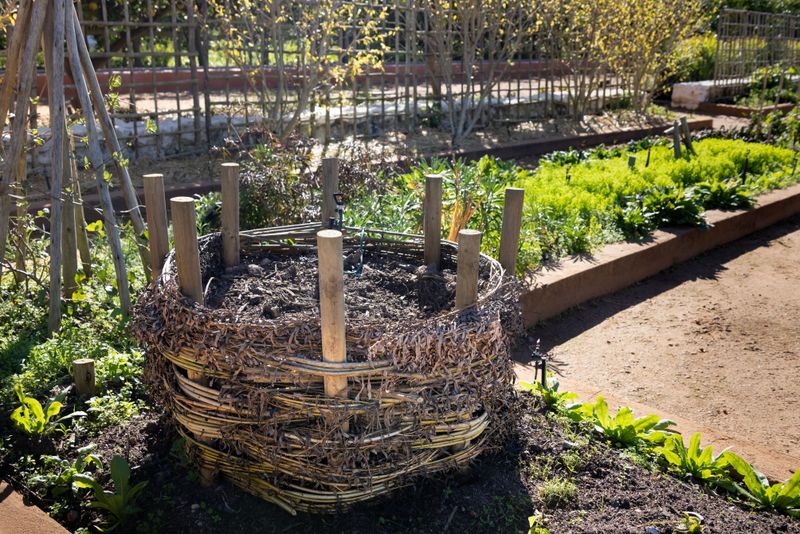
Free fertilizer is hiding inside those wilted stems and pulled plants. Composting healthy garden debris is one of the smartest habits any home gardener can build over time.
Not everything pulled from the bed qualifies for the compost pile, though. Plants showing signs of disease, mold, or pest damage should go straight into the trash, not into compost.
Healthy green clippings, faded flower heads, and soft stems are all excellent compost material. They break down quickly and add valuable nitrogen to the mix.
Layer your green plant material with dry brown stuff like cardboard scraps or dried leaves. That balance between green and brown keeps the pile from turning into a soggy, smelly mess.
Turn the pile every week or two with a pitchfork to speed up decomposition. Oxygen is the secret ingredient that transforms garden scraps into dark, crumbly gold.
Maryland gardeners dealing with clay-heavy soil will especially benefit from finished compost. Working it into beds improves drainage and makes roots far happier over the long haul.
A basic compost bin from any hardware store gets the job done well. You can even build one from old pallets if you prefer a budget-friendly approach.
By late summer, the debris from your spring cleanup could become rich amendment ready for fall planting. Closing that loop between waste and resource feels genuinely satisfying every single time.
4. Replace Tired Beds With Summer Annuals

Empty garden beds are just opportunities in disguise. Once the cool-season crew has been cleared out, summer annuals are ready and waiting to take center stage.
Zinnias, marigolds, vinca, and pentas all thrive in Maryland’s warm, humid summers. These plants were practically built for the kind of heat that causes pansies to decline quickly.
Visit your local nursery in late May or early June for the best selection. Transplants at that stage are typically strong and well-rooted, making them easier to establish quickly.
Choose varieties that match your bed’s sun exposure honestly. A sun-lover planted in shade will struggle no matter how carefully you tend it.
Space transplants according to their mature size on the tag. Crowding plants might look fuller at first, but it creates airflow problems as the season heats up.
Tuck each transplant into the soil at the same depth it sat in its nursery pot. Burying the stem too deep can cause rot, especially in heavy Maryland clay soils.
Water each new plant thoroughly right after planting to settle the soil around the roots. That first deep drink helps reduce transplant shock significantly.
A fresh planting of summer annuals brings your faded spring beds back with vigorous new growth. Neighbors who watched the pansies fade will do a double-take when the zinnias bloom vigorously in July.
5. Cut Back Leggy Stems For Reflowering
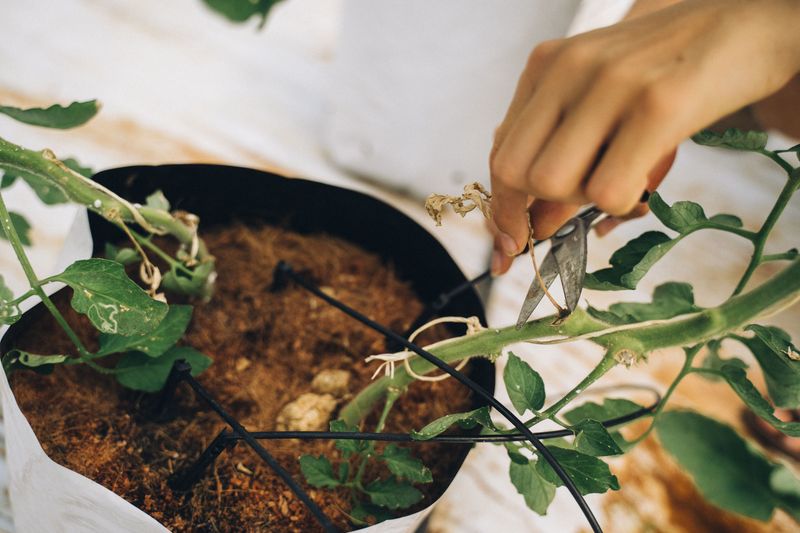
Leggy stems don’t mean your plants are done for. They are actually a sign that the plant has been working hard and just needs a firm reset.
Petunias are notorious for stretching out into long, flower-free ropes by late spring. A hard cutback sounds drastic but typically triggers a flush of fresh, compact growth within two to four weeks.
Cut leggy stems back by about one-third to one-half their current length. Use sharp, clean shears to make smooth cuts just above a leaf node or side shoot.
Snapdragons and salvias also respond beautifully to this kind of pruning. Cutting them back during a mild stretch of weather gives them the best chance to rebound before summer peaks.
After trimming, give the plants a light feeding with a balanced liquid fertilizer. That nutritional boost encourages the new growth you just triggered to come in strong and fast.
Avoid cutting back during a heat wave if possible. Stressed plants recovering from pruning in extreme heat can struggle more than plants trimmed on a cooler day.
Maryland spring weather is famously unpredictable, so watch the forecast before you start. A few mild days ahead of a trim session gives plants ideal recovery conditions.
Cutting back leggy stems transforms scraggly plants into compact, blooming performers. That second act of flowering is one of the most rewarding moments in any spring garden.
6. Amend Soil Before Replanting
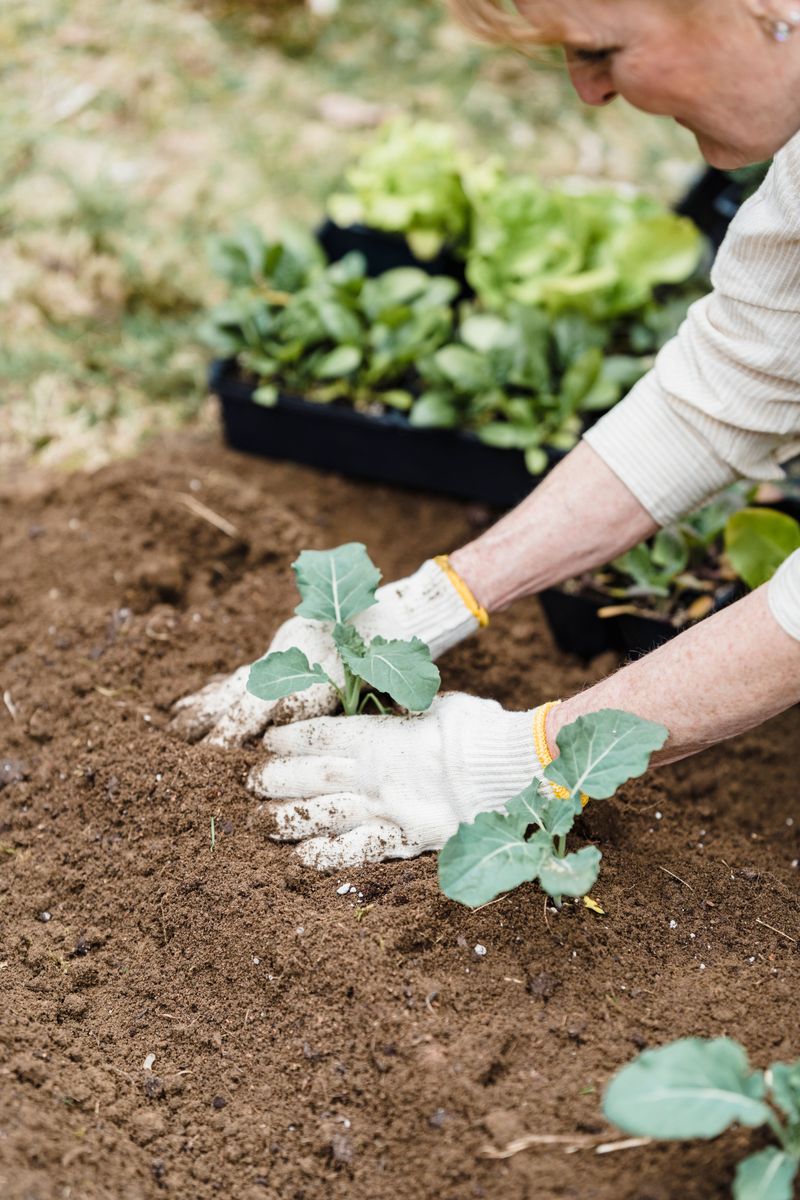
Soil that has fed a full season of blooming plants is basically running on empty. Before dropping new transplants into the ground, take ten minutes to refresh what is already there.
Start by loosening the top six to eight inches of soil with a garden fork. Breaking up compaction allows roots to spread and water to drain the way it should.
Work in a two-inch layer of compost across the entire bed. Compost feeds soil microbes, improves texture, and helps both sandy and clay-heavy Maryland soils hold moisture more effectively.
A slow-release granular fertilizer mixed into the top layer gives new plants a steady food supply. Choose one formulated for flowering annuals to match what your summer plants actually need.
Avoid over-fertilizing with high-nitrogen blends, which push leafy growth at the expense of blooms. Many gardeners prefer a fertilizer with slightly lower nitrogen and higher phosphorus and potassium for flowering beds.
If your soil pH is off, plants struggle to absorb nutrients no matter how much you feed them. A simple soil test kit from a garden center tells you exactly where you stand.
Many Maryland Extension offices offer soil testing for home gardeners, though pricing and availability may vary, so it’s worth checking with your local office for current rates. That small investment in information can save you a season of frustration and wasted plants.
Amended soil is the foundation that makes everything else in this process actually work. Give your summer plants a strong start, and they will reward you generously all season long.
7. Water New Replacements Deeply
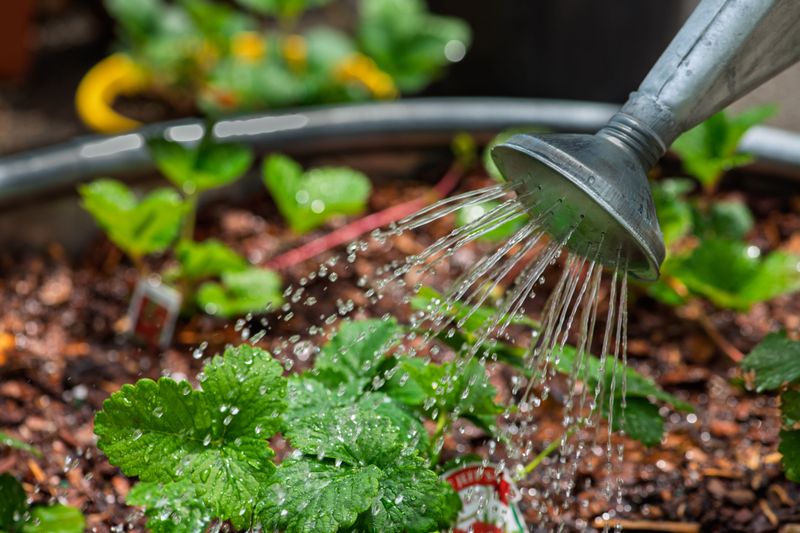
Shallow watering is one of the most common mistakes new gardeners make with fresh transplants. Plants watered lightly develop shallow root systems that struggle the moment a dry spell hits.
Deep watering encourages roots to chase moisture downward into the soil profile. That downward growth anchors plants better and builds genuine drought resilience over time.
After planting summer annuals, water each one slowly and thoroughly at the base. Let water soak in rather than rushing through the session with a quick spray-and-move approach.
A soaker hose or drip line placed along the bed makes deep watering almost effortless. These tools deliver moisture directly to the root zone without wetting foliage unnecessarily.
Wet leaves in Maryland’s humid summers create ideal conditions for fungal diseases like powdery mildew. Keeping water at soil level dramatically reduces that risk throughout the growing season.
New transplants typically need watering every day or two during the first week. After that, watch the soil and let it guide you rather than sticking to a rigid schedule.
Push a finger about two inches into the soil near the plant base. If it feels dry at that depth, it is time to water again.
Consistent deep watering during establishment gives Maryland gardeners summer beds that stay lush. Plants rooted properly in June will carry bold color all the way into fall without constant fuss.
8. Check For Lingering Pests Or Disease
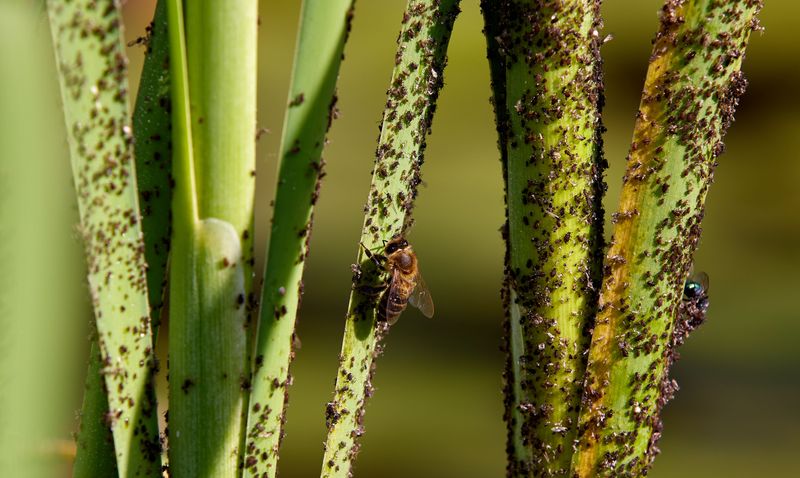
Pests often go unnoticed during this seasonal garden transition. The gap between pulling out spring plants and putting in summer ones is the perfect time for a thorough inspection.
Aphids, spider mites, and whiteflies often hide on the undersides of leaves where you might not naturally look. Flip a few leaves over before you assume everything is clean and clear.
Check the soil surface too, especially around the base of any plants you decided to keep. Fungus gnats and root-feeding larvae often lurk just below the top layer of mulch or soil.
Powdery mildew and leaf spot diseases can linger on plant debris left in the bed. Removing infected material now prevents spores from spreading to your fresh summer transplants.
If you spot aphid colonies, a strong spray of water often dislodges them effectively. For heavier infestations, insecticidal soap is a low-impact option that generally has less effect on beneficial insects than broader-spectrum pesticides.
Fungal issues respond well to neem oil applied in the early morning or evening. Avoid spraying during peak sun hours, which can cause leaf burn on treated plants.
Maryland’s humid climate makes disease pressure a recurring seasonal challenge for gardeners. Staying proactive rather than reactive keeps problems manageable before they spiral out of control.
Following these steps with faded spring bedding plants protects everything you are about to invest in your summer garden. A clean, pest-free bed is the best gift you can give your new transplants.