How To Tell When A Tennessee Watermelon Is Ripe, And Not A Day Too Early
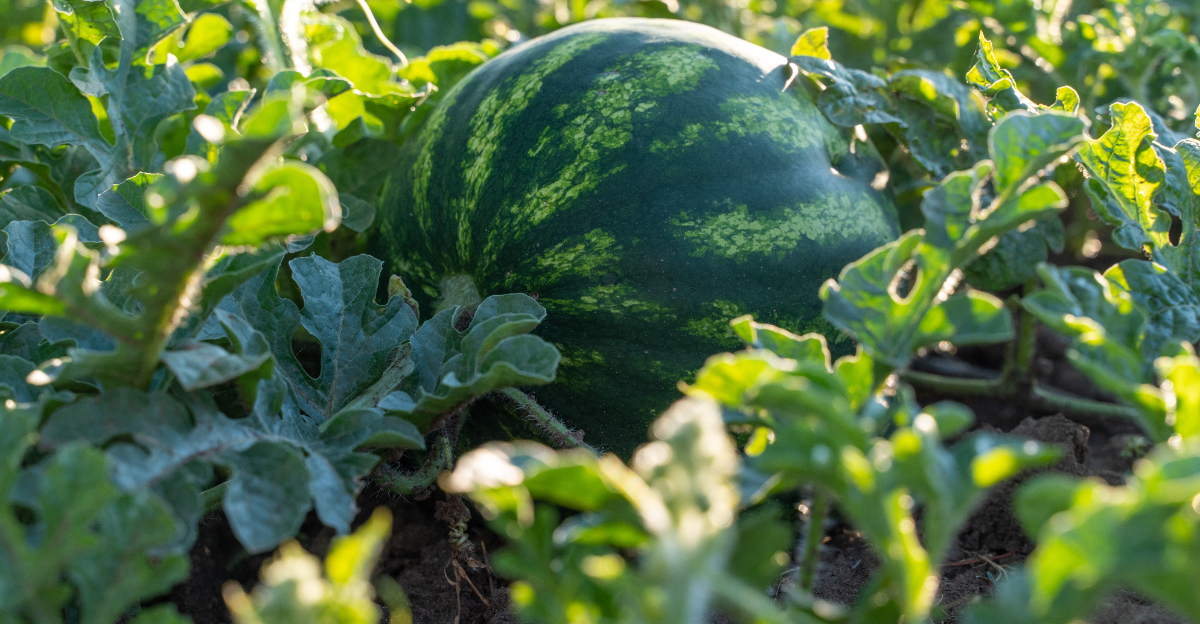
Slice into a watermelon before it’s ready and the taste falls flat. Tennessee growers know that timing makes all the difference. A great melon and a forgettable one often come down to a few small clues.
The color underneath tells part of the story. That’s the spot where the fruit rests on soil for weeks. The sound helps too. A firm tap produces a certain hollow thud that experienced hands recognize right away.
Patience plays a role as well. Rush the harvest by even a few days and the sugars never fully develop. Learning these signals takes some practice at first.
Once you know what to look for, guessing becomes unnecessary. Getting it right pays off. It rewards you with a watermelon that makes the whole season feel worth the wait.
The Tendril Test Most Growers Trust First
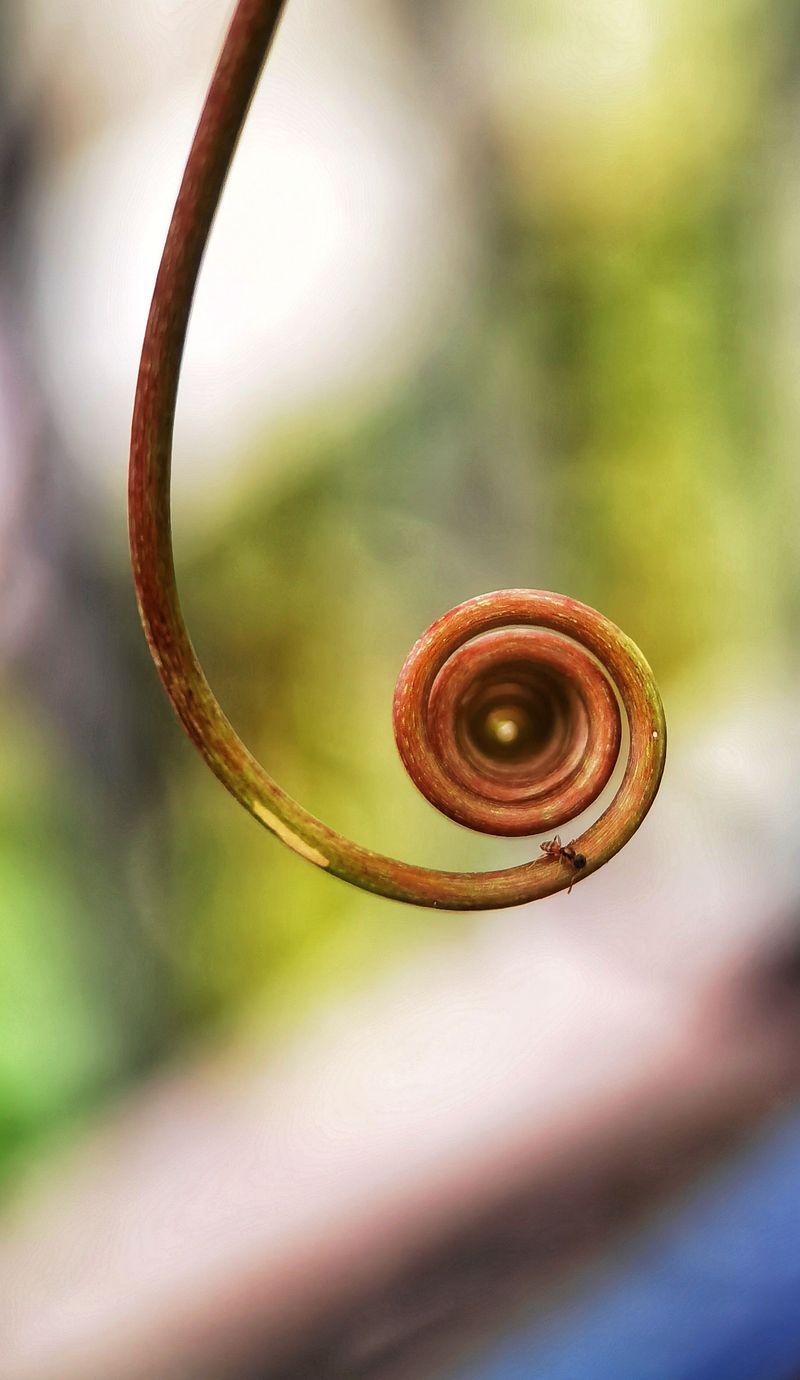
Old-time Tennessee farmers had a saying: watch the curl, not the clock. The tendril closest to the watermelon tells you more than any calendar ever could.
A tendril is that small, spiral-shaped vine shoot that grows right next to the fruit on the main vine. When it turns brown and dries out fully, the melon is at or very near peak ripeness.
Green tendrils mean the plant is still actively feeding the watermelon. Once the tendril goes dormant, the plant has essentially finished its job.
Some growers look at the tendril that sits directly across from the fruit stem. That one tends to dry out just slightly before the fruit reaches full sweetness.
If both tendrils near the melon are brown and brittle, you are in the sweet spot. Do not wait another week hoping for something more dramatic to happen.
A half-dry tendril, still green at the base but brown at the tip, usually means you have a few more days. Patience here pays off with noticeably sweeter flesh.
This test works across almost every watermelon variety grown in Tennessee. It does not require any tools, just a close look and steady nerves.
The tendril test is the first thing most experienced growers check, and for good reason. It is simple, reliable, and does not need any app to work.
Knowing When A Tennessee Watermelon Is Ready To Cut
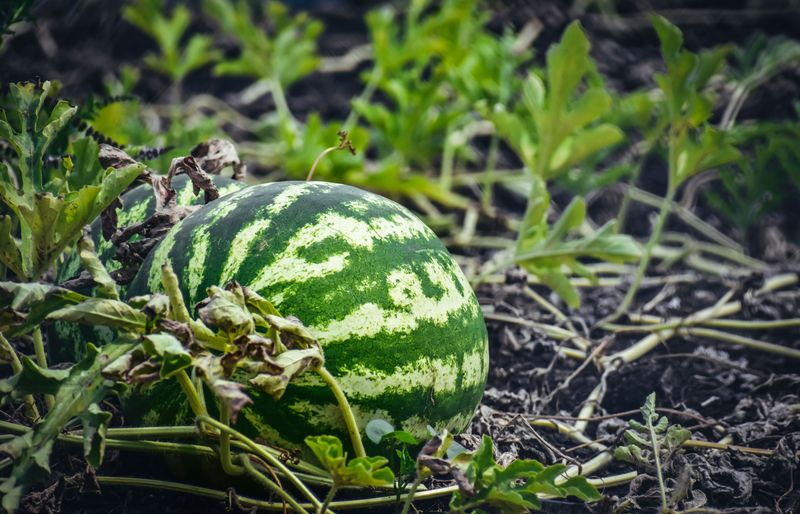
Picking a watermelon at the right moment feels like a small miracle. One day too early and you get a bland, watery disappointment that no amount of salt can save.
A Tennessee watermelon is ready to cut when several signs line up together. No single clue tells the whole story on its own.
The skin should look dull and matte, not shiny or bright. A glossy exterior often means the fruit is still growing and pulling in sugar.
The vine near the fruit should start to look dry and tired. When the plant begins stepping back, the watermelon is stepping forward into full ripeness.
Feel the weight of the melon in your hands. A ripe one feels surprisingly heavy for its size, packed with water and natural sugar.
Your Tennessee Garden Changes Every Week. Your Plan Should Too.
Gardening in Tennessee changes quickly throughout the season. Every Friday you’ll receive a simple weekly plan showing exactly what to plant, prune, fertilize, harvest, and protect so you never miss the right timing.
Growers in Tennessee often check two or three signs at once before cutting. They trust the combination more than any single signal alone.
Learning to read these signs saves you from that crushing moment of slicing too early. Once you know what to look for, you will rarely cut a green melon again.
The goal is patience backed by knowledge, not guessing. A Tennessee watermelon rewards those who wait for all the signals to align at once.
Reading The Ground Spot Correctly
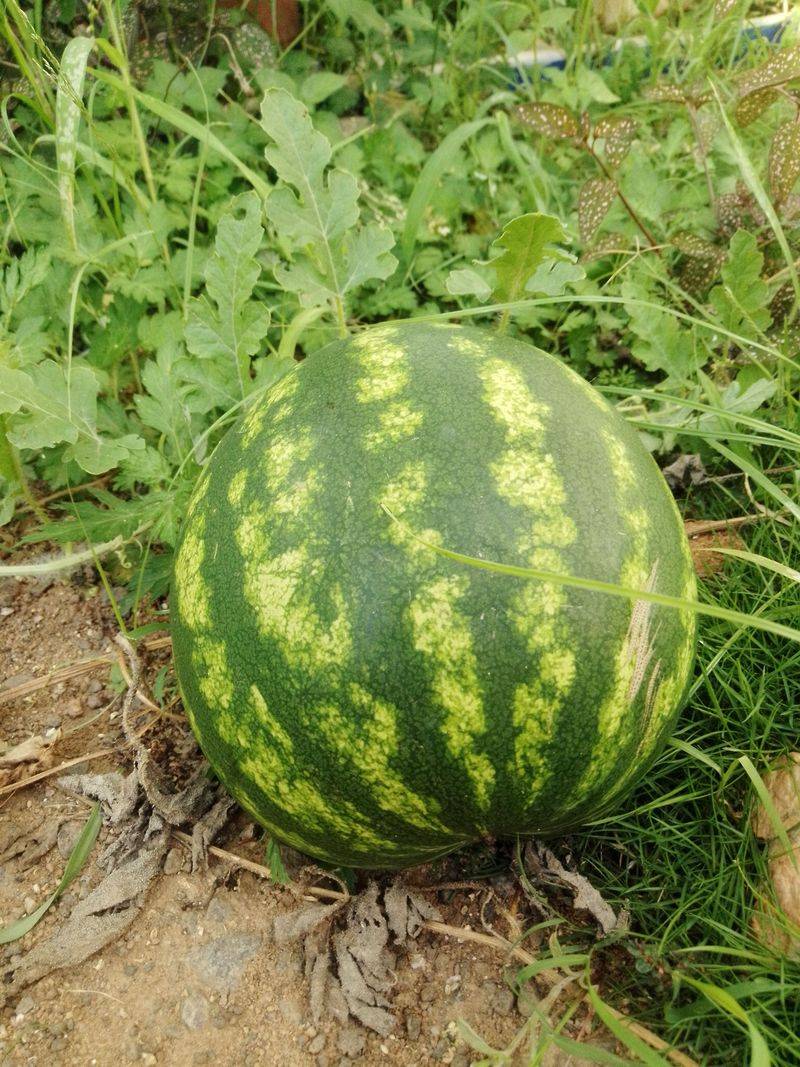
Flip a watermelon over and the ground tells you a lot. The spot where the fruit rested on the soil is one of the most honest ripeness signals you will ever find.
An unripe watermelon has a white or pale green field spot on its underside. That cool color means it spent too little time soaking up ground heat and sunlight.
A ripe watermelon shows a deep, buttery yellow spot, sometimes edging toward orange. The richer and deeper that color, the longer the melon sat and sweetened on warm Tennessee soil.
Some gardeners call this the belly spot, and it is earned through time. You cannot fake a golden belly on a watermelon that was rushed off the vine.
The size of the spot matters less than the color depth. A small but intensely yellow patch usually beats a large pale one.
If the spot looks almost orange and slightly rough in texture, you may be right at peak ripeness or even a day past it. Check the tendril at the same time to confirm.
Growers who skip checking the field spot often end up cutting melons several days too early. It is one of the easiest checks and one of the most overlooked.
Once you start flipping melons to check the belly, it becomes second nature. That golden patch becomes your most trusted friend in the garden all summer long.
The Sound And Feel That Give It Away
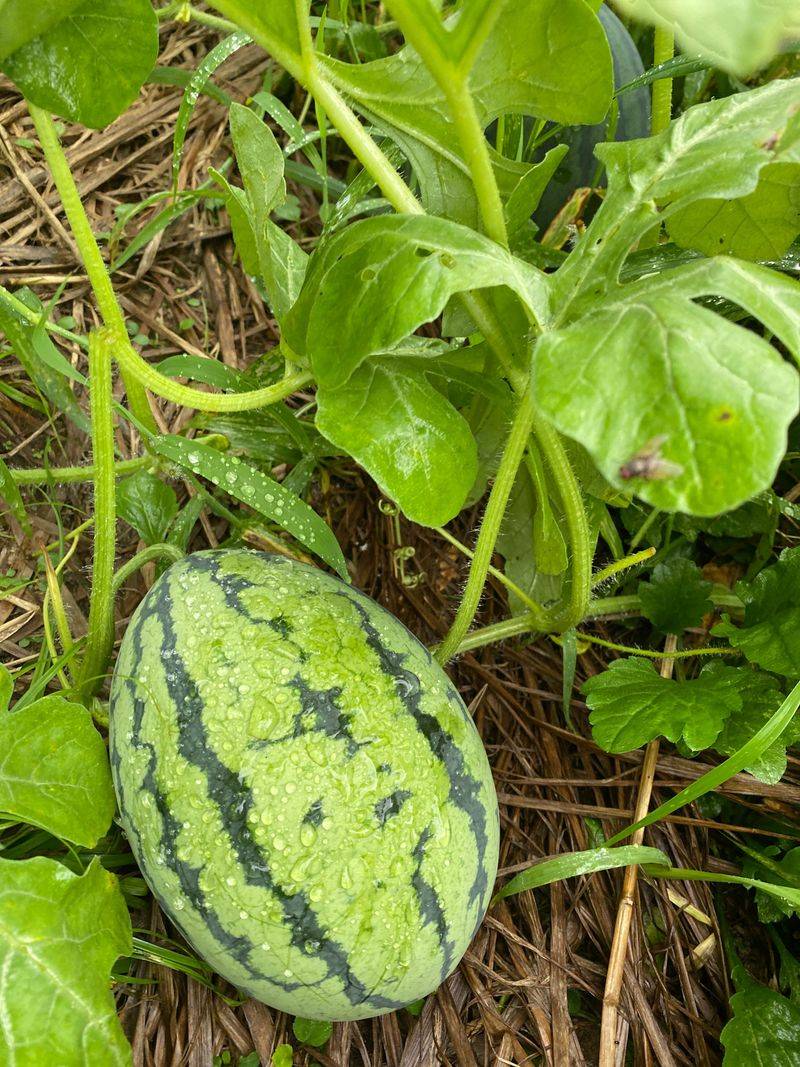
There is a specific sound that makes experienced watermelon growers smile. It is a deep, hollow thump that resonates like a drum when you knock on a ripe melon.
Tap an unripe watermelon and it gives a higher, tighter sound, almost like knocking on a hard table. The flesh inside is still dense and has not yet reached its full juice content.
A ripe melon sounds lower and fuller, like a dull thud with a bit of echo. Practice on a few melons and your ear will quickly learn to tell the difference.
Use your knuckles, not your palm, for the most accurate sound. A flat-hand slap muffles the tone and makes it harder to judge correctly.
Feel also plays a big role alongside sound. Press your thumb gently against the skin and a ripe melon will have the tiniest bit of give, not soft, but not rock hard either.
An overripe watermelon may feel slightly spongy under pressure. That sponginess means the flesh inside has started breaking down and losing its firm, crisp texture.
Combining the thump test with a gentle press gives you a two-point confirmation. Both signals together are far more reliable than either one used alone.
Once you hear that hollow boom and feel that subtle firmness, trust your instincts. Your hands and ears are better ripeness tools than most people realize.
Timing It With The Right Days On The Calendar
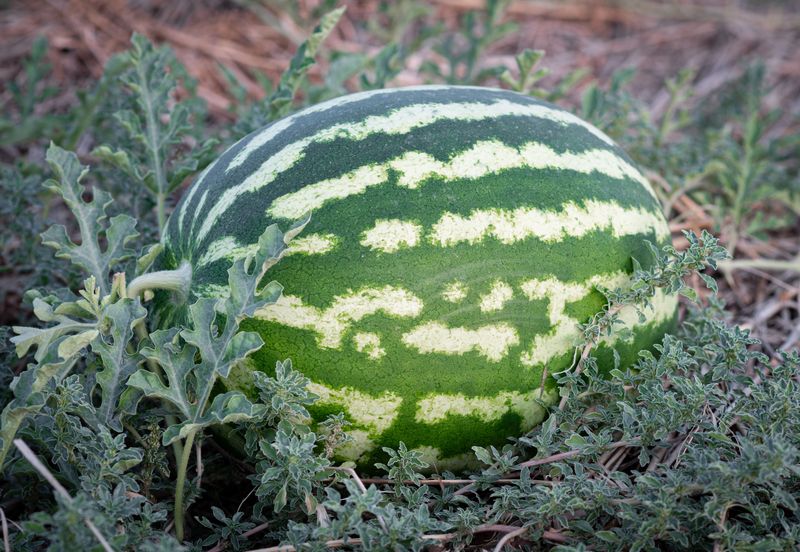
Most watermelon varieties planted in Tennessee take between 70 and 90 days from transplant to full ripeness. Counting from the day you put the plant in the ground gives you a solid starting point.
Write that date down when you plant, because memory gets fuzzy by mid-July. Knowing your variety and its expected maturity window helps you start watching at the right time.
Popular Tennessee varieties like Crimson Sweet typically mature around 80 days. Heirlooms like Georgia Rattlesnake can push closer to 90 days in hot, humid summers.
Do not start the countdown from when the fruit first appears. Begin from transplant day or germination, because the plant needs weeks of root and vine growth before fruit even sets.
Hot weather can speed ripening by several days. A stretch of 95-degree afternoons in a Tennessee August can push a melon past its average timeline faster than expected.
Cool or wet summers slow the process noticeably. If your June was unusually rainy, add a week or more to your expected harvest window before you start checking seriously.
The calendar gives you a window, not a countdown. Use it to know when to start looking, then let the physical signs confirm when the moment has actually arrived.
Mark your calendar and stay curious as the days tick by. Watching a watermelon ripen in real time is one of summer gardening’s most satisfying slow-burn experiences.
The Reason Watermelons Stop Ripening Once They Are Picked
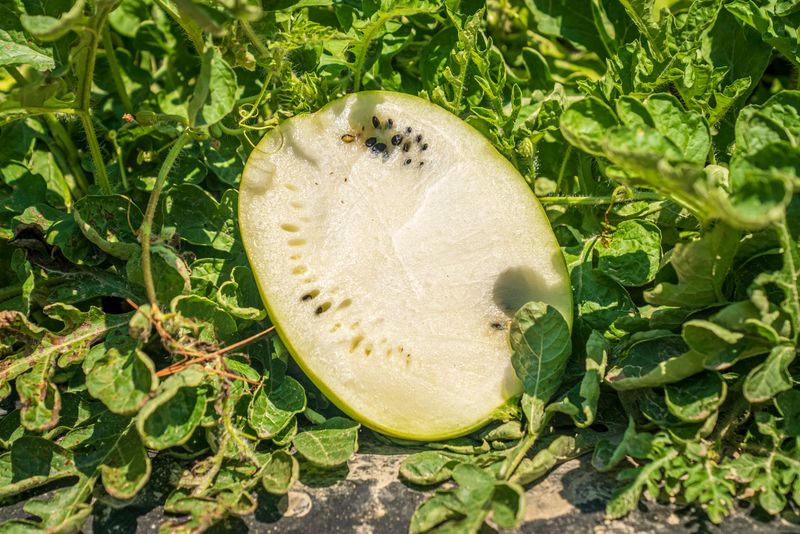
Here is the part that surprises most first-time growers. Once you cut a watermelon from the vine, it stops ripening for good.
Watermelons do not behave like bananas, which continue converting starch to sugar after harvest. A watermelon has no starch reserves to draw from once it leaves the vine.
All the sugar in a watermelon comes from the plant itself through photosynthesis. The moment you sever that vine connection, the sugar supply shuts off for good.
Picking too early is such a costly mistake in the garden. Once cut, there is nothing left to fix, no ripening on the counter to finish the job nature started.
A pale, bland watermelon cut too soon will stay pale and bland, regardless of how long it sits. Room temperature does not help, and neither does sunshine on the porch.
Some people mistakenly believe storing an unripe melon in a warm spot will sweeten it up. That belief leads to a lot of disappointing backyard barbecues every summer.
The flesh may soften slightly over time after cutting, but softening is not the same as ripening. Texture changes, flavor does not improve.
Knowing this truth should make you more patient, not less confident. When a Tennessee watermelon is truly ready, it is ready all the way through, and worth every day you waited.