8 Michigan Shoreline Plants Homeowners Should Never Remove Without Checking The Rules
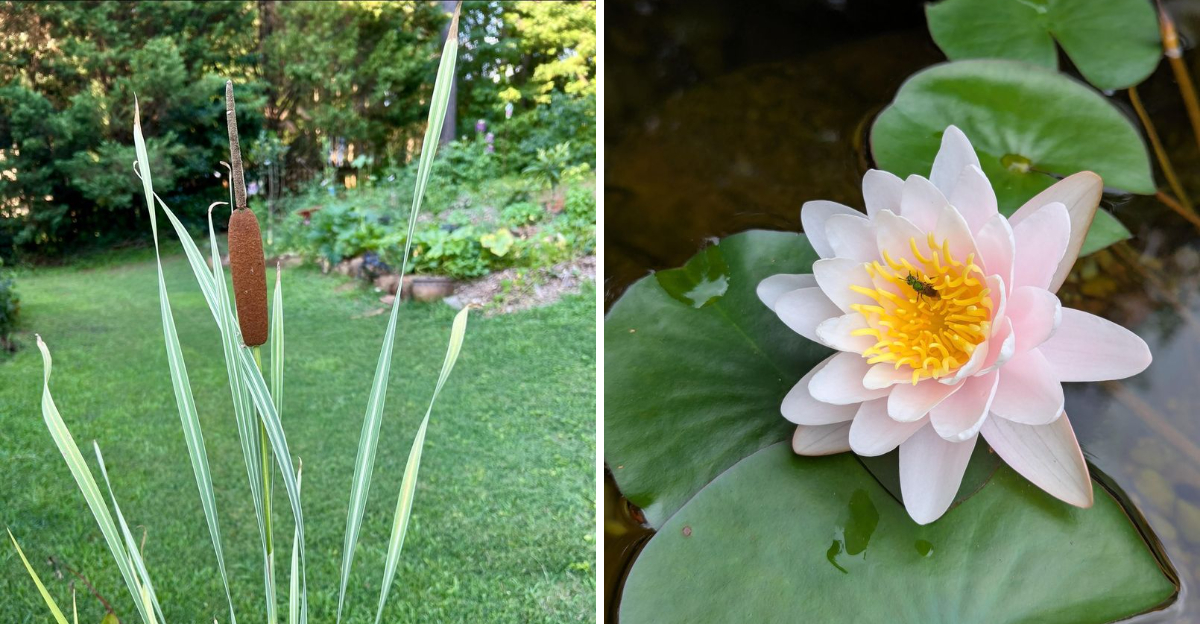
Michigan shoreline plants can look like weeds until the rulebook gets involved.
You stand on the dock, see cattails, rushes, lilies, and tangled green stems blocking the clean water view, and the rake starts sounding tempting. One afternoon of clearing may feel harmless.
Then a permit question shows up.
Shoreline plants do more than crowd the edge. They hold soil, slow waves, shelter fish, filter runoff, and protect the lake in ways that are easy to overlook from the dock.
That is why Michigan treats many wetland and aquatic plants differently than regular yard weeds.
Remove the wrong patch without checking first, and a simple cleanup can turn into paperwork, fines, restoration orders, or a very uncomfortable conversation with local officials.
So which shoreline plants should Michigan homeowners pause over before cutting, pulling, or clearing?
Start with the ones that look common, messy, and easy to remove. Those are often the very plants doing legal and ecological work along the water’s edge.
1. Wild Rice Needs Rule Checking
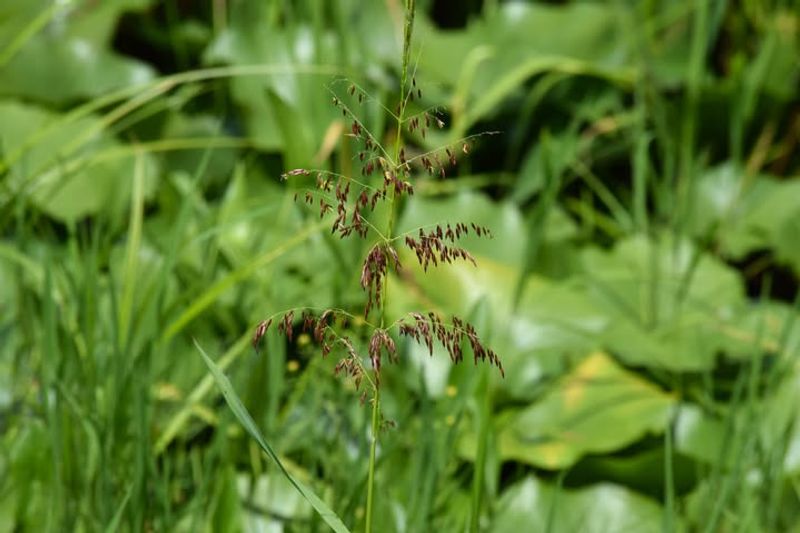
That shallow bay lined with tall, feathery stalks swaying just above the waterline is likely wild rice, and in Michigan, it carries serious ecological and cultural weight.
Wild rice has fed wildlife and Indigenous communities in the Great Lakes region for thousands of years, and the state takes its protection very seriously.
Michigan law through EGLE recognizes wild rice as a plant of special concern in certain areas.
Removing it without checking first could put you in conflict with wetland protection rules, riparian regulations, or even tribal agreements depending on where your property sits.
The rules are not the same everywhere, so your neighbor’s experience may not apply to your situation.
Before doing anything, contact EGLE or your local conservation district to ask whether wild rice is present on your shoreline and what protections apply.
You might also reach out to MSU Extension, which has resources on aquatic vegetation management for Michigan lakefront property owners.
Removing wild rice by hand, rake, or mechanical means may each require different approvals depending on your lake, the size of the stand, and local jurisdiction.
Some methods are off-limits entirely in certain zones. Checking before you act is not just smart, it is the responsible move for your shoreline and the broader ecosystem that depends on it.
2. Hardstem Bulrush Holds Shoreline Value
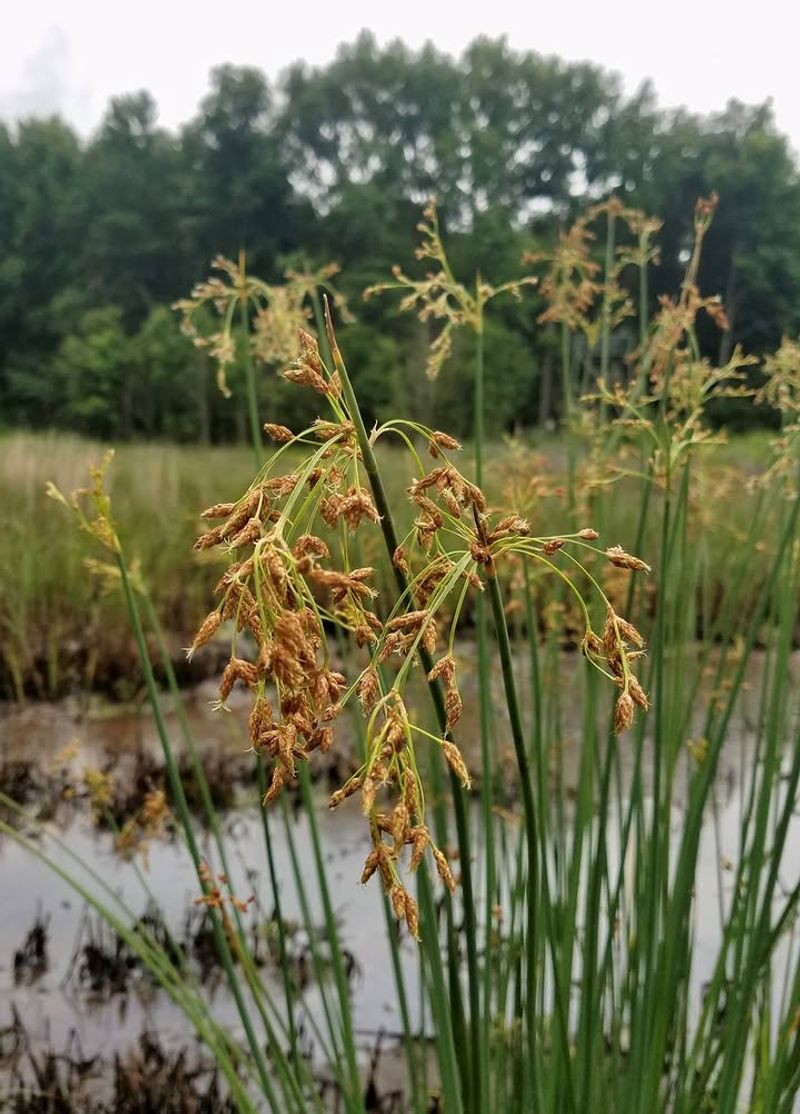
Walk to the edge of your shoreline and you might notice stiff, round green stems rising straight out of the water like little green poles.
Hardstem bulrush is one of Michigan’s most valuable native shoreline plants, and pulling it out without permission could create bigger problems than the ones you were trying to fix.
The root system of hardstem bulrush grips the lake bottom and holds soil in place, making it a natural armor against wave erosion.
Shorelines without it often erode faster, especially on lakes with heavy boat traffic.
Birds, fish, and invertebrates depend on bulrush stands for nesting, shelter, and food, so removing a large patch can ripple through the local food chain in ways that take years to recover.
Your Michigan Garden Changes Every Week. Your Plan Should Too.
Gardening in Michigan changes quickly throughout the season. Every Friday you’ll receive a simple weekly plan showing exactly what to plant, prune, fertilize, harvest, and protect so you never miss the right timing.
Michigan EGLE regulates the removal of aquatic and shoreline vegetation through its Part 301 Inland Lakes and Streams permit program and Part 303 Wetlands Protection rules.
Whether hardstem bulrush on your property falls under those rules depends on factors like water depth, wetland status, and the method you plan to use for removal.
Some homeowners are surprised to learn that even hand-pulling bulrush in certain areas requires a permit.
A quick call to EGLE or a licensed aquatic vegetation consultant before you reach for that rake can help you stay on the right side of the rules and protect your shoreline at the same time.
3. Softstem Bulrush Deserves A Pause
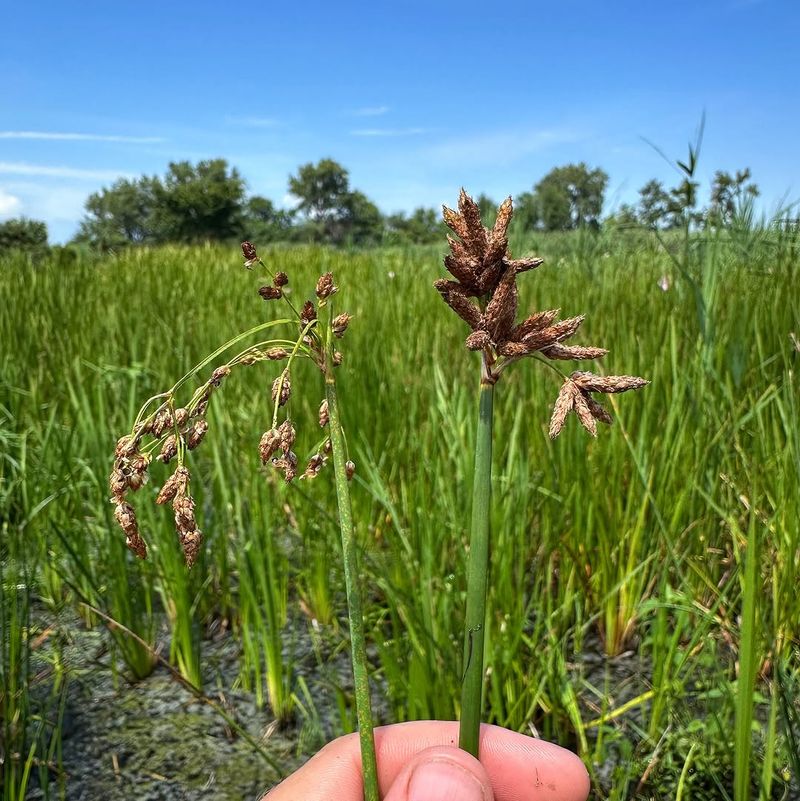
Softstem bulrush looks a lot like its cousin hardstem bulrush, but it tends to grow in slightly deeper water and has a softer, more flexible stem.
That subtle difference matters when you are standing at the water’s edge trying to figure out what you have and whether you can remove it.
Wetland edges in Michigan are some of the most regulated spots in the state.
Softstem bulrush often grows right in that transition zone between upland and open water, which means it can fall squarely under Michigan’s wetland protection rules.
Part 303 of Michigan’s Natural Resources and Environmental Protection Act covers wetlands, and it applies to areas where plants like softstem bulrush are commonly found.
Removing wetland vegetation without a permit can lead to enforcement action from EGLE, even if you own the property.
The state’s wetland protection rules are not just about large marshes. Small pockets of wetland vegetation along a lake edge or stream bank can qualify for protection, and the burden is on the landowner to check before acting.
MSU Extension recommends that homeowners consult with a professional before removing any native shoreline vegetation.
A licensed aquatic ecologist or a conservation district staff member can help you identify what you have and guide you through the permit process if one is needed.
4. Broadleaf Cattail May Be Regulated
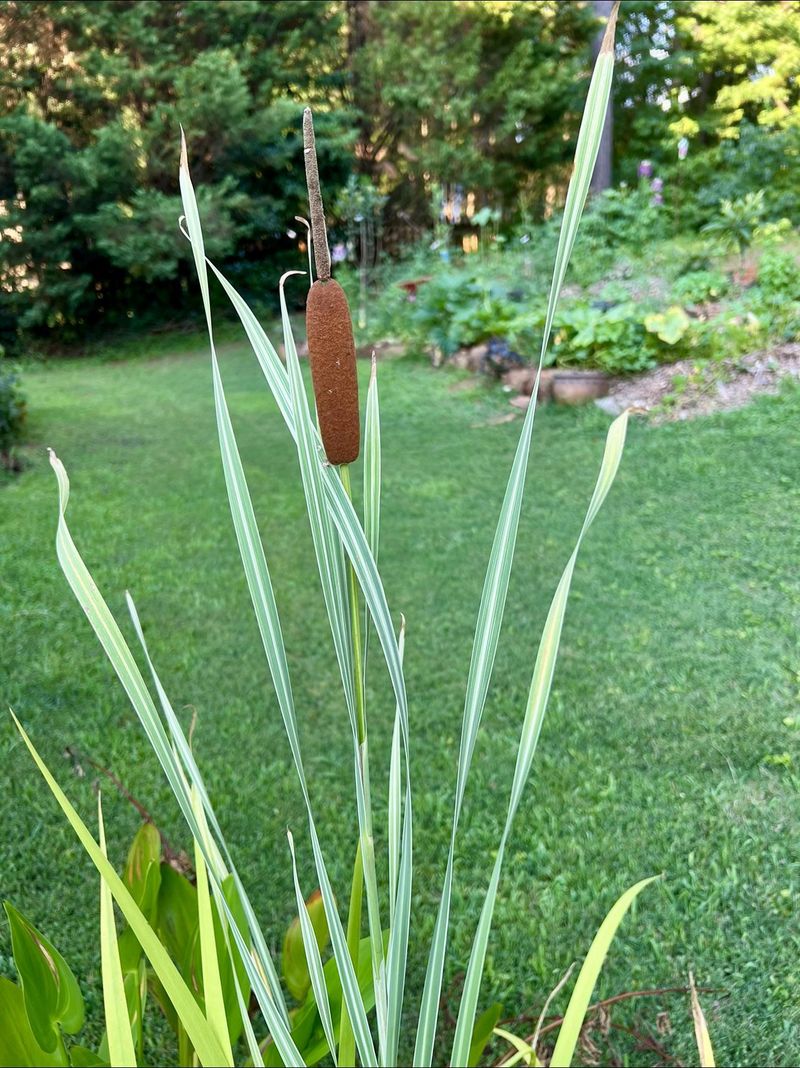
Cattails are probably the most recognized shoreline plant in Michigan, and they are also one of the most misunderstood.
Many homeowners assume that because cattails spread aggressively, they must be okay to remove at any time. The reality is more layered than that, and it depends a lot on which type of cattail you have.
Michigan is home to both native broadleaf cattail and a hybrid variety that can spread more aggressively.
Native broadleaf cattail still provides real ecological value, offering nesting cover for red-winged blackbirds, habitat for frogs and turtles, and bank stabilization along exposed shorelines.
Even when cattails are considered problematic on your property, removal is not a free-for-all.
Michigan’s aquatic plant management rules under Part 301 and Part 303 set guidelines for how and when vegetation can be removed, and those rules can vary based on your lake, the time of year, and the method you plan to use.
Cutting, herbicide treatment, and mechanical removal each carry different requirements.
Before you rent a machine or apply any product to your cattail stand, contact EGLE to find out what applies to your specific site.
Some lakes have management plans already in place. Your local lake association may also have guidance on approved removal methods.
5. Pickerelweed Supports Wet Edges
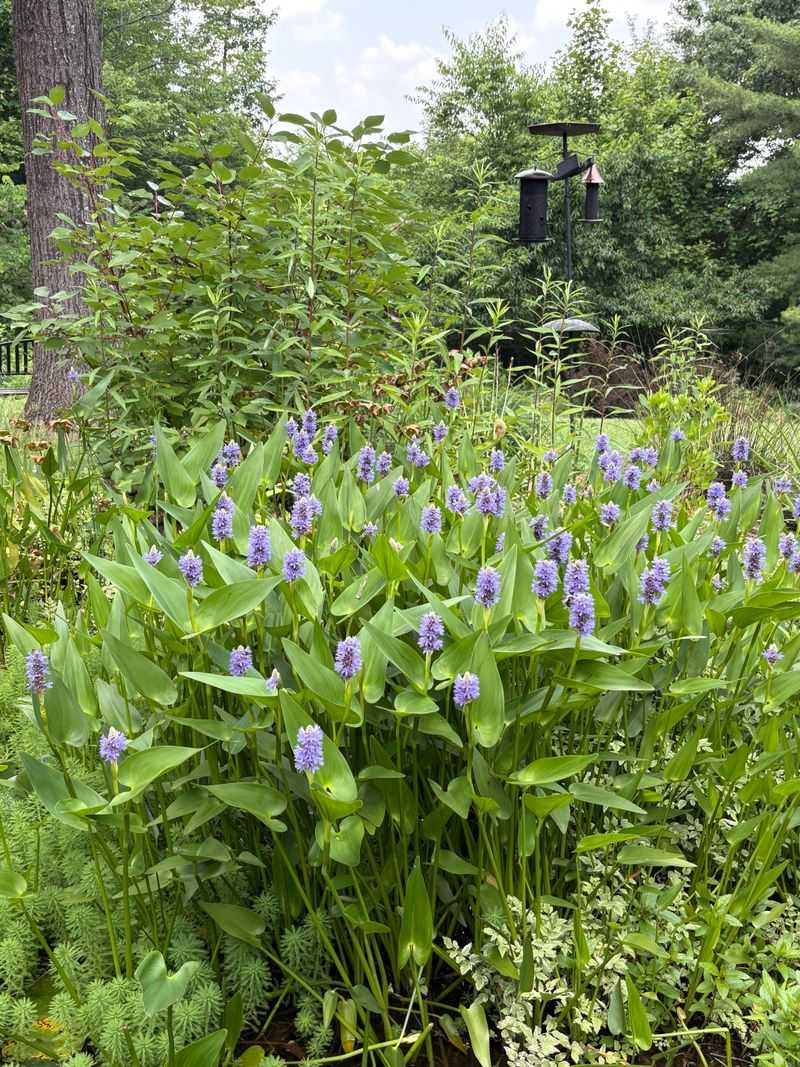
Few plants make a Michigan shoreline look as alive as pickerelweed in bloom.
Those tall purple flower spikes rising above heart-shaped leaves are not just pretty. They are doing serious work along the water’s edge.
Pickerelweed is a native aquatic plant that thrives in shallow water and wet shoreline zones, and it pulls its weight for the ecosystem every single season.
Pollinators love pickerelweed flowers. Ducks eat the seeds. Fish use the stems as shelter and spawning cover.
The dense root structure helps hold soft sediment in place, reducing the kind of bank slumping that can undermine docks and retaining walls over time. Removing it without a plan can leave a shoreline more vulnerable than before.
Michigan’s Part 301 permit program covers removal of aquatic plants in lakes and streams, and pickerelweed often grows right in the zone that triggers permit requirements.
The depth of the water, the extent of the plant stand, and the method of removal all factor into whether a permit is needed. Rules also vary by lake, so a permit-free removal on one lake might require full approval on another.
If pickerelweed is blocking your dock access or spreading into your swimming area, there are often approved management options available.
A call to EGLE or your county’s conservation district can help you figure out what is allowed.
6. Arrowhead Belongs On The Check List
Shallow bays along Michigan lakes are some of the most productive habitats in freshwater ecosystems, and arrowhead is one of the native plants that makes them tick.
Named for its distinctive arrow-shaped leaves, this plant has been a fixture of Great Lakes shorelines long before anyone built a dock nearby.
Arrowhead produces small white flowers and starchy tubers that are eaten by waterfowl, especially ducks.
The stems and leaves provide shelter for juvenile fish and aquatic insects. In shallow water areas, arrowhead helps filter runoff and stabilize soft sediment.
Taking it out without understanding what you are removing can leave a noticeable gap in shoreline function that does not fill back in quickly.
From a regulatory standpoint, arrowhead often grows in areas that qualify as regulated wetlands or within the ordinary high-water mark of an inland lake.
Both of those zones fall under Michigan’s environmental protection rules.
Part 301 and Part 303 of the Natural Resources and Environmental Protection Act are the key frameworks, and they apply to many of the shallow-water areas where arrowhead is commonly found.
Contacting EGLE before you start is the clearest path forward.
MSU Extension also has guides on native shoreline vegetation management that can help you make informed decisions about your property without guessing at the rules.
7. White Water Lily Needs Permission Clarity
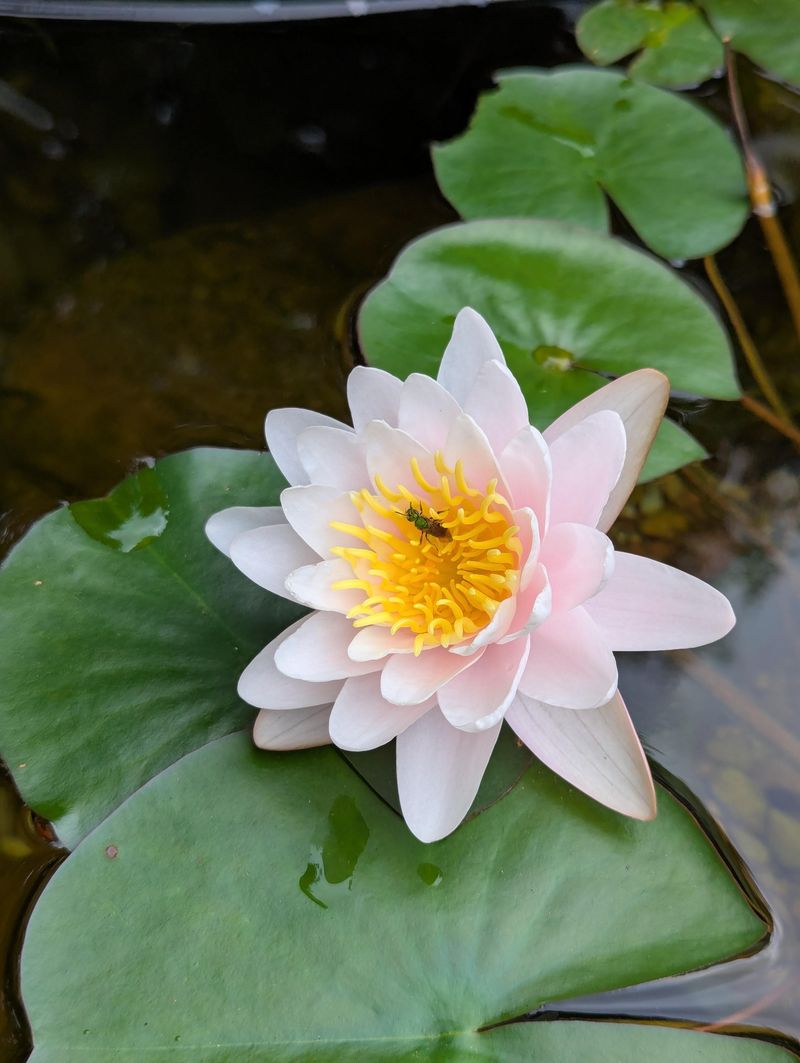
A morning view of white water lily blooms floating across a calm lake is one of the most iconic Michigan summer sights.
But that beauty can turn into a headache when the lilies spread across a swimming area or block a boat lane. Many homeowners assume a quick rake-out will solve the problem, and that assumption is where the trouble starts.
White water lily is a native aquatic plant regulated under Michigan’s Part 301 Inland Lakes and Streams permit program.
Removing rooted aquatic vegetation from a lake, even by hand or with a simple tool, can require a permit depending on the size of the area you plan to clear and the lake’s classification.
Some lakes have existing management plans that specify what is allowed and what is not.
The root systems of white water lily anchor deep into the lake bottom. Incomplete removal often means regrowth within a season or two, which is why many homeowners end up repeating the process without ever solving the underlying issue.
Licensed aquatic vegetation management contractors know which removal methods are approved and which ones are likely to trigger regrowth or regulatory attention.
Before pulling a single pad, reach out to EGLE to ask about your specific lake and the area you want to manage.
Getting that clarity upfront saves time, money, and a lot of back-and-forth with regulators later on.
8. Pondweed Removal Requires Care
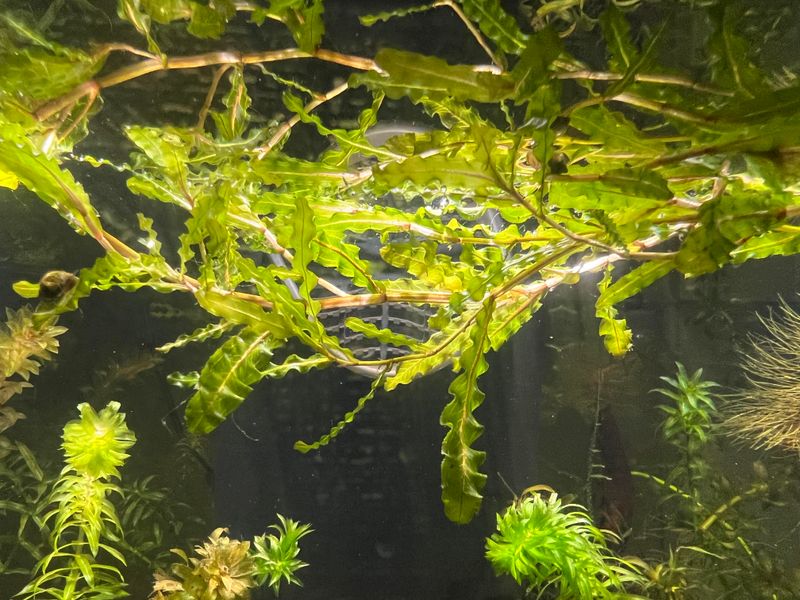
Pondweed does most of its work underwater, which makes it easy to overlook until you step off the dock and feel it wrapping around your ankles.
There are many species of pondweed in Michigan, and they range from highly valuable native plants to species that behave more like nuisances in certain lake conditions.
Knowing which one you have matters a great deal before you reach for any removal tool.
Native pondweeds play a critical role in lake ecology. They produce oxygen, stabilize sediment, and provide food and cover for fish, waterfowl, and invertebrates.
Removing large stands of native pondweed can affect water clarity, encourage algae growth, and reduce fish habitat in ways that take years to correct.
Michigan’s aquatic plant management rules apply to submerged vegetation just as they do to emergent plants like cattails or bulrush.
Part 301 governs removal activities in inland lakes and streams, and specific restrictions may apply to your lake depending on its size, classification, and any existing management plan.
Methods like mechanical harvesting, raking, and aquatic herbicide treatment each carry their own approval requirements.
If submerged pondweed is affecting your swim area or dock access, the first step is identifying the species and then contacting EGLE to understand your options.
Skipping that step and removing vegetation without approval is a gamble that rarely pays off, especially when approved solutions are often more effective and longer lasting anyway.