Who Is Responsible When An Oregon Neighbor’s Ivy Spreads Onto And Damages Your Fence
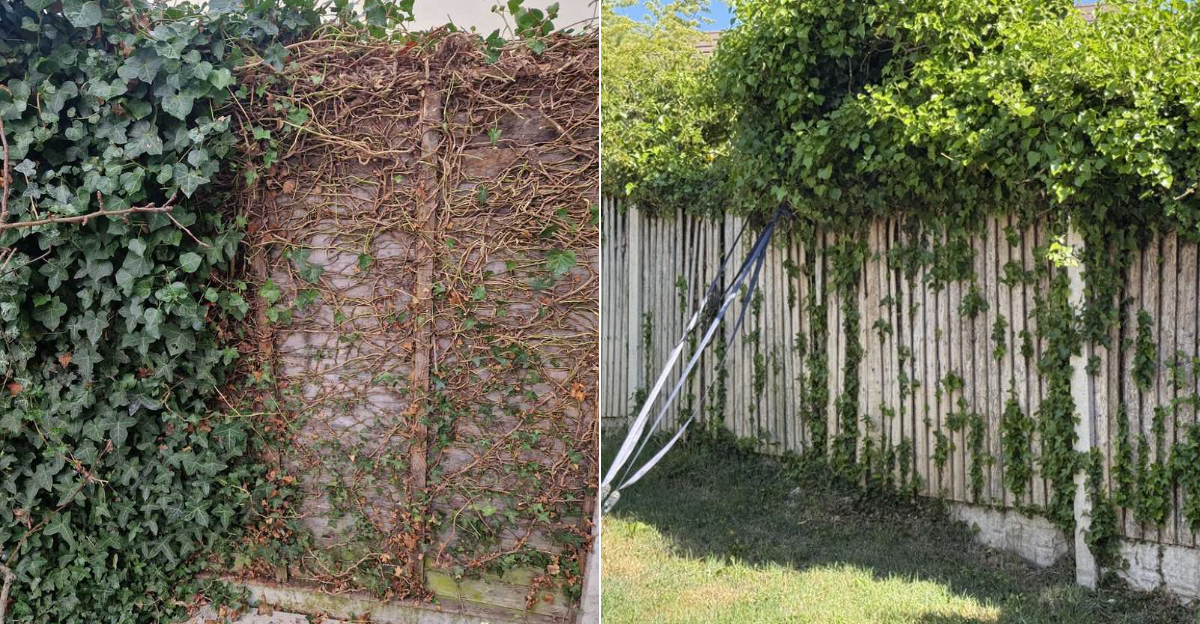
Neighbor ivy can look charming until it starts treating your fence like a free gym membership. In Oregon, that leafy creep can get awkward fast.
One yard’s “cute greenery” can become another homeowner’s warped boards, trapped moisture, or broken fence panels.
The tricky part is figuring out who has to deal with it before the whole thing turns into a property-line soap opera.
Responsibility may depend on ownership, damage, notice, local rules, and what each neighbor knew before the ivy went full villain mode.
Before you start ripping vines, sending angry texts, or pricing a new fence in a rage, it helps to know your options.
Ivy may be pretty, but once it crosses the line and causes damage, the conversation gets a lot less decorative.
1. Ivy Damage Is Not Always Simple
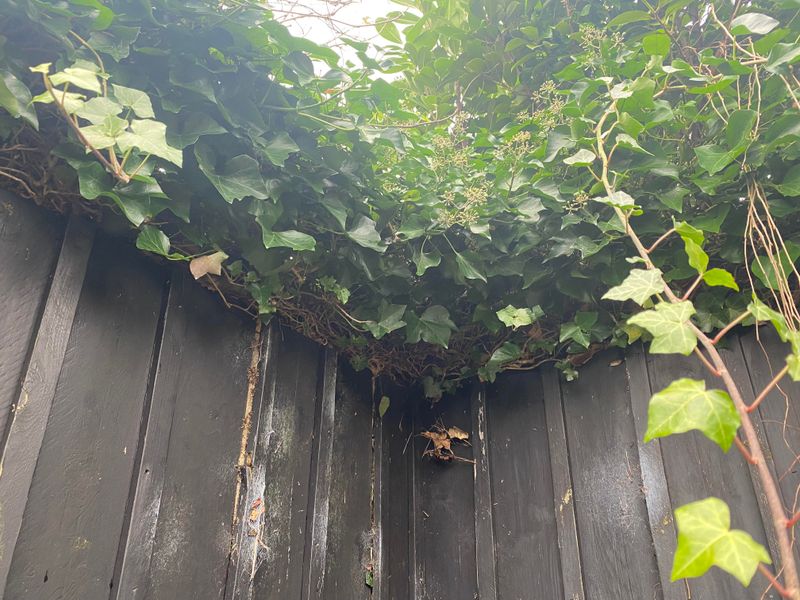
A lot of homeowners assume that if ivy is growing on their fence, the fix must be simple. Just cut it back, right?
Not quite. Ivy can cause serious structural damage before you even notice it is there.
It grows into cracks, lifts boards, and holds moisture against wood, which speeds up rot.
In Oregon, plant-related property disputes fall under a mix of property law and nuisance law. That means the answer to “who pays” is rarely obvious.
Courts here have looked at cases where plants from one yard caused damage next door, and the outcomes have varied depending on the facts.
The type of ivy matters too. English ivy, which is the most common kind found in yards across our state, is actually classified as an invasive plant in Oregon.
That label does not automatically make your neighbor legally responsible, but it does support your case if you need to escalate things.
Damage from ivy can include cracked fence boards, weakened fence posts, and even foundation issues if the ivy reaches a structure. The longer it grows unchecked, the worse the damage gets.
Many homeowners wait too long to act because they do not want conflict with their neighbor. Acting early, even just with a polite conversation, is almost always the better choice.
Knowing the full picture of how ivy damages property helps you make a stronger case if you ever need to seek repairs or reimbursement.
2. Start With Who Owns The Fence
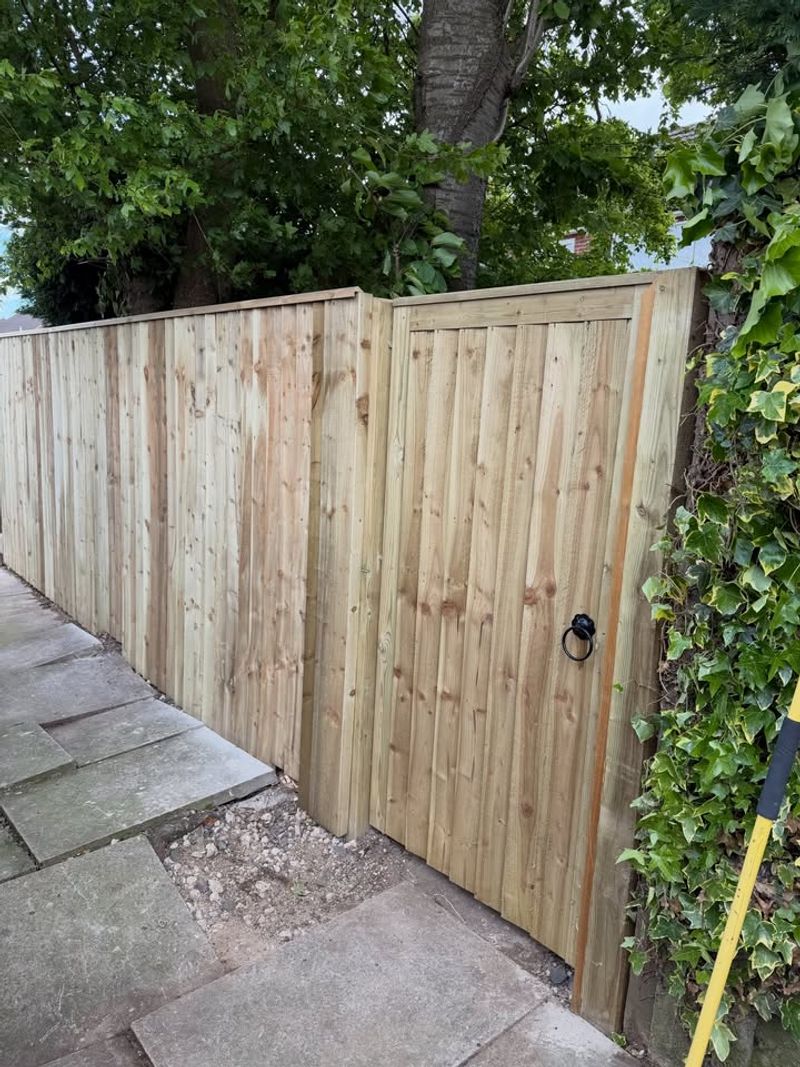
Before anything else, you need to figure out who owns the fence. This might sound obvious, but fence ownership is not always clear.
A fence sitting exactly on the property line is often considered a shared fence. That means both neighbors may share responsibility for its upkeep.
If the fence sits entirely on your property, even by just a few inches, then it belongs to you. That also means the responsibility for repairs falls on your shoulders, even if your neighbor’s ivy caused the damage.
On the flip side, if the fence is on your neighbor’s property, they may be fully responsible for both the fence and the ivy.
Checking your property survey is the best way to know for sure. Most homeowners have a copy of their survey in their closing documents from when they bought the house.
Your Oregon Garden Changes Every Week. Your Plan Should Too.
Gardening in Oregon changes quickly throughout the season. Every Friday you’ll receive a simple weekly plan showing exactly what to plant, prune, fertilize, harvest, and protect so you never miss the right timing.
If you cannot find yours, the county assessor’s office or your title company may have a copy on file.
Oregon has a specific law called the Line Fence Law that outlines neighbor responsibilities for shared fences. Under this law, both neighbors may be required to split the cost of maintaining a shared fence.
Knowing whether your fence is shared or solely yours changes everything about how you approach the conversation with your neighbor. Get this information first, and keep a written record of what you find.
It will be useful later if the situation escalates or you need to involve a mediator or attorney.
3. Find Where The Ivy Is Rooted
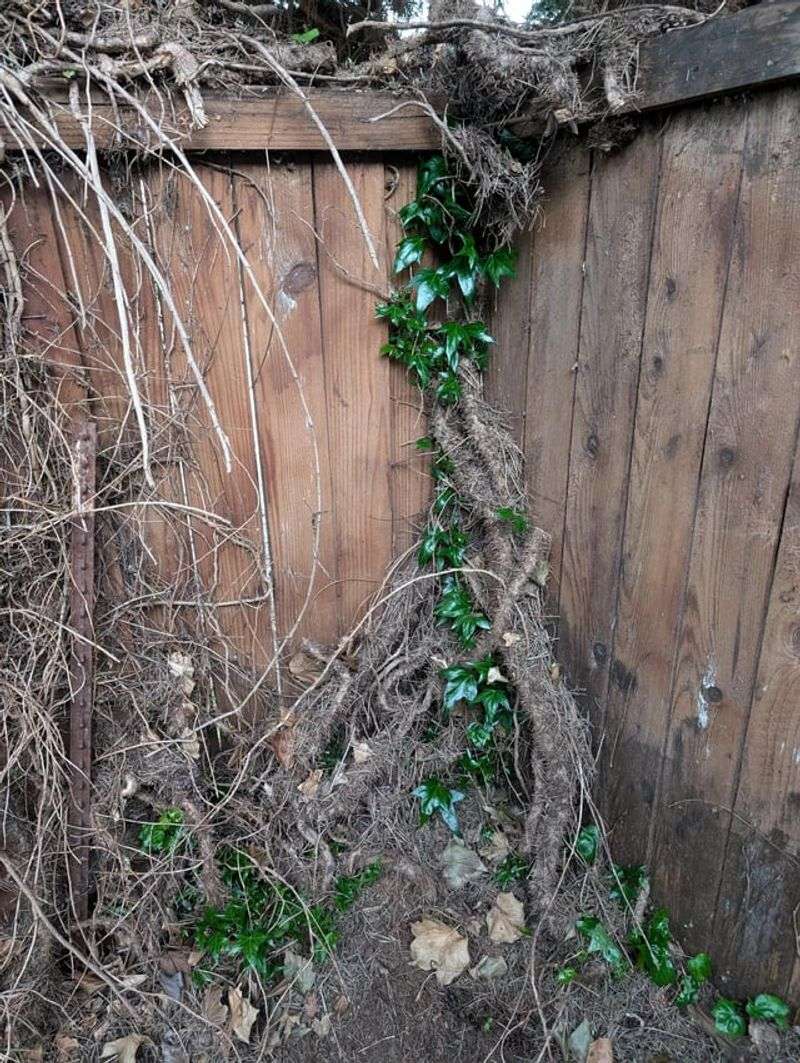
Here is something most people do not think about right away: where the ivy is rooted matters just as much as where it is growing. A plant is legally considered to belong to the person on whose property it is rooted.
So if the ivy’s roots are in your neighbor’s yard, the plant is theirs, even if the vines have crossed the fence and are spreading across your side.
This is an important legal distinction in property disputes. Courts in Oregon have used the location of the roots to determine which party owns the plant and, therefore, who holds some level of responsibility for the damage it causes.
That said, proving where the roots are located can take some effort.
You may be able to trace the main stems back to their source without digging. Often, ivy vines travel along the ground before climbing, and you can follow them back to the root zone.
If the ivy is thick and overgrown, you might need a professional to assess where the main root system is located.
Taking photos of the root origin point is a smart move. It gives you visual evidence to support your claim if you ever need to show a mediator, a judge, or even just your neighbor.
Roots do not lie, and having clear documentation of where this plant started makes your case much stronger. Do not skip this step just because it seems minor.
It could make a big difference in how responsibility gets assigned later on.
4. Document The Damage Before Cutting
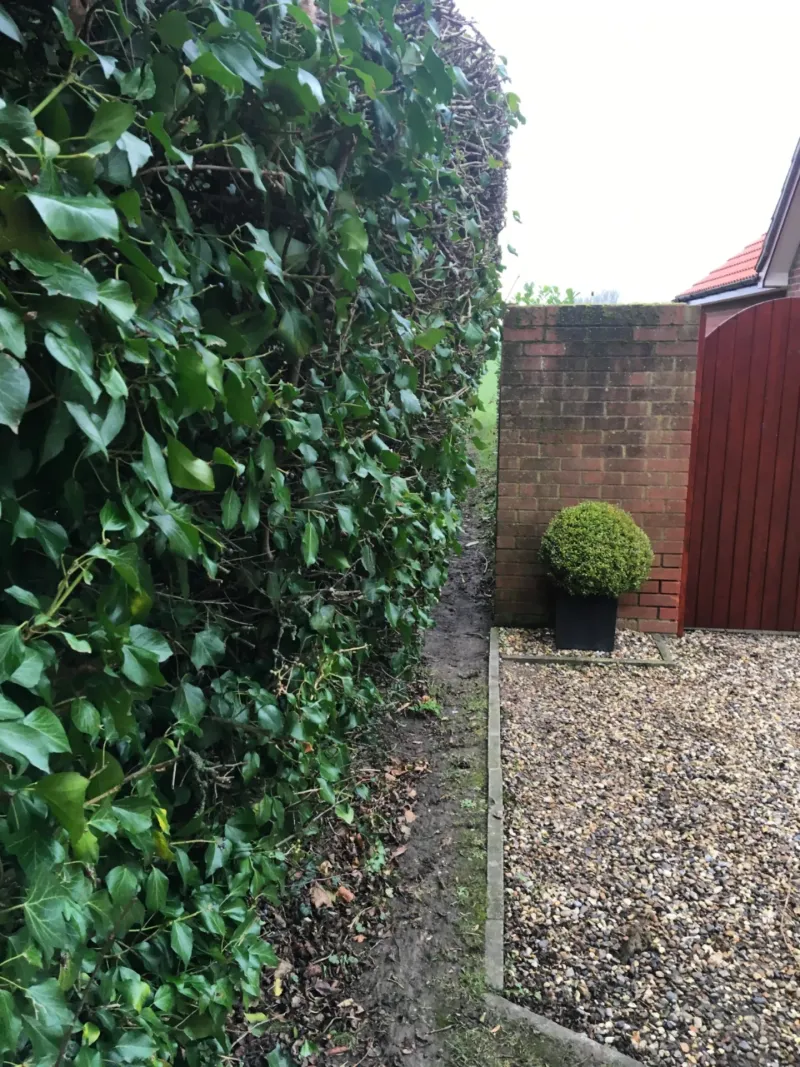
One of the biggest mistakes homeowners make is cutting the ivy back before they document what it has done. Once you remove the plant, some of the evidence of damage disappears too.
Always take detailed photos and notes before you touch anything.
Walk the entire length of the fence and look for cracked or broken boards, bent or leaning posts, missing sections, and any signs of rot or moisture damage. Take close-up photos and wide shots that show the full extent of the ivy coverage.
Note the date and time on every photo, and use your phone’s camera so the images are automatically timestamped.
You should also write down a description of what you see. A short written record with dates is valuable if you later need to file a claim with your homeowner’s insurance or take the matter to small claims court.
Some homeowners even make a short video walkthrough of the damage while narrating what they see.
If the damage looks severe, consider calling a fence contractor for a written estimate before you start any cleanup. A professional quote shows the real cost of the damage and adds credibility to your claim.
Keep all of this documentation in one place, like a folder on your phone or computer, so it is easy to access later. Good documentation does not just help you win an argument.
It helps you stay calm, organized, and prepared no matter what direction the situation takes. Always document first, then act.
5. You Can Usually Trim To The Property Line
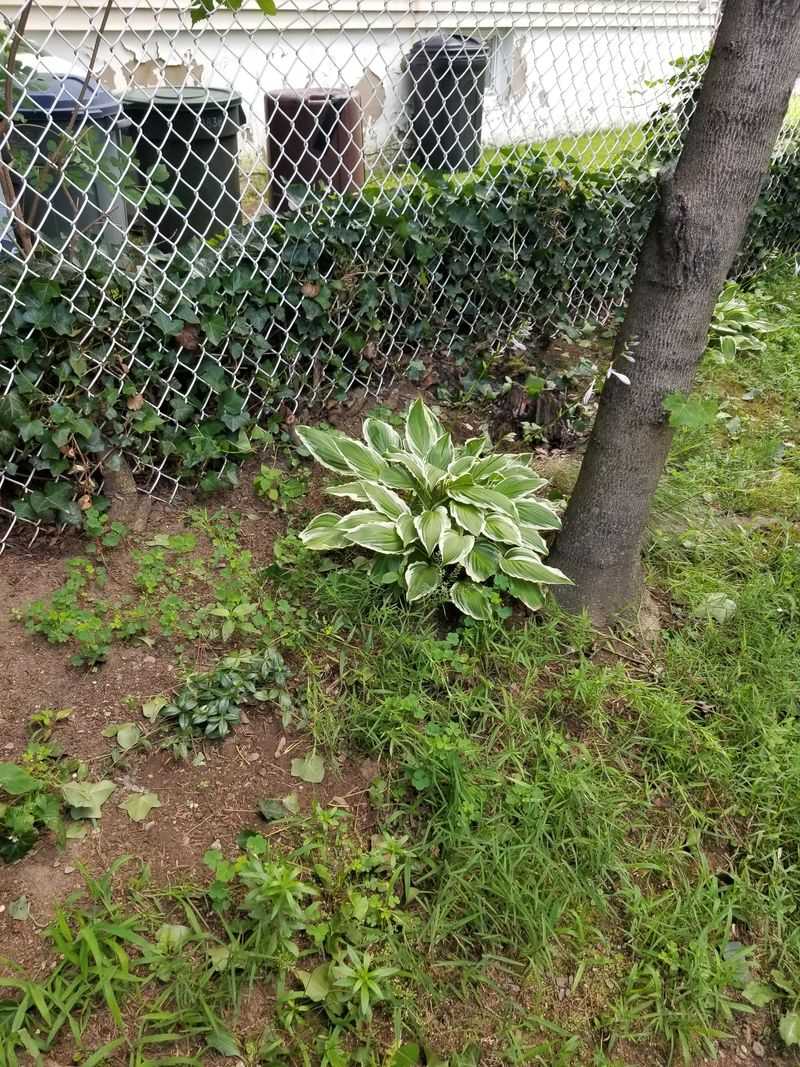
Good news: in most cases, you have the legal right to trim plants that cross onto your property, up to the property line. This is sometimes called the “self-help” remedy, and it is widely recognized.
You do not need your neighbor’s permission to cut back ivy that has crossed onto your land.
However, there are a few important rules to follow. You can only trim up to the property line, not beyond it.
You cannot go onto your neighbor’s property to cut roots or vines on their side without their permission. And you are generally not allowed to remove the plant entirely if its roots are on their property.
Be careful about how you trim. Cutting ivy too aggressively on your side can sometimes stress the plant in ways that cause it to spread more roots.
Use clean, sharp tools and cut the vines close to where they cross the fence line. Dispose of the cuttings properly, since ivy can re-root if left on the ground.
Even though trimming is your legal right, doing it thoughtfully and respectfully goes a long way. If your neighbor sees you trimming calmly and carefully, it opens the door for a productive conversation.
Some neighbors are not even aware their ivy has crossed the fence. Trimming is a practical first step, but it is not a permanent fix.
The ivy will grow back unless the root system is managed on your neighbor’s side. Keep that in mind as you plan your next move.
6. Don’t Reach Onto The Neighbor’s Side
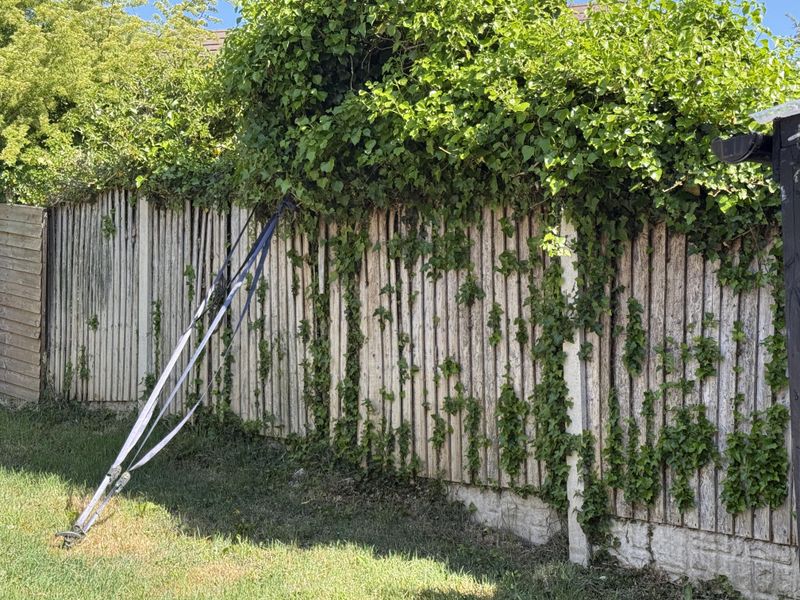
Reaching over or stepping onto your neighbor’s property without permission is where a lot of well-meaning homeowners get into trouble.
Even if you are trying to fix a real problem, going onto someone else’s property without their consent can be considered trespassing under Oregon law.
That means you cannot lean over the fence and pull ivy vines from their side. You cannot dig up roots that are growing on their property.
And you cannot send someone else over to do it on your behalf without getting permission first. These actions, even when done with good intentions, can flip the situation legally and put you in the wrong.
If the ivy roots are clearly on your neighbor’s side and you need access to fully address the problem, the right move is to ask for permission in writing. A simple note or email explaining the issue and requesting access to trim from their side is usually enough to start the conversation.
Keep a copy of what you send and any response you receive.
Respecting your neighbor’s property rights, even when they are causing damage to yours, keeps you on solid legal ground. It also tends to keep the relationship from turning hostile.
Disputes between neighbors that go to court are stressful, expensive, and time-consuming. Staying on your own side of the fence, both literally and figuratively, is always the smarter play.
It protects you legally and keeps the door open for a cooperative resolution that works for both of you.
7. Ask In Writing Before It Gets Worse
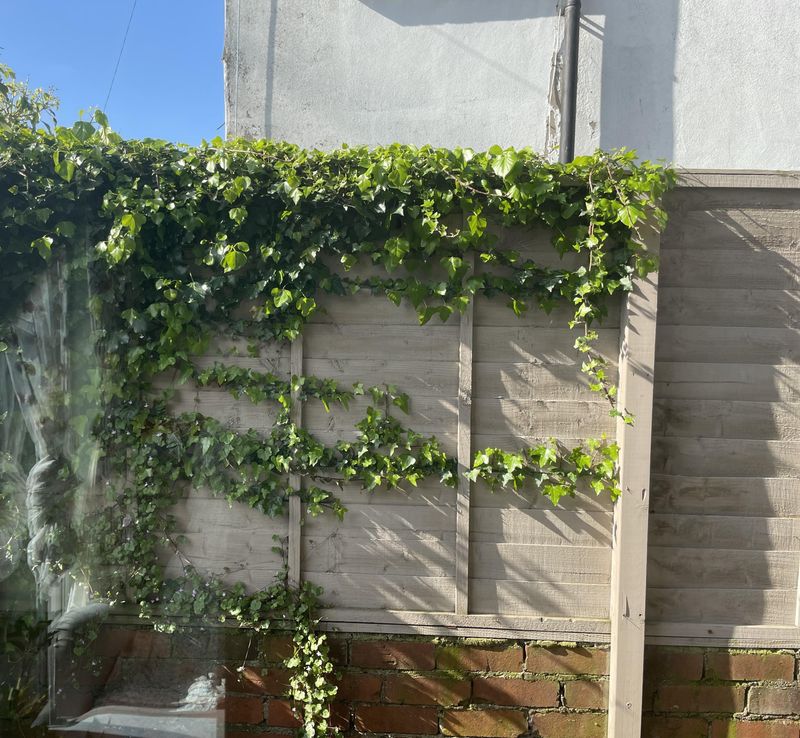
Talking to a neighbor about property damage can feel uncomfortable, but doing it in writing is one of the smartest moves you can make. A written request creates a paper trail.
It shows that you made a reasonable effort to resolve the problem before escalating, and it gives your neighbor a clear record of what you are asking for.
Your letter does not need to be formal or aggressive. Keep it simple and factual.
Describe the problem, explain where the ivy is growing, mention the damage it has caused, and ask your neighbor to address it within a reasonable timeframe. Thirty days is a common and fair window to give someone to respond or take action.
Send the letter by certified mail so you have proof it was delivered. You can also send an email if you have your neighbor’s address, but a physical letter carries more weight in legal situations.
Keep copies of everything you send and receive.
If your neighbor responds positively, that is great. Work together to come up with a plan.
If they ignore the letter or refuse to take responsibility, your documentation becomes even more valuable.
At that point, you may want to contact your local county or city code enforcement office, since invasive plants like English ivy can sometimes fall under nuisance ordinances in our state.
A written record of your attempts to resolve the issue shows that you acted in good faith, which matters a lot if the dispute ever reaches a mediator or a judge. Always put it in writing.
8. Photos Help Prove The Spread
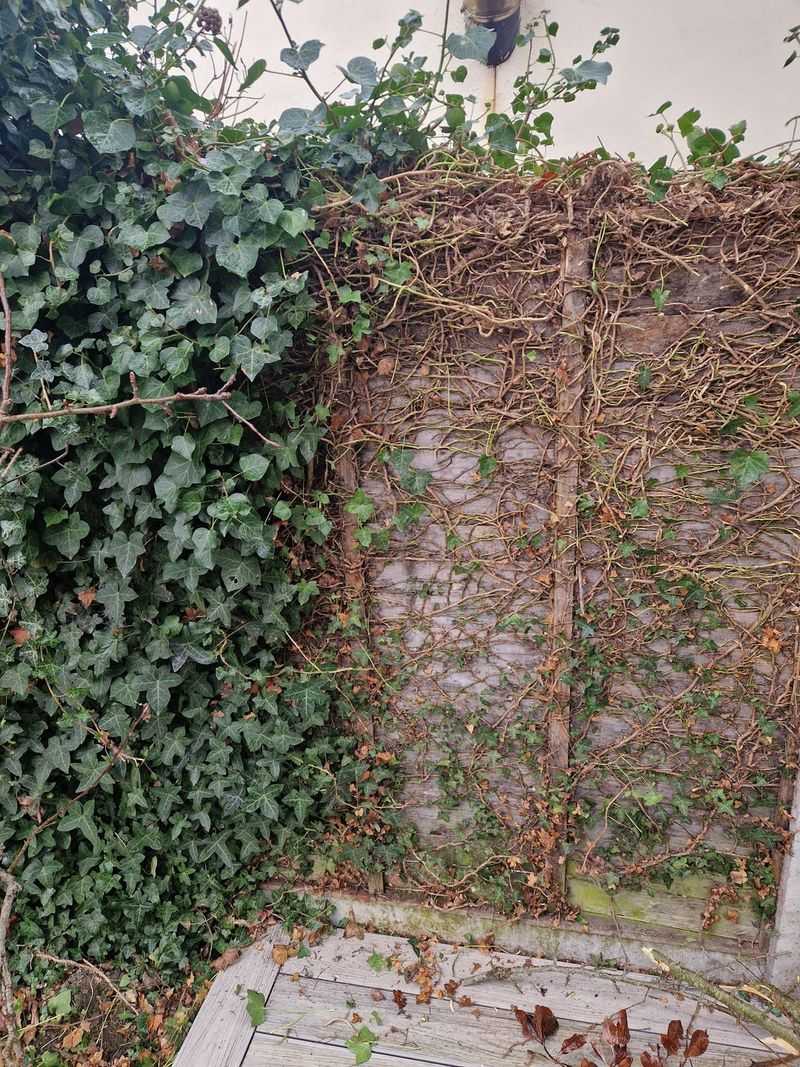
A single photo of ivy on your fence is helpful. A series of photos taken over weeks or months is powerful.
Showing the progression of the ivy’s spread makes it very clear that the problem is ongoing and getting worse, not just a one-time issue that could have been handled quickly.
Start taking photos now, even if you have already started trimming. Set a reminder on your phone to take new photos every two to four weeks.
Capture different angles, including the fence, the root side, and any visible damage. Make sure your phone’s location and date settings are on so every image is automatically stamped with the time and place.
If the ivy has already caused significant damage, photograph that damage in detail. Show cracked boards, leaning posts, areas where the wood has rotted, and any places where the fence has separated from its supports.
These images tell the story of what the ivy has done to your property over time.
Organized photo evidence is one of the most persuasive tools you can bring to a mediation session, a small claims court hearing, or even just a difficult conversation with your neighbor. It removes guesswork and makes the damage undeniable.
Some homeowners even create a simple dated photo log in a shared folder or printed binder. The more organized your evidence, the more seriously it will be taken.
Do not underestimate the power of a clear, well-documented photo record. It can be the difference between getting reimbursed and getting nothing at all.
9. Fence Repair Depends On Fault
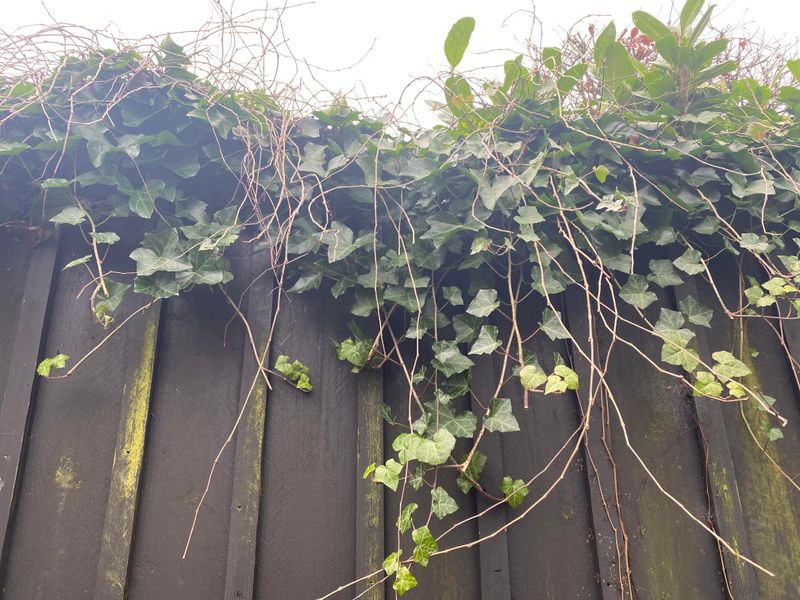
Once the ivy has been addressed, the question of who pays for the fence repair comes up. The answer depends heavily on what you have been able to document and prove.
If you can show that the ivy originated on your neighbor’s property and caused the damage, you have a reasonable case for asking them to contribute to or fully cover the repair costs.
Oregon small claims court allows you to seek reimbursement for property damage without hiring an expensive attorney. The limit for small claims in Oregon is currently $10,000, which covers most fence repair situations.
Having your photos, written correspondence, and contractor estimates ready makes your case much stronger.
If the fence is shared, both parties may be expected to split the cost of repairs, even if one neighbor’s plant caused the damage. This is where fence ownership becomes critical again.
A shared fence means shared responsibility in many cases, regardless of what caused the damage.
Homeowner’s insurance is another option worth exploring. Some policies cover damage caused by encroaching vegetation, though coverage varies widely.
Call your insurance company and describe the situation before filing a claim, so you understand your options. Mediation is also available in many Oregon counties as a low-cost alternative to court.
A neutral third party can help both neighbors reach a fair agreement without the stress of a legal battle.
No matter which route you take, being organized, documented, and calm gives you the best shot at a fair outcome and a repaired fence.