How To Pick A Perfectly Ripe Watermelon In Virginia
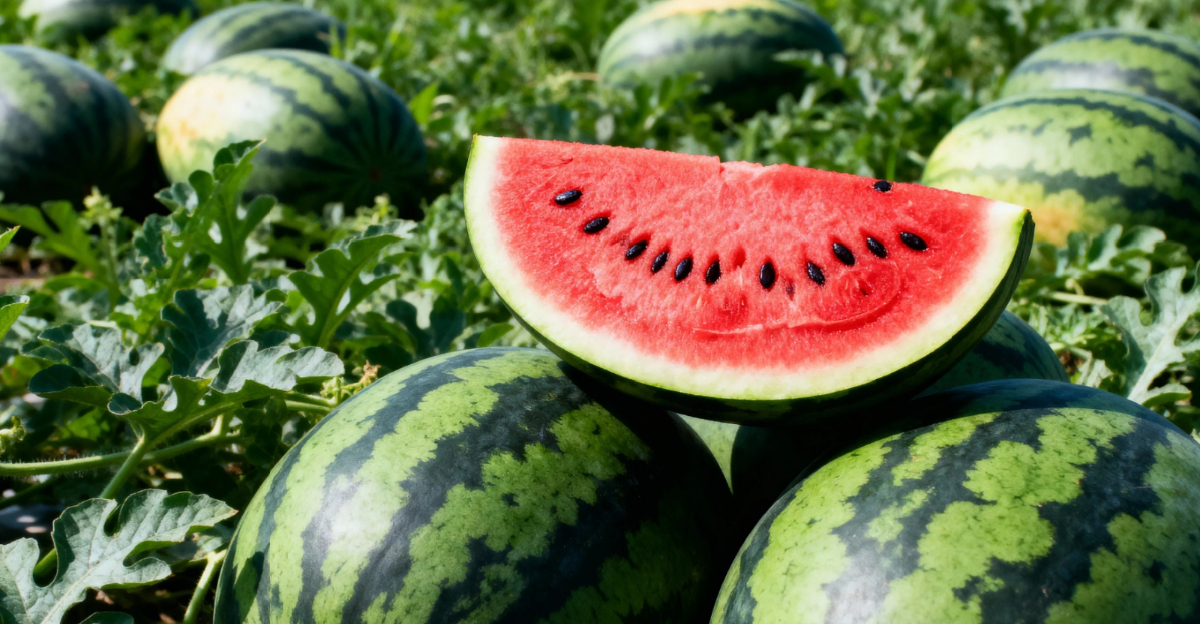
There’s a specific kind of heartbreak that only Virginia summers can deliver: slicing open a watermelon at your cookout and finding pale, mealy flesh staring back at you.
Everyone’s watching.The cooler is packed with ice. And you’re standing there holding a $7 disappointment.
Farm stands from Charlottesville to the Eastern Shore are stacked with melons this time of year, but not all of them deserve a spot on your picnic table. Some are perfect.
Some are duds dressed up in the same green rind. The tricky part is that they all look identical from the outside.
Good news: ripeness leaves clues. Sound, weight, color, even the little curl of a stem can tell you everything before you ever make the cut.
Once you know what to look for, you’ll never gamble on a slice again. These eight tricks will make you the sharpest melon picker in any Virginia market.
1. Thump The Melon And Listen For A Hollow Sound
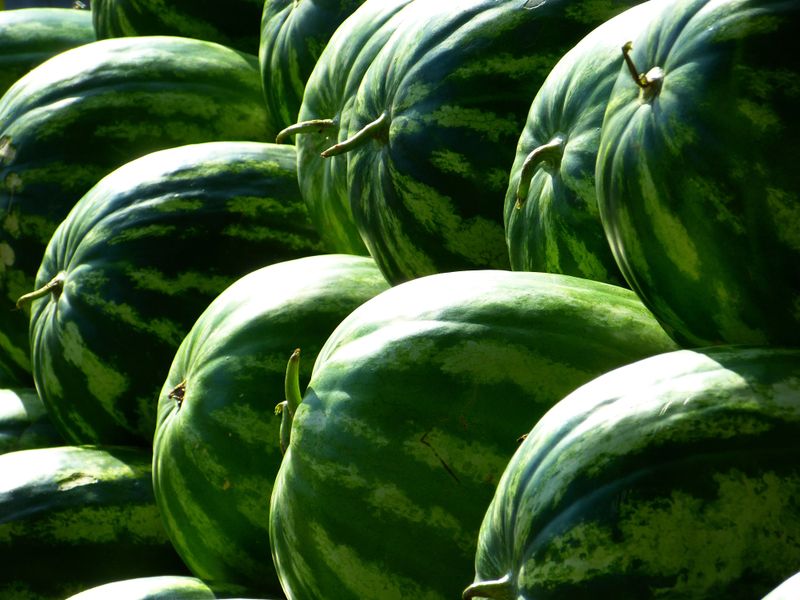
Close your eyes and tap that melon like you own the place. A ripe watermelon produces a deep, hollow thump when you knock on it.
That sound means the flesh inside is full of water and sugar. An unripe melon sounds higher-pitched, almost like tapping a hard table. A flat, dull thud can mean the fruit is overripe and mushy inside.
You want that satisfying, resonant boom. Think of it like knocking on a door versus knocking on a wall. The hollow echo tells you the interior is dense with juice.
Practice this trick a few times and your ears will catch on fast. Some people feel silly thumping produce at the store. Do it anyway, because it works every single time.
Your fellow shoppers might even ask you for advice. Many farmers who grow melons in Virginia favor the thump test as one of their go-to methods. It takes about three seconds and costs you nothing.
No tool needed, just your knuckles and good ears. The science behind it is simple: water conducts sound differently than air pockets. A melon packed with sweet juice resonates lower and longer.
One tap is usually all you need to know the truth. Next time you are standing at a roadside stand in Virginia’s melon-growing regions, give every melon a knock.
Your instincts will sharpen with each one you test. Trust the hollow sound and you will rarely go wrong.
2. Check The Field Spot For A Creamy Yellow Color
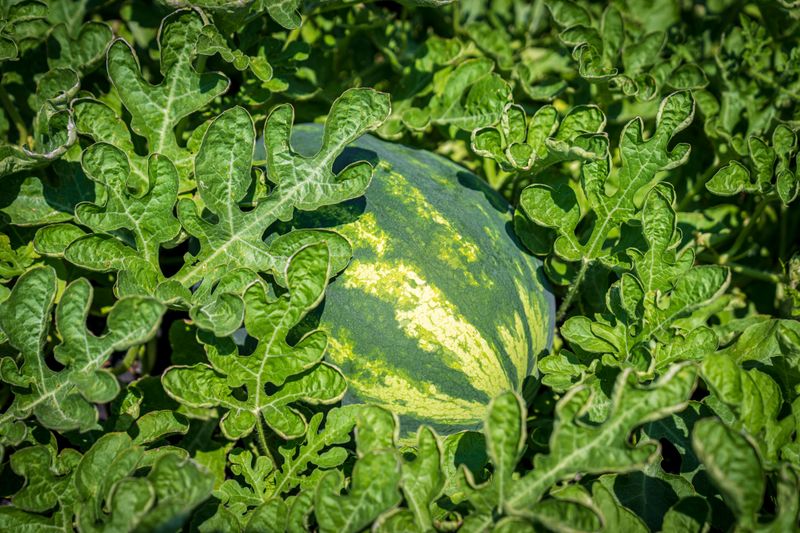
Flip that watermelon over and look at the bottom. That pale patch is called the field spot, and it tells a story about how long the melon sat in the sun.
A creamy, buttery yellow color means it had plenty of time to ripen on the vine. A white or pale green field spot is a red flag. It means the melon was picked too early, before it had time to develop full sweetness.
Farmers use this spot as one of their first checkpoints at harvest. The deeper and more golden the spot, the sweeter the melon tends to be. Some perfectly ripe ones show an almost orange-yellow hue on the bottom.
Your Virginia Garden Changes Every Week. Your Plan Should Too.
Gardening in Virginia changes quickly throughout the season. Every Friday you’ll receive a simple weekly plan showing exactly what to plant, prune, fertilize, harvest, and protect so you never miss the right timing.
That rich color is exactly what you are hunting for. Many shoppers never even think to turn the melon over. That is a missed opportunity every single time.
The field spot gives away secrets the outside skin tries to hide. In Virginia, melons grown in sandy coastal plains often develop especially vivid field spots.
The warm soil and long sunny days accelerate that color change. Regional growers know this and use it to time their harvests.
Do not confuse a soft, mushy spot with a healthy field spot. A squishy patch means the melon sat too long after picking.
You want firm skin with that gorgeous golden hue. Learning to read the field spot is one of the fastest ways to pick a perfectly ripe watermelon with confidence.
3. Look For Dull, Not Shiny, Skin
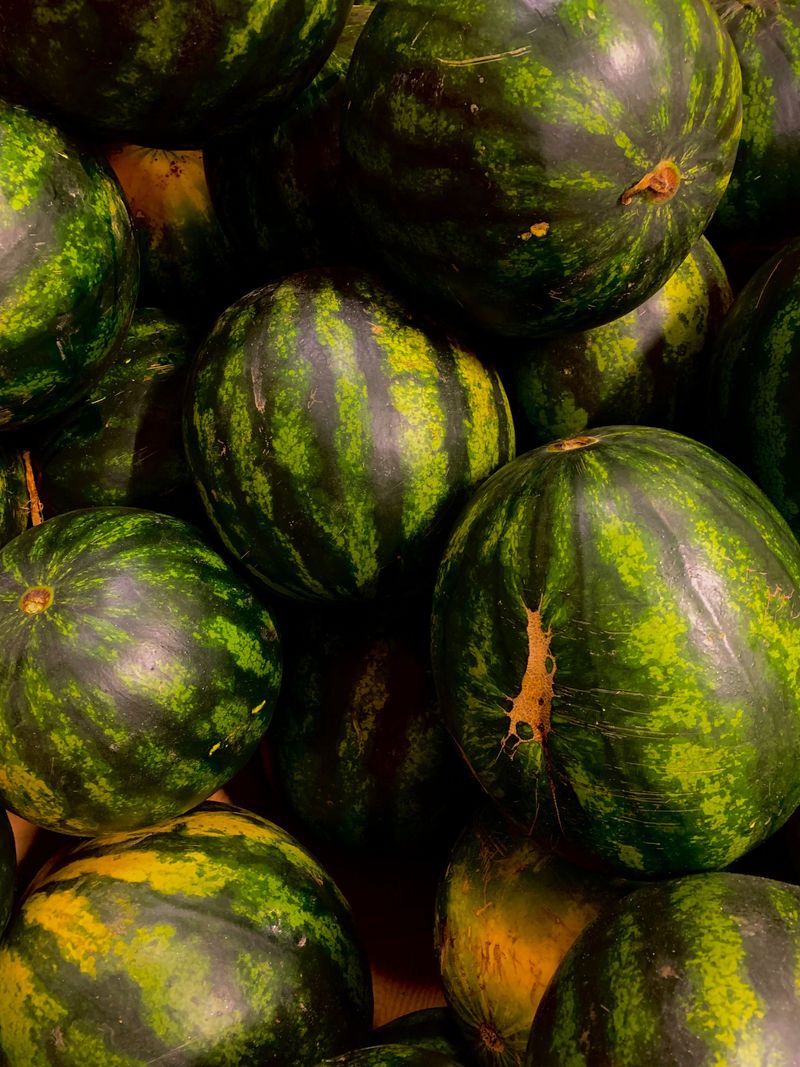
Shiny watermelons look appealing, but looks can be deceiving. A glossy exterior often signals an underripe fruit that was harvested before its time.
The skin reflects light more when the waxy coating is still fresh and undeveloped. A ripe watermelon has a matte, slightly dusty finish on its skin. That dullness means the outer rind has had time to fully mature.
It is one of the most overlooked visual clues at any farm stand or grocery store. Think about it like a peach: the best ones are not always the prettiest. The same logic applies to melons.
Outer beauty does not equal inner sweetness. Grocery stores sometimes wax their produce to make it look more appealing on the shelf. That extra shine can fool even experienced shoppers.
Always look past the gloss and focus on the natural surface texture. Some Virginia farmers picking melons for local markets rely on this trick. They tend to skip the shiny ones and reach for the duller-looking fruits.
Local knowledge like this is worth more than any label or sticker. Run your hand across the skin and notice how it feels. A matte surface often has a slightly rough or waxy feel without being slippery.
That texture is a good sign you are holding something special. Next time a gleaming melon catches your eye, pause and look for its dull neighbor instead. That quieter-looking fruit is almost always the sweeter one worth bringing home.
4. Feel The Weight, Ripe Melons Feel Heavier
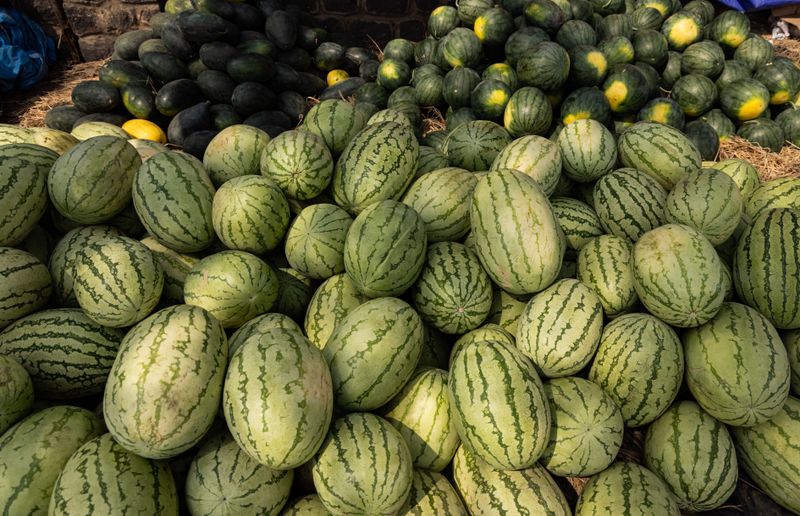
Pick up a watermelon and feel it in your hands. A ripe one will surprise you with how heavy it feels for its size.
That extra weight comes from water content, and water content means sweetness and juicy flesh.
Compare two melons that look about the same size. The heavier one is almost always the better choice.
Weight is one of the most reliable physical clues you can use without cutting anything open.
As a melon ripens on the vine, it absorbs more water from the soil and roots. That moisture packs into every cell of the flesh.
By the time it is ready to eat, a good melon is mostly water by weight. Watermelons are about 92 percent water when fully ripe. That is not just a fun fact, it is the reason the heavy-for-size rule works so well.
More water equals more flavor and more refreshment on a hot August afternoon. Virginia summers are intense, and a heavy, cold watermelon is pure relief.
Knowing how to pick a perfectly ripe watermelon by weight alone makes you a hero at any gathering. People will ask how you always find the best ones.
A light melon for its size might have lost moisture or never developed properly. Either way, it is a sign to put it back and keep looking. The right one will feel almost surprisingly dense.
Trust your hands on this one, because they rarely lie when it comes to picking the best melon.
5. Examine The Tail For Dry, Brown Curling
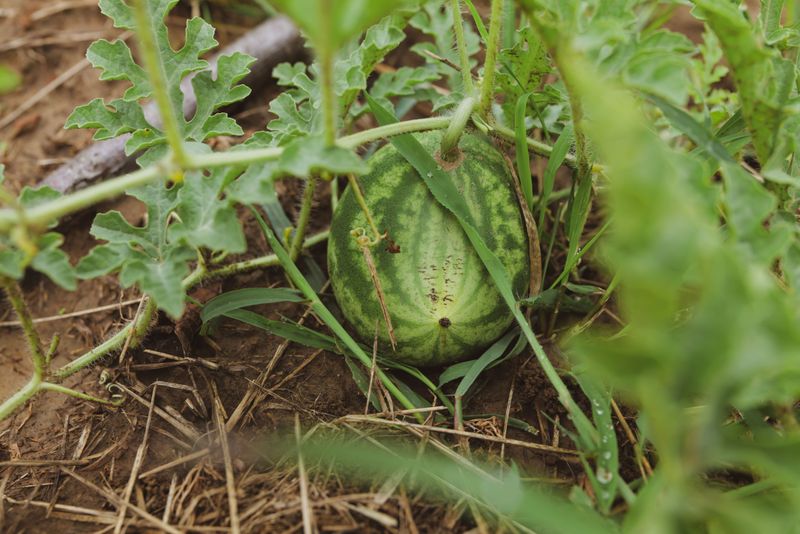
The little tail at the end of a watermelon is easy to ignore. But that dried-up stem holds a clue that experienced growers check every time.
A brown, curled, and fully dried tail means the melon separated naturally from the vine. When a melon is ready, the vine connecting it to the plant begins to wither. That drying process signals the fruit has finished absorbing nutrients.
A green, fresh-looking tail usually means it was cut too soon. Farmers in Virginia often call this the pigtail test. If the curled stem looks brittle and brown, the melon had time to fully mature.
A green or rubbery tail is a warning sign worth heeding. Some commercial operations harvest melons early to withstand long shipping distances. That means the tail might still look green even at the store.
At a local farm stand or farmers market, the tail test is far more reliable. Roadside produce stands in coastal Virginia regions like the Northern Neck often sell melons picked just days earlier. Those melons give you the most honest tail to examine.
Fresh from the field means the clues are still fresh too. Do not confuse a cleanly cut stem with a naturally dried one. A sharp cut means someone decided when to harvest, not the melon itself.
Natural separation almost always equals better flavor and ripeness. Check the tail first, and you will already know a lot before you even thump or weigh the fruit.
6. Press Lightly On The Rind For Slight Give
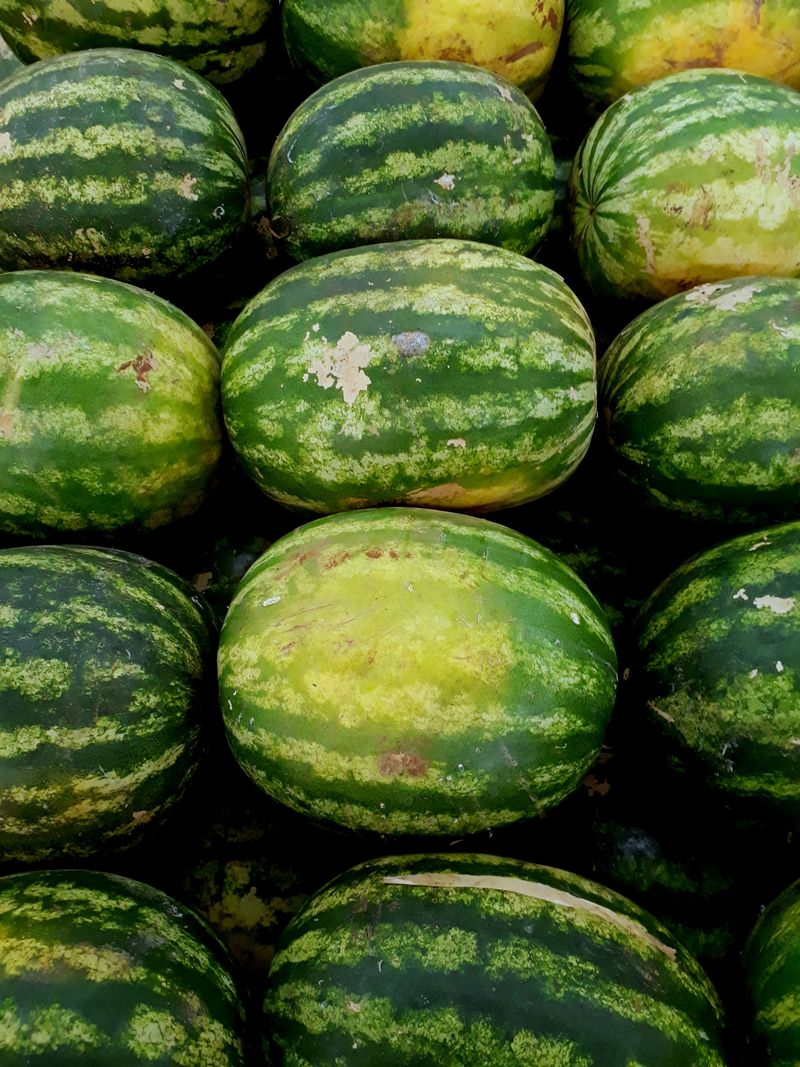
Give the melon a gentle squeeze along its sides. You are not trying to crush it, just testing for the slightest give.
A ripe watermelon will feel firm but with just a tiny bit of flex under pressure. An unripe melon typically feels very firm with little to no give, while an overripe one may feel noticeably soft.
Some pickers look for a rind that yields just slightly under gentle pressure, though this test is less universally reliable than others on this list.
This test works best on the sides of the melon, not the top or bottom. The sides tend to show pressure differences more clearly. Apply steady, gentle force and pay attention to what your fingertips feel.
Think of it like pressing a ripe avocado, but much more subtle. You are not looking for softness, just the faintest hint of give. That tiny response tells you the flesh inside has reached its peak.
In Virginia heat, melons left on the vine too long can become overripe quickly. The rind test helps you avoid bringing home a mealy, mushy mess.
Nobody wants to slice open a melon and find pink mush. Combine this with the thump test for extra confidence. Two tests together give you a much clearer picture of what is inside.
Experienced pickers rarely rely on just one method alone. A melon that passes both the sound and the press test is almost guaranteed to be worth every penny you spend on it.
7. Spot The Sugar Webbing On The Skin
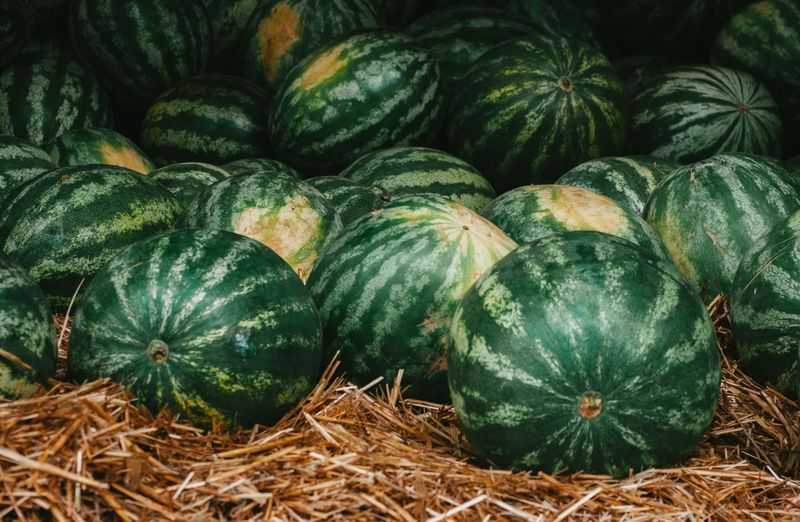
Look closely at the surface of the melon and search for brown, web-like lines across the skin.
Those rough, lacy markings are called sugar webbing, and they are a fantastic sign of sweetness. The more webbing you see, the more sugar seeped through the rind during growth.
Sugar webbing forms when the internal flesh grows faster than the outer skin can keep up. That pressure causes tiny cracks that seal over with a brown, cork-like texture.
It sounds strange, but it is one of the sweetest signals a melon can send. Cantaloupes are famous for their netting, but watermelons have their own version.
It is subtler on a watermelon, but once you know what to look for, it stands out clearly. Rough, brownish streaks across the green skin are exactly what you want.
A smooth, unmarked surface might look cleaner, but it often means less sugar development. Imperfections on produce frequently signal better flavor.
Nature does not always package its best work in perfect-looking boxes. Virginia-grown melons from mid-July through August often show strong sugar webbing, a sign of good pollination and steady growth during the hottest stretch of summer.
That heat accelerates sugar production inside the fruit. Local melons from this region are often prized for their sweetness compared to imported ones.
Teach your kids to spot the webbing and turn melon picking into a fun treasure hunt. The one with the most webbing wins the taste test almost every time. It is a trick that works season after season without fail.
8. Count The Days Since Planting, Near 85
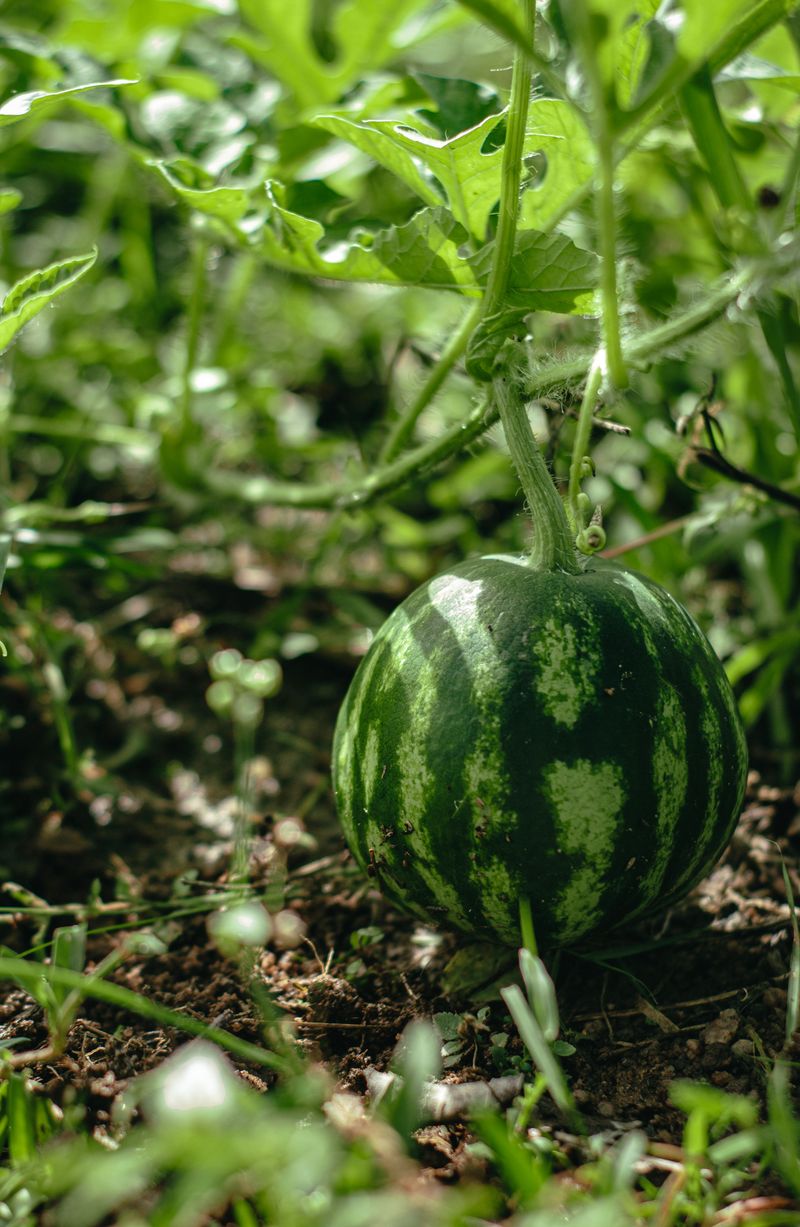
If you grow your own melons, this tip changes everything. Most standard watermelon varieties reach peak ripeness around 80 to 85 days after planting.
Keeping a simple garden journal makes this the easiest test of all. Mark the date you plant your seeds or transplant your seedlings. Count forward about 85 days and circle that date on your calendar.
When that window arrives, start using your other senses to confirm what the calendar already suspects.
Different varieties have slightly different timelines. Sugar Baby melons mature closer to 75 days, while larger varieties like Crimson Sweet can take up to 90.
Knowing your specific variety gives you a head start on timing. Virginia gardeners dealing with hot, humid summers may find their melons ripen slightly faster than seed packet estimates, depending on local conditions.
Consistent heat speeds up the growing cycle. Pay attention to your local weather patterns across the season.
Knowing how to pick a perfectly ripe watermelon from your own garden means combining the day count with every other clue.
The tail, the thump, the field spot, and the weight all align beautifully around that 85-day mark. When everything lines up at once, you have found your winner.
First-time growers often get impatient and harvest too early. Waiting those final few days makes a dramatic difference in flavor.
Patience is genuinely the hardest ingredient in great homegrown produce. Trust the calendar, trust your senses, and trust the process every single growing season.