How Georgia Homeowners Can Spot Armyworms Before They Take Over The Lawn
Georgia lawns can go from green to guilty overnight.
One afternoon the turf looks fine. By morning, a brown patch spreads across the yard like someone dragged a hot pan over the grass.
Many homeowners blame drought first.
That makes sense in late summer, but water will not stop a hungry armyworm crowd. While the hose runs, the caterpillars keep chewing, and the patch keeps growing wider.
The trick is catching the warning signs before the lawn starts looking wrecked.
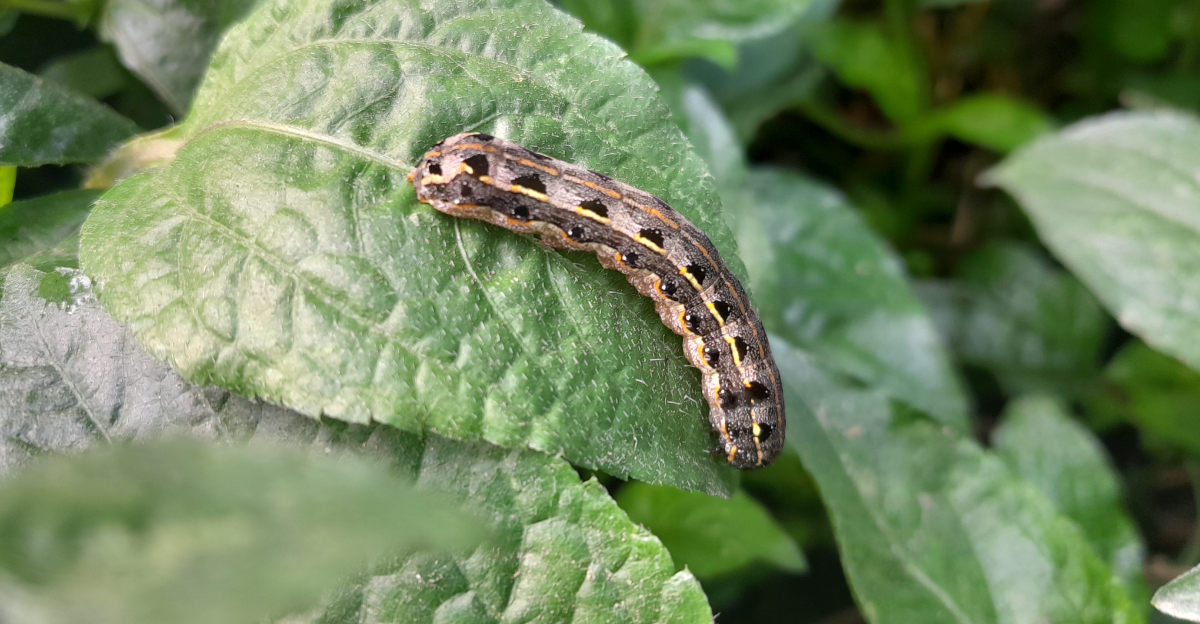
Fall armyworms move fast in Georgia’s warm weather, and their early clues are easy to miss. A few birds pecking at the grass. Ragged blades. Thin patches that look suspiciously dry. Tiny green-brown caterpillars hiding near the soil.
So what tells you this is armyworm trouble instead of plain heat stress?
Start low, look close, and trust the small clues. Your lawn usually whispers before it shouts, and this pest rewards the gardener who listens early, before a small patch becomes a weekend-sized lawn mystery across the whole front yard.
1. Watch Birds Working One Lawn Patch
A yard full of birds sounds pleasant enough, but a tight cluster of starlings, grackles, or cowbirds pecking furiously at one specific patch of your lawn is a red flag worth investigating right away.
Birds are smart foragers, and they know where the food is. When armyworm larvae are feeding just below the grass canopy, birds zero in fast.
This is often the very first visible clue that something is wrong before a single brown patch even appears.
The birds are not randomly wandering. They have found a buffet, and the main course is armyworm larvae hiding in the thatch layer.
Walk over to the spot the birds just left. Part the grass with your fingers and look down into the thatch.
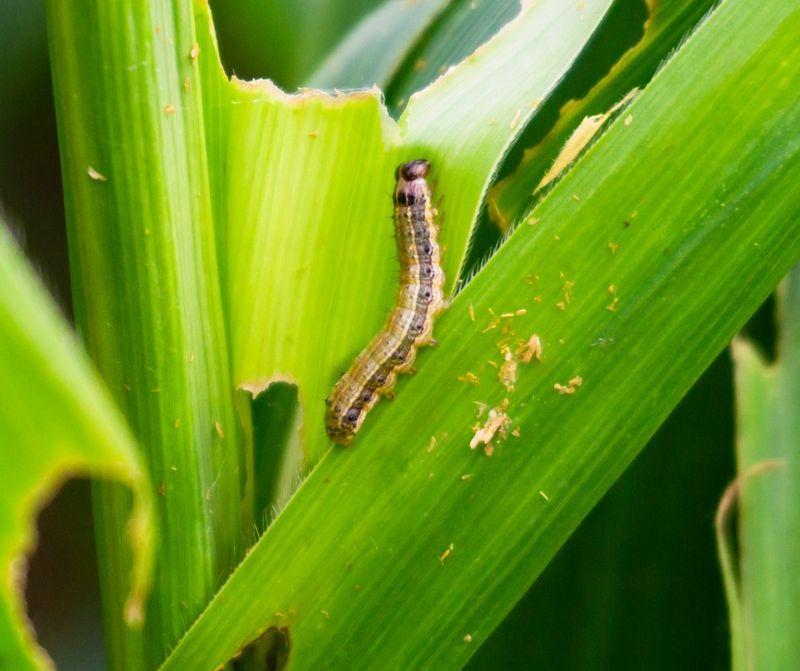
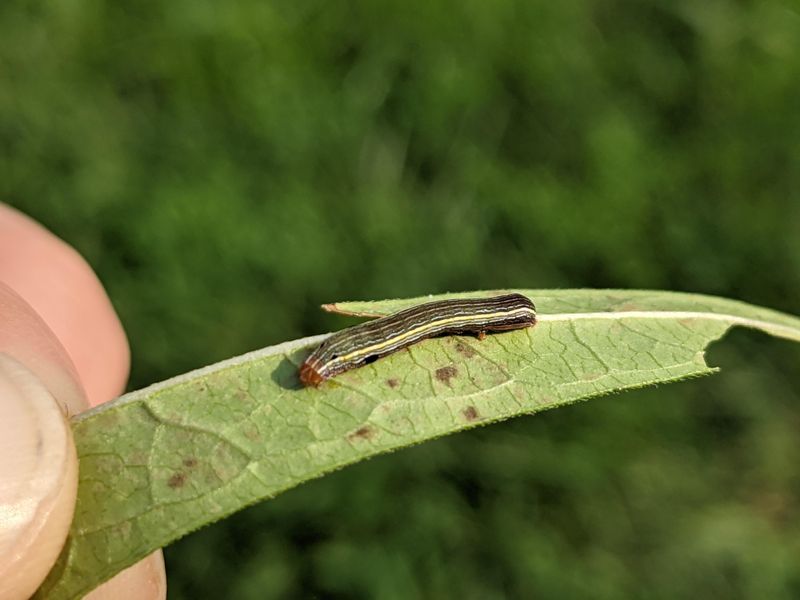
You may spot small green or tan caterpillars with a faint stripe running along each side. Young larvae are only about a quarter inch long, so look carefully. If you find them, you are ahead of the damage curve, which is exactly where you want to be.
According to UGA Extension, fall armyworm populations can build quickly and go unnoticed until visible turf damage appears.
Using bird activity as an early warning system gives you precious extra days to respond before the infestation spreads across the rest of your yard.
2. Check Grass At First Light
Early morning is prime scouting time for armyworms, and there is a good reason for that.
Fall armyworm larvae are most active at night and during the cooler hours just before and after sunrise. Once the Georgia sun climbs and the heat builds, they burrow down into the thatch and become much harder to spot.
Set your alarm a little earlier than usual and head outside before the dew burns off.
Crouch low and look across the top of the grass at a low angle. In areas where feeding has started, you may see larvae moving slowly across the surface or clinging to grass blades.
Your Georgia Garden Changes Every Week. Your Plan Should Too.
Gardening in Georgia changes quickly throughout the season. Every Friday you’ll receive a simple weekly plan showing exactly what to plant, prune, fertilize, harvest, and protect so you never miss the right timing.
Their bodies are greenish to tan with a faint inverted Y-shaped mark on the head capsule, which is a helpful identifier.
UGA Extension recommends scouting during this window because larvae are easier to count and confirm before they retreat into the thatch.
Focus on areas where the grass looks slightly off, maybe a little dull or thin, even if no brown patch has formed yet.
Catching them at this stage, when they are still small, gives you the best shot at managing the infestation before it spreads.
Make morning scouting a habit during late July through September, which is peak armyworm season in Georgia.
3. Look For Ragged Blade Tips
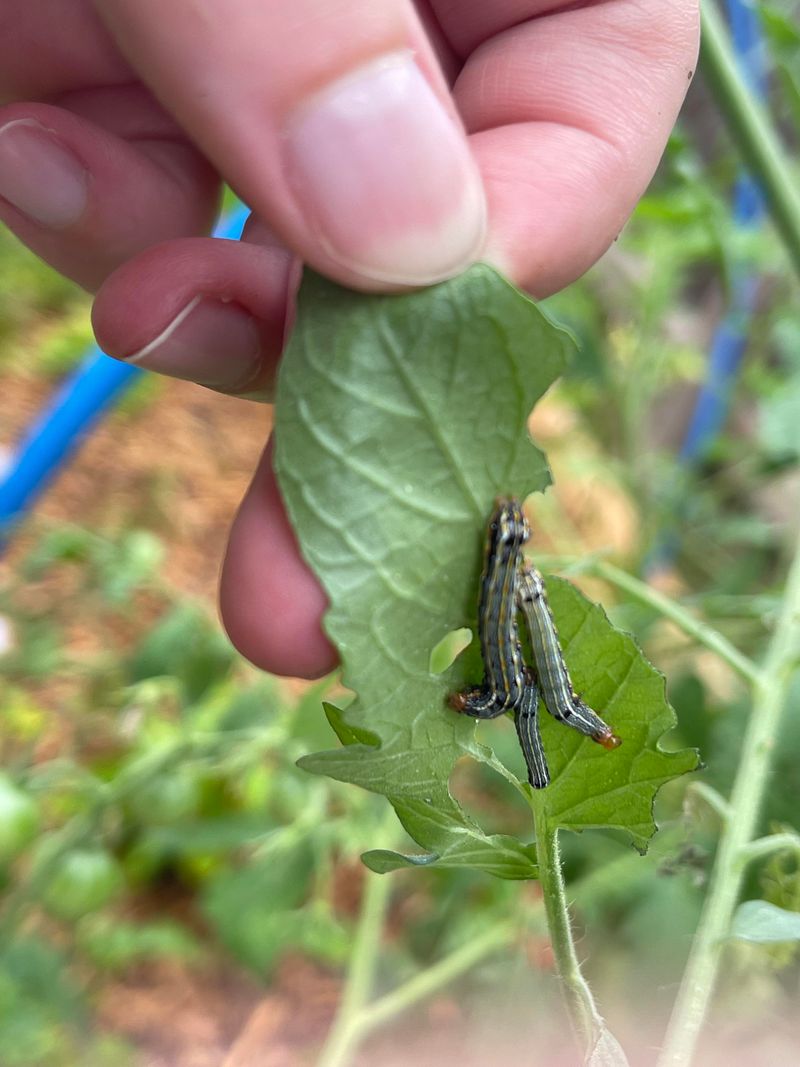
Grass that looks like it was chewed rather than cleanly cut is one of the clearest early signs that armyworms have moved in.
A healthy mower leaves a clean slice. Armyworm larvae, on the other hand, chew from the sides and tips of grass blades, leaving behind a ragged, tattered look that is easy to spot once you know what you are looking for.
Bermudagrass and zoysiagrass, two of the most common lawn types across Georgia, both show this symptom clearly.
Walk your lawn slowly and crouch down to look at individual blades in areas that seem slightly off-color or thin. The chewed tips may appear whitish or dried out because the damaged portion of the blade dries quickly in Georgia’s summer heat.
The damage often starts in one corner or along a fence line and spreads outward in a roughly circular pattern as larvae move together in a feeding wave.
UGA Extension notes that early-stage feeding may look like drought stress, which is why getting down to blade level matters.
If irrigation does not green things back up within a day or two, check the tips closely. Ragged edges tell a very different story than dry soil.
4. Spot Frass In Feeding Zones
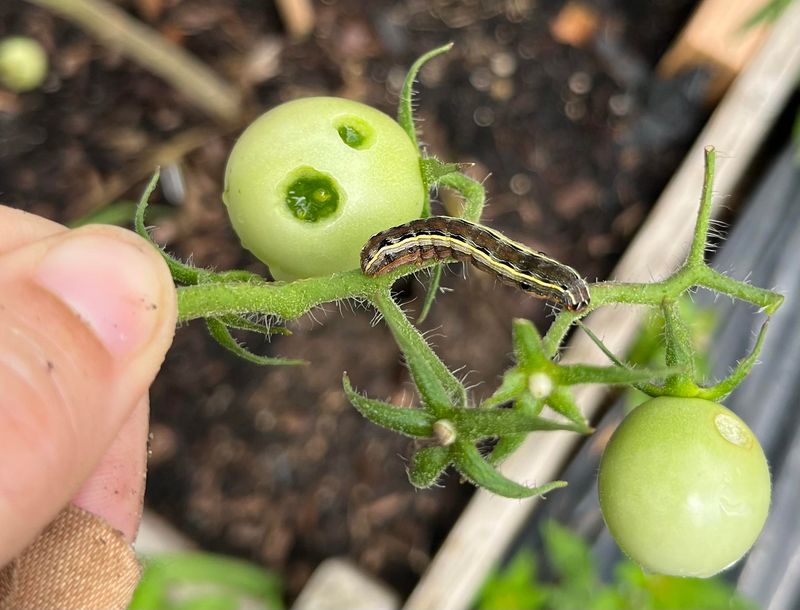
Frass is just a fancy word for caterpillar droppings, and finding it in your lawn is a surprisingly reliable sign that armyworms are actively feeding nearby.
The pellets are tiny, dark green to black, and shaped a bit like miniature footballs. They blend into the thatch easily, so you need to get down low and look carefully between the grass blades near the soil surface.
In zones where larvae have been feeding for a day or two, frass accumulates quickly.
A dense cluster of these small pellets in a concentrated area tells you that larvae are present and that feeding activity is real, not just a suspicion.
This is especially useful when the grass has not yet turned visibly brown, because frass appears before the turf color change fully sets in.
Sweep your hand gently across the top of the thatch in a suspicious area and then look at what falls to the soil surface.
Fresh frass has a slightly moist look. Older frass dries out and becomes harder to distinguish from general lawn debris, so fresh material is your best confirmation tool.
UGA Extension scouting guides point to frass as one of the physical indicators to look for alongside larval presence and feeding symptoms.
If you spot frass, do a soap flush next to confirm how many larvae are actually present in the soil and thatch below.
5. Try A Quick Soap Flush
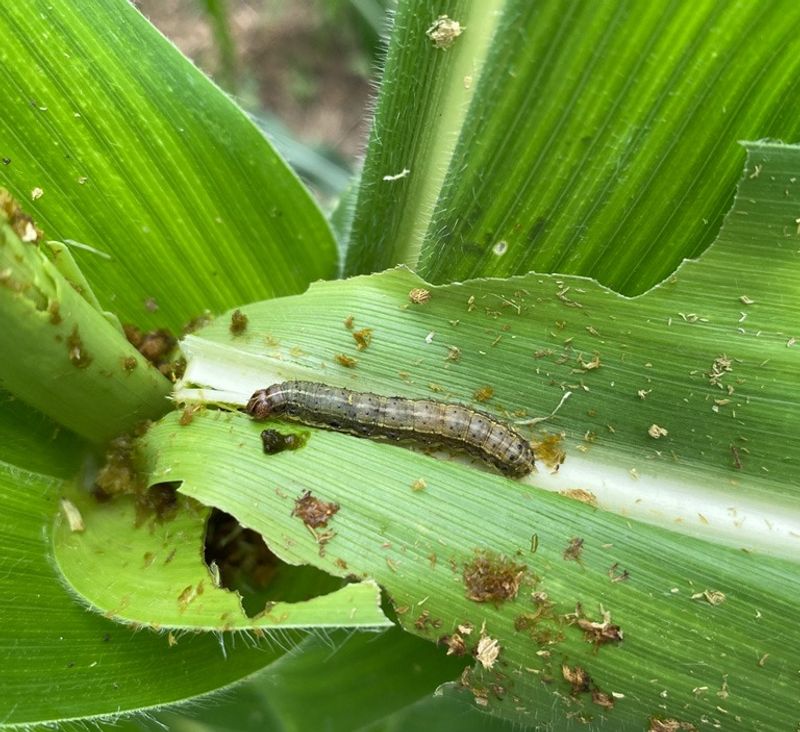
One of the most satisfying lawn detective tricks you can try costs almost nothing and takes about five minutes.
Mix two tablespoons of liquid dish soap into a gallon of water and slowly pour the solution over a two-square-foot section of lawn in an area you suspect has armyworm activity. Then watch what happens over the next few minutes.
The soapy water irritates larvae hiding in the thatch and soil, causing them to wriggle upward to the surface where you can see and count them.
UGA Extension recommends this soap flush method as a practical scouting tool for homeowners. If you flush two or three spots in different areas of the lawn, you get a good picture of how widespread the infestation actually is.
A general treatment threshold often cited by extension specialists is around three to five larvae per square foot, though thresholds can vary based on turf type, lawn condition, and how fast damage is spreading.
The soap flush works best during the cooler parts of the day, early morning or late afternoon, when larvae are closer to the surface.
During peak midday heat, they may be buried too deeply for the flush to bring them fully up. Repeat the test in a fresh spot each time for the most accurate results.
6. Search The Green Brown Edge
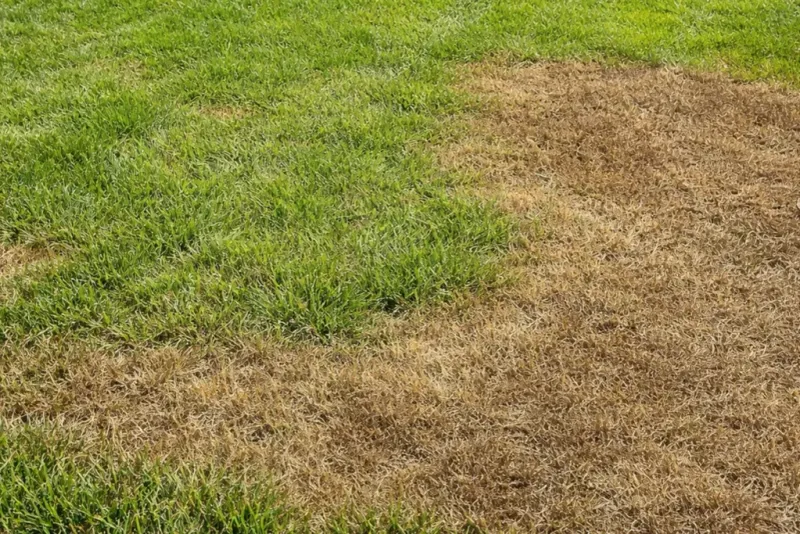
The line between green grass and brown grass in an armyworm-damaged lawn is not just a visual boundary. It is where the action is happening right now.
Armyworm larvae move as a group, consuming turf as they go, and the leading edge of a brown patch is where the freshest feeding is taking place. That green-brown border is your best hunting ground.
Get down on your knees and part the grass carefully right along that edge.
Look into the thatch where the healthy grass meets the damaged zone. Larvae often rest just inside the green grass during daylight hours, positioned to feed as conditions cool.
You may find multiple larvae clustered together within just a few square inches of turf at that boundary.
Identifying the active feeding edge also helps you understand how fast the infestation is moving.
Check the same edge the following morning and see if it has advanced further into the green grass. A rapidly expanding border tells you that a large number of larvae are still actively feeding and that the window for early management is closing.
UGA Extension emphasizes that scouting the damage perimeter is more productive than inspecting the center of a brown patch, where larvae have already moved on to fresh grass.
The brown center is yesterday’s news. The green-brown edge is where today’s damage is being written.
7. Inspect New Sod Closely
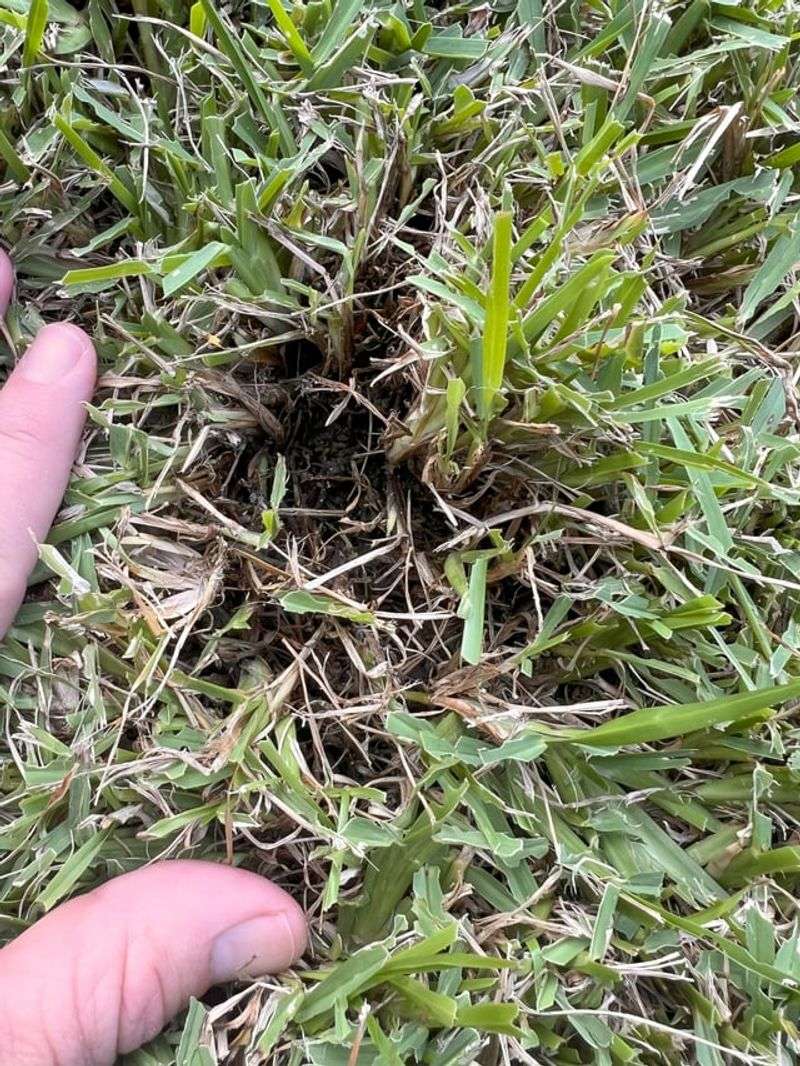
Fresh sod is basically an open invitation for armyworms, and Georgia homeowners who install new turf in late summer need to be especially watchful.
Newly laid sod has not yet rooted deeply, which means the grass is already under stress from the transplant process. Add an armyworm infestation on top of that, and you have a lawn that can deteriorate very quickly.
Check new sod at least every other day during peak armyworm season, which runs from late July through September in most parts of Georgia.
Lift a corner of a sod piece and look at the underside and at the soil beneath it. Larvae often hide in the gap between the sod and the soil below, where moisture and shade make conditions comfortable.
The edges of new sod sections are particularly vulnerable because larvae can enter from surrounding lawn areas and work their way inward.
Pay close attention to any sod edges that look thinner, lighter in color, or slightly lifted. These can be early signs that something is feeding on the roots and lower stems.
UGA Extension notes that stressed turf is more susceptible to pest pressure and recovers more slowly from feeding damage.
Catching a problem early on new sod can mean the difference between a lawn that thrives and one that needs to be relaid entirely.
8. Act While Larvae Are Small
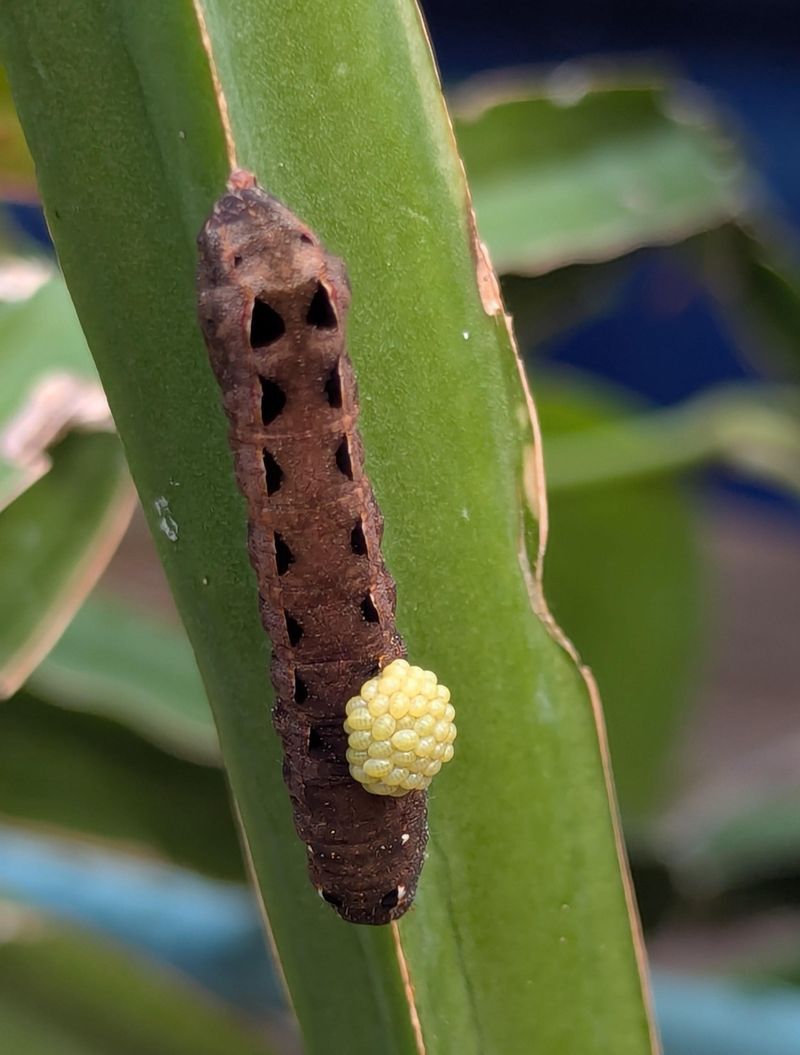
Timing is everything when it comes to managing armyworms, and smaller larvae are far easier to control than large ones.
Young caterpillars in their first and second growth stages, typically less than half an inch long, are much more vulnerable to treatment options than the large, thick-skinned larvae that show up later in the feeding cycle.
Acting early is not just helpful, it is the whole game plan.
UGA Extension consistently emphasizes that treatment is most effective when larvae are young and damage is still limited.
Once larvae reach their later stages, they are bigger, tougher, and eating far more turf per day. A mature armyworm can consume as much grass in one night as it did in all of its earlier stages combined. That math works against you fast.
Several insecticide options are labeled for fall armyworm management in Georgia turfgrass, including products containing chlorantraniliprole, spinosad, or bifenthrin, among others.
Always read and follow the label directions carefully, and apply in the late afternoon or early evening when larvae are moving toward the surface to feed.
Healthy, well-maintained turf recovers more quickly from armyworm feeding than stressed grass does.
Keep your mowing height appropriate for your grass type, maintain proper irrigation, and fertilize on schedule.
A strong lawn is more resilient, and resilience is exactly what you want heading into the heart of Georgia’s armyworm season each year.