How To Help Backyard Lizards Survive California Heat Waves
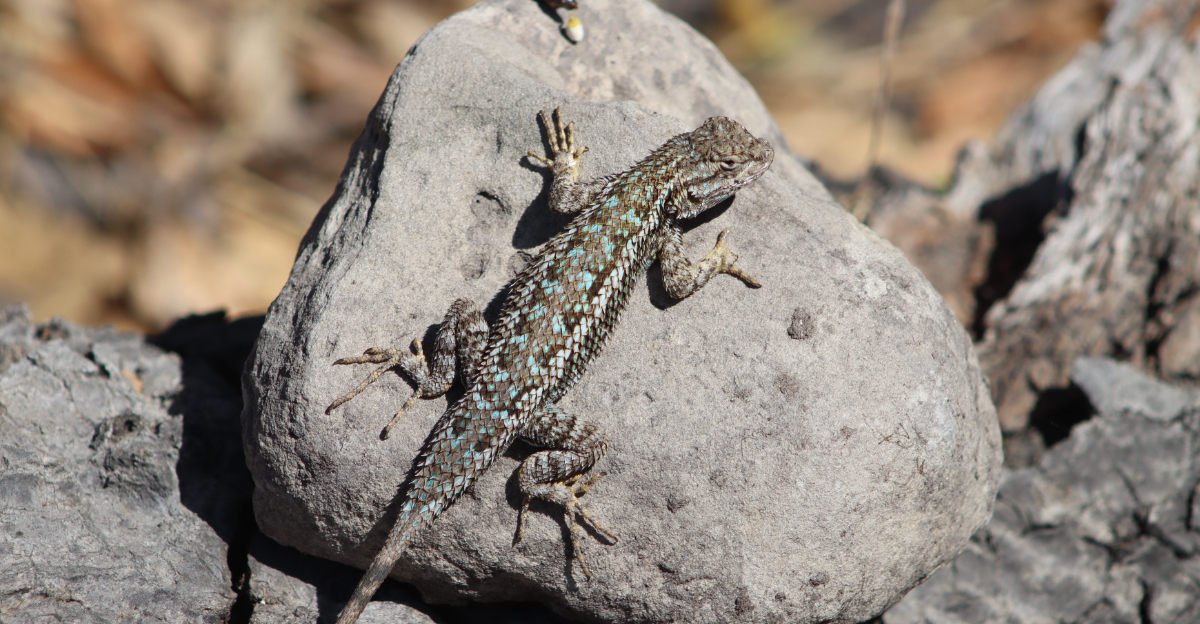
California heat waves are brutal enough for humans with iced drinks and air conditioning. Backyard lizards are out there handling it in full sun with tiny dinosaur confidence.
When temperatures spike, they need safe shade, cool hiding spots, and access to moisture without turning the yard into a soggy mess. The goal is not to turn lizards into pets or start interfering with every little reptile errand.
It is to make the garden less hostile during the hottest days. A few simple yard choices can help them escape scorching surfaces, avoid predators, and ride out heat stress.
Before the next heat wave turns patios into skillets, it helps to know what actually supports these helpful little neighbors. Your yard can stay tidy and still give lizards a fighting chance when summer gets rude.
1. Shade Matters More Than Open Lawn
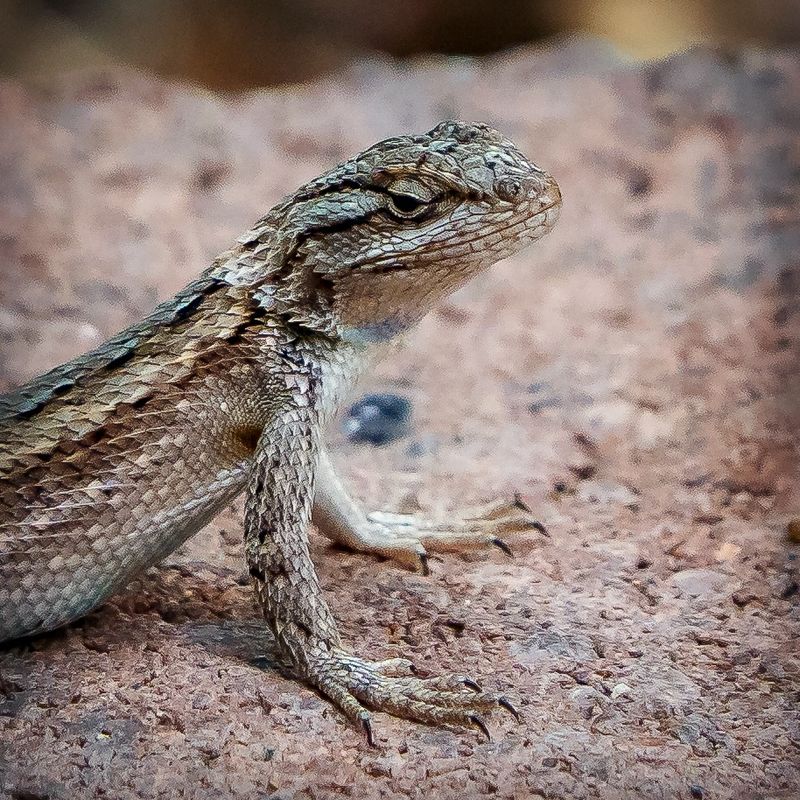
On the hottest days of summer, a lizard standing in full sun is in serious trouble. Unlike humans, lizards cannot sweat to cool down.
They rely almost entirely on their environment to regulate their body temperature.
Open lawns might look tidy, but they offer almost no relief during a heat wave. When the sun is blazing overhead, a wide open yard becomes a dangerous place for a small reptile.
A lizard caught in the open with no shade nearby has very few options to escape the heat.
Planting shade trees or adding shade cloth to parts of your yard can help a lot. Even a single large shrub or a wooden trellis covered in climbing vines creates a cooler zone where lizards can rest.
Shade also keeps the soil and ground surface cooler, which matters because lizards absorb heat through their belly when they press against the ground.
You do not need to redesign your entire yard. Just make sure there are shaded patches spread throughout your outdoor space, not just in one corner.
Lizards move around throughout the day as the sun shifts, so having shade available in different spots gives them more choices.
The more shaded zones you create, the better chance a lizard has of staying comfortable when temperatures spike.
2. Rock Piles Create Cooler Hiding Spots
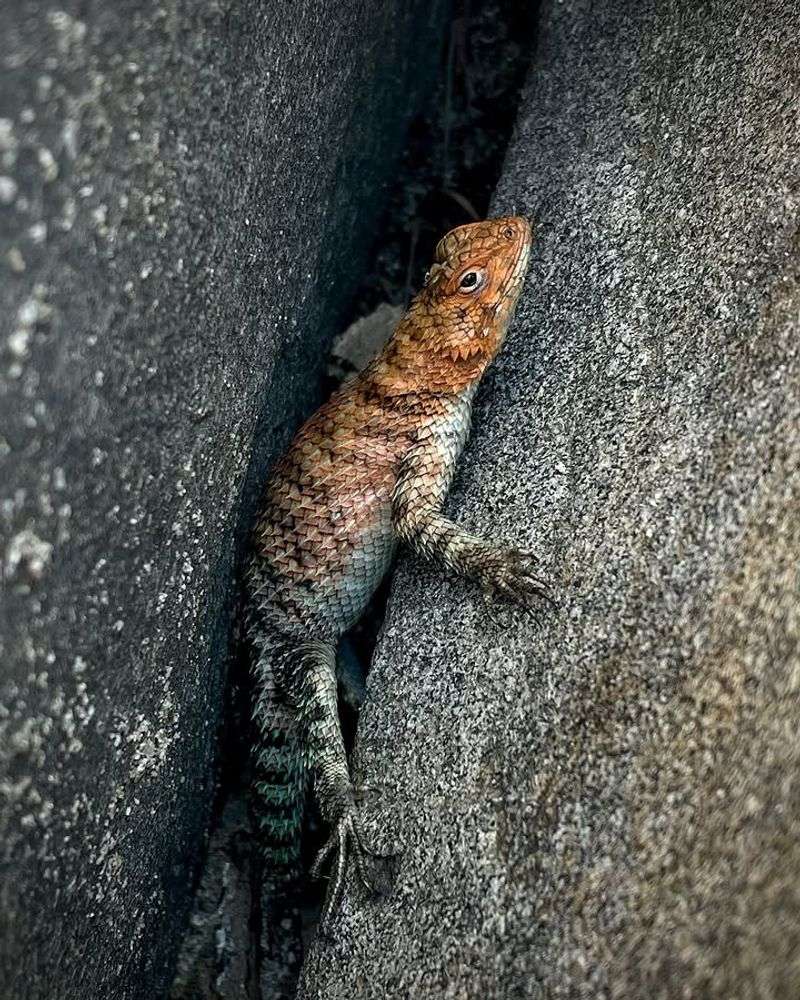
Rocks might seem like they would make things hotter, and in direct sun they absolutely do. But here is the thing: rocks that are stacked together create gaps and pockets underneath that stay surprisingly cool.
Lizards know this trick well and use rock piles as natural shelters during heat waves.
When you stack rocks loosely in your yard, you create a microhabitat. The spaces between rocks stay shaded even when the surrounding air is blazing hot.
A lizard can slip into one of those gaps and lower its body temperature without having to travel far.
Flat rocks work especially well because lizards also use them in the early morning. Before it gets too hot, lizards like to bask on warm flat surfaces to get their body temperature up to a good working level.
Once things heat up too much, they retreat underneath.
Your California Garden Changes Every Week. Your Plan Should Too.
Gardening in California changes quickly throughout the season. Every Friday you’ll receive a simple weekly plan showing exactly what to plant, prune, fertilize, harvest, and protect so you never miss the right timing.
Try placing a rock pile near a shrub or along a fence line where it gets partial shade in the afternoon. You do not need a massive pile.
Even four or five medium-sized rocks stacked with intention can offer real shelter. Avoid using smooth river rocks that stack too tightly together.
Lizards need actual gaps they can squeeze into. Natural, irregular rocks with rough surfaces tend to create better hiding spots and feel more like the rocky terrain lizards prefer in the wild.
3. Shallow Water Helps During Extreme Heat
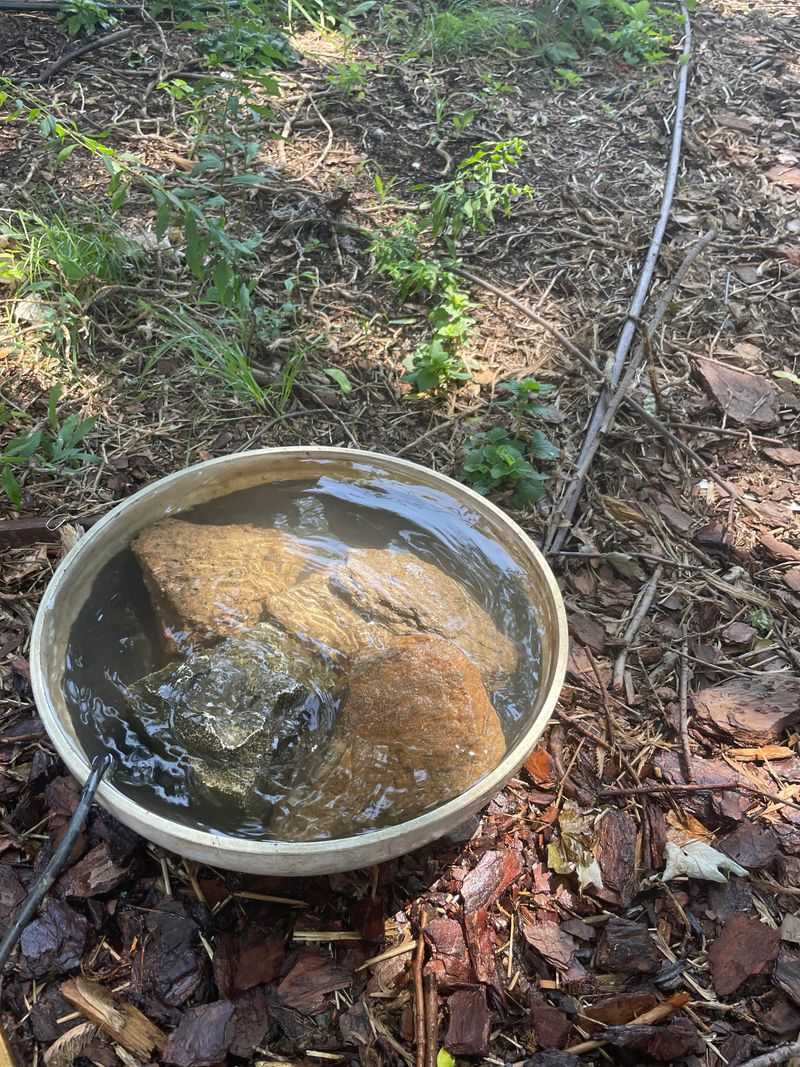
Most people do not realize that lizards drink water. They are not just absorbing moisture through their skin like some amphibians.
Many backyard lizard species in California actually need to drink, especially during long stretches of dry, hot weather.
Setting out a shallow dish of fresh water can be a simple but powerful way to help. The key word here is shallow.
Deep bird baths or large containers can actually be dangerous for small lizards that fall in and cannot climb back out. A dish that is only about half an inch to one inch deep works best.
Add a few small pebbles or flat rocks inside the dish so lizards can stand while they drink. Change the water every day or two to keep it fresh and avoid mosquito problems.
Place the dish in a shaded spot so the water stays cooler longer during the day.
Putting the water near a rock pile or dense shrub gives lizards a safe place to retreat after drinking. They are vulnerable when they stop to drink, so cover nearby makes them feel more secure.
You might not always see them visiting the dish since lizards tend to be cautious and quick. But setting one out during a heat wave gives them a resource they really need when natural water sources dry up across our region.
4. Skip Pesticides That Remove Their Food
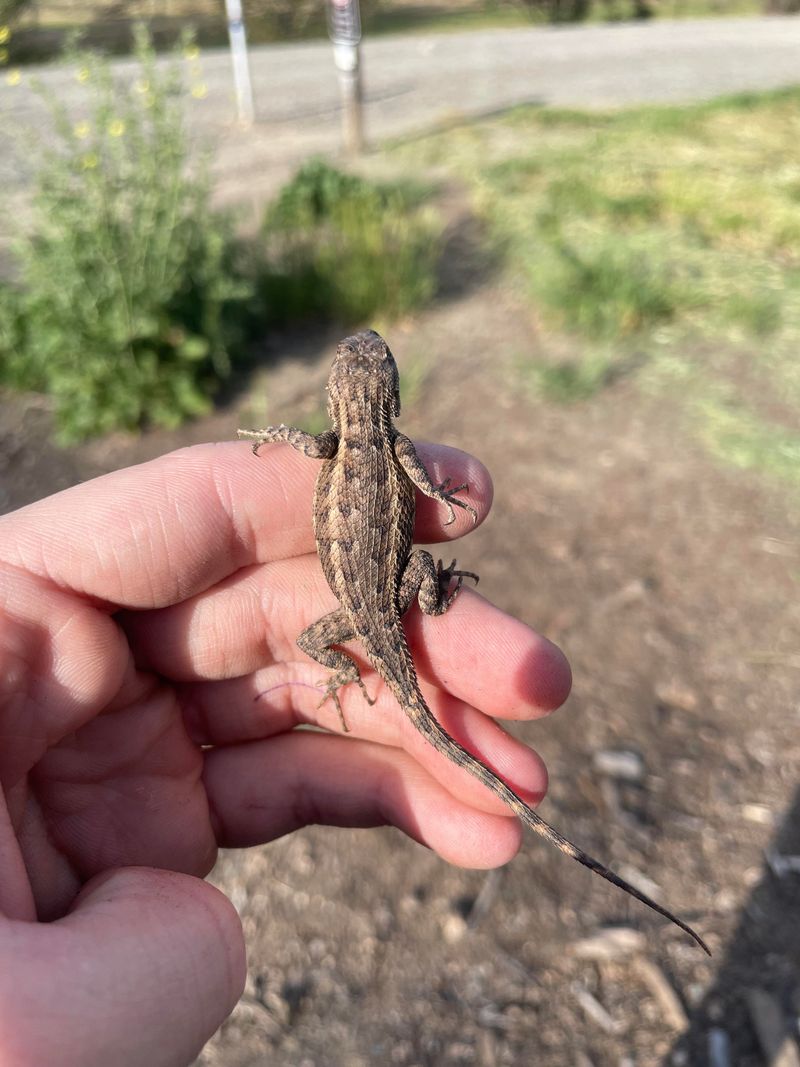
Lizards are natural pest controllers. A single fence lizard can eat dozens of insects in a single day, including beetles, ants, grasshoppers, and spiders.
When your yard has a healthy lizard population, you often need fewer chemical sprays to manage garden pests.
The problem is that many common pesticides do not just target one pest. They wipe out a wide range of insects, including the ones lizards depend on for food.
When the insect population in your yard drops sharply, lizards lose their main food source right when they need energy the most.
Heat waves are already stressful for lizards. Add a food shortage on top of that, and their chances of making it through the summer drop significantly.
Choosing organic or targeted pest control methods helps keep the insect population balanced without removing the lizard’s entire food supply.
Even something as simple as hand-picking caterpillars off your plants instead of spraying makes a difference. Companion planting is another great option.
Certain plants naturally repel harmful insects without harming the beneficial bugs that lizards love to eat. Ladybugs, small beetles, and ants are all fair game for a hungry lizard.
Keeping your yard pesticide-free or at least reducing how often you spray gives lizards a fighting chance during the toughest months of the year in our warm, dry climate.
5. Native Shrubs Give Lizards Safe Cover
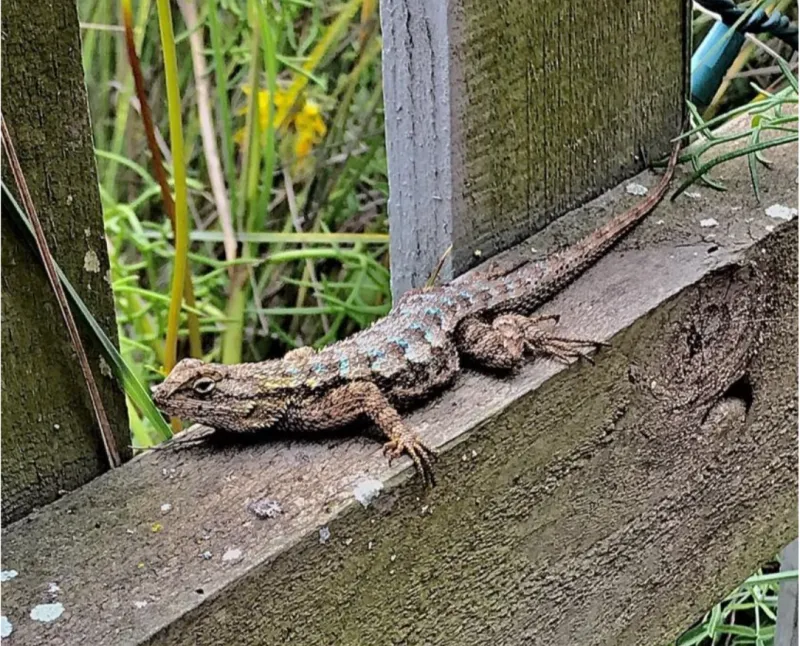
Not all plants are created equal when it comes to supporting backyard wildlife. Native shrubs that evolved right here in California tend to be far more useful to local lizards than ornamental or non-native plants.
They grow in ways that naturally create the kind of cover lizards look for. Plants like coyote brush, California sage, toyon, and manzanita all create dense, low-growing canopies.
Lizards can hide beneath them, hunt insects among their stems, and escape from predators quickly.
These plants also tend to be drought-tolerant, which means they keep their structure even during a long heat wave when other plants wilt.
The thick layer of leaves and stems beneath native shrubs also stays significantly cooler than open ground.
On a day when the pavement hits dangerous temperatures, the soil under a dense native shrub might be ten to fifteen degrees cooler.
That difference can mean a lot to a small lizard trying to stay safe.
You do not need to replant your entire yard. Adding just two or three native shrubs to your landscape can create meaningful habitat.
Place them near a fence, along the edge of a garden bed, or at the base of a tree. Lizards will find them quickly.
Once established, native plants also need very little water, making them a smart and low-maintenance choice for homeowners across our warmer inland regions.
6. Hot Concrete Leaves Lizards Exposed
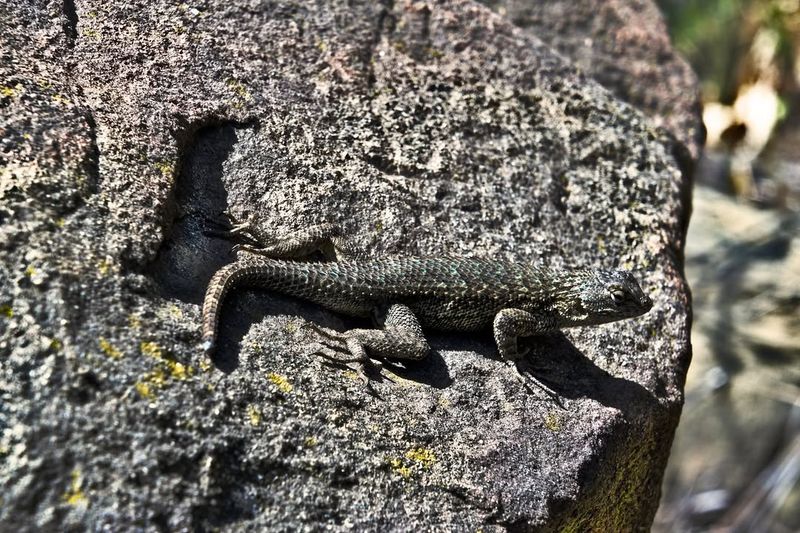
Concrete absorbs heat like a sponge and holds it for hours after the sun goes down. During a heat wave, a concrete patio or driveway can reach temperatures well above 150 degrees Fahrenheit at its surface.
For a small lizard crossing that open space, it is an extremely dangerous journey.
The issue is not just the air temperature. Ground surface temperature matters just as much to a lizard.
Their short legs keep their belly very close to whatever surface they are walking on. Crossing a large expanse of hot concrete puts them at serious risk of overheating from below.
One easy fix is to add stepping stones surrounded by low ground cover or mulch. This breaks up large concrete areas and gives lizards cooler surfaces to rest on between stretches.
Potted plants placed on or near concrete also help by creating pockets of shade on the surface itself.
If you have a large concrete area that you cannot easily change, try setting up a shade sail or umbrella over part of it during peak summer months. The shaded concrete will stay much cooler than the areas in full sun.
Even placing a wooden board flat on the concrete creates a cooler surface beneath it where a lizard might rest.
Small adjustments to how your outdoor space is arranged can reduce how much hot concrete a lizard has to navigate on a scorching summer day in our region.
7. Loose Mulch Offers A Cooler Retreat
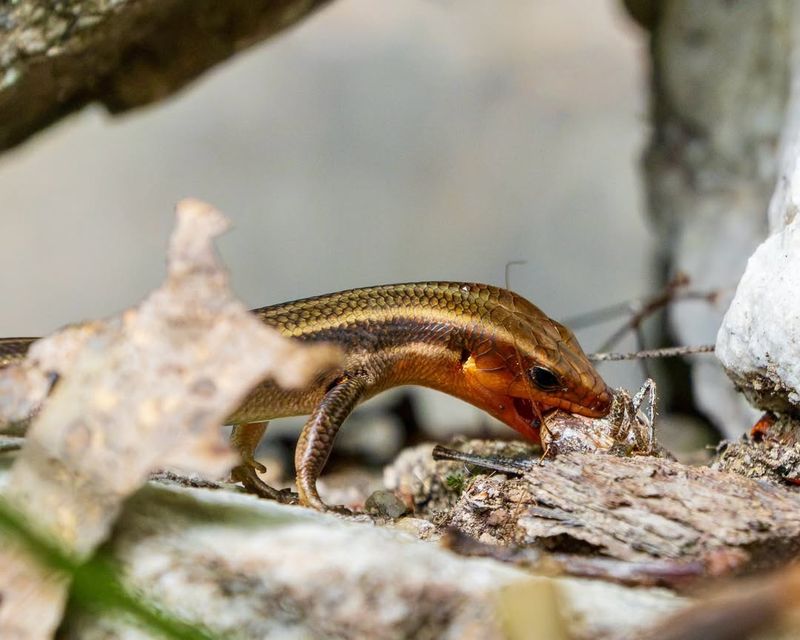
Wood chip mulch is one of the most underrated tools for supporting backyard California wildlife during a heat wave.
A thick layer of loose mulch stays noticeably cooler than bare soil or hard ground, especially when it is placed in a shaded area. Lizards are very good at finding these spots.
Mulch works because it insulates the ground beneath it. The top layer absorbs heat, but just a few inches down the temperature drops significantly.
Lizards can burrow slightly into loose mulch or press against the cool layer just below the surface to lower their body temperature quickly.
Beyond temperature, mulch also attracts insects, beetles, and other small invertebrates that lizards eat. A mulched garden bed becomes both a food source and a shelter at the same time.
That kind of habitat is especially valuable during a heat wave when lizards need to conserve energy and cannot afford to travel far to find food.
Use natural wood chip mulch rather than rubber or plastic alternatives. Natural mulch breaks down over time and improves your soil while also supporting the tiny creatures that lizards depend on.
Apply it at least two to three inches thick for the best results. Keep it loose rather than packed down tightly so lizards can actually move through it.
Adding mulch around the base of your native shrubs combines two great strategies into one smart, lizard-friendly garden feature that works all summer long.
8. Don’t Handle A Heat-Stressed Lizard
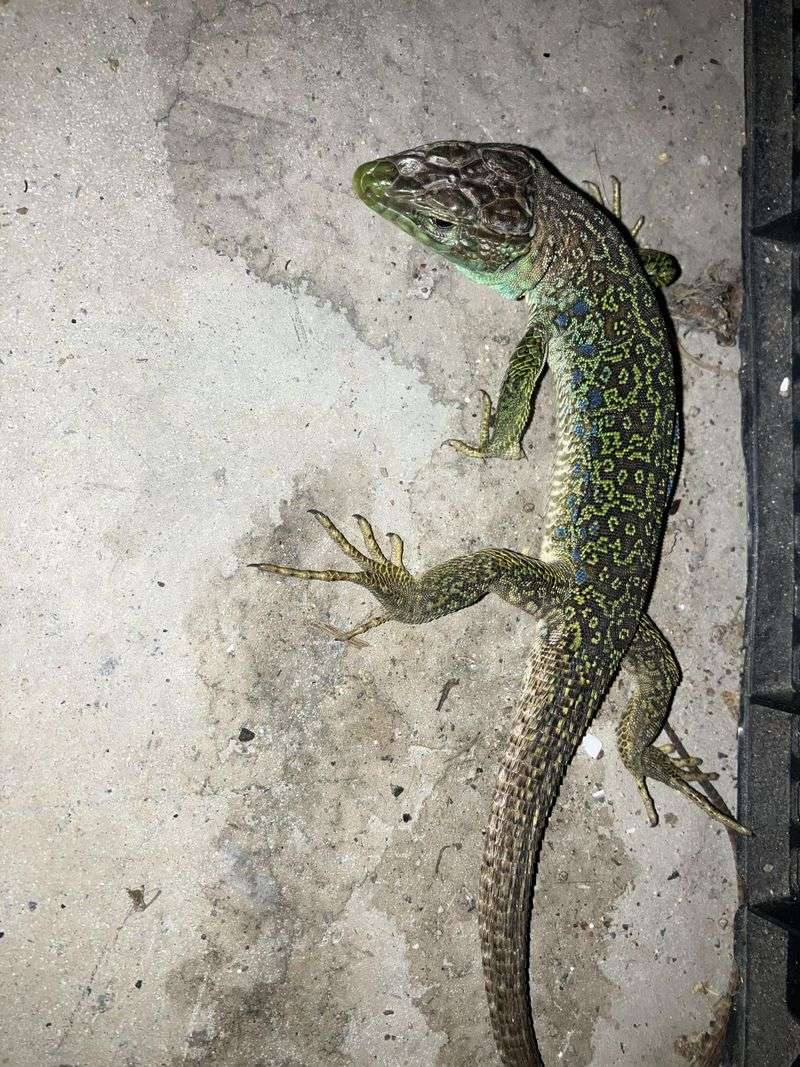
Finding a lizard that looks slow, dazed, or barely moving during a heat wave in California can feel alarming. The instinct for many people, especially kids, is to pick it up and try to help.
But handling a heat-stressed lizard can actually make things worse in several important ways.
When a lizard is already struggling with high temperatures, being grabbed adds stress on top of stress. Lizards experience fear as a physical response.
Their heart rate spikes, they may try to escape, and that extra energy burn is the last thing they need when their body is already working overtime to stay cool.
Human hands also transfer heat. Our skin temperature is warm, and holding a small lizard pressed against your palm can raise its body temperature even further.
What feels gentle to you can feel overwhelming to a tiny reptile that is already right at its limit.
The best thing you can do is leave it alone and improve its surroundings instead. Move it gently with a leaf or piece of cardboard to a shaded spot if it is in immediate danger on hot pavement.
Set a shallow dish of cool water nearby. Create shade with a piece of cardboard propped up nearby while it recovers.
Lizards are resilient. Given a cooler spot and a moment to rest, most will recover on their own without any direct handling from a well-meaning but potentially harmful human hand.