The Texas Plants That Actually Repel Roaches From Getting Near The House
Texas summers come with a lot of things people could do without, and roaches showing up along the foundation, slipping under doors, and gathering near the porch after dark is pretty high on that list.
Nobody wants to flip on the porch light and have that particular welcoming committee.
A lot of Texas homeowners are looking for natural ways to make entry points less inviting, and certain strongly scented plants have developed a solid reputation for helping with exactly that.
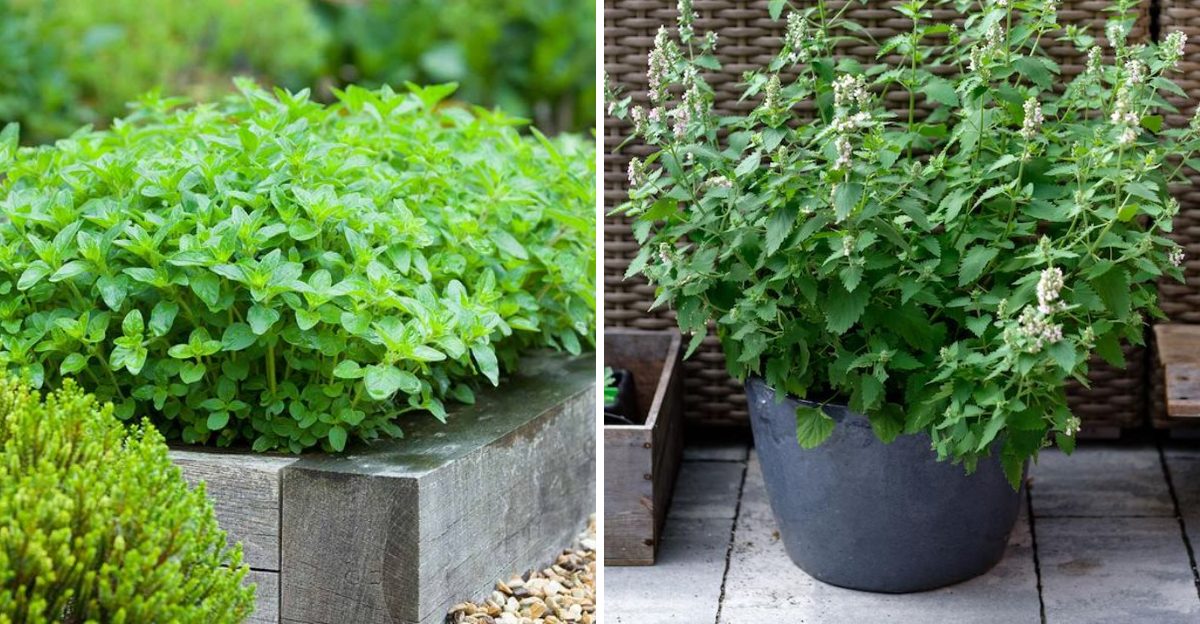
Catnip, rosemary, mint, oregano, eucalyptus, yarrow, lavender, and lemongrass all contain oils that roaches tend to find genuinely unappealing, which makes them worth considering near porches, patios, and doorways.
No plant is a guaranteed force field, full transparency there, but used as part of a broader prevention plan that includes sanitation, moisture control, and sealing gaps, these aromatic herbs earn their spot.
1. Catnip In Pots Near Entry Areas
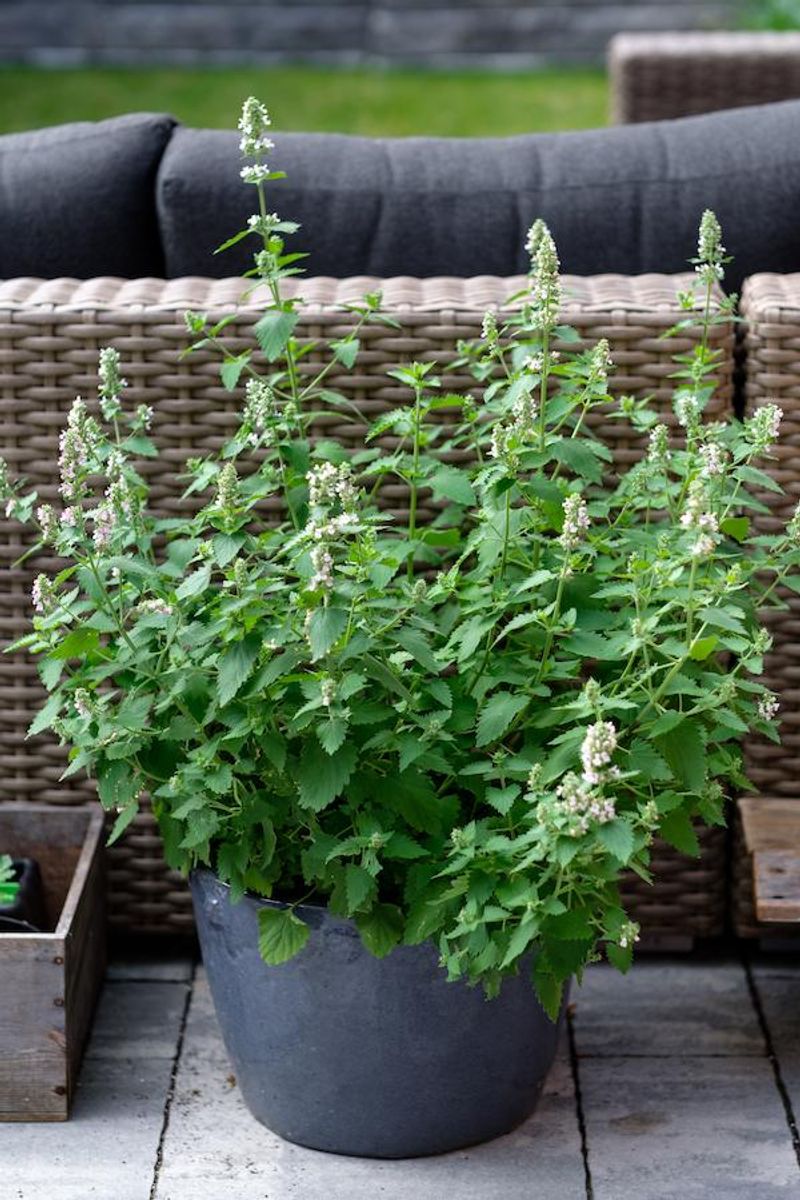
A potted catnip plant sitting beside a back door might look like a simple garden choice, but it carries a surprisingly strong reputation in pest-management circles.
Catnip contains a compound called nepetalactone, and several studies have found it to be notably effective at repelling cockroaches compared to many other plant-derived options.
That makes it one of the more credible herb choices when homeowners are thinking about what to grow near entry areas.
In Texas, outdoor roaches tend to gather near doorways, especially where moisture, food debris, or warm air from inside draws them close. Placing catnip in containers near front or back entries adds a layer of scent that roaches tend to find unappealing.
Containers also let you move the plant easily, which is helpful during intense heat or cold snaps that can stress the plant.
Catnip grows well in full sun to partial shade and prefers well-drained soil. It does not need heavy watering, which fits well with Texas conditions where overwatering can create the moist spots that attract roaches in the first place.
Keep the area around the pots clean and free of food scraps or standing water.
Catnip alone will not stop a roach problem, but paired with good sanitation habits and sealed entry gaps, it can be a practical and low-maintenance addition to your Texas pest-prevention routine near the house.
2. Rosemary Along Sunny Walkways
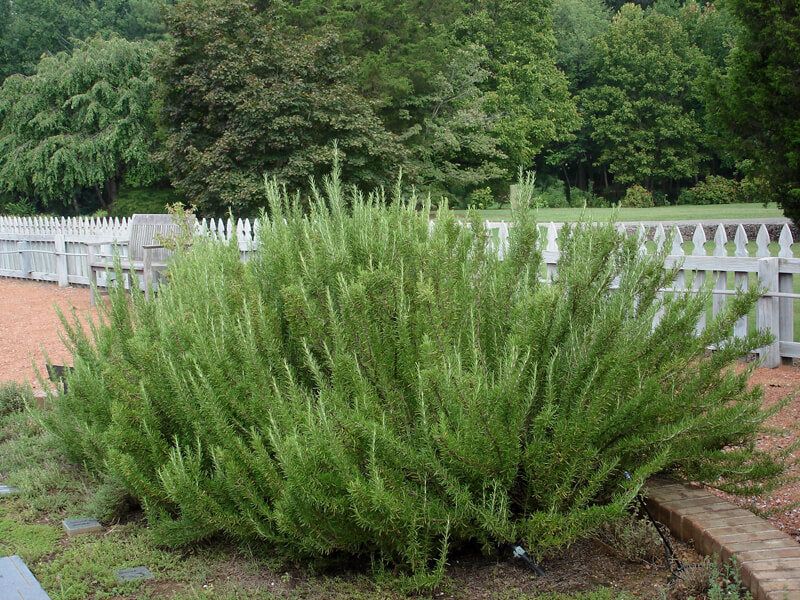
Rosemary brushing against your legs as you walk toward the front door is one of those small garden pleasures that also happens to serve a practical purpose.
The strong, piney scent of rosemary comes from oils that many insects, including cockroaches, find unpleasant.
Planting rosemary along sunny walkways near your home puts that scent right where roaches might otherwise travel on their way toward entry points.
Rosemary is a natural fit for Texas landscapes because it handles heat and drought better than most herbs. It thrives in full sun and well-drained soil, making it ideal for raised beds or border plantings along walkways, driveways, or foundation edges.
In Central Texas especially, rosemary can grow into a large, reliable shrub that looks attractive and releases scent every time the wind moves through it or someone brushes past.
Your Texas Garden Changes Every Week. Your Plan Should Too.
Gardening in Texas changes quickly throughout the season. Every Friday you’ll receive a simple weekly plan showing exactly what to plant, prune, fertilize, harvest, and protect so you never miss the right timing.
One thing to keep in mind is that dense, woody shrubs planted too close to the foundation can create hiding spots if they are not trimmed regularly.
Keeping rosemary pruned and airy lets it do its job without accidentally offering roaches a sheltered harborage spot.
Pair rosemary plantings with routine cleanup of leaf litter, mulch management, and moisture control around the foundation. Along Gulf Coast areas of Texas where humidity stays high, good drainage under and around the plant matters even more.
Rosemary is a reliable, beautiful, and genuinely useful herb for Texas entry-area landscaping.
3. Mint In Containers Near Outdoor Sitting Areas
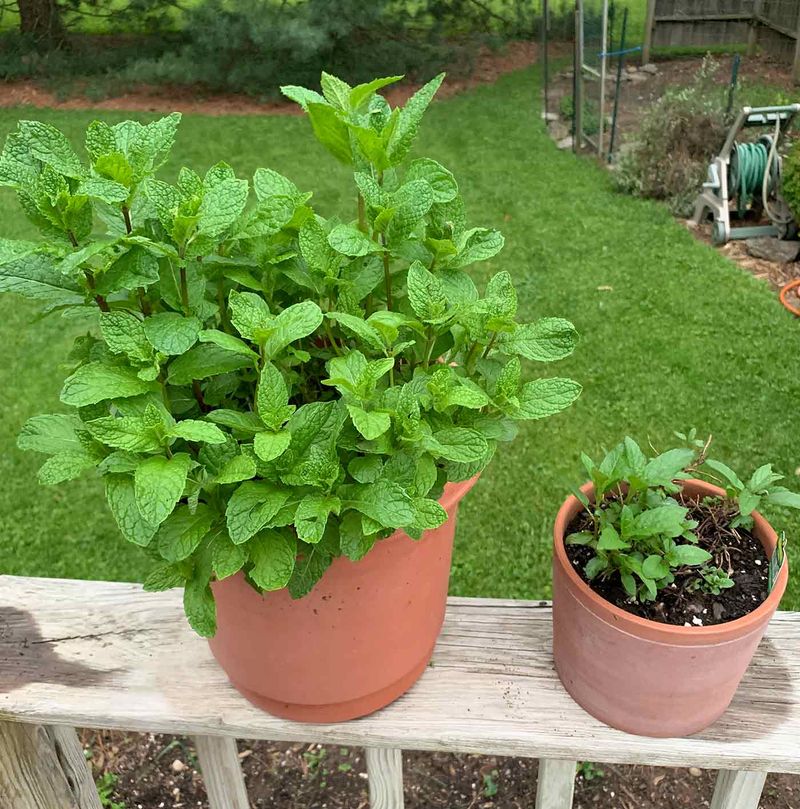
Few herbs release scent as immediately as mint does when you brush a leaf between your fingers. That sharp, cool fragrance is exactly what makes mint worth placing near outdoor sitting areas on patios and porches.
Cockroaches are strongly averse to the menthol compounds in mint, and that aversion is worth knowing about when you are thinking about porch plantings.
While a potted plant is not the same as spraying concentrated essential oil, the consistent scent presence around your seating area can make the space less appealing to roaches looking for food or shelter nearby.
Growing mint in containers is strongly recommended rather than planting it directly in the ground. Mint spreads aggressively and can take over a garden bed quickly if left unchecked.
Containers give you control over placement, and you can set them near patio furniture, beside outdoor kitchen counters, or flanking a back door where roach traffic tends to be higher during warm Texas evenings.
Mint prefers consistent moisture and partial shade, especially during the intense heat of a summer. Water it regularly but avoid letting containers sit in standing water, since soggy conditions attract pests rather than repelling them.
Pinching back the stems encourages bushier growth and keeps the plant producing fresh, strongly scented foliage. Combine mint containers with regular cleanup of food crumbs, pet food bowls, and organic debris near your outdoor sitting area.
Mint is a low-cost, fragrant, and genuinely useful addition to a Texas patio pest-prevention setup.
4. Oregano In Hot Herb-Garden Beds
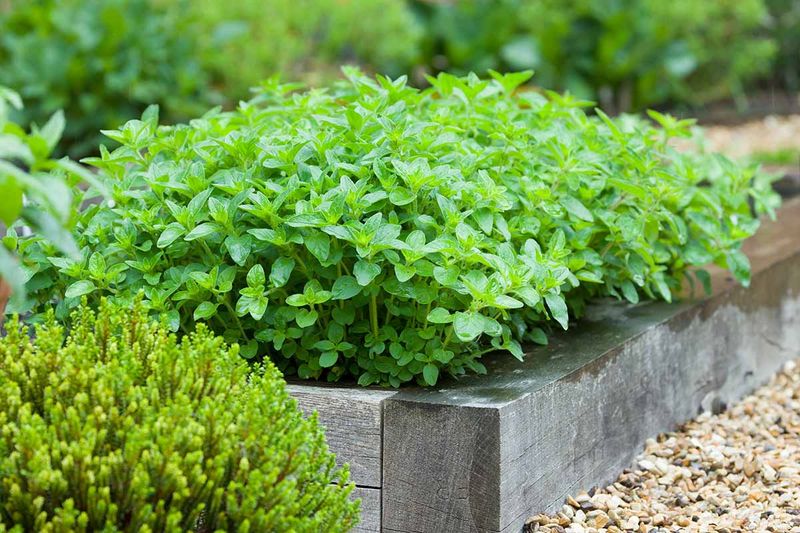
Raised herb beds can get brutally hot in midsummer, and oregano does not mind one bit.
This tough Mediterranean herb actually performs better under heat and sun stress, which concentrates the aromatic oils in its leaves and gives it a stronger, more pungent scent.
Those same oils, particularly carvacrol and thymol, have shown roach-repellent properties in plant-derived compound research, making oregano a smart and practical choice for hot herb-garden beds near the house.
In Texas foundation beds or raised beds along sunny south- or west-facing walls, oregano fills in quickly and stays low, creating a dense mat of fragrant foliage.
It is drought-tolerant once established, which is a real advantage in drier parts of Texas where overwatering creates the moisture conditions that roaches prefer.
Let the soil dry out between waterings and avoid heavy mulching directly around the base of the plant.
Oregano pairs well with rosemary and yarrow in a mixed herb bed designed for both cooking and pest deterrence near the home. Harvest stems regularly to keep the plant producing new growth and releasing fresh scent.
Near outdoor kitchens or compost areas, where roach activity tends to increase due to food odors and organic material, a nearby oregano bed adds a layer of aromatic deterrence worth having.
Just remember that good food cleanup and sealed compost bins do more to reduce roach attraction than any herb planting on its own.
Oregano works best as a complement to solid prevention habits.
5. Eucalyptus In Large Containers Where Climate Allows
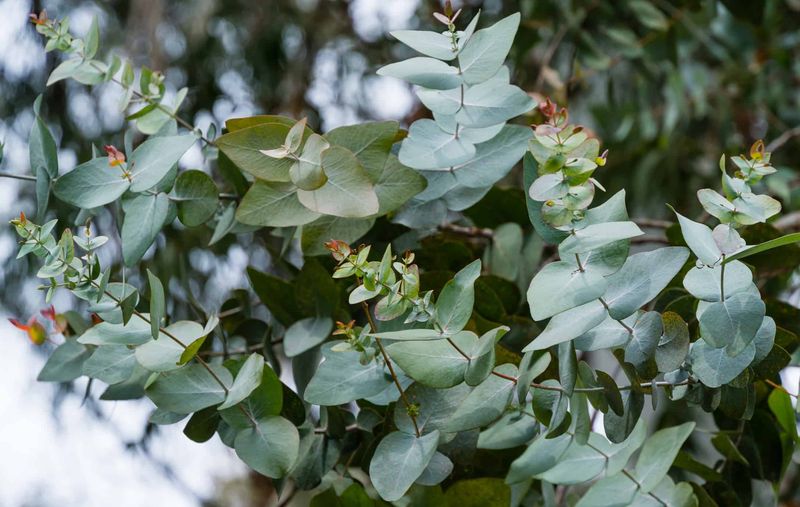
Eucalyptus foliage in a large patio container gives off one of the most recognizable and powerful plant scents in any outdoor space.
The strong camphor-like aroma comes from compounds including eucalyptol, which has been studied for insect-repellent properties and is found in various commercial pest-deterrent products.
Having a living eucalyptus plant on your porch or patio brings that scent into the air in a subtle, continuous way that roaches tend to find unwelcoming.
Growing eucalyptus requires some planning. Most eucalyptus varieties are not cold-hardy enough to survive a hard North Texas freeze, so containers are the practical approach for most of the state.
Large containers allow you to move the plant indoors or to a sheltered spot during cold spells, which protects the plant and keeps it growing strong year after year. In South Texas and along the Gulf Coast, some varieties may tolerate outdoor winters with minimal protection.
Choose a large, well-draining container and place it in full sun. Eucalyptus grows quickly and may need pruning to stay manageable on a patio.
Regularly rubbing a leaf to release fresh scent near doorways or seating areas can make the aromatic effect more noticeable.
Avoid letting water pool in the saucer beneath the container, as standing moisture near the house is one of the main factors that draws roaches close.
Eucalyptus works best as a fragrant, decorative pest-deterrence tool paired with strong prevention basics around your Texas home.
6. Yarrow In Sunny, Well-Drained Beds
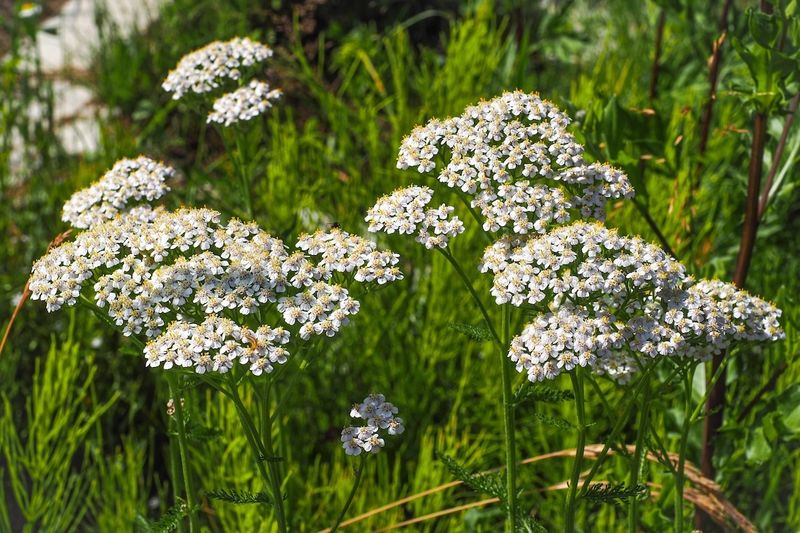
Yarrow blooming in a dry Texas bed is a tougher and more versatile plant than most people expect.
Native to open fields and well-drained slopes, yarrow handles heat, rocky soil, and minimal rainfall without much fuss, making it one of the most low-maintenance options for foundation beds or border plantings near the house.
Its finely divided, feathery leaves contain aromatic compounds that contribute to its long history as an insect-deterrent plant in traditional and herbal use.
While yarrow does not have the same level of cockroach-specific research behind it as catnip, its strong scent and practical growing qualities make it a worthwhile addition to a Texas pest-deterrence garden.
Planted in sunny, well-drained spots along walkways or near entry areas, yarrow adds both visual interest and aromatic presence.
It blooms in clusters of white, yellow, or pink flowers that attract beneficial insects while contributing to the scented environment near your home.
One of yarrow’s biggest advantages in a Texas landscape is that it actively dislikes wet, poorly drained soil, which means it naturally discourages the moist conditions that attract roaches.
Avoid overwatering and keep the bed free of thick mulch that can hold moisture against the foundation.
Yarrow spreads steadily over time, filling in gaps and creating a low, fragrant ground cover. Pair it with other aromatic herbs in a mixed border for a layered approach to scent-based pest deterrence.
Regular trimming after bloom keeps yarrow tidy and productive in a Texas yard.
7. Lavender Near Dry, Sunny Borders
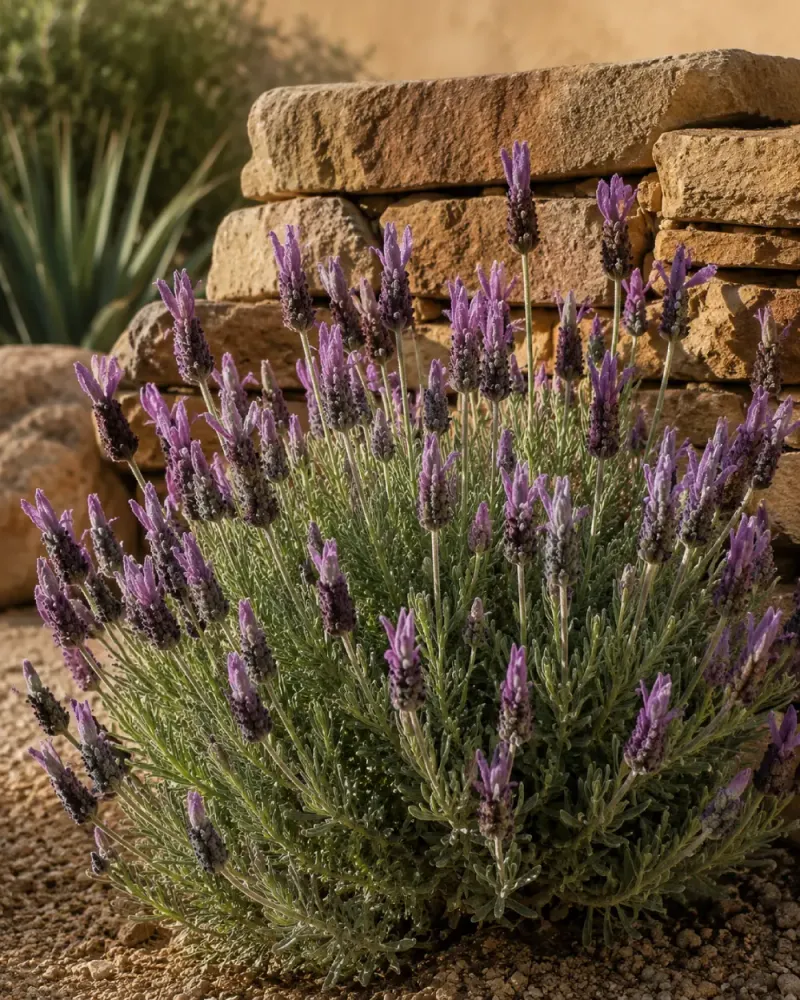
Lavender struggles in poorly drained spots and heavy clay soil, which is something gardeners in humid areas quickly learn.
But placed along a dry, sunny border with excellent drainage, lavender can thrive and offer one of the most pleasant and persistent plant scents available for a Texas home landscape.
The linalool and linalyl acetate compounds in lavender have been noted in pest-management research for their repellent effects on various insects, and cockroaches are among the insects that tend to avoid strong lavender scent.
In West Texas, the Hill Country, and other areas with alkaline, well-drained soil and low humidity, lavender grows with relatively little effort.
Along the Gulf Coast or in East Texas, the extra humidity and clay soil make it harder to establish, so raised beds or containers with amended, fast-draining soil become important.
Choosing heat-tolerant varieties suited to Texas conditions gives the plant the best chance of producing strong-scented foliage through the warm season.
Plant lavender along sunny borders near front entries, sidewalks, or patio edges where roaches might travel. The scent is most noticeable on warm afternoons when the sun warms the foliage and releases the oils into the air.
Trim spent flower spikes to encourage continued growth and fresh scent production. Avoid heavy watering and keep the surrounding area free of leaf debris and standing moisture.
Lavender is one of the most appealing and genuinely fragrant options for a border planting that also contributes to a less roach-friendly outdoor environment near the home.
8. Lemongrass For Scented Patio Containers
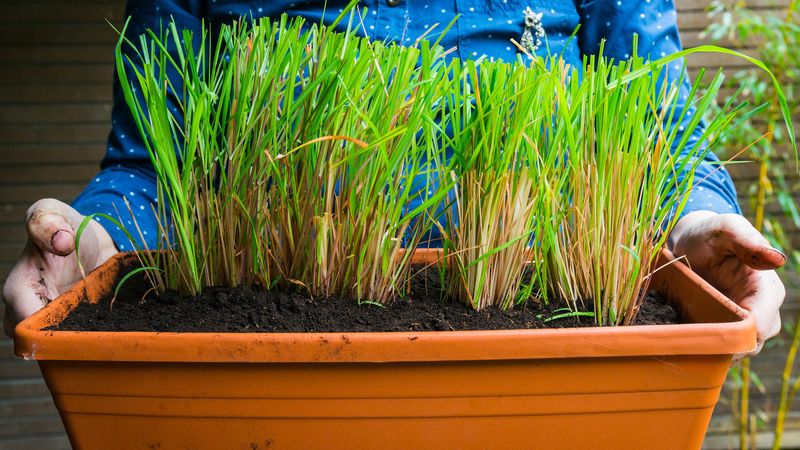
Adding lemongrass to a patio container near a Texas back door brings a fresh citrus-like fragrance that many people find genuinely enjoyable outdoors.
That same scent, which comes largely from citronella oil naturally present in lemongrass, is something cockroaches and many other insects tend to avoid.
Lemongrass is closely related to the citronella plant widely used in outdoor pest-deterrent products, and that botanical connection gives it some real credibility as a patio planting.
Growing it in a large container near your seating area puts that natural fragrance right where outdoor living and roach activity tend to overlap on warm evenings.
Lemongrass is a tropical grass that loves heat, which means Texas summers suit it well. It grows quickly in full sun with regular watering and can reach an impressive size by midsummer.
Large containers on wheels are a practical choice since lemongrass needs to come inside or move to a sheltered spot when temperatures drop below freezing. In South Texas, it may grow as a near-permanent outdoor plant with minimal cold protection needed.
Place lemongrass containers near patio doors, outdoor kitchen areas, or seating spots where roaches are most likely to appear after dark.
Avoid letting the container saucer hold standing water, as moisture near the house is one of the main conditions that encourages roach activity.
Lemongrass also works beautifully in cooking, so it earns its patio space in more ways than one.
Combined with good sanitation, sealed gaps, and moisture control, lemongrass is a fragrant and functional part of a Texas home pest-prevention container garden.