These Ohio Yard Drainage Mistakes Can Make Tick Habitat Worse
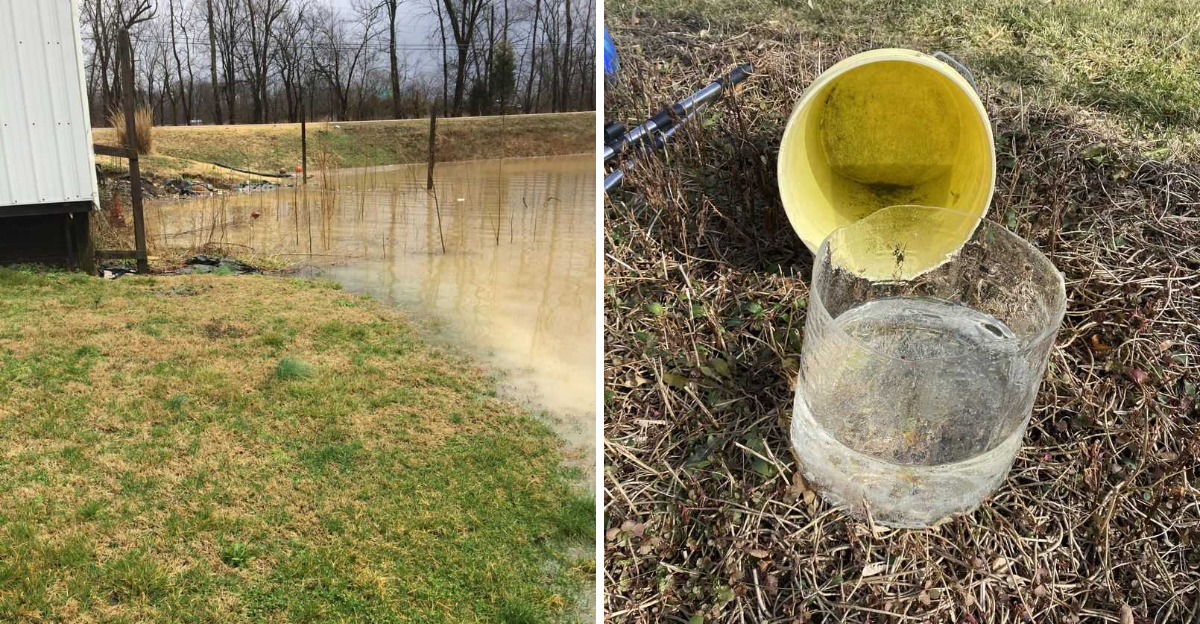
Ohio rain can leave more than puddles behind.
After a storm, the yard turns into a map of soggy corners, shaded fence lines, dripping downspouts, and wet leaf piles that seem harmless until you remember who loves that setup.
Ticks.
Not the kind of backyard guest anyone wants.
Blacklegged ticks and American dog ticks do not need a swamp to settle in. They need moisture, shade, cover, and easy access to people, pets, or wildlife moving through the yard.
A poorly drained corner can quietly become a tick-friendly waiting room while everyone focuses only on keeping water away from the foundation.
That is the sneaky part.
Some drainage fixes help the house but leave damp brush, packed leaves, or overgrown swales right where kids and dogs pass by.
So which Ohio yard habits accidentally make ticks feel welcome?
Start with water, shade, leaf litter, and the soft messy edges that stay damp long after the lawn looks dry again.
1. Letting Water Sit In Shady Corners
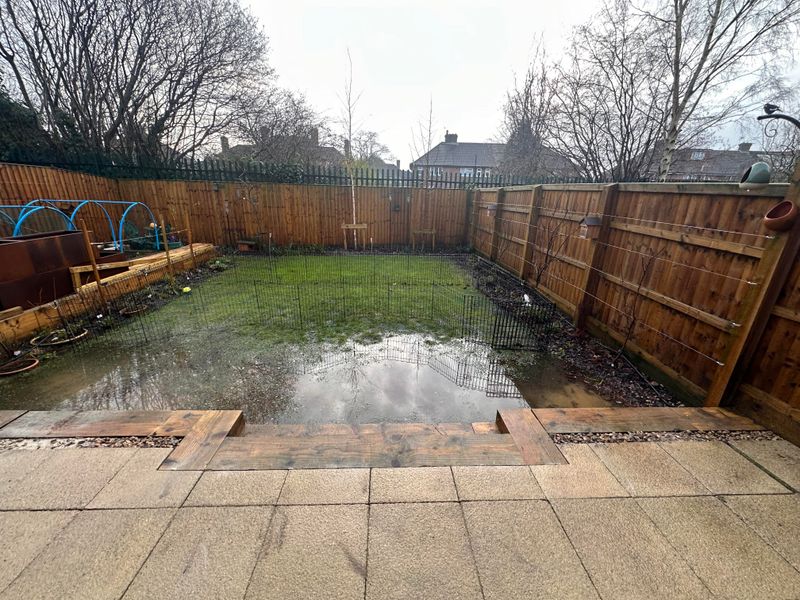
A soggy corner tucked under a big oak or along a shaded fence line might seem harmless, but it is one of the most tick-friendly spots you can accidentally create in an Ohio yard.
Water that pools and stays damp for days creates exactly the kind of cool, moist microclimate that blacklegged ticks prefer.
According to Ohio State University Extension, ticks do not survive well in hot, dry, sunny areas. Shade and moisture are their best friends.
These corners often stay wet long after the rest of the yard dries out.
That slow drying time keeps the soil soft and humid underneath any leaf litter or ground cover nearby. Ticks rest in that layer, waiting for a host to pass by.
Deer, mice, and other small animals that carry ticks are also drawn to shaded, sheltered edges, which makes the problem even worse.
Improving drainage in these spots does not have to be complicated.
Trimming back overhanging branches lets more sunlight reach the ground, which speeds up drying. You can also regrade low spots slightly or add a French drain to move water away from the area.
Replacing soggy ground cover with dry mulch or gravel helps too.
Even small changes that reduce the time water sits in those corners can make the space less comfortable for ticks and the animals that carry them into your yard.
2. Piling Leaves Along Wet Edges
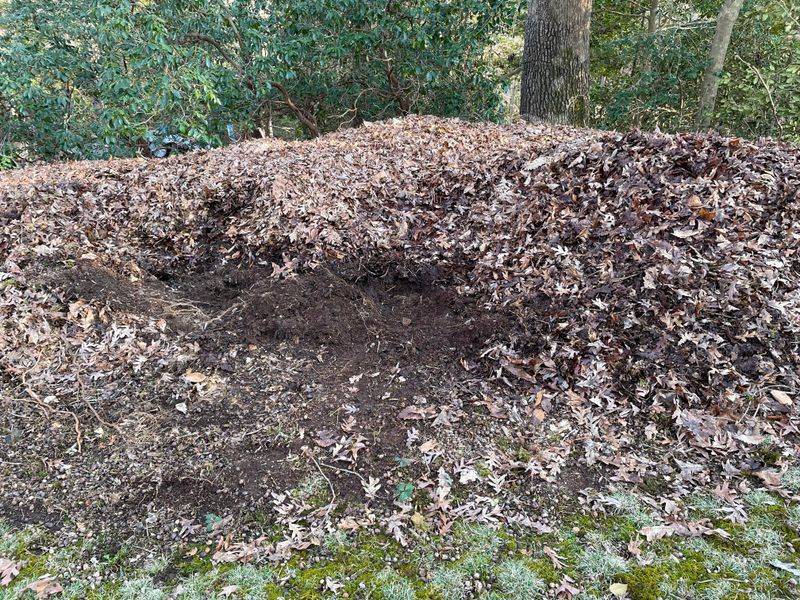
A damp pile of leaves sitting along a wet garden edge looks like yard work waiting to happen. For ticks, it looks like a luxury hotel. Leaf litter is one of the most well-documented tick habitats in Ohio.
The Ohio Department of Health specifically lists leaf piles as a major source of tick exposure near homes, especially when those piles stay moist.
Wet leaf edges along fence lines, drainage swales, or shaded borders hold humidity close to the ground.
Ticks burrow into that damp, dark layer to avoid drying out. They can stay hidden there for weeks, especially if new leaves keep falling on top and the spot never fully dries.
Your Ohio Garden Changes Every Week. Your Plan Should Too.
Gardening in Ohio changes quickly throughout the season. Every Friday you’ll receive a simple weekly plan showing exactly what to plant, prune, fertilize, harvest, and protect so you never miss the right timing.
Small animals like white-footed mice, which are a primary carrier of Lyme disease bacteria, also nest and travel through leaf piles along wet edges.
The fix is simpler than most people expect.
Rake leaves regularly during fall instead of letting them pile up against edges. Bag them, compost them away from the house, or run a mulching mower over them so they break down flat on the lawn rather than stacking up in damp clumps.
Pay extra attention to any leaf accumulation near drainage paths, low spots, or shaded borders where moisture lingers.
Keeping those edges clear and dry removes one of the easiest tick shelters in the average Ohio backyard without requiring any special equipment.
3. Keeping Tall Grass Near Drains
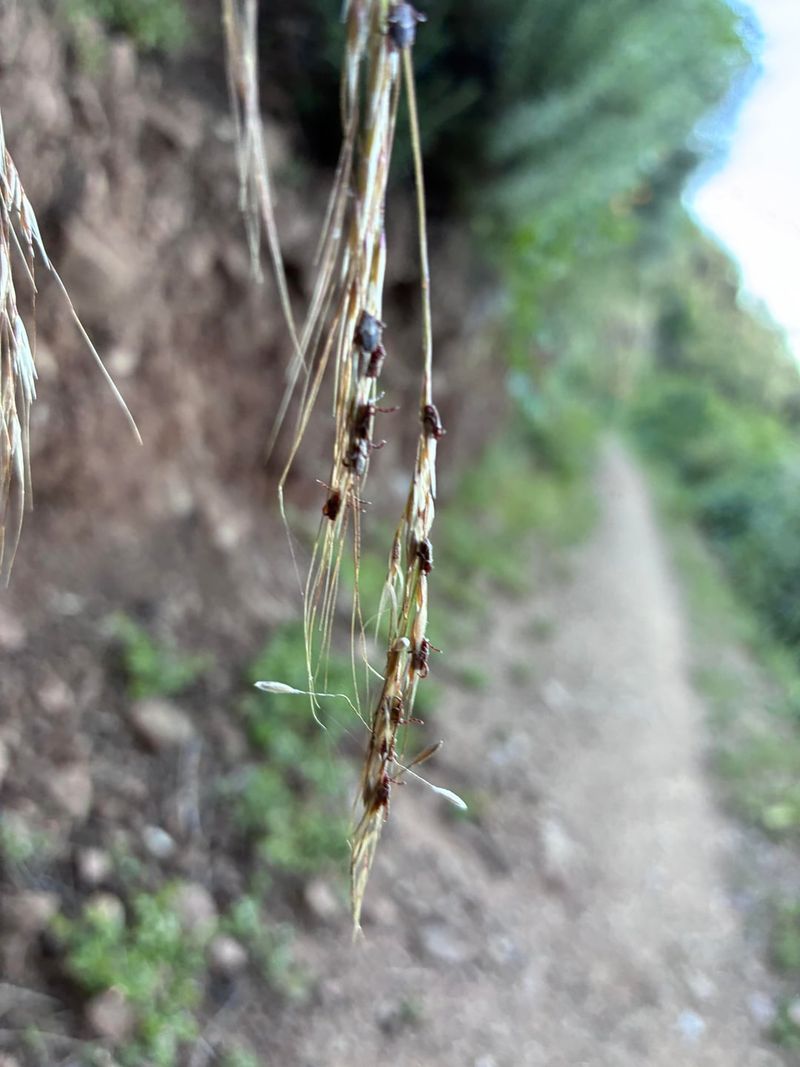
Grass that grows tall and thick around a yard drain or low drainage area is not just a lawn care problem. It is a tick problem too.
Ticks do not jump or fly. They climb up grass blades and brush, then wait with their front legs stretched out in a behavior called questing, hoping to grab onto a passing animal or person.
Tall, damp grass near drains gives them the perfect staging ground.
Low drainage areas in Ohio yards tend to stay wetter than the surrounding lawn.
That moisture encourages faster, thicker grass growth, which creates even more shelter for ticks. Ohio State University Extension recommends keeping grass cut short, especially near areas where people and pets spend time.
Grass over a few inches tall near wet zones creates a sheltered, humid corridor that ticks can move through easily.
Mowing consistently around drains and low areas is one of the most practical steps you can take.
Keep the grass in those spots at the same height as the rest of your lawn, or even a bit shorter. If the area stays too wet to mow safely, consider adding a dry creek bed or gravel channel to redirect water and dry out the zone.
Short, dry grass dries faster after rain and gives ticks far fewer places to hide and wait.
4. Ignoring Brush Around Swales
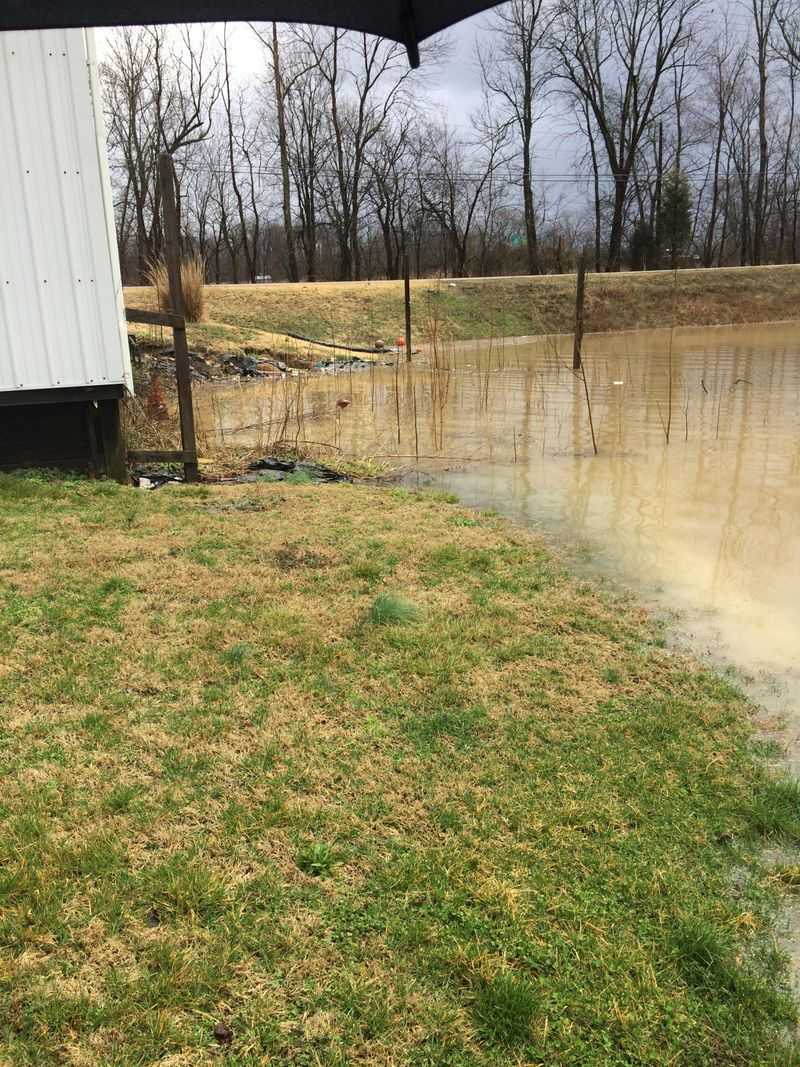
Swales are shallow channels designed to move rainwater slowly across a yard and let it soak into the ground.
When they work well, they are a smart drainage solution. When they get overgrown with brush, weeds, and tangled vegetation along the edges, they become one of the shadiest, dampest, most sheltered tick habitats in the yard.
Brushy swale edges stay moist longer than open turf because the dense vegetation blocks sunlight and slows evaporation.
That combination of shade, moisture, and physical cover is exactly what ticks look for. The sheltered edges also attract mice, voles, rabbits, and deer, all of which can carry ticks directly into your yard.
A swale that started as a drainage feature can quietly become a tick highway running right through your property.
Keeping swales functional does not mean filling them in or paving them over. It means managing the vegetation along their edges.
Trim back overhanging brush and pull weedy growth from the sides regularly. Mow swale edges on the same schedule as the rest of the lawn.
You can also line the bottom and sides with clean gravel or river rock, which drains faster than bare soil and does not hold moisture the same way.
A tidy, open swale moves water without creating a sheltered corridor for ticks.
5. Stacking Firewood Near Damp Ground
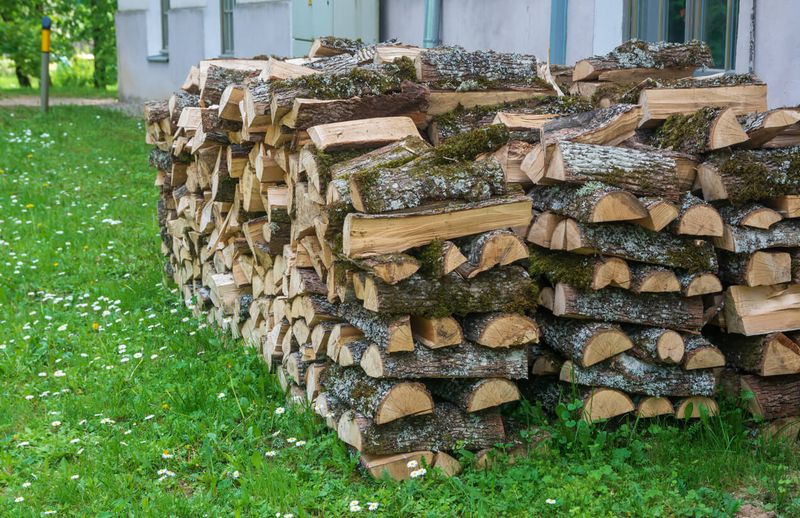
There is something satisfying about a neatly stacked pile of firewood ready for a cool Ohio evening. But where you stack it matters more than most people realize.
Wood piles near damp ground are a well-known tick risk, and the reason has as much to do with mice as it does with moisture.
White-footed mice are one of the main carriers of the bacteria that cause Lyme disease in Ohio. They love nesting in and around wood piles, especially when those piles sit on damp soil in a shaded spot.
Ticks feed on mice, pick up pathogens, and then move on to the next host, which could be your dog, your kid, or you.
A firewood stack near a soggy corner or shaded wet edge basically creates a small wildlife habitat where ticks can thrive and find hosts easily.
Moving firewood is one of the simplest tick-reduction steps available.
Store it at least 20 feet from the house, according to Ohio State University Extension guidance. Stack it on a rack or pallets to lift it off the ground, which improves airflow and reduces moisture underneath.
Choose a sunny, open location rather than a shaded or damp one.
Keeping the area around the wood pile mowed and clear of leaf litter removes extra shelter for mice and ticks alike.
6. Letting Downspouts Soak Borders
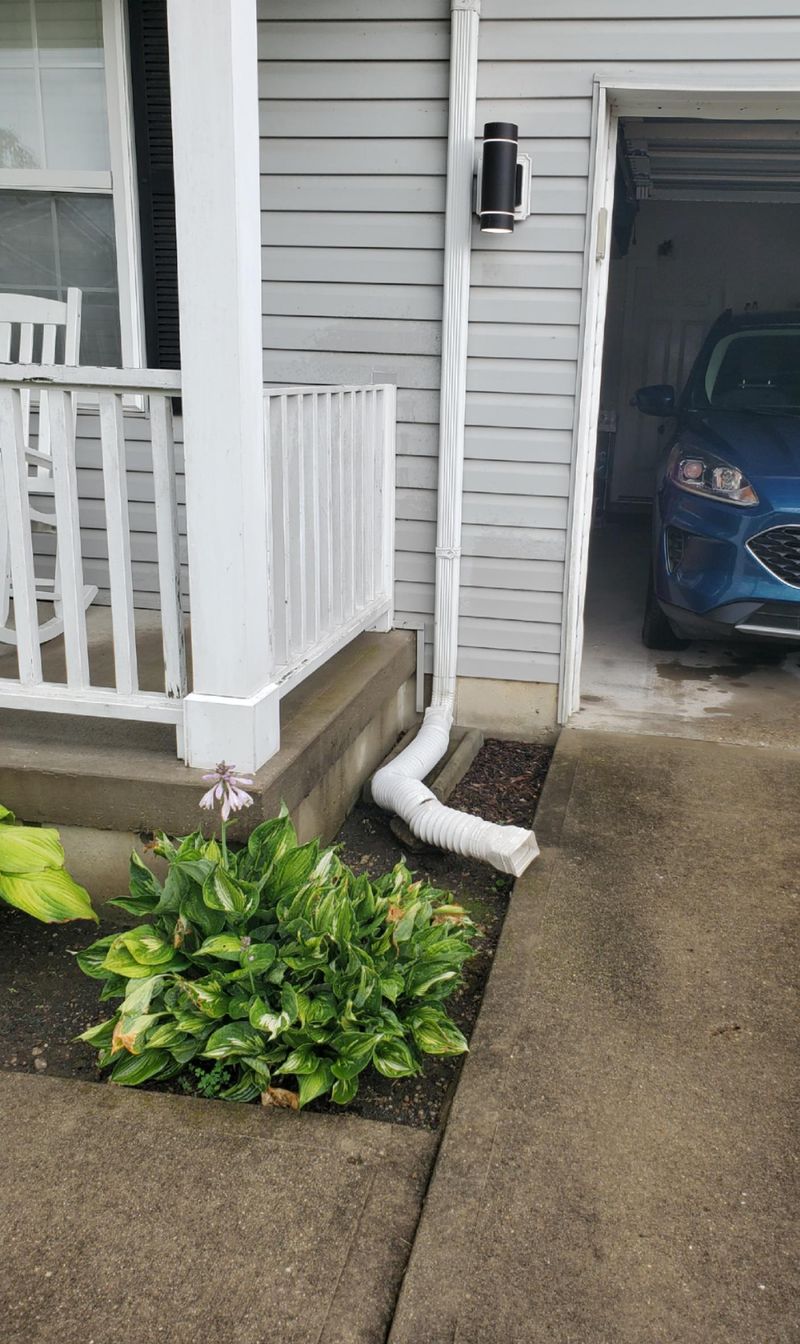
Downspouts are supposed to move rainwater away from your house, but when the runoff just dumps onto a garden border and sits there, you end up with a perpetually soggy foundation bed.
That damp, mulched strip along the house is a surprisingly common tick hangout, especially when it stays shaded and moist between rainstorms.
Foundation beds that stay wet tend to grow thicker, lusher ground cover because the moisture encourages plant growth.
That dense, low vegetation right up against the house creates a shaded, humid zone where ticks can survive and where small animals like mice and shrews travel along the building edge.
Since people and pets move in and out of doors along that same path, the exposure risk goes up considerably.
Extending downspout extensions or adding splash blocks is an easy first step.
A downspout extender that carries water several feet away from the foundation prevents that constant soaking at the base of the house.
If the bed still stays wet, consider replacing thick organic mulch with a thinner layer or switching to gravel near the foundation.
Keeping the foundation border drier and more open makes it less comfortable for ticks and reduces the damp corridor that small animals use to travel along the edge of your home.
7. Skipping Gravel Between Woods And Lawn
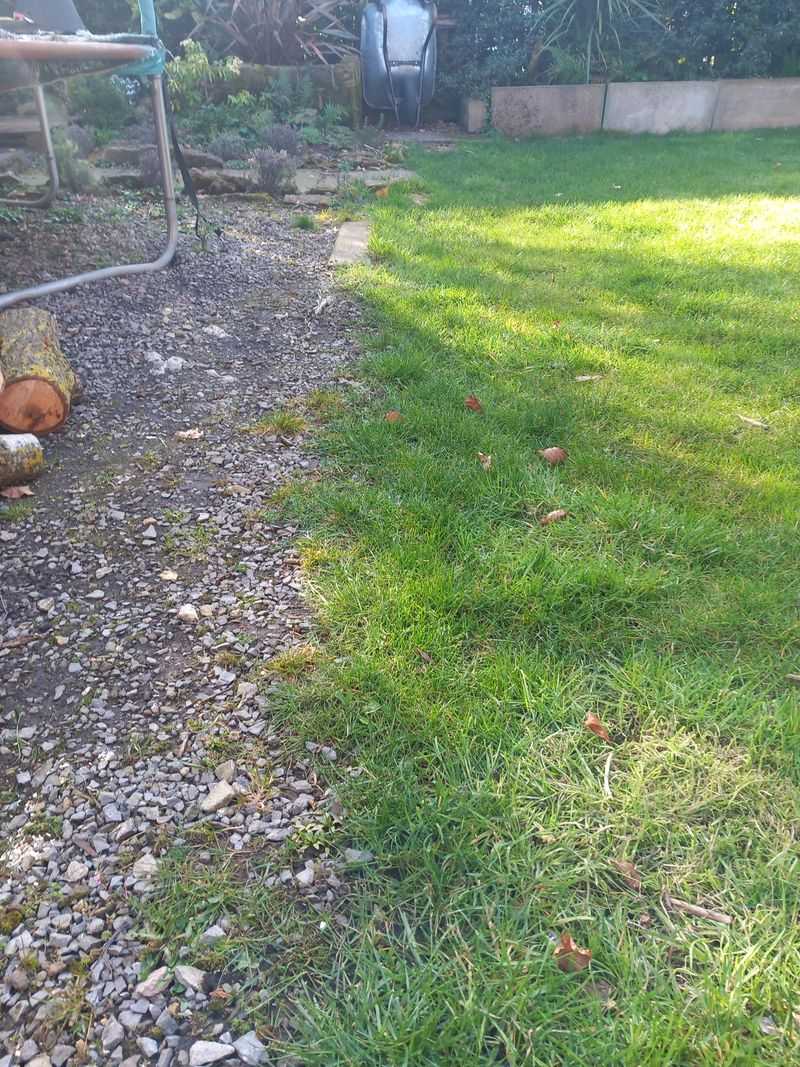
Most Ohio yards that back up to woods or a brushy edge have an invisible boundary where tick activity is highest.
That transition zone between the lawn and the tree line is where ticks move from wildlife habitat into the spaces where your family actually spends time.
Leaving nothing between those two zones is one of the easiest mistakes to make and one of the most practical to fix.
A dry buffer strip of gravel or wood chips between the lawn and the woods creates a barrier that ticks are reluctant to cross.
Ticks lose moisture quickly when they move across dry, sunny surfaces, so a well-placed gravel strip actually discourages their movement into the yard.
The Centers for Disease Control and the Ohio Department of Health both recommend a barrier of wood chips or gravel at least three feet wide along the edge of wooded areas as part of a tick-safe yard strategy.
Installing this kind of buffer does not take a lot of time or money.
Lay down landscape fabric to prevent weed growth, then spread a layer of pea gravel, river rock, or wood chips along the entire wooded edge of your property. Keep the strip free of leaves and debris so it stays dry and open.
That combination of a dry barrier plus short grass on one side creates a real break in the tick travel path.
8. Hiding Standing Water Under Clutter
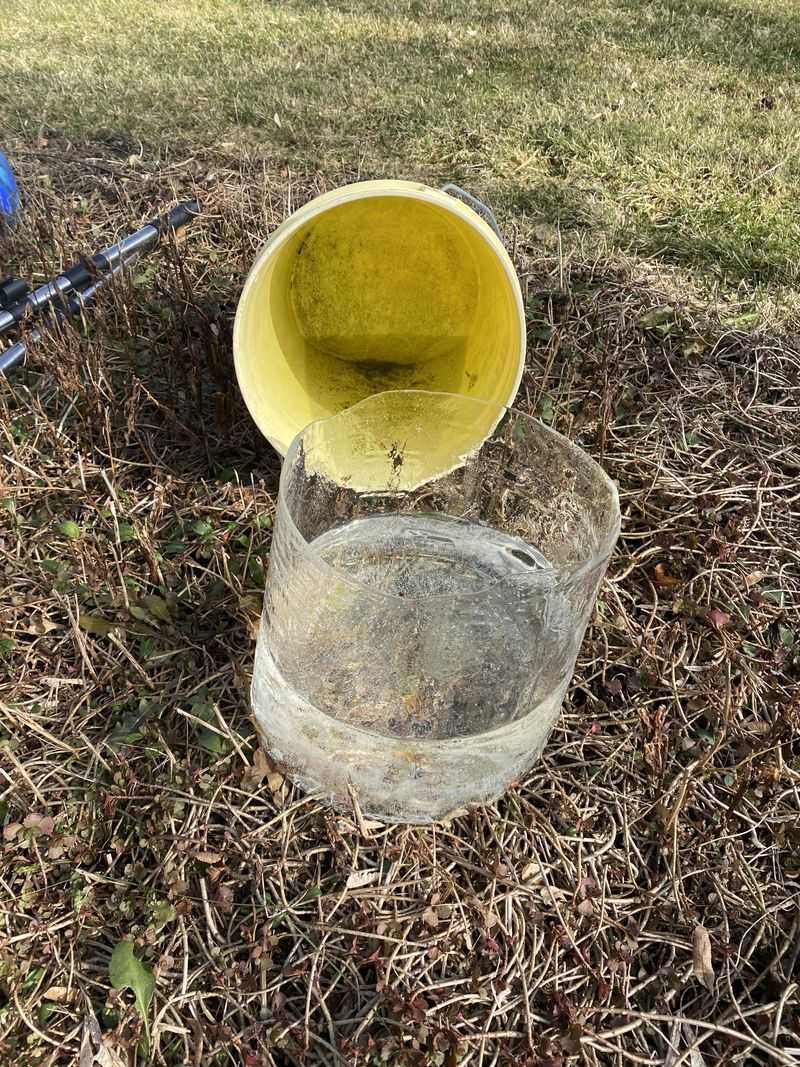
Old buckets, folded tarps, overturned pots, and stacked plastic containers all share one habit: they trap rainwater underneath and create small pockets of damp, shaded ground that are nearly impossible to spot from across the yard.
This kind of hidden moisture is easy to overlook because it does not look like a drainage problem. It looks like clutter.
Damp ground under clutter stays wet far longer than open soil. It also stays dark and sheltered, which makes it attractive to small animals and insects, including ticks.
A tarp that has been sitting on the lawn for two weeks after a rainstorm has almost certainly created a moist zone underneath that mice and other small creatures will explore.
Ticks travel with those animals, and they can drop off and wait in that damp, hidden patch for the next opportunity.
The solution is straightforward: pick it up. Walk your yard after every significant rain and look for anything trapping moisture against the ground.
Empty containers that collect water, hang up tarps to dry, store toys in a shed or garage, and stack pots upside down or on a dry surface.
Reducing hidden moisture sources removes small but real tick-friendly zones scattered across the yard, and it also just makes the space look a lot better.
Bonus points for tidiness.