Why Mole Activity Is Spiking In Indiana Yards Right Now

Something is zigzagging across Indiana lawns this season, and nobody invited it. Dirt keeps pushing up from below in raised, snaking trails that seem to appear between one afternoon and the next.
Underground diggers move at a startling pace, carving tunnels just beneath the surface and leaving soil unevenly mounded. What looks like random damage actually follows a pattern tied to soil moisture, food supply, and the season.
Homeowners across the state are noticing the same thing at once, which is no coincidence. Knowing what drives this behavior changes how you respond to it, and that distinction matters more than most people realize.
Young Moles Are Dispersing To Find New Territory
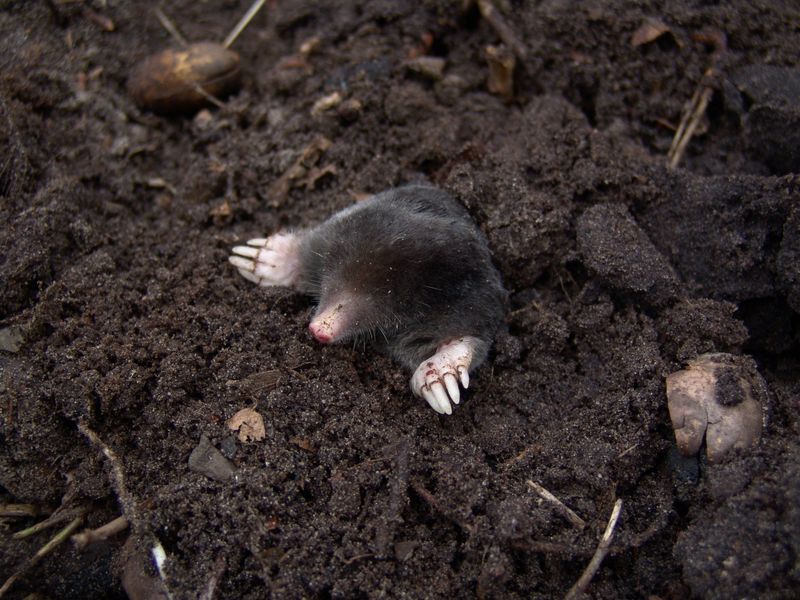
Spring babies are on the move. Every year, juvenile moles born in late winter grow big enough to leave the nest and claim ground of their own.
This dispersal period hits hardest in late spring through early summer. Young moles tunnel aggressively because they are searching for food-rich soil to call home.
Your yard might be the first soft, moist patch they find. Once a young mole picks a spot, it starts building a permanent tunnel system fast.
Mole activity spikes sharply during this phase because multiple juveniles fan out across neighborhoods at once. One family of moles can send three to five young ones searching in different directions.
Young moles rarely travel far from where they were born. Most settle within a few hundred yards of the nest, which is why entire neighborhoods often see fresh activity within the same short stretch of time.
Yards near wooded edges, fields, or drainage ditches tend to get hit first. Those areas offer easy entry points for dispersing moles looking for open ground.
The tunnels young moles build during dispersal look shallow and erratic. They are not the deep, organized highways that older moles use.
Spotting these wandering ridges early gives you a window to act. Catching fresh activity fast can stop a temporary visitor from becoming a permanent resident.
Young moles have not yet established deep tunnel networks, so deterrents work better at this stage. Acting early saves you from dealing with a fully settled mole later.
Recent Rainfall Keeps Soil Soft And Easy To Tunnel
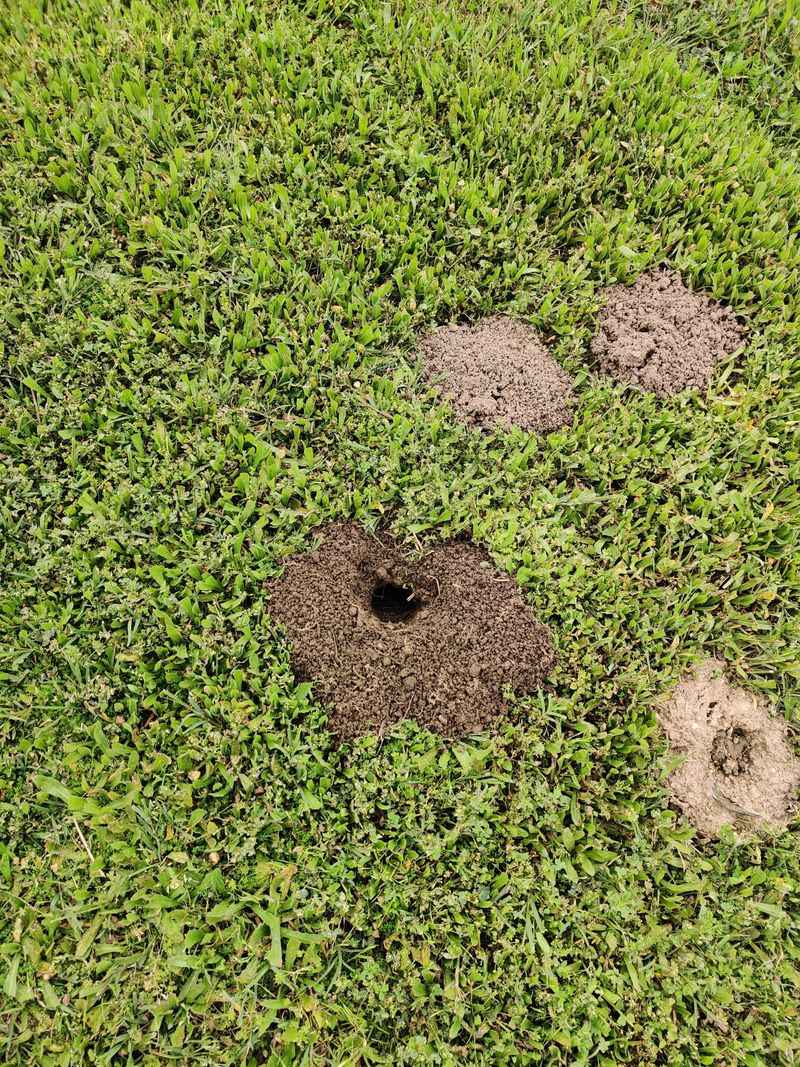
Wet soil is a mole’s dream workspace. When Indiana gets a stretch of rainy days, the ground softens just enough to make tunneling almost effortless.
Moles push through soil using powerful front claws designed for digging. Dry, compacted earth slows them down, but soaked ground lets them move at surprising speed.
Indiana has seen a stretch of rainy days recently. That extra moisture is one of the biggest reasons mole activity is spiking in Indiana yards right now.
Soft soil also means worms and grubs move closer to the surface. Moles follow their food, so wherever the ground stays moist, tunnels appear.
Rain does not just soften the topsoil, it also pushes air pockets out of the ground. That makes digging even less resistant, since moles no longer have to break through pockets of trapped air as they burrow.
Your Indiana Garden Changes Every Week. Your Plan Should Too.
Gardening in Indiana changes quickly throughout the season. Every Friday you’ll receive a simple weekly plan showing exactly what to plant, prune, fertilize, harvest, and protect so you never miss the right timing.
You will notice the most tunnel ridges within 24 to 48 hours after a good rain. The moles are not slowing down just because the weather is wet.
Sandy or loamy soils become especially easy to tunnel through after rain, and even clay-heavy patches soften enough to invite digging.
Homeowners who try to wait out the mole problem often find the opposite happens. Continued rainfall just keeps the soil in prime tunneling condition week after week.
Controlling soil moisture where possible, like adjusting sprinkler schedules, can make your yard slightly less attractive. Every small step you take to dry things out helps reduce the appeal.
Grub And Earthworm Populations Peak Near The Surface
Moles do not dig just for fun. They tunnel with one goal in mind, and that goal is food.
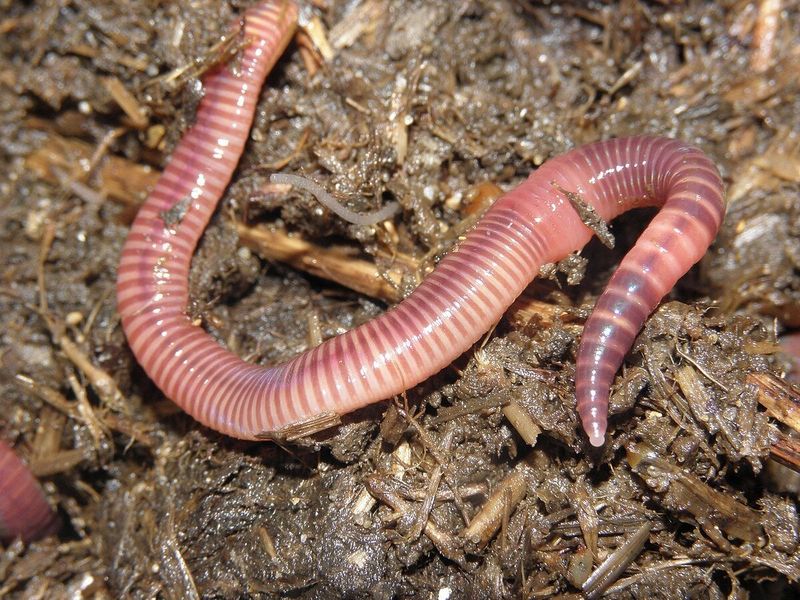
Earthworms and grubs make up the bulk of a mole’s diet. Right now, both of those food sources are peaking near the top layer of soil across Indiana lawns.
Earthworms rise toward the surface when soil moisture increases. Grub populations also become active in early summer as larvae feed near grass roots.
A single mole can eat up to 70 percent of its body weight in worms and grubs each day. That is a serious appetite driving serious digging.
When food concentrations are high near the surface, moles create shallow feeding tunnels just inches below the grass. Those are the ridges you see popping up across your lawn.
Lawns with thick, healthy grass often have the richest worm populations underneath. Ironically, a well-maintained yard can actually attract more mole attention than a neglected one.
Grub control treatments can reduce the food supply and make your lawn less desirable over time. Products applied in early summer target young larvae before they become a buffet for hungry moles.
Reducing grub populations will not chase away moles overnight. However, cutting off the food source is one of the most effective long-term strategies homeowners can use.
Irrigated Lawns Stay Moist Even In Summer Heat
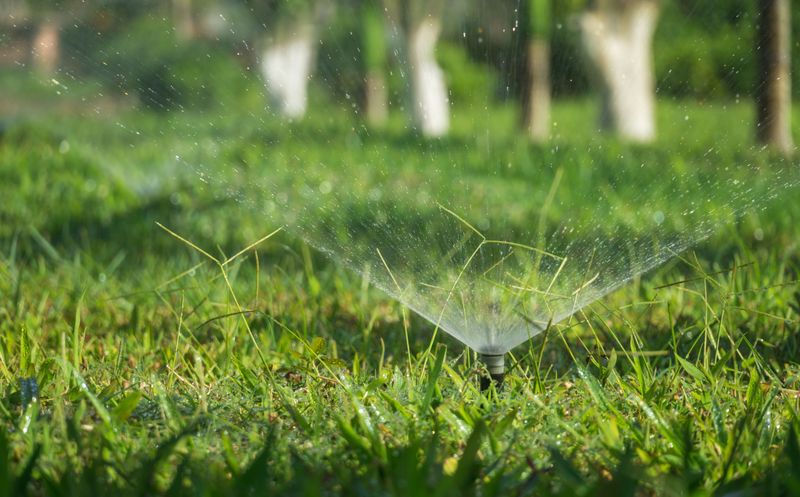
Your sprinkler system might be working against you. Lawns that stay consistently watered through irrigation are prime real estate for tunneling moles.
Even when summer heat dries out neighboring properties, irrigated yards hold onto moisture. That moisture keeps the soil loose and keeps the worm population active near the surface.
Moles gravitate toward yards that stay soft longest. They will cross drier ground just to reach a well-watered lawn with reliable food access.
Homeowners who water deeply and frequently create ideal underground conditions. The moles are not causing chaos out of spite, they are simply following comfort and calories.
Adjusting your watering schedule can make a noticeable difference. Watering deeply but less frequently encourages grass roots to grow deeper, which also reduces surface moisture that attracts moles.
Early morning watering allows the top layer of soil to dry out by afternoon. That brief dry period at the surface can slightly reduce the appeal of your yard compared to a constantly wet one.
Drip irrigation systems used in garden beds also keep soil moist in concentrated areas. Those spots often become hotspots for mole tunneling activity alongside the main lawn.
Mole activity in irrigated yards tends to stay consistent all summer long. Without changes to your watering habits, you can expect fresh tunnels to keep appearing week after week.
Established Moles Expand Tunnels To Defend Territory
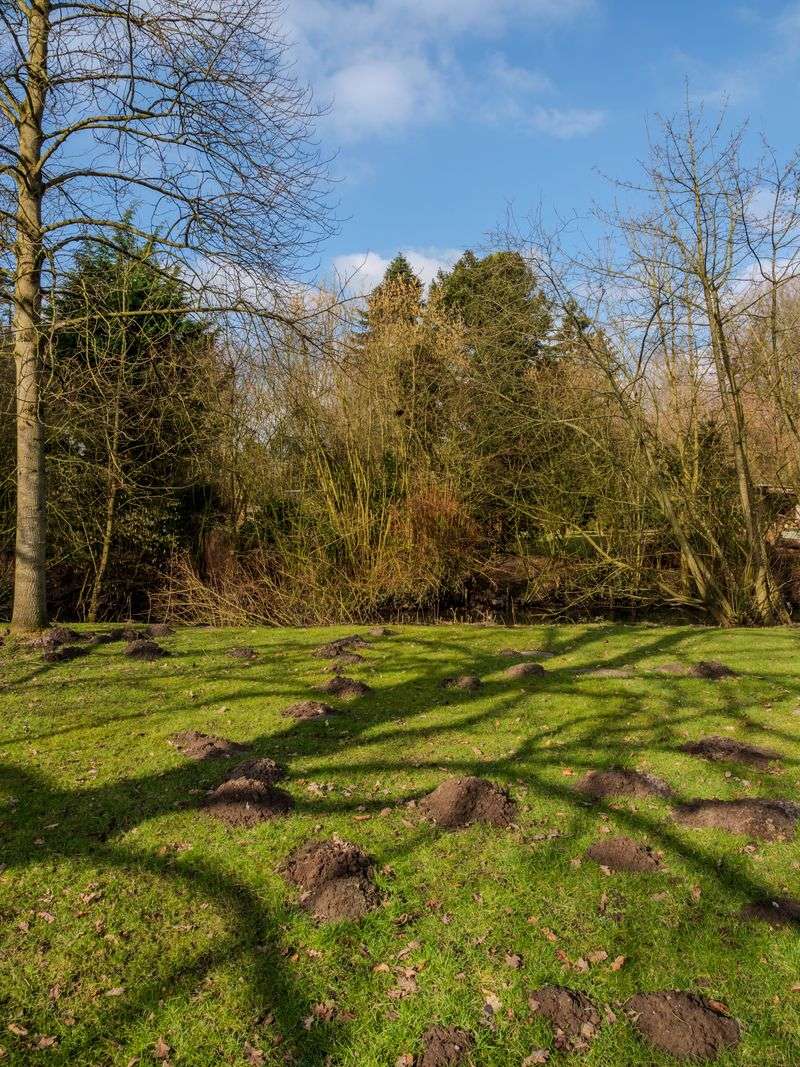
Not every tunnel you see belongs to a newcomer. Moles that have lived in your yard for months are expanding their turf right now.
Established moles create two types of tunnels: deep permanent highways and shallow surface runs. The surface runs are the ones homeowners see, and they grow longer as the mole defends its feeding zone.
When a new mole enters the area, the resident mole defends its ground fiercely. Territorial disputes between moles cause both animals to dig furiously, which increases the visible damage.
Moles are largely solitary creatures, and they take their personal space seriously. One established mole can control up to two acres of tunneling territory.
Expanding tunnel networks also serve a practical purpose beyond defense. More tunnels mean more ground covered during daily feeding runs.
Surface ridges that seem to multiply overnight are often the result of one established mole extending its reach. It is not a new infestation, just a busy resident pushing its boundaries.
Trapping is considered the most reliable method for dealing with established moles. Placing traps in active main tunnels, not surface runs, gives you the best chance of success.
Mole activity tied to territorial expansion tends to slow once boundaries are set. The catch is that by then, the tunnel damage across your lawn is already extensive and needs repair.
Signs Of Fresh Activity Homeowners Can Spot Now
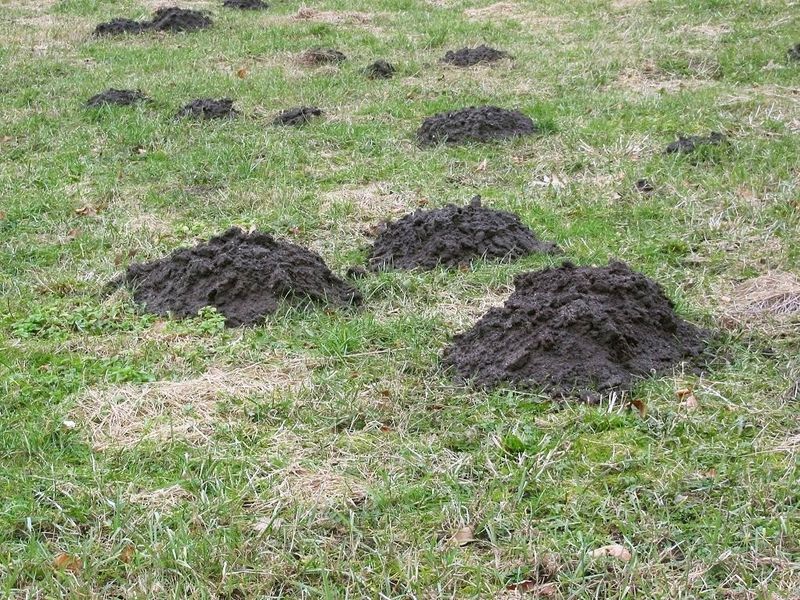
Fresh mole damage has a look all its own. Knowing what to search for helps you catch a new problem before it becomes a full-blown invasion.
The most obvious sign is a raised ridge of soil pushing up through the grass. These ridges appear suddenly, often overnight, and feel spongy when you press down on them.
Mole hills, which are cone-shaped mounds of loose dirt, signal a nearby underground nest or deep tunnel entry point. Finding several mole hills clustered together means the animal has been active in that spot for a while.
Press down on a surface tunnel with your foot and check it the next morning. If the ridge has popped back up, the mole is still using that run and the tunnel is active.
Bare grass strips running across your lawn often trace the path of a shallow tunnel below. The roots get disturbed during digging, and the grass above dries out and browns quickly.
Soft spots underfoot are another giveaway. When you walk across the lawn and your foot sinks slightly, there is likely an empty tunnel just below the surface.
Mole activity is spiking in Indiana yards right now, so acting fast matters. The sooner you confirm fresh activity, the sooner you can choose a control method that actually works before it becomes a bigger problem.