11 Garden Plants Getting Major Upgrades In Virginia
Virginia’s 2026 seed racks look different this year, and the difference isn’t cosmetic. Breeders spent the last few seasons chasing something specific: garden classics that hold up when July hits ninety-five degrees and the humidity refuses to break.
The result is a lineup of upgraded garden favorites. Each one is built for exactly the stress mid-Atlantic gardens throw at them.
Tighter disease resistance and longer bloom windows aren’t marketing tweaks. They’re measurable improvements over the varieties still sitting in most backyard beds.
Raised bed in Richmond or container garden on a Norfolk patio, the setup barely matters here. Whatever’s currently growing in your yard, at least one of these eleven upgraded varieties is about to make it look outdated.
1. Tomato (‘BadaBing’)
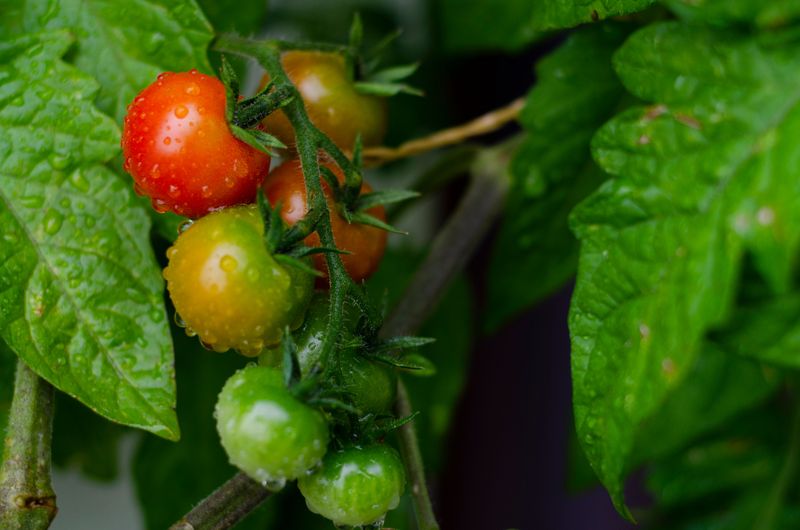
Cherry tomatoes have a reputation for cracking after a summer storm. BadaBing is the one that finally holds together when the humidity hits.
This manageable variety was bred specifically for resistance to cracking, one of the most frustrating problems mid-Atlantic gardeners face. The fruits are small, round, and deeply red with a flavor that balances sweet and tangy perfectly.
BadaBing plants stay tidy, making them ideal for containers on a deck or a small raised bed. You do not need a sprawling garden to grow a serious harvest from this one.
Disease resistance is another huge selling point. The plant shrugs off common fungal problems that typically wipe out tomatoes in Virginia’s humid summers.
Gardeners who tried BadaBing last season reported picking ripe fruits earlier than expected. That early production window means you get tomatoes before the worst heat arrives.
The plants also bounce back quickly after a heavy rain, which is something older cherry varieties rarely managed. If you have ever given up on tomatoes mid-July, this might be the variety that changes your mind.
BadaBing is widely available at Virginia nurseries and through several reputable seed suppliers online. Plant it in full sun with consistent moisture, and it will reward you generously all the way into fall.
2. Zinnia (‘Profusion Double White Improved’)
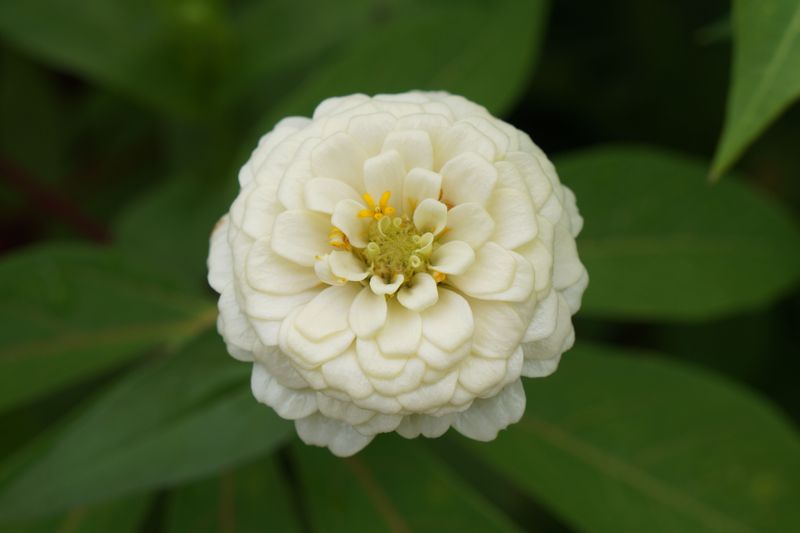
White flowers can look washed out in a summer garden, but not this one. Profusion Double White Improved has a brightness that actually pops in the midday sun.
The original Profusion series was already a garden staple. This improved version adds fuller double blooms without sacrificing the plant’s famous heat tolerance, a meaningful upgrade for Virginia summers stretching into September.
These zinnias are also more mildew resistant than older white zinnia varieties. Powdery mildew is practically a rite of passage in humid gardens, so any resistance built into the plant is a genuine win.
The plants stay low and mounding, which makes them excellent for borders or the front edge of a flower bed. They spread nicely without flopping over and requiring staking.
Butterflies absolutely flock to Profusion Double White Improved. If you are trying to build a pollinator-friendly yard, this zinnia earns its spot without any extra effort on your part.
Your Virginia Garden Changes Every Week. Your Plan Should Too.
Gardening in Virginia changes quickly throughout the season. Every Friday you’ll receive a simple weekly plan showing exactly what to plant, prune, fertilize, harvest, and protect so you never miss the right timing.
Starting from seed is easy, and germination is fast under warm conditions. Most gardeners see seedlings within a week of planting outdoors after the last frost.
Removing spent blooms is optional with this variety, which saves time during busy weeks. The plant self-cleans well, dropping spent blooms on its own and pushing out new flowers continuously through the season.
3. Basil (‘Treviso’)
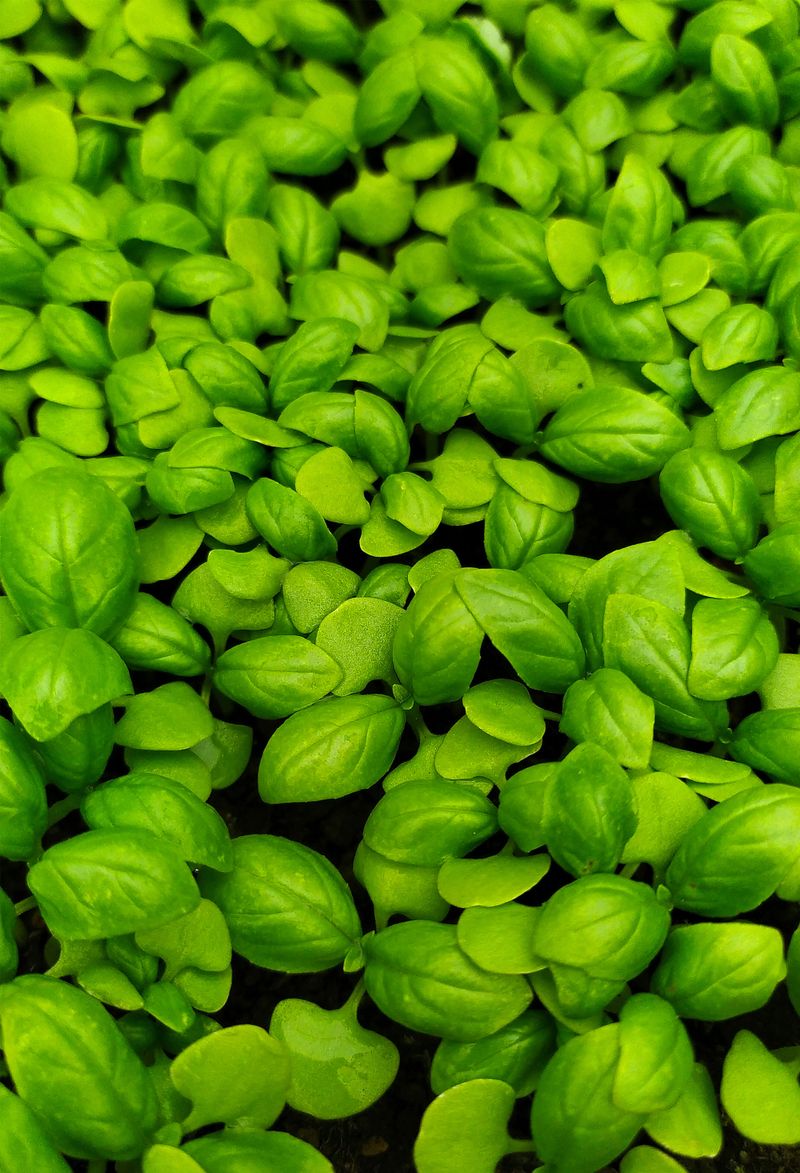
Basil has a reputation for being fussy, and honestly, it earned that reputation. But Treviso is changing the conversation with one impressive trait: downy mildew resistance.
Downy mildew has plagued basil crops across the eastern United States for years, leaving gardeners with blackened, wilted plants weeks after planting. Treviso was bred to resist that disease, and it holds up remarkably well even in wet, humid conditions.
The leaves are large and fragrant, with a subtle anise note layered over the classic basil aroma. The flavor works beautifully in fresh pesto and summer pasta.
Treviso grows upright and full, giving you plenty of harvestable leaves without constant babying. Regular pinching keeps it bushy and delays flowering, which extends your harvest window significantly.
This variety performs well in both containers and garden beds, so apartment dwellers with sunny balconies can enjoy it just as much as backyard gardeners. A pot near a kitchen window works beautifully for quick snips during cooking.
Pairing Treviso with tomatoes is not just culinary tradition. The two plants reportedly benefit each other when grown nearby, and they certainly look striking planted side by side.
Virginia growers should plant Treviso after soil temperatures consistently reach 60 degrees. Cold soil stunts basil fast, so patience in spring pays off with a stronger, longer-lasting plant through summer.
4. Cucumber (2026 Hybrid)
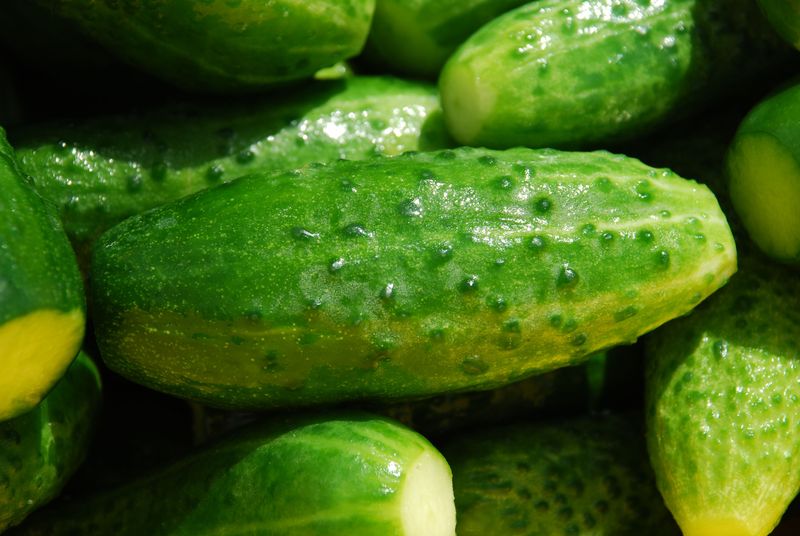
Cucumbers are one of those vegetables that should be simple to grow, but disease pressure in Virginia often makes them a gamble. The 2026 hybrid changes those odds significantly.
Bred for resistance to angular leaf spot and other bacterial diseases, this cucumber hybrid stays cleaner through the season than older open-pollinated types. Cleaner vines mean more energy going into fruit production instead of fighting off infection.
The fruits are smooth-skinned and uniform in shape, which matters if you are growing for pickling or for selling at a farmers market. Consistent sizing makes processing much easier and faster.
Yields on the 2026 hybrid are impressively high for a disease-resistant variety. Breeders managed to keep production strong while adding the protective genetics, which is not always an easy balance to strike.
The vines are vigorous and respond well to trellising. Training them upward saves garden space and improves air circulation, which further reduces disease risk in humid mid-Atlantic summers.
Flavor is crisp and mild, with thin skin that does not require peeling for fresh eating. Slice them straight from the garden onto a salad and you will notice the difference immediately.
Plant the 2026 hybrid after all frost danger passes and soil is warm. Give the vines consistent water and a balanced fertilizer, and you should be harvesting cucumbers within 55 to 60 days of transplanting.
5. Kale (Dual-Purpose Ornamental/Edible)
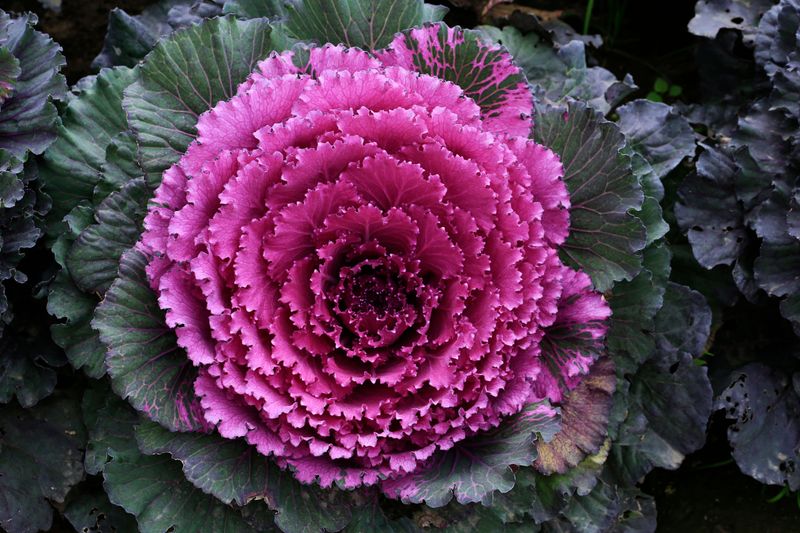
Kale has long been a workhorse in the vegetable garden, but this dual-purpose variety earns a spot in the front yard flower bed too.
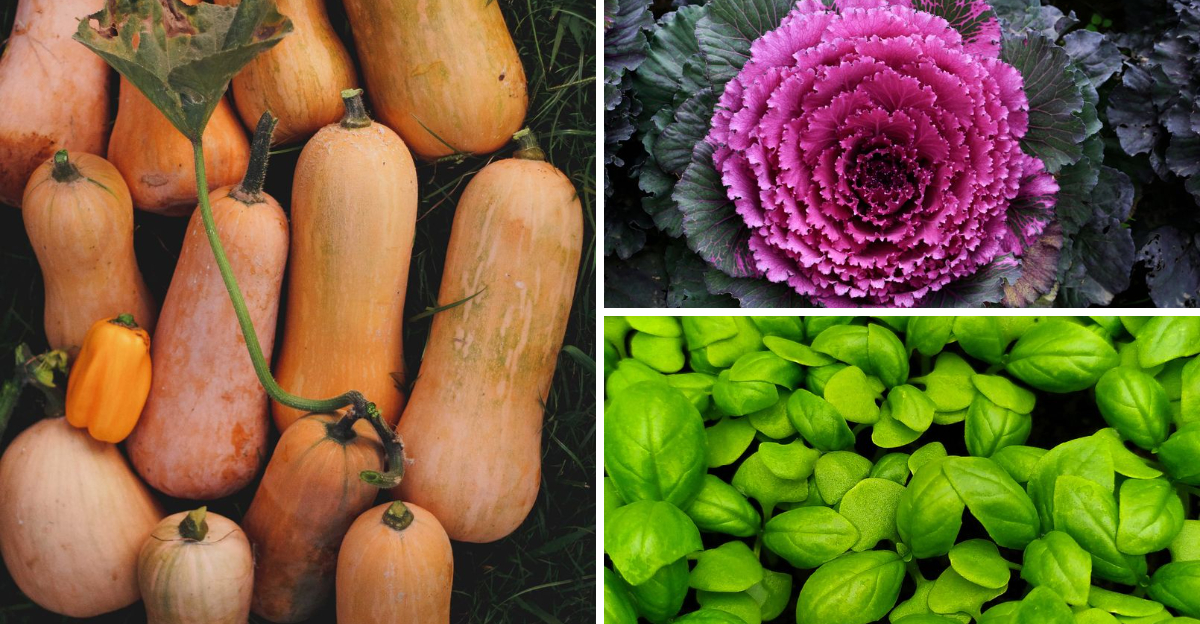
The new ornamental edible kale varieties offer deeply ruffled leaves in rich purple, cream, and green tones, like something from a florist’s arrangement. Yet every leaf is fully edible and nutritious, pulling double duty with style.
Virginia gardeners love this type of kale because it thrives in cool weather, making it perfect for spring and fall planting. It actually gets sweeter after a light frost hits the leaves.
The plants hold their color well into winter in most parts of the state, providing garden interest long after other annuals have faded. A few planted near the front walk make a surprisingly bold statement in November.
From a culinary standpoint, the leaves work in salads, smoothies, soups, and sauteed side dishes. The flavor is slightly milder than traditional curly kale, which makes it easier for picky eaters to enjoy.
Growing from transplant is easiest, though direct seeding works fine if you start early enough. Space plants about 18 inches apart so the rosette shape can develop fully without crowding.
Aphids are the main pest concern, but a strong spray of water usually handles small infestations. This kale is otherwise remarkably low-maintenance for a plant that looks so impressive in the landscape.
6. Butternut Squash (Mini Variety)
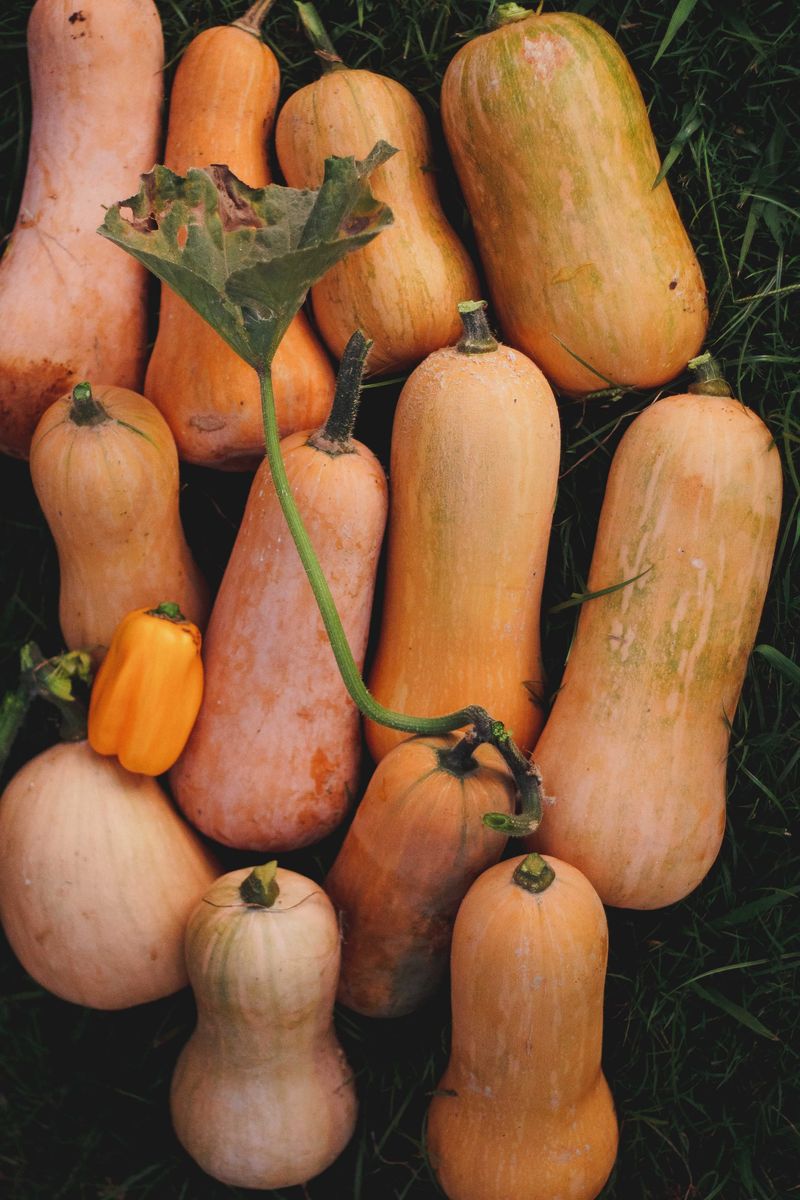
Full-sized butternut squash is delicious, but those sprawling vines can take over a garden faster than you plan for. The mini variety solves that problem without giving up the flavor.
These compact plants produce smaller fruits, typically in the one to two pound range, that are perfectly sized for roasting and serving as individual portions. No more cutting a giant squash and scrambling to use it all before it goes bad.
The vines are significantly shorter than standard butternut, which means they work in raised beds and even large containers with a small trellis. Space-conscious gardeners in suburban yards will appreciate that kind of flexibility.
Flavor is the real test, and mini butternut passes it. The flesh is dense, sweet, and deeply orange, with the same rich taste that makes full-sized butternut a fall kitchen staple.
Days to maturity run slightly shorter than traditional varieties, which is helpful in Virginia where the window between summer heat and early frost can feel tight. Getting fruits to maturity faster reduces that stress considerably.
The skin cures to a warm tan color when ready, and fruits store well for several weeks after harvest. That shelf life makes it easy to grow a small batch and enjoy it through October and into November.
Plant after the last frost in full sun with rich, well-draining soil. Consistent moisture during fruit set is the single biggest factor in getting a strong harvest from this mini variety.
7. Coreopsis
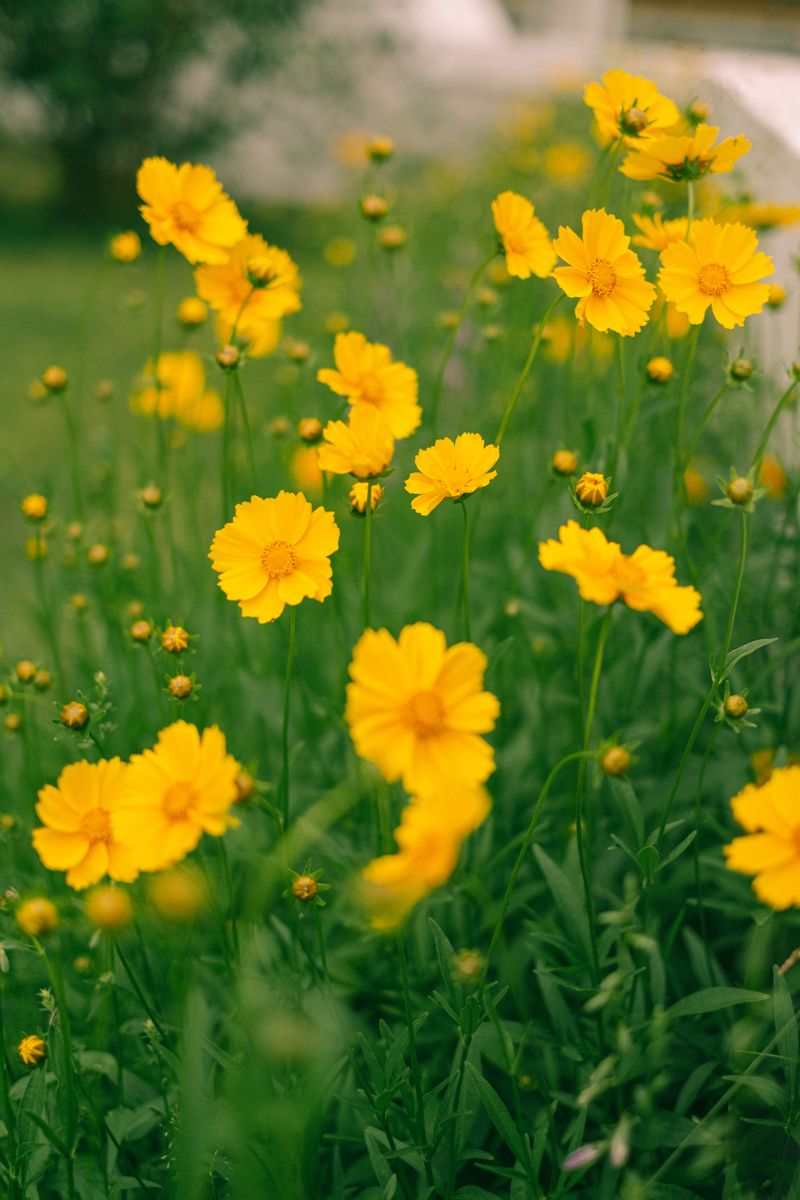
Coreopsis has been a native garden staple for decades, but newer improved varieties are raising the bar on bloom time and color range. What was already a great plant just got better.
Breeders have extended the flowering season on several new coreopsis selections, with some varieties blooming from late spring all the way through the first fall frost. That kind of staying power is rare in a perennial.
Color options have expanded well beyond the classic yellow. Newer introductions include warm orange, soft pink, and bi-color combinations that blend beautifully with other perennials in a mixed border.
One of coreopsis’s strongest traits is drought tolerance once established. Virginia summers can be brutally dry in July and August, and this plant handles those stretches without wilting or dropping its flowers.
The plant is also a magnet for native bees and butterflies. Planting a mass of coreopsis along a garden edge creates a buzzing, fluttering corridor of wildlife activity all season long.
Removing spent blooms encourages continued flowering, though many newer varieties are self-cleaning enough to need little intervention. A light midsummer trim can also refresh the plant and push a second flush of color.
Coreopsis thrives in lean soil and full sun, making it forgiving for gardeners who do not want to fuss with amendments. Plant it once, and it comes back stronger each year with minimal effort from you.
8. Sedum (Seed-Grown)
Most gardeners know sedum as something you divide from a neighbor’s clump or buy as a potted plant. Seed-grown sedum is a newer option that opens up a lot of possibilities.
Growing sedum from seed means you can start many plants at low cost, which is ideal for filling a large dry slope or a rock garden that would otherwise require dozens of expensive divisions. The economics make a lot of sense.
Newer seed-grown varieties have been selected for uniformity, which was historically a challenge when growing sedum this way. Plants grown from seed used to vary wildly in size and color, but improved strains are much more consistent.
The foliage is thick and succulent, storing water efficiently in its fleshy leaves. That water storage is what makes sedum so dependable during dry spells that would stress most other perennials.
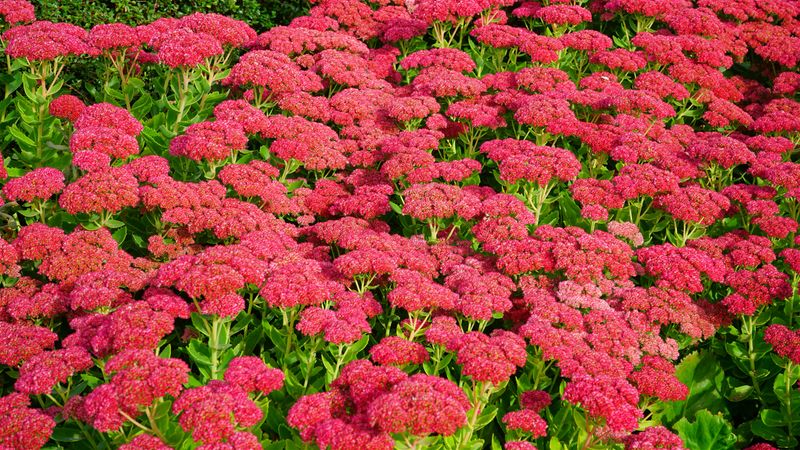
Late summer and fall blooms are the big payoff. Flat-topped flower clusters in shades of pink, red, and white attract migrating butterflies and bees stocking up before winter.
Sedum is virtually pest-free and rarely needs supplemental watering once roots are established. It is one of the most genuinely low-maintenance perennials you can grow in a Virginia landscape.
Full sun and excellent drainage are the two non-negotiable requirements. Plant seed-grown sedum in a spot where water does not pool after rain, and the plants will reward you with years of reliable, colorful performance without much fuss.
9. Dahlia (Compact Bi-Color)
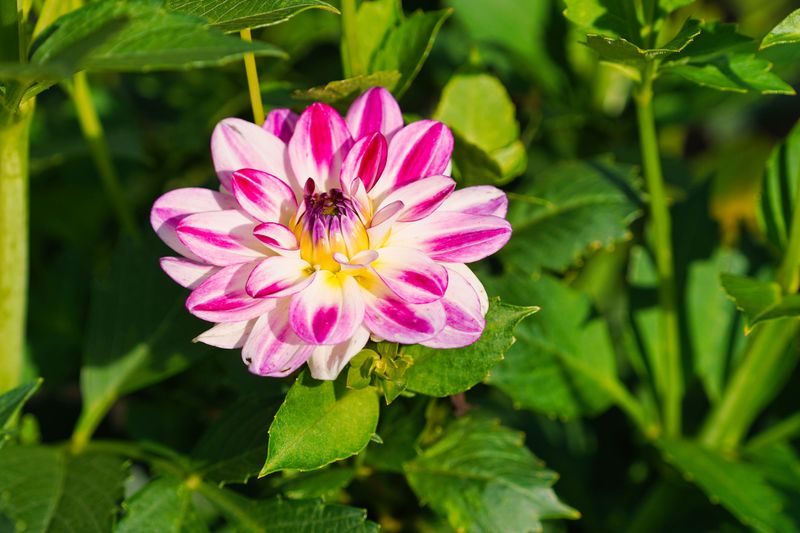
Dahlias have long been showstoppers, but the tall dinner-plate varieties can be a lot to manage. Compact bi-color dahlias bring all the drama in a much more manageable package.
These shorter plants typically reach 18 to 24 inches tall, making them perfect for containers, window boxes, and front-of-border planting. You get the gorgeous layered blooms without the staking, caging, and tipping that full-sized dahlias demand.
The bi-color flowers are where things get visually exciting. Combinations like deep burgundy tipped with white, or warm orange edged in yellow, create a painted quality that looks almost too artistic to be real.
Compact dahlias start blooming earlier in the season than their larger relatives. That earlier start means more weeks of color before summer fades into fall.
Tubers are easy to find at garden centers and online suppliers in spring. Once planted in warm soil with good drainage, they establish quickly and start pushing up flowering stems within a few weeks.
Removing spent blooms is important with dahlias to keep new buds coming. Snipping spent flowers every few days takes only minutes but makes a noticeable difference in how long the plant keeps performing.
In Virginia, tubers can sometimes overwinter in the ground with a thick layer of mulch in milder zones. Digging and storing them indoors is the safer bet in colder parts of the state, ensuring a head start again next spring.
10. Calibrachoa
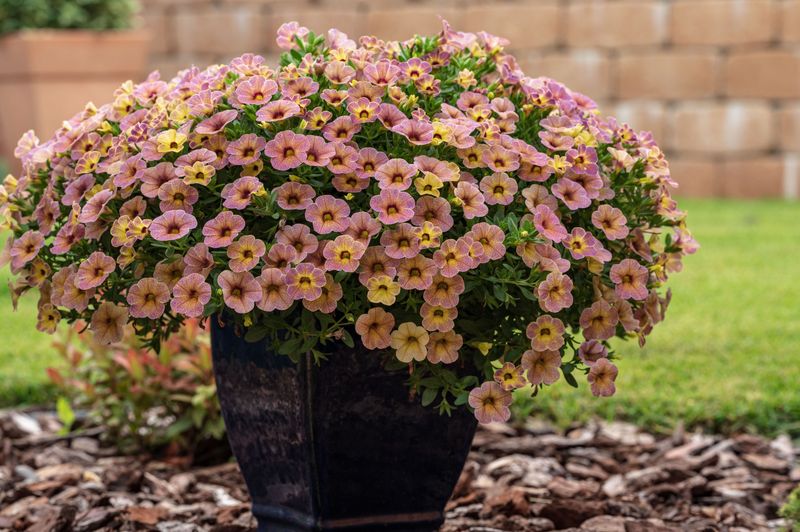
If you have ever wanted a hanging basket that practically takes care of itself, calibrachoa is the answer you have been looking for. This trailing annual is a powerhouse.
Calibrachoa looks like a miniature petunia, but it behaves much better in heat. While traditional petunias get leggy and sparse by August, calibrachoa keeps pumping out flowers without missing a beat.
Newer varieties have tackled calibrachoa’s common weakness: sensitivity to iron deficiency. Updated selections tolerate a wider range of soil conditions, cutting down on the yellowing leaves that frustrated earlier growers.
The flower range now includes stunning bi-colors, doubles, and even star-patterned blooms that were not available just a few years ago. Each season, breeders release new color combinations that make choosing just one feel impossible.
Calibrachoa thrives in full sun and needs consistent moisture to look its best. In hot Virginia summers, hanging baskets may need watering once or even twice daily, so placing them near a water source saves a lot of walking.
A slow-release fertilizer at planting plus a weekly liquid feed keeps the blooms coming strong. Without regular feeding, the plant can slow down mid-season, so nutrition is the key to consistent performance.
Pair calibrachoa with sweet potato vine or bacopa for a trailing combination that fills a basket with texture and color. The contrast between the tiny blooms and bold foliage creates a professional-looking container without any design experience required.
11. Roses (Knock Out Series)
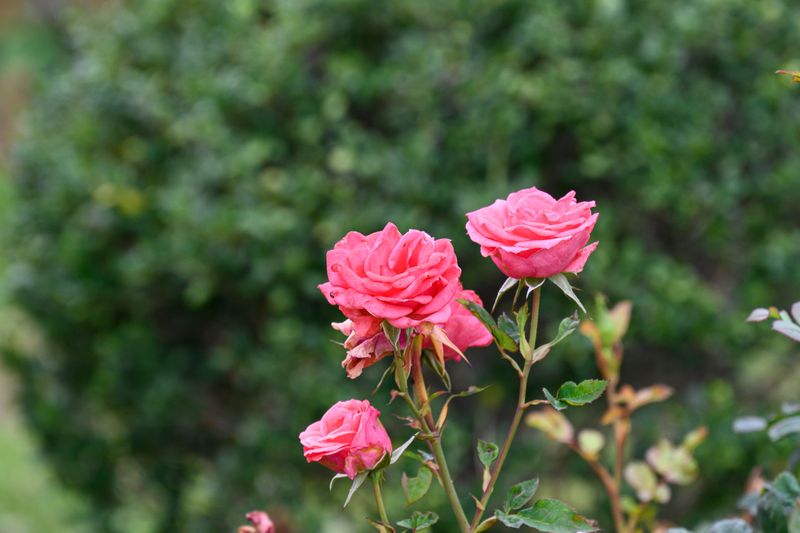
When the Knock Out rose first arrived, it reset what gardeners expected from roses. The improved varieties in the series are building on that shift.
The newest additions to the Knock Out lineup offer expanded color options, including coral, blush pink, and a striking double yellow that holds its color even in intense heat. These are not your grandmother’s fussy hybrid teas requiring weekly spray schedules.
Disease resistance remains the cornerstone of the series. Black spot, a persistent problem for rose growers everywhere, barely gets a foothold on Knock Out foliage even in Virginia’s wet spring conditions.
Improved varieties also show stronger rebloom cycles, pushing out fresh flower clusters every five to six weeks through the growing season. That consistent color makes them dependable anchor plants in a landscape design.
These roses are drought tolerant once established, which suits Virginia’s unpredictable summer rainfall patterns well. A deep watering once a week is usually all they need after the first growing season.
Pruning is refreshingly simple. A hard cutback in late winter and light pruning through the season is all the maintenance the improved Knock Out series requires to look sharp year after year.
Planting improved garden varieties like these Knock Out roses in a sunny spot with good air circulation sets them up for long-term success.