The Common July Yard Mistake That Can Attract Roaches In Florida
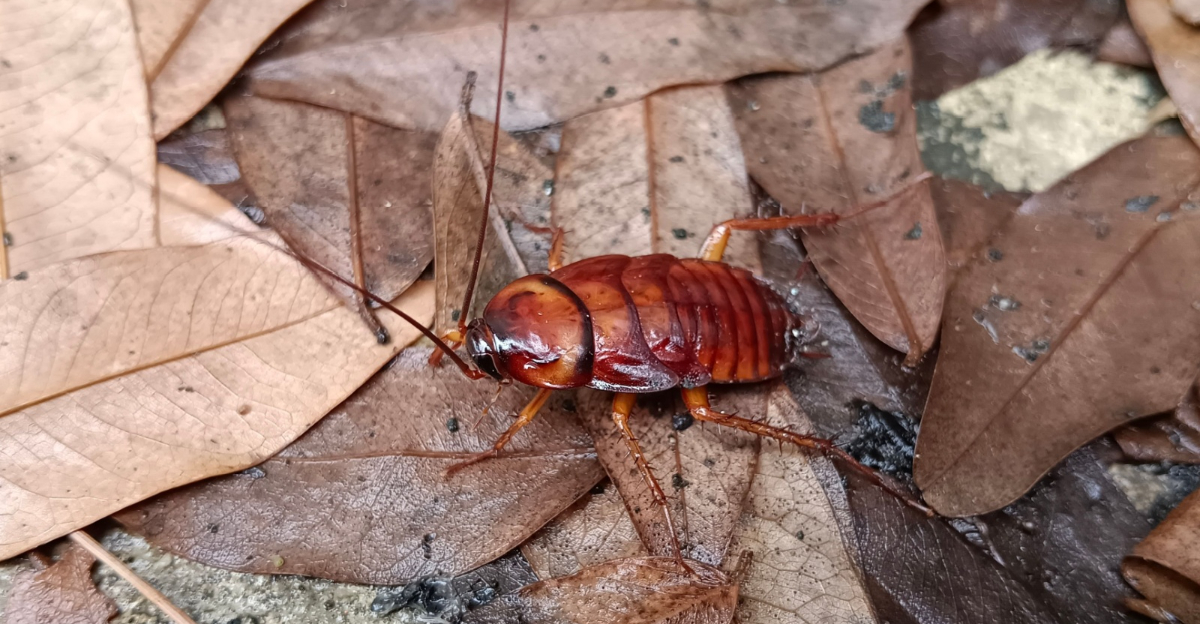
July in Florida can turn a neat yard into a five-star roach hideout faster than you can say, “Didn’t I just clean this?”
One storm rolls through, leaves stick to the patio, mulch stays soggy, fruit drops under the tree, and the whole area starts offering shade, moisture, and snacks. Very generous, but not exactly ideal.
The mistake is not having plants, mulch, or a pretty landscape. The real problem is letting damp organic clutter sit too close to the house during peak rainy season.
Roaches are drawn to dark, moist, protected spots, especially near garages, doors, porches, and foundation beds. A little perimeter cleanup can make your yard far less tempting before it starts feeling like a bug buffet.
1. Damp Leaf Piles Create Easy Roach Shelter
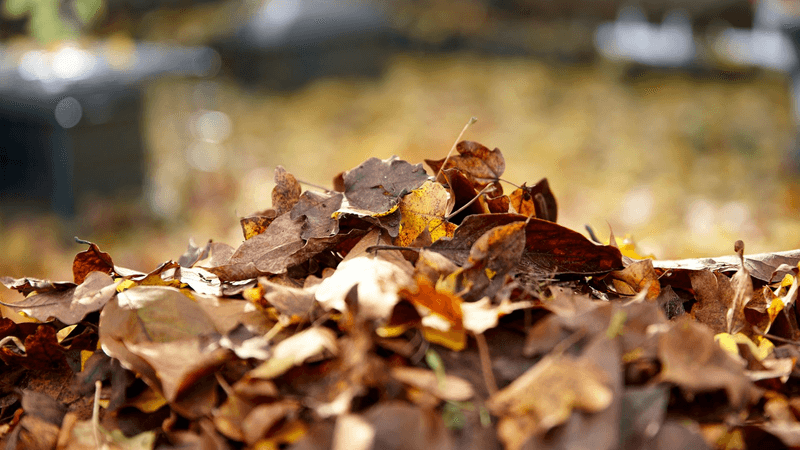
Wet leaves gathered against a patio, garage edge, or foundation wall can create exactly the kind of cool, dark, sheltered space that roaches find appealing.
In Florida, July rain comes fast and heavy, and leaves that blow against the house can soak through and stay wet for days at a time.
That layer of damp organic material sitting close to the ground near your walls is worth paying attention to.
Leaves breaking down in a managed compost area farther from the house are a different story.
The concern is really about leaf litter that accumulates right against steps, door thresholds, corners, and walls where roaches can move between the yard and the home more easily.
Even a small, soggy pile wedged into a corner can hold moisture long after the rain stops.
Checking those spots regularly during Florida’s rainy season is a simple habit that can make a noticeable difference.
Raking leaves away from walls, clearing debris from patio edges, and keeping the area around doors and steps clear of organic buildup are all practical first steps.
A dry, open edge near the foundation gives roaches fewer reasons to linger close to the house. It does not require a perfectly bare yard, just a clean perimeter that dries out reasonably well after each summer storm rolls through.
2. Thick Mulch Holds Moisture Near The House
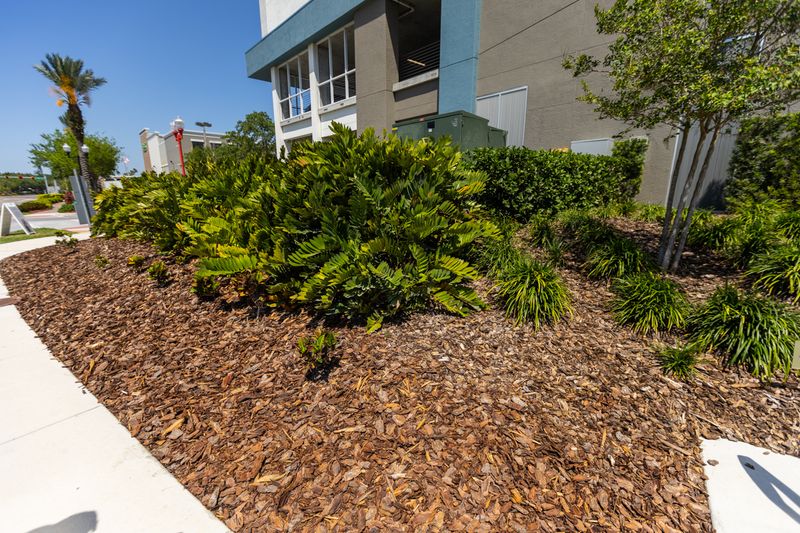
Mulch is genuinely useful in Florida landscapes. It helps regulate soil temperature, slows evaporation, and keeps roots from drying out too quickly between rains.
The problem is not using mulch at all. The problem is when mulch gets piled on thick and pressed right up against the house, where it can stay wet for long stretches after each rainstorm.
During July, Florida’s rainy season is in full swing, and mulch near the foundation may rarely get a chance to dry out.
Thick, soggy mulch against siding, door frames, or weep holes can hold moisture at the base of the wall and create a sheltered environment that roaches may find comfortable.
A general guideline from landscape and pest-management professionals is to keep mulch at a modest depth and to pull it back so it is not in direct contact with the house structure itself.
Your Florida Garden Changes Every Week. Your Plan Should Too.
Gardening in Florida changes quickly throughout the season. Every Friday you’ll receive a simple weekly plan showing exactly what to plant, prune, fertilize, harvest, and protect so you never miss the right timing.
Pulling mulch a few inches away from the siding, threshold, and any wall openings is an easy adjustment that most homeowners can handle in an afternoon.
Keeping the layer thinner near the foundation, rather than building it up season after season, also helps the soil and mulch surface dry faster after rain.
Florida yards can still look well-maintained and healthy with properly managed mulch. It just takes a little attention to where that mulch sits and how deep it gets closest to the home.
3. Fallen Fruit Turns Into A Food Source
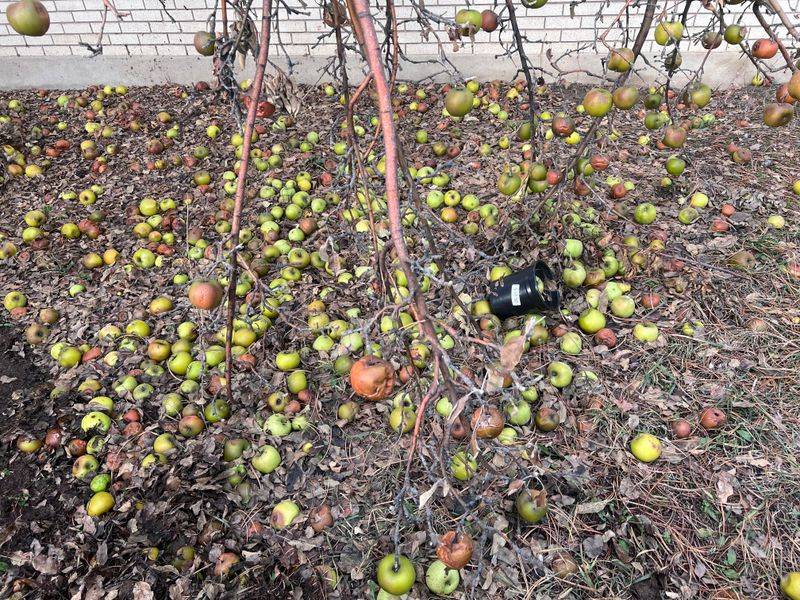
Fruit trees are a wonderful part of many Florida yards, but July heat and rain can make fallen fruit soften and break down very quickly.
A mango, avocado, citrus, or fig that drops to the ground might look harmless at first, but within a day or two in Florida summer conditions, it can become soft, fermented, and attractive to a range of insects and pests.
Roaches are opportunistic feeders, and soft, decaying organic matter on the ground near the house can serve as a food source.
When fruit falls regularly and is not picked up, it can create a consistent draw near the base of the tree and, depending on how close that tree is to the home, near the foundation as well.
The combination of food, moisture from rain soaking into the fruit, and shade from the tree canopy can make that spot more inviting than an open, dry patch of lawn.
Checking under fruit trees a few times a week during heavy fruiting periods is a practical habit for Florida homeowners.
Picking up fallen fruit before it fully softens, and disposing of it away from the house rather than leaving it in a pile nearby, can reduce the food signal near the yard.
It does not have to be a daily chore, but regular attention during peak fruiting months makes a real difference in keeping the area around fruit trees cleaner and less inviting.
4. Yard Waste Piles Stay Too Damp In July
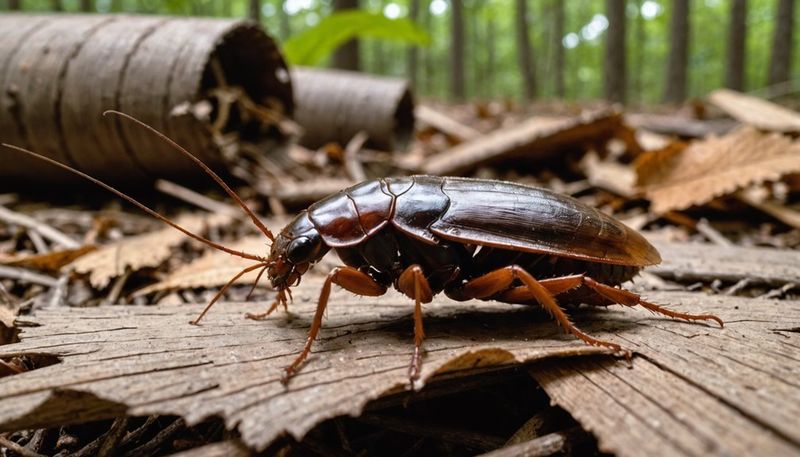
Bagged yard waste or loose piles of pulled weeds, grass clippings, and trimmed palm fronds sitting near the garage, porch, or back wall can stay surprisingly wet during Florida’s rainy season.
When you trim back plants or clear out beds after a storm, those clippings and fronds can hold a significant amount of moisture, especially if they are packed together or set against a wall where airflow is limited.
In July, Florida gets enough rain that yard waste left in place for even a few days can become a damp, decomposing mass. That kind of material can offer roaches both shelter and some degree of food source as it breaks down.
The closer the pile sits to the house, the more it may act as a bridge between the yard and the home structure itself.
It is a common scenario: homeowners do a big weekend cleanup and leave the bags or piles near the garage until trash day, not realizing the debris is staying wet and sitting right against the wall.
Moving yard waste away from the house as soon as it is collected, bagging it securely, or setting it out at the curb promptly can reduce that risk.
If pickup is a few days away, storing bags away from the house wall rather than stacking them directly against siding or a door gives the material less opportunity to become a problem.
Small adjustments in where you stage yard waste can make a meaningful difference during Florida’s long summer rainy season.
5. Overwatered Beds Make The Problem Worse
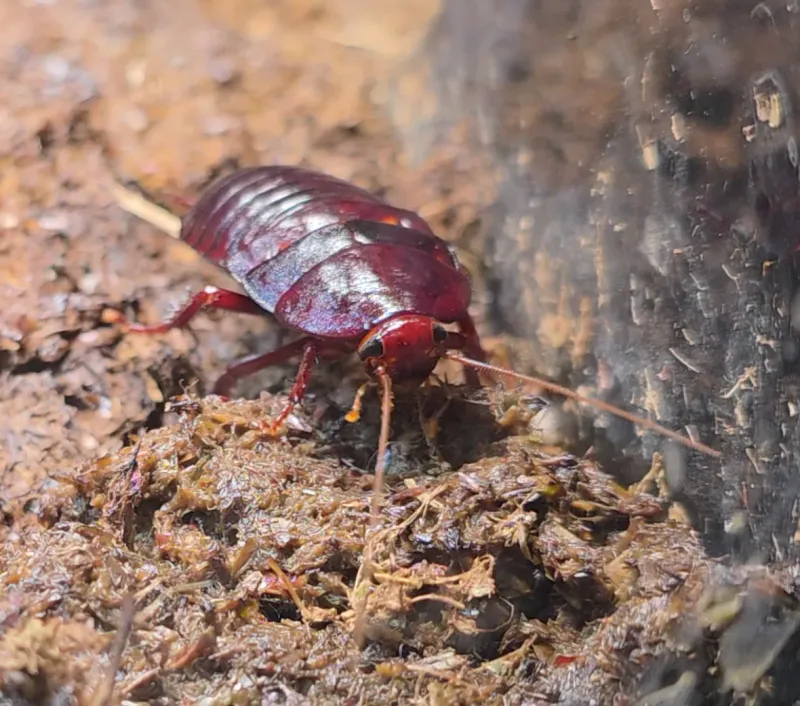
Sprinkler systems set on a fixed schedule during Florida’s dry season often keep running right through the rainy season without anyone adjusting them.
By July, afternoon storms may already be delivering several inches of rain each week, so irrigation running on top of that can keep foundation beds much wetter than they need to be.
Soggy soil that never really dries out between waterings creates conditions that some pests, including roaches, may find more comfortable.
Constantly damp mulch, wet soil pressed against the foundation, and standing water in low spots near beds are all worth checking when you notice pest activity increasing around the home perimeter.
Florida’s rainy season does a lot of the watering work on its own during July and August, so irrigation schedules often need to be scaled back significantly or paused during periods of frequent rain.
Checking the soil in foundation beds before running irrigation is a good habit. If the top inch or two of soil still feels damp, the bed probably does not need more water that day.
Letting beds dry out a bit between watering cycles can help reduce the consistently moist conditions near the house that make the area more inviting to pests.
Rain sensors and smart irrigation controllers can also help by automatically skipping scheduled runs when recent rainfall has already provided enough moisture.
Small irrigation adjustments during Florida’s summer can have a noticeable effect on how wet the edges around your home stay throughout the season.
6. Stacked Firewood Gives Roaches Hiding Spots
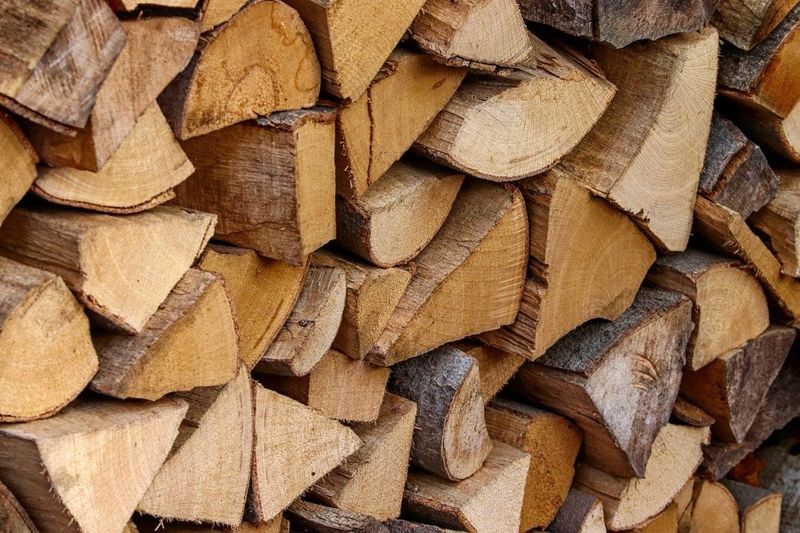
Firewood stacked against the house or stored in a shaded corner of the yard can create a network of dark, protected gaps that roaches and other pests may use as hiding spots.
Wood piles tend to hold moisture, especially in Florida’s summer humidity, and the spaces between logs can stay cool and damp long after the surrounding yard has dried out.
That combination of darkness, shelter, and moisture is worth paying attention to when thinking about pest-friendly conditions near the home.
Keeping firewood stored neatly and away from the house is a common recommendation from pest-management professionals.
Even moving a wood stack a few feet away from the exterior wall can reduce the likelihood that roaches sheltering in the pile have easy access to the house.
Elevating wood off the ground on a rack or platform also helps by improving airflow underneath and reducing the amount of ground moisture the wood absorbs.
In Florida, most households are not burning firewood in July, so summer is actually a good time to assess where the wood pile sits and whether it needs to be repositioned.
If the wood is stored right against the garage wall, siding, or near a door, moving it to a spot farther from the house is an easy adjustment.
Covering the top of the pile loosely to keep rain off while still allowing airflow can also help keep the wood drier overall. A well-positioned, dry stack of firewood is far less inviting than a wet pile pressed against the wall.
7. Crowded Foundation Plants Trap Humidity
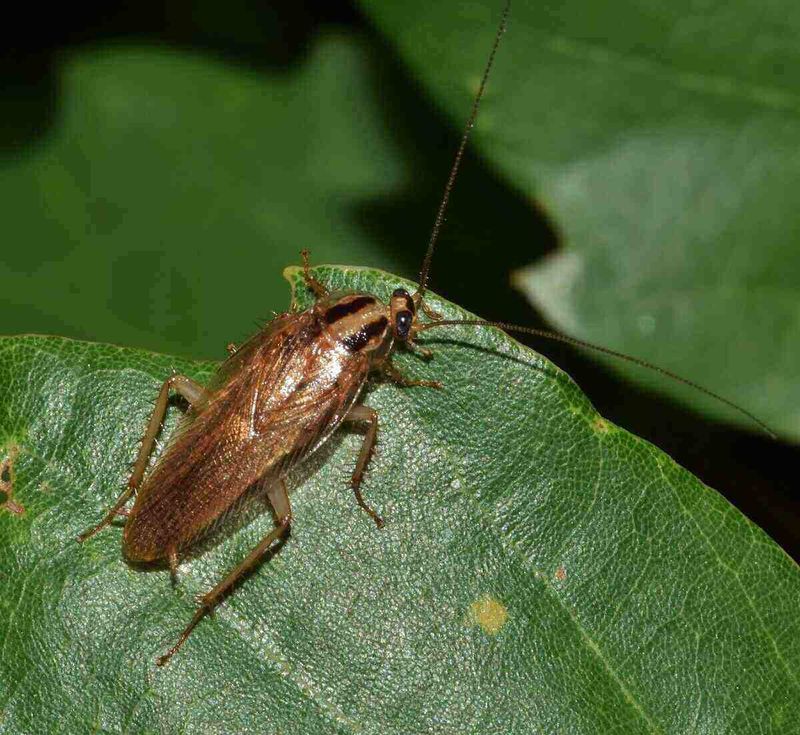
Shrubs, ornamental grasses, and vines that have grown right up against the house can trap humidity along the foundation edge in ways that are easy to overlook. After a Florida summer storm, those dense plants slow down drying significantly.
The soil, mulch, and wall surface behind crowded foundation plantings may stay damp for much longer than open areas of the yard, creating a consistently humid microclimate right at the base of the house.
Dense growth close to the foundation also makes it harder to inspect the perimeter of the house.
Roaches and other pests tend to prefer areas where they are less likely to be disturbed, and thick, overgrown shrubs pressed against the wall can provide that kind of undisturbed shelter.
Gaps between the plants and the wall, especially near weep holes or utility entries, can go unnoticed when the plantings are too crowded to see through clearly.
Trimming foundation plants back so there is some open space between the foliage and the exterior wall improves airflow, allows the foundation edge to dry faster after rain, and makes it much easier to spot anything unusual along the base of the house.
A general target is maintaining enough clearance that you can walk close to the wall and see the soil and mulch surface clearly.
Florida yards can still have lush, full landscaping and look great without plants growing in direct contact with the siding or foundation.
8. Clean Dry Edges Make The Yard Less Inviting
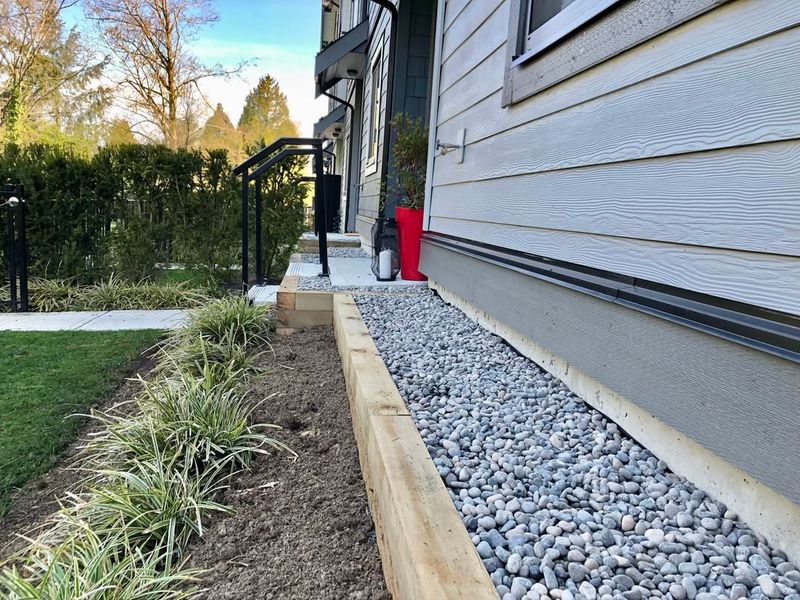
A cleaner, drier edge around the home does not mean stripping the yard down to bare dirt or removing all the plants from the foundation beds.
What it does mean is managing the things that tend to build up during Florida’s rainy season, specifically the debris, moisture, mulch depth, and hidden spots near doors, walls, and patios that can quietly make the area more inviting to roaches over time.
Pulling mulch back from direct contact with the siding, clearing leaf litter from corners and patio edges, picking up fallen fruit regularly, and moving yard waste away from the house are all simple habits that contribute to a drier, less sheltered perimeter.
None of these tasks require special equipment or a full weekend.
Most can be done in short sessions as part of a regular yard routine during the summer months.
Florida homeowners who do a quick walk around the perimeter of the house every week or two during July and August are often the ones who catch these issues before they become bigger concerns.
Looking for spots where debris has gathered, where mulch is piling up thick, where irrigation may be running too long, or where plants have grown in tight against the wall gives you a chance to make small corrections early.
A yard that stays reasonably clear, dry, and open near the foundation is simply a less comfortable place for roaches to settle in close to your home.