9 Great Smoky Mountains Native Plants Every Tennessee Yard Should Have
Many Tennessee gardeners eventually hit the same wall: a yard that looks fine but feels forgettable. The fix isn’t more fertilizer or another trip to the big-box nursery, it’s looking at what already thrives in the hills right outside your door.
The Appalachian foothills have spent thousands of years perfecting a plant lineup built for exactly this climate. These species shrug off humid summers, sudden cold snaps, and clay-heavy soil that would sulk any imported hybrid into submission.
Bring them into your yard and something shifts almost immediately. Bees show up first, then hummingbirds, then the kind of quiet evening buzz that makes a garden feel alive instead of decorative.
None of this requires a green thumb or a weekend of backbreaking labor. It just requires picking plants that were already made for this exact patch of earth, and letting nature do what it does best.
1. Flame Azalea
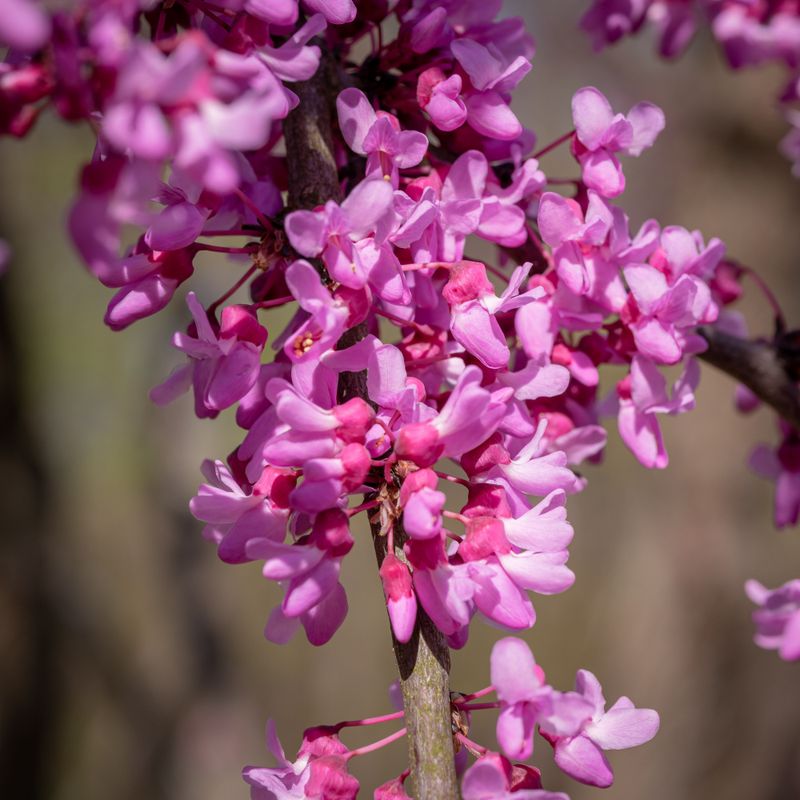
Flame Azalea sets Smoky Mountain hillsides on fire every June with blooms in shades of orange, red, and gold. It’s one of the most photographed native shrubs in the entire region.
Rhododendron calendulaceum, its scientific name, typically reaches 6 to 10 feet at maturity. That makes it an ideal focal point for a border or woodland-style corner of the yard.
The trumpet-shaped flowers arrive in dense clusters just as the spring bloom season reaches its peak. Unlike many ornamentals, this one skips the subtlety entirely.
Flame Azalea prefers partial shade and acidic, well-drained soil, mimicking the forest edges where it naturally grows. A layer of pine needle mulch keeps roots cool and happy through Tennessee summers.
Butterflies and hummingbirds treat the blooms like a seasonal buffet, often visiting within days of the first flush. Plant one where afternoon light hits it, and the color practically glows.
Pair Flame Azalea with ferns, wild ginger, or foamflower for a naturalistic understory that echoes its native habitat. The contrast in texture and height makes the shrub’s color pop even more against softer greenery below.
Look for Flame Azalea at nurseries specializing in native or woodland plants, since big-box stores rarely carry it. Get one in the ground this fall, and next June your yard will have its own private wildfire of color.
2. Flowering Dogwood
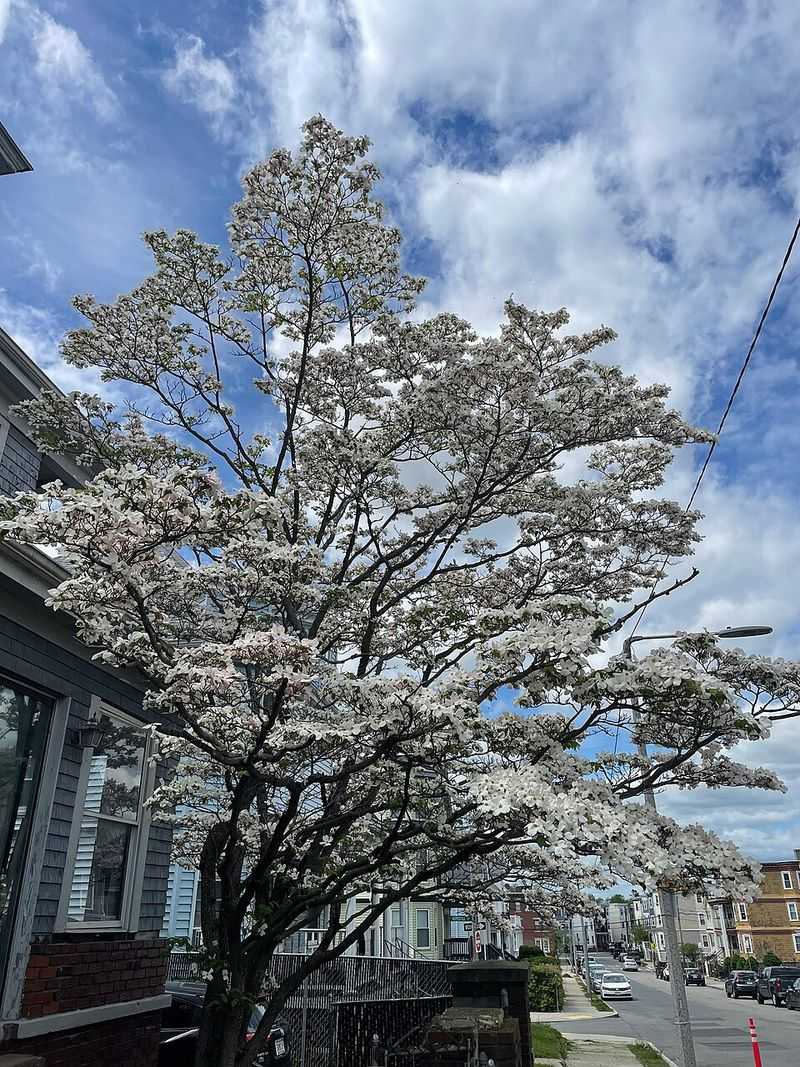
There is something almost sacred about a Dogwood tree in full bloom. White bracts spread wide like open hands, and the whole tree glows against a blue April sky.
Cornus florida is one of the most beloved native trees in Tennessee, and it earned that reputation honestly. Few native plants balance elegance and toughness quite so effortlessly.
Flowering Dogwood grows best in partial shade, making it ideal under larger hardwoods. It naturally mimics its forest understory habitat when planted beneath oaks or maples.
The berries that appear in fall are a critical food source for migrating birds. Thrushes, robins, and cedar waxwings will strip those bright red clusters fast.
This tree does best with consistent moisture but hates soggy roots. Raised planting beds and well-draining soil make a big difference in its long-term health.
Your Tennessee Garden Changes Every Week. Your Plan Should Too.
Gardening in Tennessee changes quickly throughout the season. Every Friday you’ll receive a simple weekly plan showing exactly what to plant, prune, fertilize, harvest, and protect so you never miss the right timing.
One thing many gardeners overlook is the Dogwood’s fall foliage. Leaves turn a deep scarlet red that rivals any maple you have ever admired on a mountain drive.
Dogwood anthracnose can be a concern in cooler, damper mountain microclimates, so good air circulation matters more than people expect. Avoid overhead watering and give the canopy some breathing room to keep the tree resilient for decades.
Native plant enthusiasts across the Great Smoky Mountains region celebrate this tree for good reason. Once yours matures, your yard will feel like a corner of the Smokies all year long.
3. Rosebay Rhododendron
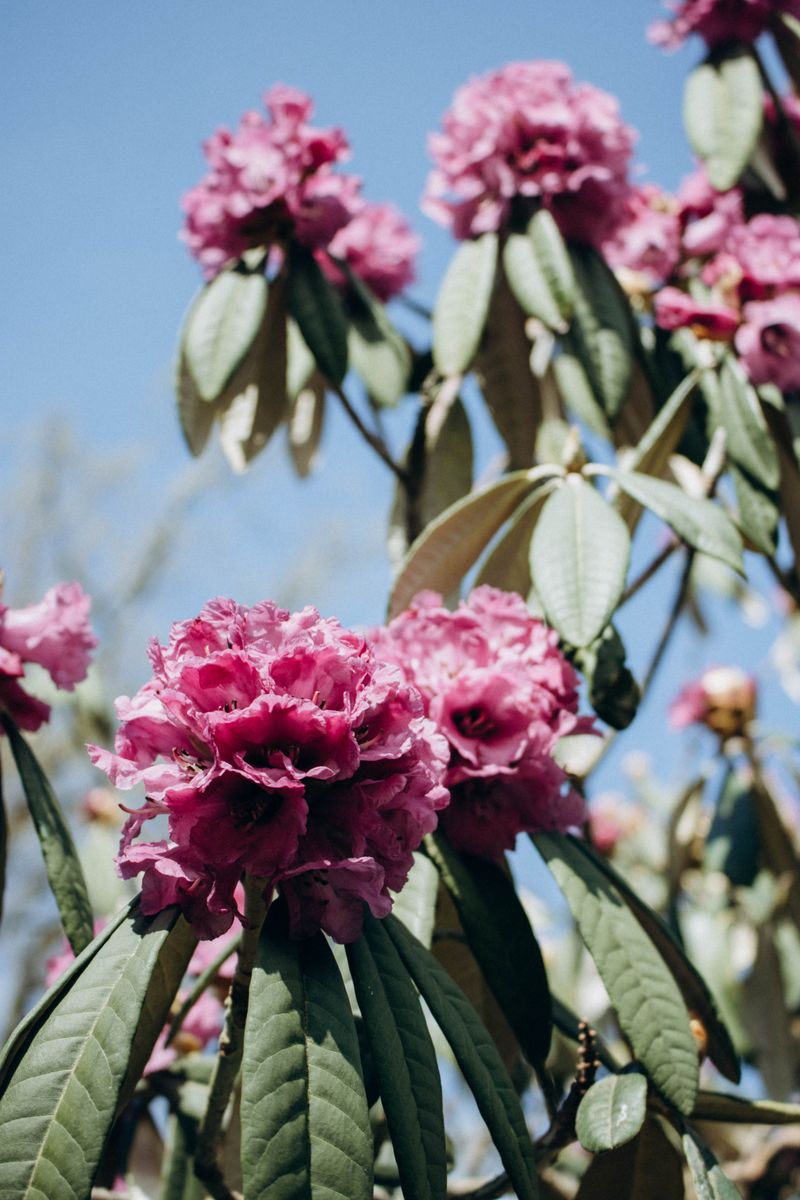
Walk any trail in the Great Smoky Mountains in June and you will be surrounded by walls of Rosebay Rhododendron in bloom. That same magic is absolutely achievable in a shaded Tennessee backyard.
Rhododendron maximum is the largest native rhododendron in North America. It can grow 15 feet tall or more, creating dense, lush privacy screens without a single fence post.
The glossy evergreen leaves stay green all winter, which is a huge bonus when the rest of the garden looks bare. This plant gives your yard structure and life even in January.
Rosebay Rhododendron prefers acidic, moist, well-drained soil and dappled shade. It struggles in hot, dry spots, so pairing it with a canopy tree is a smart move.
The blooms appear in late June to July, later than most flowering shrubs. That staggered timing keeps pollinators fed when other flowers have already faded.
Plant it near a stream, a rain garden, or a shaded corner where moisture lingers. Give it room to spread, and it will reward you with decades of stunning seasonal color.
Few plants capture the wild spirit of the Smoky Mountains better than this one. Neighbors will ask where you got it, and you will smile knowing the secret.
4. Mountain Laurel
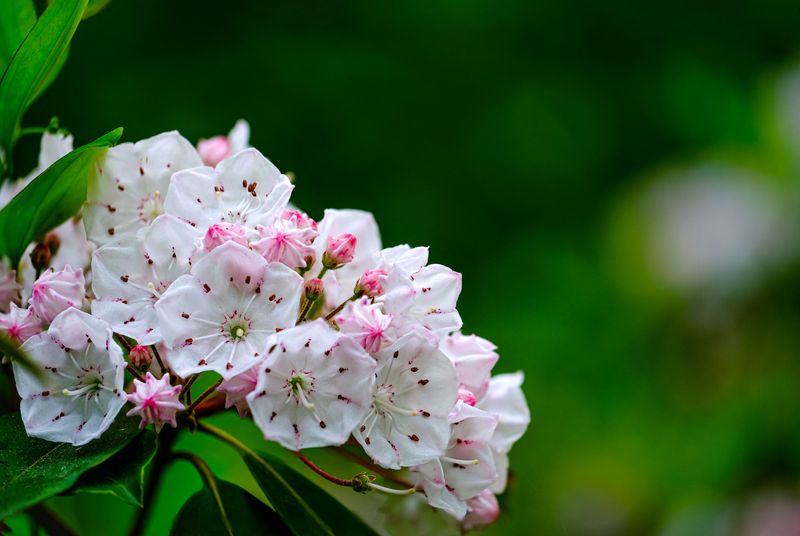
Mountain Laurel looks like it was designed by someone who had never heard the word ordinary. The flowers are intricate, cup-shaped, and arranged in clusters so dense they look almost artificial.
Kalmia latifolia is a slow-growing evergreen shrub native to the Appalachian highlands. It shares the hillsides of the Great Smoky Mountains with Rhododendron, and the two make stunning companions.
In a home garden, Mountain Laurel tops out around 6 to 10 feet. That makes it a perfect mid-sized shrub for foundation plantings or naturalized woodland borders.
Blooms arrive in May and early June, right when spring is hitting its peak stride. The color ranges from pure white to deep pink depending on the cultivar you choose.
Like its Rhododendron neighbor, this plant craves acidic soil and partial shade. Amending your soil with pine bark or peat moss before planting makes a noticeable difference.
Mountain Laurel is toxic to livestock, so keep that in mind if you have goats or horses nearby. For most suburban yards, though, it is simply a gorgeous, low-maintenance native shrub.
Once established, it needs almost no attention beyond a light pruning after bloom. That combination of beauty and independence makes it one of the smartest plants in this entire list.
5. Serviceberry
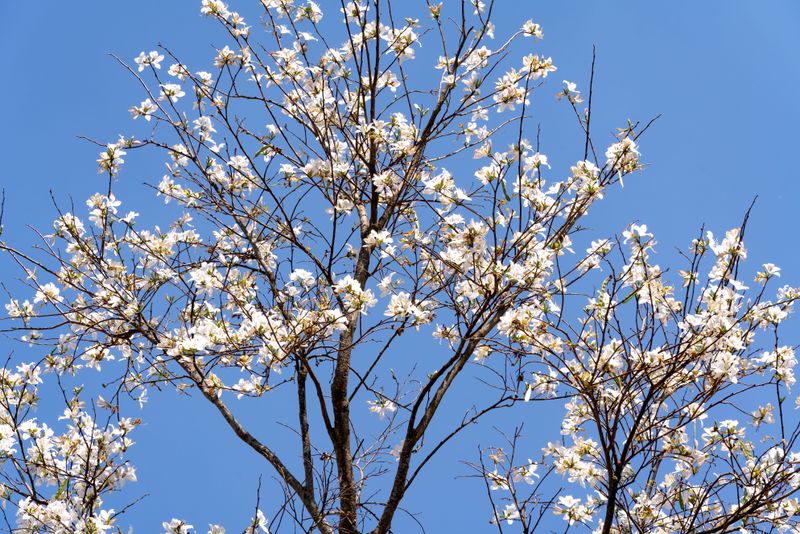
Serviceberry blooms so early in spring it almost feels like a dare. When everything else is still dormant, this native tree bursts into white blossoms that practically glow in the cold morning air.
Amelanchier arborea, also called Downy Serviceberry, is a multi-season powerhouse. Spring flowers give way to sweet, blueberry-like fruit that birds and humans both find irresistible.
The fruit ripens in June, earning Serviceberry another nickname: Juneberry. You can eat the berries fresh, bake them into pies, or just watch the cedar waxwings beat you to them.
Fall color on this tree is genuinely spectacular. Leaves shift through orange, red, and gold, making it one of the most underrated autumn trees in the entire Southeast.
Serviceberry grows 15 to 25 feet tall and handles a wide range of soil conditions. It adapts to both sun and partial shade, which makes placement decisions much easier for most gardeners.
Plant it near a patio or deck where you can enjoy the spring blossoms up close. The fragrance is light and sweet, nothing overpowering, just pleasant enough to notice on a calm morning.
Great Smoky Mountains hikers often spot Serviceberry along rocky ridgelines in early spring. Bringing one home connects your Tennessee yard to that wild, high-altitude beauty in a very real way.
6. Cardinal Flower
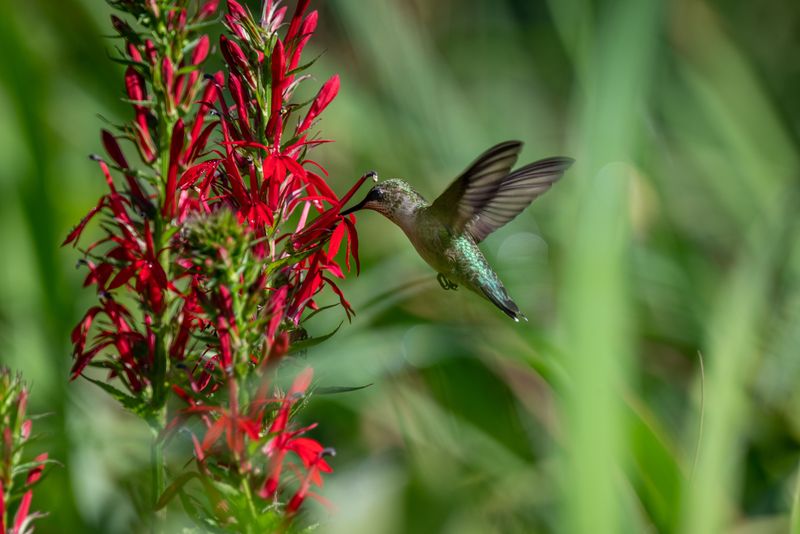
Hummingbirds lose their minds over Cardinal Flower. Plant it near a window, pull up a chair, and prepare to have your afternoon completely hijacked by tiny hovering acrobats.
Lobelia cardinalis produces tall spikes of the most electric red you will find in any native garden. The color is almost unreal, like someone turned up the saturation on the whole plant.
This perennial thrives in moist to wet soil and full to partial sun. It naturally grows along streambanks and pond edges throughout the Great Smoky Mountains watershed.
In a home garden, tuck it near a rain garden, a downspout, or any low spot that stays moist. It will spread slowly over time, filling in beautifully without becoming aggressive.
Cardinal Flower blooms from July through September, filling a gap when many other natives have already finished. That late-summer timing makes it a critical fuel stop for hummingbirds heading south.
The plant self-seeds reliably, so you often get bonus plants the following year in unexpected spots. Rather than pulling them, let them find their own best locations around the garden.
Standing about 3 to 4 feet tall, it adds vertical drama to any planting bed. Few native plants deliver this much wildlife value with this little effort from the gardener.
7. Foamflower
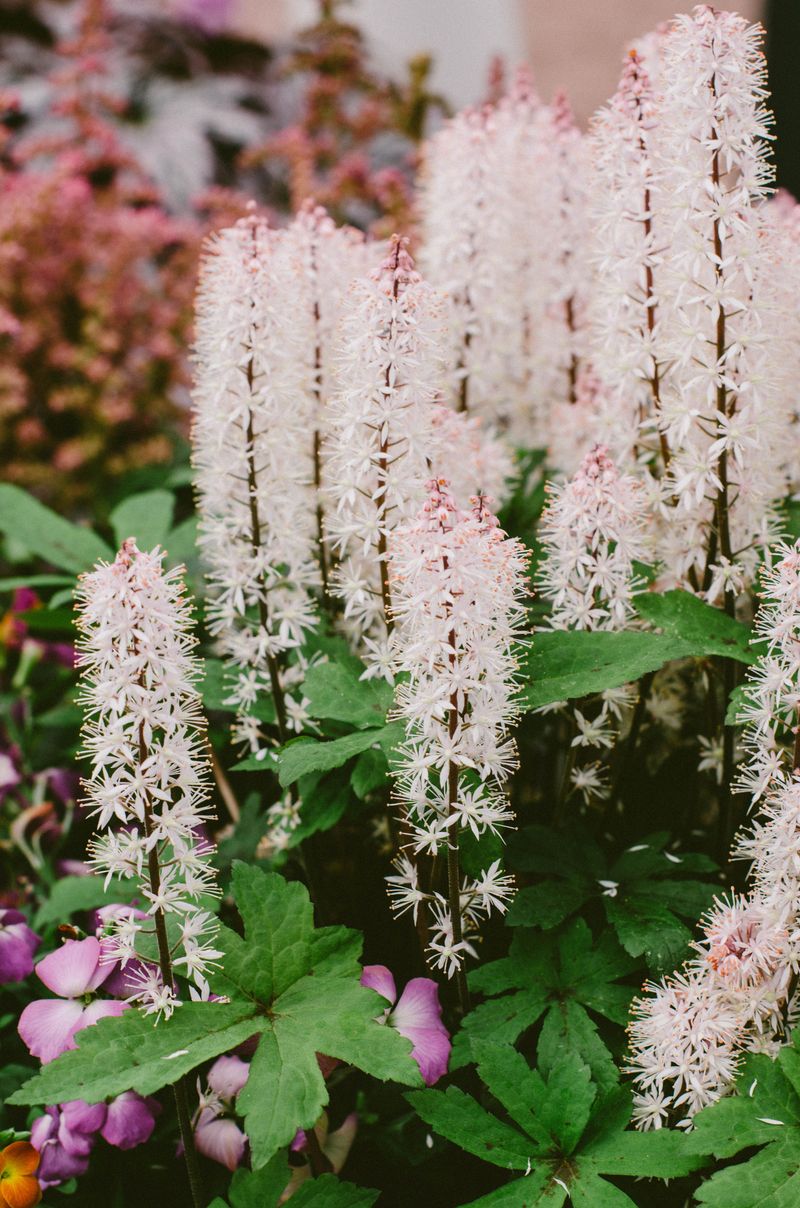
Foamflower earns its name the moment it blooms. Fluffy white spikes rise above a carpet of textured leaves, looking exactly like sea foam frozen mid-wave in a shaded garden corner.
Tiarella cordifolia is a low-growing native perennial perfect for those tricky shaded spots where nothing else seems to cooperate. It spreads gently by runners, slowly filling in bare ground under trees.
The leaves are deeply lobed and often marked with burgundy veining that gets more dramatic as temperatures drop in fall. Even without flowers, this plant is worth growing for foliage alone.
Blooms appear in April and May, offering early-season nectar for native bees before many other plants have woken up. That early contribution to the pollinator community is genuinely significant.
Foamflower prefers rich, moist, well-drained soil and moderate to deep shade. Amend your planting area with compost and leaf mold to mimic its natural forest floor habitat.
It pairs beautifully with Trillium, ferns, and Wild Ginger in a layered shade garden design. That combination recreates the exact look of a Great Smoky Mountains forest floor.
Once established, Foamflower is remarkably drought-tolerant for a shade plant. It is one of those quiet overachievers that makes the whole garden look more intentional and alive.
8. Trillium
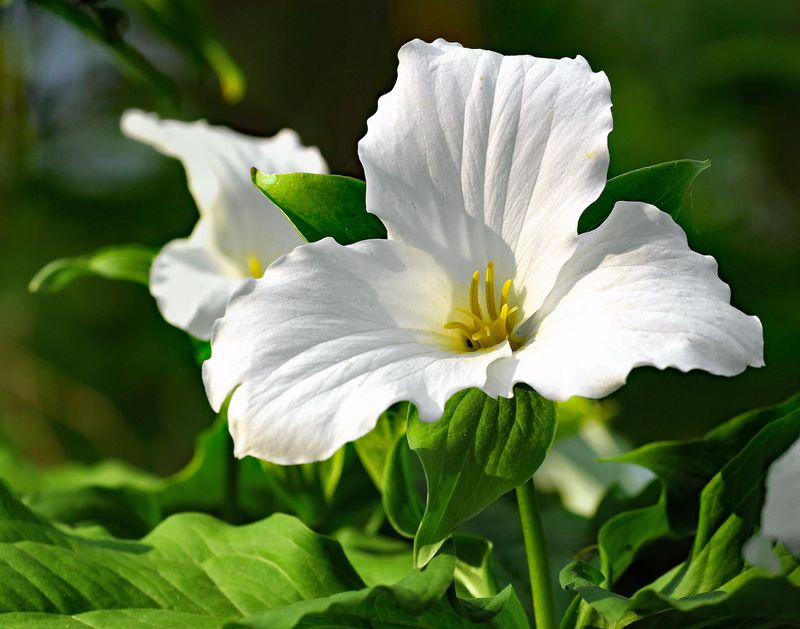
Finding a Trillium in the wild feels like stumbling onto a secret. That same quiet thrill is yours to keep when you grow one in a shaded corner of your own Tennessee yard.
Trillium grandiflorum, the Large-flowered Trillium, is among the most beloved wildflowers in the Smoky Mountains. Three bold white petals fade to soft pink as the bloom ages, creating a built-in color show.
This plant grows slowly from a rhizome and can take several years to reach blooming size. Patience is the price of admission, and experienced native gardeners agree it is well worth the wait.
Trillium needs deep shade, rich humus-heavy soil, and consistent moisture throughout the growing season. Planting beneath a mature deciduous tree gives it the ideal combination of shade and leaf litter nutrition.
Digging Trillium from the wild is illegal in protected areas like the Smokies, and wild-collected plants rarely survive transplanting anyway. Source yours from reputable native plant nurseries only.
Once established, it spreads slowly into colonies that look genuinely magical in spring. A patch of blooming Trillium beneath a canopy of Serviceberry and Dogwood is something you will never stop appreciating.
Great Smoky Mountains native plant enthusiasts consider Trillium a crown jewel of the woodland garden. Adding it to your yard is a long-term investment in beauty that pays forever.
9. Spicebush
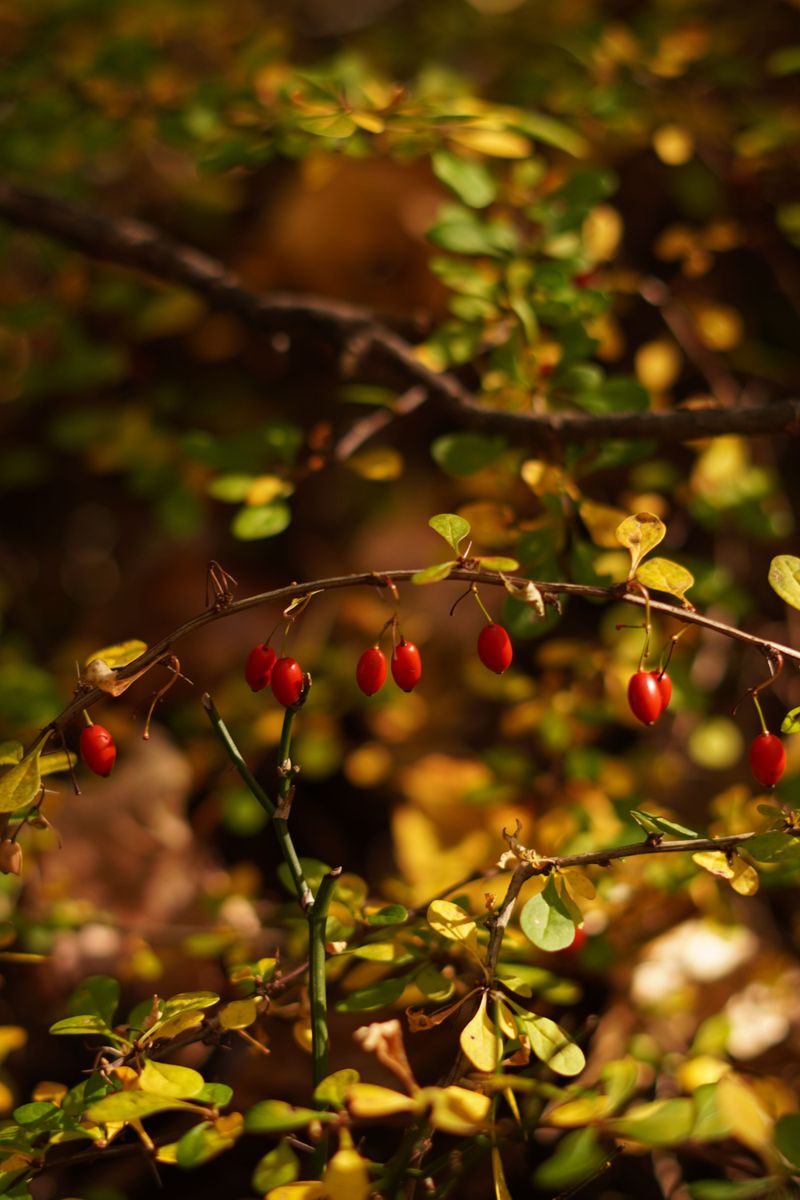
Crush a Spicebush leaf between your fingers and the scent hits you like a warm memory you cannot quite name. Spicy, fresh, and unmistakably wild, it is one of the most sensory plants on this list.
Lindera benzoin is a native shrub that blooms in late winter before almost anything else dares to open. Those tiny yellow flowers are a critical early food source for native bees emerging from winter.
Female plants produce bright red berries in fall that are beloved by migrating songbirds. Wood thrushes, veeries, and other forest birds specifically seek out Spicebush on their southward journeys.
This shrub grows 6 to 12 feet tall and wide, making it a solid choice for naturalized borders or rain garden edges. It handles wet soil conditions far better than most ornamental shrubs.
Spicebush is also the host plant for the Spicebush Swallowtail butterfly. Caterpillars feed on the leaves, and the resulting butterflies are among the most stunning in the eastern United States.
Fall foliage turns a clean, bright yellow that lights up shaded areas of the yard. Few shrubs offer this combination of wildlife value, fragrance, and seasonal color all in one package.
Planting Spicebush connects your Tennessee yard to the full ecological web of the Great Smoky Mountains. That connection is the whole point of gardening with native plants in the first place.