Norway Maples Are Quietly Affecting New Jersey Yards, Here’s What Homeowners Should Do
That leafy Norway maple giving your yard summer shade might be doing more than you think. This species has settled into countless properties across New Jersey.
Most homeowners don’t realize what’s happening beneath the surface. The roots spread wide and shallow. They push against driveways, sidewalks, and foundations.
Cracks can show up long before you’d expect any trouble. The dense canopy also blocks sunlight so effectively that grass and native plants nearby often struggle to keep up.
In New Jersey, this has become a real concern for anyone trying to maintain a healthy, balanced yard.
If one of these trees is growing on your property, this isn’t just a minor landscaping detail. It’s something that can turn into a costly project the longer it goes unaddressed. Here’s what you actually need to know before it gets there.
1. Prune Weak Or Crossing Branches Regularly
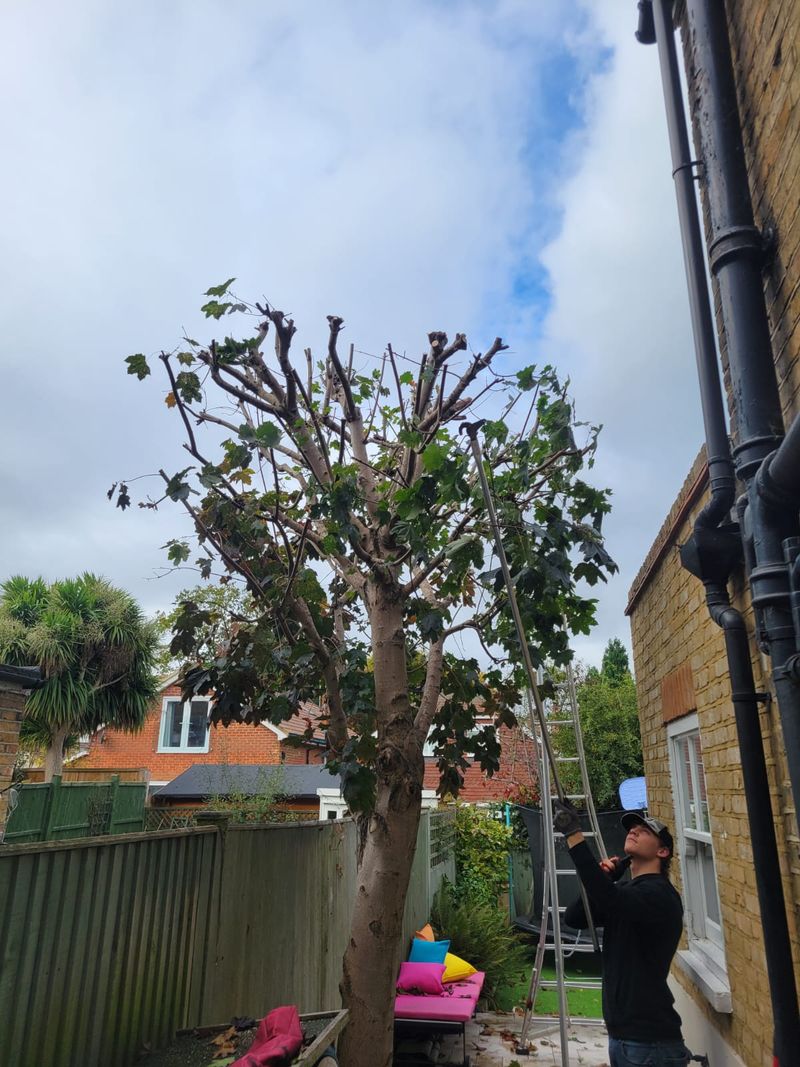
Grab your loppers and take a good look up. Norway maples grow fast, and that speed comes with a cost: weak, awkward branches that rub together and invite trouble.
Crossing branches are a common but overlooked problem. When two limbs rub against each other, they create open wounds that give fungi and pests an entry point.
Pruning these branches early keeps the tree structurally sound. A well-shaped canopy is also less likely to lose limbs during New Jersey’s fierce nor’easters or summer thunderstorms.
A good time to prune is during dormancy, after the leaves have dropped and before new growth begins. At that point, the tree is dormant, and you can clearly see the branch structure without leaves blocking your view.
Focus on removing branches that grow inward toward the trunk. Also cut any that form a tight V-shaped angle, since those joints tend to split under heavy snow or wind loads.
Always use clean, sharp tools to make smooth cuts. Ragged cuts heal slowly and attract more disease than clean ones do.
Don’t remove more than 25 percent of the canopy in a single season. Over-pruning stresses the tree and can trigger a flush of weak, bushy regrowth called water sprouts.
Regular pruning sessions every two to three years keep things manageable. Staying consistent now means fewer emergency situations and a healthier tree overall.
2. Monitor Roots For Sidewalk Or Foundation Damage
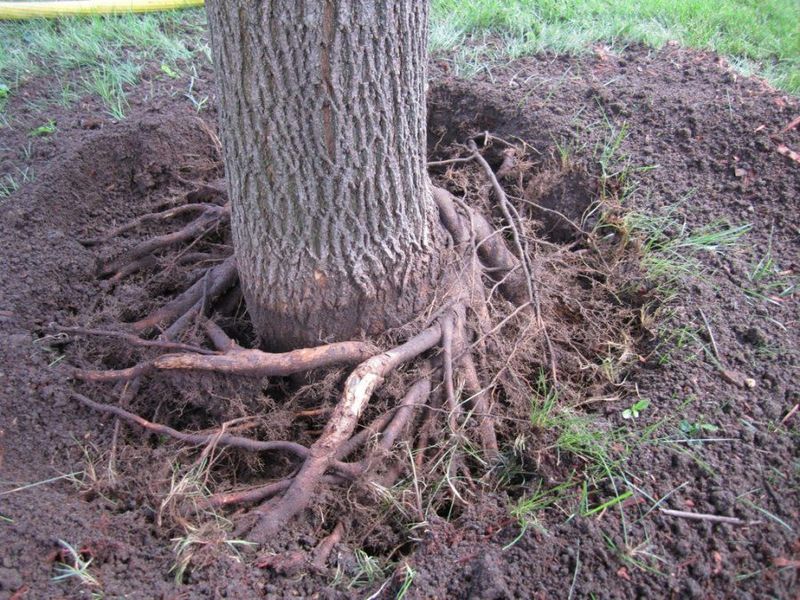
Your sidewalk didn’t crack itself. Norway maples are known for extensive surface roots that push up pavement, buckle driveways, and creep toward home foundations with considerable force.
These roots grow wide, not deep. They spread far beyond the canopy edge, searching for water and nutrients in every direction they can reach.
Walk the perimeter of your property and look for raised or cracked concrete. Pay close attention to areas within 20 feet of the trunk, where root pressure tends to be strongest.
Check your foundation walls for hairline cracks, especially on the side closest to the tree. Roots rarely punch straight through concrete, but they do exploit existing weak spots and make them worse over time.
If you spot early damage, act before it escalates. A small sidewalk repair costs a few hundred dollars, but a compromised foundation can run into the tens of thousands.
Root barriers made of thick plastic sheeting can redirect growth away from structures. These are installed vertically in the soil and work best when placed before roots reach the problem area.
Talk to your local municipality if roots are lifting public sidewalks. In many towns, responsibility for repairs can be shared between homeowners and the city, depending on where the tree sits.
Catching root damage early makes a real difference. A quick monthly walk around your yard takes five minutes and could save you a costly repair later.
3. Remove Seedlings Before They Spread Invasively
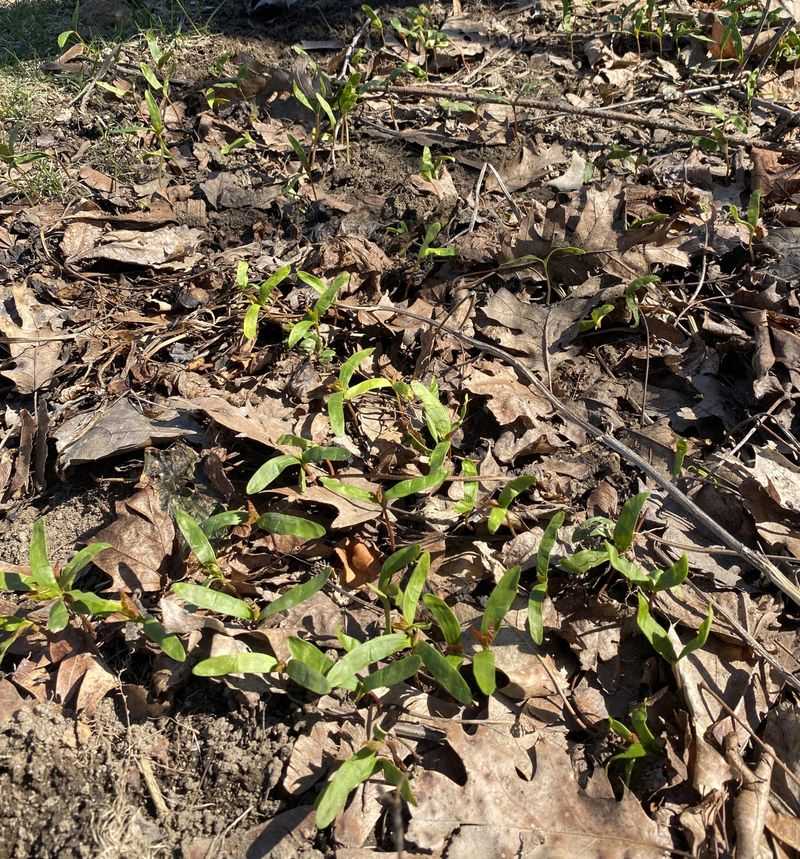
A mature Norway maple can produce thousands of seeds in a single season, which is one reason garden beds can suddenly fill with tiny unwanted trees.
The seeds, called samaras, spin down like little helicopters and sprout almost anywhere: flower beds, lawn edges, fence lines, even gutters. They germinate quickly and establish surprisingly deep roots for such small plants.
Pull seedlings as soon as you spot them, ideally in spring when the soil is soft after rain. Young plants come out easily with your hands or a basic hand trowel.
Wait too long, and the job gets much harder. A seedling left for even one full season develops a root system that snaps off at the base when you pull, leaving the root behind to regrow.
Check shaded areas especially carefully. Norway maple seedlings thrive in low-light conditions, which is one reason they outcompete native species so effectively in wooded edges and understories.
Don’t compost pulled seedlings if they have seeds attached. Toss them in a sealed bag for trash pickup instead, since compost piles rarely get hot enough to prevent germination.
If the infestation is large, a targeted herbicide applied directly to seedling leaves can help. Always follow label instructions and avoid spraying near desirable plants or water sources.
Staying on top of seedling removal each spring is the single most effective way to stop Norway maple spread on your property.
4. Water Deeply During Prolonged Dry Spells
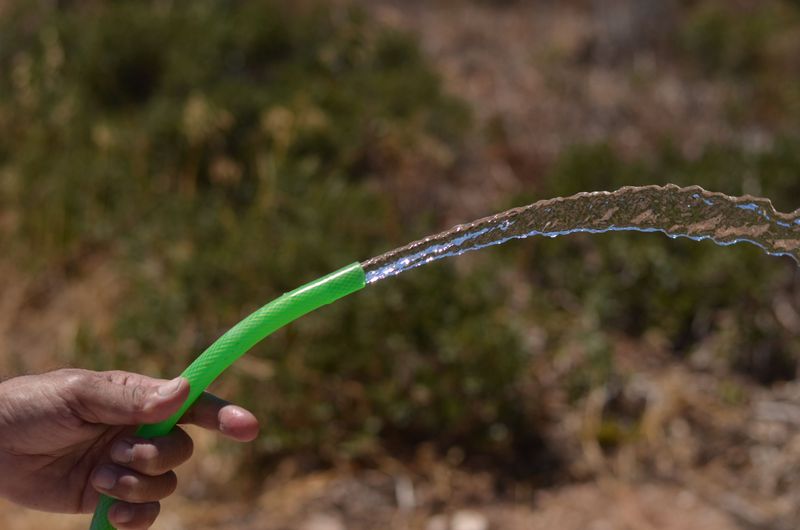
Even tough trees get thirsty. Norway maples are more drought-tolerant than most, but a long stretch of dry summer or fall weather in New Jersey can still push them toward stress.
A stressed tree is a vulnerable tree. Drought weakens a maple’s natural defenses, making it far more susceptible to fungal infections, bark-boring insects, and branch dieback.
When rain stays away for two weeks or more, give your tree a deep soak. Shallow, frequent watering is actually counterproductive because it encourages roots to stay near the surface instead of going deeper.
Place a soaker hose or drip line in a wide circle around the tree, roughly at the drip line edge. Let it run slowly for an hour or two so water penetrates 12 to 18 inches into the soil.
Avoid spraying water directly at the trunk base. Keeping the root flare consistently wet encourages rot and can attract certain fungal pathogens that love moist bark.
Mulching around the base of the tree helps retain soil moisture between watering sessions. Use two to three inches of wood chip mulch spread in a wide ring, keeping it a few inches away from the trunk itself.
Young Norway maples need more frequent watering than established ones. If your tree is under five years old, check soil moisture weekly and water whenever the top two inches feel dry.
A well-hydrated tree handles heat, pests, and disease far better than a parched one ever could.
5. Inspect For Tar Spot Or Fungal Disease
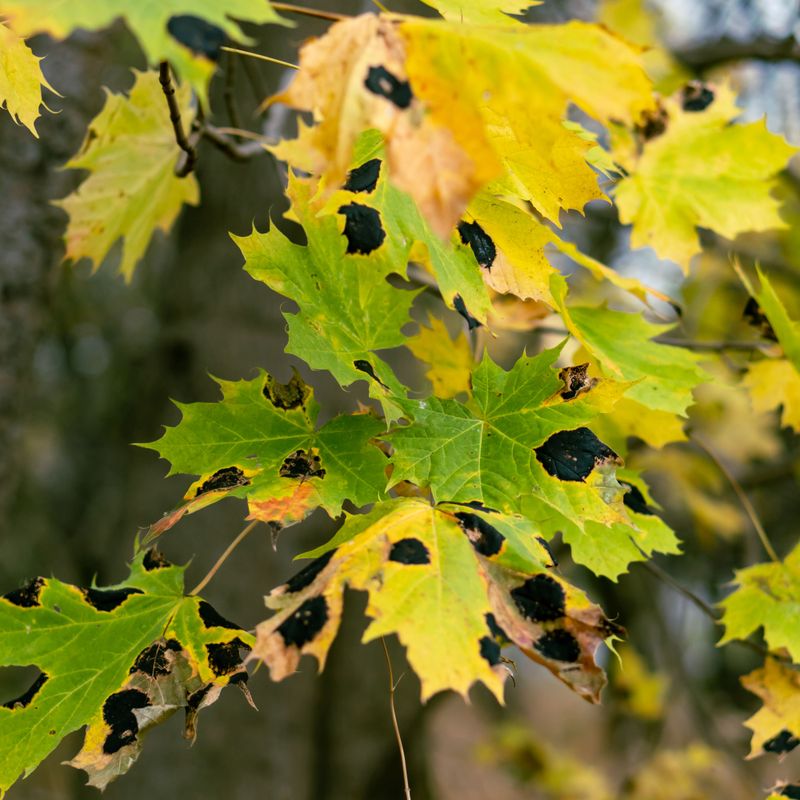
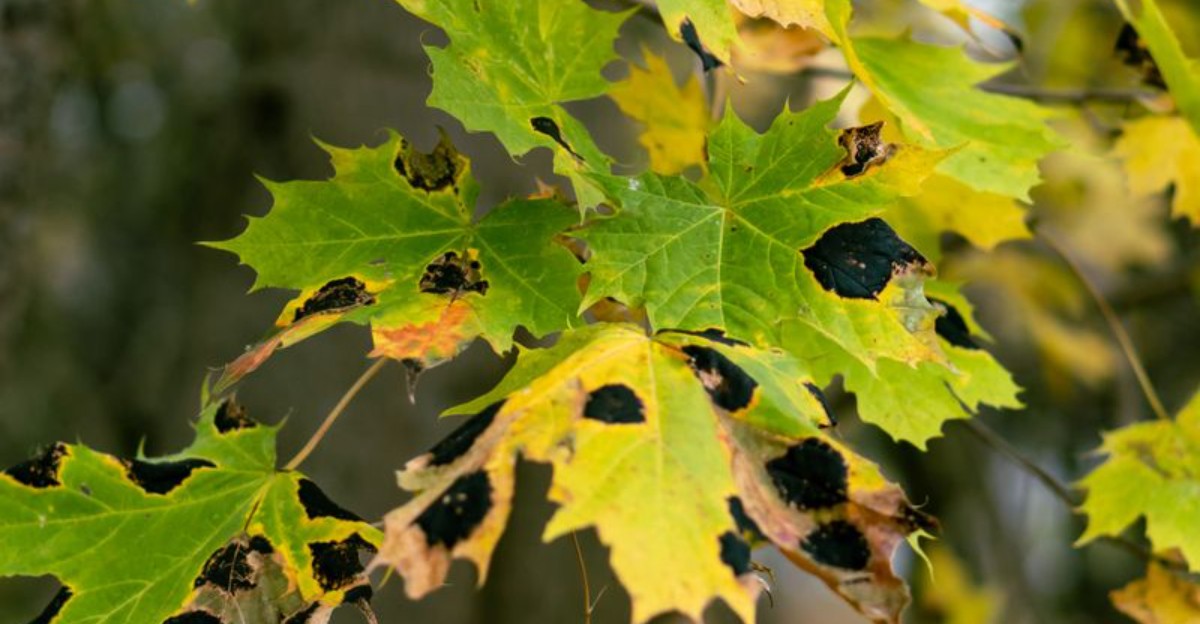
Black blotches on your maple leaves are a common visual symptom worth paying attention to. Tar spot is one of the most common fungal diseases affecting Norway maples across the northeastern United States.
The disease is caused by a group of fungi in the Rhytisma genus. It shows up in midsummer as small yellow spots that gradually darken into thick, raised black patches resembling drops of tar.
Tar spot can look concerning, but it rarely causes serious long-term harm to a healthy, established tree. The bigger concern is that infected leaves drop early, spread spores, and reinfect the tree the following spring.
Rake up and bag fallen leaves each autumn rather than letting them decompose on the ground. Removing that source material breaks the disease cycle and significantly reduces next year’s infection rate.
Other fungal problems, like Verticillium wilt or anthracnose, are more serious. Verticillium causes sudden wilting of individual branches and can spread through the root system to affect the whole tree.
Watch for branches that wilt and brown during summer without obvious drought stress. That pattern often signals something more severe than tar spot and deserves a professional opinion quickly.
Fungicides are rarely necessary for tar spot alone. But if other diseases are suspected, a certified arborist can take a sample and confirm what you’re dealing with before any treatment begins.
Knowing what’s on your leaves keeps you one step ahead of bigger problems brewing under the bark.
6. Hire An Arborist For Larger Structural Pruning

Some jobs require professional-grade equipment and training rather than a handsaw. When Norway maple branches grow thicker than four inches in diameter, you’re in professional territory.
Large structural pruning involves more than cutting. It requires an understanding of how the entire tree balances weight, how it will respond to cuts, and how to work safely at height without damaging property below.
A certified arborist brings training, insurance, and specialized equipment to the job. Look for someone with credentials from the International Society of Arboriculture, commonly known as ISA certification.
Get at least two or three written estimates before committing. Prices vary widely, and the cheapest bid isn’t always the safest or most thorough option available in your area.
Ask specifically about their plan for the wood and debris afterward. Some companies include cleanup and chipping in the quoted price, while others charge separately for hauling materials away.
A good arborist will also assess the overall health of the tree during the visit. They may spot early signs of disease, pest activity, or structural weakness that you’d never notice from the ground.
Never allow tree workers to use climbing spikes on a living tree during routine pruning. Spikes create dozens of small wounds that become entry points for disease and decay organisms.
Investing in professional pruning every few years pays off dramatically. A structurally sound Norway maple is far less likely to drop a limb on your car, fence, or roof during the next big storm.
7. Avoid Planting Grass Beneath Dense Maple Shade
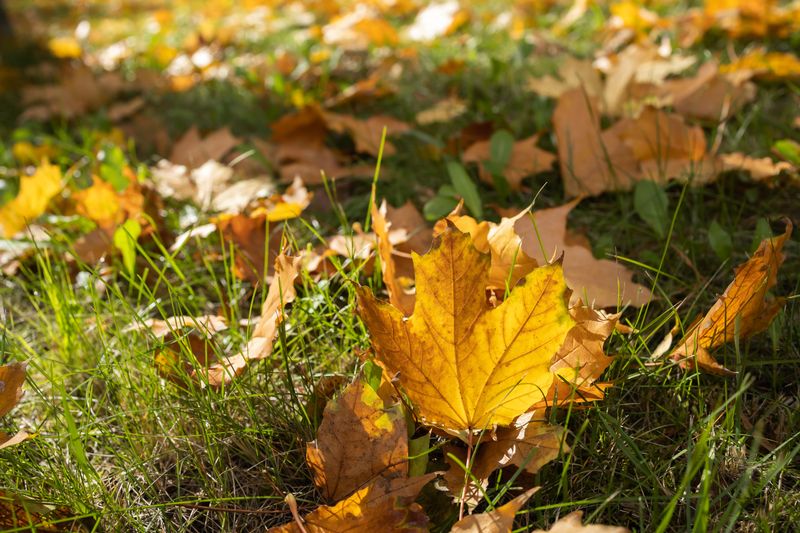
If your lawn looks bare and sad under that big maple, you’re not imagining things. Norway maples cast one of the densest shades of any common landscape tree, and most grass varieties simply can’t grow beneath them.
The problem isn’t just shade. Norway maple roots compete aggressively for water and nutrients, and some research suggests they may also release compounds that inhibit nearby plants, a process called allelopathy.
Grass planted beneath these trees faces a double challenge: too little light and heavy competition from roots.
Homeowners often pour money into reseeding bare patches under maples, only to watch the grass fail again every single summer. Save yourself that frustration and rethink what belongs in that space.
Shade-tolerant groundcovers are a far smarter choice. Plants like wild ginger or hostas handle low light well and don’t mind competing with surface roots for limited moisture and nutrients.
Mulch is another excellent option for the area directly under the canopy. A generous ring of wood chips suppresses weeds, retains soil moisture, and gives the root zone a healthier environment overall.
Avoid piling mulch against the trunk in a cone shape, sometimes called a mulch volcano. That common mistake traps moisture against the bark and accelerates rot at the base of the tree.
Spreading mulch two to three inches deep in a wide, flat ring is the correct approach. Keep the material a few inches clear of the actual trunk to allow the root flare to breathe properly.
Working with the maple’s nature, rather than against it, makes your yard look intentional and beautiful.
8. Consider Removal If Roots Threaten Structures
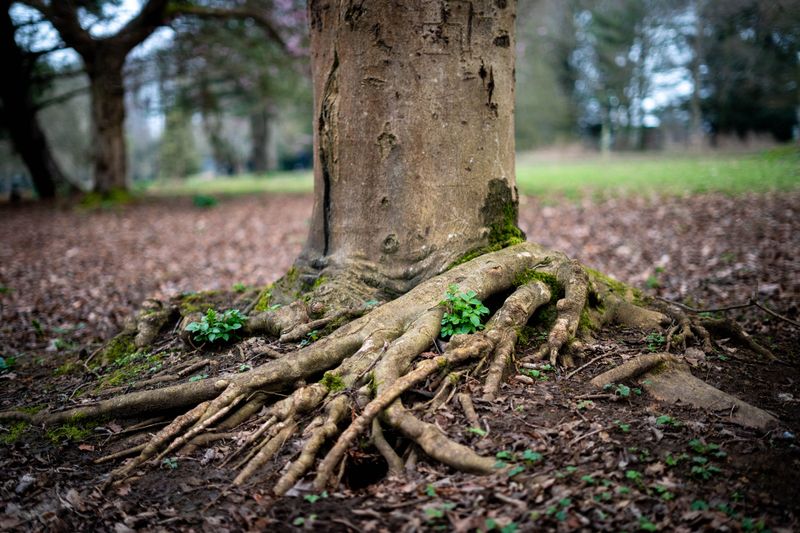
Sometimes the most practical option for your property is removal. This becomes especially true when Norway maple roots seriously threaten your home’s foundation, a driveway, or a sewer line.
This isn’t a decision to make lightly or quickly. Get a structural assessment from a licensed arborist and, if foundation damage is suspected, consult a structural engineer before committing to any plan.
Root intrusion into sewer lines can become a particularly costly issue. Tree roots follow moisture, and old clay or cast-iron pipes are practically an invitation for roots to probe, crack, and eventually clog them completely.
Signs of sewer line trouble include slow drains throughout the house, gurgling sounds in toilets, or sewage smells near your yard. These symptoms deserve immediate attention from a licensed plumber with a camera inspection tool.
If removal is the right call, hire a fully insured tree service with experience working near structures. The job requires careful rigging and sectional cutting to avoid dropping heavy wood on your roof or fence.
After removal, the stump needs grinding at minimum. Leaving a stump in place allows the root system to linger, decay slowly, and sometimes sprout new growth from the base for years afterward.
Replacing the Norway maple with a native species like a red maple or serviceberry is a meaningful next step.
Native trees support local wildlife, cause far less structural trouble, and help New Jersey yards feel more balanced and established. Choosing removal when it’s needed isn’t giving up on your yard, it’s investing in its future.