What To Do With A Texas Esperanza In July For Blooms Through October
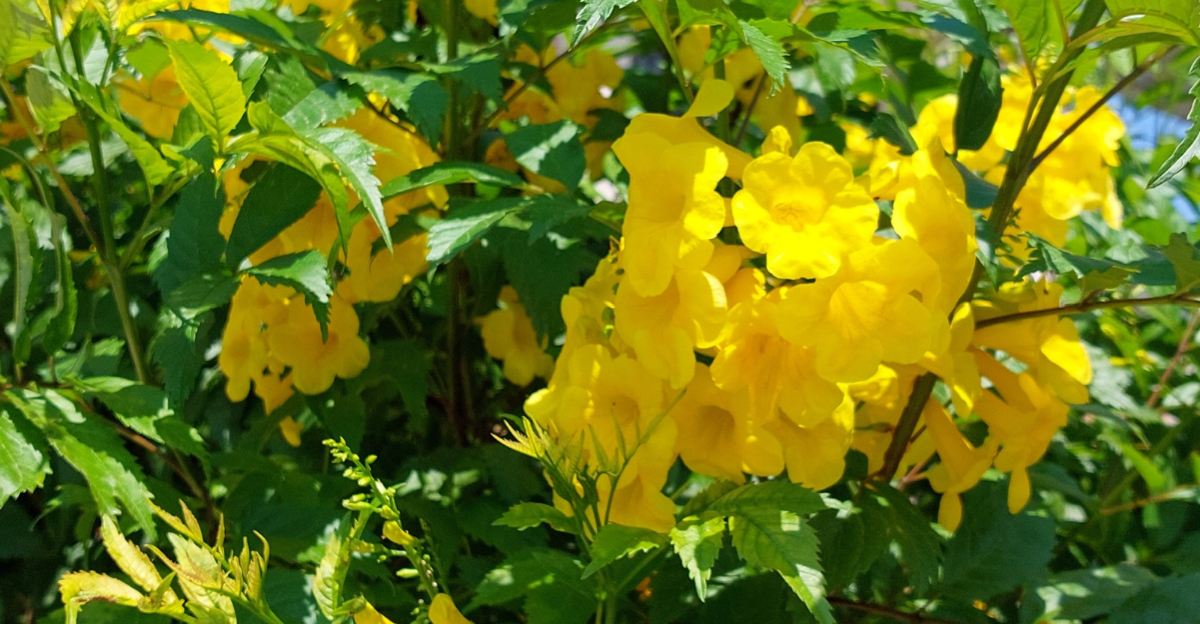
If there is one shrub that was practically designed for a Texas July, Esperanza is making a strong case for the title.
Those bold yellow trumpet-shaped flowers just keep coming through the kind of heat that sends most plants into full survival mode, and watching it bloom confidently while everything around it looks exhausted is genuinely satisfying.
But here is where a lot of gardeners accidentally work against themselves: July is also the month when the instinct to push plants harder kicks in. More water, more fertilizer, a good pruning to tidy things up.
With Esperanza, that approach can actually slow the whole show down right when you want it performing at its best.
Understanding what this shrub actually needs during peak Texas heat is what keeps that yellow color coming strong all the way through fall.
1. Give Esperanza As Much Full Sun As Possible
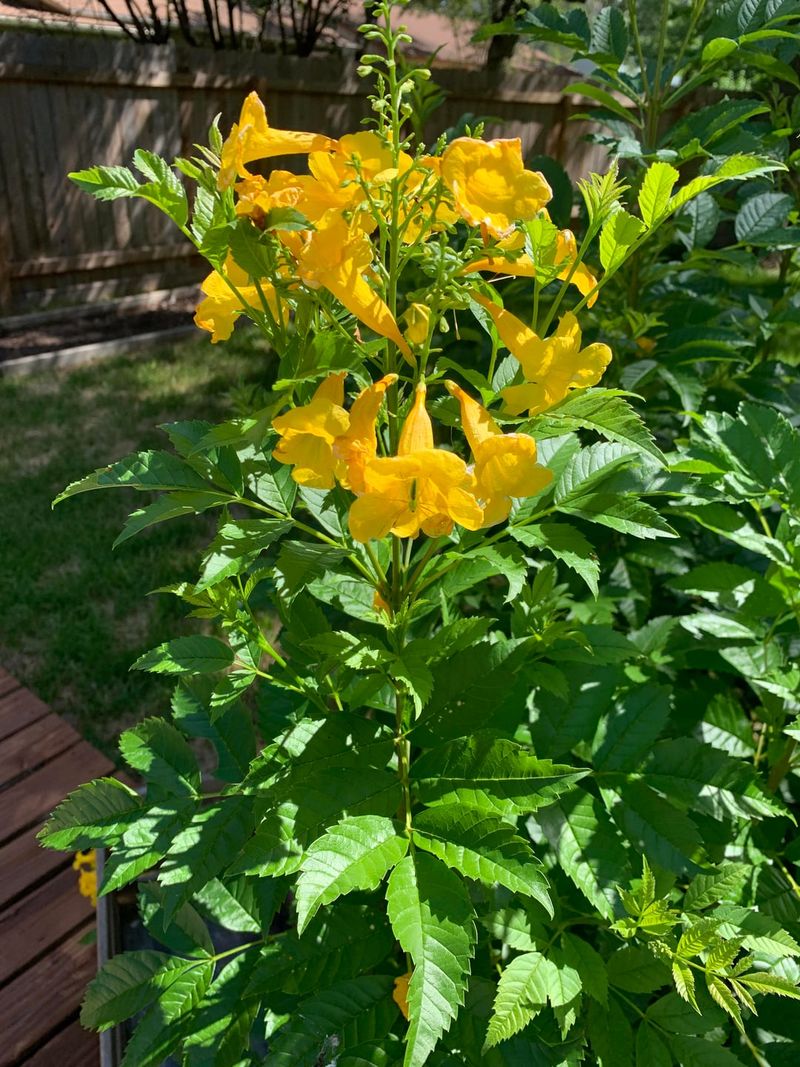
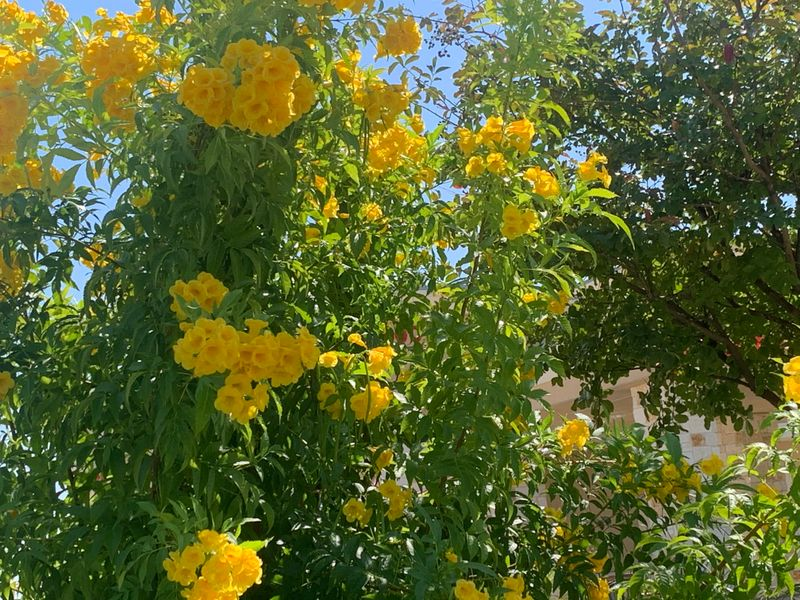
Those glowing yellow trumpet-shaped flowers you see on a healthy Esperanza are almost always growing in a spot that gets serious sun.
Esperanza, also known as Yellow Bells or Tecoma stans, is built for full sun conditions and genuinely thrives in the intense summer heat that most Texas landscapes deliver from June through September.
A plant sitting in partial shade may stay alive, but it often slows its bloom cycle noticeably.
In July, check your planting spot honestly. If nearby trees, a fence, or a structure has started casting more shadow than it did in spring, your Esperanza may be getting less light than it needs.
Six hours of direct sun is generally considered a minimum, but eight hours or more tends to produce the most consistent flowering. Gold Star Esperanza, a Texas Superstar variety, is especially known for performing well in full-sun Texas conditions.
If your plant is in a spot with too much shade, a container plant can sometimes be moved to a sunnier location. In-ground plants are harder to relocate mid-summer, but understanding the light issue helps you plan for fall or next season.
For now, trimming back any low-hanging branches from nearby trees or shrubs that may be blocking morning or afternoon sun can make a real difference.
Sun exposure is one of the biggest factors in whether Esperanza keeps blooming through October or fades early.
2. Water Deeply, Then Let The Soil Start To Dry
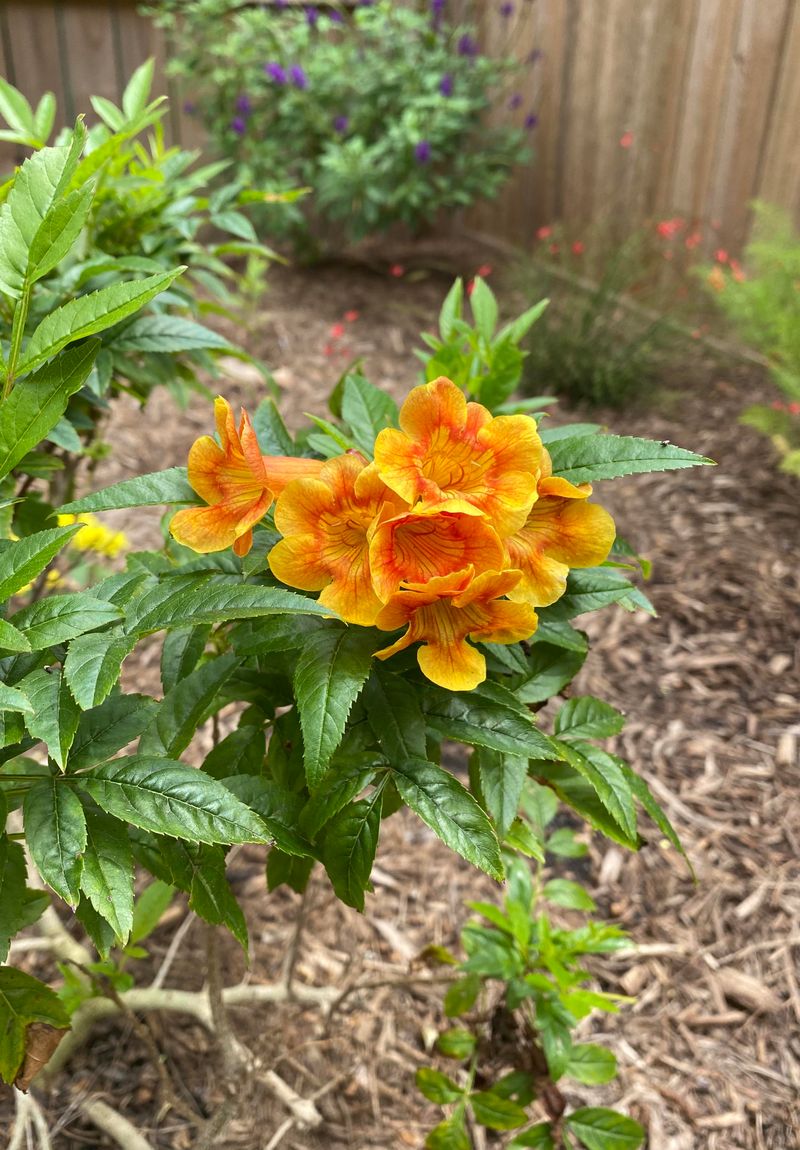
After a hot July afternoon in Texas, the soil around your Esperanza can feel bone dry just inches below the surface. That is not always a bad thing.
Esperanza is a drought-tolerant shrub that actually prefers a watering style that mimics natural rainfall patterns, meaning you water thoroughly and then allow the soil to begin drying before you water again.
Deep watering encourages roots to grow down into the soil rather than staying shallow near the surface. When roots go deeper, the plant becomes more stable and better able to handle the intense heat that Texas summers are known for.
A slow, deep soak that reaches six to eight inches into the soil is far more beneficial than frequent shallow watering that never really penetrates.
Your Texas Garden Changes Every Week. Your Plan Should Too.
Gardening in Texas changes quickly throughout the season. Every Friday you’ll receive a simple weekly plan showing exactly what to plant, prune, fertilize, harvest, and protect so you never miss the right timing.
In July, aim to water when the top two to three inches of soil feel dry rather than watering on a fixed daily schedule. Rainfall counts too, so pay attention to what your yard actually received before running the sprinkler or drip line.
Well-drained soil that dries out between waterings supports healthy root systems and steady bloom production. Overwatering is one of the most common reasons Esperanza in Texas landscapes slows its flower output during summer.
Giving the plant a proper drink and then stepping back is one of the simplest and most effective things you can do in July to support continued blooming through fall.
3. Avoid Overwatering In Heavy Or Poorly Drained Soil
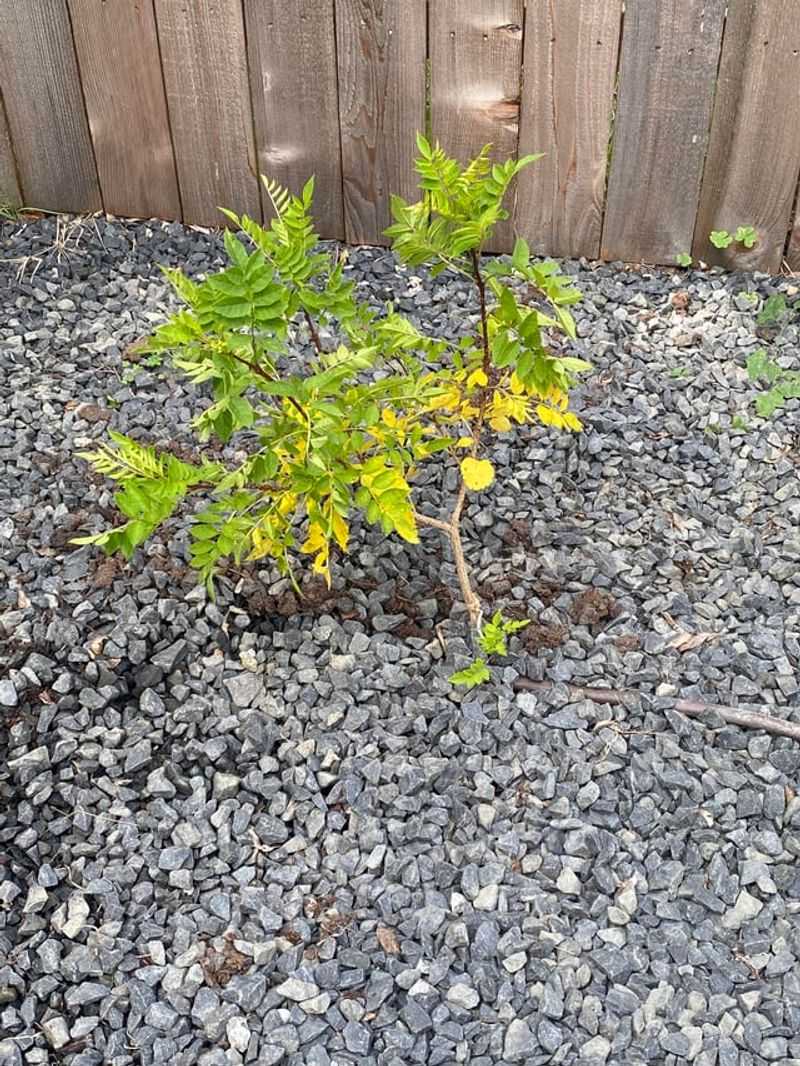
Soggy soil around the roots of an Esperanza is one of the fastest ways to slow down its flowering during summer. Texas landscapes vary widely, and many yards have heavy clay soil that holds water much longer than sandy or loamy soil.
If your Esperanza is planted in an area where water pools after rain or irrigation, the roots may be sitting in consistently wet conditions that the plant simply does not handle well.
Esperanza is native to warm, dry climates and has adapted to well-drained soil over time. When roots stay too wet for too long, the plant tends to put energy into survival rather than flowering.
You may notice yellowing leaves, fewer blooms, or slower overall growth as signs that drainage is a problem. These symptoms can sometimes be confused with drought stress, which leads some gardeners to water even more, making the situation worse.
In July, check your drainage by digging a small hole about six inches deep near your plant after a watering or rainfall event. If water is still sitting in the hole an hour later, drainage is likely an issue.
Raised beds, amended planting areas with added compost or coarse sand, and improved grading can all help over time. For now, reducing watering frequency in heavy soil is one of the most practical steps you can take to support bloom health.
Letting the soil cycle through wet and dry phases gives Esperanza the conditions it naturally prefers.
4. Skip Heavy Nitrogen Feeding In July
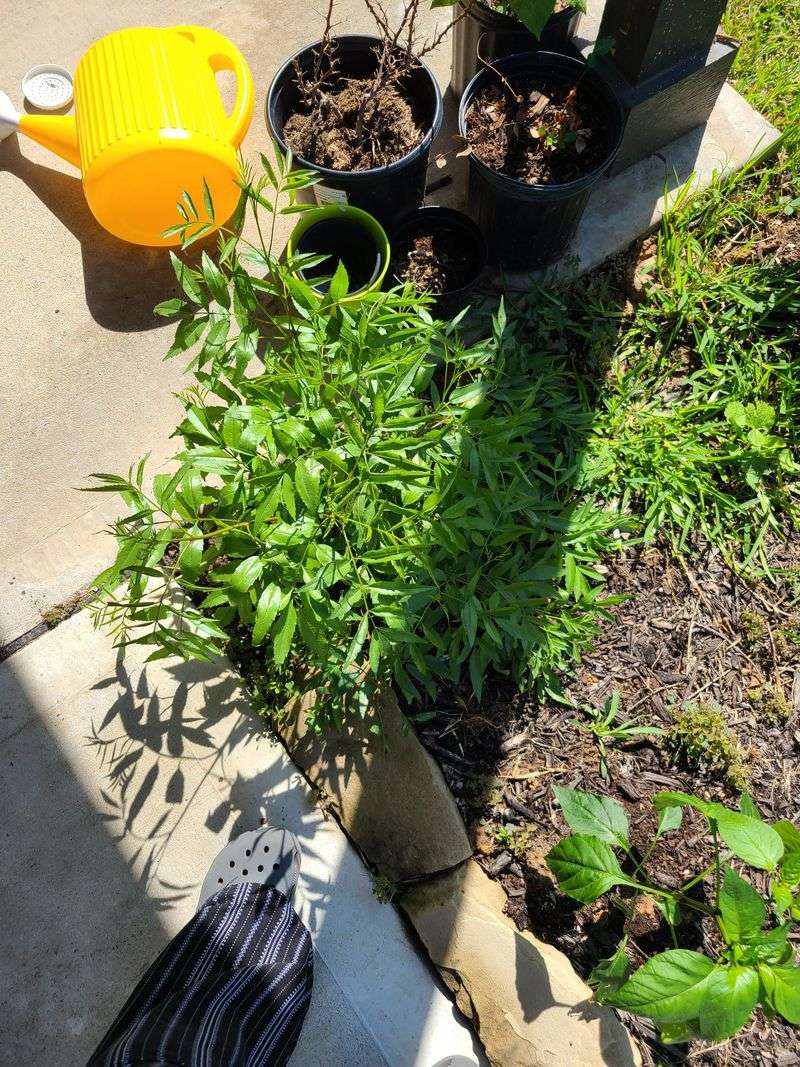
Lush, dark green leaves covering a plant that barely has a bloom in sight is a common sign that nitrogen fertilizer has been applied too generously.
Nitrogen encourages vigorous leafy growth, which sounds like a good thing, but for a flowering shrub like Esperanza, too much of it in July can shift the plant’s energy away from producing flowers and toward producing foliage instead.
Texas gardeners sometimes reach for fertilizer when a plant looks like it has slowed down in summer, thinking a nutrient boost will wake it back up. With Esperanza, that approach can backfire during peak heat months.
The plant is not struggling because it lacks nitrogen. It is likely slowing its bloom cycle because of heat, water, or light conditions, not because the soil is deficient.
If you want to fertilize in July, a light application of a balanced or low-nitrogen fertilizer is a more reasonable option than a heavy nitrogen feed.
Slow-release granular fertilizers applied earlier in the season, before heat peaks, tend to work more gently than liquid fertilizers applied directly during summer stress.
Phosphorus supports root health and flowering, so a product with a moderate phosphorus content may be more appropriate than a high-nitrogen formula. Checking your soil before adding any fertilizer is always a smart first step.
In many Texas landscapes, the soil already has enough nitrogen from organic matter, decomposing mulch, or previous applications, and adding more in July simply is not necessary.
5. Use Light Pruning Only To Shape Leggy Growth
Leggy stems reaching over a walkway or flopping toward a neighboring plant are a common sight on Esperanza by mid-July. After weeks of active growth in early summer, some plants push out long, thin branches that stretch beyond the original shape of the shrub.
A little light pruning can tidy things up without setting the plant back during its active blooming period.
The key word in July is light. Heavy pruning that removes a large portion of the plant’s canopy takes time and energy to recover from, especially in intense summer heat.
That recovery period often means fewer flowers during the very weeks when you want the plant performing its best.
Removing no more than about one-third of the plant at any one time is a commonly suggested guideline for flowering shrubs, and in July, staying well below that threshold makes even more sense.
Focus on stems that are clearly out of place, crossing other branches awkwardly, or growing in a direction that causes problems for foot traffic or nearby plants.
Snipping just above a leaf node or a branching point encourages the plant to push new growth from that spot rather than leaving a bare stub.
Clean, sharp pruning tools make cleaner cuts that heal more efficiently.
Esperanza in Texas landscapes tends to respond well to moderate shaping, but pushing heavy pruning in July in hopes of triggering a fresh bloom flush is not a reliable strategy and may slow the plant’s performance heading into fall.
6. Remove Spent Flower Clusters If The Plant Looks Tired
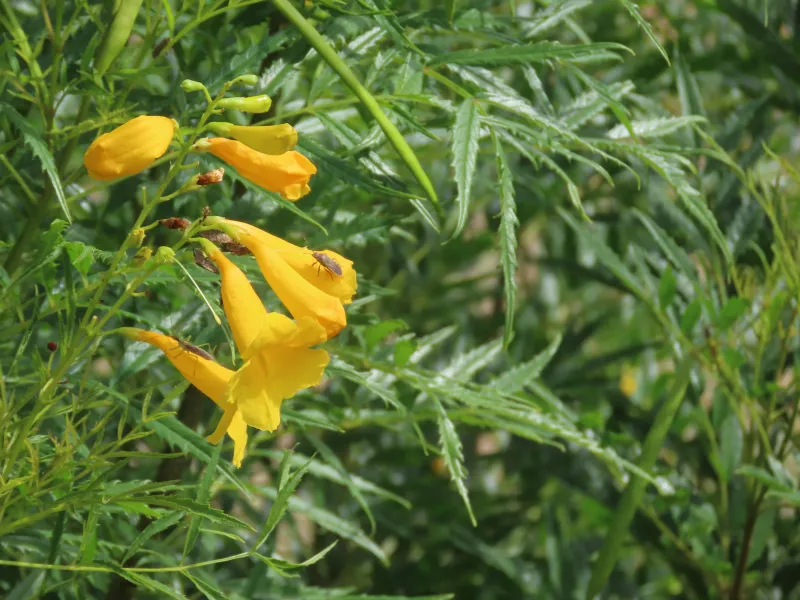
Spent flower clusters left on an Esperanza can make the whole plant look a little tired and worn out by mid-July.
Those dry, brown seed pods that form after flowers fade are not harmful to the plant, but removing them can help redirect energy toward producing new blooms rather than developing seeds.
This practice, called deadheading, is a simple and low-effort way to support continued flowering in summer.
Not every gardener chooses to deadhead Esperanza, and the plant can continue blooming without it in many cases. Gold Star Esperanza, in particular, is known for blooming reliably without requiring heavy deadheading.
However, if your specific plant appears to be slowing down and the spent clusters are piling up at the branch tips, a light cleanup can sometimes perk things up visually and potentially encourage a fresh round of flowers.
In July, use clean pruning snips or even your fingers to remove the spent clusters just below the faded flower head. Avoid cutting far back into the stem, since the goal is simply to clear the spent material rather than reshape the plant.
Dropping those spent clusters into a compost pile or yard waste bag keeps the bed looking tidy. Texas gardeners working in pollinator-friendly yards may choose to leave some spent clusters for seed production, since Esperanza seeds can attract certain bird species.
Balancing tidiness with habitat value is a personal choice that depends on your landscape goals and how the plant is performing overall.
7. Keep Container Esperanza From Drying Out Too Fast
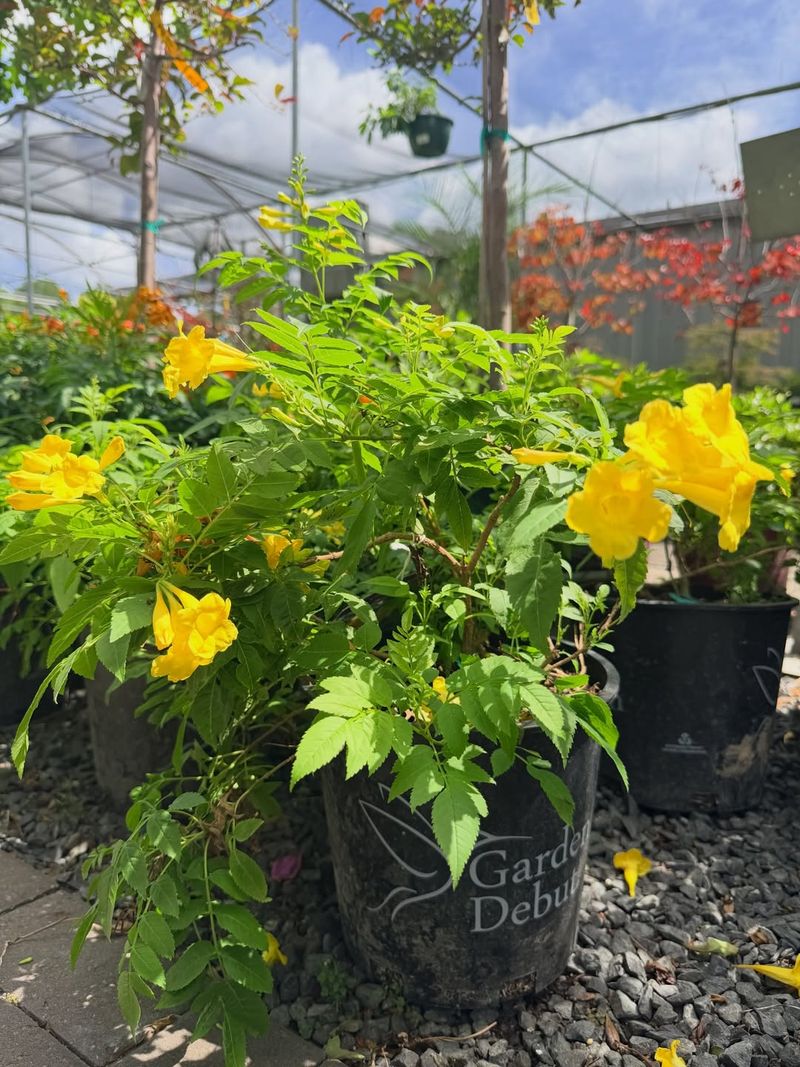
A patio container drying out within a day or two of watering is one of the most common challenges Texas gardeners face when growing Esperanza in pots during July.
Container plants lose moisture far more quickly than in-ground plants because their root systems are limited to the volume of soil inside the pot, and that soil heats up fast sitting on a concrete patio or wooden deck in full Texas sun.
Checking the soil moisture in a container Esperanza more frequently than you would for an in-ground plant is a practical habit during summer. Sticking a finger about an inch or two into the soil gives you a quick read on whether the plant needs water.
If the soil feels dry at that depth, watering thoroughly until it drains from the bottom of the pot is the right move. If it still feels slightly moist, waiting another day before checking again is a reasonable approach.
Pot size matters more than many gardeners realize. A small container dries out faster than a larger one, and a plant that has outgrown its pot may struggle to hold enough moisture between waterings.
Moving up to a larger container in late spring or early summer, before peak heat arrives, gives container Esperanza a better chance of staying hydrated without requiring constant attention.
Light-colored pots or those with insulating materials absorb less heat than dark-colored ones.
Grouping containers together on a patio can also reduce heat exposure on individual pots and slow moisture loss slightly during the hottest weeks of summer.
8. Keep Expectations Realistic Until First Frost
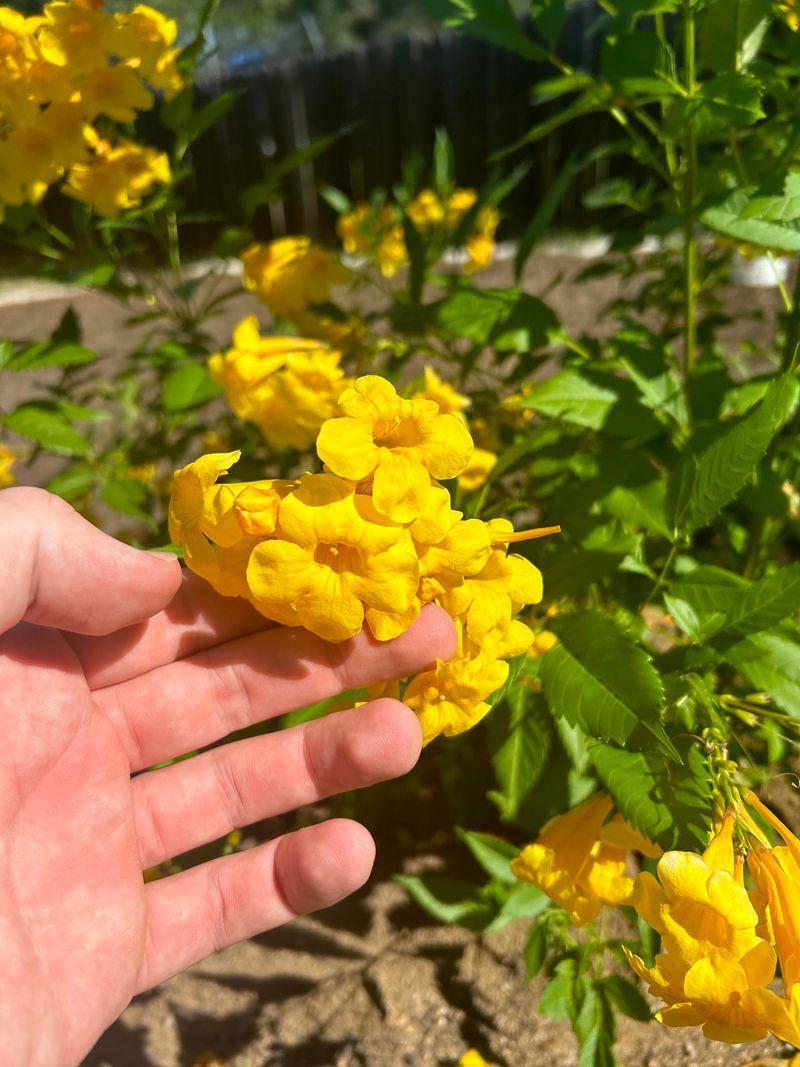
Common experiences Texas gardeners share when trying to keep Esperanza colorful through late summer often include moments of frustration when the plant slows down despite doing everything right.
The truth is that bloom production on any flowering shrub is influenced by a combination of factors, including variety, plant age, sunlight, drainage, watering habits, fertilizer history, and the timing of the first frost, none of which a gardener can fully control.
Esperanza in Texas landscapes can bloom from late spring or early summer and continue producing flowers into fall under favorable conditions.
Gold Star Esperanza is recognized for its extended blooming season and heat tolerance, but even this variety responds to environmental conditions that shift from week to week.
A stretch of unusually cloudy weather, a sudden drop in overnight temperatures, or a period of heavy rain can all affect how consistently the plant flowers heading toward October.
July care matters because it sets up the plant’s health for the months ahead. Providing good sun exposure, appropriate watering, proper drainage, minimal fertilizer, and gentle pruning gives Esperanza the best environment to keep flowering on its own schedule.
Expecting a specific number of blooms on a specific date is less realistic than expecting a generally healthy, well-cared-for plant to perform better than one that was neglected or pushed too hard.
First frost timing in Texas varies by region, and in warmer parts of the state, a well-maintained Esperanza may continue flowering surprisingly late into the season.