Do This To Your Texas Garden Soil Before June Ends And Your Fall Vegetables Will Thank You
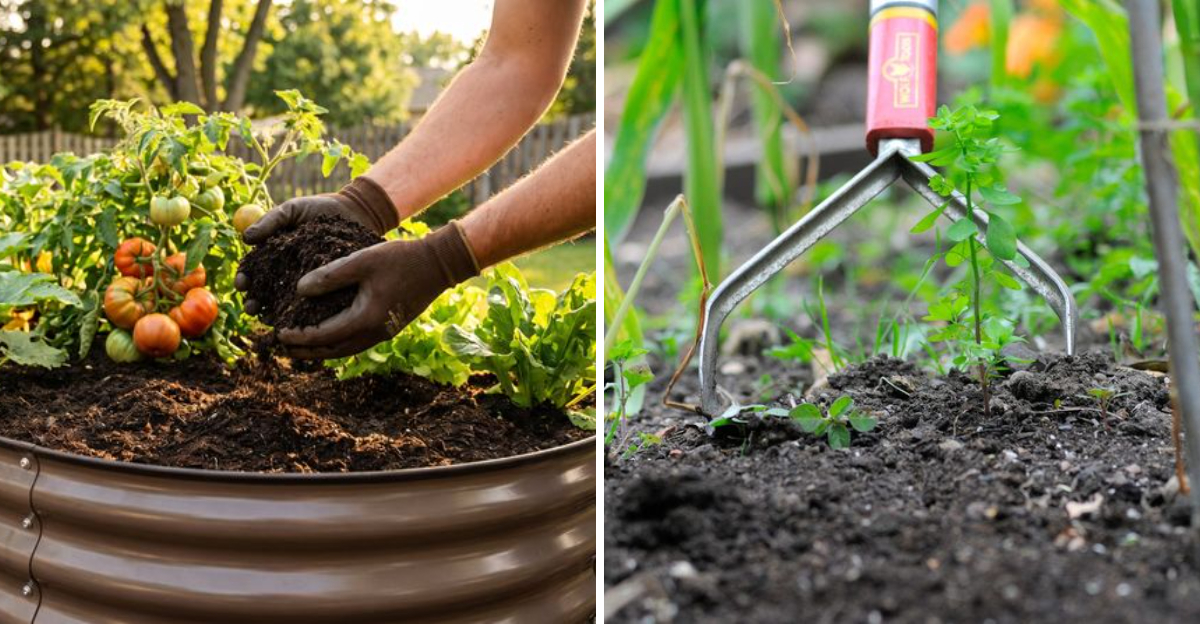
By late June, most Texas vegetable gardens are sending a very clear message: we’re done with spring and we need a moment. The plants look tired, the weeds have gotten bold, and the whole bed could use a serious reset.
Totally fair. But here’s the part that catches a lot of newer Texas gardeners off guard: fall planting windows show up sooner than you’d expect, and the soil preparation work needs to happen before summer heat takes over completely.
Waiting until things cool down means your fall vegetables are starting behind before they even get in the ground.
Getting beds cleaned out, amended with compost or composted manure, and covered with mulch right now gives your soil actual time to recover and improve.
It’s not a magic trick, just smart timing that pays off big when fall planting season arrives.
1. Clear Out Spring Crop Residue And Weeds
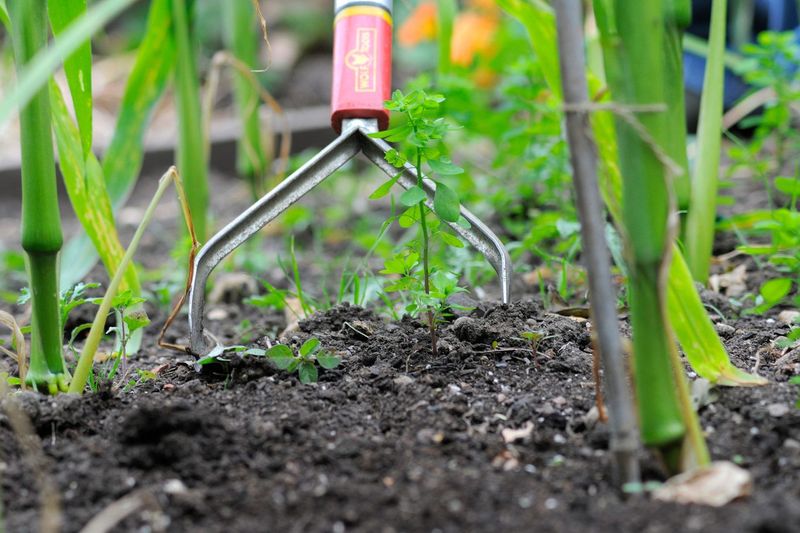
Empty vegetable rows after a long Texas spring can feel like a relief, but those leftover plant stalks, roots, and weeds scattered across your beds are not as harmless as they look.
Leaving old crop residue in place gives insects and soil-borne diseases a place to linger right through the summer heat.
Before you do anything else to prepare for fall, clearing that debris out completely is one of the most practical steps you can take.
Pull up spent tomato plants, pepper stems, squash vines, and anything else that has finished producing. Pay close attention to the soil surface where weeds tend to sprout fast once the beds open up.
In Texas, summer weeds move quickly, and a few days of warm rain can turn a clean bed into a tangled mess before you know it.
If your spring crops showed signs of fungal problems, blight, or heavy pest pressure, bag that material and remove it from the garden area rather than composting it.
Healthy plant residue can go into a compost pile, but diseased material is better kept out to avoid spreading problems later.
Taking the time to clear beds thoroughly now gives you a clean slate to work with when you are ready to amend, test, and prep the soil for your fall vegetable garden.
2. Send In A Soil Test Before Planting Time
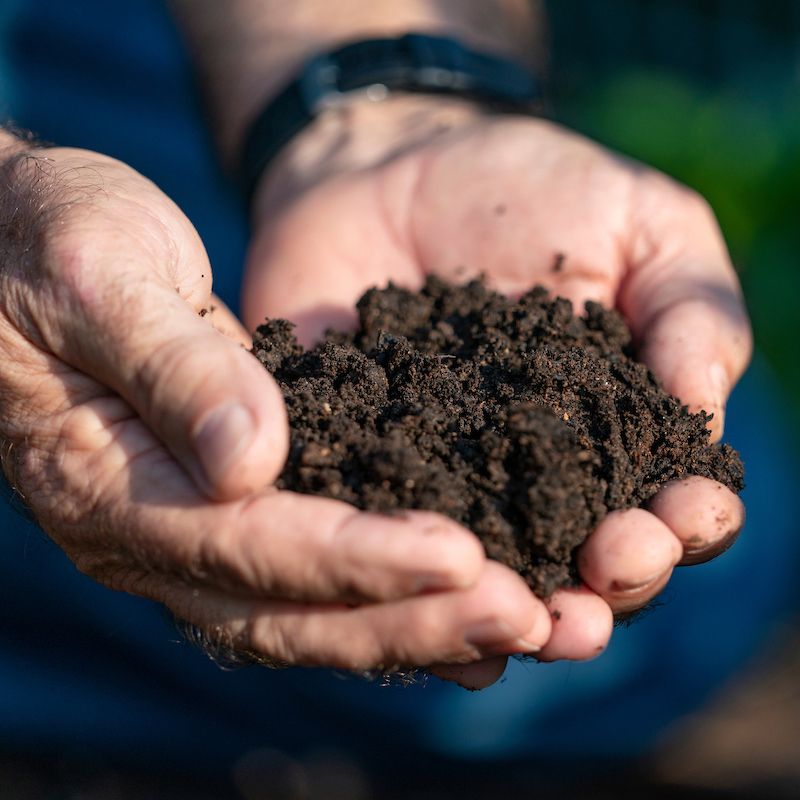
Guessing about what your soil needs is one of the most common ways gardeners end up wasting money on fertilizers that do not actually help.
A soil test takes the guesswork out of the equation by showing you exactly what nutrients are present, what is missing, and what the pH level is doing.
For Texas vegetable gardens, where soil conditions can vary widely from sandy loam to heavy clay, that information is genuinely useful before fall planting begins.
Soil tests are relatively affordable and straightforward to complete. You collect small samples from several spots across your garden bed, mix them together, and send the combined sample off to a certified lab.
Your Texas Garden Changes Every Week. Your Plan Should Too.
Gardening in Texas changes quickly throughout the season. Every Friday you’ll receive a simple weekly plan showing exactly what to plant, prune, fertilize, harvest, and protect so you never miss the right timing.
Results usually come back with specific recommendations for lime, sulfur, or fertilizer based on what your soil actually needs rather than what a general bag label suggests.
The timing matters here. Sending in a test before June ends gives you enough time to receive results and apply any recommended amendments well before fall planting windows open in late summer.
Some adjustments, like raising or lowering soil pH, take weeks to fully take effect. Waiting until August to test means you may be planting into soil that still has not had time to respond to what you added.
Getting the test done now puts you well ahead of that problem.
3. Add Compost To Improve Soil Structure
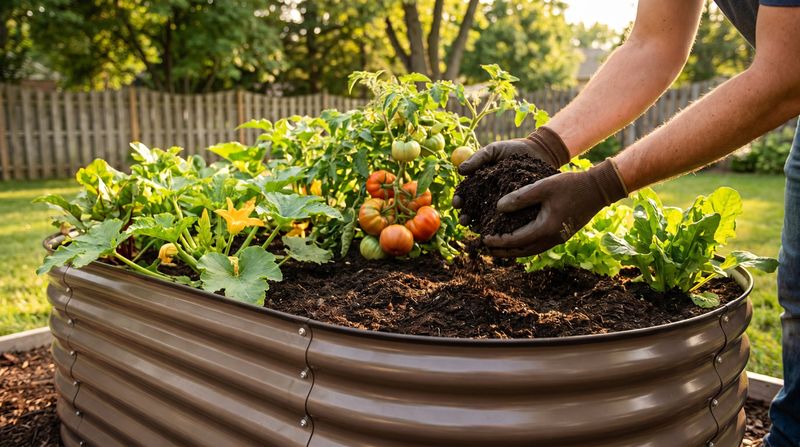
Finished compost is one of the most reliable soil amendments available to Texas vegetable gardeners, and working it into beds before fall planting gives the soil time to settle and improve.
Compost adds organic matter, which helps sandy soils hold moisture longer and helps clay soils drain more freely.
Those two soil types are both common across Texas, and compost benefits both in meaningful ways.
A layer of two to three inches of finished compost worked into the top several inches of your bed can change the texture and water-holding capacity noticeably over time.
Soil that crumbles easily, holds some moisture without staying soggy, and has a dark, earthy quality is much easier for vegetable roots to move through than compacted or overly sandy ground.
Compost also feeds the microbial life in the soil, which plays a role in making nutrients available to plant roots.
Look for finished compost that smells earthy rather than sour or ammonia-like. Compost that has not fully broken down can temporarily tie up nitrogen in the soil as it continues to decompose, which is not what you want right before planting.
Many Texas garden centers carry bagged compost, and some municipalities offer free or low-cost compost made from yard waste.
Either option can work well as long as the material is fully finished and free of large undecomposed chunks.
4. Work In Composted Manure Well Ahead Of Planting
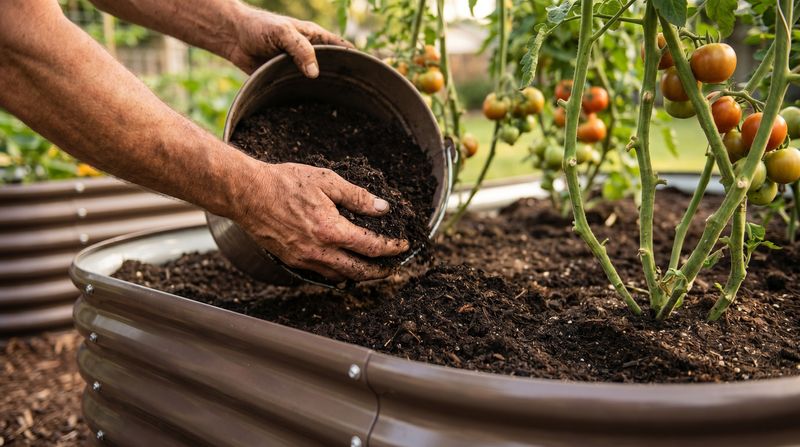
Composted manure has been used to enrich garden soil for generations, and it remains a practical option for Texas vegetable gardeners looking to add organic matter and nutrients ahead of fall planting. The key word here is composted.
Raw or fresh manure carries risks that make it unsuitable for food gardens, including harmful bacteria and the potential to burn plant roots with excess nitrogen.
Well-composted manure has broken down enough to be safe and stable for garden use.
Chicken, cow, and horse manure are among the most commonly available composted options at Texas garden centers and feed stores.
Each has a slightly different nutrient profile, but all can contribute organic matter that improves soil texture over time.
Working composted manure into garden beds several weeks before planting gives it time to blend into the soil and continue breaking down without interfering with seedling or transplant establishment.
Adding composted manure in late June means it has the entire summer to integrate into the bed before fall crops go in. Aim for a one to two inch layer worked into the top several inches of soil.
Avoid piling it against any existing plant stems or roots if you have perennials or herbs in the bed. The combination of compost and composted manure can do a lot to restore soil that has been depleted after a full spring growing season in the Texas heat.
5. Loosen Compacted Beds Before Fall Roots Need Them
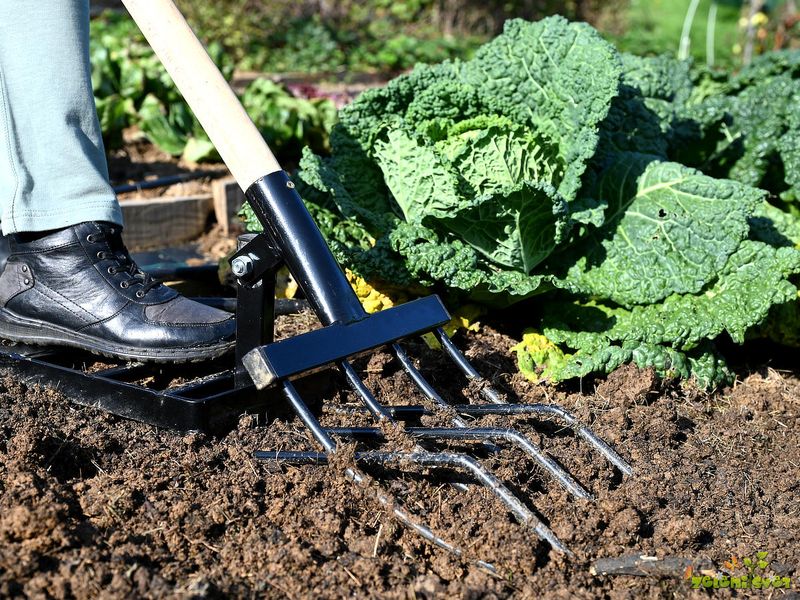
Heavy foot traffic, summer rain, and months of irrigation can pack garden soil down tighter than many gardeners realize.
Compacted soil makes it difficult for vegetable roots to push through, limits the movement of water and air, and can slow plant growth even when nutrients and moisture are technically available.
Loosening beds before fall planting gives roots the open, workable soil they need to get established quickly once temperatures start to ease.
In Texas, clay-heavy soils are especially prone to compaction. When dry, they can become almost brick-like on the surface.
A broadfork, garden fork, or even a standard digging fork can be used to break up compaction without completely turning the soil over.
Working the fork into the bed and gently rocking it back and forth opens up channels without destroying the soil structure that beneficial organisms depend on.
Raised beds tend to compact less than in-ground rows, but they are not immune, especially if the bed has been in use for several seasons. Checking the texture of your raised bed soil before adding amendments is worth the extra few minutes.
If a handful of soil feels dense and does not crumble easily, that is a sign it could use some loosening and a fresh layer of compost.
Getting this done before late summer means the beds will be ready when your fall vegetable transplants and seeds need them most.
6. Shape Beds So Water Drains Well
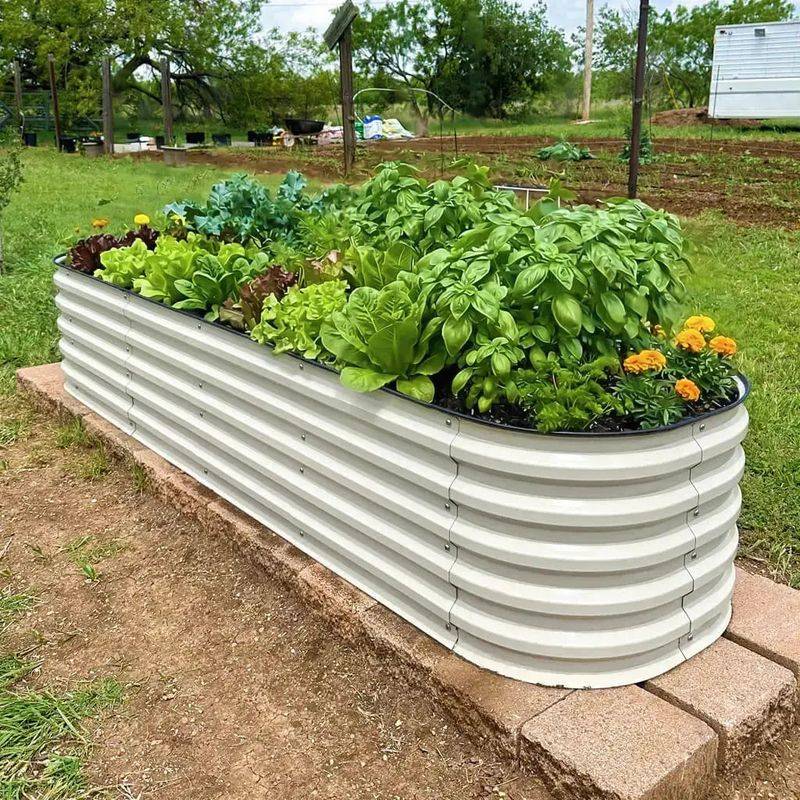
Standing water in a vegetable bed after a summer storm is a warning sign that drainage needs attention before fall planting begins.
Vegetables grown in soggy soil are prone to root problems, and heavy Texas rains can quickly overwhelm a flat or poorly shaped bed.
Taking time before June ends to evaluate and improve how water moves through and away from your beds can save a lot of frustration once fall crops are in the ground.
Raised beds generally drain better than flat in-ground rows, but the surrounding ground still matters.
If water tends to pool around the base of your raised beds after rain, grading the nearby soil slightly away from the bed or adding a layer of gravel around the base can help redirect runoff.
For in-ground vegetable gardens, shaping the bed surface so it crowns slightly in the center encourages water to move toward the edges rather than sitting on top of the root zone.
Texas soils that are high in clay content can be especially slow to drain after heavy rain.
Incorporating compost and organic matter over multiple seasons is one of the most effective long-term strategies for improving drainage in clay-heavy beds.
For the short term, raised bed frames filled with a blend of compost, aged topsoil, and coarse material can offer much better drainage than relying on the native soil alone.
Addressing drainage now means your fall beds will handle rain more reliably.
7. Add Mulch To Protect Bare Summer Soil
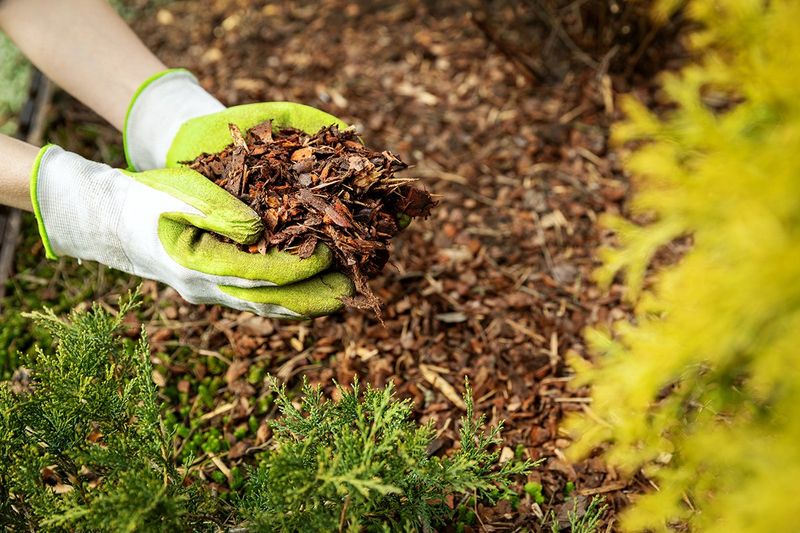
Bare soil left uncovered during a Texas summer takes a serious beating. Intense heat bakes the surface, moisture evaporates fast, and weeds find every gap available to sprout.
The soil structure that organic matter helps build can also start to degrade under direct sun and heavy rain, undoing a lot of the work you just put in.
Covering empty garden beds with mulch between spring cleanup and fall planting is one of the simplest protective steps you can take.
Straw, shredded leaves, wood chip mulch, and similar organic materials all work well as a summer cover for vegetable beds.
A layer of two to four inches is enough to shade the soil surface, slow moisture loss, and reduce weed pressure without smothering any beneficial soil activity underneath.
As organic mulch breaks down over the summer, it also contributes a small amount of organic matter to the soil, which is a bonus heading into fall.
One thing worth keeping in mind is that wood chip mulch can be slower to break down than straw or shredded leaves.
That is generally fine for protecting bare beds over the summer, but you may want to rake heavier wood chip material aside before direct seeding fall crops to avoid it interfering with seed-to-soil contact.
Straw mulch tends to be easier to manage around transplants and small seedlings.
Whichever material you choose, getting mulch down before the peak of Texas summer heat helps your soil stay in better shape through August and into fall planting season.
8. Plan Fertilizer Around Soil Test Results
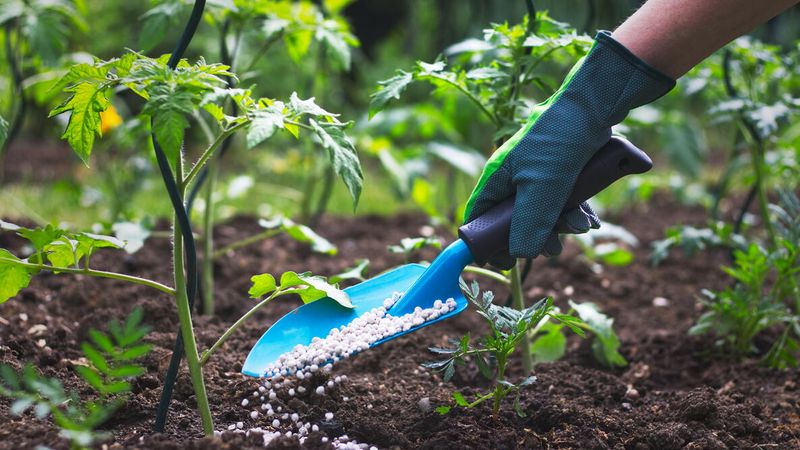
Fertilizing a vegetable garden without knowing what the soil already contains is a bit like adding ingredients to a recipe without tasting it first. You might add something helpful, or you might throw off the balance entirely.
Soil test results give you a clear starting point for fertilizer decisions, showing which nutrients are sufficient and which ones the soil is actually short on heading into fall planting.
Nitrogen, phosphorus, and potassium are the three main nutrients most gardeners think about, but soil tests can also reveal deficiencies in secondary nutrients like calcium, magnesium, and sulfur.
In Texas, where soil conditions vary from region to region, relying on a general fertilizer recommendation without testing can mean over-applying one nutrient while ignoring another that vegetables genuinely need.
Over-fertilizing with nitrogen, for example, can push leafy growth at the expense of root development and fruiting.
Once you have your test results in hand, you can choose a fertilizer product or combination of amendments that matches what your specific beds need.
Some soils may need very little added before fall planting if compost and composted manure have already been worked in.
Others may need targeted supplementation. Planning fertilizer use around actual test data rather than guessing makes every application more effective and reduces the chance of spending money on products your soil does not need right now.