Why Oregon Hydrangeas Bloom On Only One Side And The Simple Fix Most Gardeners Never Try
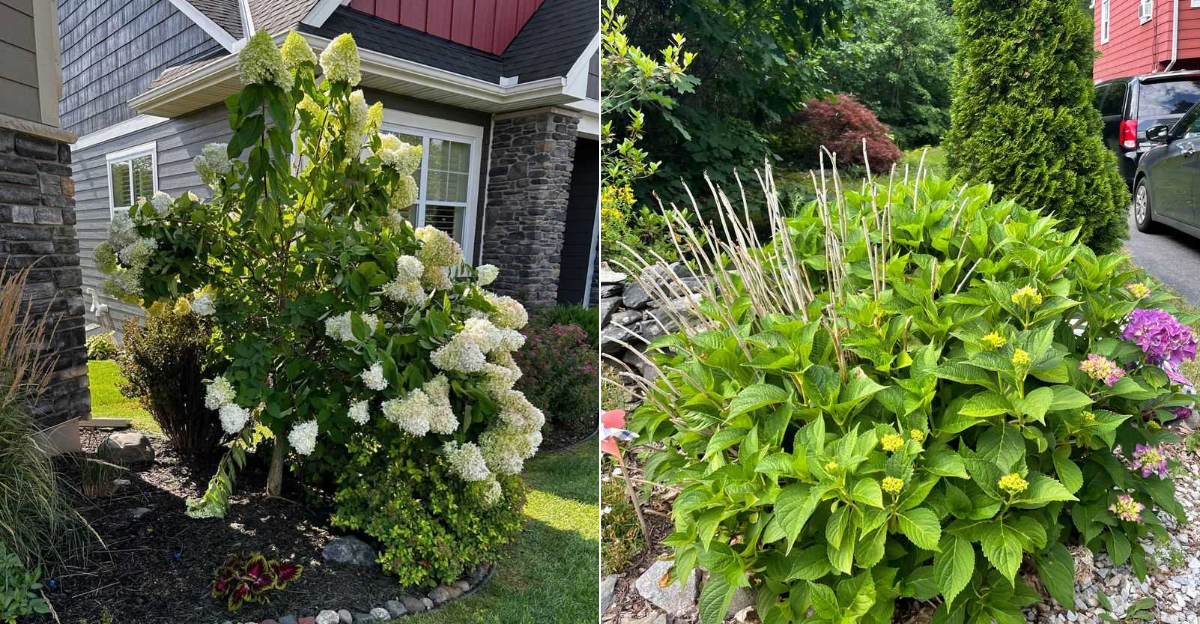
Oregon hydrangeas blooming on only one side can look almost fake, like the shrub made a design choice nobody approved. One half is putting on a floral show, while the other just stands there looking leafy and suspicious.
It is easy to blame bad luck, weird weather, or a fussy plant with an attitude problem. But lopsided blooming usually has a reason hiding in plain sight.
The tricky part is that many gardeners look at the flowers first, when the real clue may be somewhere else.
Before you prune harder, fertilize more, or start side-eyeing the whole shrub, slow down and inspect what is happening around it.
One small overlooked detail can decide which side blooms and which side sits out the season.
1. One-Sided Blooming Usually Starts With Light
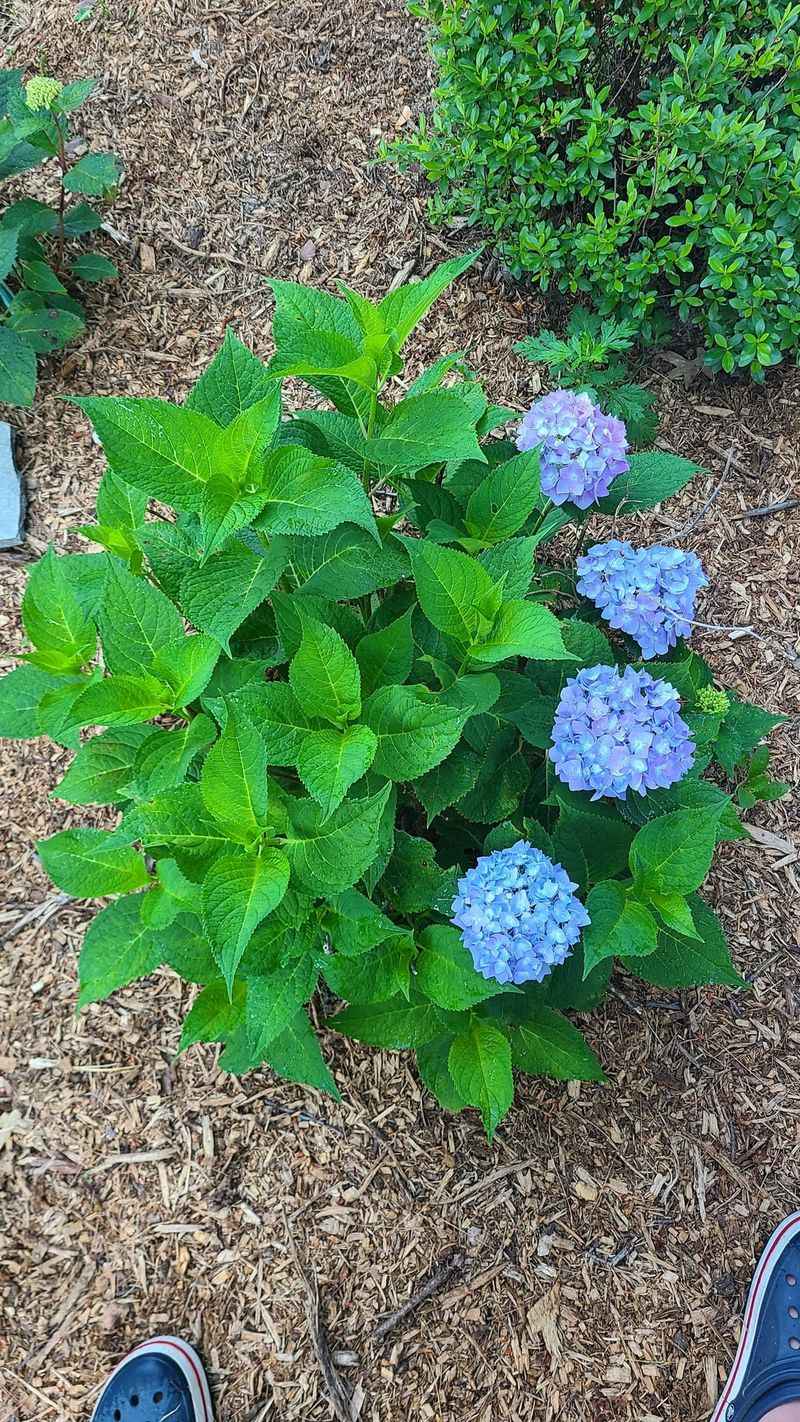
Oregon gardeners look at their lopsided hydrangea and blame the soil or the weather right away. But the real answer is usually standing right next to the plant.
A fence, a wall, a shed, or even a large shrub can block sunlight from reaching one side of the bush. When that happens, the shaded side simply does not get enough energy to produce flowers.
Hydrangeas need light to make food through photosynthesis. Without enough light, the plant cannot build the energy it needs to push out blooms.
The sunny side keeps thriving while the shaded side stays green but flowerless. Over time, the stems on the dark side may even stop growing as quickly as the rest of the plant.
Walk around your hydrangea at different times of day and watch where the sunlight actually lands. Do this in the morning, around noon, and again in the late afternoon.
You might be surprised to see just how much of the plant spends the whole day in shadow. Once you find the shaded side, you have two options.
You can move the plant to a better spot, or you can remove whatever is blocking the light. Even trimming a nearby shrub by a foot or two can make a big difference.
More light reaching both sides means more blooms on both sides, and that is the simplest fix of all.
2. Morning Sun Makes The Blooming Side Stronger
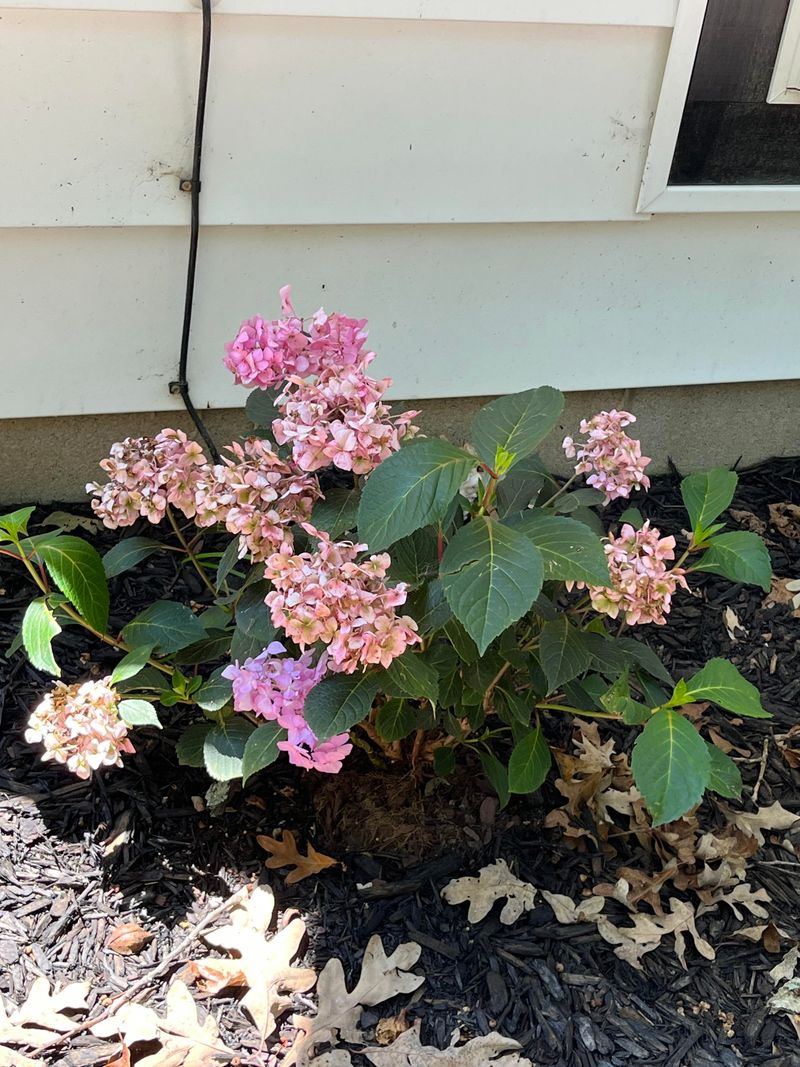
There is something special about morning sun when it comes to hydrangeas. Early light is softer and cooler than afternoon sun, and hydrangeas absolutely love it.
Plants that catch morning sun on one side tend to push their best blooms toward that direction. The side facing east gets a daily energy boost that the other side simply never receives.
In many yards across Oregon, homes and fences are positioned in ways that let morning sun hit only one face of the garden bed.
The hydrangea responds by growing stronger stems and bigger flower clusters right where that light touches.
The opposite side may get a little reflected light or dappled shade, but that is rarely enough to produce the same results.
One practical fix is to reposition the plant so that both sides receive some morning sun. If moving it is not possible, try placing a light-colored reflective surface like a white fence or a light stone wall nearby.
Your Oregon Garden Changes Every Week. Your Plan Should Too.
Gardening in Oregon changes quickly throughout the season. Every Friday you’ll receive a simple weekly plan showing exactly what to plant, prune, fertilize, harvest, and protect so you never miss the right timing.
That surface can bounce morning light onto the shaded side and give it more energy to work with. Even a simple white-painted board set at an angle can help redirect enough light to wake up the sleepy side.
Morning sun is the most productive light of the day for hydrangeas, so making sure both sides can access it is one of the best changes you can make for more balanced blooming all season long.
3. Deep Shade Leaves One Side Bare
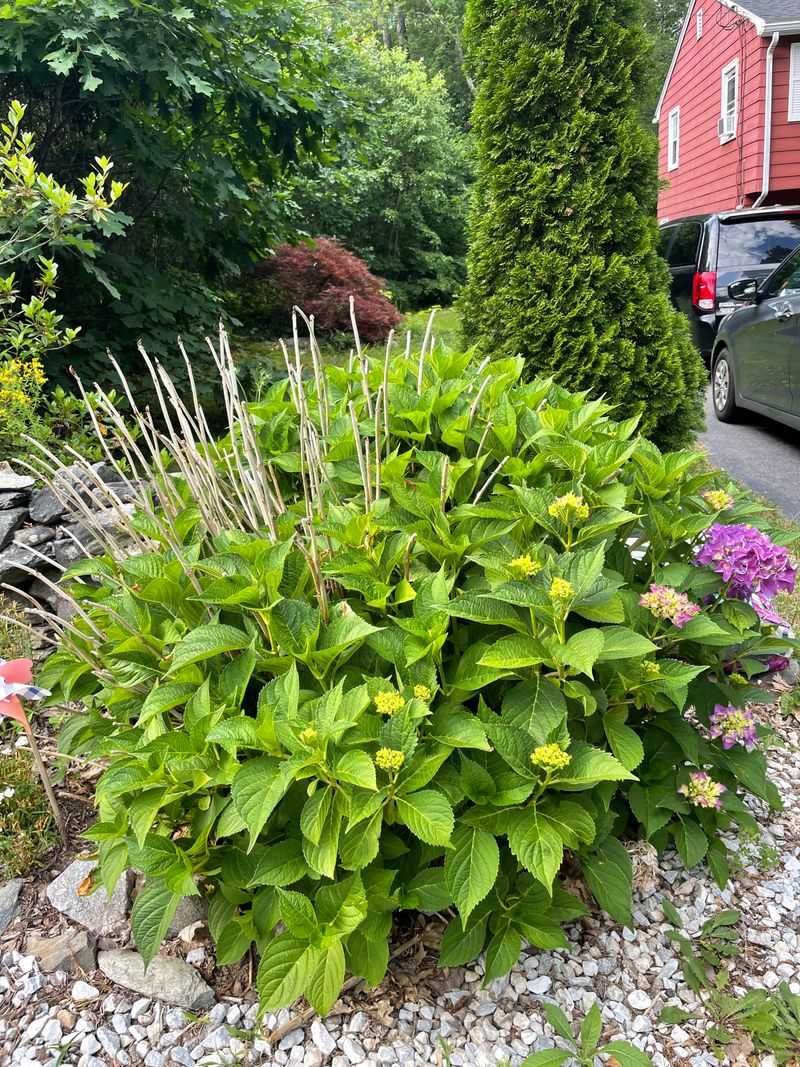
Full shade is tough for almost any flowering plant, but hydrangeas handle it differently depending on the variety. Some types can manage with just a couple of hours of light each day.
Others need four to six hours to bloom well. When one side of the plant sits in deep shade all day long, that side simply gives up on flowering and focuses on staying alive instead.
Deep shade often comes from large evergreen trees, which are extremely common in Oregon. A tall Douglas fir or western red cedar can create a shadow that lasts all day on the north or northwest side of a yard.
Hydrangeas planted near these trees often bloom beautifully on the open side but produce nothing on the tree side. The difference can be so dramatic that it looks like two different plants growing from the same root system.
Thinning out lower branches on nearby trees can help more light filter down to the shaded side of the hydrangea. You do not need to remove the whole tree.
Just lifting the canopy by removing a few lower limbs can let in enough indirect light to trigger blooming on the bare side.
If thinning is not an option, consider moving the hydrangea to a spot where shade falls more evenly across the whole plant.
Balanced shade is far better than one side being completely blocked while the other side soaks up the sun.
4. Tree Roots Can Starve One Half
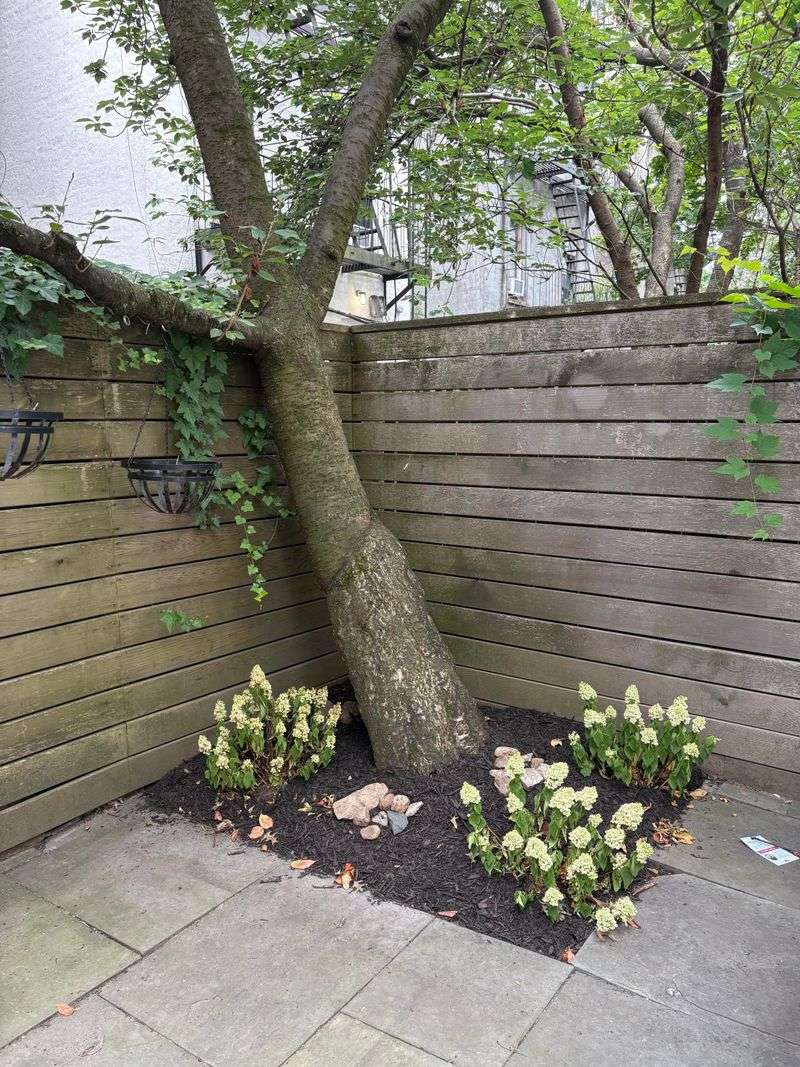
Underground competition is one of the sneakiest reasons a hydrangea blooms on only one side. You cannot see it happening, but tree roots can spread much farther than most people expect.
A maple or cherry tree planted ten feet away can send roots right under your hydrangea bed. Those roots soak up water and nutrients before the hydrangea ever gets a chance to use them.
The side of the hydrangea closest to the tree suffers the most. That half of the root system is constantly competing for the same resources.
The far side of the plant, away from the tree, has better access to moisture and fertilizer. So that side grows stronger, produces more leaves, and pushes out more flower buds while the other side stays weak and bare.
One fix that works surprisingly well is to install a root barrier between the tree and the hydrangea.
These are sturdy plastic or metal sheets that you push into the soil to block roots from crossing into the hydrangea’s growing zone.
Another option is to water and fertilize heavily on the side closest to the tree to make up for what the tree roots take. You can also dig a small trench on that side each spring to sever the competing roots before they get established.
Doing any one of these things consistently can help balance out the plant and encourage blooming on the weaker side over time.
5. Hot Reflected Sun Can Stress The Exposed Side
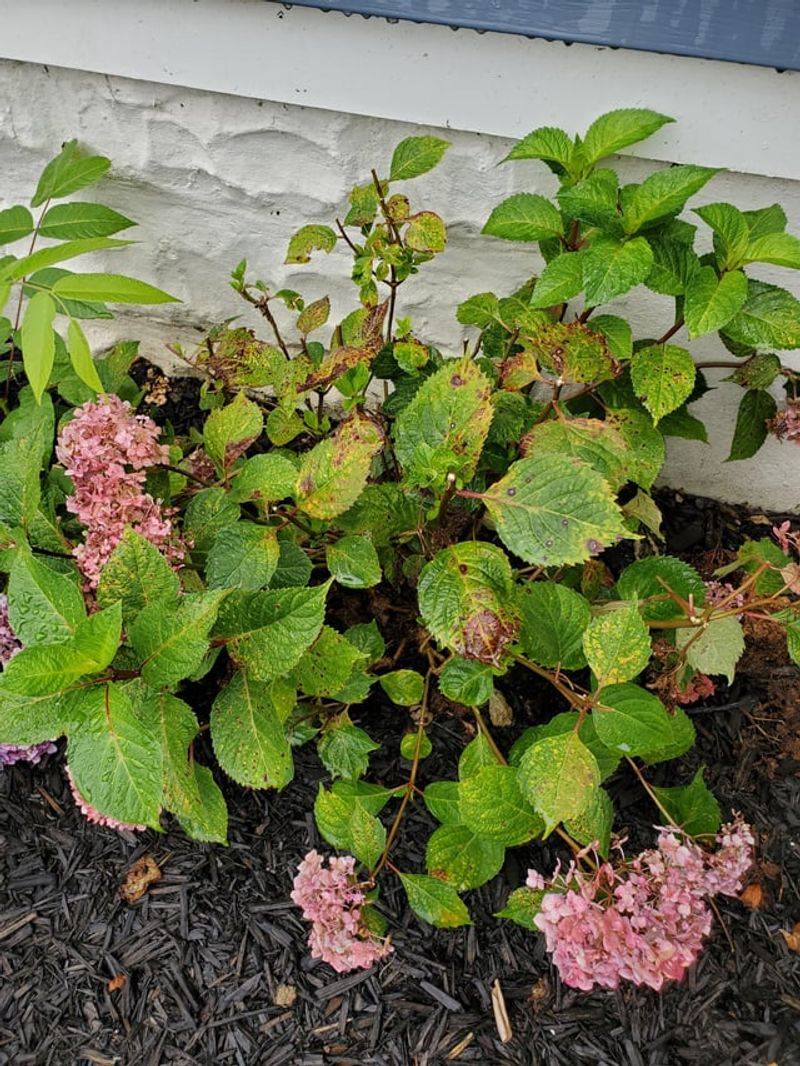
Not all sunlight is equal, and reflected heat from hard surfaces can actually harm the side of the hydrangea that gets too much of it. Concrete driveways, light-colored walls, and metal fences all bounce heat back onto nearby plants.
That reflected heat raises the temperature around the exposed stems and flowers far beyond what the plant prefers.
When one side of the hydrangea bakes in reflected heat all afternoon, the blooms on that side can wilt, brown at the edges, or stop forming altogether.
The plant spends so much energy trying to cope with the heat stress that it cannot produce strong flower clusters.
Meanwhile, the other side of the plant, shielded from that heat, may bloom just fine. So the problem looks like uneven blooming, but the real cause is heat damage on the exposed side.
Adding a shade cloth over the affected side during the hottest part of summer afternoons is a quick and affordable fix.
You can also plant low-growing shrubs or ornamental grasses between the hard surface and the hydrangea to act as a heat buffer.
Mulching heavily around the base of the plant helps keep the soil cooler and reduces moisture loss on the stressed side.
If the wall or driveway cannot be changed, even painting a dark color on a light wall can reduce how much heat it reflects back onto the plant each afternoon.
6. Wind Can Dry Out One Side Faster
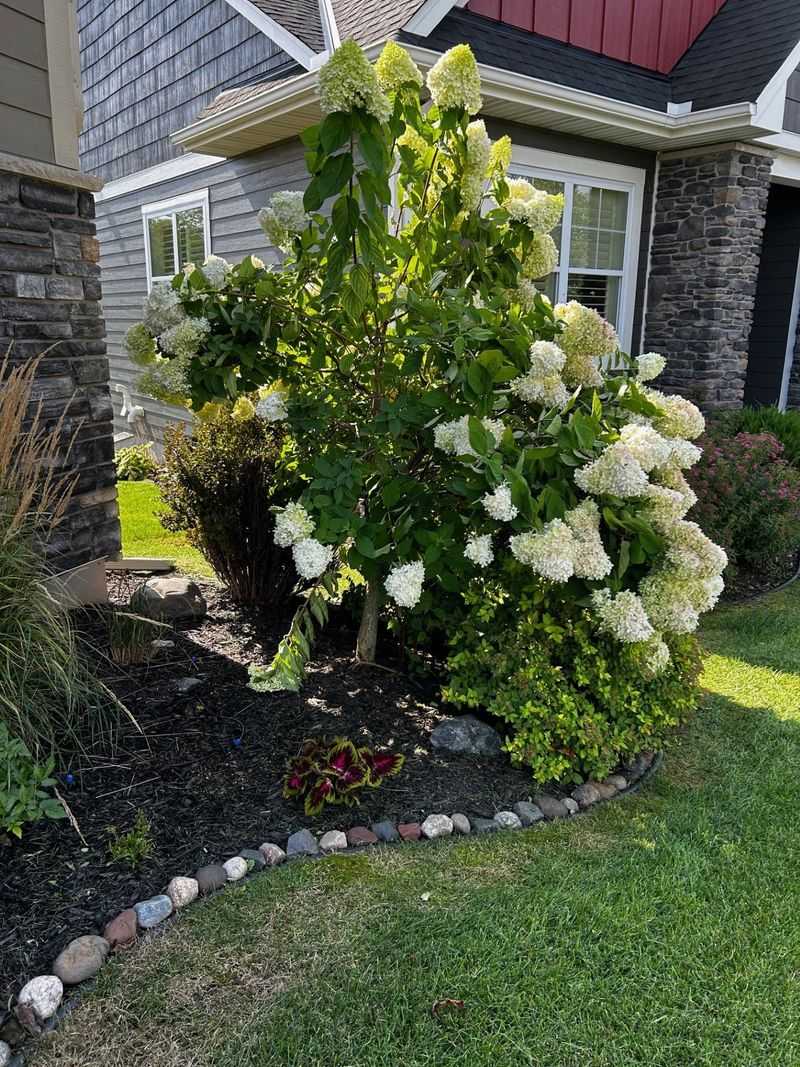
Wind is something many gardeners overlook when they try to figure out why their hydrangea blooms unevenly. But wind pulls moisture right out of leaves and stems faster than most people realize.
On a breezy day, the side of the plant facing the wind can lose water at two or three times the rate of the protected side. That constant drying out puts serious stress on the exposed stems and flower buds.
Flower buds that dry out before they fully open either drop off or turn brown at the tips. When this happens repeatedly on the same side of the plant, that side ends up looking bare or burned while the sheltered side blooms normally.
In coastal areas and open valley floors of Oregon, wind is a daily challenge that can quietly ruin one side of a hydrangea all season long without the gardener ever connecting the dots.
Building a simple windbreak on the exposed side can make a dramatic difference. A wooden fence, a dense hedge, or even a row of tall ornamental grasses planted upwind of the hydrangea can cut wind speed significantly.
Applying an anti-desiccant spray to the exposed side in early spring can also help seal moisture into the leaves and buds before wind damage begins.
Watering the wind-facing side more frequently than the sheltered side is another easy adjustment that helps keep that half of the plant hydrated enough to produce blooms through the season.
7. Pruning The Wrong Side Makes It Worse
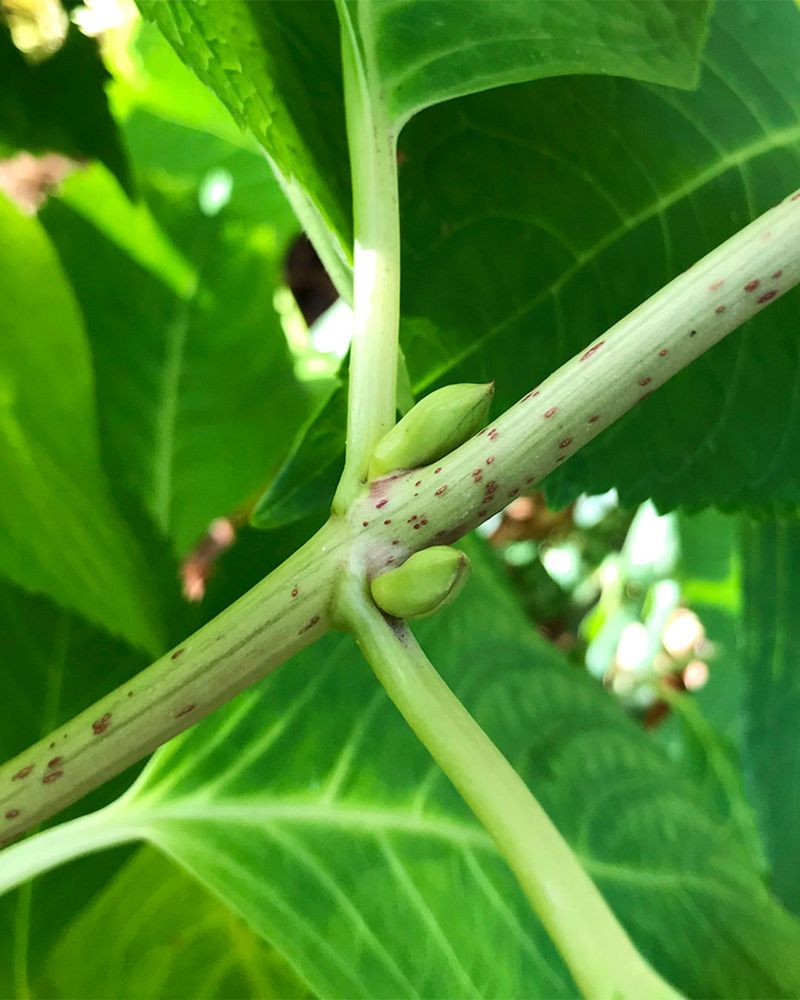
Pruning is one of those garden tasks that feels productive but can quietly cause big problems when done at the wrong time or in the wrong spot.
Many hydrangeas bloom on old wood, which means the flower buds formed last summer and survived through winter on the same stems.
If you cut those stems off in fall or early spring, you remove the buds before they ever get a chance to open.
When gardeners tidy up one side of the plant more aggressively than the other, they often end up removing flower buds only on the trimmed side. The untouched side blooms beautifully the next summer while the pruned side sits bare.
This is one of the most common and most fixable causes of one-sided blooming, and it happens in yards all across state every single year.
The fix is simple once you know which type of hydrangea you have. Old wood bloomers like bigleaf and oakleaf hydrangeas should only be pruned right after they finish flowering, never in fall or spring.
New wood bloomers like panicle and smooth hydrangeas can be cut back in early spring without losing buds.
Learning your variety before picking up the pruning shears saves you from accidentally setting the plant back by a full year.
Pruning both sides evenly and at the right time is one of the fastest ways to restore balanced blooming to a lopsided hydrangea.
8. Thin Nearby Branches Before Cutting Hydrangeas
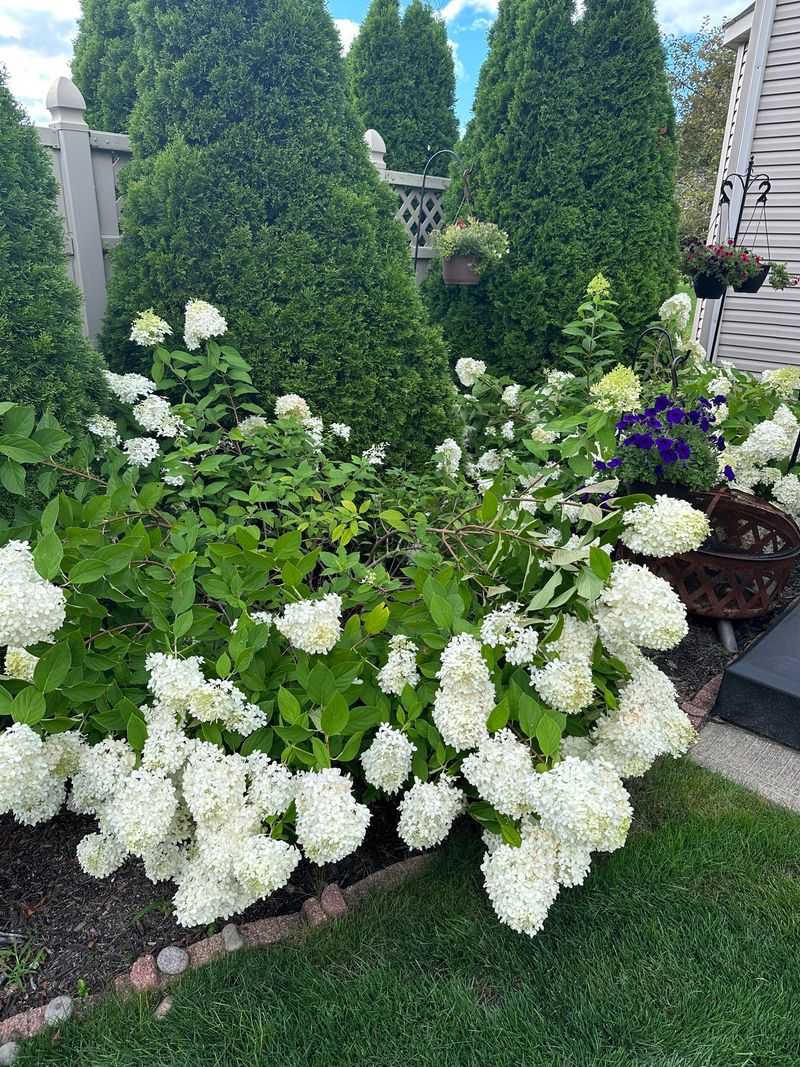
Before you reach for the pruning shears and start cutting your hydrangea, take a good look at what is growing around it.
Nearby shrubs, low-hanging tree branches, and overgrown perennials can crowd the hydrangea from one side and block the light it needs to bloom evenly.
Thinning those surrounding plants first is a step that most gardeners completely skip, and skipping it often makes the lopsided blooming problem worse instead of better.
When you thin nearby branches, you open up airflow and light access around the whole hydrangea. That alone can trigger new growth on the bare side without you having to touch the hydrangea at all.
Removing just two or three low branches from a nearby tree or cutting back an overgrown shrub by a third can let in enough extra light to change how the hydrangea grows over the following season.
Start by standing back and looking at the full picture before cutting anything. Identify which nearby plants are casting shade on the bare side of the hydrangea.
Then thin those plants selectively, removing crossing branches and dense growth that blocks light from reaching the ground. Work slowly and check the light levels as you go.
Once the surrounding area is more open, give the hydrangea a season to respond before making any major cuts to the plant itself. You may find that thinning the neighbors is all it takes to bring the whole hydrangea back into balance.
9. Water Around The Whole Root Zone
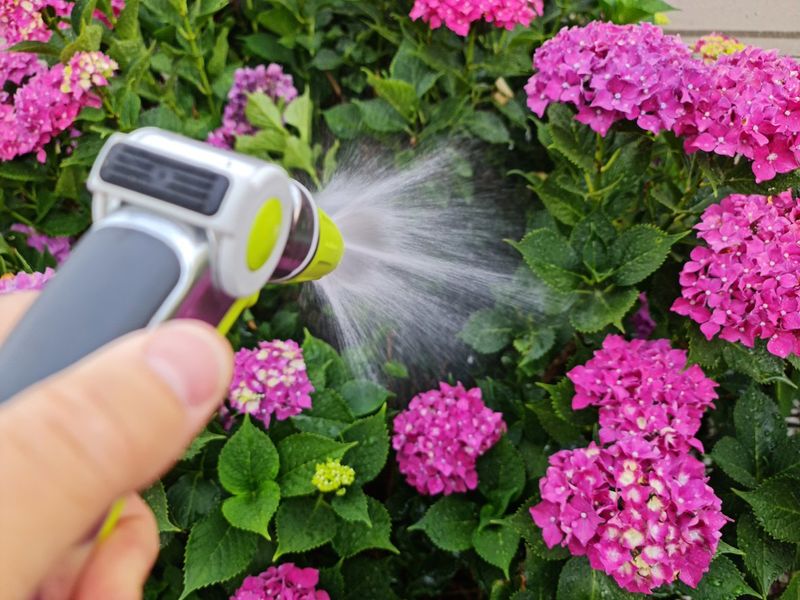
Watering habits can quietly shape how a hydrangea grows over time. Most Oregon gardeners water from one side of the plant, usually whatever side is closest to the hose or the irrigation head.
When one side of the root zone consistently gets more water, the roots on that side grow larger and stronger. The plant then sends more energy toward that well-watered side, and more blooms follow.
The dry side of the root zone stays weaker. Roots there have less access to moisture, which means they absorb fewer nutrients too.
Over several seasons, this watering imbalance can create a noticeably lopsided plant with dense blooming on one side and sparse or no blooming on the other.
Many gardeners never connect their watering routine to the blooming problem because the two things do not seem related at first glance.
Fixing this is as easy as changing where you point the hose. Water slowly and deeply all the way around the base of the plant, not just on the side that is easiest to reach.
A soaker hose looped in a full circle around the drip line of the plant is one of the best tools for this. It delivers even moisture to every part of the root zone without any effort on your part.
Doing this consistently for one full growing season can noticeably improve blooming on the side that was previously getting less water, often without any other changes needed.