Native Oregon Shrubs That Outperform Rhododendrons In Tough Shady Spots
Rhododendrons get plenty of attention in Oregon, but they are not always the easiest answer for difficult shade.
A dark corner with root competition, dry summer soil, or heavy clay can make even a classic favorite struggle.
Native shrubs can bring a better fit to those stubborn spots. They are built for local conditions, so they often settle in with less drama once they get established.
Some offer flowers. Others bring berries, texture, or year round structure that keeps shade gardens from looking flat.
The goal is not to force a showy plant into a place it dislikes. It is to choose shrubs that can handle the challenge and still look good doing it.
With the right native picks, tough shade can become one of the most natural and beautiful parts of the yard.
1. Pacific Wax Myrtle
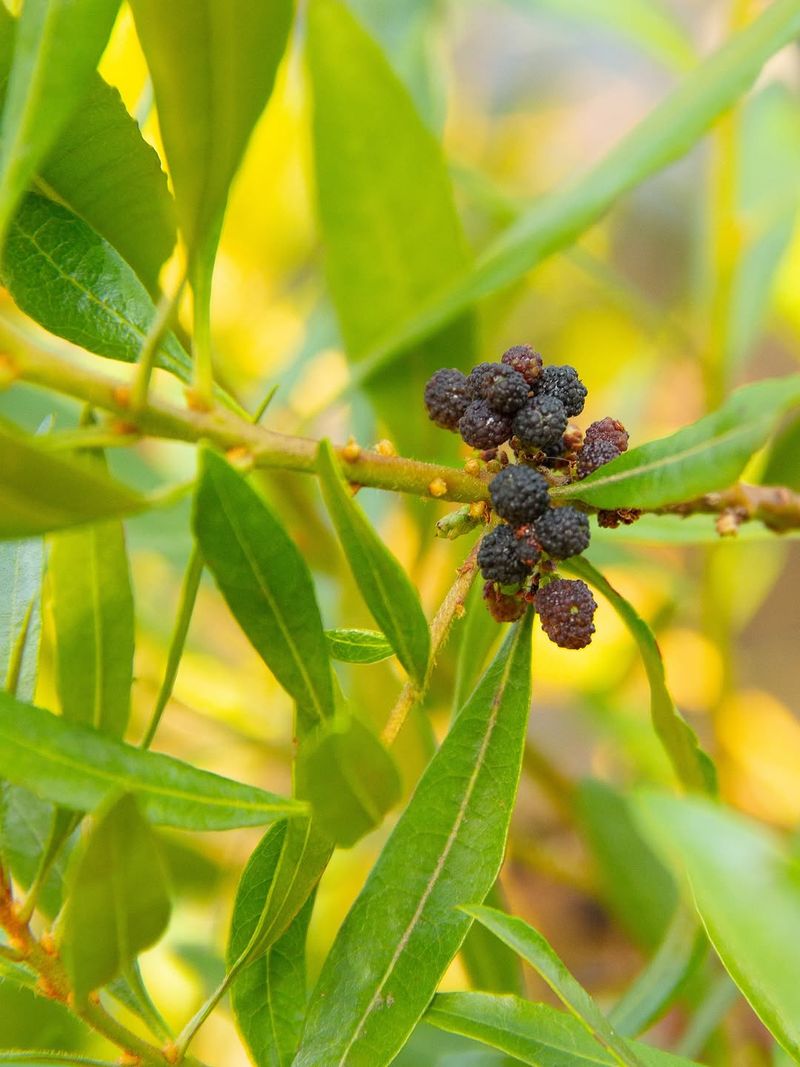
Few shrubs can claim the kind of year-round usefulness that Pacific Wax Myrtle brings to a shady yard.
Its glossy, aromatic leaves stay green through winter, giving your garden structure even when everything else looks bare and dull.
The leaves have a spicy, pleasant scent when you brush against them, which makes working near this plant genuinely enjoyable.
Native to coastal areas and moist lowlands across the western part of our state, this shrub handles shade and wet soil with ease.
It can grow into a large screen or hedge if left alone, reaching up to 10 or even 15 feet tall over time.
Gardeners who need privacy along a shaded fence line will find it nearly perfect for the job. Birds absolutely love the small, waxy blue-gray berries that appear in late summer and fall.
Yellow-rumped warblers, in particular, are famous for seeking out these berries during migration.
Planting this shrub is like putting out a welcome sign for local wildlife.
It tolerates occasional flooding and compacted soil far better than most ornamental shrubs. Once established, it needs very little water during dry summers.
You can prune it into a tidy form or let it grow naturally into a full, lush thicket. Either way, Pacific Wax Myrtle earns its place in any native garden with tough growing conditions.
2. Indian Plum / Osoberry
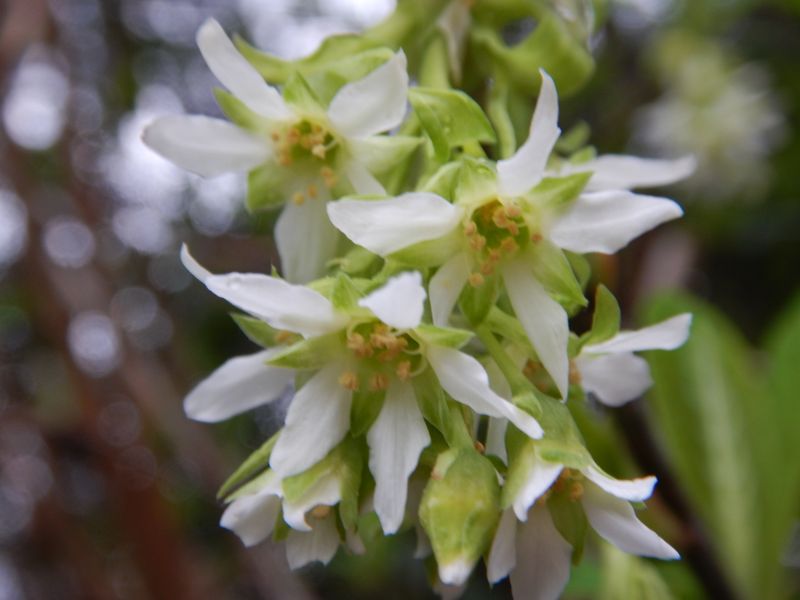
Every spring, before almost anything else wakes up, Indian Plum bursts into bloom with dangling clusters of tiny white flowers.
Gardeners who are used to waiting until May for color will be thrilled to see this shrub flowering as early as February.
That early bloom makes it one of the most exciting plants to watch in a shaded yard.
Also called Osoberry, this native shrub grows naturally along stream banks, forest edges, and shaded slopes throughout western parts of our state.
It handles deep shade better than most flowering shrubs, which is one reason it deserves far more attention than it typically gets.
Under a canopy of big trees where rhododendrons sulk and struggle, Indian Plum just keeps growing.
The small, plum-like fruits ripen in early summer and range from reddish to dark purple. Birds eat them quickly, so you may need to be fast if you want to taste them yourself.
Your Oregon Garden Changes Every Week. Your Plan Should Too.
Gardening in Oregon changes quickly throughout the season. Every Friday you’ll receive a simple weekly plan showing exactly what to plant, prune, fertilize, harvest, and protect so you never miss the right timing.
They have a slightly bitter flavor, similar to a wild cherry.
Hummingbirds visit the early flowers for nectar, and native bees rely on them as one of the first food sources of the season. The shrub spreads slowly by root sprouts, forming a loose, graceful thicket over time.
It stays relatively tidy and rarely needs pruning. For a shaded spot that needs early spring interest and wildlife value, few native plants compete with this one.
3. Twinberry Honeysuckle
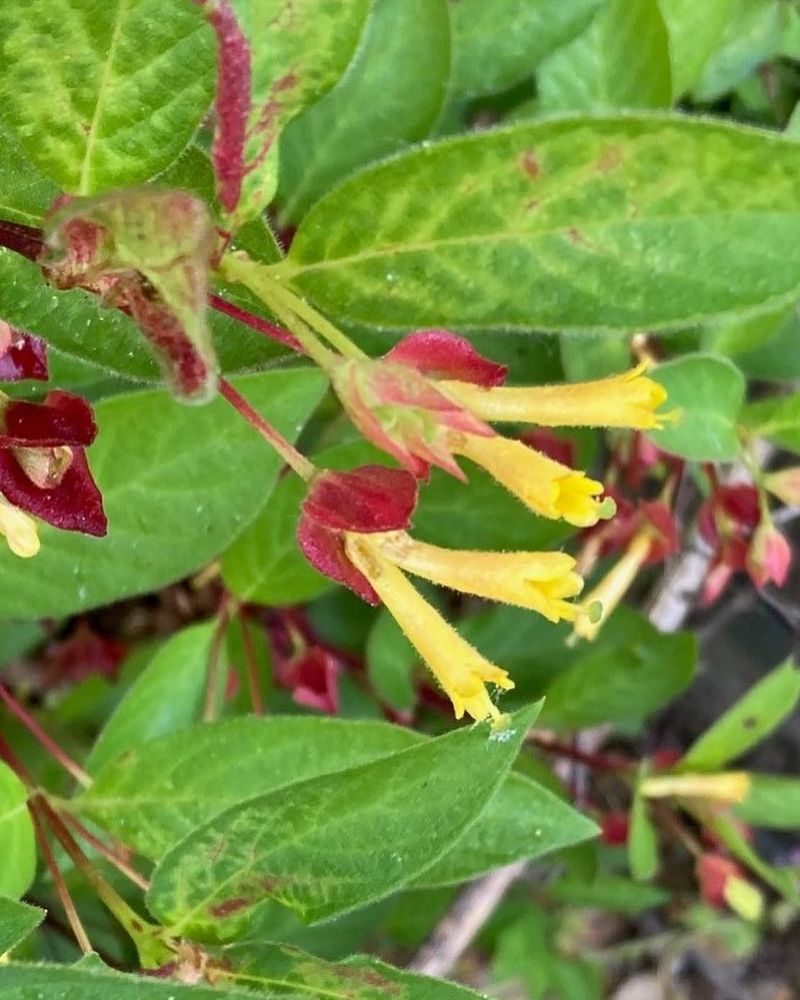
There is something almost theatrical about Twinberry Honeysuckle when it is in full fruit. The paired, glossy black berries sit inside deep red or purple bracts that look like tiny open hands holding jewels.
No other native shrub in our state produces a fruit display quite like it, and once you see it, you will not forget it.
This shrub thrives in moist, shaded spots that would challenge most garden plants. It naturally grows along stream banks, in wet meadows, and at the edges of shaded forests.
If you have a low area in your yard that stays wet after rain, Twinberry Honeysuckle will settle right in and make itself at home.
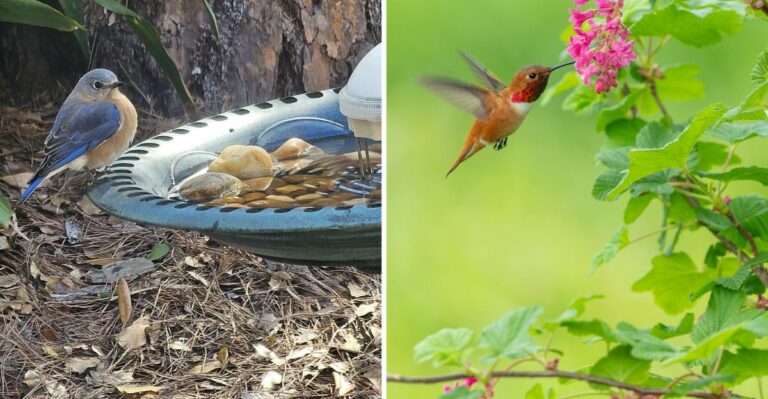
The yellow, tubular flowers appear in late spring and are a magnet for hummingbirds. Rufous hummingbirds, which are common visitors here during migration, make a beeline for this plant.
After the hummingbirds finish, songbirds move in to feast on the ripe berries.
It grows fairly quickly and can reach six to ten feet tall in ideal conditions. The large, oval leaves give it a lush, tropical look that contrasts nicely with finer-textured plants nearby.
Pruning is rarely needed, but it tolerates a trim if you need to keep it in bounds.
Twinberry Honeysuckle is one of those plants that works hard all season long, providing food and shelter for wildlife from flower to fruit.
4. Pacific Ninebark
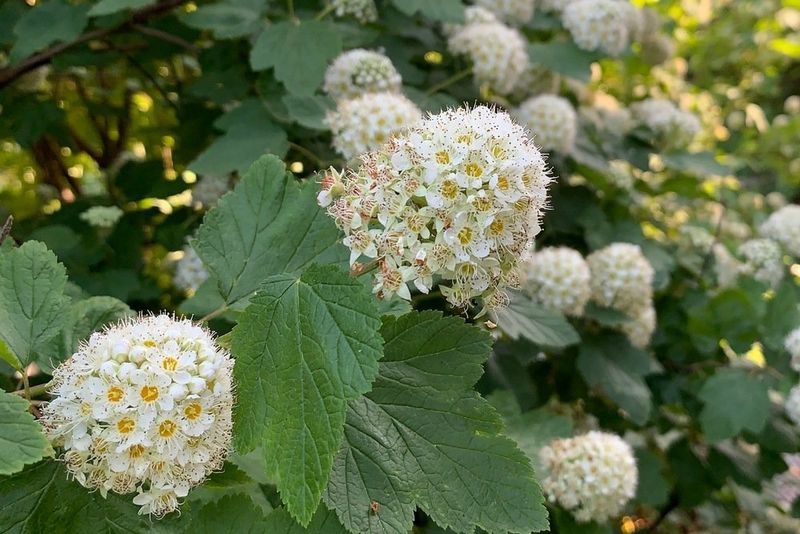
Named for its fascinating bark that peels back to reveal multiple colors underneath, Pacific Ninebark is one of the most visually interesting native shrubs you can grow.
The exfoliating bark provides winter interest when the leaves are gone, giving gardeners something beautiful to look at even in the coldest months.
Shredding bark in shades of cinnamon, gray, and cream makes bare stems look like pieces of art.
Found naturally along stream banks, rocky slopes, and shaded forest edges across our state, this shrub is built for tough spots. It handles both wet and dry conditions with surprising flexibility.
Once established, it rarely needs extra water, even during the dry summers that challenge so many garden plants.
Clusters of small, creamy white flowers bloom in late spring and attract a wide variety of native bees and butterflies.
The flowers have a soft, sweet fragrance that carries gently through the garden on warm days.
After blooming, reddish seed capsules form and add another layer of seasonal color.
Pacific Ninebark can grow anywhere from four to twelve feet tall depending on conditions, so it works equally well as a background shrub or a specimen plant. The arching, fountain-like form looks graceful in naturalistic garden designs.
Birds use the dense branching for nesting cover, making it a double win for wildlife gardeners. For shaded slopes and stream-side plantings, this shrub is a standout performer.
5. Red Elderberry
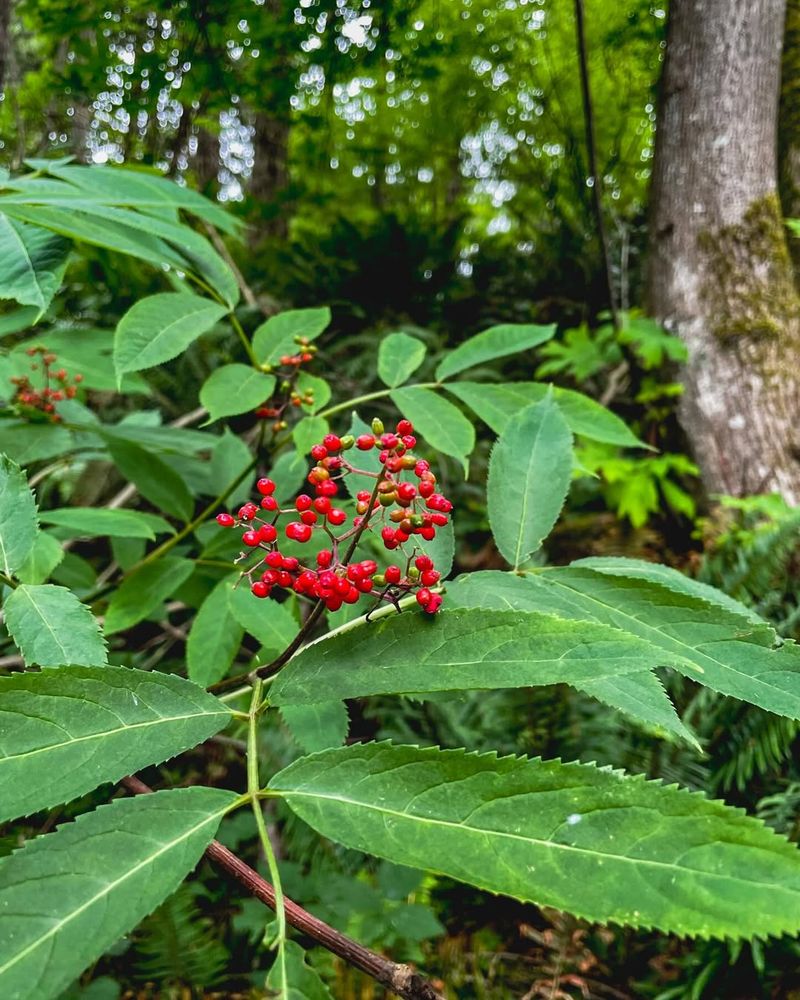
Bold, fast-growing, and absolutely beloved by birds, Red Elderberry is the kind of shrub that makes a big impression quickly.
It can shoot up six feet or more in a single growing season under good conditions, which makes it a great choice when you need to fill a large shaded area in a hurry. Few native shrubs move as fast or look as lush.
Naturally found in moist forests, stream sides, and shaded ravines across our state and into the northern regions of the PN, this plant is perfectly adapted to cool, damp conditions.
It handles deep shade better than many people expect. Even under a heavy canopy of conifers, it can put on impressive growth each year.
Large, flat-topped clusters of tiny cream-colored flowers appear in late spring and smell faintly sweet. These blooms attract hundreds of insects, including native bees, hoverflies, and beetles.
The show continues into summer when bright red berry clusters ripen and birds arrive in flocks to eat them.
Robins, thrushes, and cedar waxwings are among the most enthusiastic fans of the berries. The fruits are not safe for people to eat raw, but wildlife cannot get enough of them.
Red Elderberry can get quite large, sometimes reaching 20 feet in ideal conditions, so give it plenty of room. It is a powerhouse plant for wildlife-focused gardens with shaded, moist growing conditions.
6. Mock Orange
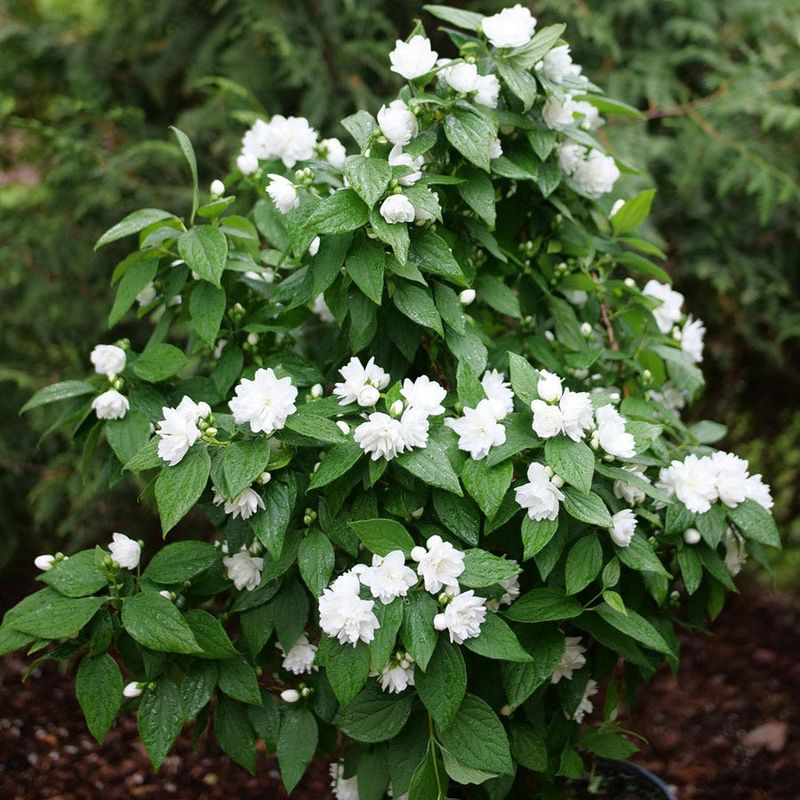
Walk past Mock Orange when it is in bloom and the scent alone will stop you in your tracks. The fragrance is rich, sweet, and almost exactly like orange blossoms, which is exactly how this shrub got its name.
Few native plants in our state can match it for pure sensory impact during its late spring bloom season.
Native to rocky slopes, open woodlands, and canyon edges across eastern and western parts of our state, Mock Orange is more adaptable than many gardeners realize.
It handles partial shade well and can survive in spots that get only a few hours of direct sun each day.
This flexibility makes it a strong candidate for the tricky shaded borders that challenge most flowering shrubs.
The large, four-petaled white flowers cover the arching branches in May and June, creating a stunning display that lasts several weeks. Pollinators, especially native bees and butterflies, flock to the blooms.
Even after flowering ends, the graceful arching form of the shrub continues to add structure to the garden.
Mock Orange grows six to ten feet tall and wide, so it needs a bit of room to spread out naturally.
After blooming, light pruning helps keep it shapely and encourages stronger flowering the following year.
It is drought-tolerant once established, which is a big plus for gardens in drier parts of the state. For fragrance, beauty, and wildlife value, this shrub is hard to beat.
7. Nootka Rose
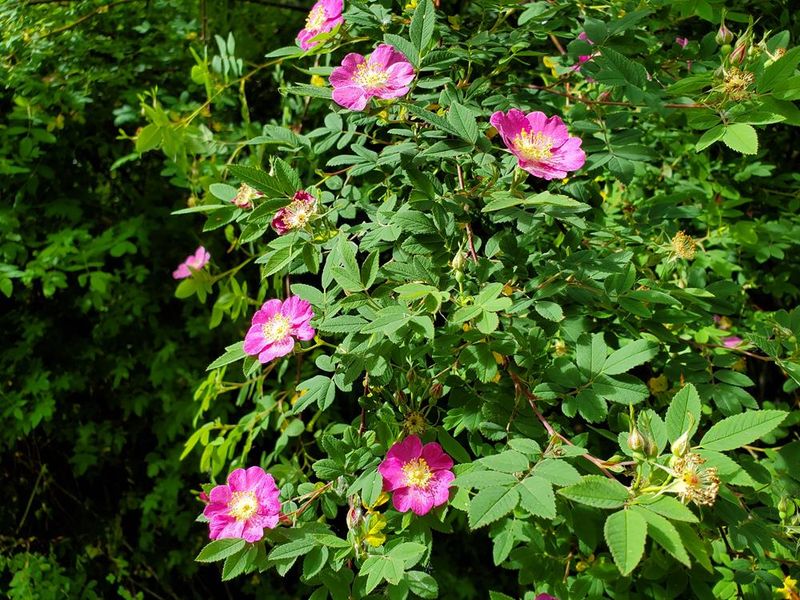
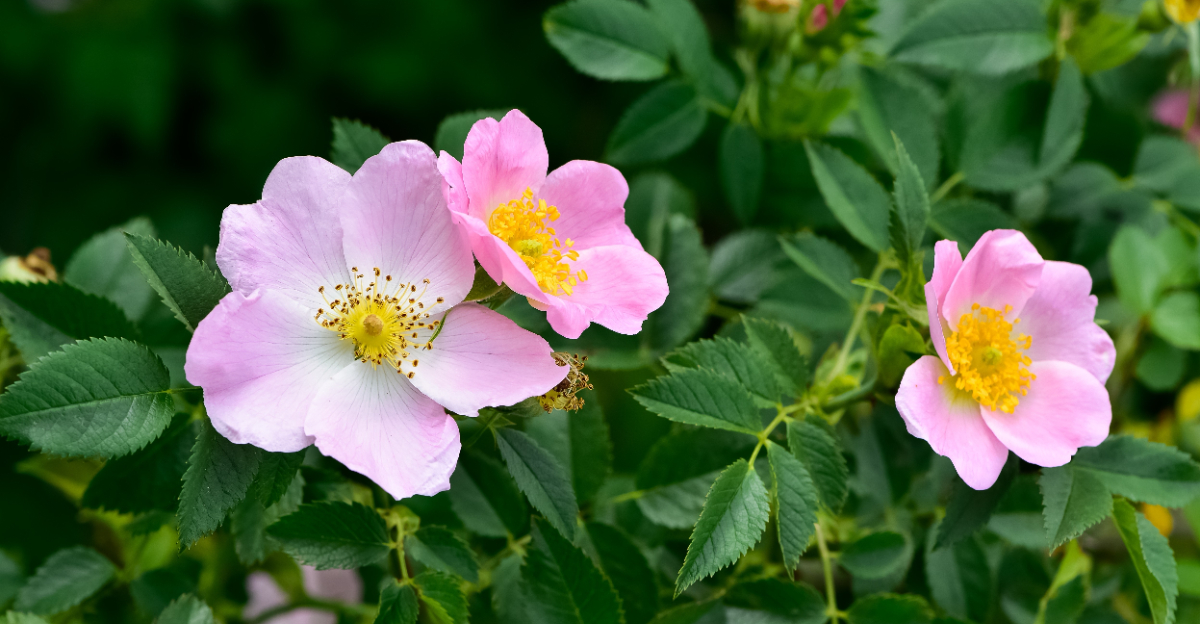
Tough, thorny, and absolutely gorgeous in bloom, Nootka Rose is the wild rose that our state’s landscapes were built on.
Large, bright pink flowers with a sweet fragrance open in late spring and early summer, drawing in pollinators from all over the neighborhood.
The blooms are simple and open-faced, which makes them especially easy for native bees to access.
Found naturally in open forests, meadow edges, and along stream banks from the coast to the mountains, Nootka Rose handles a wide range of conditions.
It tolerates partial shade quite well and can grow in spots that stay fairly moist through winter and spring.
This adaptability is one of its greatest strengths as a garden plant.
After the flowers fade, large round rose hips develop and ripen to a deep, rich red by late summer.
These hips are packed with vitamin C and are an important food source for birds and small mammals through fall and winter. Robins, waxwings, and even deer browse on them regularly.
Nootka Rose spreads by root suckers and can form a dense thicket over time, which makes it excellent for erosion control on shaded slopes.
If you want to keep it contained, occasional pruning of the outer canes does the trick.
The thorny stems also provide great nesting cover for small birds. For a shaded spot that needs beauty, wildlife value, and real toughness, this rose delivers on every front.
8. Baldhip Rose
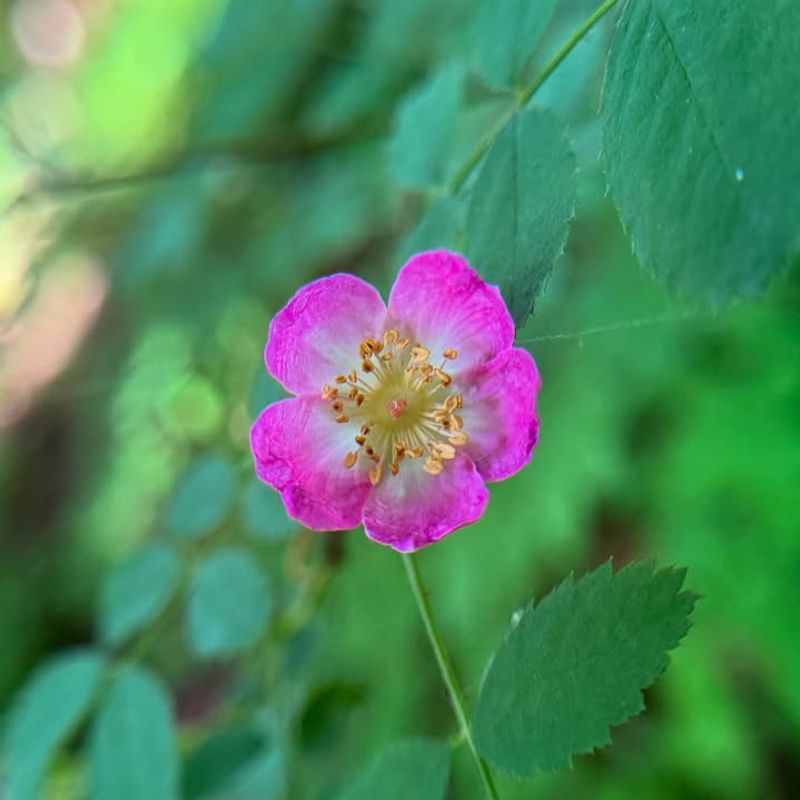
Smaller and more delicate-looking than its cousin Nootka Rose, Baldhip Rose brings a refined, understated beauty to shaded garden spaces.
The name comes from the smooth, round hips that lack the sepals found on most other roses, giving the fruit a clean, bald look that is surprisingly distinctive.
Once you know what to look for, you will spot this rose easily in the wild.
Naturally found in dry to moist open forests, forest edges, and rocky slopes throughout our state, Baldhip Rose is one of the more shade-tolerant wild roses you can grow.
It handles dappled light under conifers and deciduous trees without losing its vigor or its willingness to bloom. That shade tolerance sets it apart from many other rose species.
The flowers are small and pink with a light, sweet fragrance. They bloom in late spring and attract native bees, especially mining bees and bumblebees.
Even though the individual flowers are not as showy as garden roses, there is a charm to them that feels completely at home in a natural-style garden.
Baldhip Rose stays relatively compact, usually reaching four to six feet tall, which makes it easier to manage in smaller spaces than Nootka Rose.
The small red hips ripen in late summer and persist into winter, providing food for birds long after most other berries are gone.
For a shaded, naturalistic garden that needs wildlife value and quiet beauty, this underrated native rose is a wonderful choice.