Why Healthy Soil Matters So Much In Oregon Gardens And How To Spot The Signs
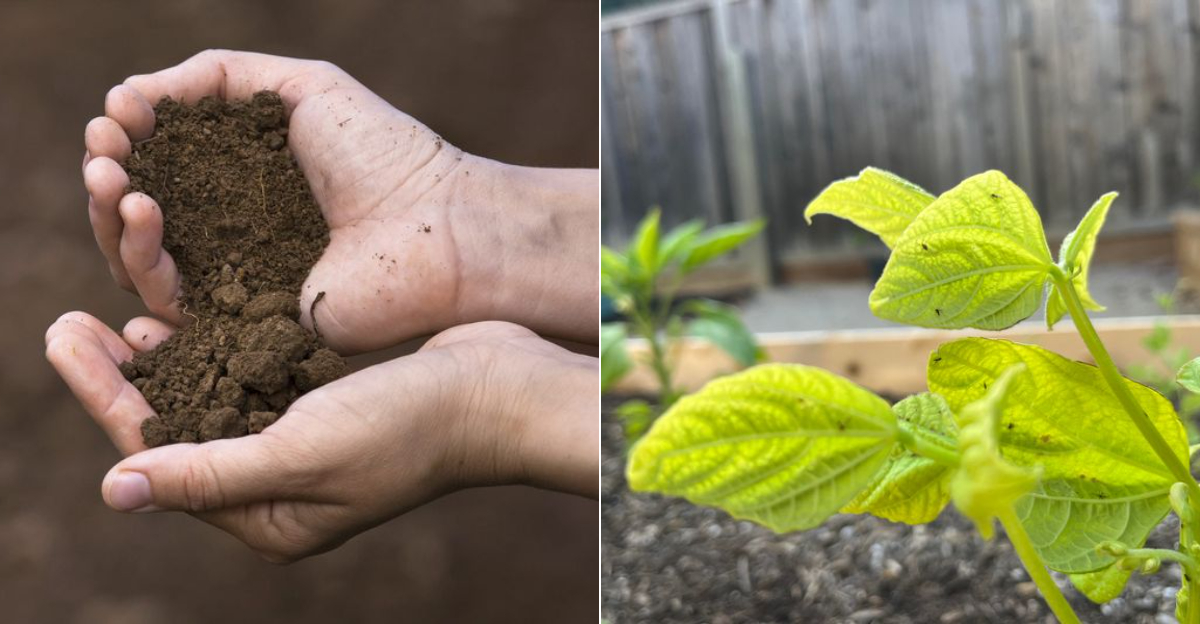
Healthy soil is the quiet reason some Oregon gardens look lush while others act cursed. You can water, weed, and fuss all you want, but tired soil will still hold the whole garden back.
The tricky part is that soil problems do not always announce themselves clearly. They show up in slow growth, sad roots, weak blooms, patchy beds, or plants that never quite hit their stride.
Oregon weather can make things even more interesting, with wet seasons, dry summers, and soil that changes fast by region. Before blaming the plant, the sun, or your gardening luck, look lower.
The clues are often right under your feet, and learning to read them can change how your whole garden grows.
1. Healthy Soil Holds Water Longer
Water is everything in a garden, and how your soil handles it tells you a lot about its health. Healthy soil acts like a sponge.
It soaks up rain or irrigation water and holds onto it long enough for plant roots to drink it in slowly.
Oregon summers can get surprisingly dry, especially east of the Cascades. If your soil dries out too fast after watering, that is a warning sign.
Sandy or low-organic-matter soils simply cannot hold moisture the way healthy, rich soils can.
Adding compost is one of the best ways to fix this problem. Compost improves the soil’s structure and gives it more tiny spaces to store water between rain events.
Even a two-inch layer worked into your garden beds each spring can make a noticeable difference by midsummer.
You can do a simple test at home. Water your garden bed and then check back in 24 hours.
If the top two inches feel bone dry, your soil needs more organic matter. Mulching on top also slows evaporation and keeps moisture in the root zone longer.
Healthy soil stays slightly damp to the touch even a day or two after watering. That steady moisture is what keeps roots healthy and plants growing strong all through the warm season.
2. Good Soil Drains Without Staying Soggy
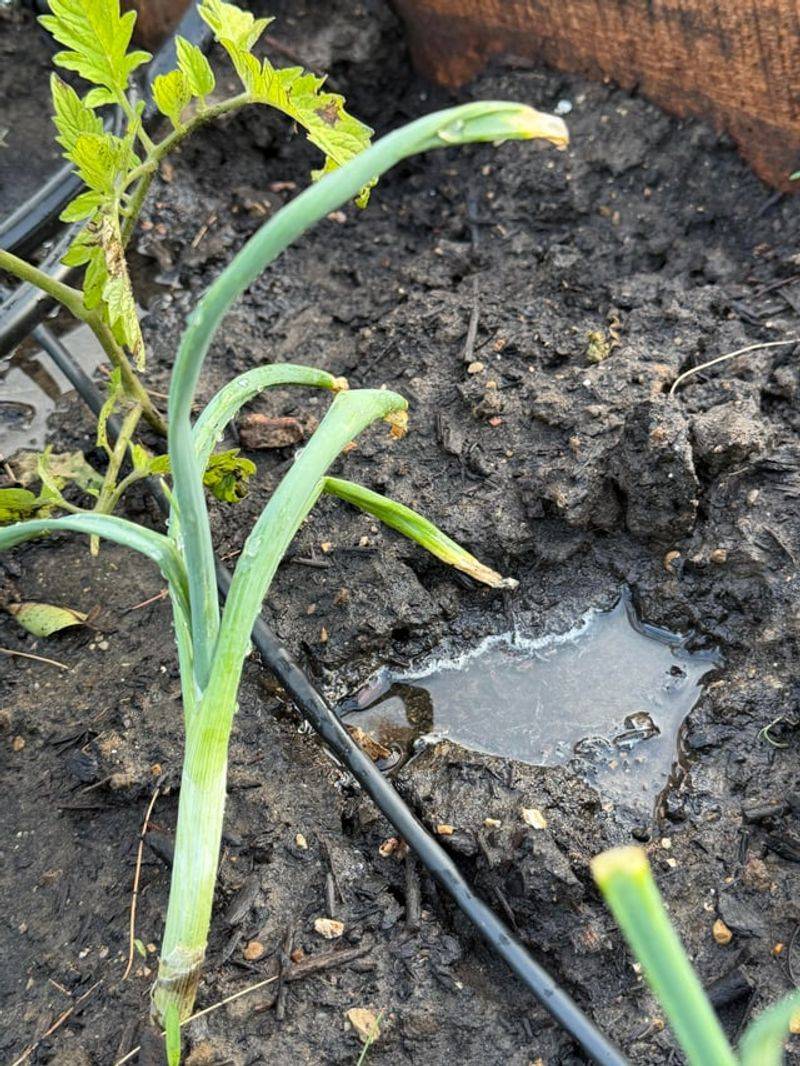
Balance is the secret to great soil. It should hold moisture but also let extra water drain away.
Soil that stays waterlogged for hours or days after rain can suffocate roots and invite fungal problems that spread quickly.
In western parts of Oregon, heavy clay soils are very common. Clay holds water well, but too much of it creates a dense, sticky mess that roots simply cannot push through.
When you dig into soggy clay, it smells sour or musty. That smell is a clue that something is off underground.
Good drainage means water moves through the soil at a steady pace. A simple drainage test involves digging a hole about one foot deep and filling it with water.
If the water drains within an hour, your drainage is solid. If it sits for several hours, you likely have a drainage issue worth fixing.
Mixing in coarse sand, perlite, or aged compost can break up heavy clay and improve drainage over time. Raised garden beds are another popular solution because you control exactly what goes into the soil mix.
Your Oregon Garden Changes Every Week. Your Plan Should Too.
Gardening in Oregon changes quickly throughout the season. Every Friday you’ll receive a simple weekly plan showing exactly what to plant, prune, fertilize, harvest, and protect so you never miss the right timing.
Healthy, well-draining soil gives roots the oxygen they need to function. Roots need air just as much as they need water.
Striking that balance between moisture and drainage is one of the most important goals any gardener can work toward.
3. Worms Signal A Living Soil Web
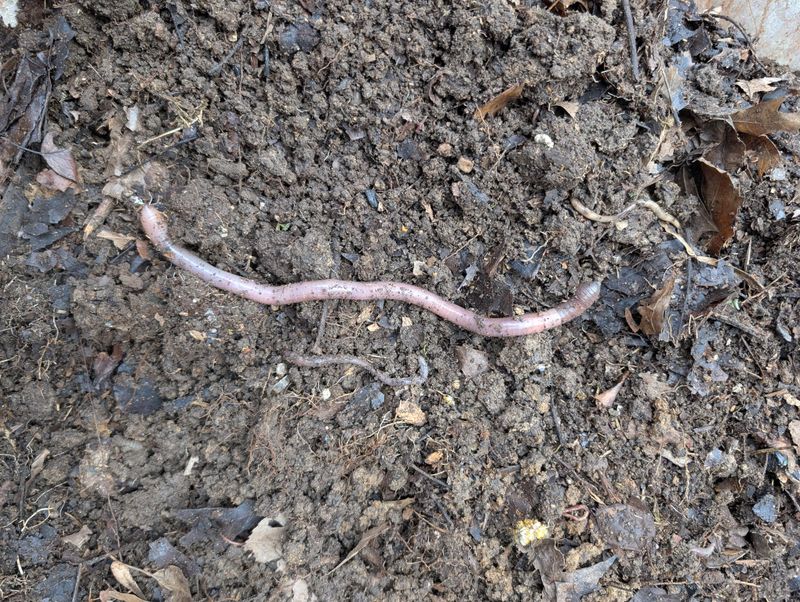
Few things make a gardener smile like flipping over a shovel of dirt and finding a tangle of earthworms. Worms are one of the clearest signs that your soil is alive and thriving.
They are not just passengers in the dirt. They are active workers.
Earthworms tunnel through the soil, breaking up compaction and creating tiny channels that let air and water move more freely. As they eat organic matter and move through the ground, they leave behind castings that are packed with nutrients plants love.
It is like having a tiny fertilizer factory working beneath your feet every day.
In Oregon’s cooler, wetter regions, worms tend to be plentiful when the soil is healthy. If you dig a square foot of garden bed about six inches deep and find fewer than five worms, your soil may be lacking in organic matter or biological activity.
Feeding your soil well feeds your worms. Compost, leaf litter, and mulch give worms the organic food they need to stay active and multiply.
Avoid using harsh chemical fertilizers and pesticides that can reduce worm populations quickly.
A healthy soil web includes much more than worms. Bacteria, fungi, and tiny insects all play roles.
But worms are the easiest indicator to spot. When worms are happy, the whole underground ecosystem is usually in good shape, and your plants will show it above ground.
4. Crumbly Texture Means Roots Can Breathe
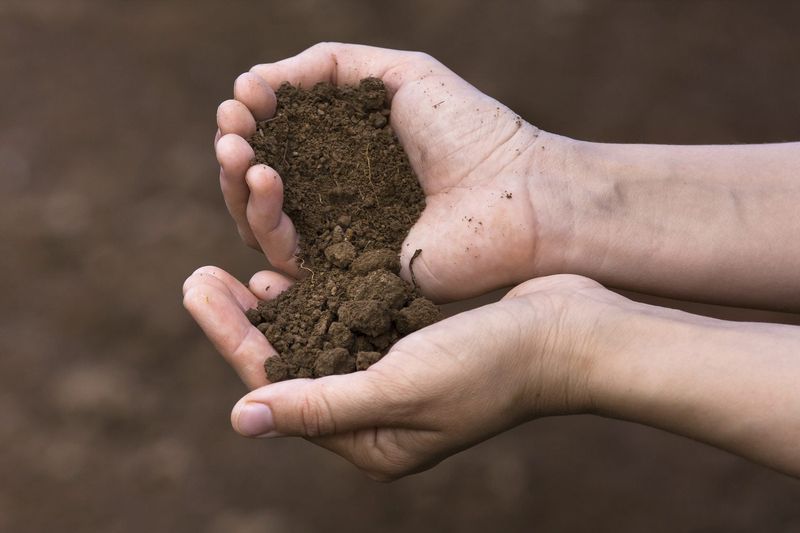
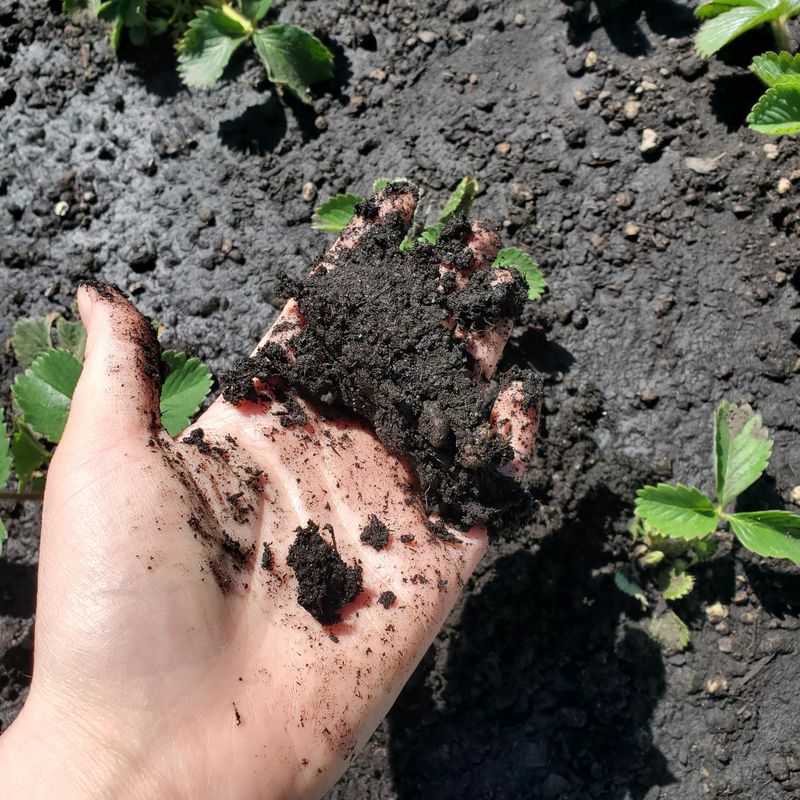
Pick up a handful of good garden soil and squeeze it gently. It should clump together just a little, then crumble apart easily when you poke it.
That crumbly, loose texture is called good tilth, and it is exactly what plant roots need to grow without struggle.
Roots are always searching for air, water, and nutrients. When soil has a crumbly structure, roots can push through it easily and spread wide.
A wider root system means the plant can reach more water and more nutrients, which shows up as stronger growth above the soil line.
Oregon’s coastal and valley soils often start out with decent structure, but foot traffic, heavy rains, and repeated tilling can break that structure down over time. Once the structure collapses, the tiny air pockets disappear and roots have a much harder time expanding.
To build crumbly soil texture, add organic matter regularly. Compost, aged manure, and cover crops all help feed the microscopic life that holds soil particles together in loose, airy clusters called aggregates.
These aggregates are what give healthy soil its sponge-like feel.
Avoid working your soil when it is soaking wet. Wet soil compresses easily and loses its structure fast.
Wait until it passes the squeeze test before digging or planting. Protecting that crumbly texture is one of the most rewarding habits a home gardener can develop over time.
5. Compacted Soil Makes Plants Struggle
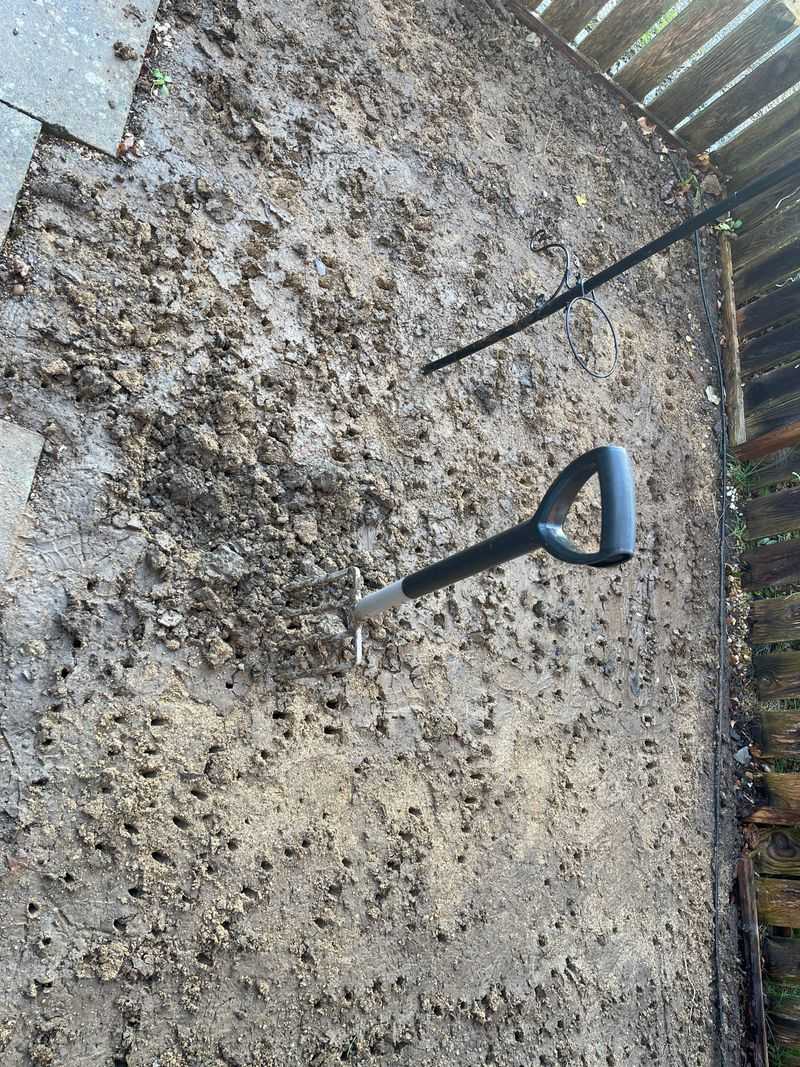
Hard, dense soil is one of the most common problems home gardeners face, and it quietly works against plants every single day. When soil is compacted, air and water cannot move through it properly.
Roots get squeezed and cannot spread the way they should.
Compaction usually happens from repeated foot traffic, heavy garden equipment, or working the soil too often. The wet season makes compaction worse because saturated soil gets pressed down more easily under weight.
Clay-heavy soils in the Willamette Valley are especially prone to this problem.
One clear sign of compaction is when water puddles on the surface instead of soaking in. Another sign is when plants seem stunted even though you are watering and fertilizing regularly.
Sometimes the soil surface cracks in dry weather, forming a hard crust that even small seedlings cannot push through.
A simple way to test for compaction is to push a pencil or screwdriver into the soil. If you cannot push it in at least six inches without serious effort, the soil is likely compacted and needs help.
Aerating your garden with a fork or broadfork breaks up compaction without flipping the soil layers. Adding compost and avoiding walking on your beds also helps over time.
Creating permanent pathways between beds is one of the smartest moves any gardener in Oregon can make to protect their soil long-term.
6. Pale Leaves Can Point To Nutrient Trouble
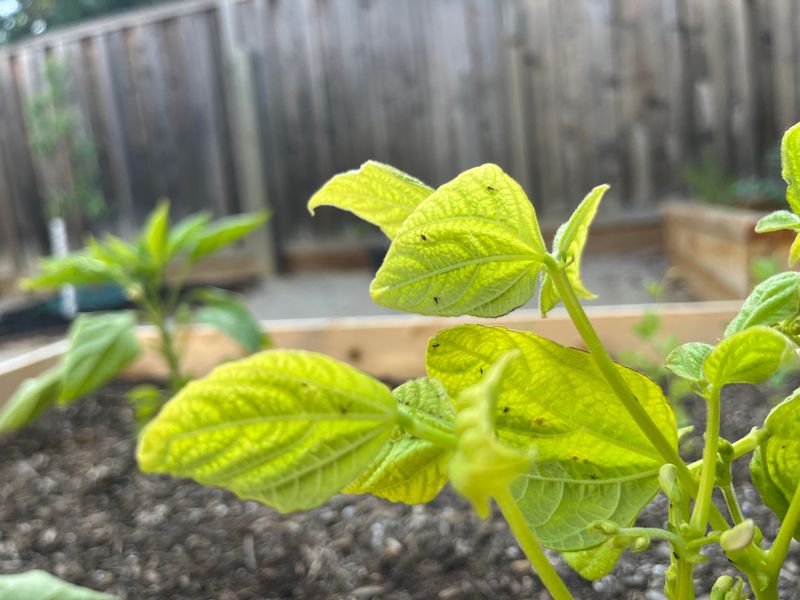
Leaves are like a report card for your soil. When something is off underground, plants often show it above ground first through their leaf color.
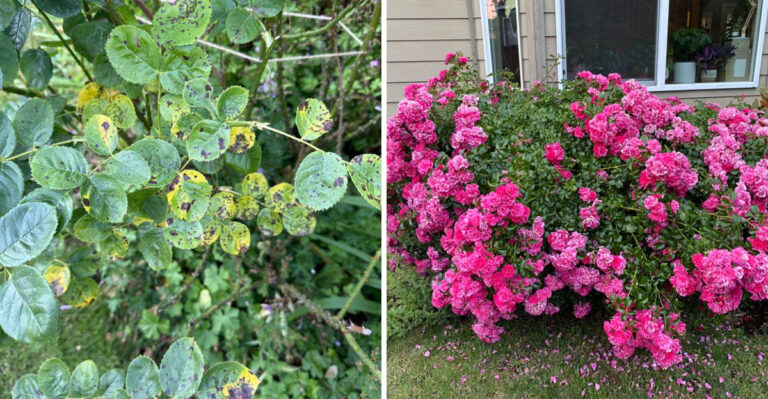
Pale, yellowish, or washed-out leaves are one of the most common visual clues that nutrients are missing from the soil.
Nitrogen deficiency is the most frequent cause of pale leaves. Nitrogen is what helps plants build green, leafy growth.
Without enough of it, older leaves turn yellow first, starting at the bottom of the plant and working upward. Oregon’s heavy rainfall can wash nitrogen out of the soil quickly, especially in sandy or low-organic-matter gardens.
Iron deficiency looks a little different. Young leaves at the top of the plant turn pale or yellow while the veins stay green.
This condition, called chlorosis, often happens in soils that are too alkaline for the plant to absorb iron properly even when iron is present.
Testing your soil is the smartest first step when leaves start looking pale. Oregon State University Extension offers affordable soil testing resources that tell you exactly what is missing and how to fix it.
Guessing can lead to over-fertilizing, which creates its own set of problems.
Compost, balanced organic fertilizers, and adjusting soil pH can usually correct most nutrient issues over a season or two. Catching pale leaves early and responding quickly gives your plants the best chance to recover and finish the growing season strong.
7. Standing Water Warns Of Poor Drainage
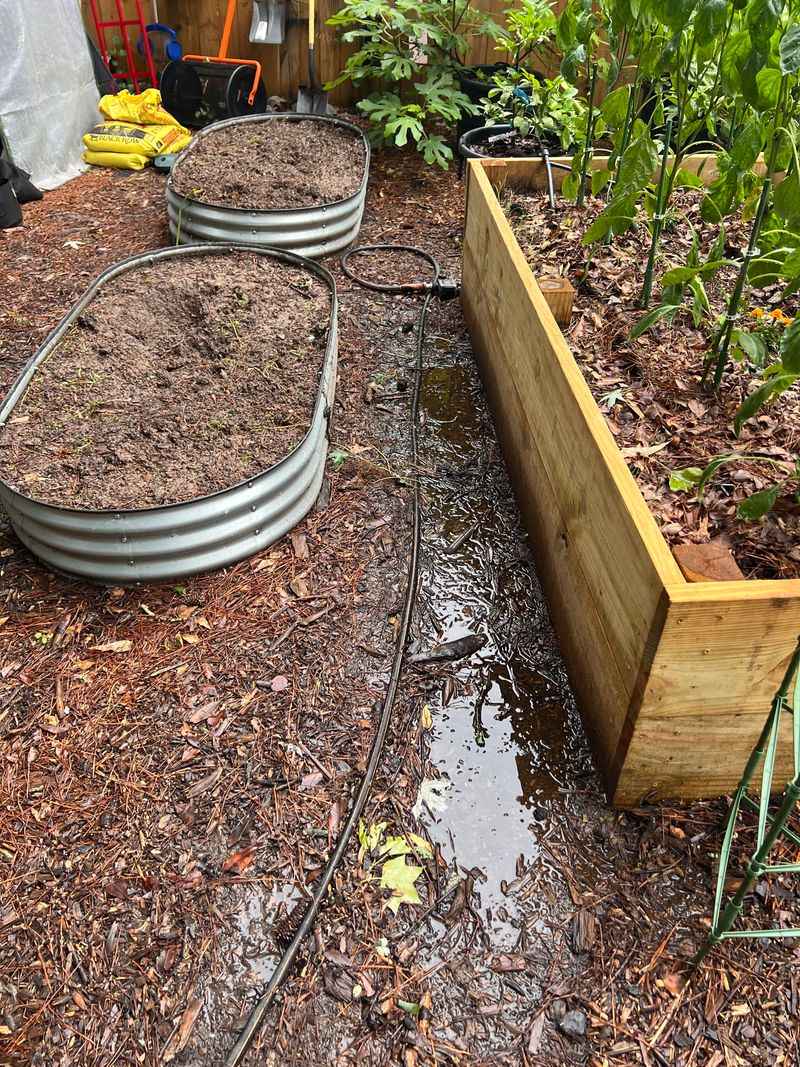
After a heavy rain, it is normal for water to sit on the surface for a short time. But if puddles are still there hours later, that is your garden trying to tell you something important.
Standing water is one of the clearest warning signs of poor drainage, and it can cause serious harm to your plants over time.
Oregon is famous for its wet winters and rainy springs, which means drainage problems show up fast and stay around. When water cannot move through the soil quickly enough, it fills the tiny air pockets between soil particles.
Roots that sit in waterlogged conditions for too long begin to suffer because they cannot get the oxygen they need.
Low spots in the garden are naturally prone to pooling. Sometimes the issue is a hardpan layer just below the surface that water simply cannot break through.
You can check for this by digging down about 12 inches and seeing if the soil suddenly changes texture or becomes very dense and hard.
French drains, raised beds, and strategic grading are all practical solutions used by many gardeners across this state. Adding organic matter over several seasons also gradually improves drainage in clay-heavy soils by creating better structure.
Choosing plants that tolerate wet conditions for low spots is another smart approach. Native plants like sedges and rushes thrive where drainage is poor and can actually help stabilize those soggy areas while you work on longer-term soil improvements.
8. Bare Soil Loses Moisture Fast
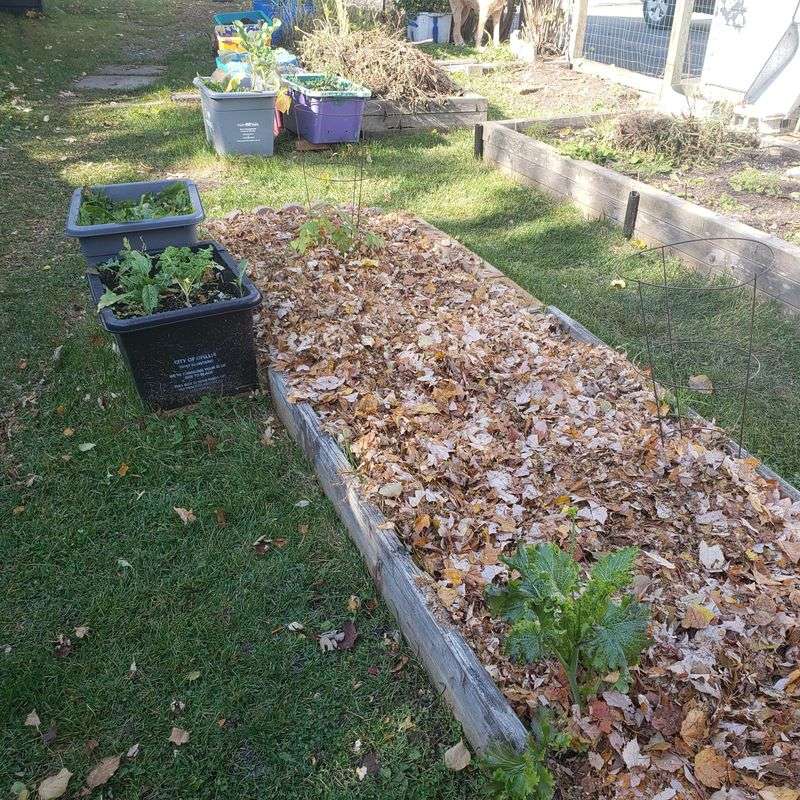
Bare soil looks tidy, but it is actually one of the most vulnerable states a garden can be in. Without a protective layer of mulch or plants covering the surface, moisture evaporates quickly, especially during our state’s warm, dry summers east of the Cascades and in the southern valleys.
When the sun beats down on exposed soil, the surface temperature can rise dramatically. That heat pulls moisture out of the ground fast.
Soil microbes, worms, and fungi that live near the surface suffer when conditions get too hot and dry. Over time, bare soil loses the organic matter and biological activity that make it fertile and productive.
Rain also does damage to bare soil. Heavy drops hit the exposed surface and break apart soil aggregates, causing a thin crust to form.
That crust makes it harder for water to soak in the next time it rains, which increases runoff and erosion on slopes.
A two-to-three-inch layer of mulch changes everything. Wood chips, straw, shredded leaves, and grass clippings all work well.
Mulch keeps the soil cooler, slows evaporation, prevents crust formation, and feeds the soil as it breaks down slowly over the season.
Cover crops are another excellent option for bare garden beds between growing seasons. Planting clover, winter rye, or phacelia keeps the soil covered, adds organic matter, and protects the soil web all through the off-season, setting you up for a much stronger spring garden.