How Often Oregon Lawns Should Be Reseeded For Thicker, Healthier Grass
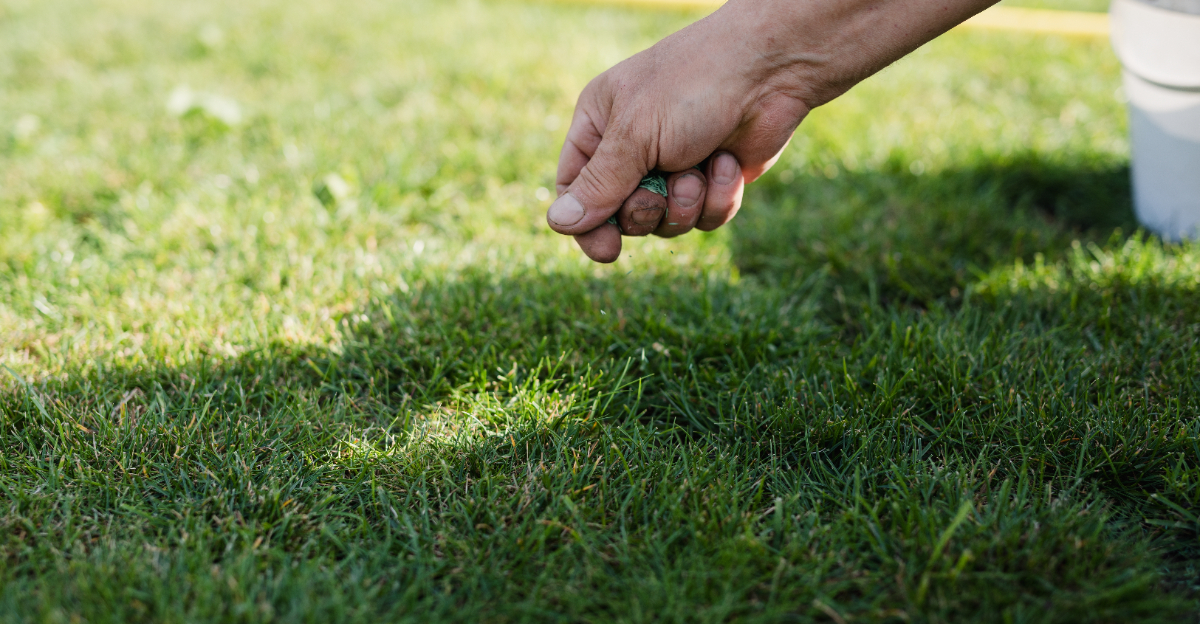
A thin Oregon lawn has a way of making the whole yard look tired, even when everything else is behaving.
Bare spots, patchy growth, and weak color can sneak in after wet winters, dry summers, foot traffic, and one too many “I’ll deal with it later” mowing seasons.
Reseeding can help bring the lawn back, but timing matters more than most homeowners think. Do it too often, and you may waste seed.
Wait too long, and weeds start acting like they own the place. The sweet spot depends on how your grass looks, how hard the yard gets used, and what the season has done to it.
Before you toss seed around and hope for a miracle, it helps to know when reseeding actually pays off.
1. Most Oregon Lawns Need Overseeding Every Few Years
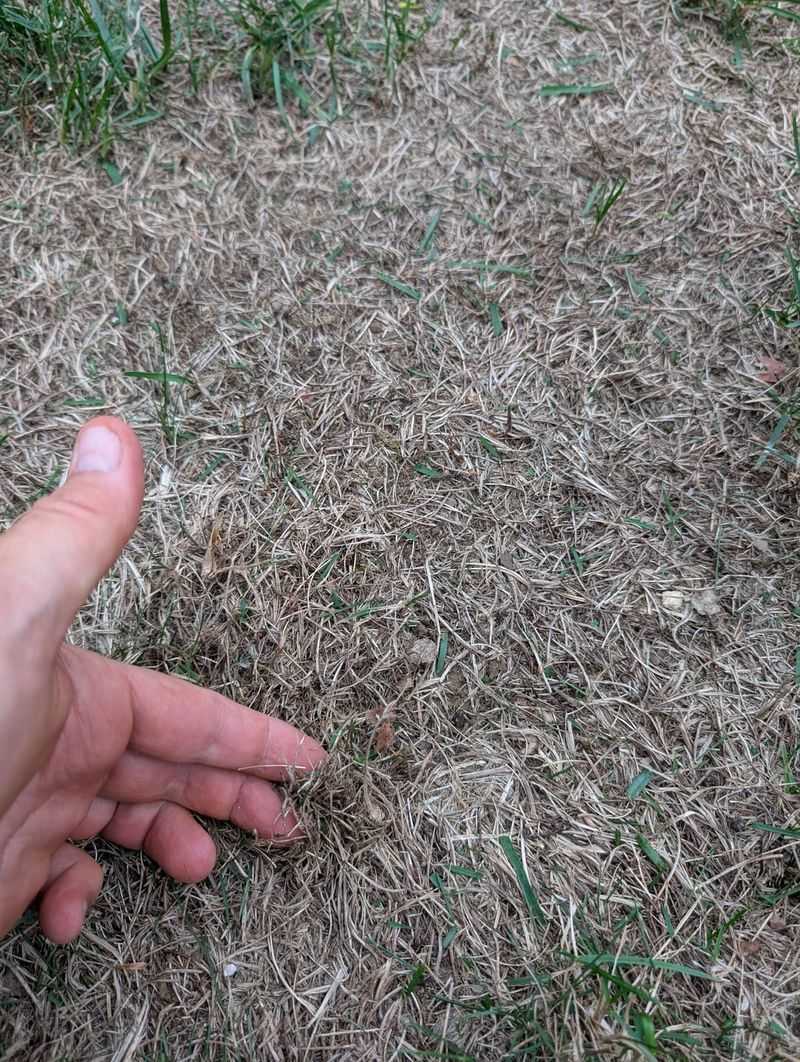
Many homeowners are surprised to learn that even a lawn that looks decent can benefit from regular overseeding. Grass plants do not last forever.
Over time, they slow down, thin out, and leave gaps where weeds can sneak in.
For most yards in Oregon, overseeding every two to three years is a solid baseline. Cool-season grasses like tall fescue and perennial ryegrass are the workhorses of Pacific Northwest lawns, but they still wear down with age.
A lawn that gets moderate use and decent care might stretch to four years between seedings. One that takes more abuse may need attention sooner.
Think of overseeding like a refresh button for your yard. You are not starting over from scratch.
You are just adding new, vigorous grass plants to replace the ones that have thinned out. New seed fills gaps, crowds out weeds, and gives the lawn a denser, more even look.
The key is not to wait until the lawn looks completely bare. Overseeding while there is still a decent base of grass gives the new seed better conditions to grow.
Existing grass provides some shelter, holds moisture, and helps protect young seedlings from drying out too fast.
Starting with a simple two-to-three-year schedule and adjusting based on how your lawn actually looks is the smartest approach for most homeowners in this region.
2. Thin Patches Are The First Sign
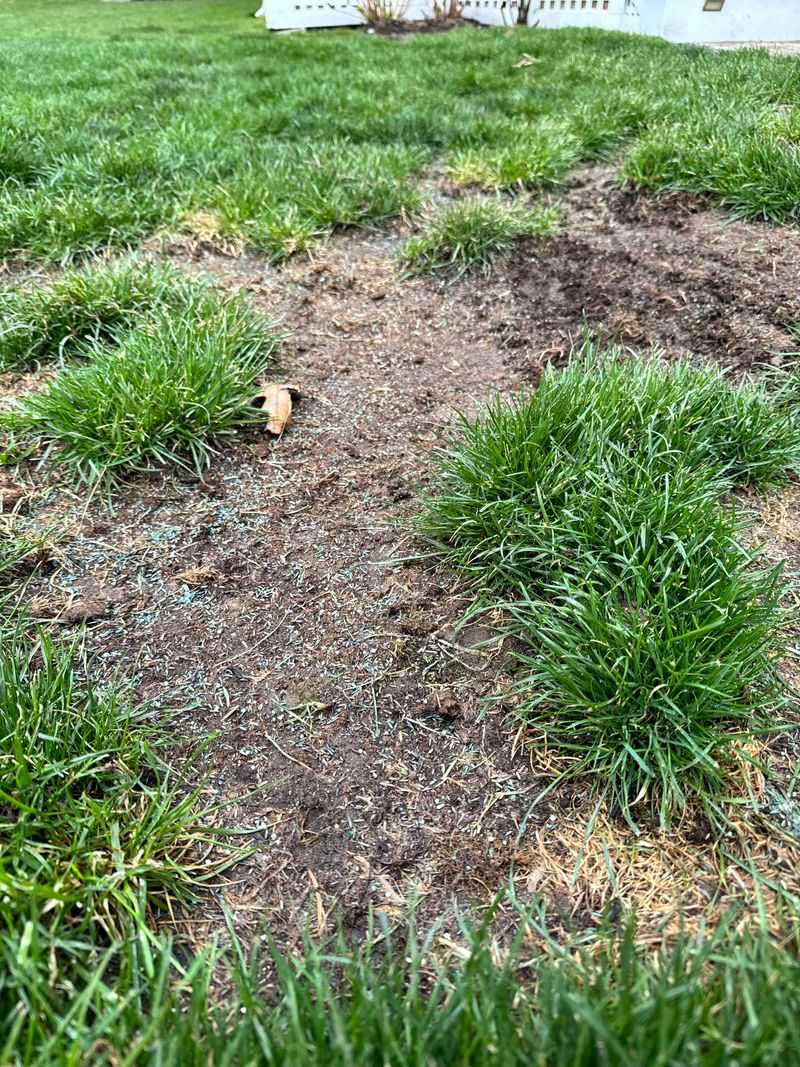
Your lawn talks to you, and thin patches are one of the loudest signals it sends. When you start noticing spots where the grass looks sparse, faded, or shorter than the rest of the yard, that is your cue to act.
Thin patches show up for all kinds of reasons. Heavy rain can wash seed away.
Dry spells stress roots. Pets, kids, and regular foot traffic all wear grass down over time.
Sometimes soil compaction is the culprit, preventing roots from growing deep enough to anchor strong plants.
The good news is that catching thin patches early makes them much easier to fix. A small bare area treated with fresh seed in early fall can fill in nicely before winter arrives.
Wait too long, and weeds will claim that open soil before your grass ever gets a chance.
Your Oregon Garden Changes Every Week. Your Plan Should Too.
Gardening in Oregon changes quickly throughout the season. Every Friday you’ll receive a simple weekly plan showing exactly what to plant, prune, fertilize, harvest, and protect so you never miss the right timing.
Walk your yard slowly and look closely at the grass density. Get down to eye level if you can.
A healthy lawn should look thick and full from every angle. If you can easily see soil through the grass blades, overseeding is overdue.
Thin patches often spread if ignored. One small spot becomes two, then three, then a patchwork of bare areas that are much harder to recover.
Treating them promptly, with good seed and proper watering, keeps small problems from turning into big seasonal headaches.
3. Early Fall Is The Best Reseeding Window
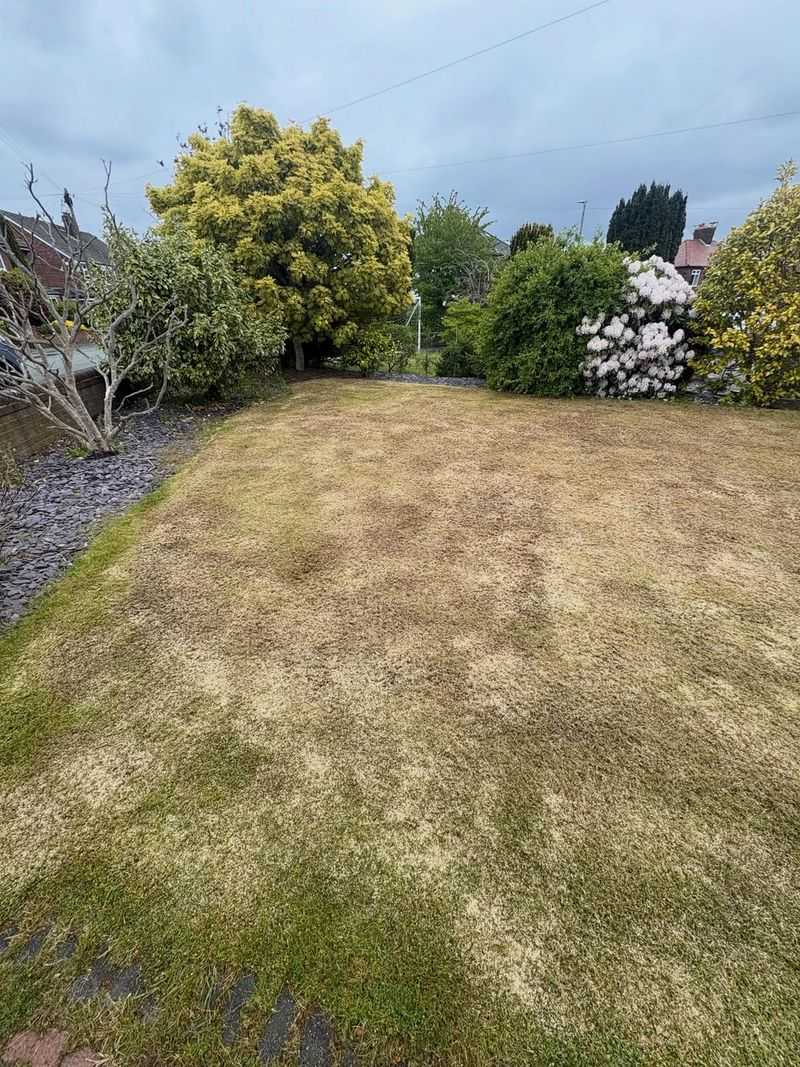
Early fall is hands down the best time to reseed a lawn in this part of the country. Soil temperatures are still warm from summer, which helps seed germinate quickly.
At the same time, the air is cooling down, which is exactly what cool-season grasses love.
Late August through mid-October is the sweet spot for most yards in Oregon. Rain starts to return naturally, which means less work for you and better moisture conditions for new seedlings.
You are working with the weather instead of against it.
New grass planted in early fall also has time to establish roots before winter arrives. A well-rooted seedling can handle cold, rain, and even light frost far better than one that is still fragile.
By the time spring rolls around, fall-seeded grass is already strong and ready to grow.
Another big advantage of fall seeding is that weed pressure drops significantly. Many common lawn weeds slow down or stop growing in cooler temperatures.
That gives your new grass a fighting chance without having to compete with fast-growing invaders.
Timing matters more than most people realize. Seed planted too late in fall may not germinate before temperatures drop too low.
Aim for at least six to eight weeks before your first expected hard frost. That window gives new grass enough time to sprout, establish, and toughen up before the cold really sets in.
4. Spring Seeding Works But Needs More Care
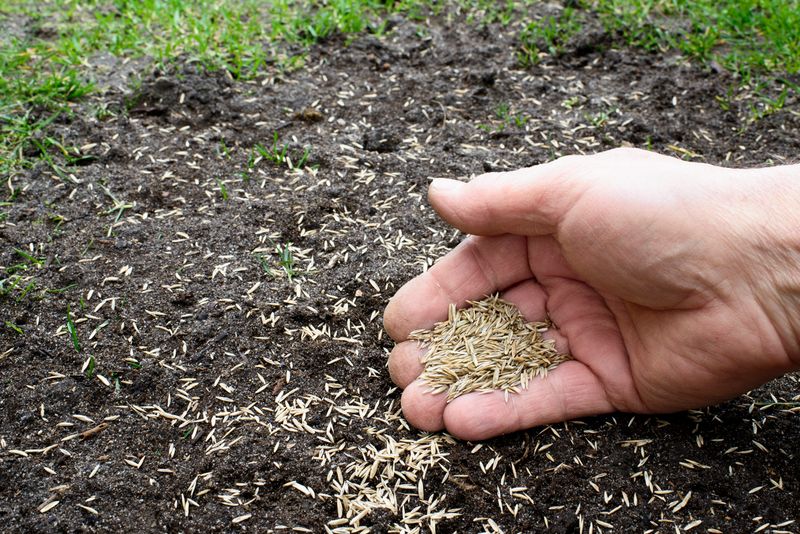
Spring seeding is absolutely possible, but it comes with a few extra challenges that fall seeding does not. Knowing what to expect helps you plan better and give your new grass the best shot at surviving the season.
The biggest issue with spring seeding is summer. Grass planted in spring has only a few months to establish roots before the dry season arrives.
In Oregon, summers can be surprisingly dry, and young seedlings without deep roots struggle when water becomes scarce.
Weed competition is another real challenge in spring. Crabgrass and other annual weeds wake up right alongside your new grass seed.
They grow fast, spread aggressively, and can crowd out young seedlings before they have a chance to fill in properly.
If you choose to seed in spring, plan on watering more consistently. Young grass needs moisture to survive, especially as temperatures climb.
A drip system or soaker hose can help deliver water directly to the root zone without wasting it on the surface.
Avoid using pre-emergent weed removers if you are overseeding in spring. Many of these products prevent all seeds from germinating, not just weeds.
Read labels carefully and choose products that are safe for new grass.
Spring seeding works best for small bare patches or areas that were damaged over winter. For a full lawn overseeding project, fall is still the smarter choice in most parts of this region.
5. Bare Soil Needs Seed Before Weeds Move In
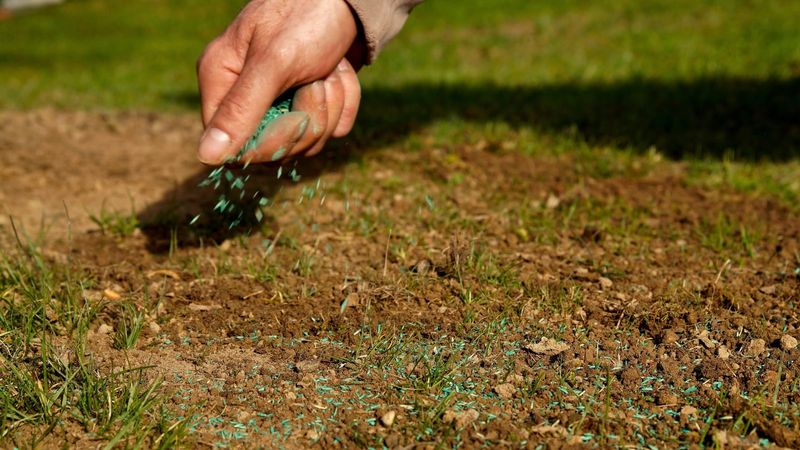
Bare soil is an open invitation for weeds. Nature does not like empty ground, and the first plants to show up in an unprotected patch are rarely the ones you want.
Acting fast is one of the most important things you can do when bare spots appear.
Weeds like dandelion, chickweed, and annual bluegrass are quick colonizers. They spread seeds constantly, and bare soil is exactly what they need to get started.
Once weeds take hold in a bare patch, it becomes much harder to establish grass in that same spot.
Seeding bare areas as soon as you spot them gives grass a head start. Even if the timing is not perfect, getting seed down quickly is better than leaving soil exposed.
A thin cover of grass is far easier to improve than a patch overrun with weeds.
Before seeding, loosen the top quarter inch of soil with a rake. This helps seed make direct contact with the soil, which is critical for germination.
Press seed lightly into the surface and cover with a thin layer of compost or straw to hold moisture and protect it from birds.
Water the area gently every day until the seed germinates. Keep foot traffic off the patch until the new grass is at least two inches tall.
Protecting young seedlings during those first few weeks makes all the difference in whether the repair actually sticks long term.
6. Heavy Foot Traffic Thins Grass Faster
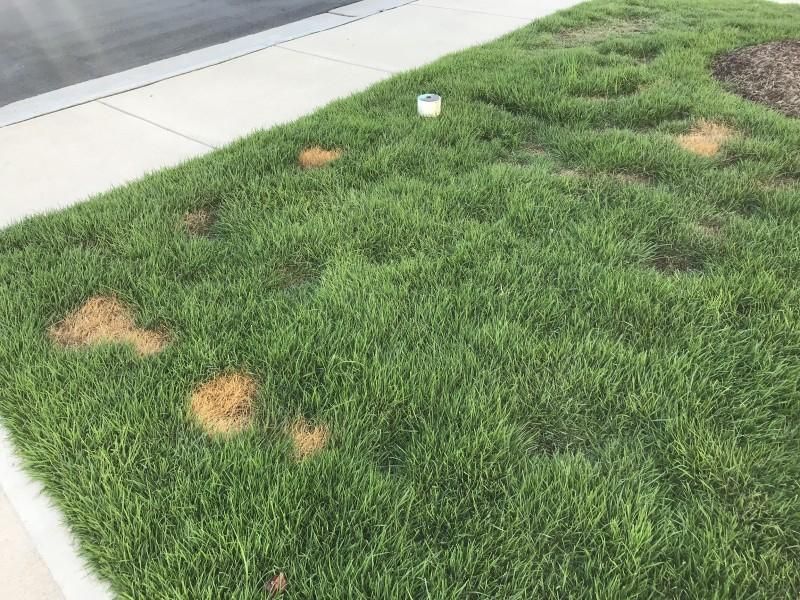
Some lawns take a beating every single day. Kids running the same path to the backyard, dogs patrolling the fence line, and adults cutting across the same corner of the yard all add up.
Heavy foot traffic compacts soil and wears grass down faster than almost anything else.
Compacted soil is a real problem for grass roots. When soil is packed tight, roots cannot grow deep or spread wide.
Water runs off instead of soaking in. Air pockets disappear, and the soil becomes almost as hard as pavement in some spots.
Lawns that get this kind of regular use often need overseeding every one to two years instead of every three. The grass simply cannot keep up with the wear.
Waiting too long between seedings lets bare paths and worn spots grow larger and harder to fix.
Choosing a wear-tolerant grass variety makes a big difference in high-traffic areas. Turf-type tall fescue is one of the toughest options for this region.
It handles foot traffic better than fine fescues and recovers more quickly after stress.
Aerating before overseeding is especially important for compacted lawns. Aeration punches small holes in the soil, relieving compaction and creating space for roots to grow.
It also gives new seed a direct path into the soil, which dramatically improves germination rates in worn areas.
Rotating traffic patterns when possible can slow down wear and give grass a chance to recover between uses.
7. Shade Lawns Need More Frequent Touch-Ups
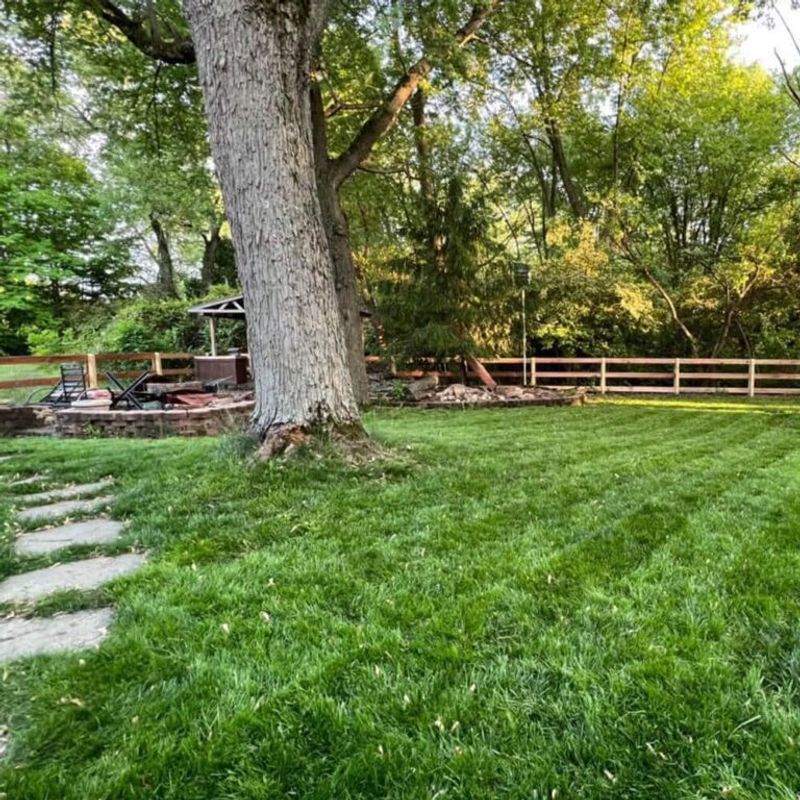
Growing grass under trees or in heavily shaded areas is one of the trickier challenges for homeowners in this region. Shade reduces the sunlight grass needs to photosynthesize, which weakens plants over time and makes them more vulnerable to thinning.
Shaded lawns often need overseeding every year or every other year. Without enough light, even the most shade-tolerant grass varieties struggle to maintain density.
Fine fescues like creeping red fescue and chewings fescue are the best options for low-light areas, but they still need help staying thick.
Tree roots compete with grass for water and nutrients, making the situation even tougher. A lawn growing under a large oak or maple is fighting for resources on multiple fronts.
Regular overseeding replenishes the grass population and keeps the lawn looking respectable despite those challenges.
Timing shade lawn touch-ups for early fall works well because soil is still warm and there is usually enough light before trees fully leaf out in spring. Fall also brings more rain, which reduces the need for extra watering.
Keep the mowing height a little higher in shaded areas. Taller grass blades capture more of the limited light available.
Cutting too short weakens shade grass quickly and speeds up thinning even more.
Trimming lower tree branches can also help. Even a small increase in sunlight reaching the lawn can noticeably improve grass health and reduce how often overseeding is needed in those spots.
8. Drought-Stressed Lawns May Need Fall Repair
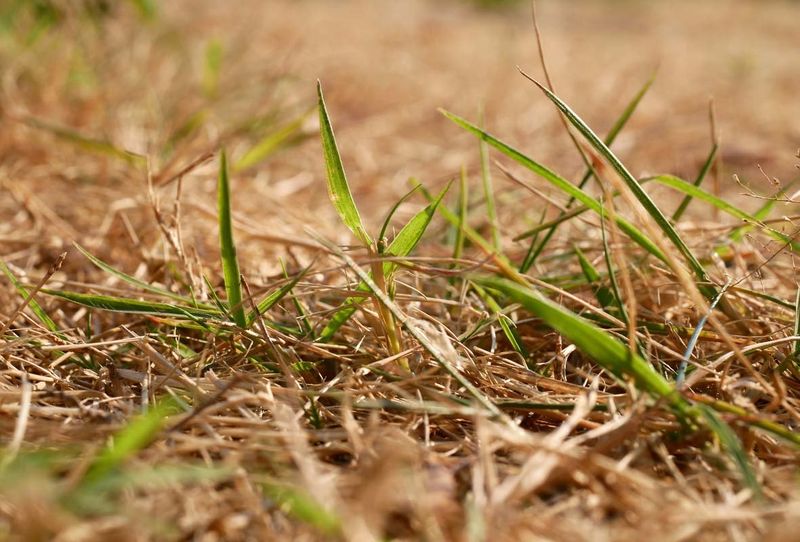
Oregon summers can be drier than many people expect when they first move to this region. While the reputation is all rain and clouds, July and August often bring weeks without a drop of moisture.
Cool-season grasses go dormant under that kind of stress, and some do not bounce back fully on their own.
After a long dry summer, many lawns come out the other side looking rough. Brown patches, thin areas, and bare spots are all signs that drought stress has taken a toll.
Fall is the perfect time to assess the damage and start repairing it.
Overseeding drought-stressed areas in early fall gives the lawn a chance to recover before winter. New seed benefits from the returning rains and cooler temperatures.
It fills in the gaps left by summer stress and helps the lawn look full and green again by the following spring.
Before seeding, water the stressed areas deeply a few days before you plan to seed. This wakes up the soil and creates better conditions for germination.
Dry, cracked soil does not absorb seed or water well, so rehydrating it first is an important step.
Choosing a drought-tolerant grass variety for repairs is a smart long-term move. Turf-type tall fescue has deeper roots than most cool-season grasses and handles dry spells much better.
Mixing it into your existing lawn gradually builds drought resilience over time and reduces the chance of major summer damage in future years.
9. Aeration Helps Seed Reach The Soil
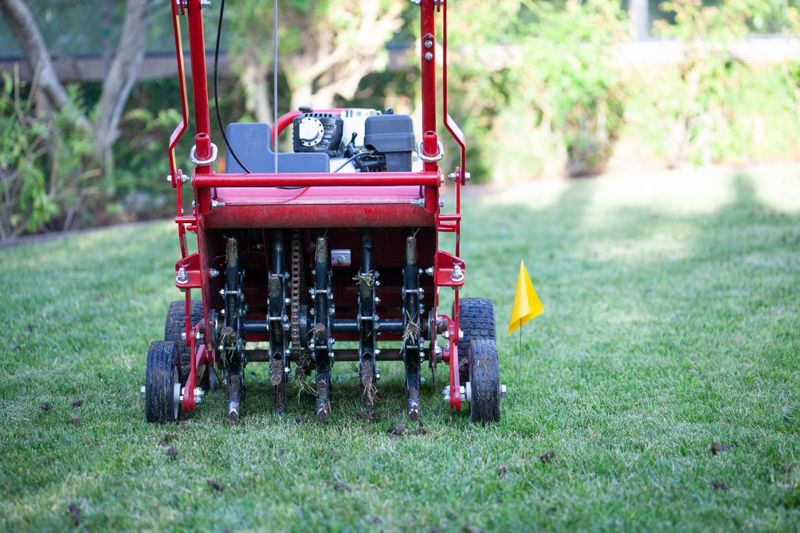
Aeration is one of those lawn care steps that makes everything else work better. It is especially important when overseeding, because getting seed into direct contact with soil is critical for good germination.
Seed that just sits on top of thick thatch rarely sprouts well.
A core aerator pulls small plugs of soil out of the ground, leaving behind holes about two to four inches deep. These holes do several things at once.
They relieve soil compaction, improve water absorption, and create perfect little pockets for grass seed to settle into and germinate.
Overseeding immediately after aeration is one of the most effective lawn care combinations you can do. Seed falls into the holes, makes direct contact with moist soil, and has a much higher chance of germinating than seed spread over a hard, unbroken surface.
You can rent a core aerator from most local equipment rental shops for a reasonable daily rate. For smaller yards, a manual spike aerator or a drum aerator attachment for a garden tractor can also get the job done.
The key is covering the whole lawn evenly.
Aerate when the soil is slightly moist but not soaking wet. Dry soil makes aeration harder, and waterlogged soil can clog the machine.
After aerating, leave the soil plugs on the surface. They break down naturally and return nutrients to the lawn without any extra work on your part.