This Native Michigan Perennial Drops Seeds Everywhere And Pollinators Benefit From Every One
Most self-seeding plants earn a mixed reputation in Michigan gardens, welcome in some spots and unwelcome in others, tolerated more than celebrated.
This native perennial earns genuine enthusiasm because the seeds it drops so freely are not just filling space.
Each one is a future food source and habitat resource for a specific range of pollinators that depend on this plant through parts of their life cycle that other garden species simply do not support.
The self-seeding habit that might seem excessive in a tidy formal border is actually the mechanism through which this plant does its most valuable ecological work.
Michigan gardeners who have made peace with its spreading tendency describe their yards as fundamentally more alive than they were before it arrived.
1. Common Milkweed
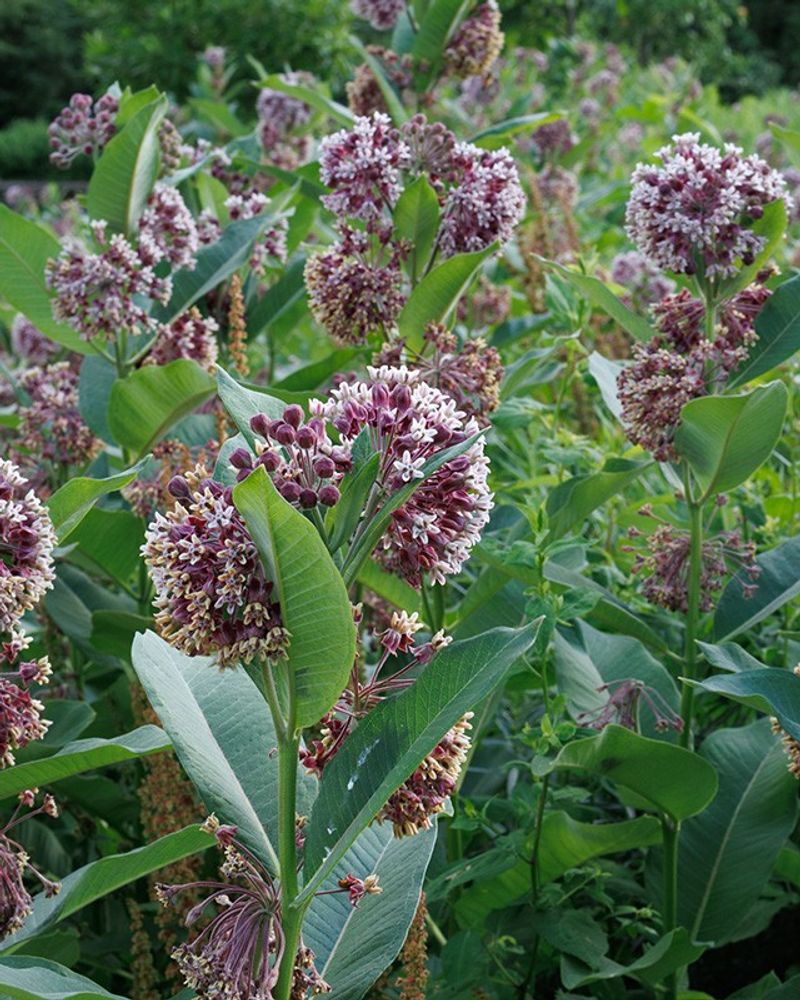
Not every plant earns the title of true native, but common milkweed does so honestly. Known by its scientific name Asclepias syriaca, this species is native to North America and grows naturally across Michigan in fields, roadsides, and open sunny areas.
It has been part of the regional landscape for thousands of years, long before gardeners ever thought about planting it on purpose.
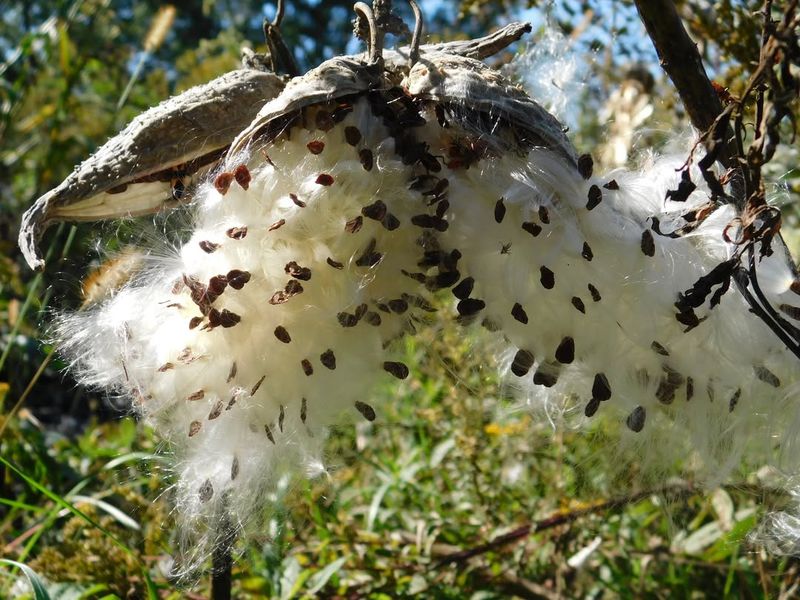
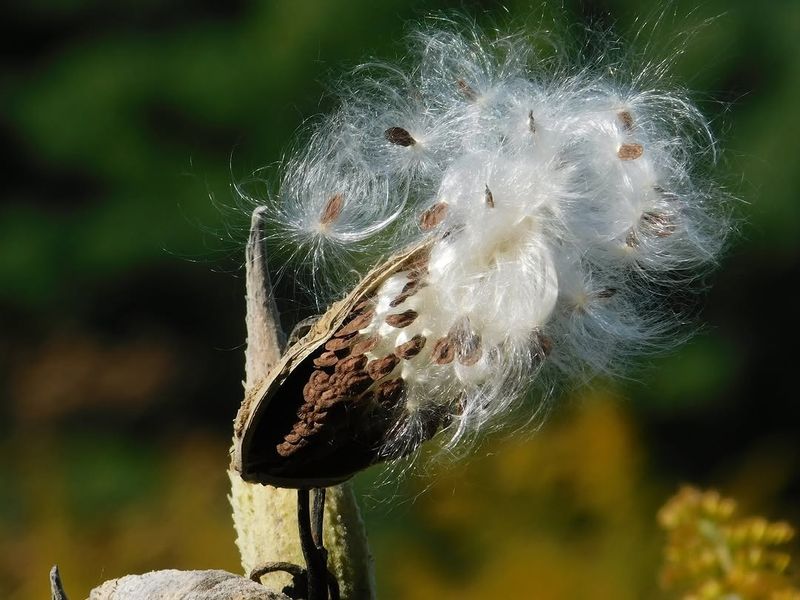
What makes it stand out in the context of this article is its remarkable seed system. Common milkweed produces large, bumpy seed pods that split open in late summer and fall, releasing flat brown seeds each attached to a tuft of silky white fiber.
That fiber acts like a natural parachute, carrying seeds on even the lightest breeze to new spots across the yard or neighborhood.
When a seed lands in a sunny, open spot with decent soil, it can establish itself and grow into a new plant over time. Michigan gardeners often notice surprise seedlings popping up in unexpected places the following spring.
This self-seeding habit is part of what makes common milkweed such a reliable, low-effort perennial for naturalized spaces and pollinator-friendly gardens throughout the state.
2. Seed Pods Are The Reason It Spreads So Noticeably
Every fall, something almost magical happens in Michigan gardens where common milkweed grows.
The large, textured seed pods that formed after summer bloom begin to split along one side, and suddenly hundreds of seeds start floating away on silky white threads.
It is one of the most recognizable sights of the season, and once you notice it, you will never forget it.
Each seed is flat and brown, roughly the size of a small fingernail. Attached to it is a bundle of fine, lightweight fibers called coma, which act as a natural sail.
When the wind picks up, these seeds can travel impressive distances, drifting over fences, across open lots, and into neighboring yards with ease. That is exactly why gardeners often find milkweed seedlings in places they never planted them.
A single mature milkweed plant can produce several pods, and each pod holds anywhere from 60 to over 200 seeds. So the math adds up quickly.
Michigan gardeners who grow common milkweed in open areas should expect some volunteer seedlings each spring.
Your Michigan Garden Changes Every Week. Your Plan Should Too.
Gardening in Michigan changes quickly throughout the season. Every Friday you’ll receive a simple weekly plan showing exactly what to plant, prune, fertilize, harvest, and protect so you never miss the right timing.
Rather than being frustrated by this, many gardeners now see those seedlings as free plants ready to expand a pollinator garden or share with friends who want to grow more native species.
3. Not Every Seed Actually Becomes A New Plant
Here is something worth knowing before you imagine your entire yard filling with milkweed: most of those floating seeds never become plants.
Nature produces them in huge numbers precisely because the odds of any single seed landing in perfect conditions are pretty low.
A seed that drifts into shade, lands on pavement, or settles in compacted soil will simply not grow.
For a common milkweed seed to germinate successfully, several things need to come together at once. The seed needs good contact with bare or loose soil, enough moisture to stay hydrated, and access to sunlight.
On top of that, the seed requires a period of cold stratification, meaning it needs to go through winter temperatures before it will sprout in spring. This is a natural built-in timer that prevents seeds from trying to grow at the wrong time of year.
Michigan’s winters handle that cold requirement naturally, which is one reason common milkweed thrives in the region without any special treatment.
Still, even with everything going right, germination rates for milkweed seeds are not guaranteed to be high.
Gardeners who want reliable results often start seeds indoors with a cold stratification period in the refrigerator first, then transplant seedlings outdoors after the last frost, giving each young plant the best possible start.
4. More Plants Mean More Summer Flowers For Hungry Pollinators
Picture a warm Michigan July afternoon with dozens of bees buzzing around a patch of milkweed in full bloom. That scene is not just beautiful, it is genuinely important for local ecosystems.
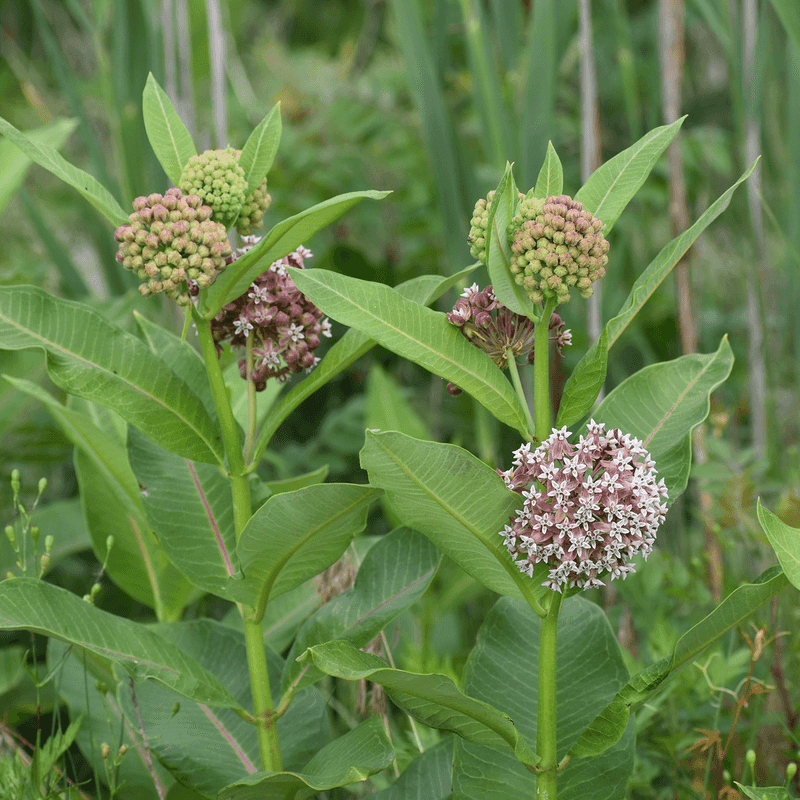
Common milkweed flowers are among the most nectar-rich blooms available to pollinators in the Midwest, and every new plant that establishes from a windblown seed adds more food to the summer buffet.
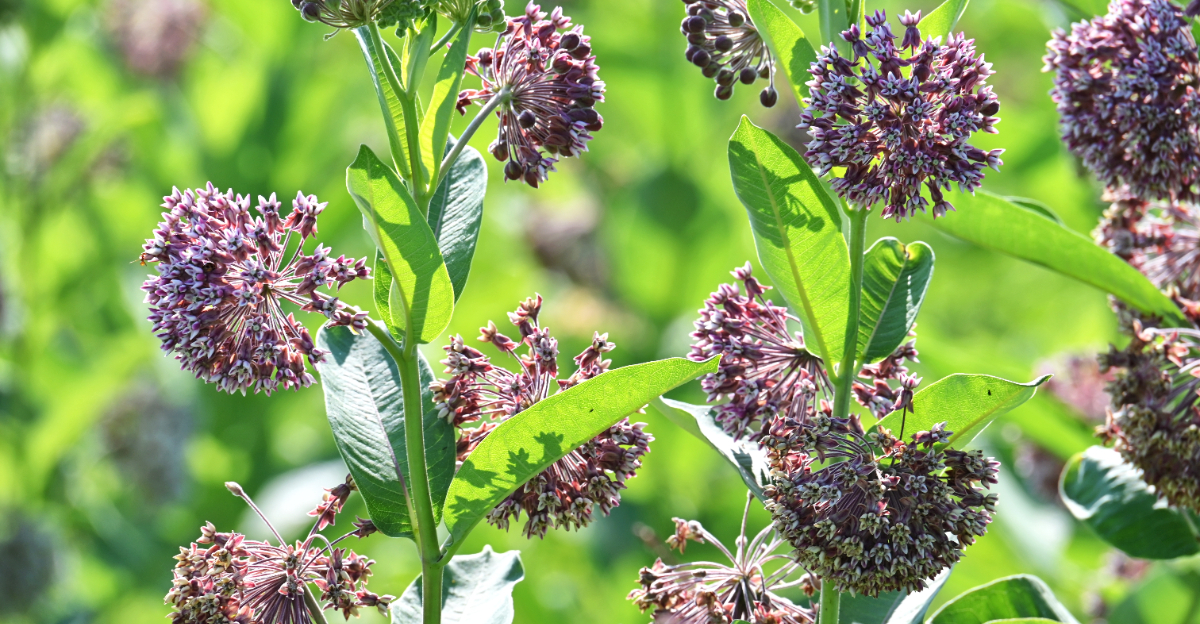
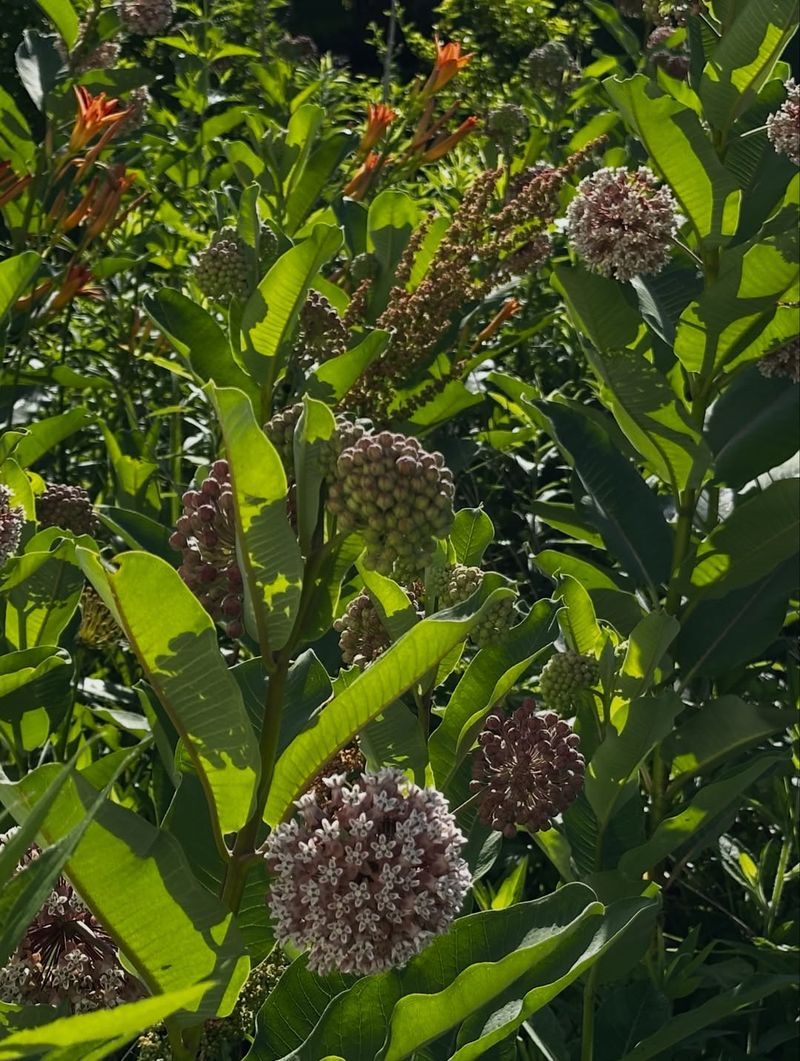
The flowers grow in rounded clusters called umbels, and they pack a serious amount of both pollen and nectar. Bumblebees, honeybees, native sweat bees, wasps, beetles, and various butterfly species all visit milkweed flowers regularly.
The sweet fragrance is strong enough to smell from several feet away, which helps attract insects from a wide area. On a good summer day, a patch of milkweed can look like a busy landing strip for pollinators.
When new seedlings establish from wind-carried seeds, they add to the overall patch over several years.
Young plants typically do not flower in their first season, but once they mature, usually by their second or third year, they join the floral display and expand the available food source.
For gardeners focused on supporting native pollinators, this gradual spread is something to welcome rather than control, especially in open, informal planting areas where a natural look fits perfectly.
5. Monarchs Benefit In A Uniquely Important Way
Monarch butterflies have a relationship with milkweed that goes far beyond just visiting the flowers for a sip of nectar.
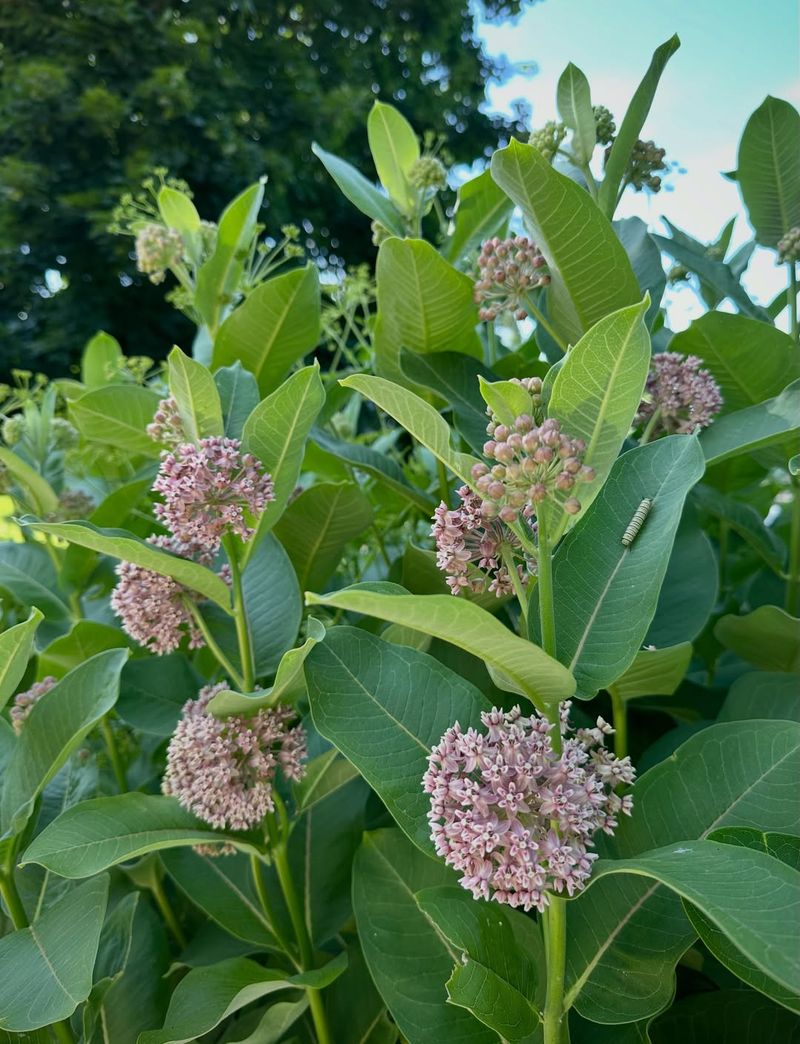
While adult monarchs do feed on milkweed blooms like other butterflies, their caterpillars depend on milkweed leaves as their only food source.
Without milkweed, monarch caterpillars simply cannot survive, which makes every milkweed plant in Michigan a potential nursery for the next generation.
Female monarchs seek out milkweed plants to lay their eggs, usually placing them one at a time on the underside of leaves.
When the eggs hatch, the tiny caterpillars begin eating immediately, and they will munch through a surprising amount of leaf material as they grow through multiple stages.
The leaves contain compounds called cardenolides, which the caterpillars store in their bodies and which make them unpleasant for most predators to eat, giving them a natural defense.
Common milkweed is actually the species most closely associated with monarchs in the eastern United States and Michigan specifically.
Growing more of it, whether from seeds that drifted in or from intentional planting, directly supports the monarch population during its summer breeding season.
Michigan sits along a key part of the monarch migration route, so local gardens that include common milkweed play a real role in helping this iconic species maintain healthy numbers each year.
6. Underground Rhizomes Give It A Second Spreading Strategy
Wind-carried seeds get most of the attention, but common milkweed has another spreading method happening quietly underground.
The plant grows through a network of horizontal roots called rhizomes, which extend outward from the main plant and send up new shoots in surrounding soil.
This underground expansion is slower than seed travel, but it is steady and it produces genetically identical plants connected to the original root system.
Rhizome spread is one of the main reasons common milkweed tends to form dense colonies over time rather than staying as a single isolated plant.
In a large open meadow or a naturalized border, this is a wonderful quality because it creates a broad sweep of habitat without any extra effort from the gardener.
The colony fills in gradually, becoming more lush and flower-rich with each passing season.
For smaller, formal garden beds, though, rhizome spread can become a challenge. New shoots can push through mulch and appear in unexpected spots, including areas where other plants are trying to grow.
This is why most experienced gardeners recommend placing common milkweed in spots where it has room to roam freely, such as pollinator patches, meadow edges, or open sunny borders.
When it has enough space, the spreading habit becomes a feature rather than a problem, and the results for local wildlife are genuinely impressive.
7. Full Sun And Room To Grow Are Its Favorite Conditions
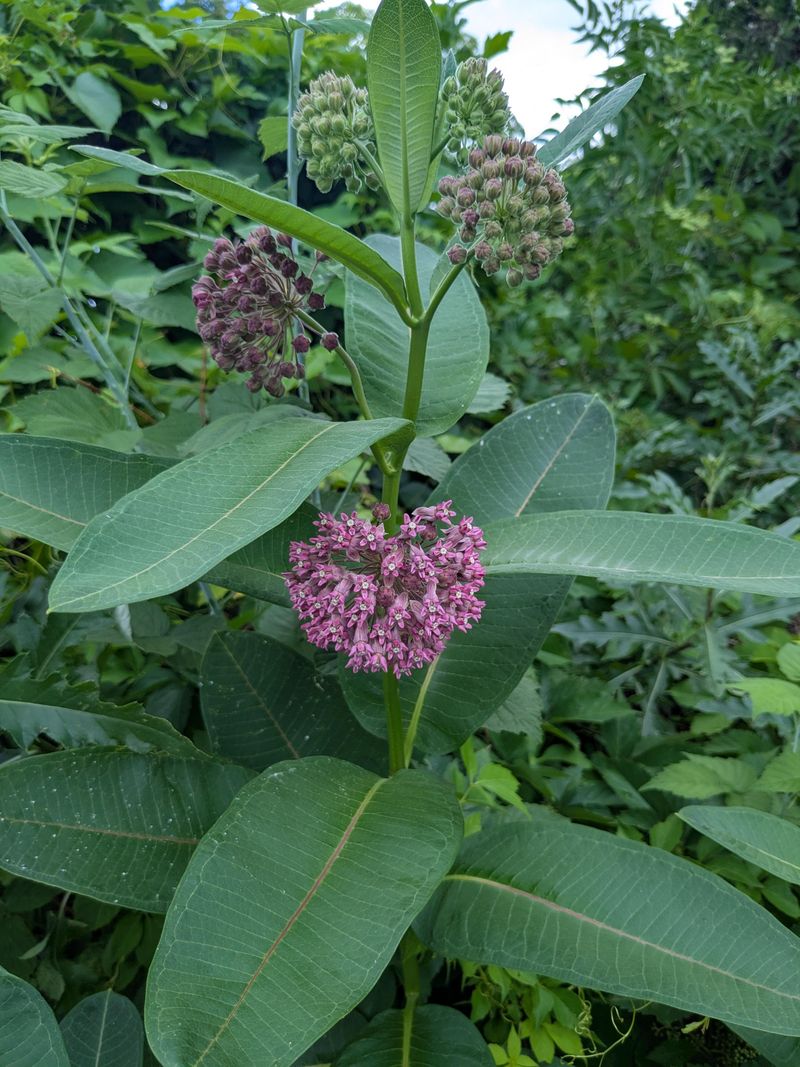
Common milkweed is not a fussy plant, but it does have one clear preference: sunshine. Full sun, meaning at least six hours of direct sunlight per day, brings out its best growth, tallest stems, and most abundant flowering.
In shadier spots, the plant tends to get leggy, produce fewer flowers, and spread less vigorously. Giving it the right light makes an enormous difference in how well it performs season after season.
Beyond sunlight, common milkweed handles a range of soil types with impressive flexibility. It grows well in sandy soils, clay soils, and everything in between, as long as drainage is reasonable.
It does not need rich, amended garden soil and actually performs quite well in lean, dry conditions that would stress out many other perennials.
This makes it a fantastic option for low-maintenance areas of a Michigan yard that receive little irrigation or fertilization.
The best spots for common milkweed in a Michigan landscape include pollinator garden patches, meadow-style plantings, open fence lines, roadside borders, and naturalized areas along property edges. Rain gardens and open sunny slopes work well too.
Anywhere that gets good sun and allows the plant some freedom to spread is a solid choice.
Pairing it with other native plants like wild bergamot, black-eyed Susan, and prairie dropseed creates a layered, wildlife-friendly planting that looks beautiful from midsummer through fall.
8. Gardeners Can Manage Seed Spread Without Losing The Benefits
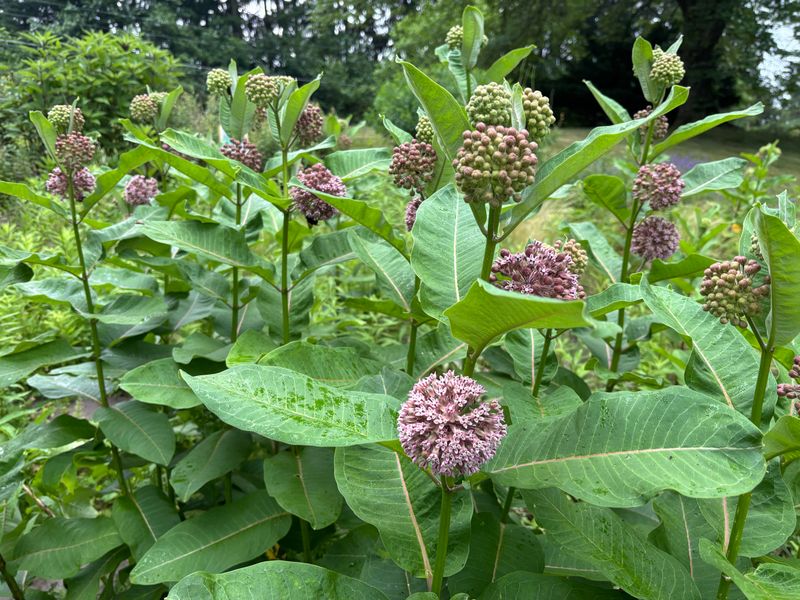
Letting common milkweed do its thing is great for pollinators, but sometimes a gardener wants a little more say in where new plants pop up.
The good news is that managing seed spread does not have to mean removing the plant or reducing its value to wildlife.
A few simple steps in early fall can give you control without sacrificing the ecological benefits that make this native perennial so worthwhile.
The easiest method is to watch the pods as they mature in late summer. Pods are ready to collect when they start to turn brown and feel dry but before they split open on their own.
Snipping them off the plant at this stage lets you gather the seeds before they scatter. You can dry the pods fully indoors, then store the seeds in a paper bag or envelope in a cool, dry place over winter for spring planting or sharing with other gardeners.
In spring, when new milkweed shoots emerge, you can also remove extra seedlings in areas where you do not want the plant to spread further. Young seedlings are easy to pull before they establish deep roots.
Leaving a generous patch in the areas you do want milkweed to grow ensures pollinators and monarchs still have what they need.
A balanced approach like this lets you shape the garden while keeping all the ecological value intact throughout the growing season.
9. Sourcing Local Native Seed Or Plants Makes A Real Difference
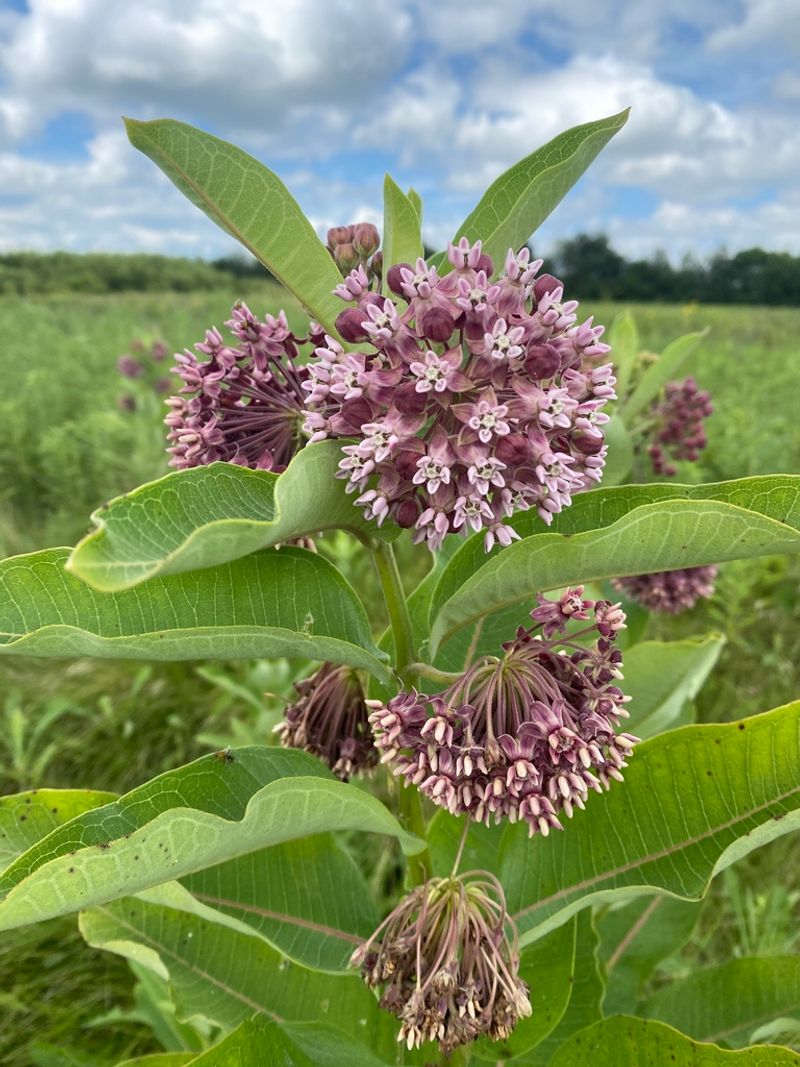
Where you get your common milkweed matters more than most people realize. Plants and seeds sourced from local or regional native plant nurseries are already adapted to this climate, soil types, and seasonal rhythms.
They tend to establish faster, handle weather fluctuations better, and support local insect populations more effectively than plants grown from seed collected far outside the region.
One important thing gardeners should avoid is digging common milkweed from wild areas, roadsides, or natural preserves.
Even though it can seem like an easy free source, removing plants from wild populations disrupts established colonies that local insects and monarchs already depend on.
Many natural areas are also protected, and removing native plants without permission can be against local regulations. Buying from reputable sources is always the smarter and more responsible choice.
Look for common milkweed at Michigan native plant sales, which are often hosted by conservation organizations, local land conservancies, and university extension programs in spring.
Many specialty native plant nurseries also carry it online with shipping options. When buying plants, check that they are labeled as Asclepias syriaca and that the nursery can confirm the seed source is regional.
Starting with the right plant from the right place gives your pollinator garden the strongest possible foundation from day one and sets up years of successful growth ahead.
10. Why Common Milkweed Belongs In Pollinator Gardens
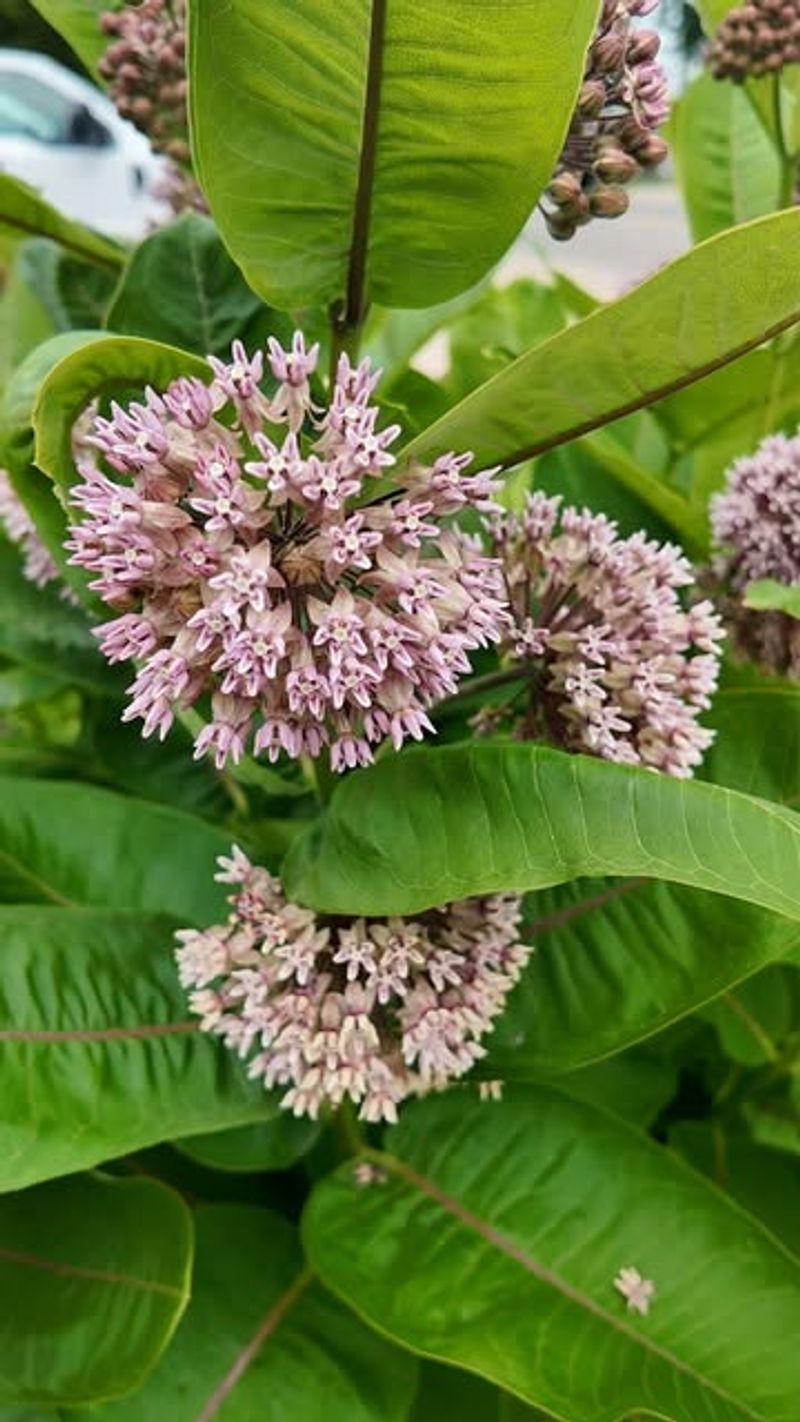
After going through everything this plant offers, the case for growing common milkweed in a Michigan garden is a strong one. It is a true regional native with a long history in this landscape.
Its wind-carried seeds and underground rhizomes give it the ability to expand and fill in open sunny spaces over time, creating a richer, more layered habitat with every passing season.
The summer flowers feed a wide range of pollinators, from bumblebees to native wasps to painted lady butterflies.
The leaves support monarch caterpillars through their entire larval stage, making each plant a potential launching pad for the next generation of one of North America’s most beloved insects.
Few garden plants offer that level of ecological value combined with such low maintenance requirements once established.
Yes, it spreads, and yes, it needs space to do so comfortably. But in the right spot, that spreading nature is exactly what makes it so rewarding.
A sunny meadow edge, a wide pollinator border, or a naturalized corner of the yard becomes increasingly vibrant and alive when common milkweed is part of the mix.
For gardeners who want a native plant that genuinely gives back to the local ecosystem year after year, common milkweed is one of the most satisfying and impactful choices available anywhere in the state.