What It Really Means When Goldfinches Suddenly Appear In Your Michigan Garden In Late Summer
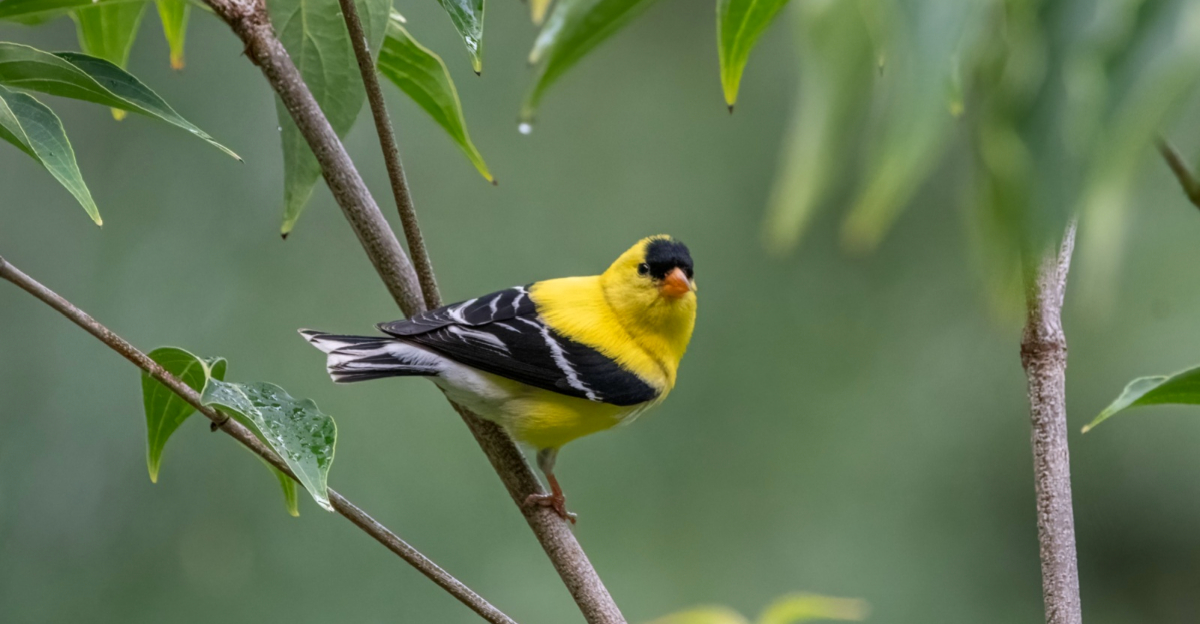
American Goldfinches have excellent taste in Michigan gardens, and if they are suddenly showing up in numbers near the end of summer, that is not a coincidence.
It means the garden is offering something worth visiting, and the goldfinches have noticed before you did.
Ripening seed heads, standing native flowers, fresh water, nearby thistles, dense shrubs for cover – these are the things that turn a regular Michigan backyard into a place that small birds actively seek out during late summer and fall.
The good news is that attracting more goldfinch activity is less about buying the right feeder and more about understanding what these birds are actually looking for.
Get a few of those elements right and the bright yellow flashes through the garden become a regular part of the season.
1. Seed Heads Are Drawing Them In
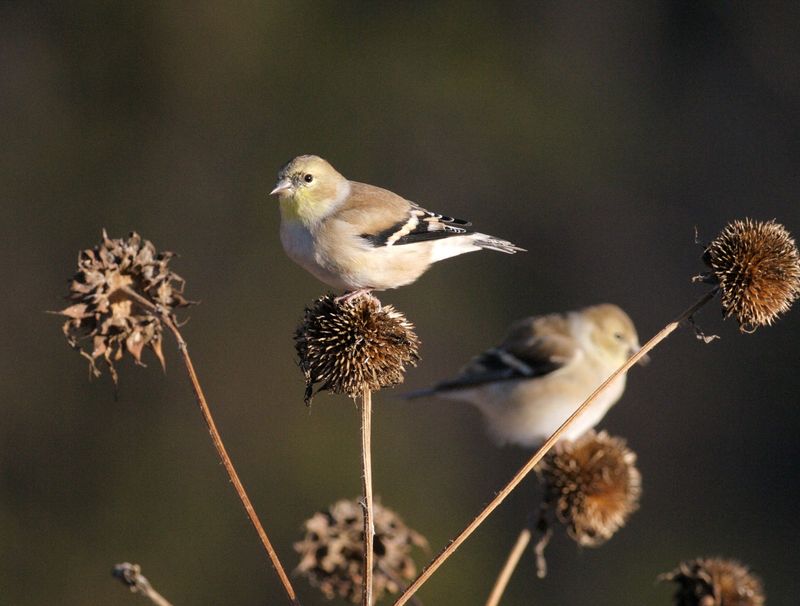
Bright yellow birds picking apart a cluster of spent flower heads is one of the most recognizable signs that your garden is doing something right for local wildlife.
American Goldfinches are strongly tied to seed availability, and late summer in Michigan is when many native and garden plants begin producing the small, oil-rich seeds these birds prefer most.
Plants like coneflowers, black-eyed Susans, rudbeckia, and cosmos develop seed heads that goldfinches find hard to resist. When a plant finishes blooming and the flower head begins to dry out, it becomes a natural food source that draws birds in from surrounding areas.
A Michigan yard with several of these plants left standing through late summer can quietly become a reliable feeding stop.
Deadheading every spent bloom removes that food before the birds can use it. Leaving seed heads on the stem, at least through late summer and into fall, gives goldfinches and other seed-eating birds a reason to visit and linger.
Even a small pollinator bed or a modest border planting can make a noticeable difference when the seed heads are allowed to mature naturally.
2. Late Nesting Season Is Underway
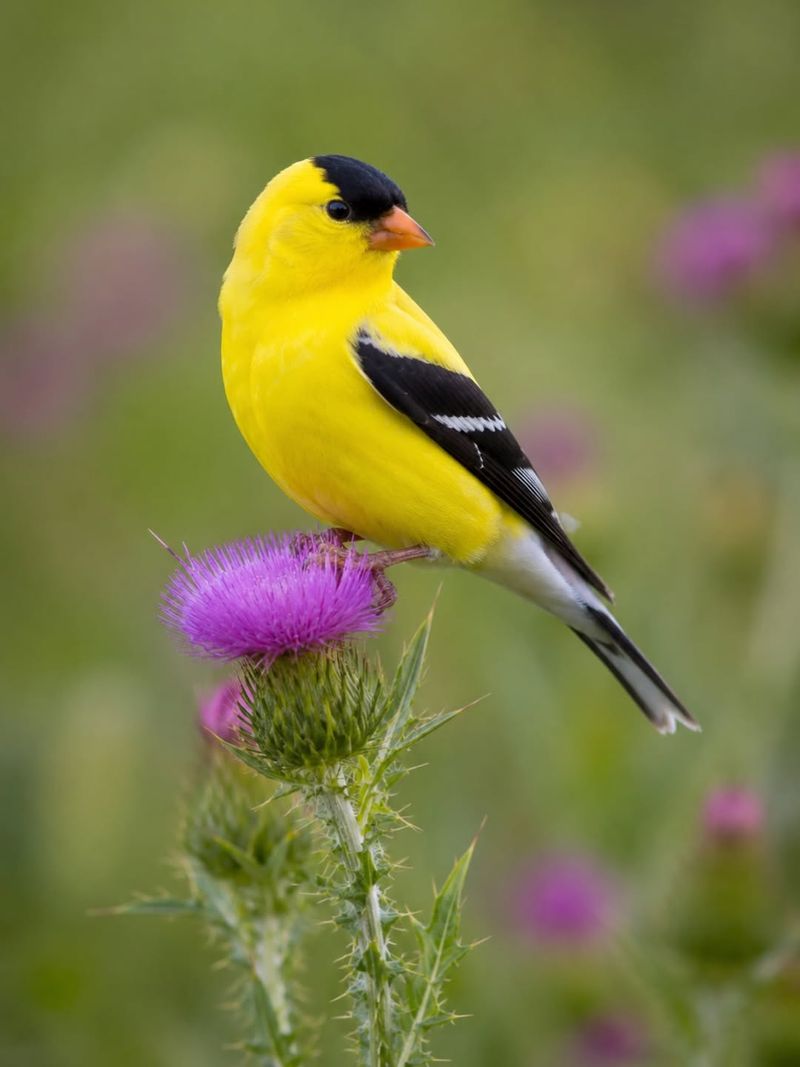
One of the more surprising facts about American Goldfinches is that they nest later in the season than most other songbirds.
While robins and wrens are raising young in early summer, goldfinches often begin nesting in July and may still be raising a brood well into August in Michigan.
This late nesting timeline is closely tied to thistle and other seed-producing plants reaching their peak. Goldfinches use plant fibers and thistle down to build their nests, and they time their nesting to line up with a reliable food supply for their chicks.
A garden with mature thistles, coneflowers, or other fluffy seed heads nearby may be offering more than just food; it could be providing nesting material as well.
Homeowners who notice goldfinches moving in and out of dense shrubs or low trees repeatedly may be observing nesting activity nearby, though the nest itself can be hard to spot.
The compact, tightly woven cup nest is often tucked into a fork of a shrub or small tree.
Keeping disturbance low in areas where goldfinches are active can give a nesting pair a better chance of raising their young successfully.
Your Michigan Garden Changes Every Week. Your Plan Should Too.
Gardening in Michigan changes quickly throughout the season. Every Friday you’ll receive a simple weekly plan showing exactly what to plant, prune, fertilize, harvest, and protect so you never miss the right timing.
3. Standing Flowers Offer Food
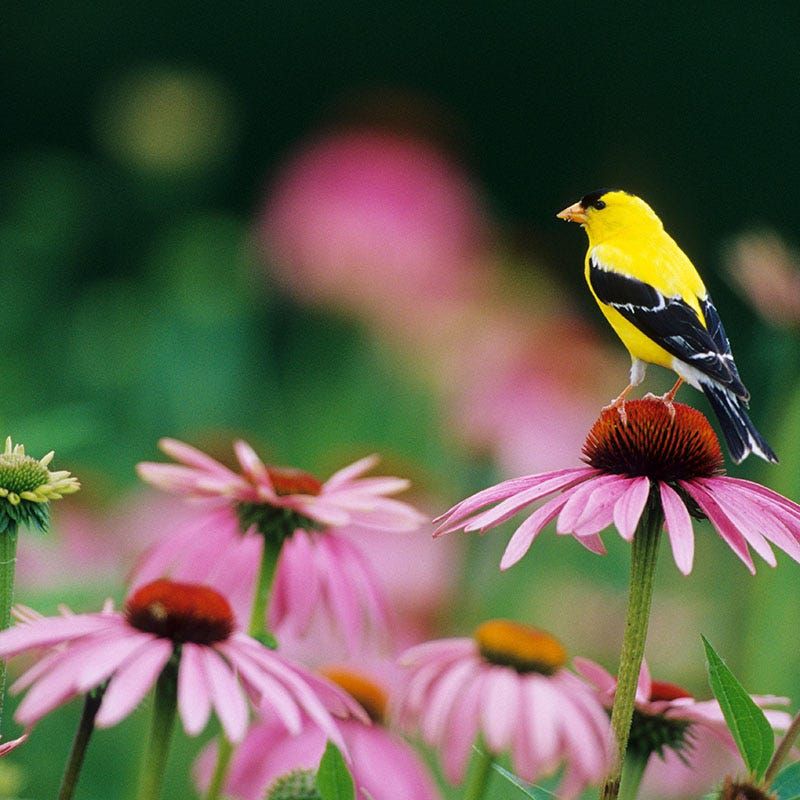
Leaving flowers standing past their bloom may feel untidy to some gardeners, but for goldfinches moving through a Michigan yard in late summer, those upright stems loaded with developing seeds are exactly what they are looking for.
Goldfinches are agile feeders that can cling to a flower stem and work a seed head with impressive precision.
Plants like purple coneflower, black-eyed Susan, liatris, and native sunflowers are especially useful because they produce seeds that ripen gradually, giving birds a longer window to feed.
A garden that includes a mix of these plants, with bloom times staggered across the season, can support goldfinch feeding from midsummer well into fall.
The practical takeaway for Michigan gardeners is simple: resist the urge to cut everything back the moment blooms fade. A standing flower head that looks past its prime to a gardener often looks like a full meal to a goldfinch.
Even a handful of plants left to go to seed in a corner of the yard can draw birds in regularly. Pairing native flowers with a feeder nearby gives goldfinches multiple reasons to stay close to a garden rather than passing through quickly.
4. Thistles May Be Nearby
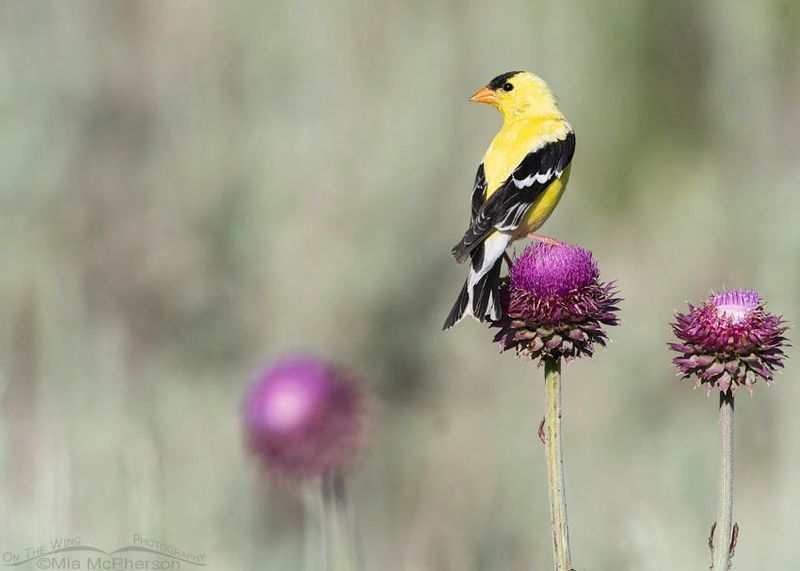
Few plants have a stronger connection to American Goldfinches than thistle.
Whether it grows wild along a fence line, in a disturbed patch at the edge of a yard, or in a neighboring lot, thistle can pull goldfinches into an area quickly when the seed heads open and release their fluffy down.
Goldfinches use thistle in two important ways. The seeds are a preferred food source, and the soft, silky fibers are gathered and woven into nests.
A yard near a patch of mature thistle, even if the thistle is not actually in the garden itself, may suddenly see goldfinch activity increase as the plants reach their peak in late summer across Michigan.
Homeowners who want to support goldfinches without encouraging invasive plants can offer nyjer seed, sometimes called thistle seed, in a tube feeder as a substitute.
Nyjer is a small, oil-rich seed that goldfinches favor and that does not sprout readily in most Michigan gardens.
Native thistles, which do exist and differ from invasive species, can also be a thoughtful addition for gardeners interested in supporting local wildlife while keeping plant choices intentional and manageable within their landscape.
5. Sunflowers Are Ready For Feeding
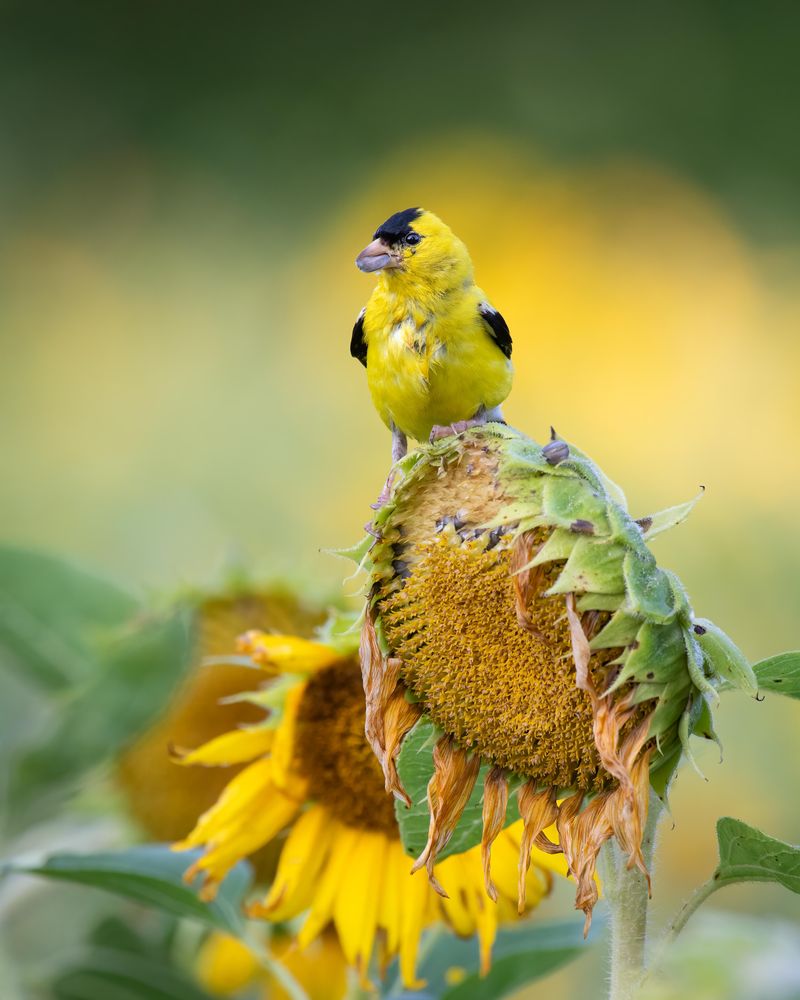
A sunflower bending under the weight of its own seed-packed head is practically an invitation for goldfinches.
By late summer in Michigan, garden sunflowers that were planted in spring have matured to the point where their seeds are accessible, and goldfinches along with other seed-eating birds will often visit them daily once they discover the plant.
Sunflowers are easy to grow, widely available as transplants or seeds, and come in varieties suited to small yards and large garden beds alike.
The standard tall sunflower with a wide face produces the most seeds and tends to attract the most attention from birds, but shorter branching varieties also provide useful feeding opportunities across a longer stretch of the season.
Leaving sunflower heads on the stalk rather than cutting them down after bloom gives goldfinches and other backyard birds a natural food source that can last for several weeks.
Gardeners who enjoy watching birds up close sometimes stake a spent sunflower head near a window or patio to draw birds in for easier viewing.
Growing even two or three sunflower plants in a Michigan garden can noticeably increase goldfinch visits during the late-summer weeks when seeds are at their most accessible.
6. Shrubs Give Them Safe Cover
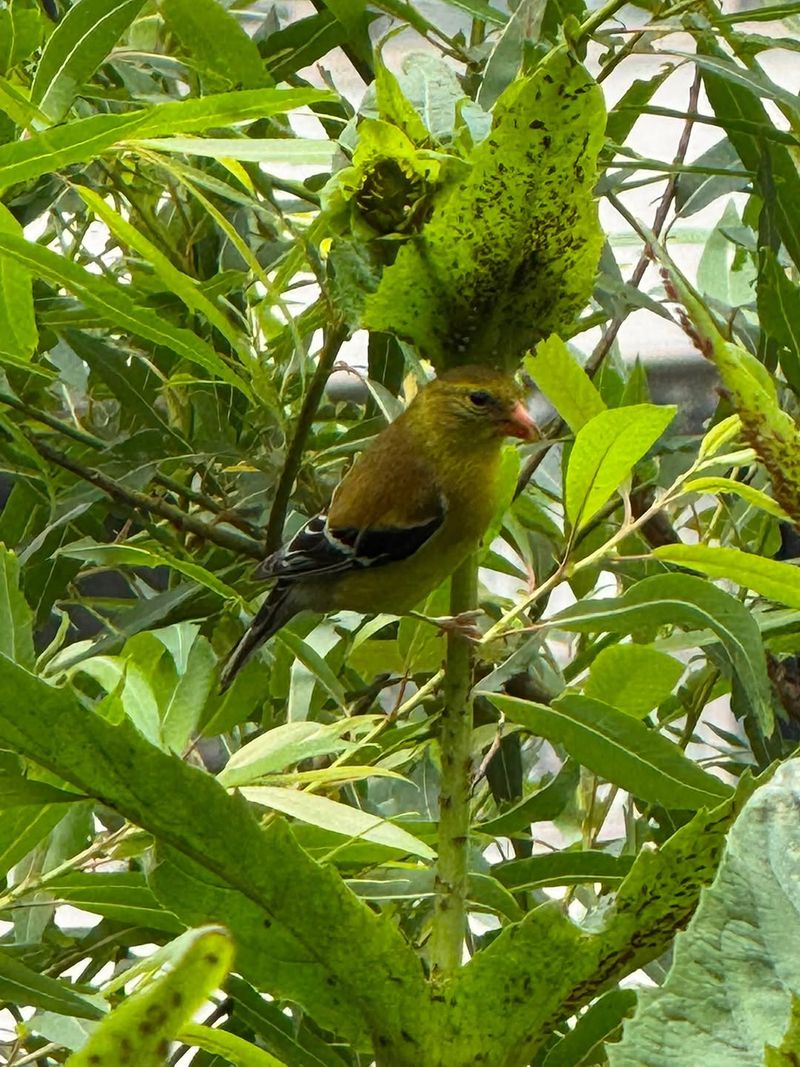
Watching a goldfinch dart from a feeder straight into a nearby shrub is a behavior that makes a lot of sense once you understand what the bird is doing. Shrubs offer cover, and cover means safety.
Small songbirds like goldfinches prefer to have a quick escape route nearby when they are feeding out in the open, and a dense shrub or thicket nearby gives them exactly that.
In Michigan yards, shrubs like serviceberry, native viburnums, dogwoods, and elderberry serve double duty by providing both shelter and, in some cases, berries that attract a broader range of birds.
Even ornamental shrubs with thick branching can give goldfinches a place to perch between feeder visits or to duck into when a hawk passes overhead.
Planting shrubs within reasonable distance of a feeder or seed-producing flower bed is one of the more practical adjustments a Michigan gardener can make to encourage longer visits from small birds.
A yard that is mostly open lawn with no shrubs or low plantings nearby can feel exposed to a small bird, making it less likely that goldfinches will linger.
Adding even one or two well-placed shrubs can shift the dynamic noticeably.
7. Feeders Bring Them Closer
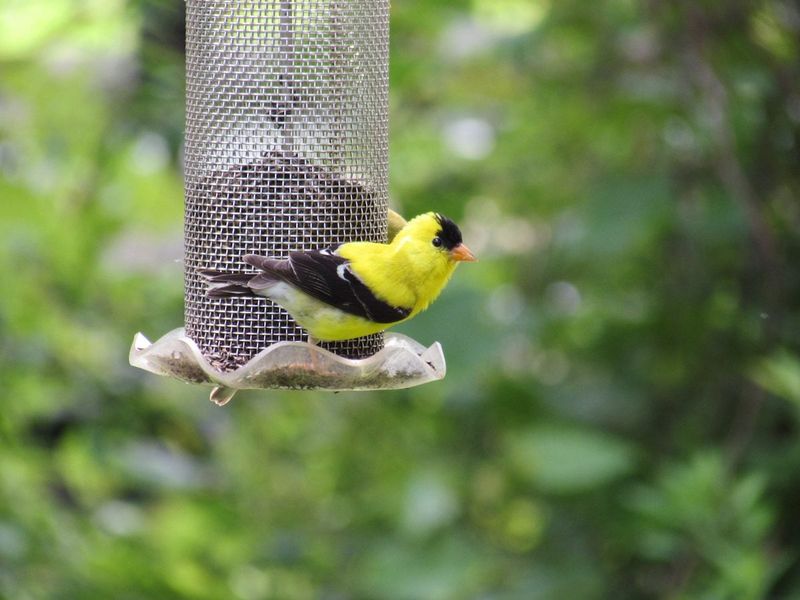
A tube feeder stocked with nyjer seed is one of the most reliable ways to draw American Goldfinches in close enough to actually watch them.
Goldfinches are drawn to nyjer because of its high oil content, and a well-placed feeder can turn occasional flyover visits into regular stops throughout late summer and into fall across Michigan.
Feeder placement matters more than many people expect.
A feeder hung in a wide-open spot with no nearby cover may get fewer visits than one positioned closer to a shrub, small tree, or flower border that gives birds a comfortable landing zone before and after feeding.
Goldfinches tend to feel more at ease when they can move between a food source and nearby shelter without crossing a large open space.
Keeping feeders clean and nyjer seed fresh is also worth the effort. Nyjer can go rancid or become clumped with moisture, and birds will often avoid a feeder with old or spoiled seed.
Rinsing tube feeders every couple of weeks and replacing seed that has been sitting through wet weather helps ensure the feeder stays attractive to goldfinches and other small seed-eating birds visiting a Michigan yard during the late-summer months.
8. Water Keeps Them Around
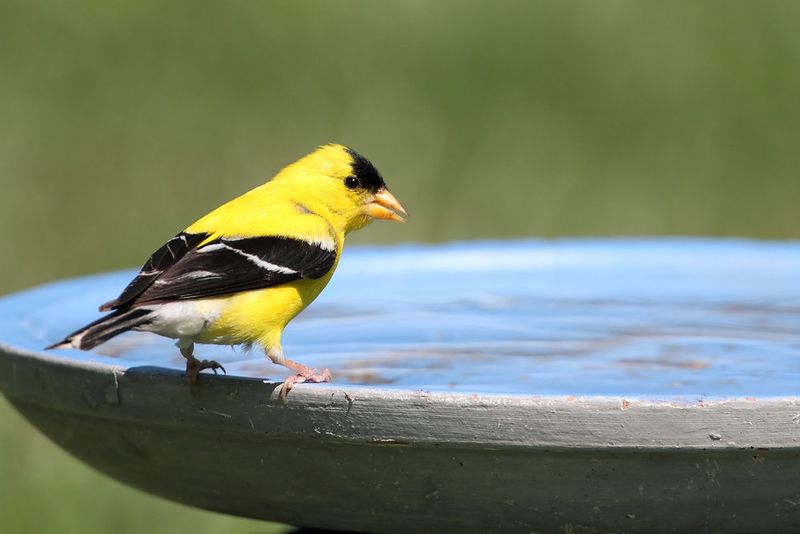
A shallow birdbath sitting in a quiet corner of a Michigan garden can make a bigger difference than most homeowners expect. Water draws birds in for drinking and bathing, and goldfinches are no exception.
During warm late-summer days in Michigan, a reliable water source can be as attractive to goldfinches as a well-stocked feeder.
Goldfinches prefer shallow water, so a birdbath with a gentle slope or a depth of no more than an inch or two at the center tends to work well.
Adding a small dripper or wiggler that keeps the water moving can make the birdbath even more noticeable to birds passing through the area, since moving water catches light and produces sound that carries across a yard.
Keeping the water clean is just as important as having it available. Birdbaths that sit stagnant can become less appealing quickly, especially in late summer heat.
Emptying and rinsing the basin every couple of days and refilling with fresh water keeps the source useful and hygienic for visiting birds.
A birdbath positioned near a feeder and some shrubs creates a small cluster of resources that gives goldfinches and other backyard birds multiple reasons to visit and return to a Michigan garden regularly.
9. Your Garden Is Becoming Bird-Friendly
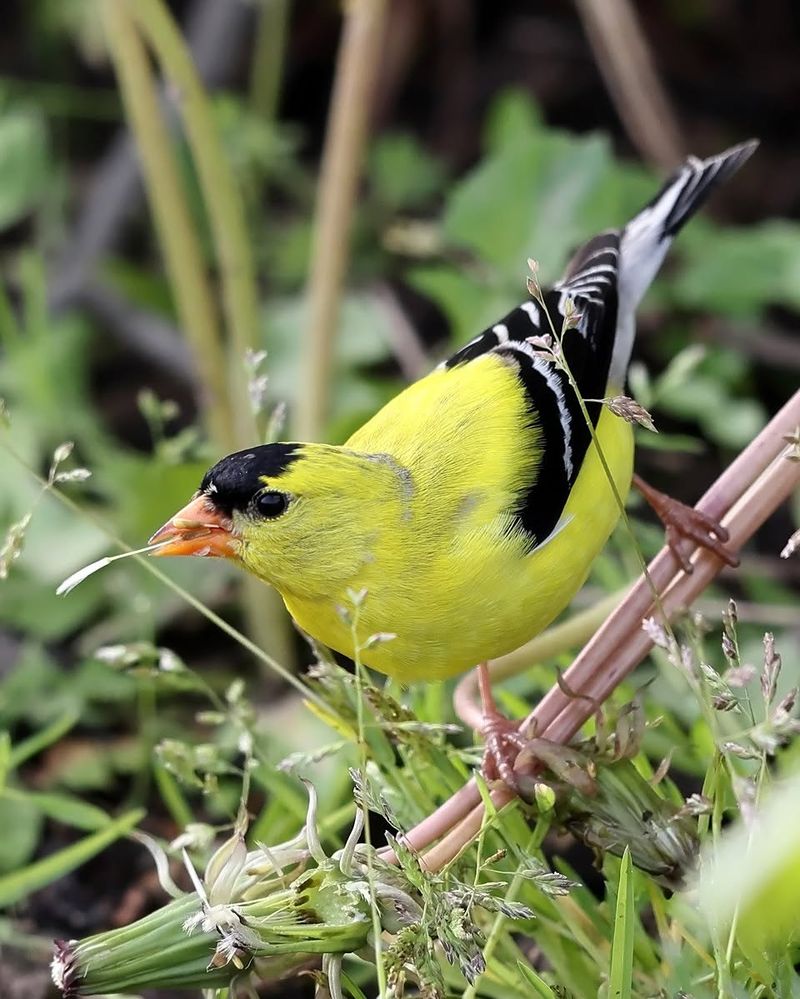
When goldfinches start showing up regularly in a Michigan yard, it is often a sign that several things are quietly working together. Seeds, cover, water, and low-disturbance feeding areas do not need to be elaborate or expensive to attract birds.
A garden that offers even a few of these elements in a thoughtful combination can become a place goldfinches return to throughout the late-summer weeks.
Bird-friendly gardening in Michigan does not require tearing everything out and starting over.
Small additions and adjustments can shift a yard from a place birds pass through to a place they genuinely use.
Leaving a few seed heads standing, adding a tube feeder with nyjer, placing a shallow birdbath near some shrubs, or letting a corner of the garden grow a little less tidy are all moves that make a real difference for goldfinches and other late season visitors.
Goldfinch activity can vary across Michigan depending on nearby habitat, what neighbors are growing, and whether the surrounding landscape offers enough seed-producing plants and cover to support a local population.
A garden that builds on what already exists in the neighborhood, rather than trying to replace it, tends to see the most consistent bird activity over time.
Noticing goldfinches is a good starting point for paying closer attention to what the garden is already quietly providing.