Maryland Native Grasses From Bay Shores That Deserve A Spot In Your Yard
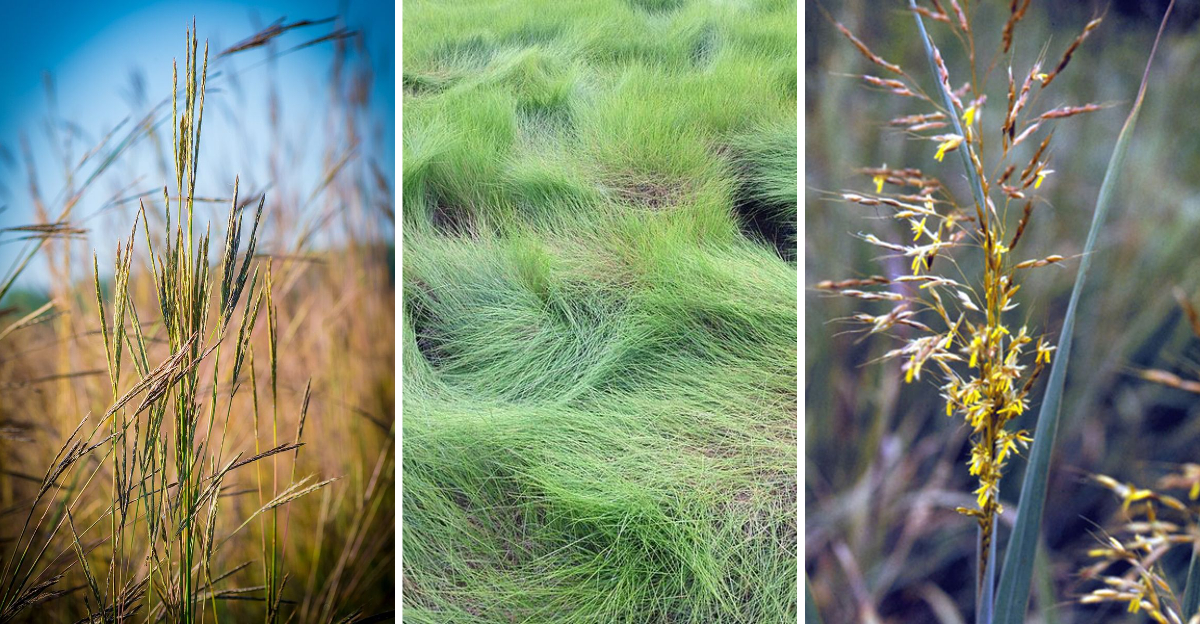
Maryland native grasses turn a flat, forgettable yard into something with texture and movement. Picture stems bending in the wind along the Chesapeake Bay.
Their roots grip sandy soil that most plants would refuse to touch. These grasses grew up tough, facing salt spray, drought, and summer heat without a single complaint.
Plant them once and the maintenance list gets shorter almost immediately. Plant them once and forget the constant watering can, since these grasses thrive on neglect and reward you with healthier soil over time.
A yard filled with native grasses doesn’t just survive Maryland’s unpredictable weather. It works with the climate instead of fighting it, saving time, money, and effort along the way.
1. Switchgrass (Panicum Virgatum)
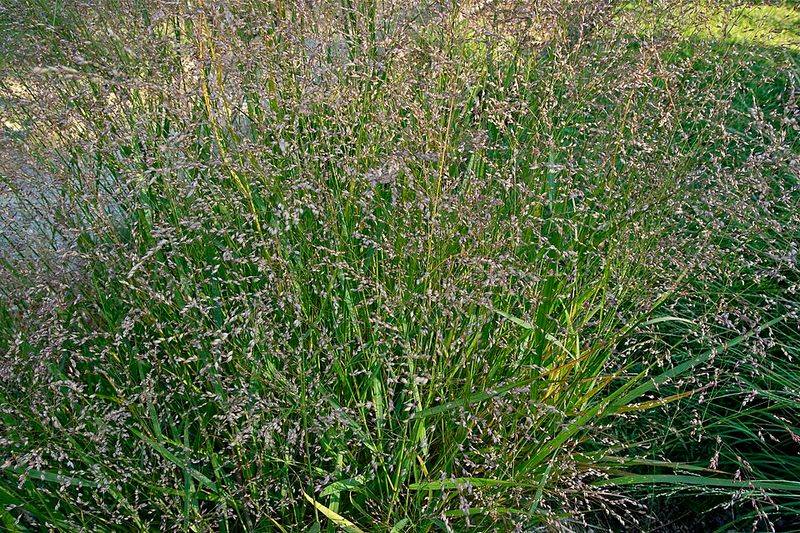
Switchgrass is the overachiever of the native grass world. It grows fast, looks stunning, and asks for almost nothing in return.
Native to the Bay region, this grass thrives in wet and dry soils alike. That kind of flexibility makes it a dream for homeowners who want low-maintenance beauty.
In summer, switchgrass shoots up to six feet tall with airy seed heads that catch sunlight like tiny lanterns. Birds go absolutely wild for those seeds come fall.
The foliage turns a rich copper-red in autumn, giving your Maryland yard serious seasonal drama. Few ornamental grasses can match that kind of color payoff.
Switchgrass also plays a key role in controlling erosion near slopes and wet areas. Its deep roots hold soil firmly even during heavy rains.
Plant it in full sun for the best results, though it tolerates partial shade gracefully. Spacing plants about three feet apart gives each clump room to show off.
Deer tend to leave switchgrass alone, which is a huge bonus for suburban gardeners. Rabbits and small mammals use the dense clumps as cozy hiding spots.
Once established, switchgrass needs almost no irrigation. Cut it back hard in late winter, and it will bounce back with fresh green growth every spring.
Few plants deliver four full seasons of interest with this little effort. Switchgrass sets the bar for what a native grass can do in a yard.
2. Little Bluestem (Schizachyrium Scoparium)
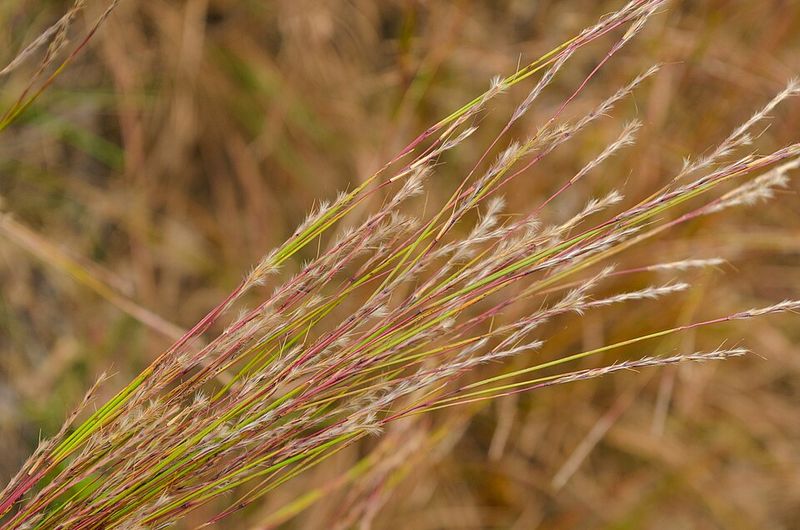
Forget everything you think you know about small grasses being boring. Little Bluestem packs enormous personality into a compact, knee-high package.
This native gem is famous for its stunning fall transformation. Stems shift from blue-green in summer to fiery orange-red by October, making it a showstopper.
Fluffy white seed heads appear in late summer and stick around well into winter. Those seeds feed sparrows, juncos, and other small songbirds through the coldest months.
Little Bluestem thrives in dry, sandy, or rocky soils that would frustrate most garden plants. Along Bay-area landscapes, it handles salty, nutrient-poor conditions without complaint.
Plant it in full sun, and this grass will reward you with dense, upright clumps that rarely flop or sprawl. It stays neat without staking, which gardeners absolutely appreciate.
Your Maryland Garden Changes Every Week. Your Plan Should Too.
Gardening in Maryland changes quickly throughout the season. Every Friday you’ll receive a simple weekly plan showing exactly what to plant, prune, fertilize, harvest, and protect so you never miss the right timing.
One underrated quality is its drought tolerance once established. After the first season, you can essentially ignore it and still get a gorgeous display.
This grass pairs beautifully with native wildflowers like black-eyed Susans and purple coneflowers. That combination creates a pollinator paradise that hums with activity all season long.
Little Bluestem spreads slowly through self-seeding but never becomes invasive or pushy. You get natural expansion without the headache of constant management.
Texture, color, and wildlife value rarely come in such a compact, tidy package. Little Bluestem proves small grasses can carry big impact.
3. Big Bluestem (Andropogon Gerardii)
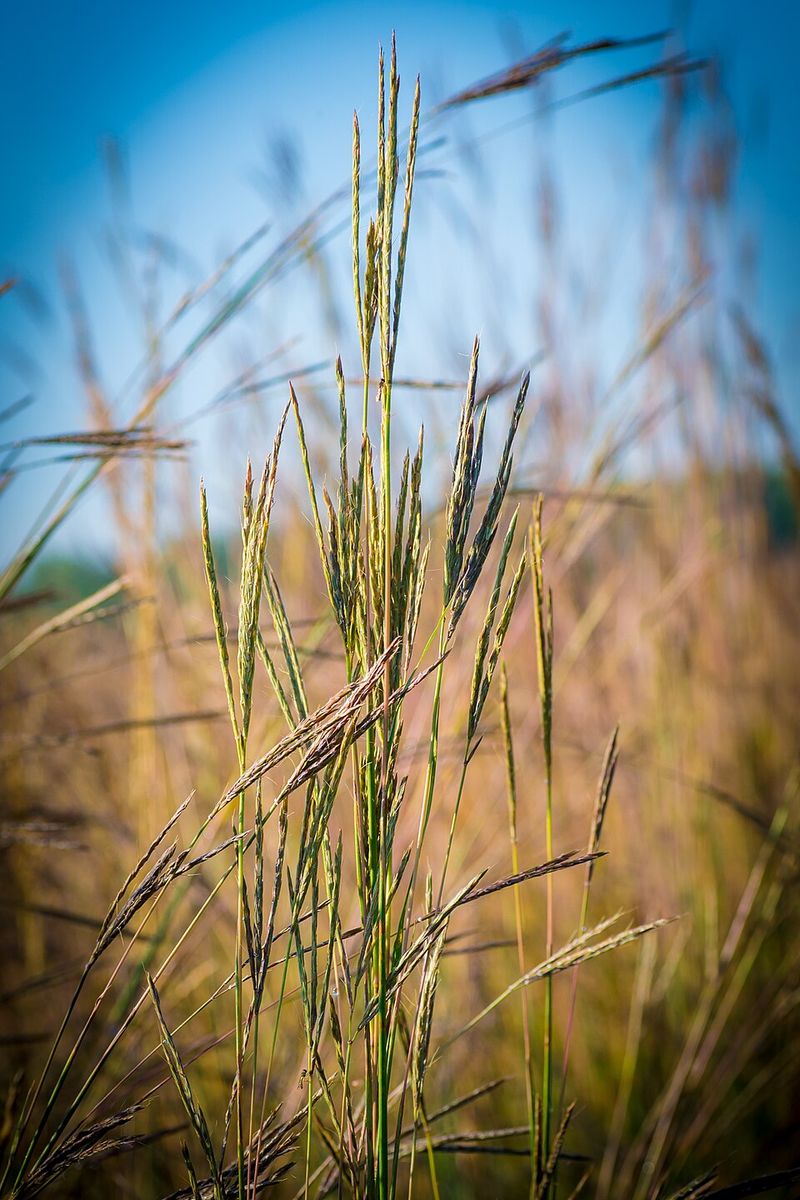
That three-pronged seed head is where the nickname “turkey foot grass” comes from. It looks almost exactly like a wild turkey’s footprint.
This is the tallest native grass on our list, often reaching seven feet or more by late summer. Standing next to a mature clump feels like walking through a prairie time machine.
Historically, Big Bluestem covered vast stretches of American grassland before development took over. Planting it today connects your Maryland yard to a deep ecological legacy worth honoring.
The grass starts the season blue-green, then shifts to rich burgundy and copper tones as temperatures drop. That seasonal color arc is remarkably beautiful to watch unfold.
Its root system can extend up to ten feet underground, which makes it extraordinary for erosion control. Steep slopes near the Bay shoreline become dramatically more stable with Big Bluestem anchoring them.
Full sun and well-drained soil are all this grass needs to thrive. It handles clay, sand, and loam without missing a beat, which is rare for any plant.
Monarch butterflies, native bees, and grassland birds all depend on Big Bluestem for shelter and food. Adding it to your landscape is essentially building a wildlife hotel.
Plant Big Bluestem at the back of borders where its height creates a dramatic natural screen. It blocks unsightly fences and adds vertical interest that most shrubs simply cannot match.
This is a grass built for impact, both underground and above it. Big Bluestem anchors a native garden the way few plants can.
4. Smooth Cordgrass (Spartina Alterniflora)
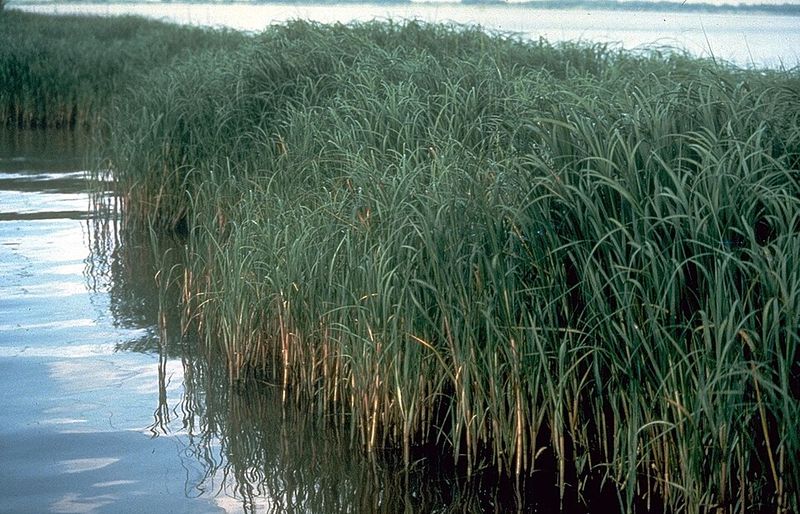
Walk along any Chesapeake Bay marsh and you will almost certainly be walking beside Smooth Cordgrass. This grass is the backbone of the entire tidal wetland ecosystem.
It grows right at the water’s edge, tolerating full saltwater flooding twice daily without flinching. No other native grass on this list handles that level of salt exposure.
Smooth Cordgrass creates dense stands that act as natural wave buffers during storms. Coastal homeowners near tidal areas rely on it to protect their shorelines from erosion damage.
The grass provides critical nursery habitat for blue crabs, striped bass, and dozens of other fish species. Young marine animals shelter and feed among its submerged stems during early life stages.
Above the waterline, herons, egrets, and marsh wrens nest within its thick growth. The biodiversity supported by a single stand of Smooth Cordgrass is genuinely staggering.
This grass is best suited to properties directly along tidal shorelines or brackish water, since it depends on regular tidal influence to thrive. Homeowners without direct tidal access should look to Saltmeadow Cordgrass instead for a similar coastal look.
Smooth Cordgrass grows three to six feet tall depending on soil salinity and water availability. Taller growth typically indicates richer, less salty conditions closer to freshwater input zones.
Planting it along a backyard pond or drainage channel creates instant naturalistic appeal. The swaying stems and rustling seed heads add movement and sound that static shrubs cannot offer.
Few plants do more quiet, unglamorous work for an ecosystem than this one. Smooth Cordgrass holds the shoreline together one root at a time.
5. Saltmeadow Cordgrass (Spartina Patens)
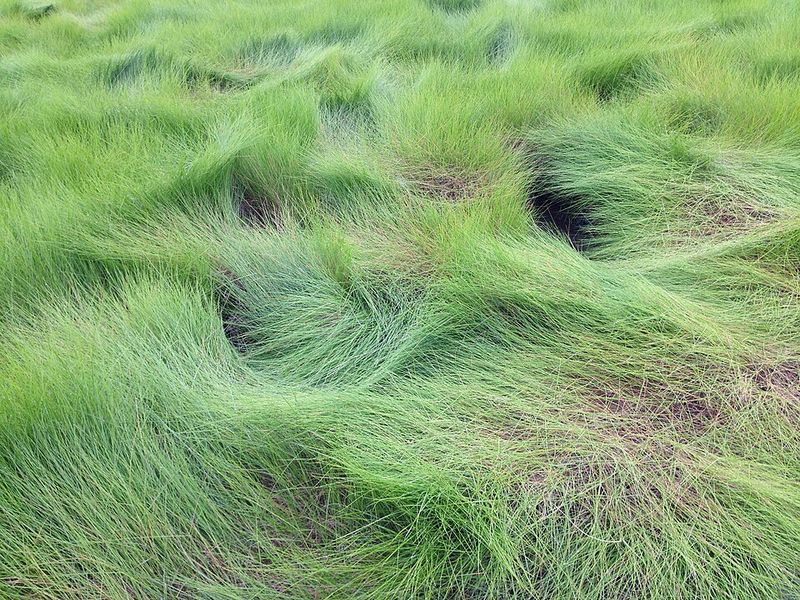
A laid-back, windswept personality instantly makes any landscape feel more coastal and alive. Fine, wiry stems bend dramatically in the breeze, giving the whole planting a sense of motion.
Unlike its taller relative, this species stays low, typically reaching just one to three feet in height. That compact scale makes it perfect for residential yards without a tidal marsh on site.
It forms broad, sweeping mats that move like ocean waves when the wind picks up. Watching a stand of Saltmeadow Cordgrass sway is quietly calming.
This grass tolerates moderate salt spray, occasional flooding, and sandy soils with impressive ease. Bay-area gardeners dealing with tough coastal conditions will find it refreshingly forgiving.
Saltmeadow Cordgrass spreads through underground rhizomes, creating a dense ground cover over time. That spreading habit makes it excellent for stabilizing sandy slopes or filling difficult bare patches.
Shorebirds and marsh sparrows depend heavily on this species for nesting cover. The Seaside Sparrow, a species of conservation concern, specifically prefers nesting within dense Saltmeadow Cordgrass stands.
Plant it in full to partial sun for best density and vigor. In shadier spots, it grows more loosely but still provides excellent textural interest and wildlife cover.
Pairing it with native wildflowers like sea lavender creates a stunning coastal meadow aesthetic. That combination feels like a vacation every time you step outside.
This grass carries the feel of the Bay into a home landscape better than most. Plant it once, and the coastal look stays for years.
6. Northern Dropseed (Sporobolus Heterolepis)
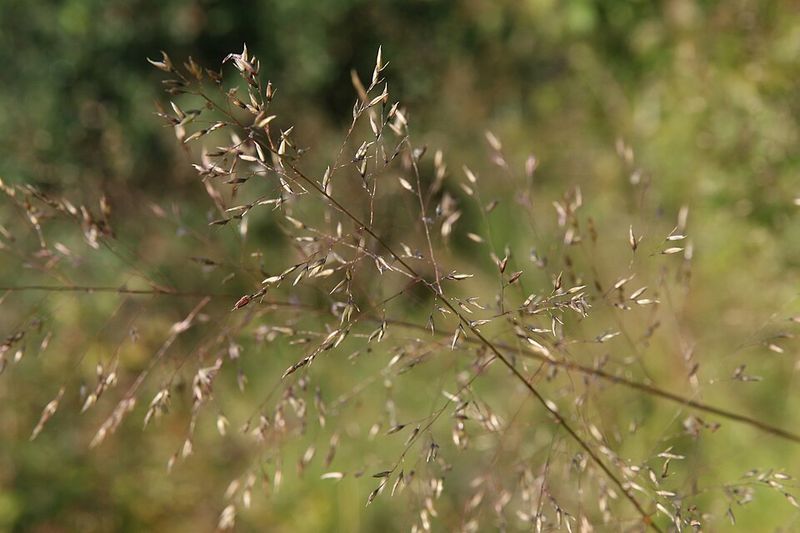
Northern Dropseed is the quiet, elegant type that does not demand attention but earns it anyway. Its fine-textured foliage and arching seed heads have a genuinely graceful quality.
This grass blooms in late summer with airy panicles that release an almost magical fragrance. Many gardeners describe the scent as similar to buttered popcorn or fresh cilantro.
That surprising fragrance alone makes Northern Dropseed worth planting near patios or walkways. Guests will stop mid-conversation to ask what that wonderful smell is coming from.
The grass forms neat, rounded clumps about two feet tall and equally wide. That tidy growth habit means no staking, no flopping, and no messy cleanup throughout the season.
Northern Dropseed thrives in well-drained soils and full sun, making it adaptable to many yard conditions. It even handles dry, rocky spots where irrigation is limited or impractical.
Fall color is another strong point, with foliage shifting to warm orange and bronze tones. Those autumn hues complement native asters and goldenrod beautifully in mixed plantings.
Songbirds flock to the seed heads in fall and winter, picking them clean before spring arrives. Watching a goldfinch work through a dropseed clump is one of autumn’s genuine pleasures.
This species establishes slowly in its first year but becomes remarkably self-sufficient afterward. Patience in year one pays off with decades of low-effort beauty.
Fragrance, elegance, and wildlife value rarely show up in one small clump. Northern Dropseed manages all three without asking for much space.
7. Purple Lovegrass (Eragrostis Spectabilis)
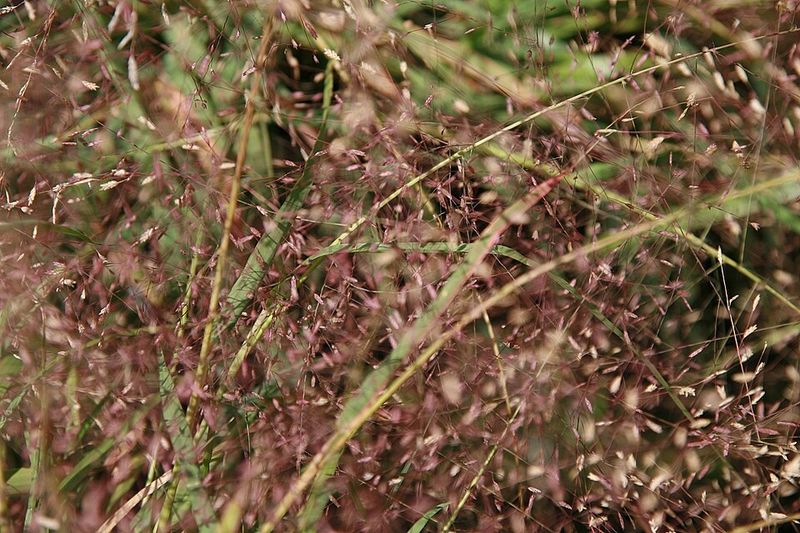
Late summer brings a bloom that stops people mid-step for a second look. Reddish-purple seed heads form a billowing cloud that seems to float above the foliage.
That ethereal display lasts for weeks, shifting from purple to russet-gold as seeds mature. Few native plants offer this level of color drama for such a long period.
This grass stays small, typically reaching just one to two feet tall. That petite stature makes it ideal for garden edges, rock gardens, or mass plantings along pathways.
Sandy, dry soils are where Purple Lovegrass truly shines brightest. Bay-area landscapes with poor, sandy ground often struggle to support traditional garden plants, but this species thrives there.
Full sun brings out the most intense color in the seed heads. Even in partial shade, the plant still blooms but with a slightly more muted, soft-toned display.
The seed heads are so light and airy that they detach easily and tumble across the yard in autumn wind. That self-seeding habit fills bare spots naturally without any effort on your part.
Butterflies and native bees visit the blooms regularly during the summer flowering period. The plant earns its keep as a pollinator resource even before the seed show begins.
Winter interest is another bonus, as the dried seed structures persist and catch morning frost beautifully. A backlit clump on a cold morning looks like something from a nature photography calendar.
A small footprint rarely produces this much visual payoff. Purple Lovegrass makes the case for planting something compact but unforgettable.
8. Yellow Indiangrass (Sorghastrum Nutans)
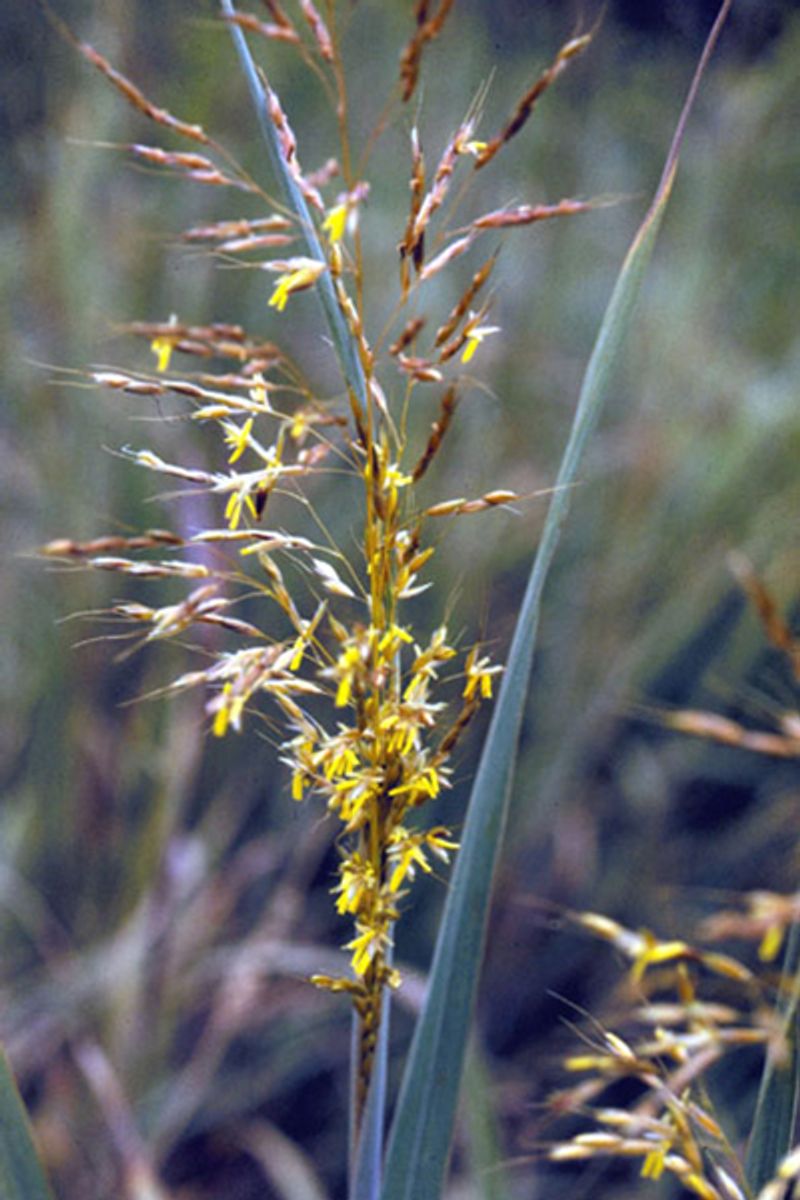
Yellow Indiangrass is the one most likely to catch a neighbor’s eye from across the yard. Its golden, feathery seed heads glow in autumn light like something out of a painting.
This tall, warm-season grass reaches four to six feet by late summer, creating bold vertical structure. That height makes it a natural focal point in any native planting scheme.
The seed heads emerge in late August as soft, bronze-yellow plumes with a distinctly silky texture. Running your hand across them is one of those small sensory joys worth planning a garden around.
Yellow Indiangrass is incredibly adaptable, tolerating clay, sandy loam, and everything in between. That soil flexibility makes it one of the most practical choices for Bay-area residential landscapes.
It grows in full sun and handles summer heat and humidity without any stress. Hot, sticky Maryland summers that wilt other plants only seem to energize this species further.
Native bumblebees and skipper butterflies visit the blooms during the late-season flowering window. Providing late-season resources for pollinators makes a real difference this time of year.
The foliage turns a warm orange-yellow in fall before mellowing to tan for winter. That seasonal progression gives your Maryland yard a natural calendar that changes week by week.
Yellow Indiangrass pairs magnificently with Big Bluestem for a classic tall-grass meadow aesthetic. Together, they recreate a slice of American grassland heritage right in your backyard.
Beauty that gives something back to the land is worth the investment. Plant Yellow Indiangrass this season and let the yard do the rest.