What Virginia Coastal Gardeners Should Do About Salt-Damaged Plants This August
August on Virginia’s coast turns gardens into a test of endurance. Heat presses down for weeks without a break, thunderstorms sweep through with little warning, and a fine mist of salt settles over leaves before anyone notices.
Gardeners from Virginia Beach to the Eastern Shore know the signs well: edges turning brown, leaves curling inward, growth that stalls for no obvious reason.
Salt spray works quietly, pulling moisture from plant tissue and disrupting the balance roots depend on. By the time damage becomes visible, the stress has often been building for days.
Coastal gardens face this pattern nearly every summer, and the plants that struggle most are usually the ones planted without salt tolerance in mind. Quick action this month can shift the outcome entirely.
Rinse Foliage And Soil To Remove Salt Buildup
Salt crust on leaves is sneaky. It blocks sunlight, clogs pores, and weakens even tough coastal plants over time.
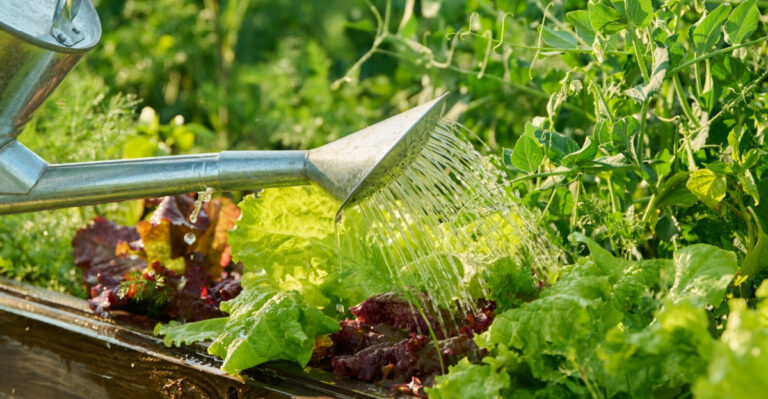
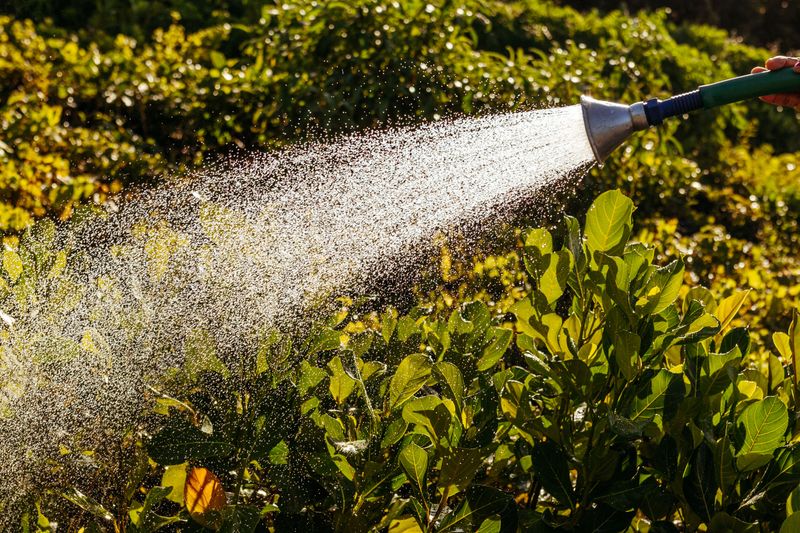
Your first move this August is simple: grab the hose. A deep, steady rinse washes salt off foliage and pushes it down through the soil profile.
Focus the water at the base of each plant. You want to flush the root zone thoroughly, not just wet the surface.
Do this in the early morning so leaves dry before evening. Wet foliage at night invites fungal problems you really do not need right now.
Repeat the rinse every two to three days during hot, dry stretches. Consistency matters more than intensity when you are flushing salt from sandy coastal soil.
Pay extra attention to plants within fifty feet of the shoreline. Those shrubs and perennials take the heaviest spray load during summer storms and high winds.
Check the soil after rinsing by squeezing a handful. If it still feels crusty or smells sharp, keep flushing for another day or two.
Some Virginia gardeners add a small amount of gypsum to the water. Gypsum helps displace sodium ions from soil particles, making the rinse even more effective.
Work row by row so no plant gets skipped. A missed plant can lose its chance at recovery by September if salt damage continues unchecked.
Rinsing is not glamorous work, but it is the fastest way to give stressed coastal plants immediate relief this summer.
Recognizing The Signs Of Salt Damage On Coastal Plants
Brown leaf edges that curl inward are the classic calling card of salt stress. Many Virginia gardeners mistake this for drought damage and water more, which rarely helps.
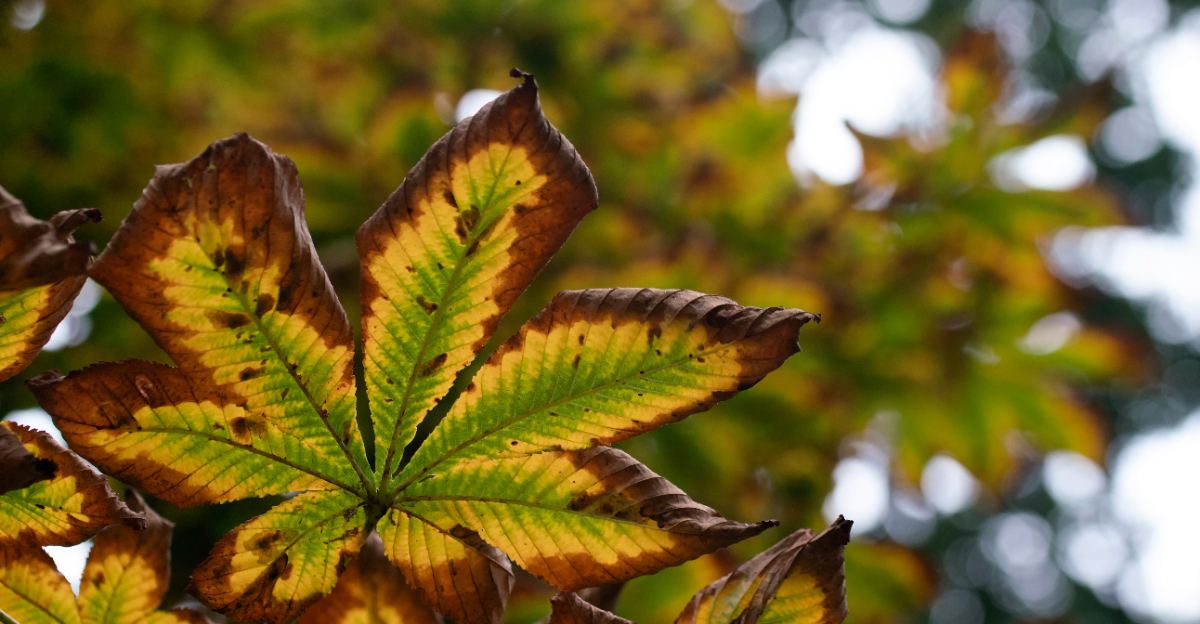
Salt damage usually starts at the tips and margins of leaves. It then moves inward as the season progresses and exposure builds up.
Look for a bleached or bronzed appearance on the upper surface of leaves. That discoloration means salt has interfered with the plant’s ability to absorb nutrients properly.
Stunted new growth is another red flag worth watching. When salt-damaged plants push out tiny, deformed shoots, the root system is struggling to function under stress.
Check the soil surface for a white or grayish crust. That crusty layer is a visible sign of salt accumulation after water has evaporated from the bed.
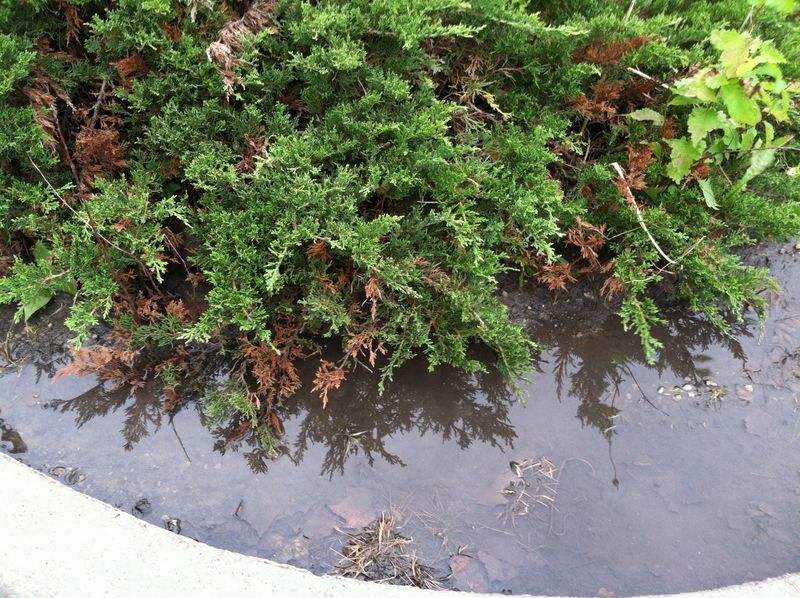
Needle-leaved plants like junipers may show browning on the windward side only. That one-sided pattern is a strong indicator of salt spray rather than disease or pests.
Broad-leaved shrubs like hollies and viburnums often show scorch patterns after coastal storms. The damage appears within days of a strong northeast wind event.
Compare affected plants to others in a sheltered spot nearby. A healthy plant next to a struggling one often confirms that location and exposure are the real culprits.
Catching salt damage early gives you more options for recovery. The longer you wait, the harder it becomes to help a stressed plant fully recover.
Improving Drainage In Salt-Affected Beds
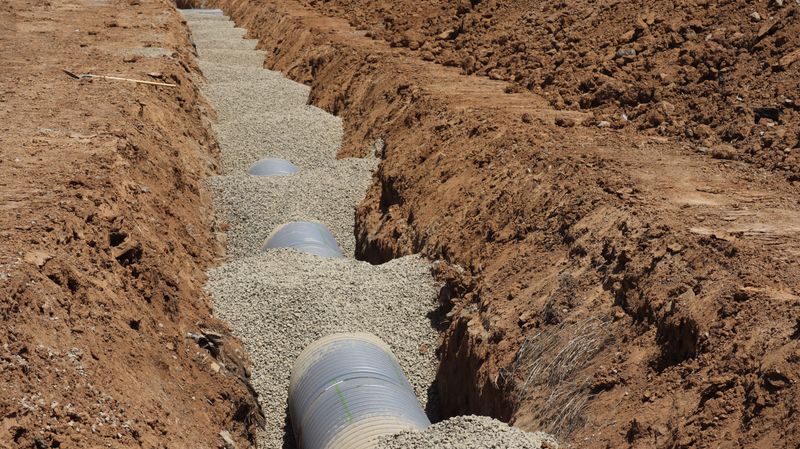
Standing water in a coastal bed is a serious problem. Salt concentrates in poorly drained soil and stays in contact with roots far longer than it should.
Start by checking how fast water moves through your beds after a rain. Dig a small hole about twelve inches deep and fill it with water to test drainage speed.
If the hole takes more than an hour to drain, you have compaction or clay layers working against you. Breaking up those layers with a garden fork opens pathways for salt to flush downward.
Raised beds are one of the best solutions for coastal gardeners dealing with salt-affected soil. Elevating the root zone above the native ground gives you full control over soil composition and drainage.
Adding coarse sand to heavy beds improves drainage quickly. Mix it thoroughly with existing soil rather than layering it on top, which can actually create a barrier.
Perforated drain pipes buried along bed edges can redirect excess water away from roots. This is especially helpful in low spots that collect runoff after storms.
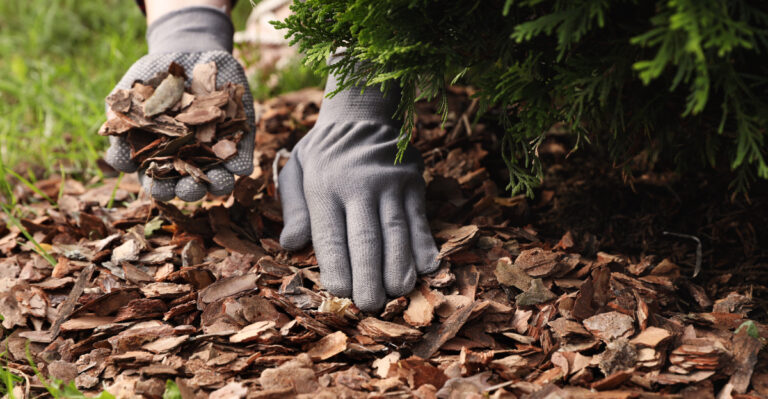
Mulching with pine bark or wood chips slows evaporation at the surface. Less evaporation means less salt left behind as moisture disappears from the soil.
Slope your beds slightly away from the ocean-facing side. Even a one-inch grade change encourages water to flow in the right direction during heavy rains.
Good drainage tackles more than salt buildup alone, since it also reduces root rot and gives plants the oxygen they need to recover and push new growth.
Amending Soil With Compost And Organic Matter
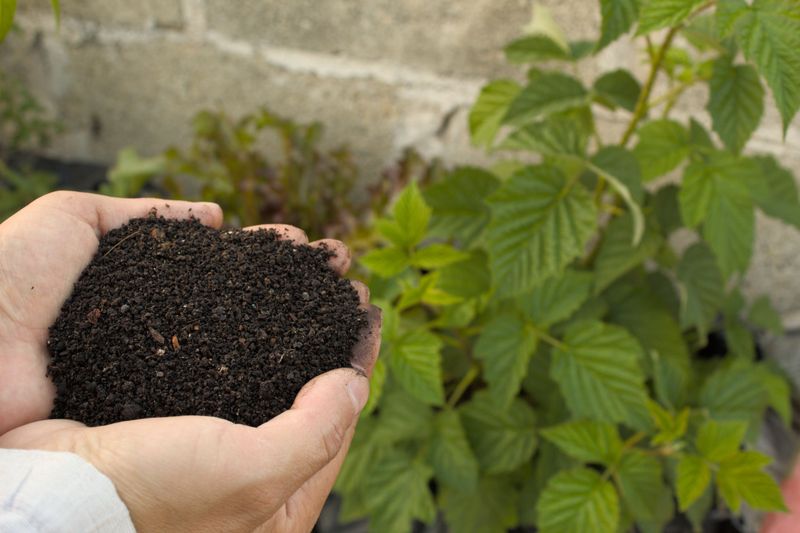
Compost gives coastal gardeners a real edge against salt damage. It improves soil structure, feeds beneficial microbes, and helps buffer the effects of sodium on plant roots.
Work two to three inches of finished compost into the top six inches of your beds. Do this now in August so the soil has time to settle before fall planting begins.
Aged compost also helps improve water retention in sandy coastal soils. Better moisture retention means more consistent nutrient delivery to stressed and recovering root systems.
Worm castings are another excellent amendment worth adding. They are gentle on roots and packed with micronutrients that help plants rebuild after salt exposure.
Avoid fresh manure in August because it can add more salts to already stressed soil. Stick with well-composted materials that have fully broken down and stabilized.
Biochar is a newer amendment gaining attention among coastal gardeners. It holds nutrients and water in sandy soil while also reducing sodium mobility around roots.
Mix organic matter evenly rather than piling it in one spot. Uneven distribution creates pockets of imbalance that can stress plant roots in unexpected ways.
Kelp meal is a coastal-friendly amendment that adds trace minerals and natural growth hormones. A light application in August can help struggling plants regain their energy heading into fall.
Healthy, organic-rich soil acts like a sponge and a filter at the same time. Plants rooted in amended beds bounce back from salt stress faster and with far less long-term damage.
Choosing Salt-Tolerant Replacements For Damaged Plants
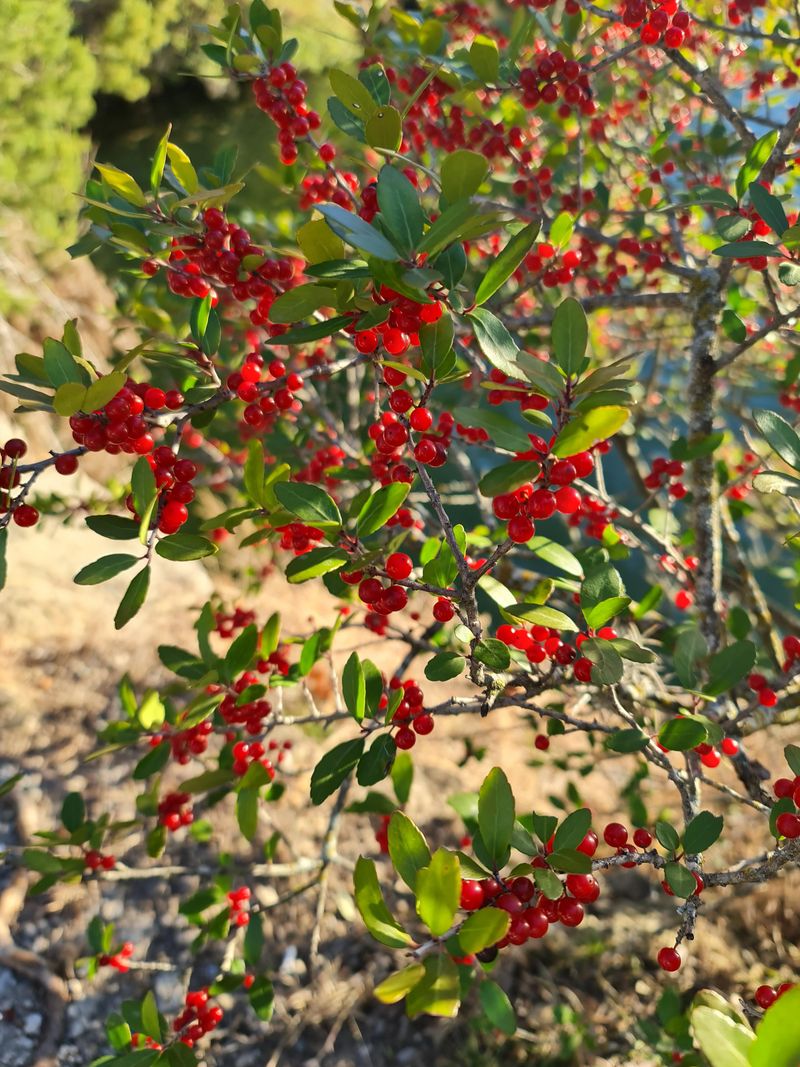
Some plants rarely thrive close to the coast, regardless of the care they receive. Accepting that truth is the first step toward a garden that actually thrives.
Yaupon holly is a native superstar for Virginia coastal gardens. It handles salt spray, poor soil, and summer heat without flinching, and birds flock to its berries.
Wax myrtle is another tough native that earns its place near the shoreline. It grows fast, screens well, and tolerates both wet and dry conditions with equal ease.
Sea oats and saltmeadow cordgrass are excellent choices for exposed, sandy areas. These grasses stabilize soil, handle salt beautifully, and add graceful movement to the landscape.
Beautyberry brings bold purple clusters to the late summer garden and handles coastal conditions surprisingly well. It is a conversation-starter that also feeds migrating birds in the fall.
Rugosa roses have earned their reputation along Atlantic coastlines for good reason. Their thick, waxy leaves resist salt spray, and their blooms fill the garden with fragrance all summer long.
When shopping at nurseries, ask specifically for plants labeled as salt-tolerant and suited to coastal exposure. Staff at local Virginia nurseries often know which varieties perform best in your exact area.
Replace one damaged plant at a time rather than overhauling the whole garden at once. Gradual replacement lets you observe what works before committing to a full landscape change.
A well-chosen replacement plant does not just survive coastal conditions. It becomes a reliable, low-maintenance anchor that makes the whole garden look more intentional and confident.
Preventing Future Salt Damage Along The Coast
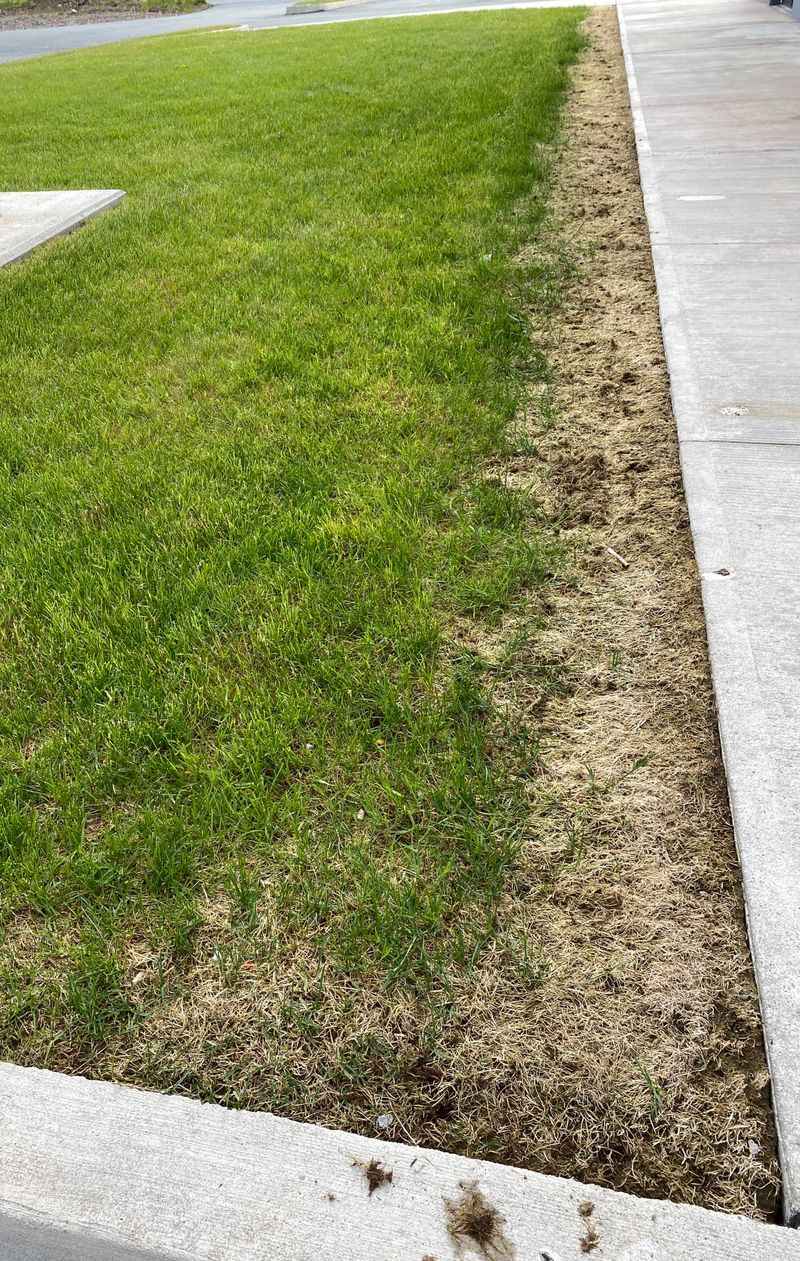
Prevention is usually easier than recovery when it comes to salt-damaged plants. A few smart choices now will protect your garden through next summer and beyond.
A well-placed windbreak does more to stop salt spray than almost anything else in the garden. A dense row of salt-tolerant shrubs or a slatted fence on the ocean-facing side blocks spray before it reaches sensitive plants.
Choose fence materials that allow some airflow rather than creating a solid wall. Complete wind blocks can cause turbulence that actually increases salt deposition on the leeward side.
Apply a thick layer of organic mulch each spring before storm season begins. Mulch protects the soil surface from direct spray and slows the evaporation that leaves salt residue behind.
Anti-transpirant sprays create a thin, protective coating on leaf surfaces. Applied before a major storm, they reduce the amount of salt that actually penetrates leaf tissue.
Group your most sensitive plants in the most sheltered spots in your yard. Strategic placement is free, lasting, and one of the smartest moves any coastal gardener can make.
Rinse your garden after every significant storm event, not just during dry spells. Post-storm rinsing removes fresh salt deposits before they have a chance to build up in the soil.
Keep a simple garden journal noting which plants struggle each summer. Patterns in that journal will guide smarter planting decisions for years to come.
Protecting your coastal garden from salt-damaged plants is an ongoing practice, not a one-time fix. Virginia gardeners who stay consistent with these habits tend to see lush, resilient gardens season after season.