Plant These Maryland Natives To Help Protect The Chesapeake Bay
The Chesapeake Bay doesn’t fail quietly. Every storm that rolls off a Maryland driveway or fertilized lawn pushes another wave of nitrogen and grit into the water.
Fish, oysters, and blue crabs depend on that water to breathe. Underwater grass beds are the nurseries of the whole system.
They get covered over or lose the sunlight they need, often before anyone notices they’re gone. Fixing this doesn’t require a farm or a wetland in your backyard.
It starts smaller, right at the edge of your patio or the strip of grass nobody mows anyway. Native plants do the quiet work.
Their roots hold soil in place during downpours. Their leaves slow rain before it hits pavement.
Their flowers feed pollinators that have nowhere else to go. Maryland’s native species evolved for this exact climate and this exact soil, so they grow well without extra care.
Trade a patch of turf for the right plants, and you’re not landscaping. You’re patching a piece of the Bay.
1. Switchgrass
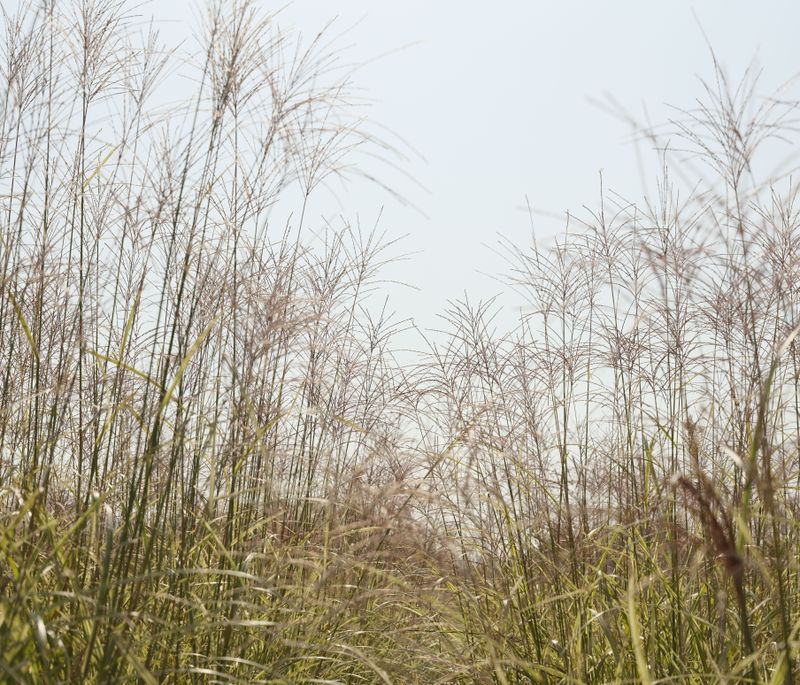
Switchgrass is a highly effective, understated plant. This native grass has roots that can reach ten feet deep into the soil, locking in sediment that would otherwise wash into the bay.
Those deep roots also break up compacted ground, letting rainwater soak in rather than run off. Less runoff means fewer pollutants reaching local streams and waterways.
Switchgrass grows in clumps that reach four to six feet tall, creating shelter for birds and small animals. It thrives in wet, dry, or average soils, making it incredibly adaptable for most home gardens.
In fall, the foliage turns a warm golden red that rivals any ornamental grass you could buy at a nursery. It stays attractive through winter, giving birds a food source when other plants have gone dormant.
Planting switchgrass along a slope or near a drainage area is one of the most effective things a homeowner can do. It holds the earth in place through heavy rain events that would otherwise cause serious erosion.
This grass is also nearly maintenance-free once established. Cut it back to about six inches in late winter, and it will bounce back strong every spring without fertilizer or fuss.
For the Chesapeake Bay watershed, switchgrass is more than a pretty grass. It plays a steady, ongoing role in keeping the water clean.
2. Big Bluestem
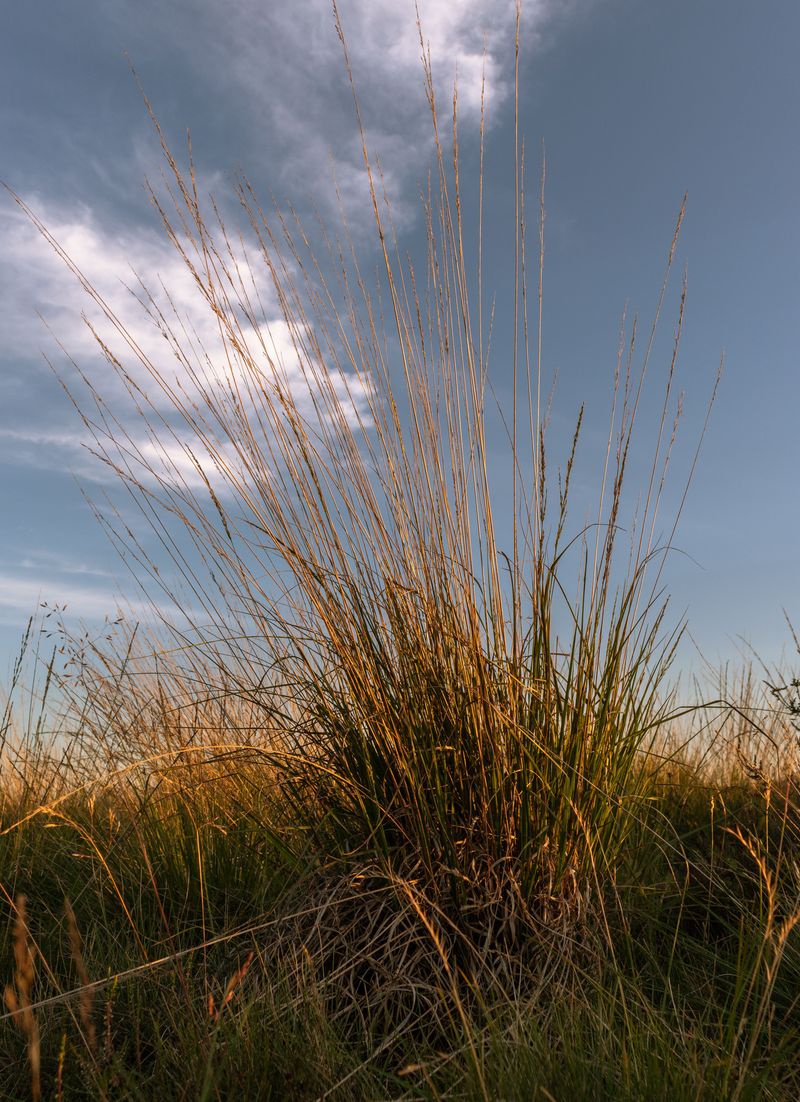
Known as one of the tallest and most dominant native prairie grasses, Big Bluestem earned that reputation for good reason.
It once covered millions of acres across North America, feeding bison and anchoring the soil of entire ecosystems.
Today, it is one of the best native plants you can grow to protect the Chesapeake Bay watershed. Its deep root system absorbs heavy rainfall before it can carry nutrients and sediment into local waterways.
Big Bluestem grows five to eight feet tall, creating a dramatic vertical statement in any garden. The seed heads split into three finger-like branches that look so much like a turkey foot that many people call it by that nickname.
Your Maryland Garden Changes Every Week. Your Plan Should Too.
Gardening in Maryland changes quickly throughout the season. Every Friday you’ll receive a simple weekly plan showing exactly what to plant, prune, fertilize, harvest, and protect so you never miss the right timing.
Birds absolutely love those seed heads. Juncos, sparrows, and finches will visit your yard all winter long to feed on the seeds left standing after the growing season ends.
This grass prefers full sun and handles dry conditions with ease once it gets established. It doesn’t need pampering, which makes it perfect for busy homeowners who want low-effort, high-impact landscaping.
The foliage shifts from blue-green in summer to rich copper and burgundy in fall. That color show lasts well into winter, giving your yard a warm, textured look when everything else looks bare.
Planting Big Bluestem along fence lines, meadow edges, or rain gardens creates habitat corridors. These corridors help pollinators and birds move safely through suburban landscapes all season long.
3. Little Bluestem
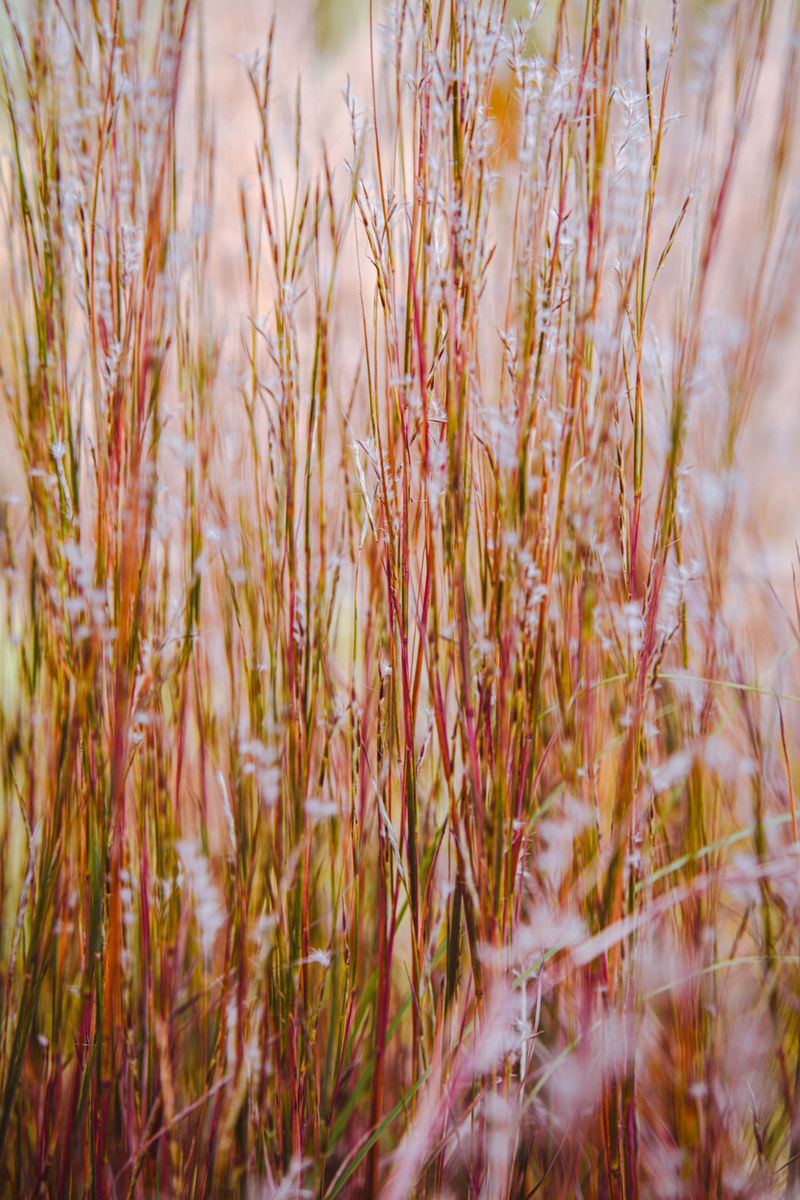
Do not let the name fool you. Little Bluestem is small in stature but enormous in ecological value for the Chesapeake Bay region.
Growing two to four feet tall, it fits comfortably into garden borders, slopes, and rain gardens where larger grasses might feel overwhelming. Its compact size makes it one of the most versatile natives available to homeowners.
The real magic happens in fall, when the foliage transforms into shades of copper, rust, and burgundy. Fluffy white seed heads catch the light and shimmer against the colorful stems, making this one of the most striking plants in a winter garden.
Little Bluestem is a host plant for several native skipper butterflies, which depend on it to complete their life cycles. Planting it supports pollinators that are essential to healthy local food systems and natural habitats.
Its fibrous roots hold soil tightly on slopes and hillsides, reducing the erosion that sends sediment racing toward the bay. Even a small patch near a downspout or drainage area can make a measurable difference.
This grass thrives in poor, dry soils where other plants struggle to grow. That toughness makes it ideal for neglected spots in your yard that you have been meaning to fix but never quite got around to.
Once established, Little Bluestem needs almost no care at all. Cut it back in late winter, step back, and watch it grow into a stunning, bay-protecting beauty all over again.
4. Pickerelweed
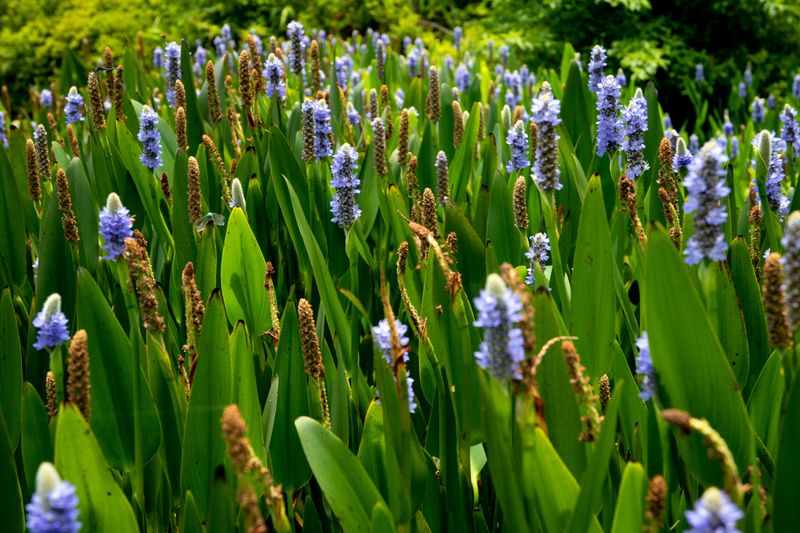
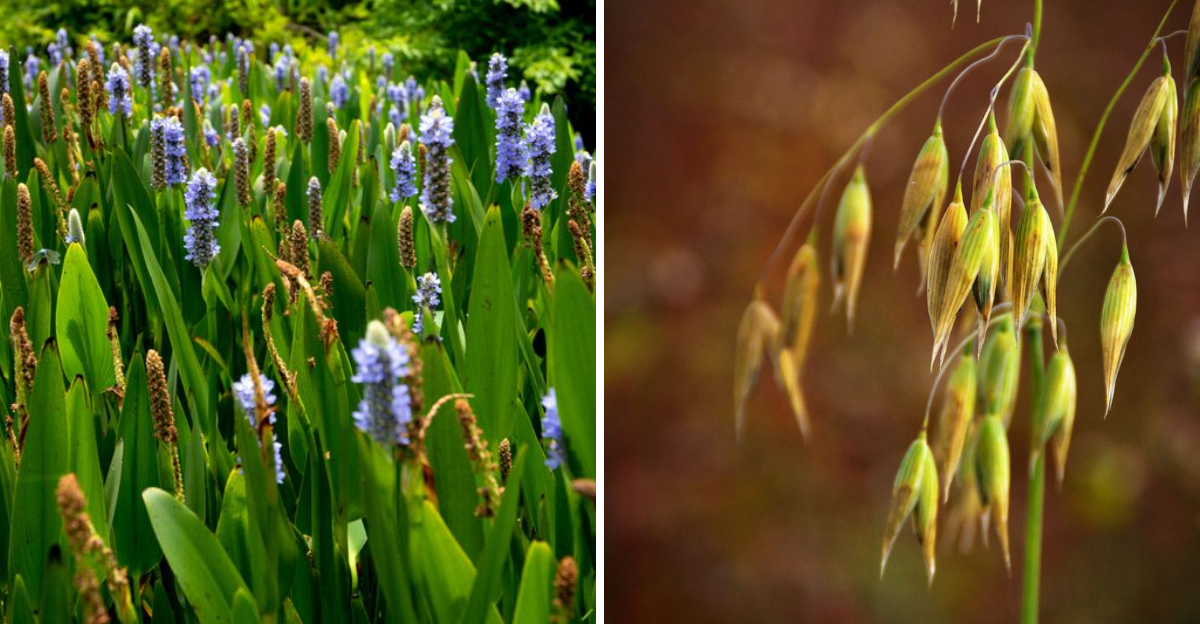
Pickerelweed is the plant that belongs right where your yard meets the water. Growing naturally along pond edges, stream banks, and tidal wetlands, it is built for life in the wet zone that most plants avoid entirely.
Its striking purple flower spikes bloom from late spring through early fall, attracting bees, butterflies, and hummingbirds in impressive numbers. Few native plants offer that long a bloom season while also doing serious ecological work.
The dense root mass of pickerelweed grabs onto streambank soil and holds it firmly in place. That grip prevents erosion during rain events that would otherwise send muddy runoff straight into the Chesapeake Bay watershed.
Pickerelweed also filters water as it passes through the root zone. It absorbs excess nitrogen and phosphorus, the same nutrients from lawn fertilizers that cause the algae blooms choking bay grasses.
Ducks and other waterfowl eat the seeds, while frogs and fish use the stems and roots for shelter and breeding habitat. One plant pulls triple duty as erosion control, water filter, and wildlife hotel.
You do not need a pond to grow it. Pickerelweed thrives in rain gardens, bioswales, or any low spot in your yard that stays consistently moist. It spreads gradually to fill in wet areas beautifully.
Plant it in full to partial sun for the best flowering results. A healthy clump of pickerelweed along a waterway is one of the most powerful choices you can make for the bay.
5. Soft Rush
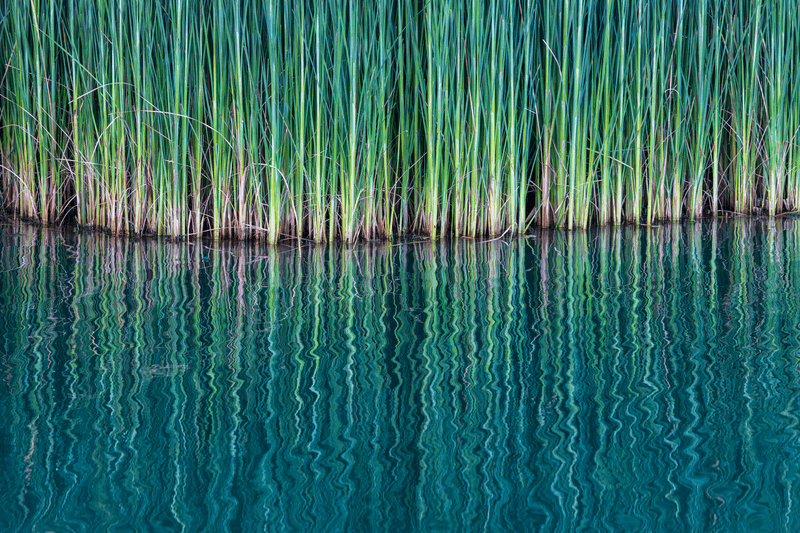
Soft Rush looks simple at first glance, but it is doing some of the heaviest lifting in wetland ecosystems across the region. Those slender, cylindrical green stems are quietly filtering water and stabilizing shorelines every hour of every day.
This native rush grows in dense clumps that can reach four feet tall, creating a lush, textured look along pond edges and rain garden borders. The clumps provide nesting cover for marsh birds and refuge for frogs during dry spells.
Soft Rush is exceptional at absorbing excess nutrients from stormwater runoff. It pulls nitrogen and phosphorus out of water before those pollutants can reach streams and eventually the Chesapeake Bay itself.
The root system binds streambank soil with impressive strength. Planting it along eroding edges of ponds or drainage channels can stop soil loss that would otherwise take years of expensive engineering to fix.
Small brown flower clusters appear near the tips of the stems in summer, adding a subtle, natural texture to the planting. Marsh-nesting birds use the dense clumps for nesting sites throughout the breeding season.
Soft Rush handles both flooding and short dry periods, making it more forgiving than many other wetland plants. Once it settles in, it spreads slowly to fill in gaps and create a naturalistic shoreline edge.
For homeowners with wet, low-lying areas, Soft Rush makes good use of that space. It is the right plant for the right place, every single time.
6. Inland Sea Oats
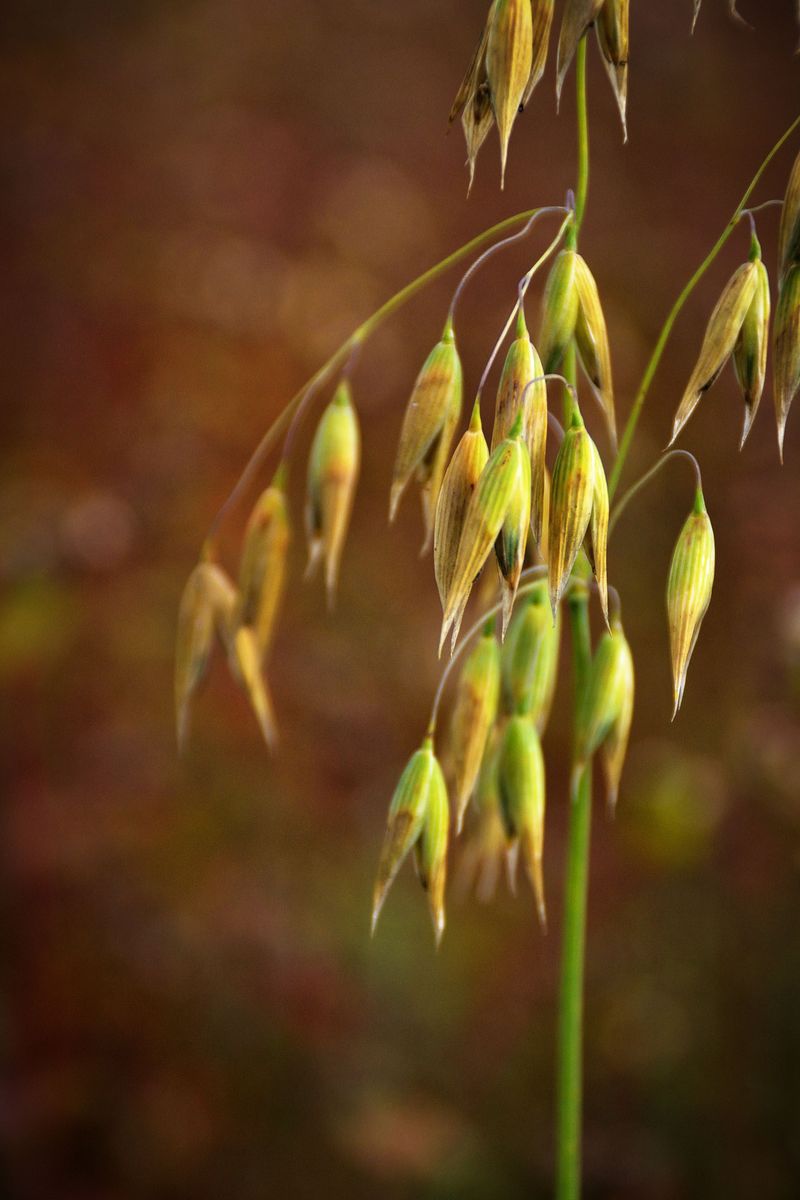
Inland Sea Oats is the shade-lover that most native plant lists forget to mention. While other grasses demand full sun, this one thrives under the canopy of trees where lawn grass refuses to grow, making it a reliable choice for Maryland yards with mature tree cover.
The flat, dangling seed clusters hang from arching stems like tiny ornaments, catching every breeze and glittering in dappled light. They turn from green to copper in fall, extending the visual interest well into the colder months, including Maryland’s mild early winters.
Growing two to five feet tall, Inland Sea Oats forms graceful colonies along woodland edges, stream banks, and shaded slopes. It spreads by seed and rhizome to fill in bare ground that would otherwise erode during heavy rains.
That spreading habit is exactly what the Chesapeake Bay watershed needs. Bare shaded ground under trees is a major source of sediment runoff, and Inland Sea Oats covers it quickly and beautifully.
Birds go wild for the seeds in fall and winter. Wood thrushes, Carolina wrens, and other woodland species common to Maryland pick the stems clean, making your shaded garden a reliable food source during leaner months.
This plant is also believed to serve as a host for certain native butterfly species, supporting their life cycle. Supporting those butterflies helps maintain the web of insects that birds and other wildlife depend on.
If you have a shady corner that feels hopeless, Inland Sea Oats is your answer. It brings movement, texture, wildlife habitat, and bay-protecting function to the spots other plants simply cannot reach.
7. Canada Wildrye
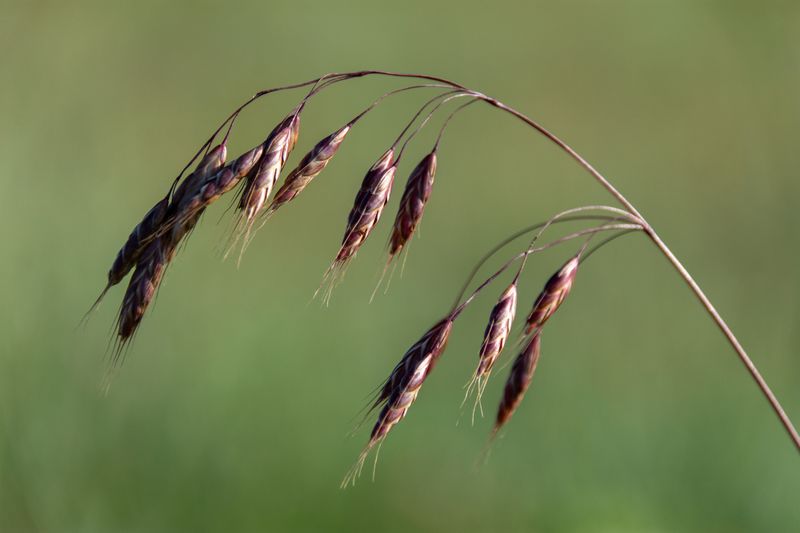
Canada Wildrye is the cool-season native grass that gets the season started before most other plants even wake up. It germinates and grows in early spring, covering bare soil at the most erosion-vulnerable time of year.
That early establishment is critical for protecting the Chesapeake Bay watershed. Spring rains are often the heaviest, and bare soil in March and April sends enormous amounts of sediment rushing toward streams.
The seed heads look remarkably like cultivated rye grain, with long, graceful spikes that arch under their own weight. They add a soft, wild elegance to meadow gardens, rain gardens, and naturalized areas throughout the growing season.
Canada Wildrye grows three to five feet tall and tolerates shade better than most native grasses. That flexibility lets you use it under trees, along woodland edges, or in partially shaded areas where options are limited.
It is a short-lived perennial, meaning it self-seeds reliably to keep the colony going without any effort on your part. New seedlings fill in gaps naturally, creating a self-sustaining groundcover that improves every year.
Songbirds eat the seeds enthusiastically in late summer and fall. The dense clumps also provide nesting material and protective cover for ground-nesting birds during the breeding season.
For a quick-establishing, adaptable, and wildlife-friendly native grass, Canada Wildrye is hard to beat. Plant it where you need fast ground coverage, and let it do the rest for the bay and beyond.
8. Green And Gold
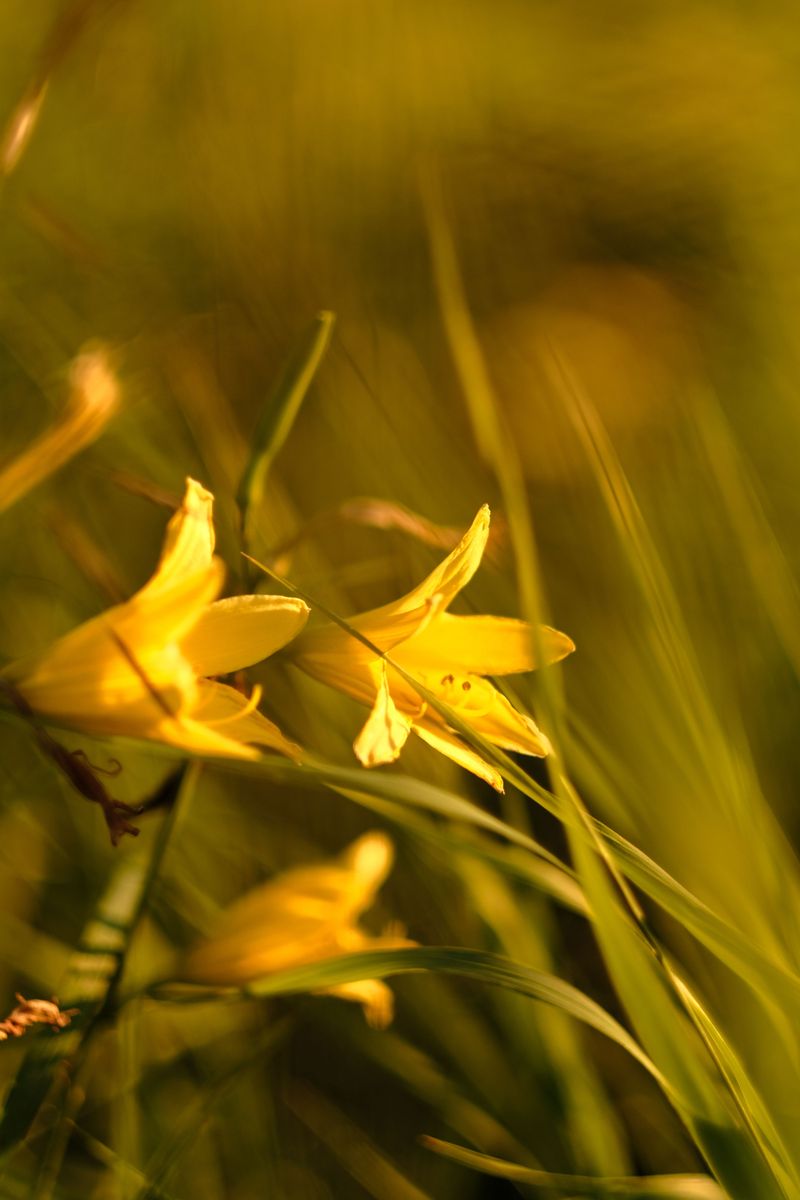
Green and Gold is the cheerful groundcover that brings sunshine to the shadiest corners of your yard. Bright yellow flowers pop against dark, glossy leaves from spring through early summer, and sometimes again in fall.
This low-growing native spreads into a dense mat that smothers weeds and covers bare soil before rain can carry it away. That weed-suppressing, soil-holding quality makes it a quiet hero for protecting the Chesapeake Bay watershed.
Growing only six to twelve inches tall, Green and Gold fits under trees, along pathways, and in sloped areas where erosion is a persistent problem. It handles dry shade conditions that defeat most other groundcovers without complaint.
Native bees are particularly drawn to those golden blooms in spring. Providing early-season nectar when few other plants are flowering gives pollinators the fuel they need to build strong colonies for the rest of the season.
The foliage is semi-evergreen in Maryland’s climate, often staying attractive well into winter, though it may die back in the coldest months. That extended season of coverage is something few groundcovers can offer.
Green and Gold spreads steadily by runners without becoming aggressive or invasive. You can control its spread easily, or let it fill in naturally to create a seamless carpet beneath your trees and shrubs.
For anyone wanting to protect the Chesapeake Bay without sacrificing beauty, Green and Gold is the finishing touch every garden needs. Plant it where nothing else grows, and watch it gradually fill in and cover the ground.