8 California Privacy Plants That Block The View Without Blocking The Breeze
California privacy does not need to feel like living behind a green curtain.
Sometimes the neighbor’s chair sits too close, the side yard feels too exposed, and the afternoon sun makes the whole patio feel like a stage.
The instinct is to plant a solid wall.
But in California, dense hedges can trap heat, block airflow, and turn an already warm space into a leafy little oven. Privacy works better when it filters instead of seals.
That is where native plants get clever.
Some grow open, airy, and layered, softening sightlines while still letting breezes move through. They give birds perches, pollinators flowers, and your patio a calmer, less exposed feeling without demanding constant water or fuss.
So which California natives screen the view without making the yard feel boxed in?
Start with plants that bring height, texture, movement, and breathable structure.
The goal is not to disappear from the neighborhood. It is to feel comfortably tucked away while the air still moves.
1. Toyon Keeps The Screen Lively
A fence line planted with Toyon never looks like a barrier. It looks like a garden.
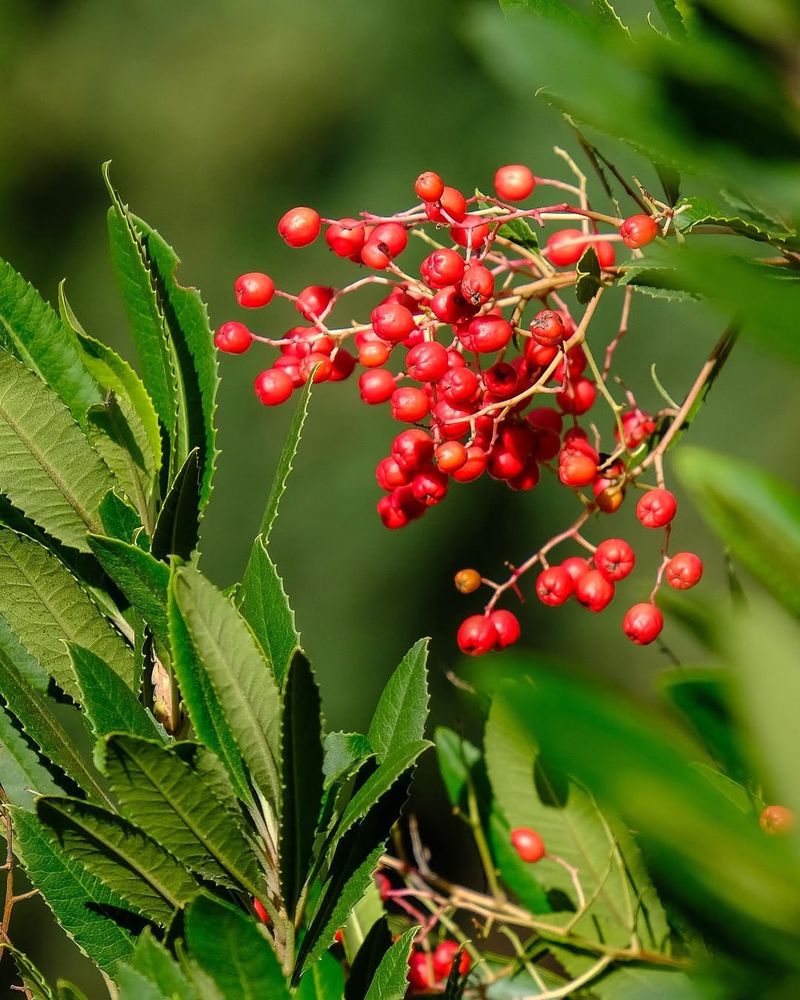
Toyon, also known as Heteromeles arbutifolia, is one of California’s most dependable native evergreens, capable of reaching 6 to 10 feet tall and nearly as wide when left to grow naturally.
Its upright branching structure is dense enough to screen a neighbor’s yard but open enough to let a good coastal breeze or afternoon wind pass right through.
The real personality of Toyon shows up twice a year.
In summer, clusters of small white flowers attract pollinators across the yard. By winter, those flowers turn into brilliant red berries that bring cedar waxwings, robins, and mockingbirds straight to your fence line.
That is a privacy screen doing double duty as a wildlife corridor.
For screening, space plants about 6 feet apart to allow natural spread without crowding.
Toyon handles full sun to partial shade and is extremely drought tolerant once established, typically needing little to no supplemental irrigation after the first two years.
Prune lightly after berry season to maintain shape and encourage airflow through the canopy.
Avoid heavy shearing, which destroys the natural branching that makes Toyon both beautiful and breezy. This is a plant that ages well, gains structure over time, and never makes the yard feel closed in.
2. Coffeeberry Gives Loose Evergreen Cover
Shade-side fences are tricky.
Most privacy plants want full sun, and the shady north-facing yard ends up bare and exposed.
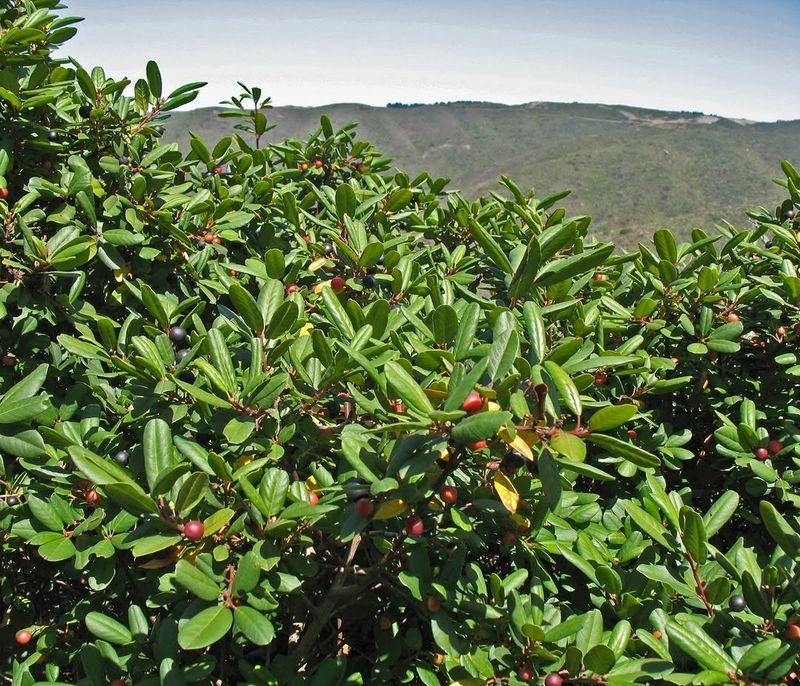
Coffeeberry, or Frangula californica, is one of the few California natives that thrives in both full sun and fairly deep shade, which makes it genuinely useful in spots where other screening plants tap out.
Coffeeberry grows into a relaxed, arching shrub that typically reaches 5 to 10 feet tall depending on the cultivar and site conditions.
The branching is loose and layered, which is exactly what you want for breezy privacy. Views are filtered rather than blocked, and air moves freely through the open canopy.
It never creates that stuffy, trapped-heat feeling that a solid hedge can produce on a hot afternoon.
Your California Garden Changes Every Week. Your Plan Should Too.
Gardening in California changes quickly throughout the season. Every Friday you’ll receive a simple weekly plan showing exactly what to plant, prune, fertilize, harvest, and protect so you never miss the right timing.
The berries ripen from green to red to deep purple-black across the summer and fall, drawing birds in steadily.
UC Master Gardener sources note that Coffeeberry is a larval host plant for several native butterfly species, so the wildlife value is real and well-documented.
Cultivars like Eve Case and Mound San Bruno stay more compact and work well for lower screening near seating areas.
Give it room to arch naturally, and resist the urge to shear it into a tight hedge. The loose habit is the whole point.
3. Ceanothus Makes A Breezy Blue Wall
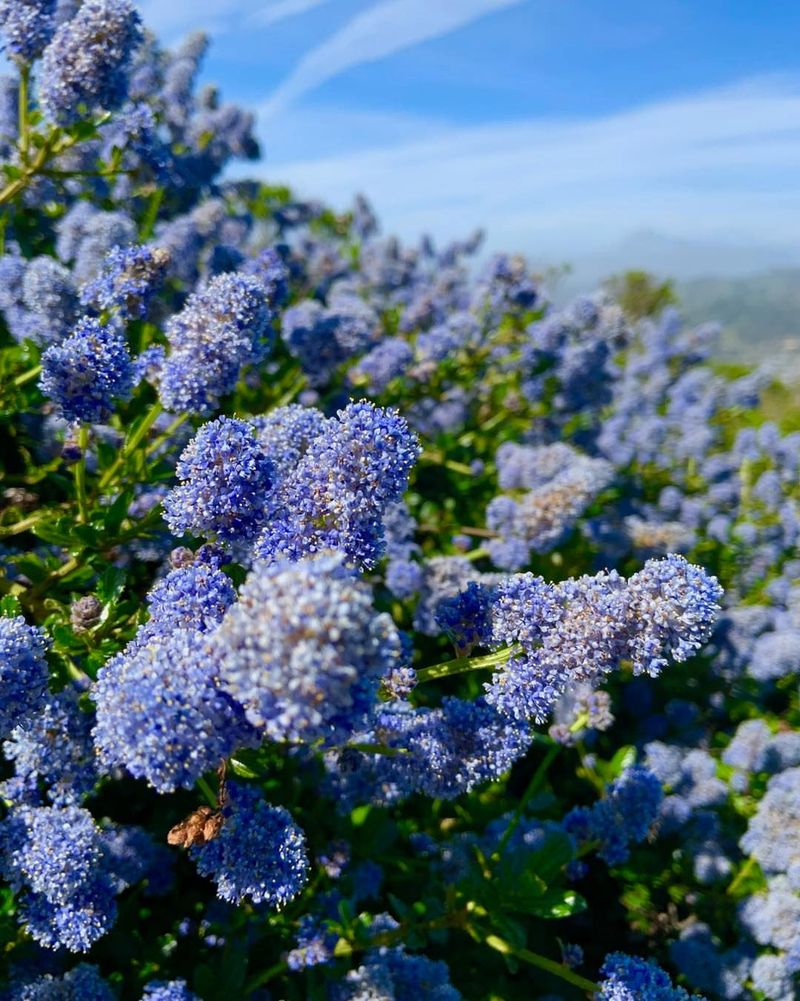
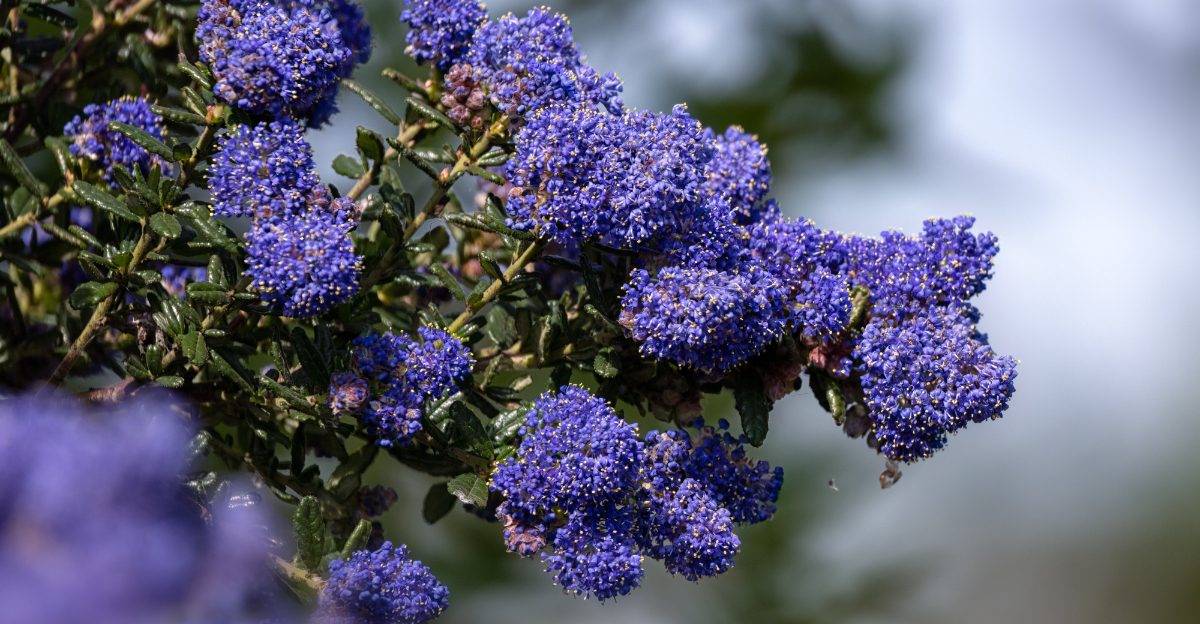
Every spring, a mature Ceanothus explodes into color so intense it stops people on the sidewalk.
The blooms range from pale powder blue to deep cobalt, depending on the species, and they cover the plant so thoroughly that the leaves almost disappear.
For a few weeks, your privacy screen becomes the most talked-about thing on the block.
Ceanothus, commonly called California lilac, offers some of the best breezy screening available in a native plant.
The branching is stiff but open, and wind moves through the canopy easily.
Ceanothus Ray Hartman can reach 12 to 20 feet tall and works well as a large informal hedge or small multi-trunk screening tree. Smaller cultivars like Julia Phelps top out around 7 to 9 feet and are better suited to tighter fence lines.
Placement matters a lot with Ceanothus.
It needs excellent drainage and full sun, and it strongly dislikes summer irrigation once established.
UC ANR recommends planting Ceanothus in fall to allow root establishment before summer heat arrives. Avoid planting near lawn areas or drip systems that stay on through summer.
Pollinators absolutely swarm Ceanothus in bloom, so expect bees and native butterflies to treat your fence line like a destination.
4. Manzanita Adds Open Branching
There is no other privacy plant that looks quite like a Manzanita.
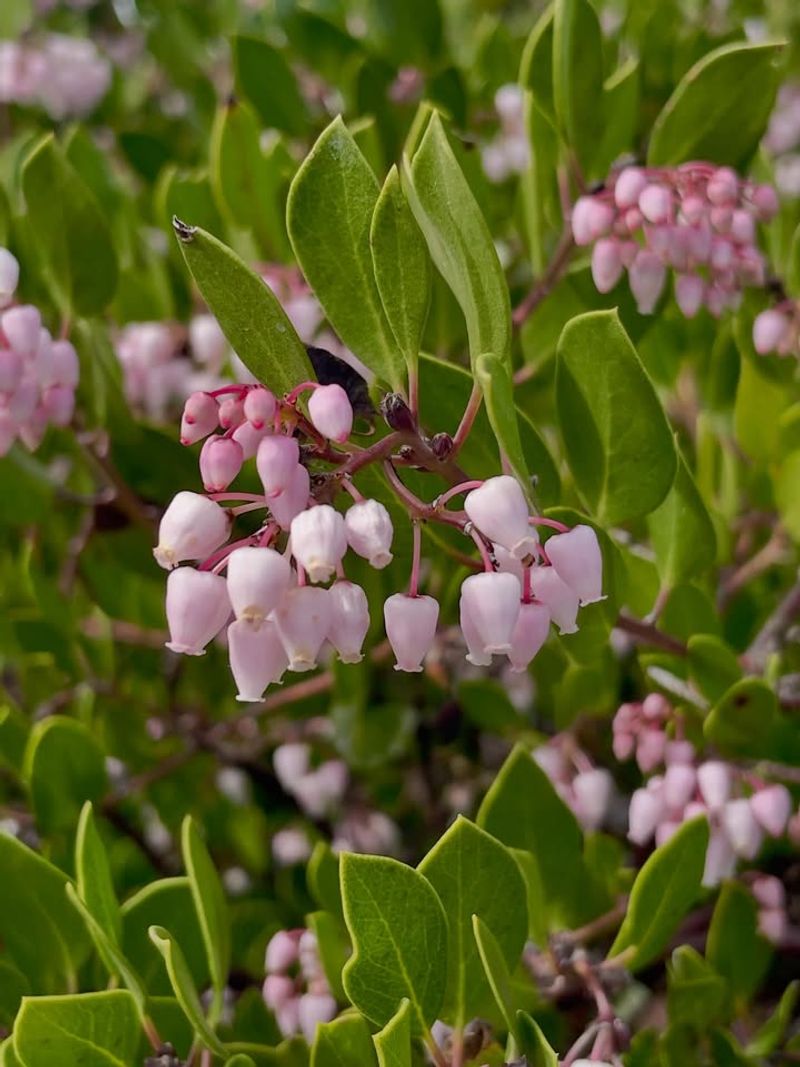
The smooth, mahogany-red bark glows in afternoon light, the branches twist into shapes that feel almost sculptural, and the whole plant has an openness that makes it feel like art rather than a fence.
That open branching is also what makes Manzanita such a smart choice for breezy screening.
Wind passes through a Manzanita canopy with very little resistance.
The plant filters views without blocking airflow, which is ideal for patios where you want a sense of enclosure without the heat trap.
Arctostaphylos Dr. Hurd grows upright to about 10 to 12 feet tall with a tree-like form that works beautifully as a corner screen or specimen planting.
Howard McMinn stays lower at 5 to 6 feet and spreads wider, making it useful for mid-height screening along a fence.
Manzanitas are among the most drought-tolerant plants in the California native palette once established.
They need excellent drainage and full sun, and they resent summer water almost as much as Ceanothus does.
The small white or pink urn-shaped flowers appear in late winter and early spring, attracting hummingbirds reliably.
Plant Manzanita where you want structure, elegance, and a privacy screen that looks like it belongs exactly where it is.
5. Lemonade Berry Handles Coastal Air
Salt air is rough on most plants.
It desiccates leaves, burns tips, and turns a carefully planted privacy hedge into a brown, crispy disappointment by midsummer.
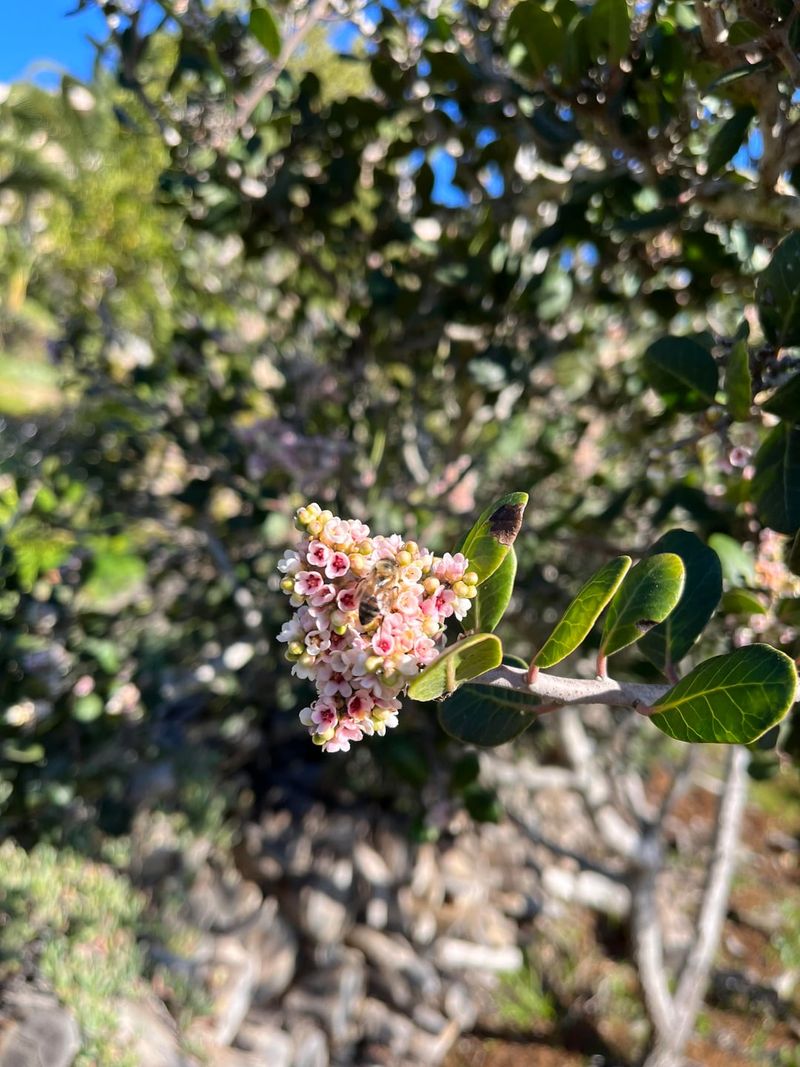
Lemonade Berry, Rhus integrifolia, is built for exactly this kind of punishment. It is one of the most salt-tolerant native shrubs in Southern California and a natural choice for coastal gardens where other privacy plants struggle.
Lemonade Berry grows into a dense, rounded shrub that typically reaches 3 to 10 feet tall depending on site conditions and pruning.
The leaves are thick, glossy, and dark green, which gives the plant a clean, polished look even in harsh coastal exposures.
The branching is fairly dense, providing good visual screening while still allowing coastal breezes to pass through. That airflow is part of what makes this plant comfortable near a seating area.
In late winter to spring, Lemonade Berry produces clusters of small pink to white flowers that attract native bees and butterflies.
The sticky red berries that follow have a tart, citrusy coating that gives the plant its common name. Wildlife, including birds and small mammals, make use of the berries through summer.
According to the California Native Plant Society, Lemonade Berry is a key component of coastal sage scrub habitat and is highly adaptable to poor soils and dry conditions.
Space plants 4 to 6 feet apart for an informal hedge that breathes as well as it screens.
6. Island Bush Snapdragon Softens Views
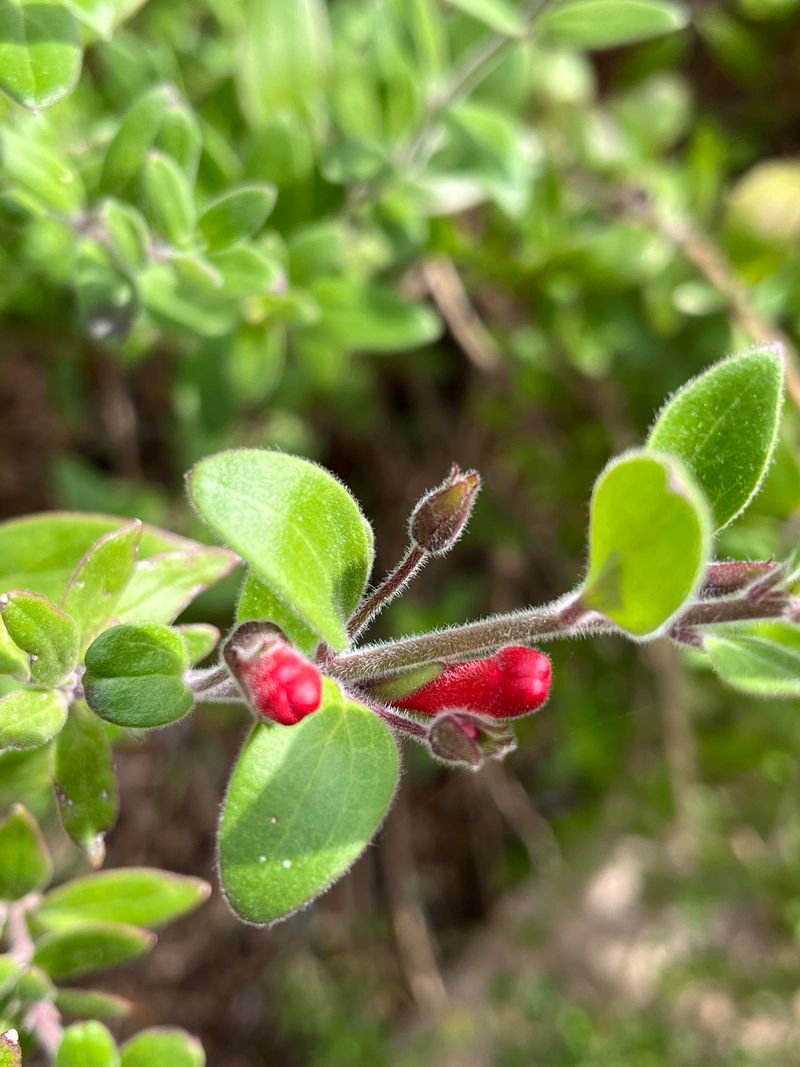
Most privacy plants are green. Reliable, yes. Exciting, not always.
Island Bush Snapdragon, Galvezia speciosa, brings something different to the fence line: a loose, arching habit covered in tubular red flowers that hummingbirds treat like a fast-food drive-through.
It softens hard sightlines with color and movement rather than density.
Native to the Channel Islands off the Southern California coast, Galvezia speciosa typically grows 3 to 5 feet tall and spreads 4 to 6 feet wide.
The branching is open and relaxed, which means it filters views rather than blocking them completely. That is a feature, not a flaw.
The open habit allows air to circulate freely, making it a comfortable choice for seating areas where a solid wall of foliage would feel oppressive on a warm afternoon.
Flowering peaks in spring but can continue in cycles through fall, especially with light deadheading and occasional summer water.
The plant prefers full sun to light shade and is drought tolerant once established, though it appreciates a deep watering during extended dry spells.
UC Master Gardener sources note that Galvezia works well as a bank cover, informal hedge, or espalier against a fence, which makes it versatile for different privacy situations.
Pair it with taller plants like Toyon or Ceanothus behind it for a layered screen that has color at eye level and structure above.
7. Deergrass Filters The Lower Sightline
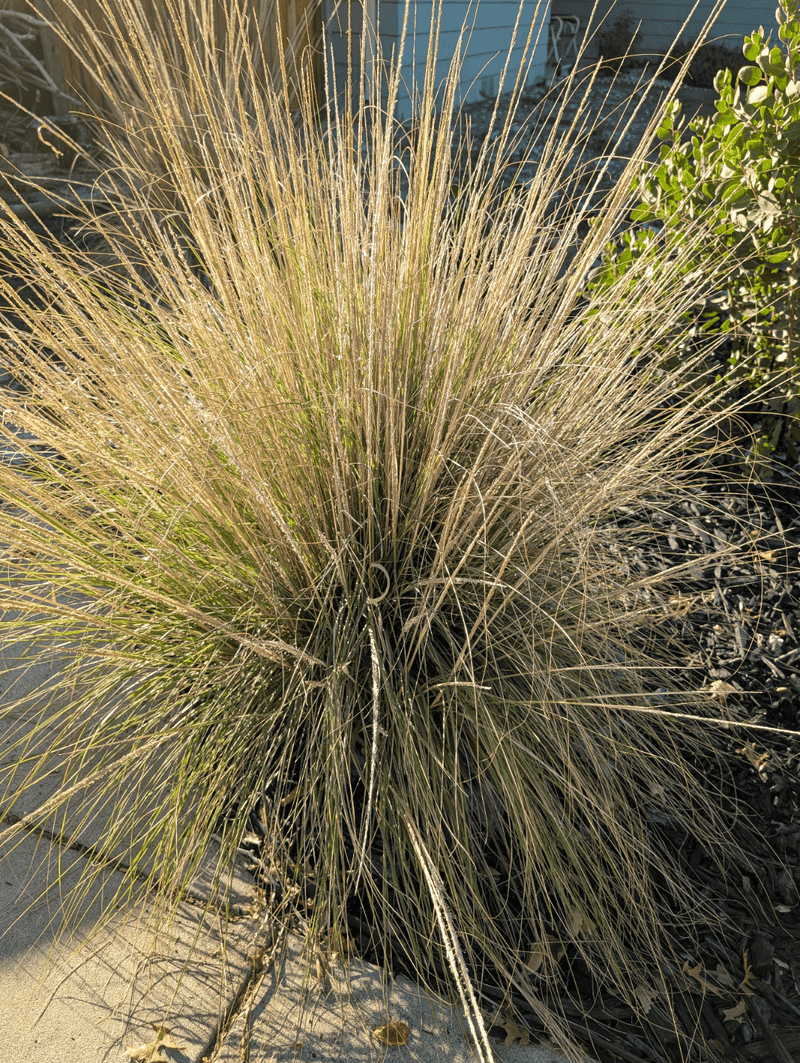
Patio furniture sits low. So do the sightlines that matter most when a neighbor’s yard is too close for comfort.
Deergrass, Muhlenbergia rigens, is a native bunchgrass that fills that lower zone with a soft, rustling curtain of foliage that moves with every passing breeze.
It does not block views from above, but it handles the eye-level problem beautifully from a seated position.
Deergrass forms dense clumps that reach 3 to 4 feet tall in foliage, with slender flowering stalks rising to 5 feet or more in late summer and fall.
The texture is fine and airy, and the movement in wind is one of its best qualities.
A row of Deergrass along a patio edge or low fence creates a sense of privacy without any of the enclosed, airless feeling that a solid hedge produces.
The breeze comes through freely, and the grass moves with it in a way that is genuinely pleasant to watch.
According to UC ANR, Deergrass is highly drought tolerant once established and grows well in full sun to partial shade across a wide range of California climates.
Space plants 3 to 4 feet apart for a continuous lower screen.
Deergrass works especially well when planted in front of taller shrubs like Coffeeberry or Manzanita, creating a layered privacy planting that covers multiple sightlines at once without trapping heat at any level.
8. Western Redbud Screens With Seasonal Lace
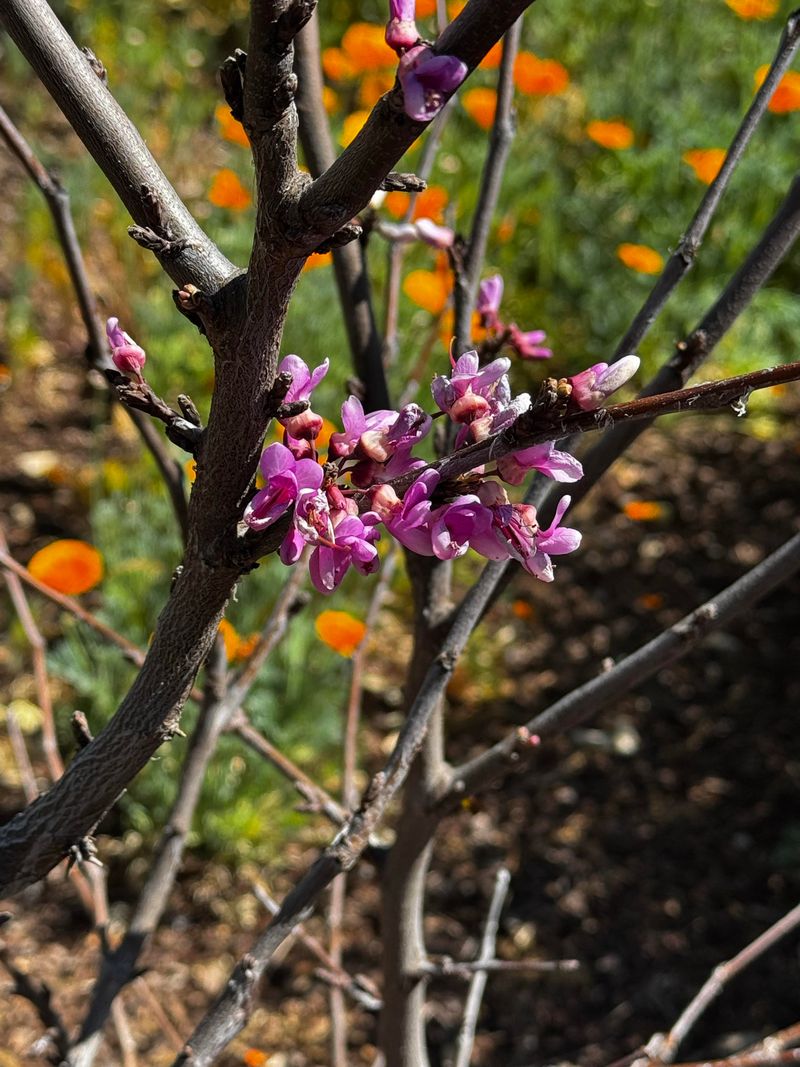
Before the leaves even open, Western Redbud covers its bare branches in magenta flowers so vivid they look almost unreal against a clear California sky.
Cercis occidentalis is a small multi-trunk tree or large shrub that brings genuine drama to a garden, and it does it while providing the kind of filtered, seasonal privacy that no solid hedge can match.
Western Redbud typically grows 10 to 18 feet tall with a spread of 8 to 15 feet.
The branching is layered and somewhat open, which means views are filtered through the canopy rather than completely blocked.
In spring, the flowers create a dense visual screen of color. By summer, large heart-shaped leaves fill out the canopy and provide more solid coverage.
In fall, the leaves turn yellow and orange before dropping, leaving the sculptural branch structure exposed through winter.
That seasonal shift is actually an advantage in many California gardens.
The winter transparency lets light into the yard when the sun is lower and warmth is welcome. The summer leaf cover arrives exactly when you need afternoon shade and screening the most.
Western Redbud is drought tolerant once established and grows well in full sun to partial shade.
The California Native Plant Society notes it is native to foothills and lower mountain slopes, so it handles heat and dry summers with ease.
Space plants 8 to 10 feet apart and let the natural form develop. The lacy seasonal coverage is the whole conversation.