What Texas Homeowners Should Do With Storm-Damaged Plants Before The Next Heat Wave
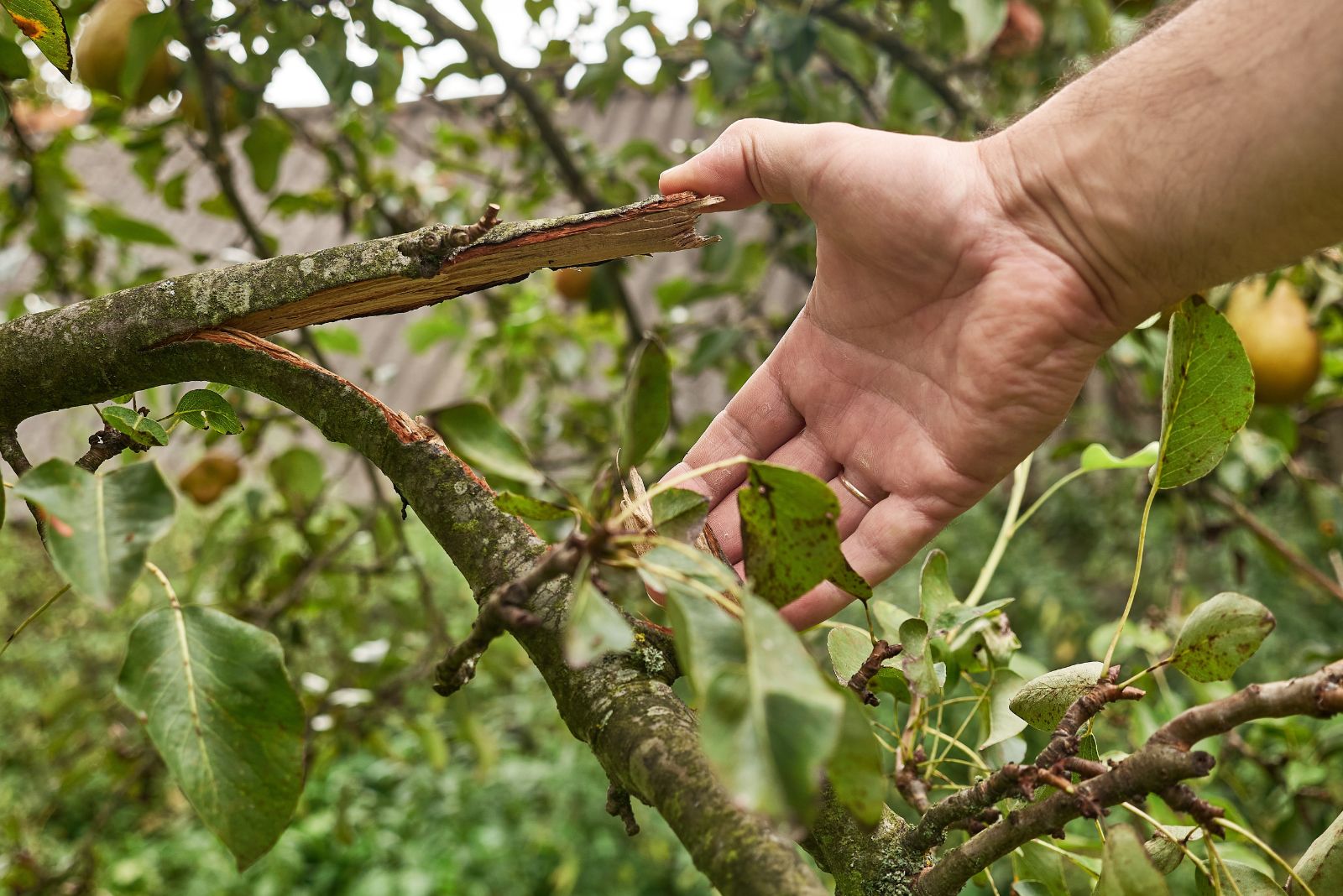
Texas storms can be brutal and fast. One hour everything is fine, and the next you’re walking through your yard assessing snapped branches, flattened plants, and garden beds that look like they’ve been through a battle.
The storm passes, the sun comes back out, and then the real pressure sets in. Because in Texas, the next heat wave is rarely far behind.
What you do with storm damaged plants in that window matters a great deal. Leave damaged plants unattended and the heat will compound the stress quickly, turning what might have been a recoverable situation into permanent loss.
But act thoughtfully in the right order, and many plants that look like lost causes after a storm can be brought back with the proper care.
The key is knowing which plants to prioritize, what to cut and what to leave alone, and how to protect damaged plants from the heat that’s coming.
1. Remove Broken, Hanging, Or Dangerous Branches First
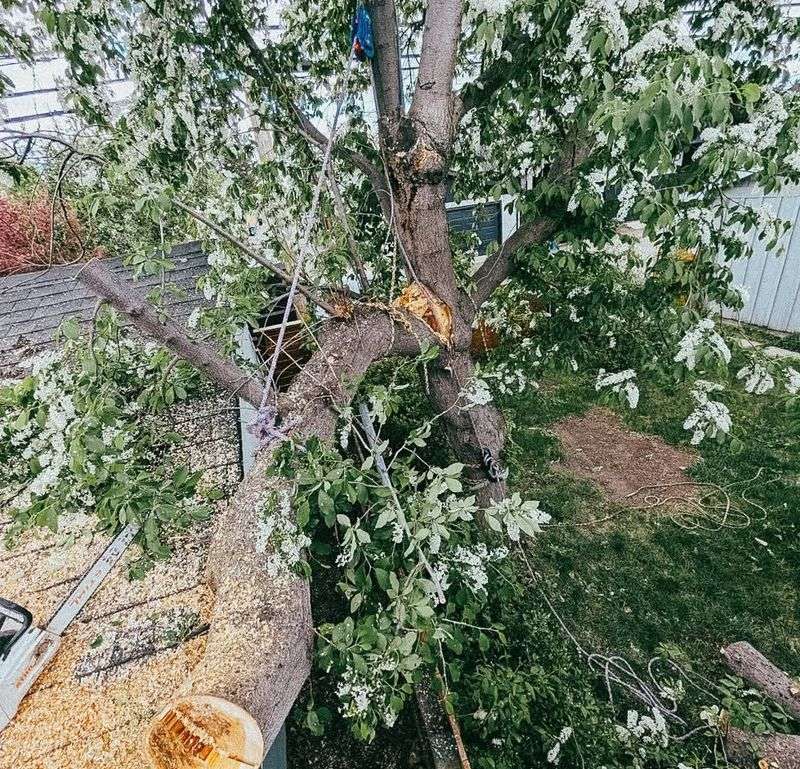
Safety always comes first after a Texas storm. Before you think about watering, mulching, or anything else, walk your yard carefully and look up.
Cracked, dangling, or partially attached branches are serious hazards, especially when summer winds and heat stress arrive to finish what the storm started. A hanging limb can fall without warning. It can land on a person, a pet, a fence, or your roof.
Use clean, sharp pruning shears or loppers to cut away small damaged branches close to the branch collar, which is the swollen area where the branch meets the trunk. Make clean cuts instead of jagged ones so the wound heals more easily.
Do not try to handle everything yourself. Large limbs, split trunks, and anything near power lines should always be handled by a certified arborist or tree service professional.
Trying to remove heavy branches on your own without the right tools and training is genuinely dangerous. Many Texas cities have local tree services that respond quickly after major storms.
Once the dangerous material is removed, set it aside or chip it rather than leaving it piled near your plants. Decaying wood attracts insects and fungal issues that can spread to nearby healthy plants.
Getting rid of it quickly is a smart move. Removing broken branches also helps the rest of the plant focus its energy on recovery rather than trying to support damaged growth that will not survive the coming heat anyway.
2. Wait Before Heavy Pruning Heat-Stressed Plants
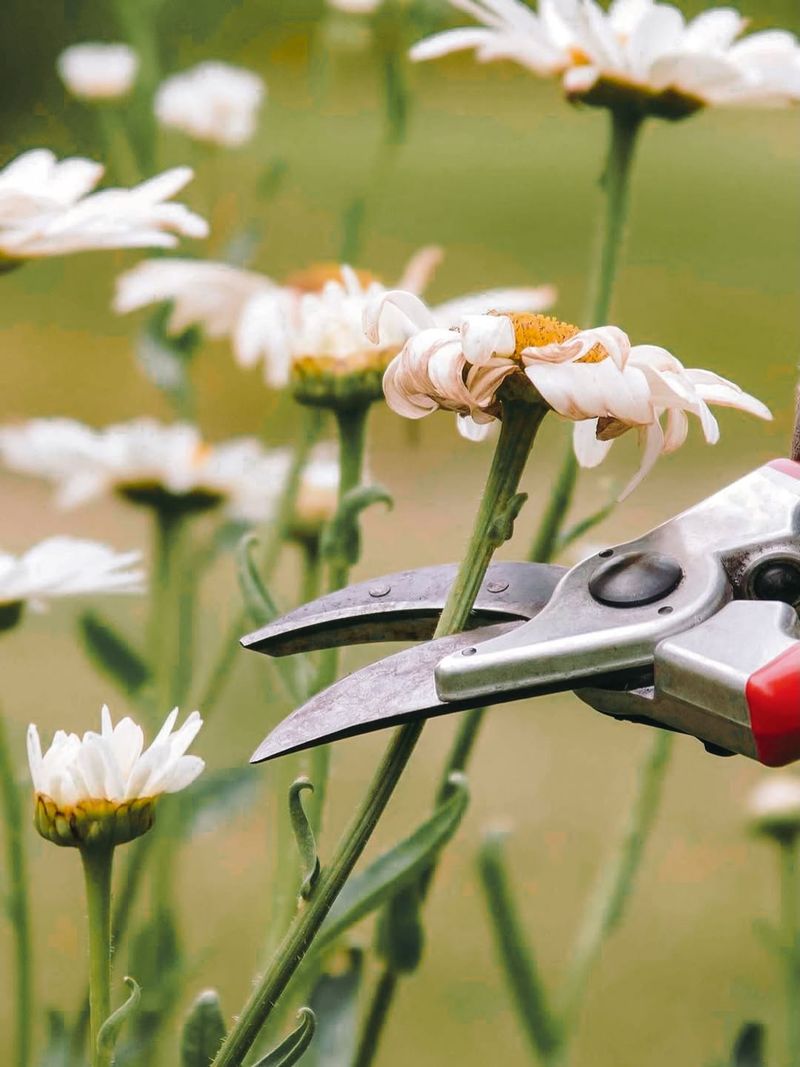
Right after a storm, it is tempting to grab your pruning shears and start cutting away every brown leaf, wilted stem, and droopy branch you see. Slow down.
Not everything that looks bad after a storm is actually beyond saving, and cutting too aggressively before a heat wave can make things much worse.
Here is why that matters. When you remove a lot of plant material all at once, you expose the inner stems and younger growth to direct sunlight.
In Texas summer heat, that kind of sudden sun exposure can cause serious sunburn damage to tissue that was previously protected by the outer canopy. The plant ends up dealing with storm damage and heat damage at the same time.
Your Texas Garden Changes Every Week. Your Plan Should Too.
Gardening in Texas changes quickly throughout the season. Every Friday you’ll receive a simple weekly plan showing exactly what to plant, prune, fertilize, harvest, and protect so you never miss the right timing.
Give your plants a week or two before making major pruning decisions. Watch for new growth emerging from what looked like dry stems.
Many Texas natives and adapted plants are surprisingly tough and will push out fresh leaves even after looking completely finished. Scratch a stem gently with your fingernail. If the tissue underneath is green, that stem still has life in it.
When you do prune, do it in the early morning before the heat peaks. Make clean cuts just above a leaf node or lateral branch.
Avoid cutting back into old woody growth unless absolutely necessary. Light, strategic pruning removes the truly gone material while leaving enough foliage to shade the plant and help it recover.
Patience here really does pay off, especially in Texas where the heat follows storms fast and plants need every bit of help they can get.
3. Water Deeply Around The Root Zone
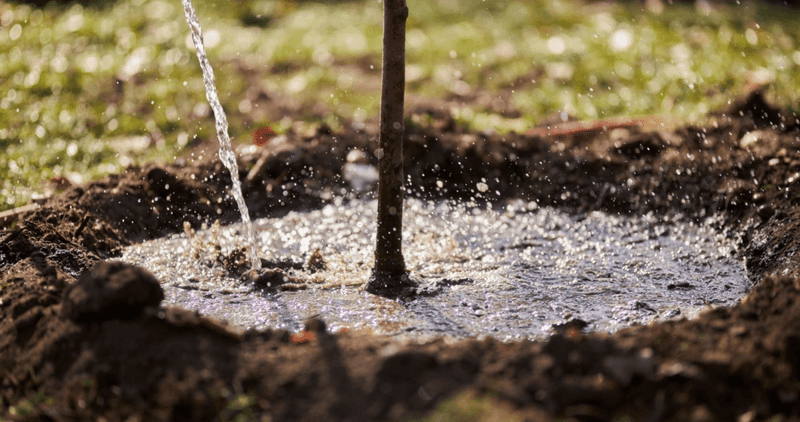
Storms might dump a lot of rain, but that does not always mean your plants are well-watered afterward. Heavy rain can run off compacted soil, wash away topsoil, or settle unevenly across your yard.
Some roots end up flooded while others stay completely dry. Before the next heat wave hits, deep watering can help reset the balance.
Focus your watering at the drip line, which is the outer edge of the plant’s canopy rather than right at the base of the trunk. That is where the feeder roots are most active and where the plant can actually absorb moisture.
Watering right at the trunk does very little for root uptake and can actually encourage rot at the base.
Water slowly and deeply so the moisture reaches down into the soil instead of just wetting the surface. A soaker hose or drip irrigation works great for this.
For trees, let the water run for 30 to 45 minutes at low pressure so it can soak in gradually. Sandy Texas soils drain fast, so you may need to water in two shorter sessions with a break in between to let the first round absorb properly.
Storm damage can break fine feeder roots, which makes it harder for plants to take up water even when moisture is available.
Deep watering encourages the plant to grow new roots downward where the soil stays cooler and more consistently moist during heat waves.
Doing this before extreme heat arrives gives damaged plants a real head start on recovery and helps them handle the stress of high temperatures much more effectively than plants left to dry out.
4. Refresh Mulch, But Keep It Off The Trunk
Mulch is one of the best tools a Texas gardener has, especially heading into a heat wave after a storm. A good layer of mulch slows moisture evaporation from the soil, keeps roots cooler, and reduces the temperature swings that stress already-damaged plants.
If your mulch layer got scattered or washed away during the storm, refreshing it right away is one of the smartest things you can do.
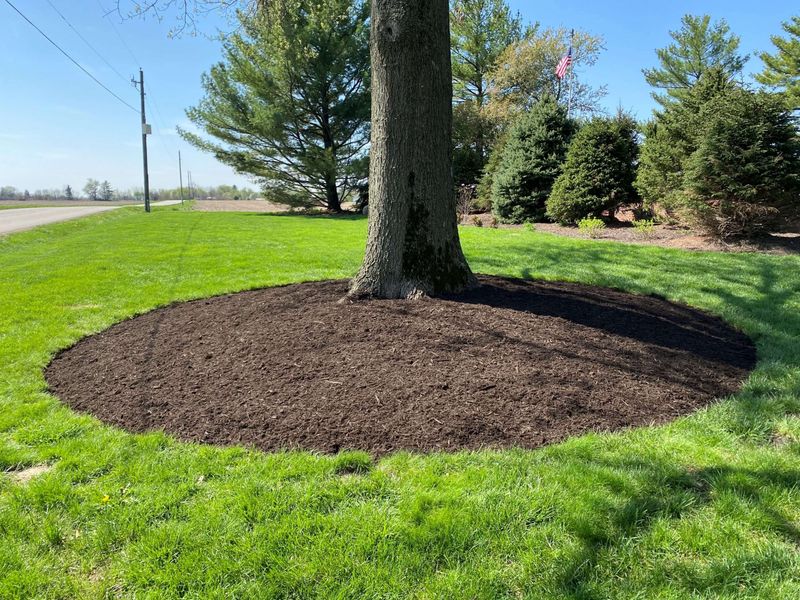
Aim for a 2 to 3 inch layer of organic mulch like shredded hardwood, pine bark, or wood chips. Spread it out to the drip line of the plant if possible.
Thicker is not always better. Piling on 4 or 5 inches can actually prevent water from reaching the soil and create a habitat for pests that take advantage of storm-weakened plants.
Here is a mistake a lot of homeowners make without realizing it. They pile mulch right up against the trunk or crown of the plant, which traps moisture against the bark and creates the perfect conditions for fungal rot and insect damage.
Always pull mulch back at least 2 to 3 inches from the base of the trunk or the crown of a shrub. You want the mulch to work for the roots, not sit on top of the most vulnerable part of the plant.
Fresh mulch also gives your yard a cleaner look after storm chaos, which is a nice bonus. Choose natural, undyed mulch when possible.
Dyed mulches can contain additives that are not ideal for stressed plants. Local Texas garden centers often carry quality hardwood mulch in bulk, which is more economical when you are covering a large area after storm cleanup.
5. Stake Only Plants That Truly Need Support
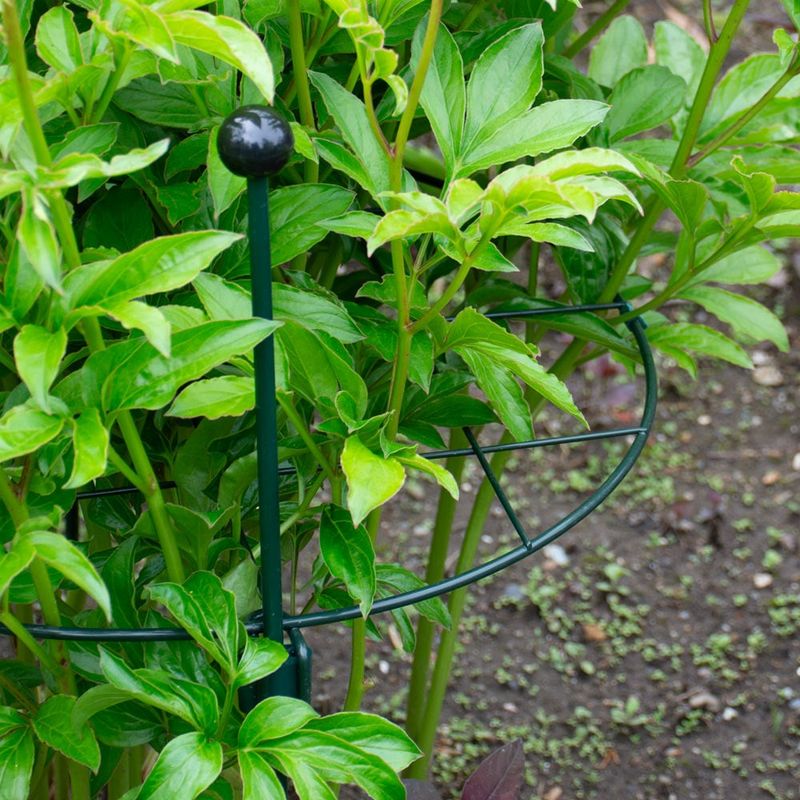
After a strong Texas storm, you might find shrubs leaning sideways, young trees tilted at odd angles, and perennials flopped over from wind and rain.
Your first instinct might be to stake everything back into place, but staking every leaning plant is actually not the best approach. Too much support can do more harm than good.
Plants that move slightly in the breeze develop stronger trunks and root systems over time. When you stake a plant too rigidly, it never learns to support itself.
The trunk stays weak because it does not have to work against natural movement. So only stake plants that are genuinely at risk of toppling completely or whose roots have been clearly lifted from the soil by wind or flooding.
When staking is necessary, use soft ties made from fabric, rubber, or stretchy material rather than wire or rope that can cut into bark. Place the tie loosely enough that the plant can still move a few inches in each direction.
Use two stakes on opposite sides of the plant for better balance rather than one stake pulling the plant in a single direction.
Check your stakes every couple of weeks. Once the plant can hold itself upright without leaning back when you remove pressure from the tie, it is ready to stand on its own.
Remove stakes within a few months at most. Leaving them on too long creates dependency and can cause the ties to girdle the trunk as the plant grows.
Staking is meant to be a short-term bridge, not a permanent fix, and knowing when to remove support is just as important as putting it in place.
6. Watch For Disease, Rot, And Pest Problems
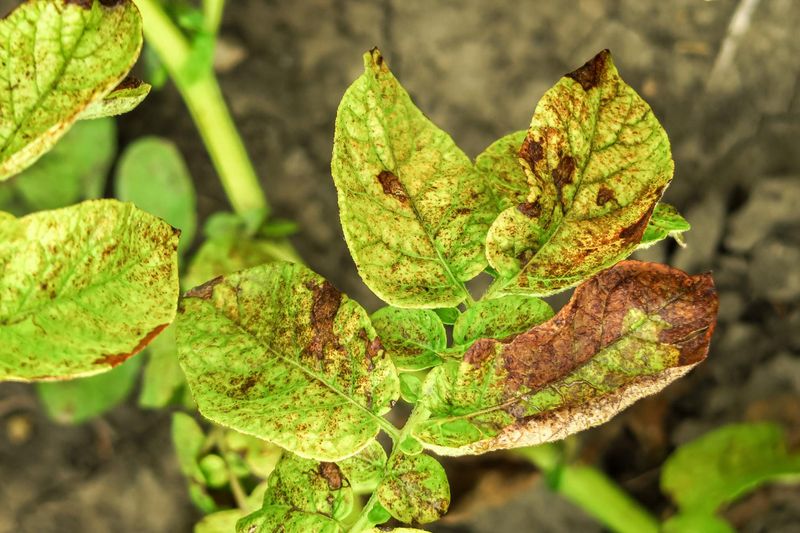
Storm wounds are basically open invitations for trouble. When bark tears, stems crack, and roots get disturbed, plants lose their natural defenses against fungal spores, boring insects, and bacterial rot.
Add the warm, humid conditions that follow a Texas storm, and you have the perfect recipe for problems that spread fast if you are not paying attention.
Get into the habit of checking your storm-damaged plants every few days for the first couple of weeks after a storm. Look at the torn bark areas closely.
Soft, discolored, or mushy tissue is a sign that rot has already started. Powdery coatings, unusual spots, or fuzzy growth on leaves and stems point to fungal issues that need attention right away.
Boring insects like bark beetles and clearwing moths are drawn to stressed trees. Watch for sawdust-like material, called frass, collecting at the base of the trunk or around wounds.
Small entry holes in the bark are another warning sign. Catching an infestation early makes treatment much more manageable than dealing with a full-blown problem later in the season.
Remove clearly diseased, rotting, or heavily infested plant material as soon as you spot it. Do not leave it in a pile near healthy plants.
Bag it up or dispose of it away from your garden. Avoid using heavy chemical treatments on already-stressed plants without consulting a local extension service or plant professional first, because the wrong product at the wrong time can add to the plant’s stress load.
Consistent monitoring is your strongest tool for catching these problems before they spread beyond what a struggling plant can handle during a Texas heat wave.