This Is The Amish July Garden Habit Pennsylvania Homeowners Wish They Knew Sooner
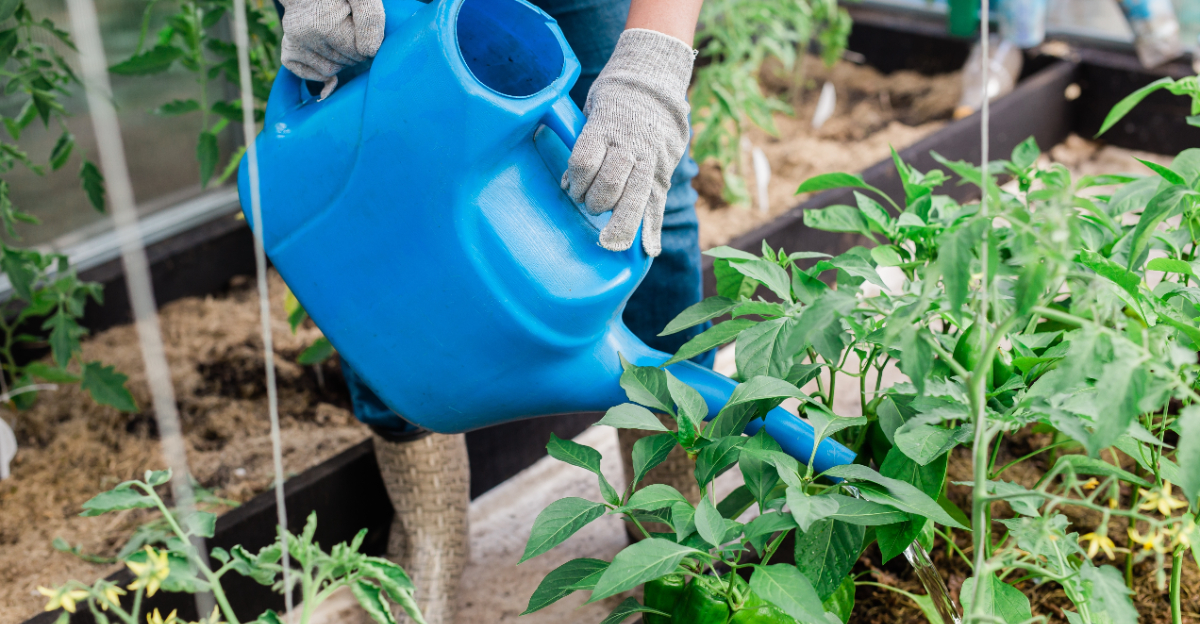
Pennsylvania July gardens do not reward weekend panic.
By noon, tomato leaves sag, soil cracks, weeds appear like they paid rent overnight, and the hose suddenly becomes the most popular tool in the yard.
That is when many homeowners start chasing problems one by one.
Water too late. Pull weeds in brutal heat. Fuss with tired plants after the sun has already taken charge.
Old-school Amish garden habits point to a calmer rhythm.
The secret is not a fancy product or a longer Saturday chore list. It is a steady morning routine done before the day turns harsh, when soil is cooler, plants are easier to read, and small problems still look small.
A few minutes early can save hours later.
So what makes this simple July habit so effective in Pennsylvania gardens?
Start with timing, order, and consistency. Water first. Check leaves. Pull young weeds. Fix little issues before they become afternoon drama.
The garden does not need more panic. It needs a better morning.
Morning Watering Is The Habit
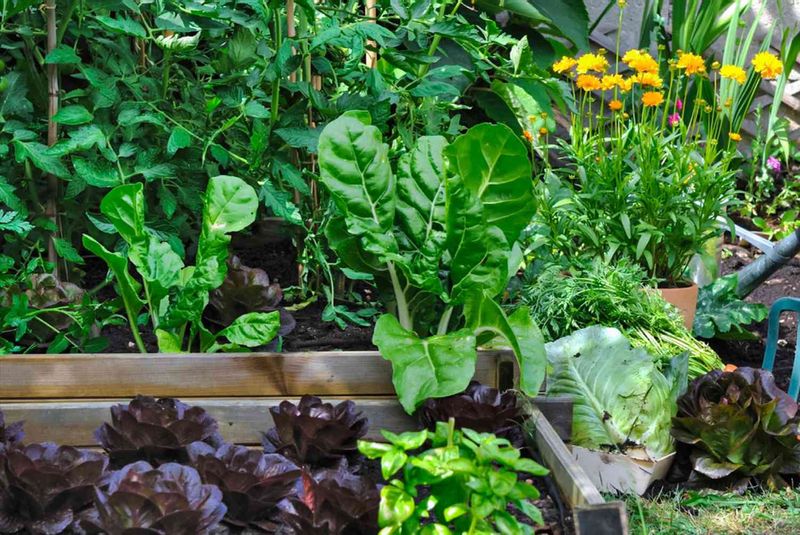
A hose before breakfast sounds simple, but it changes everything about how a July garden performs.
Watering in the early morning, ideally between 5 and 8 a.m., gives plants time to absorb moisture before the sun climbs high and starts pulling water out of the soil through evaporation.
Penn State Extension recommends early morning watering specifically because it reduces water loss and gives foliage a chance to dry before evening, which lowers the risk of fungal problems.
Pennsylvania summers can be brutal by late morning.
Soil temperatures in July often climb well past 80 degrees Fahrenheit in the top few inches, which stresses roots and slows nutrient uptake.
Watering in the cool morning hours means the water actually soaks in rather than evaporating off the surface before plants can use it.
Old-school gardeners did not invent this habit because it sounded poetic. They did it because it worked.
Crops stayed healthier, water went further, and the garden rewarded steady effort with steady production.
Skipping morning watering and trying to compensate in the afternoon is a bit like trying to cool a sunburned back with ice cubes. You are always one step behind.
Set the hose out the night before, wake up a few minutes early, and let the garden drink while the air is still cool and forgiving.
Roots Get The First Drink
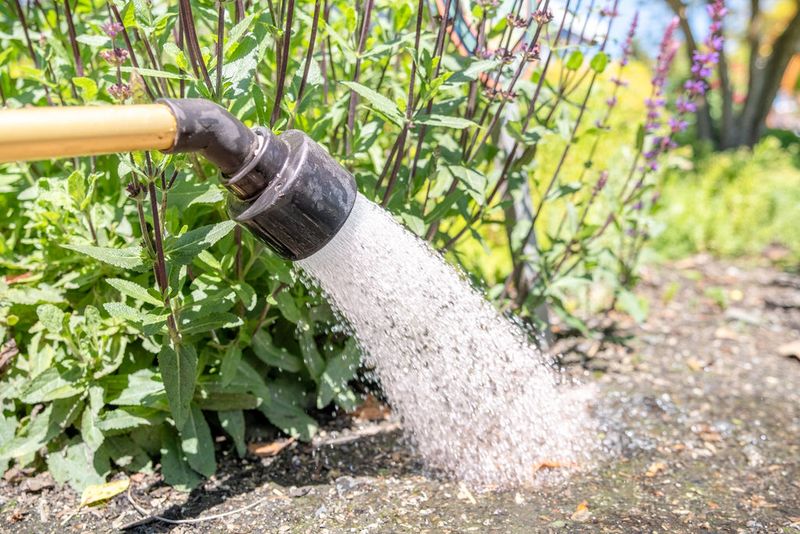
Spraying water over the tops of plants might feel satisfying, but the leaves are not where the thirst lives. Roots are.
Directing water to the soil at the base of each plant, rather than showering the foliage, is one of the most practical shifts a Pennsylvania gardener can make in July.
Penn State Extension specifically advises watering at the root zone to improve efficiency and reduce leaf wetness that can invite disease.
Wet leaves sitting in humid Pennsylvania summers are basically a welcome mat for fungal problems like early blight on tomatoes or powdery mildew on squash.
Getting water where it belongs, down into the soil where roots reach, also encourages deeper root growth over time.
Your Pennsylvania Garden Changes Every Week. Your Plan Should Too.
Gardening in Pennsylvania changes quickly throughout the season. Every Friday you’ll receive a simple weekly plan showing exactly what to plant, prune, fertilize, harvest, and protect so you never miss the right timing.
Shallow watering trains roots to stay near the surface, which makes plants more vulnerable during dry spells.
A simple soaker hose laid along the base of your rows is one of the most cost-effective tools in a summer garden.
It delivers water slowly and directly to the root zone without waste or wet foliage.
If you are hand-watering, aim the nozzle low and hold it near the soil. Count to five at each plant before moving on.
It feels slow at first, but your pepper plants and bean rows will show you the difference within a week.
Roots that drink well in the morning grow plants that can handle Pennsylvania’s punishing afternoon heat without flinching.
Mulch Holds The Work Together
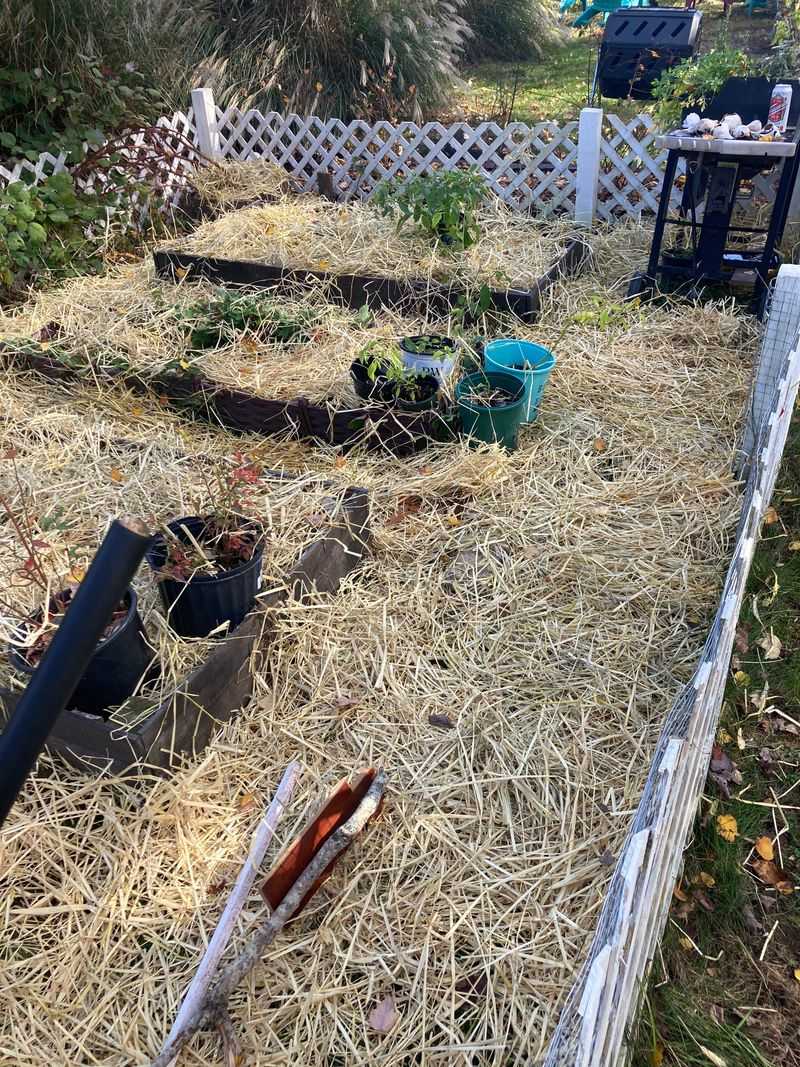
Damp soil under a thick layer of mulch is one of the most satisfying things you can find in a July garden.
Pull back a handful of straw mulch on a hot afternoon and the soil underneath is noticeably cooler and moister than bare ground nearby.
That contrast is not magic. It is just mulch doing exactly what it is supposed to do, all day without any extra effort from you.
Penn State Extension recommends applying two to four inches of organic mulch around vegetables to conserve soil moisture, moderate soil temperature, and reduce weed pressure.
In Pennsylvania July gardens, mulch can lower soil surface temperature by as much as 10 degrees Fahrenheit. That kind of protection helps roots stay comfortable and keeps moisture from evaporating between waterings.
Straw is the classic choice and easy to find at local farm supply stores across Pennsylvania.
Wood chips, shredded leaves, and even grass clippings work well too, though grass clippings should be applied in thin layers to avoid matting.
Keep mulch a few inches away from plant stems to prevent rot at the base.
Mulch holds moisture from your morning watering session, smothers weed seeds before they sprout, and keeps the soil ecosystem underneath cool and active all through the hottest part of summer.
Damp Soil Makes Weeding Easier
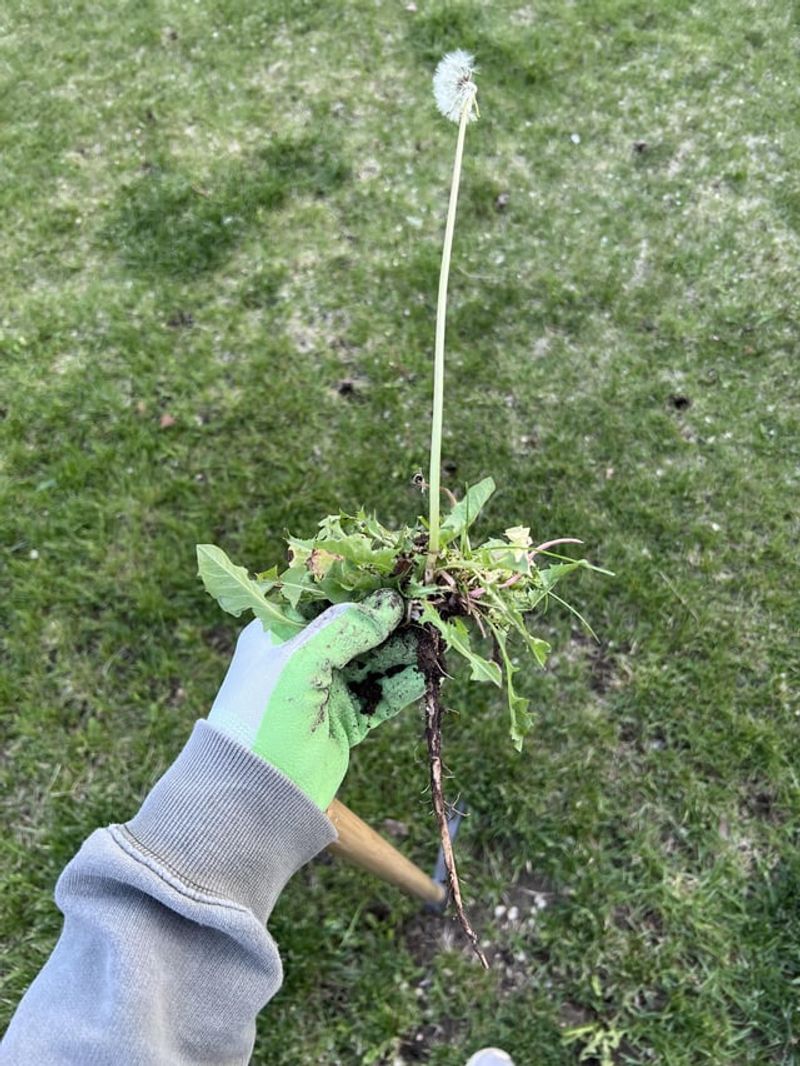
A weed pulled from soft ground comes out clean, root and all, with almost no effort.
A weed yanked from dry, hard-packed July soil snaps off at the stem and leaves the root behind to regrow within days.
Timing your weeding right after morning watering is one of those small tricks that saves a surprising amount of time and frustration across a whole summer season.
Weeds in Pennsylvania July gardens do not wait for an invitation.
After a warm rain, they seem to appear overnight in thick clusters between rows. Getting them while the soil is still loose and damp means you remove the entire root system rather than just the top growth.
Penn State Extension notes that consistent shallow cultivation and hand-pulling, especially when plants are small, is one of the most effective ways to manage weeds without reaching for chemicals.
The trick is to not let weeds reach the point where they are setting seed.
One dandelion going to seed can scatter hundreds of new problems across your garden.
Spend five to ten minutes weeding every morning right after you water.
Consistent daily weeding keeps beds so clean that weekend catch-up sessions become almost unnecessary. Weeding damp ground is one of those garden tasks that almost feels like a reward rather than a chore.
Small Daily Checks Prevent Chaos
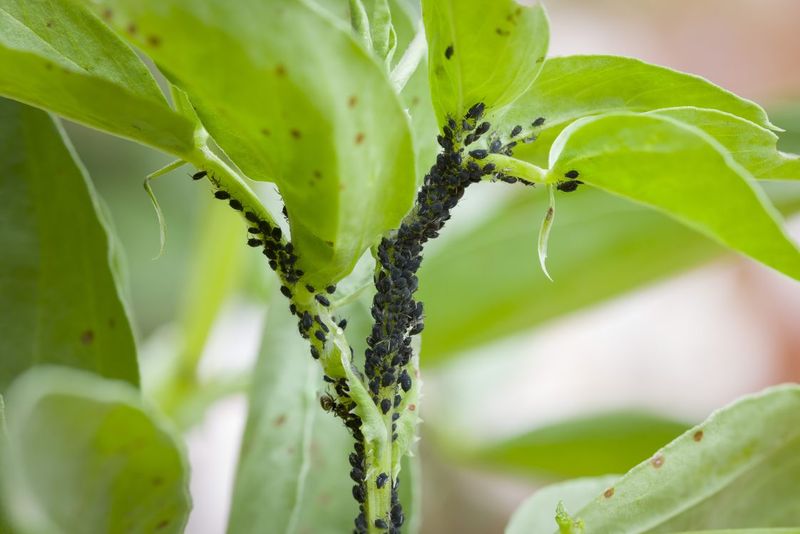
Catching a problem on a Tuesday morning is a completely different situation than discovering it on Saturday afternoon when it has already spread to three rows.
Quick daily checks, taking no more than ten minutes while you are already outside with the hose, can stop small issues from becoming season-ending setbacks.
Look for chewed leaves, yellowing foliage, wilting stems, or clusters of insect eggs on the undersides of leaves.
Japanese beetles, squash vine borers, and tomato hornworms are all common in Pennsylvania July gardens, and catching them early gives you real options.
Penn State Extension recommends scouting gardens regularly for pest and disease pressure so that interventions stay targeted and manageable rather than reactive and expensive.
Daily checks also let you notice when a plant is getting too dry between waterings, when a tomato cage has tipped over, or when a zucchini has gone from perfect to enormous overnight.
That last one is practically a Pennsylvania gardening right of passage.
Keeping a small notebook or using your phone to snap a quick photo of anything unusual helps you track patterns over the season.
Gardens reward the gardener who pays attention in small doses every day far more generously than the one who shows up once a week with big plans and a wheelbarrow full of good intentions.
Succession Rows Keep Food Coming
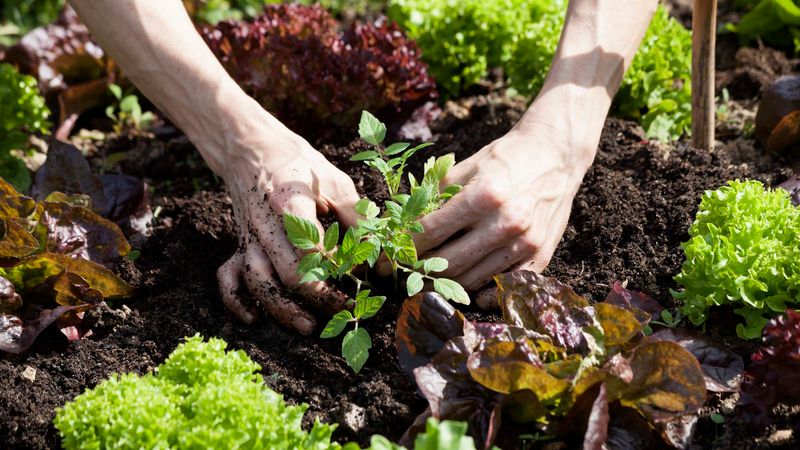
A row that stays productive all summer does not happen by accident.
Succession planting is one of the smartest strategies a Pennsylvania July gardener can use to avoid the feast-or-famine cycle that trips up so many backyard growers.
When spring radishes and lettuce come out, something new should go right back in.
July is actually a great time to plant a second round of beans, summer squash, and fast-maturing greens like arugula or spinach for a fall harvest.
Penn State Extension recommends counting back from your first expected frost date to figure out which crops still have enough season left to produce.
In most of central and eastern Pennsylvania, the first frost typically arrives in mid to late October.
The key is to keep a short list of quick-maturing varieties on hand throughout the season.
Bush beans that mature in 50 days, radishes ready in 25, and beets that come in around 55 days are all solid candidates for July succession rows.
Clear out spent plants completely, add a little compost to refresh the bed, and get new seeds in the ground the same afternoon.
A garden that always has something just getting started alongside something almost ready to pick is a garden that earns its space all season long.
Tools Stay Ready By The Bed
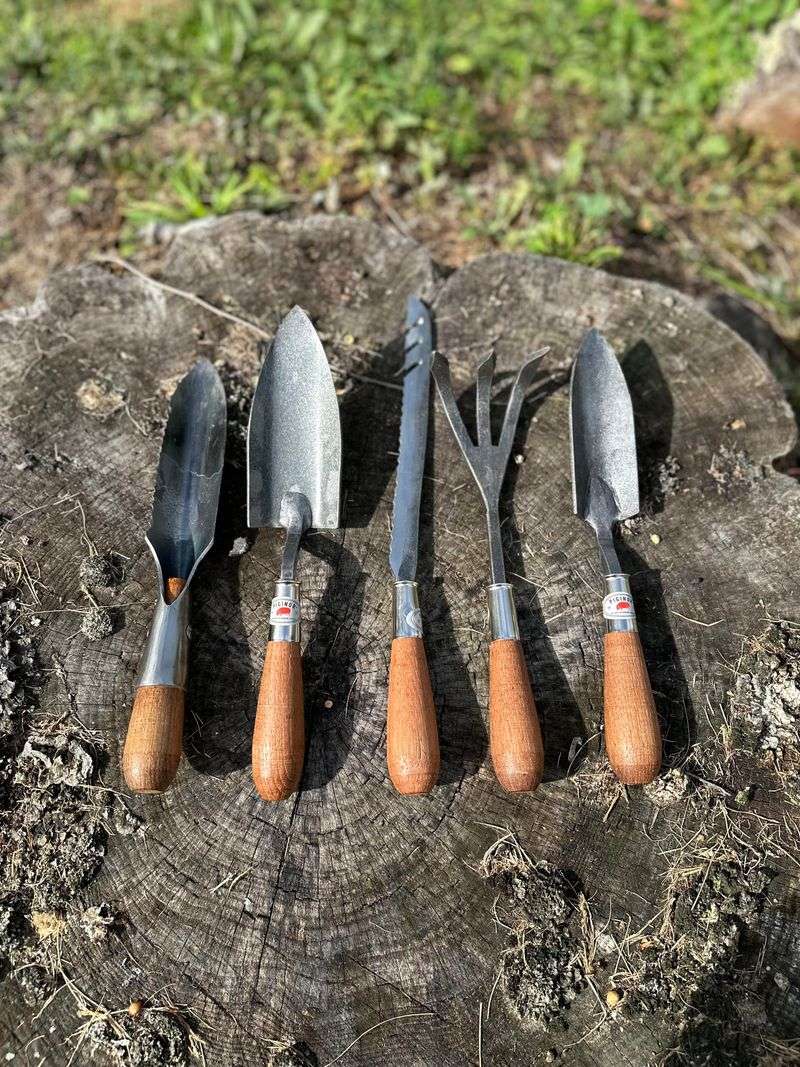
Practical organization in a garden sounds boring until you realize how many good intentions disappear between the back door and the shed.
Keeping a small set of essential tools right at the garden bed, a hand hoe, a narrow trowel, and maybe a pair of snips, removes the friction that turns a five-minute weeding session into a fifteen-minute tool hunt followed by giving up and going inside for coffee.
Old-school gardeners understood that efficiency in the garden is not about working faster. It is about removing the small obstacles that make starting feel harder than it needs to be.
A hook on a fence post, a simple bucket, or a canvas tote hanging near the garden gate can hold everything you need for a morning routine without taking up much space.
Penn State Extension and most experienced gardeners agree that sharp, clean tools make garden work noticeably easier and reduce the physical effort required for tasks like cultivating between rows or cutting back spent plants.
Dull hoes drag through soil instead of slicing through it. Rusty snips tear plant stems instead of making clean cuts.
Clean tools also work better and last longer, so a quick wipe-down before storing them is worth the extra thirty seconds.
Keep them close, keep them clean, and they will save you more time than any gadget or shortcut ever could.