These Beautiful Vines Thrive In Pots In Texas Gardens
Vines have a way of adding drama and height to a garden that almost nothing else can match. But not every Texas garden has a fence, trellis, or wall in just the right place. That’s where container growing changes everything.
The right vine in the right pot can transform a plain patio, a bare corner, or a dull entryway into something genuinely stunning, and in Texas, there are some beautiful options that thrive in container culture even through the toughest summer heat.
Growing vines in pots also gives you control that in ground planting doesn’t always allow. You can move them, position them for maximum visual impact, and keep naturally aggressive spreaders from taking over more space than you want.
For renters, small yard gardeners, or anyone working with a patio or balcony space, container vines are one of the smartest and most rewarding choices available.
1. Bougainvillea
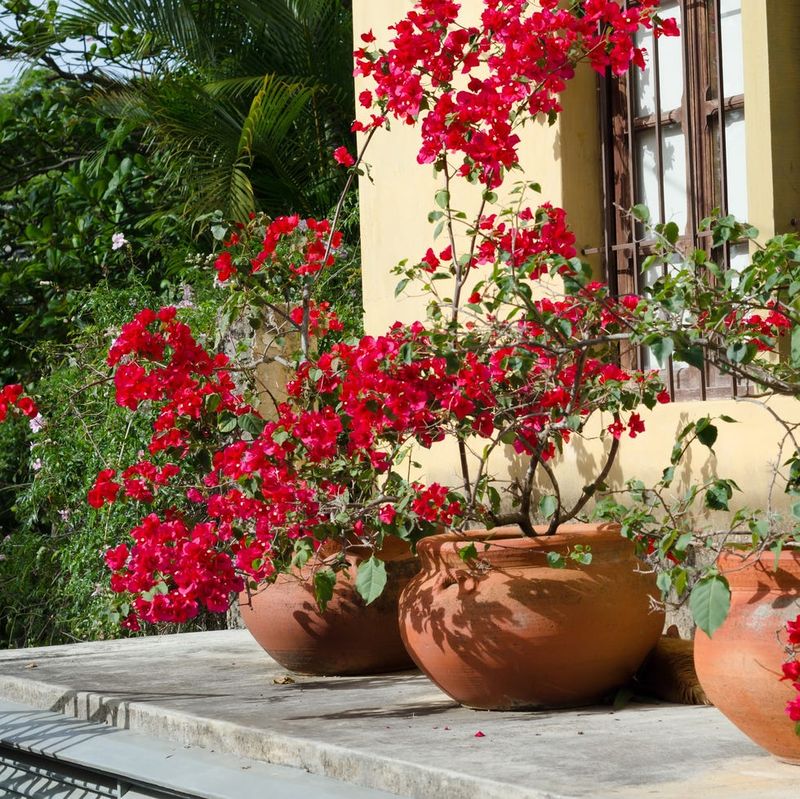
Bougainvillea is practically synonymous with Texas outdoor living. Drive through any neighborhood in San Antonio, Austin, or Houston during summer, and you will spot those brilliant magenta, orange, or purple papery blooms spilling over fences and pots.
What most people do not realize is that those colorful parts are not actually petals. They are modified leaves called bracts, and they are what give Bougainvillea its jaw-dropping color display.
Growing Bougainvillea in a container is actually a smart strategy. Keeping the roots slightly confined encourages more blooming.
Use a pot with excellent drainage holes and fill it with a fast-draining cactus or sandy potting mix. Bougainvillea absolutely hates sitting in waterlogged soil, so sharp drainage is non-negotiable.
Place the container in the sunniest spot you have, because this vine needs full sun to perform at its best. Water deeply but infrequently. Allow the soil to dry out between waterings.
Overwatering is one of the most common mistakes people make with Bougainvillea, and it leads to fewer blooms and weak growth.
Fertilize with a low-nitrogen, high-phosphorus fertilizer to encourage flowering rather than leafy growth. Too much nitrogen will give you lots of green leaves but very little color.
Bougainvillea is also surprisingly tough once it is established. It handles Texas heat without flinching and can tolerate short dry spells with ease.
Give it a trellis, a fence, or even a large obelisk to climb. Prune lightly after each bloom cycle to encourage fresh growth and another round of that spectacular color. Few plants make a bolder statement in a Texas garden container.
2. Mandevilla
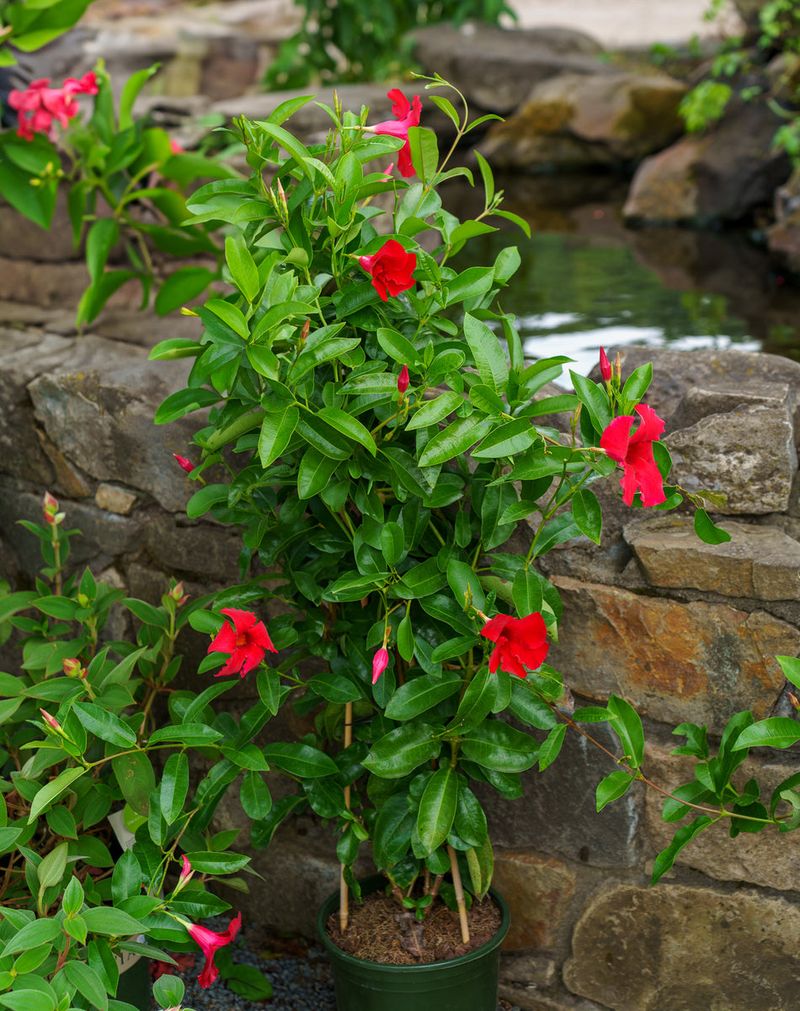
Few vines can match the showstopping drama of Mandevilla in full bloom. Those bold, trumpet-shaped flowers in shades of hot pink, deep red, and crisp white have a way of making any porch or patio look like something out of a garden magazine.
If you have ever walked past a container full of Mandevilla and done a double take, you already know what this plant is capable of.
Mandevilla is a tropical vine that thrives in warm weather, making it a natural fit for Texas summers. It loves full sun and performs best when it gets at least six hours of direct sunlight each day.
Your Texas Garden Changes Every Week. Your Plan Should Too.
Gardening in Texas changes quickly throughout the season. Every Friday you’ll receive a simple weekly plan showing exactly what to plant, prune, fertilize, harvest, and protect so you never miss the right timing.
Plant it in a large container, at least 12 to 14 inches wide, and give it a sturdy trellis or obelisk to climb. The vine will wrap itself around the support and reach upward eagerly throughout the season.
Use a well-draining potting mix and water regularly, but avoid letting the roots sit in soggy soil. Mandevilla does not like wet feet.
Feed it with a balanced liquid fertilizer every two to three weeks during the growing season to keep those flowers coming. Deadheading spent blooms is not strictly necessary, but it does help the plant look tidy.
When temperatures drop below 50 degrees Fahrenheit, bring Mandevilla indoors to a bright spot. It can overwinter as a houseplant and bounce back beautifully in spring.
Many Texas gardeners treat it as a perennial this way, enjoying the same plant for several years. With a little care, Mandevilla will be one of the most rewarding vines you ever grow in a pot.
3. Coral Vine
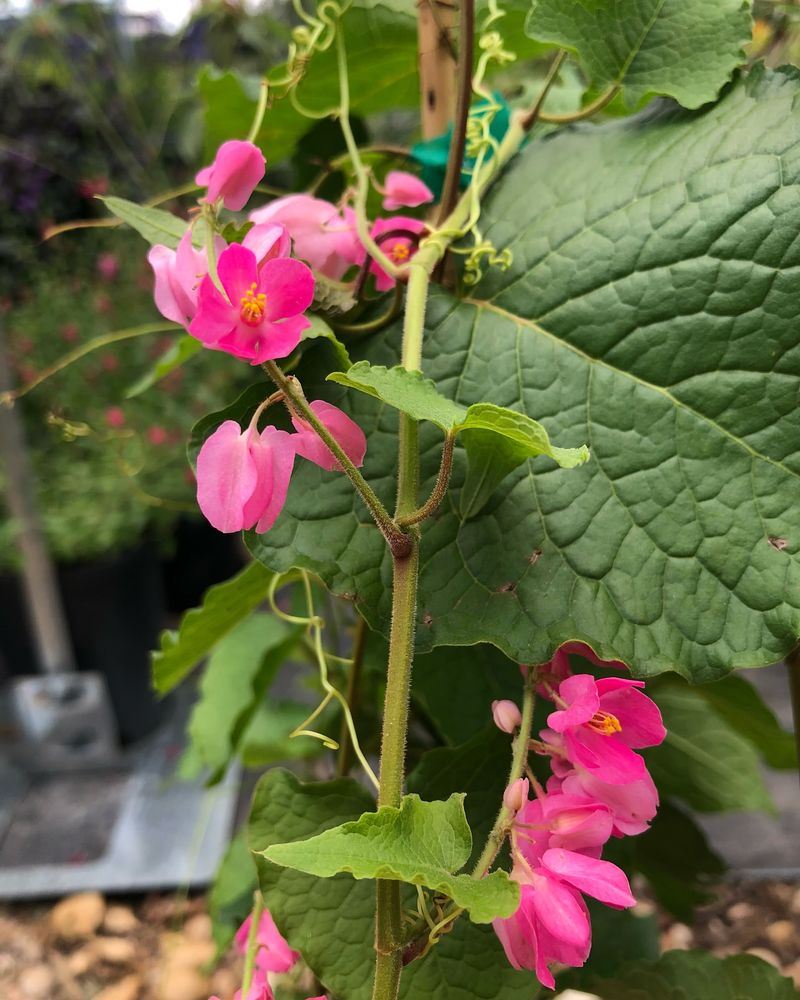
There is something wonderfully carefree about Coral Vine. Also known as Queen’s Wreath or Antigonon leptopus, this fast-growing beauty produces airy clusters of bright pink flowers that seem to float above the foliage like confetti.
It is native to Mexico and has fully embraced the Texas climate as if it were born here. Gardeners who want quick coverage and cheerful color will love what this vine can do.
In the ground, Coral Vine can spread aggressively and become difficult to contain. Growing it in a large container solves that problem completely.
You get all the beauty without any of the spreading headaches. Use a pot that is at least 15 to 18 inches wide to give the roots enough room to support vigorous growth.
A sturdy trellis is essential because this vine climbs quickly and can get quite heavy. Coral Vine loves heat and full sun. The hotter the summer, the happier it seems to be.
Water it regularly during the growing season but allow the soil surface to dry slightly between waterings. It is moderately drought-tolerant once established, which is a real plus during those long, dry Texas summers.
Fertilize monthly with a balanced fertilizer to keep the blooms coming from late spring through fall.
Hummingbirds and butterflies are absolutely wild about Coral Vine flowers, so expect some lively visitors to your patio. The plant will slow down when temperatures cool in fall and may look ragged after the first frost.
Cut it back, and it will return enthusiastically when warm weather arrives again. It is one of those plants that rewards low-maintenance gardeners with maximum visual payoff.
4. Passionflower Vine
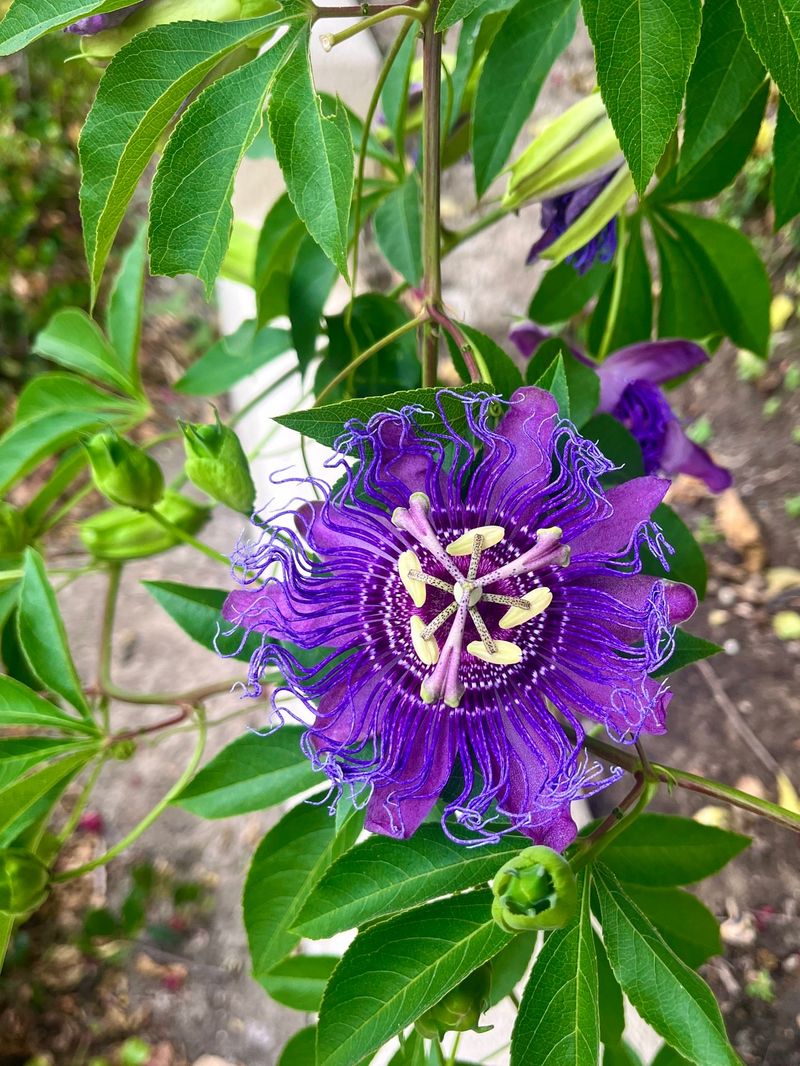
The first time most people see a Passionflower bloom up close, their reaction is pure disbelief. The flowers look almost too elaborate to be real, with their layered petals, radiating filaments, and striking purple, blue, or white coloring.
Spanish missionaries in South America named the plant centuries ago, seeing symbolic meaning in the flower’s structure. Today, gardeners grow it simply because it is one of the most visually stunning vines available anywhere.
Texas has several native Passionflower species, which means these plants are already adapted to the local climate.
Growing one in a container lets you position it exactly where you want it, whether that is near a seating area, beside an entry gate, or along a porch railing.
Use a large pot, at least 14 inches wide, with good drainage. A trellis or wire support will help the vine climb and spread its beautiful foliage.
Passionflower vines are magnets for Gulf Fritillary butterflies, which use the plant as a host for their caterpillars. If you want to attract butterflies to your patio, this is one of the best choices you can make.
Water regularly and give the plant full sun to partial shade. It can handle afternoon shade during the hottest Texas summer days, which actually helps protect the flowers from fading too quickly.
Fertilize lightly every few weeks during the growing season. Too much fertilizer can push leafy growth at the expense of flowers.
Prune back any unruly stems to keep the plant tidy in its container. Passionflower is a conversation starter every single time, and no two blooms ever seem to look exactly alike. It is genuinely one of nature’s most remarkable creations.
5. Star Jasmine
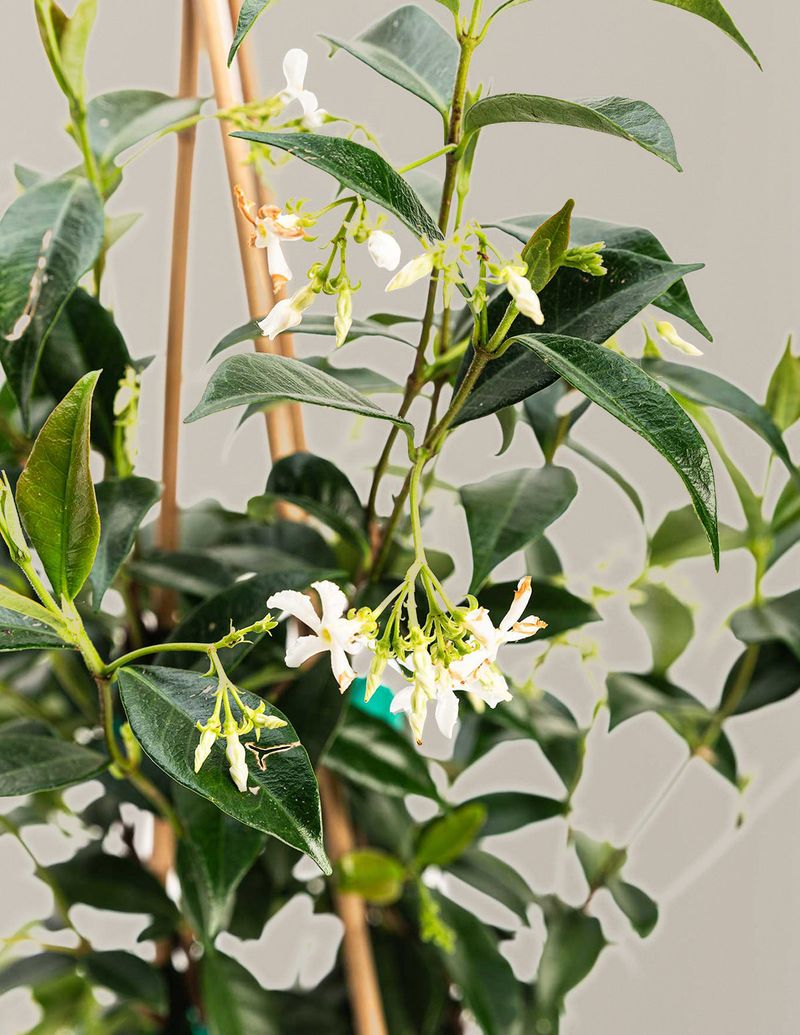
Step outside on a warm Texas evening when Star Jasmine is blooming, and the fragrance will stop you in your tracks. That sweet, intoxicating scent drifts through the air and turns any ordinary patio into something that feels almost magical.
Star Jasmine, also called Confederate Jasmine or Trachelospermum jasminoides, is one of the most beloved vines in Texas landscapes, and it performs beautifully in containers too.
Unlike some vines that need constant attention, Star Jasmine is relatively easygoing once it gets established. It is evergreen, meaning you get glossy, dark green foliage year-round, not just during the blooming season.
The small, pinwheel-shaped white flowers appear in spring and early summer, and the display is absolutely worth the wait. Place the container near a patio door, outdoor dining table, or garden bench so the fragrance can be fully enjoyed.
Star Jasmine prefers well-draining soil and does best with regular watering, especially during hot summer months. It tolerates full sun but actually appreciates some afternoon shade in the most intense Texas heat.
A large container, around 14 to 16 inches wide, works well. Provide a trellis, fence panel, or obelisk for it to climb, and it will fill in beautifully over one to two seasons.
Feed with a balanced slow-release fertilizer in spring and again in midsummer. Trim lightly after the main bloom period to shape the plant and encourage fresh growth.
Star Jasmine is also fairly cold-hardy for a vine, tolerating temperatures down to about 10 degrees Fahrenheit in some cases. For most of Texas, that means very little winter worry at all. It is a truly dependable, sensory-rich vine for any container garden.
6. Cypress Vine
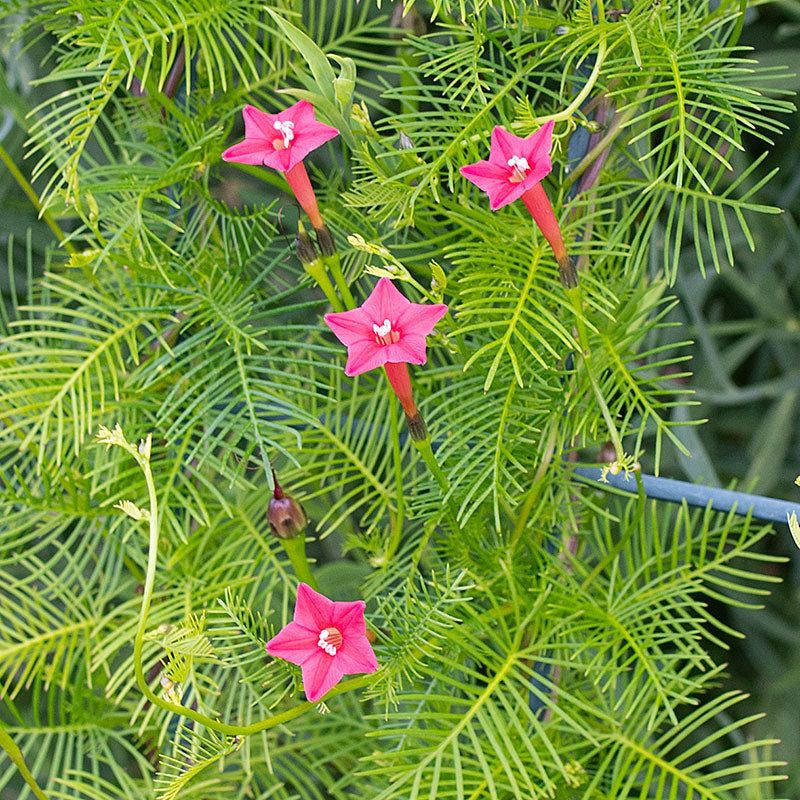
Cypress Vine is one of those plants that looks delicate but grows with surprising speed and enthusiasm. The feathery, fern-like foliage is unlike anything else in the garden, giving it an airy, almost whimsical quality.
Tiny star-shaped flowers in red, pink, or white peek out from among the fine-textured leaves like little sparks of color. Hummingbirds absolutely love these flowers, so do not be surprised if you have frequent visitors once this vine starts blooming.
One of the best things about Cypress Vine is how easy it is to grow from seed. Direct-sow seeds into a container after the last frost date, and the vine will be climbing within a few weeks.
It grows quickly, which makes it ideal for gardeners who want fast results without waiting for a slow-establishing plant to settle in. Use a lightweight potting mix in a medium to large container and pair it with a slender trellis or wire frame.
Cypress Vine is an annual in most of Texas, meaning it completes its full life cycle in one season. But it self-seeds readily, so you may find volunteer seedlings popping up in nearby pots the following spring.
Full sun is essential for the best performance. Water regularly but avoid overwatering, as the vine prefers soil that dries slightly between waterings. Fertilize lightly every few weeks to keep the growth steady.
Because Cypress Vine stays relatively lightweight, it works perfectly for hanging baskets and smaller trellises where heavier vines would be too much.
It is a summer staple in Texas container gardens and brings a soft, cottage-garden feel to any outdoor space. Plant it once and you may never want a summer without it again.
7. Black-Eyed Susan Vine
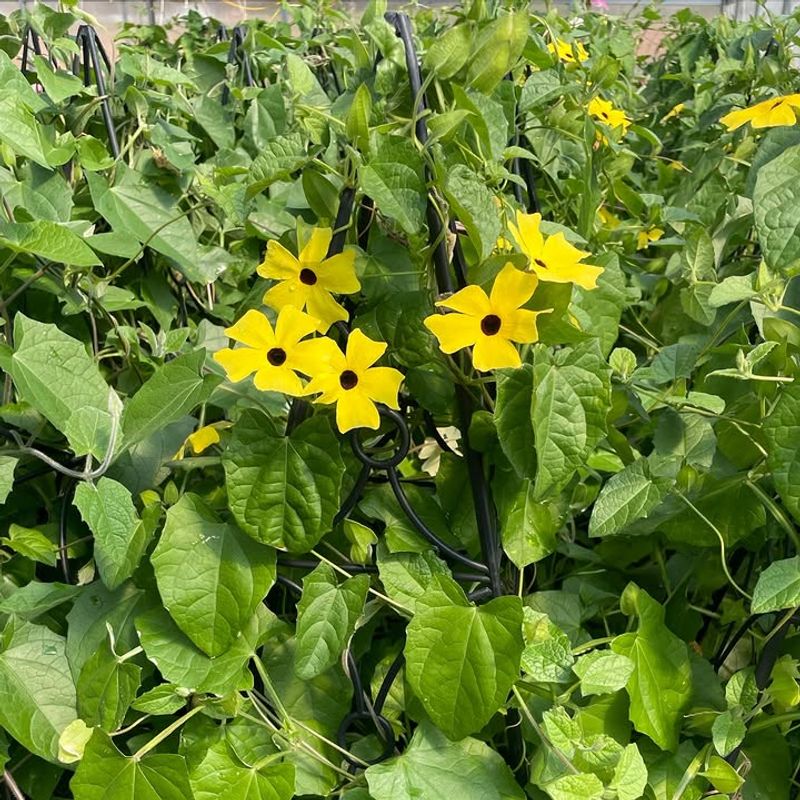
Bright, cheerful, and absolutely packed with color, Black-Eyed Susan Vine is the kind of plant that makes people smile.
Botanically known as Thunbergia alata, this vine produces a nonstop parade of blooms in yellow, orange, and white, each with a striking dark center that gives the plant its memorable name.
It has a playful, sunny personality that suits Texas summer gardens perfectly, and it fits just as well in a hanging basket as it does climbing a small trellis.
Black-Eyed Susan Vine grows at a moderate pace, which makes it much easier to manage than some of the more aggressive climbers on this list. It will not take over your patio or overwhelm a small container setup.
Plant it in a 10 to 14-inch pot with a rich, well-draining potting mix. It thrives in full sun but can tolerate some light afternoon shade, which helps preserve the flower color during the most intense summer heat.
Water consistently and do not let the soil dry out completely between waterings. This vine prefers evenly moist soil, especially when it is actively flowering.
Feed every two weeks with a balanced water-soluble fertilizer to encourage continuous blooming from late spring through early fall. Pinch back the tips occasionally to encourage bushier growth and more flower production rather than long, lanky stems.
In Texas, Black-Eyed Susan Vine is typically grown as an annual, though it may survive mild winters in the warmest parts of the state.
It pairs beautifully with other container plants and looks especially striking when allowed to spill over the edges of a raised planter or window box.
For gardeners who want reliable, long-lasting color with minimal fuss, this vine delivers every single time.