Native Plants That Handle Delaware’s Wet Springs And Dry Summers With Ease
Delaware gardens live through two extremes every year, and neither one is gentle. Spring soaks the ground until beds turn into shallow ponds, then summer arrives and shuts the tap off completely for weeks at a time.
Plants that can’t adjust simply give up somewhere in between. Native species skip that struggle entirely because they grew up dealing with exactly this kind of chaos.
Their root systems stretch deep or spread wide, built to soak up excess moisture in April and dig for every last drop by July. That built-in flexibility means less time hauling hoses around and more time actually sitting on the porch watching things grow.
This list covers ground from broad-canopied trees to low wildflowers that shrug off puddles and drought with equal ease. Rain gardens, sloped yards, mixed borders, whatever tricky spot needs filling, there’s a native option here suited to Delaware’s mood swings, ready to hold its own through every soggy spring and parched summer ahead.
1. Red Maple
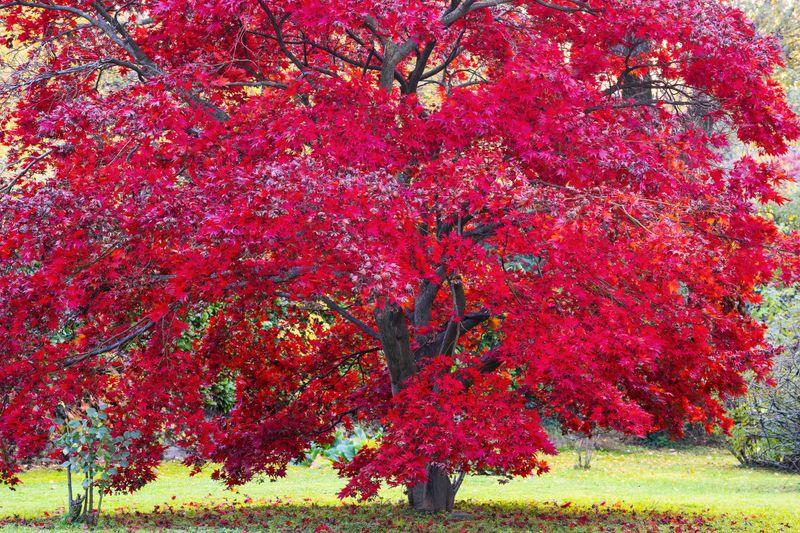
Few trees put on a show quite like the Red Maple. Its fiery fall color regularly stops people in their tracks each October.
Red Maple is one of the most adaptable native trees you can plant in the Mid-Atlantic region. It thrives in soggy spring soil near streams and ponds without complaints.
Come summer, this tree shifts gears smoothly. Its deep, wide root system pulls moisture from lower soil layers when the surface turns dry and cracked.
Gardeners love how fast Red Maple grows compared to other native shade trees. You can expect one to two feet of growth per year under decent conditions.
The tree also feeds local wildlife generously. Early spring flowers provide critical nectar for bees before most other plants have woken up from winter.
Red Maple seeds, called samaras, spin down like tiny helicopters in late spring. Squirrels and birds feast on them, turning your yard into a busy wildlife hub.
Planting one near a low spot in your yard solves two problems at once. It soaks up excess water in spring and provides welcome shade all summer long.
Native plants that handle Delaware’s wet springs and dry summers are rare gems. Red Maple consistently earns a top spot on that list for gardeners who plant one and watch it flourish for decades.
2. Buttonbush
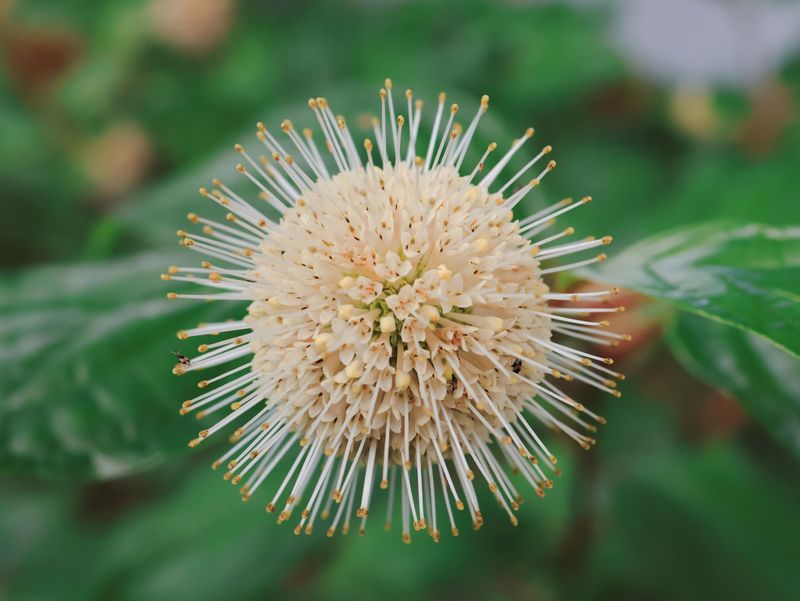
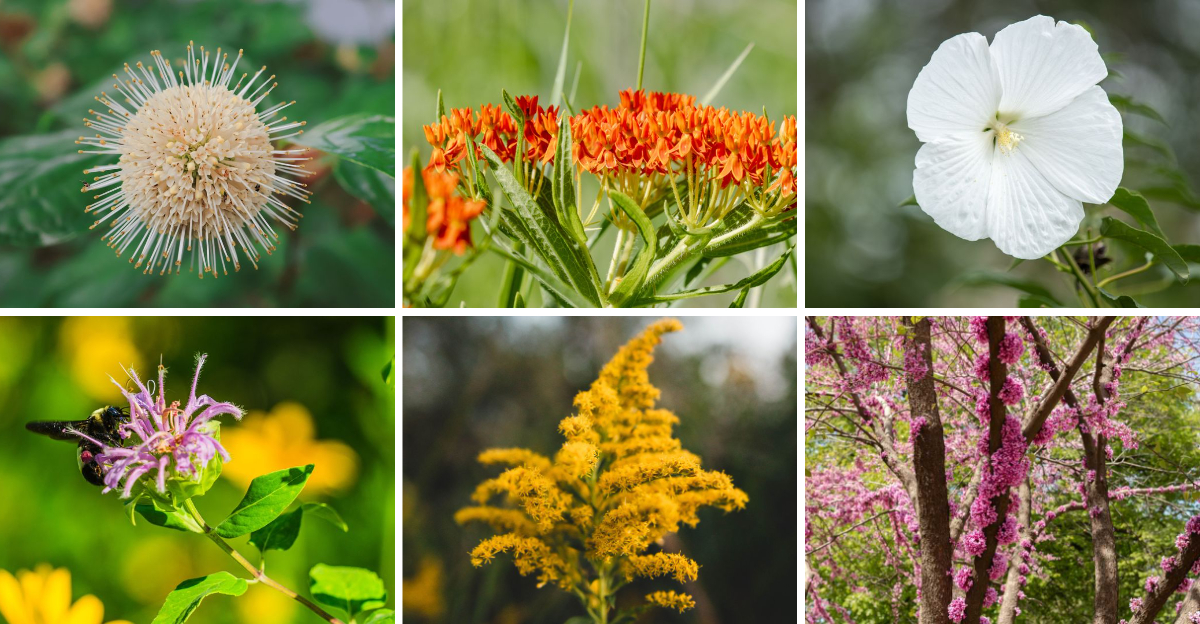
Buttonbush looks like something straight out of a botanical daydream. Those round, white pincushion flowers are unlike anything else growing in a Mid-Atlantic garden.
This native shrub genuinely loves wet feet. Plant it at the edge of a pond, rain garden, or low-lying area, and it will reward you with lush growth every spring.
Few shrubs handle standing water as gracefully as Buttonbush does. It can survive partial flooding for extended periods without skipping a beat or dropping leaves early.
When summer dries things out, Buttonbush taps into its established root system. It stays green and healthy even when neighboring non-native shrubs start looking stressed and sad.
Your Delaware Garden Changes Every Week. Your Plan Should Too.
Gardening in Delaware changes quickly throughout the season. Every Friday you’ll receive a simple weekly plan showing exactly what to plant, prune, fertilize, harvest, and protect so you never miss the right timing.
Pollinators absolutely swarm the blooms from June through August. Bees, butterflies, and hummingbirds treat Buttonbush like the best restaurant in the neighborhood all season long.
The round seed clusters that follow flowering look sculptural and interesting through fall. Birds, especially waterfowl, target those seeds heavily during their migration south.
Buttonbush typically grows six to twelve feet tall and wide. Pruning it right after flowering keeps the shape tidy without sacrificing next year’s blooms or wildlife value.
If your yard has a consistently wet corner you have no idea what to do with, this shrub is your answer. Plant it once, step back, and let nature handle the rest beautifully.
3. Butterfly Weed
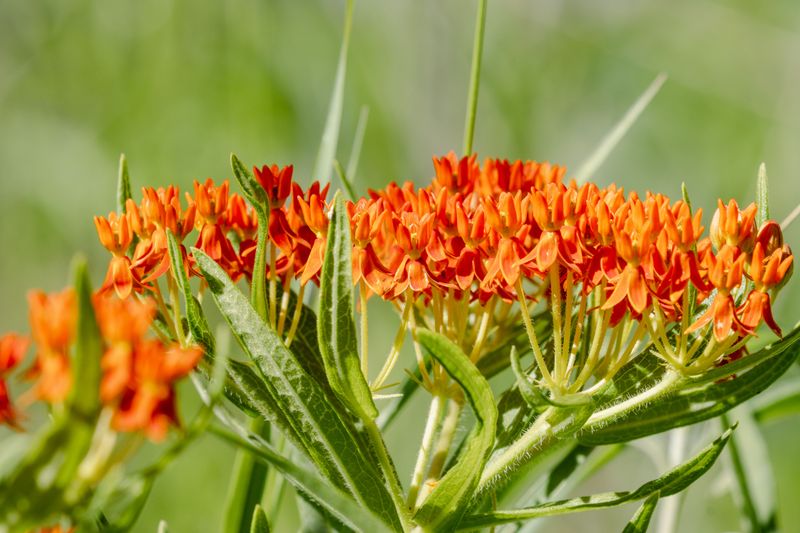
Butterfly Weed earns its name each summer without any help from you. Monarchs, swallowtails, and fritillaries pile onto those blazing orange flower clusters like it is a party.
Unlike most milkweeds, this species thrives in dry, well-drained soil. Sandy or gravelly spots that would wreck other plants are exactly where Butterfly Weed feels most at home.
Spring rains do not bother it much, as long as the soil drains reasonably well. It does not love sitting in soggy ground for weeks, so avoid low spots prone to pooling.
Once summer heat cranks up, this plant truly shines. Its thick, fleshy taproot stores water efficiently, making drought conditions feel like nothing more than a minor inconvenience.
The blooms last from late June all the way into August in most Mid-Atlantic gardens. That long flowering window makes it one of the most valuable pollinator plants you can grow.
After flowering, long slender seed pods form and eventually split open. The silky seeds drift on the wind, potentially spreading new plants throughout your garden naturally over time.
Butterfly Weed is slow to emerge in spring, so mark its location carefully. Many gardeners accidentally dig it up thinking the spot is empty, only to regret it weeks later.
For native plants that handle Delaware’s wet springs and dry summers, this wildflower is a standout performer. Its toughness, beauty, and wildlife value make it a standout plant worth growing.
4. Goldenrod
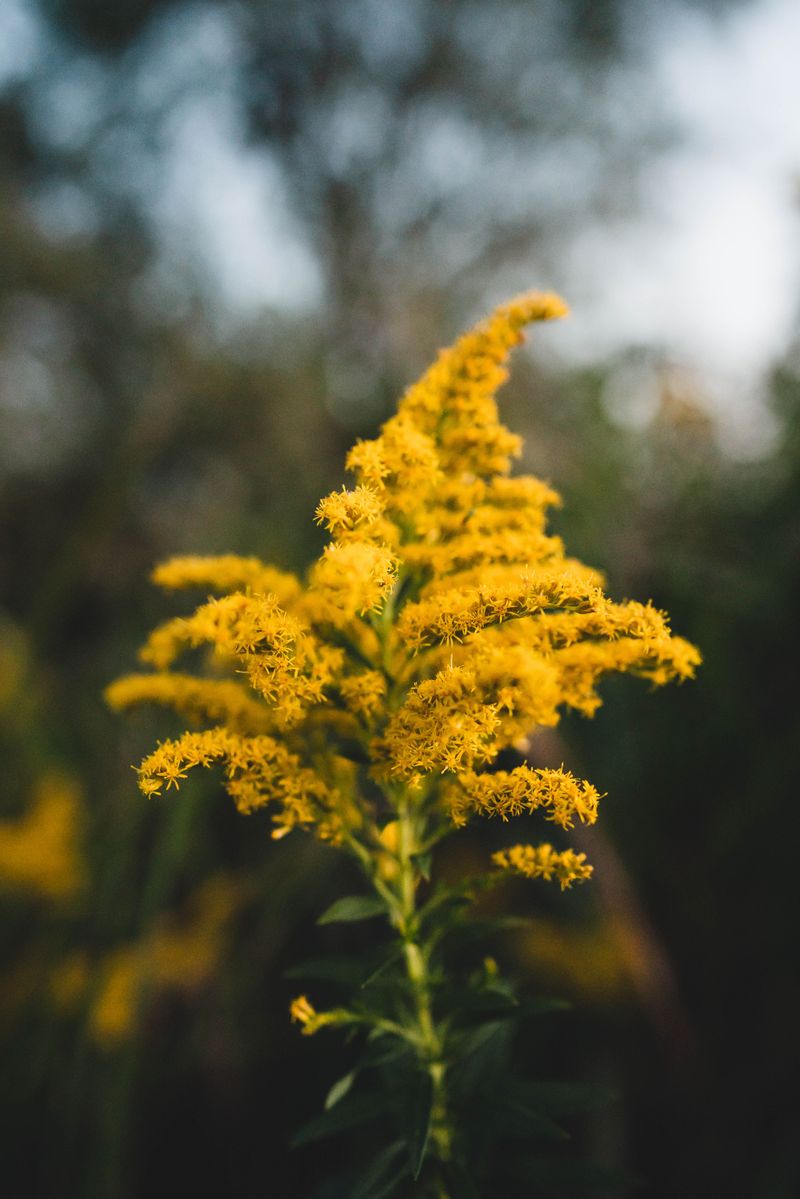
Goldenrod gets blamed for hay fever constantly, but that reputation is largely unfair. Ragweed is the actual culprit, and Goldenrod just happens to bloom at the same unfortunate time.
This cheerful native wildflower spreads golden plumes across meadows and roadsides every August and September. Seeing a field of it glowing in late summer sun genuinely lifts your mood.
Goldenrod handles spring moisture without any drama at all. Its fibrous root system manages wet soil periods while keeping the plant anchored and healthy through the muddiest months.
When summer heat arrives and rain disappears, Goldenrod barely notices. It evolved on the dry slopes and open meadows of the Mid-Atlantic, building serious drought tolerance into its DNA.
Over 100 species of native bees rely on Goldenrod as a critical late-season food source. Planting it means feeding pollinators when almost nothing else is blooming in your yard.
The seed heads that follow flowering look feathery and beautiful through winter. Songbirds, especially goldfinches, pick them apart enthusiastically during cold months when food gets scarce.
Goldenrod spreads by rhizomes and can get assertive in smaller spaces. Planting it inside a buried root barrier or in a naturalized area keeps it from taking over nearby beds.
Choose shorter cultivars like Solidago rugosa for tidy borders or let taller species naturalize freely. Either way, you get season-long color with almost no maintenance required from you.
5. Eastern Redbud
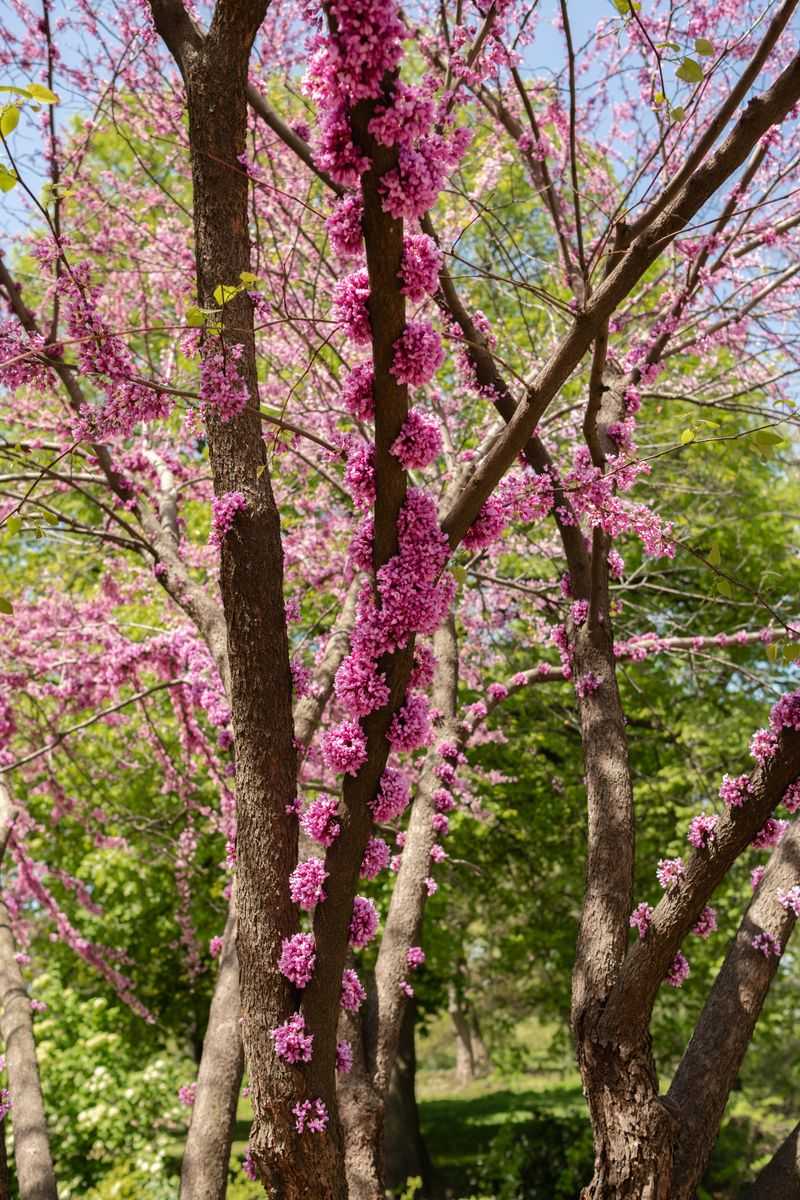
Before a single leaf appears, Eastern Redbud explodes into clouds of magenta-pink blossoms straight up the bare branches. It is the tree that makes the whole neighborhood stop and stare each spring.
This native understory tree thrives in the variable conditions that define Mid-Atlantic springs. Wet soil from heavy spring rains does not set it back, and it recovers quickly from saturated ground.
Eastern Redbud roots go deep once established, which pays off big during summer dry spells. A mature tree can pull through weeks without rain that would stress younger or shallower-rooted plants.
The heart-shaped leaves that follow the flowers are genuinely charming. They emerge with a reddish tint, then mature into rich green, creating beautiful layered shade beneath the canopy.
Fall color on Eastern Redbud runs from golden yellow to clear butter tones. It may not match Red Maple for drama, but it adds warm, subtle beauty to the autumn garden.
Pollinators absolutely depend on those early blooms for survival. Bumblebee queens emerging from winter dormancy rely on Redbud nectar before most spring flowers have opened up yet.
Eastern Redbud stays a manageable size, typically topping out around twenty to thirty feet. That makes it perfect for smaller yards where a massive oak would simply overwhelm everything else nearby.
Plant it where you can see it from a window. Come April, you will thank yourself for that decision on quiet mornings over a cup of coffee.
6. Rose Mallow
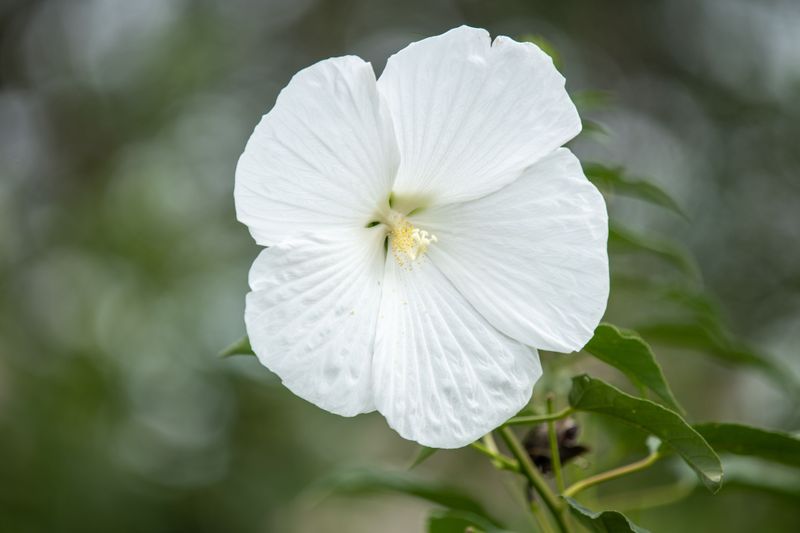
When Rose Mallow blooms, people stop their cars to take photos. Those dinner-plate flowers, sometimes twelve inches across, look almost too dramatic to be real plants growing in someone’s yard.
Native to wetlands and marshy areas of the eastern United States, this perennial genuinely loves having wet feet in spring. A rain garden or low-lying border is its ideal home.
Despite its tropical appearance, Rose Mallow is a tough native plant built for Mid-Atlantic weather swings. It handles standing water in spring without rotting, then pivots to handle summer heat gracefully.
By midsummer, the blooms open in waves of white, pink, crimson, and bicolor combinations. Each individual flower lasts only one day, but new ones open constantly from July through September.
Hummingbirds and large bumblebees work these flowers heavily throughout the blooming season. The sheer size of the blooms means pollinators can really get in there and load up on nectar.
Rose Mallow dies back to the ground each winter, which can make gardeners nervous. Be patient in spring because it is one of the last perennials to emerge, often not showing until late May.
Once it does emerge, growth is rapid and impressive. Plants can reach six to eight feet tall in a single season, creating a bold tropical feel in any garden setting.
Mark this plant as a must-have for anyone working with a wet garden zone. Its resilience, scale, and jaw-dropping beauty make every waiting moment in late spring well worth it.
7. Wild Bergamot
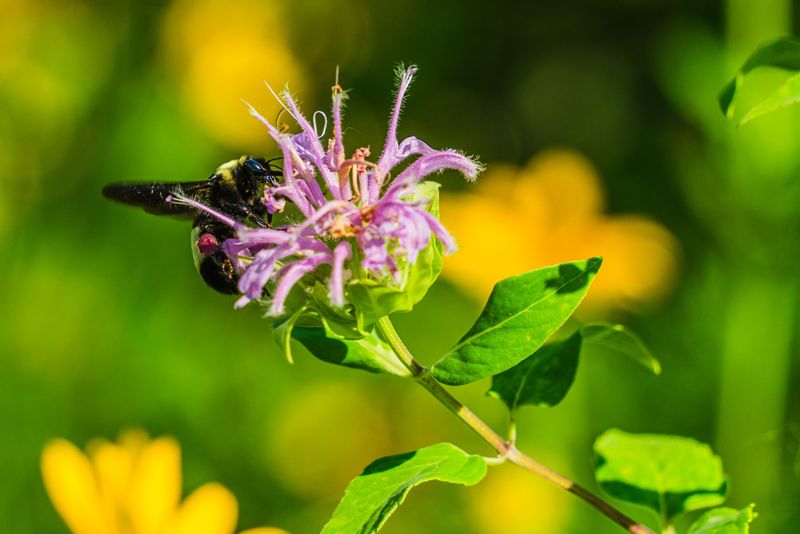
Crush a Wild Bergamot leaf between your fingers and you get an instant hit of oregano-meets-lavender that is genuinely captivating. This plant smells as good as it looks, which is saying something.
Wild Bergamot produces shaggy lavender-purple blooms that absolutely hum with bee activity from June through August. Native bees, bumblebees, and butterflies treat it like the neighborhood hangout spot all season.
Unlike its cousin Bee Balm, Wild Bergamot prefers drier, sunnier conditions. It handles spring moisture without issue but truly excels once summer heat and dry spells settle in for weeks.
This native perennial spreads gradually by rhizomes, creating beautiful drifts over time. Giving it room to roam in a meadow-style planting pays off with a spectacular flowering display year after year.
Powdery mildew can be a cosmetic issue in humid summers, but it rarely harms the plant. Improving air circulation by thinning clumps every few years keeps the foliage looking cleaner and fresher.
Historically, Indigenous peoples used Wild Bergamot medicinally and as a tea herb. The leaves contain thymol, the same compound found in commercial antiseptic products, giving this plant real practical heritage.
Deer tend to avoid it, which is a major bonus in suburban Mid-Atlantic yards. The strong aromatic oils in the foliage make it far less appealing than most garden perennials nearby.
Plant Wild Bergamot in full sun with average to dry soil for best performance. Once established, it asks for almost nothing and gives back an enormous amount of beauty and wildlife value.
8. Swamp White Oak
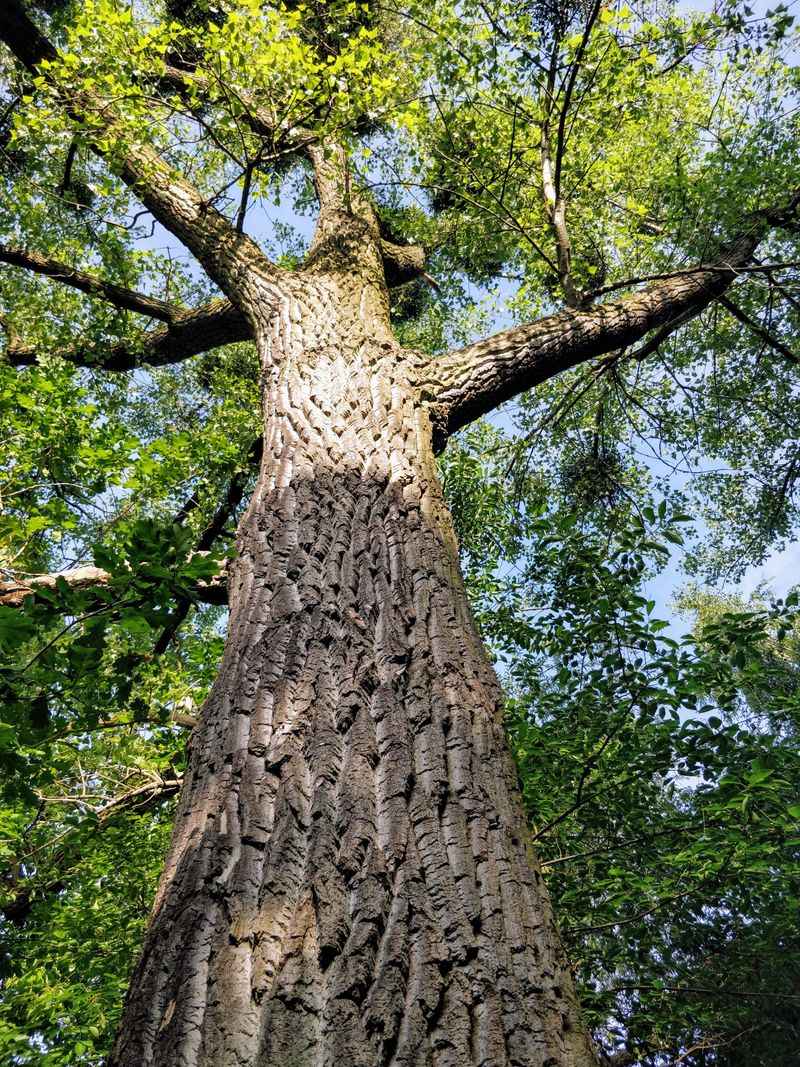
Swamp White Oak has one of the most distinctive looks of any native oak. Its bark peels back in dramatic curling strips on the upper branches, giving it a rugged, sculptural character year-round.
Despite its name, this tree handles both extremes that native plants facing Delaware’s wet springs and dry summers must navigate. It tolerates seasonal flooding and extended drought better than almost any other large shade tree.
Spring flooding does not stress Swamp White Oak the way it does many other oaks. Its roots are adapted to low-oxygen, waterlogged conditions that would suffocate less resilient species within weeks.
When summer arrives dry and hot, this tree draws on its massive root infrastructure. Established specimens can go weeks without rain and still look full, healthy, and deeply green overhead.
Swamp White Oak is also an ecological powerhouse in any landscape. Research on native oaks shows the genus supports over 500 species of caterpillars, and Swamp White Oak shares in that ecological value.
Acorns mature in a single season, unlike many other oaks that need two years. That faster production cycle means deer, turkeys, squirrels, and wood ducks get a reliable annual food source.
The tree grows moderately fast for an oak, gaining one to two feet per year in good conditions. Expect it to reach fifty to seventy feet at maturity, creating serious shade and presence.
Plant one where future generations can enjoy it. A Swamp White Oak planted today becomes a living legacy that feeds wildlife and shelters families for the next two centuries ahead.