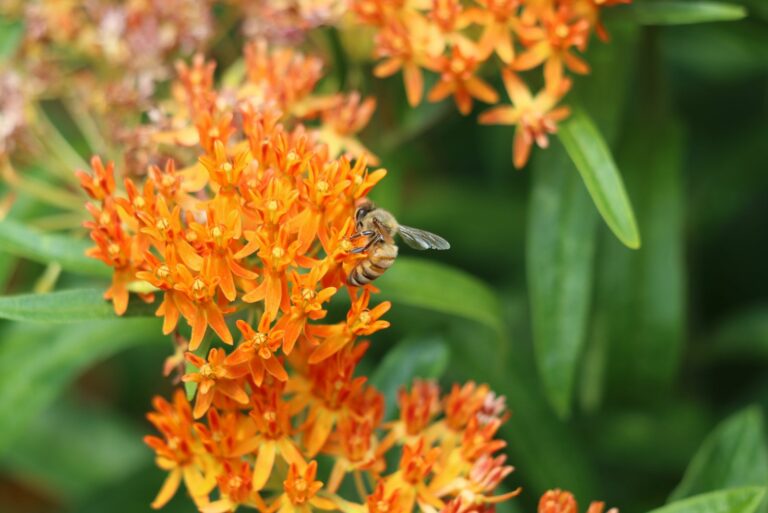
The Most Underrated Pennsylvania Native Wildflower That Helps Reduce Tick Encounters Along Sunny Lawn Edges
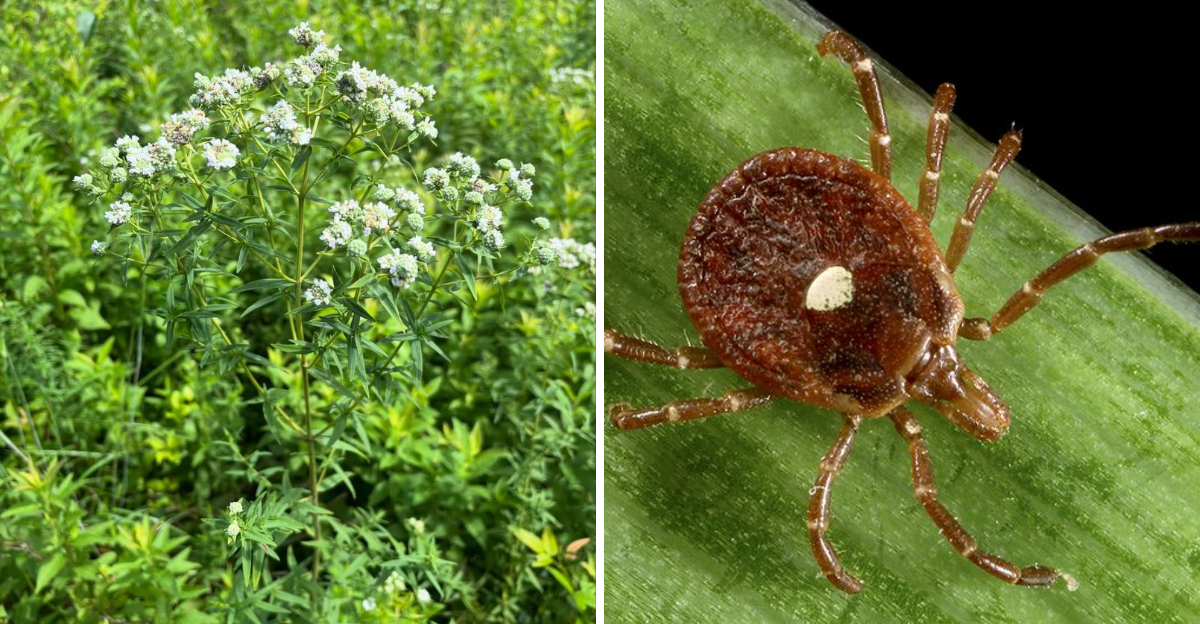
The edge where your sunny lawn meets a garden bed, a fence line, or an open border is one of the most common places Pennsylvanians encounter ticks.
That transitional zone is exactly where ticks like to wait, positioned to catch people and pets moving between spaces.
Most homeowners either spray these areas regularly or just accept the risk as part of spending time outside. But there’s a native Pennsylvania wildflower that takes a different approach.
This underrated plant thrives right along sunny lawn edges, filling in beautifully while creating conditions that ticks find far less hospitable.
It blooms with real character through the growing season, supports pollinators generously, and fits naturally into the Pennsylvania landscape in a way that non-native plants simply can’t replicate.
Most gardeners have never considered planting it for tick management. They’re growing it purely for how it looks, if they’re growing it at all.
The Native Wildflower Is Virginia Mountain Mint
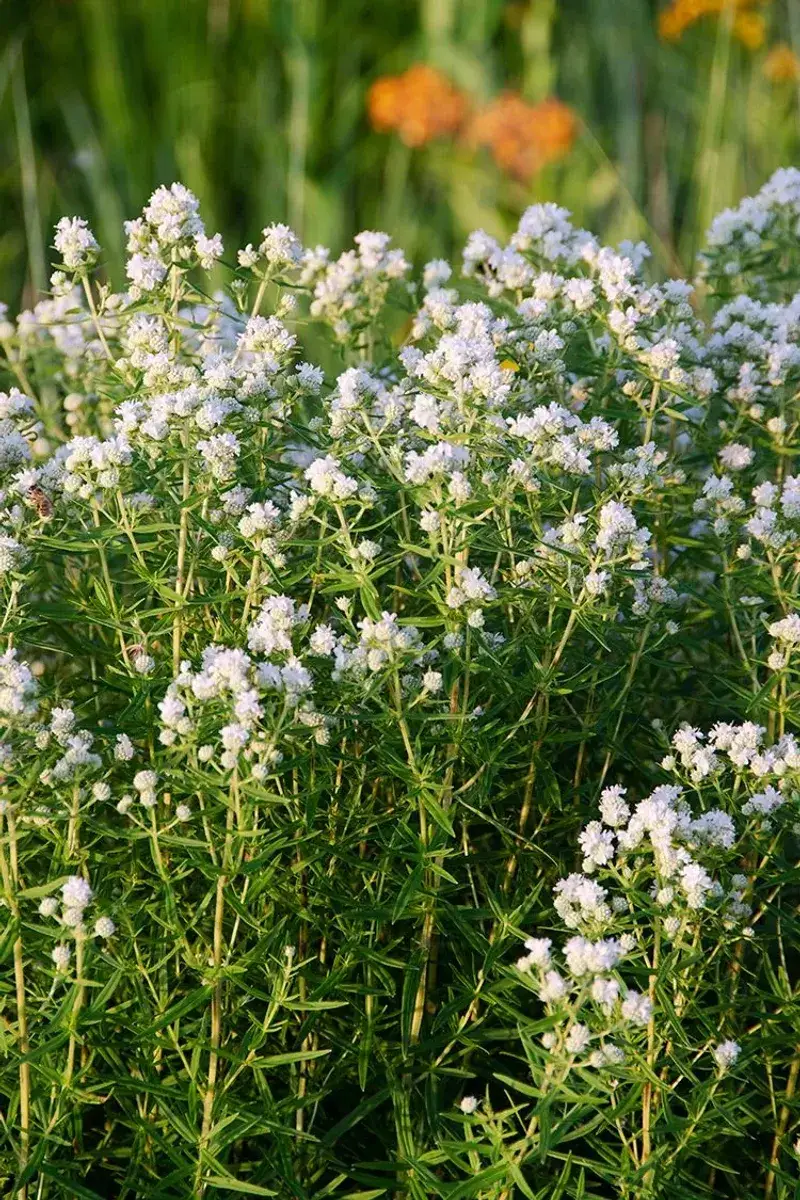
Walk past a patch of Virginia mountain mint and you will notice it right away. The smell hits you first, sharp and clean, like a breath of fresh outdoor air.
This tough, aromatic wildflower grows naturally throughout Pennsylvania and has been quietly thriving in sunny meadows and woodland borders for centuries.
Virginia mountain mint, known scientifically as Pycnanthemum virginianum, is a perennial herb that comes back year after year without much fuss. It grows about two to three feet tall and spreads slowly into a dense, bushy clump.
Gardeners who discover it often wonder why it took them so long to try it. Most people overlook it at the garden center because it does not have flashy blooms. Its flowers are small and pale, almost white with tiny purple spots.
But do not let that fool you. Those modest flowers draw in an impressive number of native bees, wasps, butterflies, and other helpful insects.
Along sunny lawn edges, Virginia mountain mint really earns its keep. It creates a defined, tidy-looking border that is far more useful than a scraggly strip of weeds or overgrown grass.
That matters because messy, brushy edges are exactly where ticks prefer to wait. Planting Virginia mountain mint will not make your yard tick-proof. No single plant can do that.
But it can support a cleaner, sunnier, and less sheltered border that takes away some of the conditions ticks depend on. Think of it as one smart piece of a bigger yard-safety puzzle.
Why Ticks Gather Along Lawn Edges
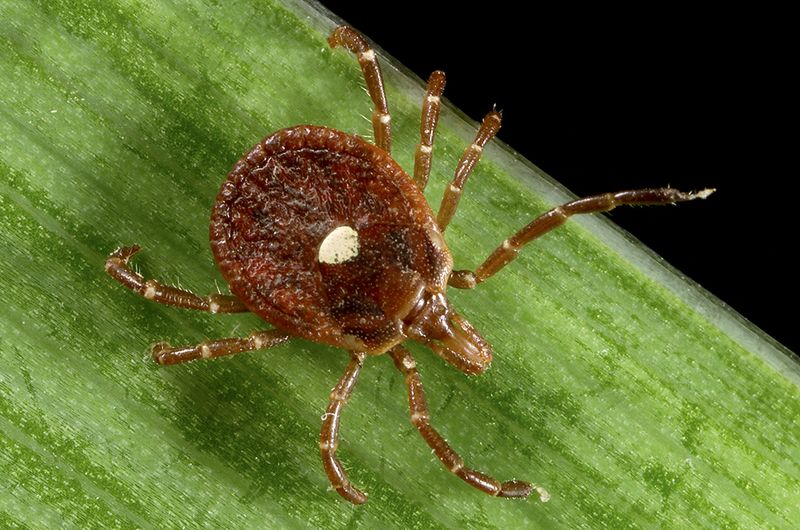
Ticks are not randomly scattered across your yard. They tend to cluster in very specific spots, and the edge where your mowed lawn meets taller grass, shrubs, or woods is one of their favorite places to be.
Understanding why they gather there can help you make smarter choices about your yard. Ticks need moisture to survive. Short, sunny, well-mowed grass dries out quickly in the sun, which ticks do not like at all.
But the moment you reach that shaggy border zone, things change. Taller grass holds more moisture.
Your Pennsylvania Garden Changes Every Week. Your Plan Should Too.
Gardening in Pennsylvania changes quickly throughout the season. Every Friday you’ll receive a simple weekly plan showing exactly what to plant, prune, fertilize, harvest, and protect so you never miss the right timing.
Leaf litter traps humidity close to the ground. Shrubs and brush create shade that keeps things cool and damp even on warm days.
That combination of shade, moisture, and cover is exactly what ticks need. They climb up onto the tips of grass blades and low shrubs, a behavior called questing, and wait for a warm-blooded host to brush past.
Deer, rabbits, squirrels, mice, dogs, and people all walk through these transition zones regularly.
Wildlife paths along fence lines and woodland edges are especially risky because animals carry ticks in and drop them as they travel. Even a well-kept yard can have a tick problem if deer or rodents pass through the edges regularly.
The good news is that these edge zones are exactly where a plant like Virginia mountain mint can help.
By replacing messy, overgrown borders with a dense, aromatic native planting, you reduce the amount of shaded, humid, brushy habitat that makes lawn edges so appealing to ticks in the first place.
How Virginia Mountain Mint Helps Along Sunny Borders
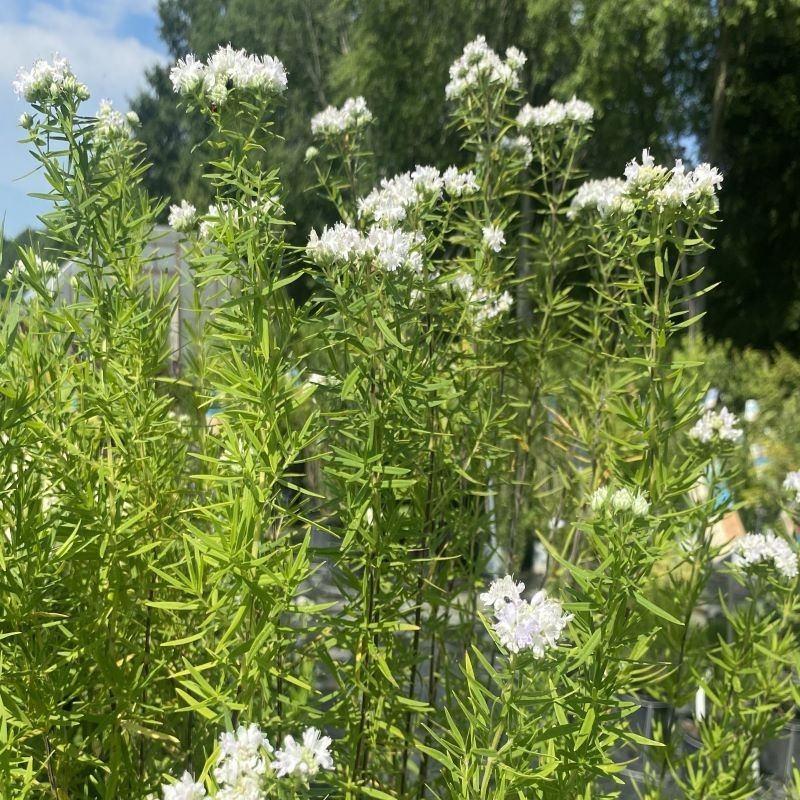
Picture a neat, fragrant wall of green running along the sunny edge of your yard. That is what Virginia mountain mint looks like when it fills in properly.
Its strong minty scent is one of the first things that sets it apart from other border plants, and that fragrance may play a small role in making the area less appealing to certain insects.
Beyond the smell, the real benefit is structural. Virginia mountain mint grows into a dense, upright clump that crowds out weedy, scraggly growth.
Weeds and overgrown grass are exactly the kind of messy cover that gives ticks a comfortable place to wait. When you replace that mess with a tidy native planting, you are reducing hiding spots at the border zone.
Its growth habit also keeps things sunnier. Because the plant grows upright rather than sprawling, air moves through it more freely than through a tangled mess of brush.
Better airflow means faster drying after rain or morning dew, which lowers the humidity that ticks depend on to stay active.
Virginia mountain mint also stays relatively compact, making it easy to manage without heavy pruning or frequent maintenance.
It does not take over your yard or become invasive. Once established, it simply fills its space and holds its ground, season after season. Using it as a defined border plant makes lawn edges look more intentional and cared for.
A tidy, sunny edge with good airflow and a strong-smelling plant is simply a less tick-friendly environment than a shady, damp, overgrown one. That is the real value Virginia mountain mint brings to your outdoor space.
Why It Belongs In Pennsylvania Native Gardens
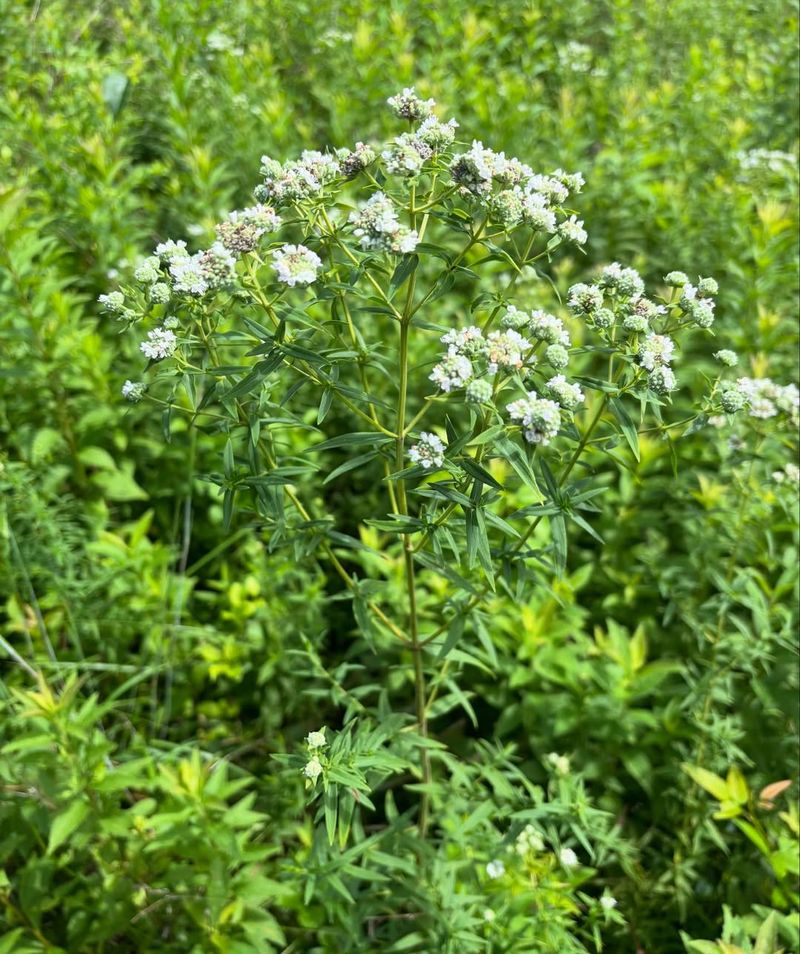
Native plants have a special relationship with the land they come from, and Virginia mountain mint is a perfect example of that bond. It evolved alongside Pennsylvania’s soils, rainfall patterns, and native insects over thousands of years.
That history makes it remarkably well-suited to growing here without much extra help from gardeners.
One of the biggest advantages of planting natives is that they generally need less water, less fertilizer, and less attention once they are established. Virginia mountain mint is no exception.
Give it a sunny or partly sunny spot with average to moist soil, and it will reward you with reliable growth year after year. It handles Pennsylvania’s humid summers and cold winters without complaint.
The pollinator benefits are genuinely impressive. Research has shown that Virginia mountain mint attracts more than 50 species of native bees alone, plus wasps, beetles, and butterflies.
Few native plants punch above their weight quite like this one when it comes to supporting local wildlife.
Deer and rabbits tend to leave it alone, which is a major bonus for Pennsylvania gardeners who struggle to keep hungry wildlife from destroying their plantings. The strong aromatic oils in the leaves make it far less appealing to browsers than many other garden plants.
Adding Virginia mountain mint to a native garden also helps support the broader ecosystem. Native insects that feed on its nectar go on to pollinate other plants and serve as food for birds and other wildlife.
Planting one native species often has a ripple effect that benefits your whole yard in ways you might not immediately see.
Where To Plant It For The Best Tick-Reduction Strategy
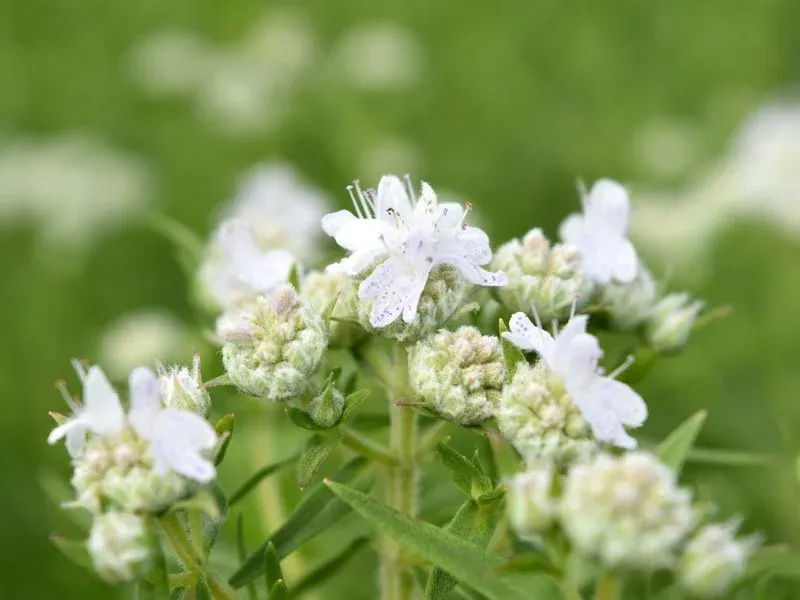
Placement matters a lot when you are using native plants as part of a tick-reduction strategy. Virginia mountain mint works best when you put it right in the transition zone, that strip between your mowed lawn and any wilder, taller, or woodsier area.
That is the zone where ticks are most likely to be waiting, so filling it with a dense, aromatic native plant makes a lot of sense.
Along fence lines is one of the smartest spots to try it. Deer and other wildlife often travel along fence edges, dropping ticks as they go.
A thick planting of Virginia mountain mint along the fence creates a defined barrier that also looks great from both sides of the yard.
Sunny path edges are another excellent location. Ticks quest by climbing onto vegetation at the sides of paths and trails, so having a low, dense, aromatic plant right there reduces the amount of brushy vegetation people and pets brush against as they walk through.
Near rain garden borders or slightly moist low spots, Virginia mountain mint really thrives. It handles wetter soil better than many other native plants, making it useful in spots where other choices might struggle.
For the best results, pair your Virginia mountain mint planting with a short-mowed walking path alongside it. Keep leaf litter cleared from the base of the planting, especially in fall and spring when ticks are most active.
A sunny, tidy, well-defined edge with good airflow and a fragrant native plant is one of the more practical and attractive ways to make your yard borders less tick-friendly overall.
What Else To Do To Lower Tick Encounters
Virginia mountain mint is a genuinely helpful native border plant, but it works best as one part of a bigger plan. Relying on any single plant to handle tick encounters on its own is not a realistic approach.
A few practical habits added to your routine can make a real difference. Keeping grass short in high-use areas is one of the most effective things you can do. Ticks do not thrive in short, dry, sunny turf.
Mow regularly and aim to keep the areas around patios, play zones, and walking paths as neat and open as possible.
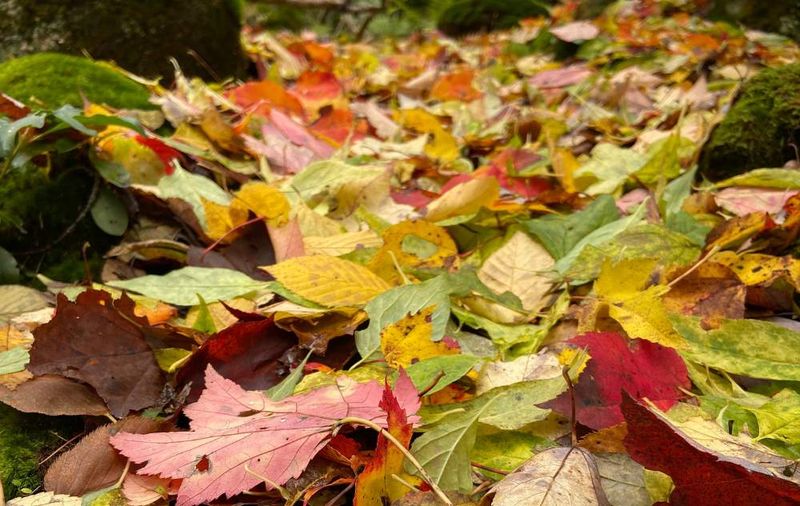
Removing leaf litter is another big one. Piles of leaves near your house, patio, or play areas create perfect tick habitat.
Rake them up and compost or bag them, especially in spring and fall when tick activity peaks. Even a thin layer of leaves against a fence or garden edge can shelter ticks through cool weather.
Widening walking paths through your yard reduces the chance of brushing against vegetation where ticks are questing. The wider and sunnier the path, the lower the risk of picking up a hitchhiker on the way through.
Discouraging deer from entering your yard helps too, since deer are major tick carriers. Fencing, deer-resistant plantings, and motion-activated sprinklers can all reduce deer traffic along your borders.
Always check yourself, your kids, and your pets after spending time outdoors. Check clothing seams, hair, and skin carefully.
Use proper tick protection when working in the yard or walking in wooded areas. Combined with smart planting choices like Virginia mountain mint, these habits give you the strongest possible defense against tick encounters in your outdoor spaces.