Try These Simple Tricks To Keep Your North Carolina Coneflowers Blooming Year After Year
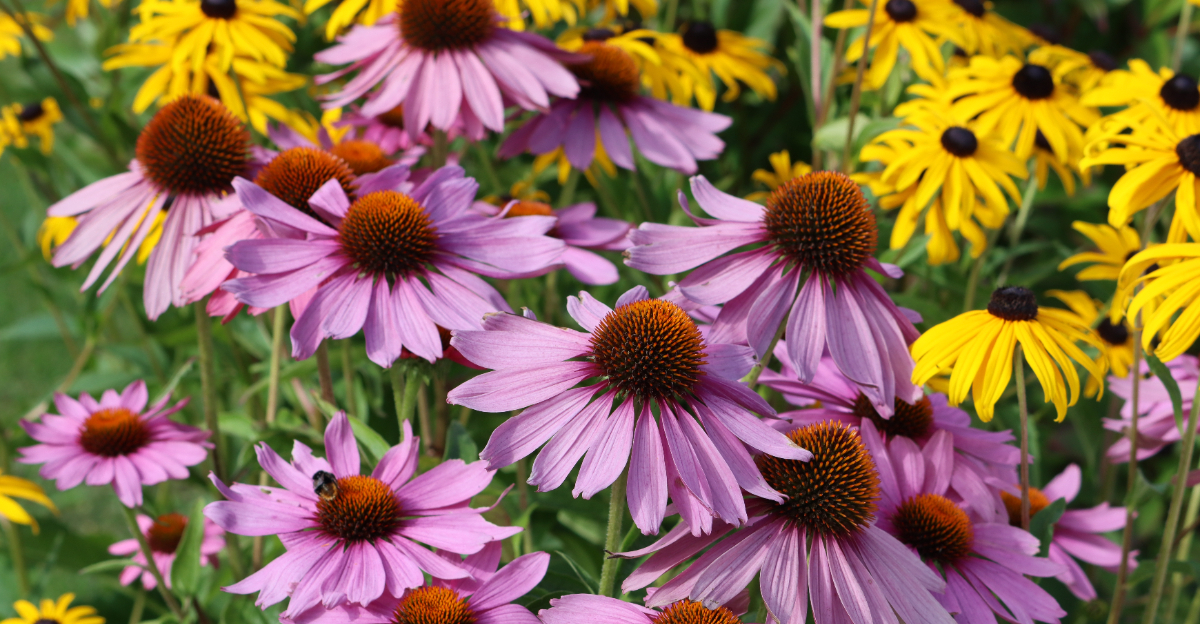
Coneflowers have a reputation for taking care of themselves, and in the right conditions they largely do.
What that reputation obscures is a gradual decline that happens in many North Carolina gardens when a few simple maintenance habits get skipped season after season.
Beds that were full and vibrant in their second year start producing fewer blooms, smaller flowers, and crowded centers that lose their visual appeal by year four or five. The tricks that prevent this decline are not complicated or time-consuming.
They work with the plant’s natural tendencies rather than against them, and the coneflower beds that stay genuinely productive and beautiful for a decade or more in North Carolina are almost always the ones where these habits became routine early on.
1. Give Coneflowers Their Sunniest Spot
Sunlight is everything when it comes to coneflowers putting on their best show.
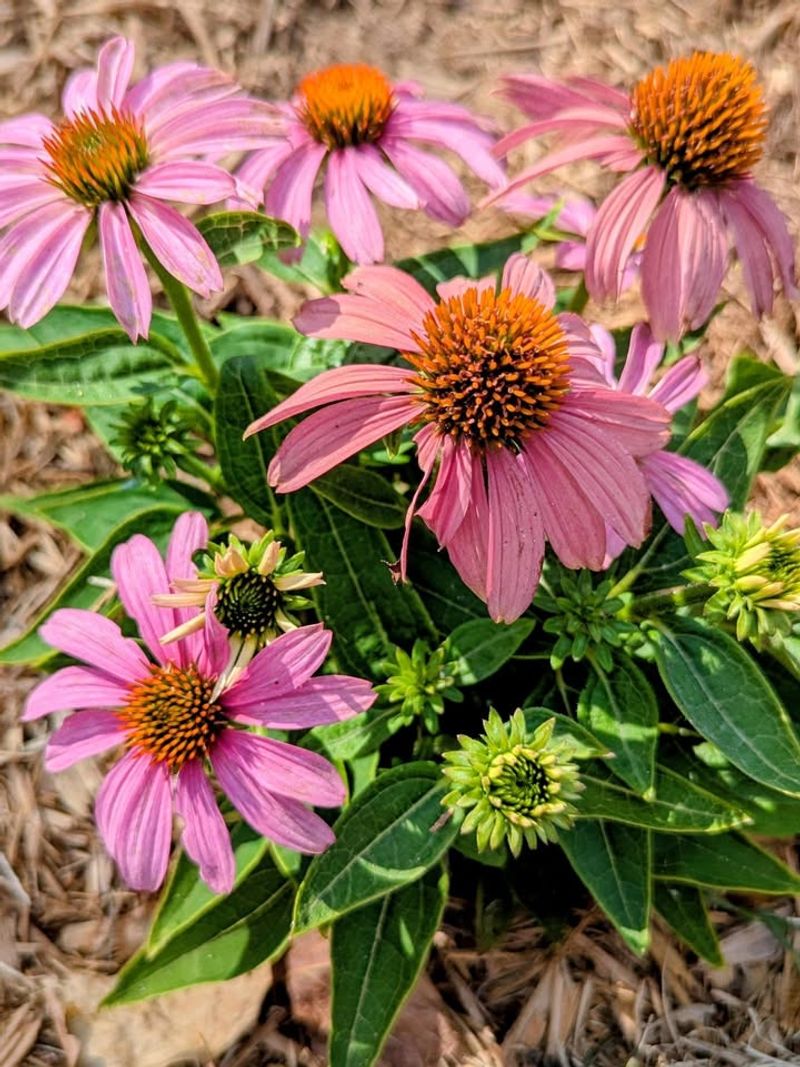
Purple Coneflower, known botanically as Echinacea purpurea, can handle partial shade, but gardeners who plant them in a spot that gets at least six to eight hours of direct sun each day tend to see the biggest reward.
Fuller blooms, sturdier stems, and a longer display from late spring straight through summer are all common results of choosing the right location from the start.
North Carolina offers plenty of sunshine, especially during the long, warm growing season, so take advantage of that. South-facing beds, open borders, and spots away from large shade trees are all great choices.
When coneflowers get less light, they often stretch toward the sun, which can cause floppy stems and fewer flowers overall. A little planning upfront saves a lot of frustration later in the season.
Think of sunlight as the engine that powers the whole plant. Good light supports strong photosynthesis, which feeds better root development and more consistent blooming year after year.
If you already have coneflowers struggling in a shaded corner, early spring is a great time to carefully move them to a sunnier bed before new growth gets too far along. Most plants adjust surprisingly well when relocated with care.
Choosing the right spot from the beginning is honestly the single biggest favor you can do for your coneflowers all season long.
2. Plant Them In Well-Drained Soil
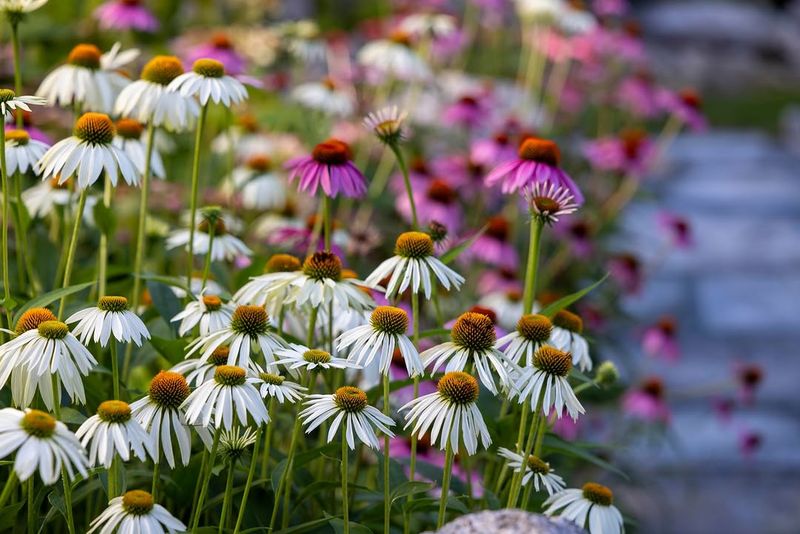
Coneflowers are tough plants, but soggy roots are one thing they genuinely struggle with. In North Carolina, summer storms can drop a lot of rain in a short time, and low-lying areas in the yard can hold standing water for hours or even days.
Planting coneflowers in those spots almost always leads to root rot and a plant that slowly declines rather than thrives through the seasons.
Well-drained soil allows excess moisture to move through quickly while still holding enough water for healthy root growth between rain events. Sandy loam or loamy garden soil with good structure works especially well.
If your yard tends to stay wet, raising your planting bed by just a few inches can make a surprisingly big difference. You can also work some coarse sand or fine gravel into heavy clay soil to improve drainage before you ever put a plant in the ground.
Your North Carolina Garden Changes Every Week. Your Plan Should Too.
Gardening in North Carolina changes quickly throughout the season. Every Friday you’ll receive a simple weekly plan showing exactly what to plant, prune, fertilize, harvest, and protect so you never miss the right timing.
Here is something many gardeners do not realize at first: coneflowers actually evolved in open prairies and meadows where soil drains freely and does not stay wet for long.
That natural background means they are built to handle dry spells far better than they handle waterlogged conditions. Matching your garden soil to what coneflowers prefer naturally is one of the smartest moves you can make.
Good drainage sets the foundation for strong roots, reliable return growth each spring, and seasons full of beautiful, consistent blooms that reward your effort every single year.
3. Water Regularly Until Plants Are Established
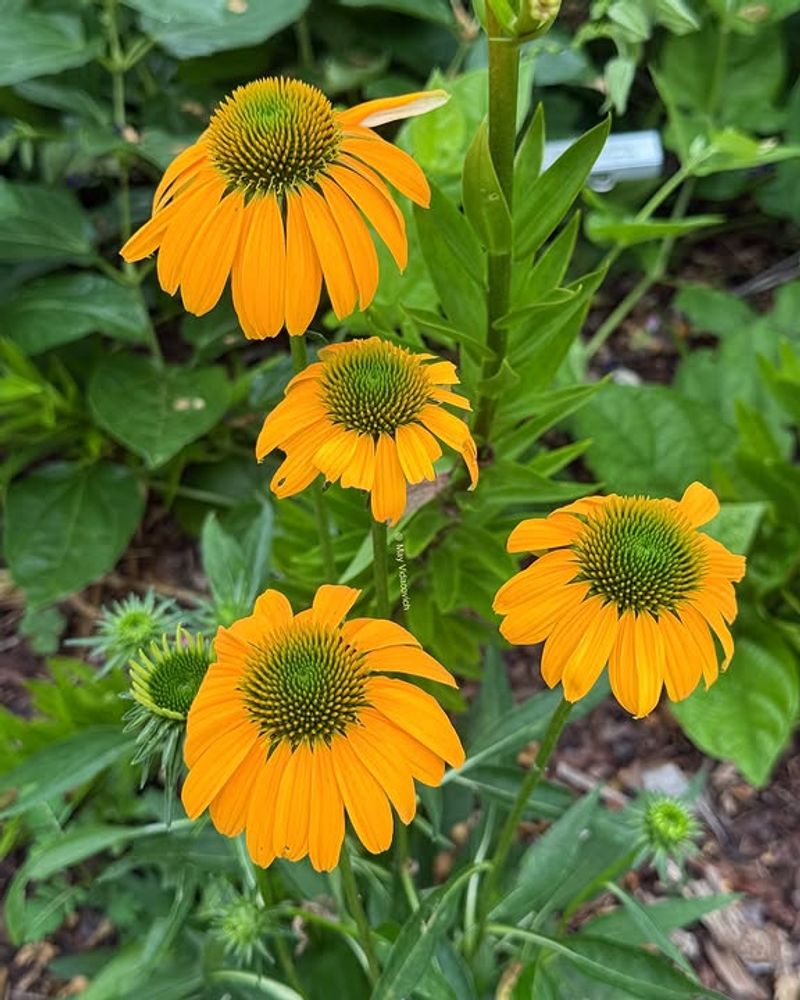
Newly planted coneflowers need a little extra attention during their first season in the ground.
Right after planting, the roots are still finding their way into surrounding soil, which means the plant depends on you to keep moisture consistent while that process happens.
Watering deeply two or three times a week during dry spells gives new plants the steady support they need to settle in without stress.
Once coneflowers are established, usually after their first full growing season, they become noticeably more drought tolerant. That is one of the reasons North Carolina gardeners love them so much.
A plant that can handle summer heat and occasional dry stretches without constant attention is a genuine gift in a busy garden. At that stage, you can pull back on watering and let natural rainfall do most of the work during normal weather patterns.
One thing worth keeping in mind is that overwatering established coneflowers can actually cause more problems than underwatering. Constantly wet soil around mature roots encourages rot and can weaken the plant over time.
Aim to water when the top inch or two of soil feels dry, and always water thoroughly rather than lightly and frequently. Deep, infrequent watering encourages roots to grow downward, which makes the whole plant more resilient.
Getting this balance right early on builds the kind of strong, healthy coneflower that returns bigger and more beautiful with every passing season in your North Carolina garden.
4. Avoid Spraying The Leaves When Watering
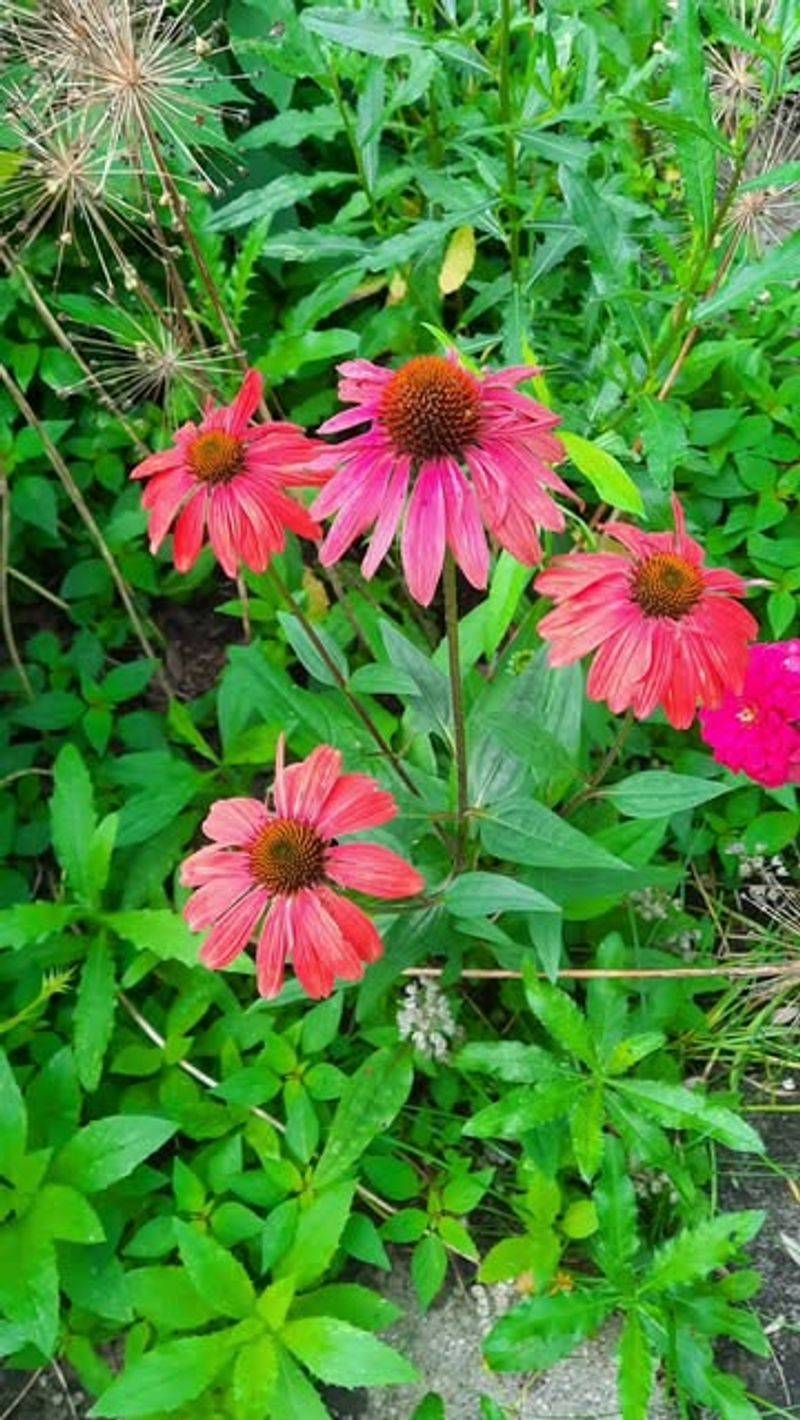
North Carolina summers are famously humid, and that moisture in the air already puts some pressure on garden plants.
Adding more moisture directly to the leaves by watering overhead can create conditions where fungal issues take hold faster than you might expect.
Keeping the foliage as dry as possible is a simple habit that pays off in a big way over the course of the growing season.
Watering at soil level, right at the base of each plant, is the most effective approach. A soaker hose or drip irrigation system makes this almost effortless, but even a regular hose held low to the ground does the job well.
The goal is to deliver water directly to the root zone where the plant actually needs it, rather than rinsing the leaves and creating a damp surface where problems can start.
Morning watering also helps because any accidental splash on foliage has time to dry before evening.
Gardeners who switch to base watering often notice cleaner, greener leaves throughout the season compared to plants that get overhead watering regularly.
Better airflow and drier foliage work together to keep the plant looking its best even during the hottest and most humid stretches of a North Carolina summer.
It is a small adjustment in routine that costs nothing extra but genuinely improves plant health from top to bottom. Combine this habit with proper spacing and good drainage, and your coneflowers will have every advantage they need to stay vibrant and strong.
5. Give Each Plant Room For Airflow
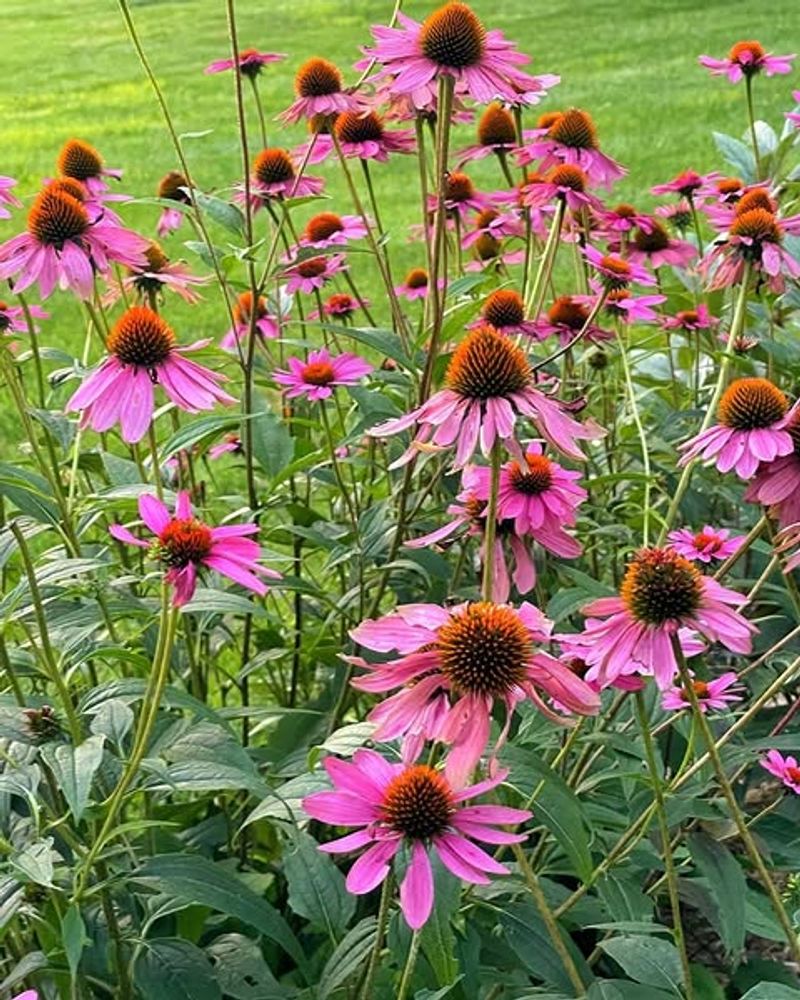
Crowding plants together is one of the most common mistakes in any garden, and coneflowers are no exception.
When plants grow too close to each other, the leaves and stems trap humidity between them, especially during North Carolina’s warm, wet summers.
That trapped moisture creates exactly the kind of environment where powdery mildew and leaf spot problems love to get started. Most coneflower varieties do best when planted about eighteen to twenty-four inches apart.
That spacing gives each plant room to spread naturally, lets air move freely between the stems, and allows sunlight to reach the inner parts of the plant where it might otherwise be blocked.
The result is a planting that looks full and lush from a distance but actually has healthy breathing room at the individual plant level.
Good spacing also makes maintenance easier. You can reach in to remove spent blooms, check for problems, or add a light layer of mulch without damaging neighboring plants.
Over time, established coneflowers will spread on their own through offsets and self-seeding, so leaving a little extra room now gives the planting space to grow naturally without becoming a tangled mess.
Think of proper spacing as an investment in the long-term health and beauty of your garden.
Plants that have room to breathe almost always bloom better, look fuller, and stay stronger through the season than those packed tightly together. A little space now means a much more rewarding display every summer going forward.
6. Remove Some Spent Blooms For More Flowers
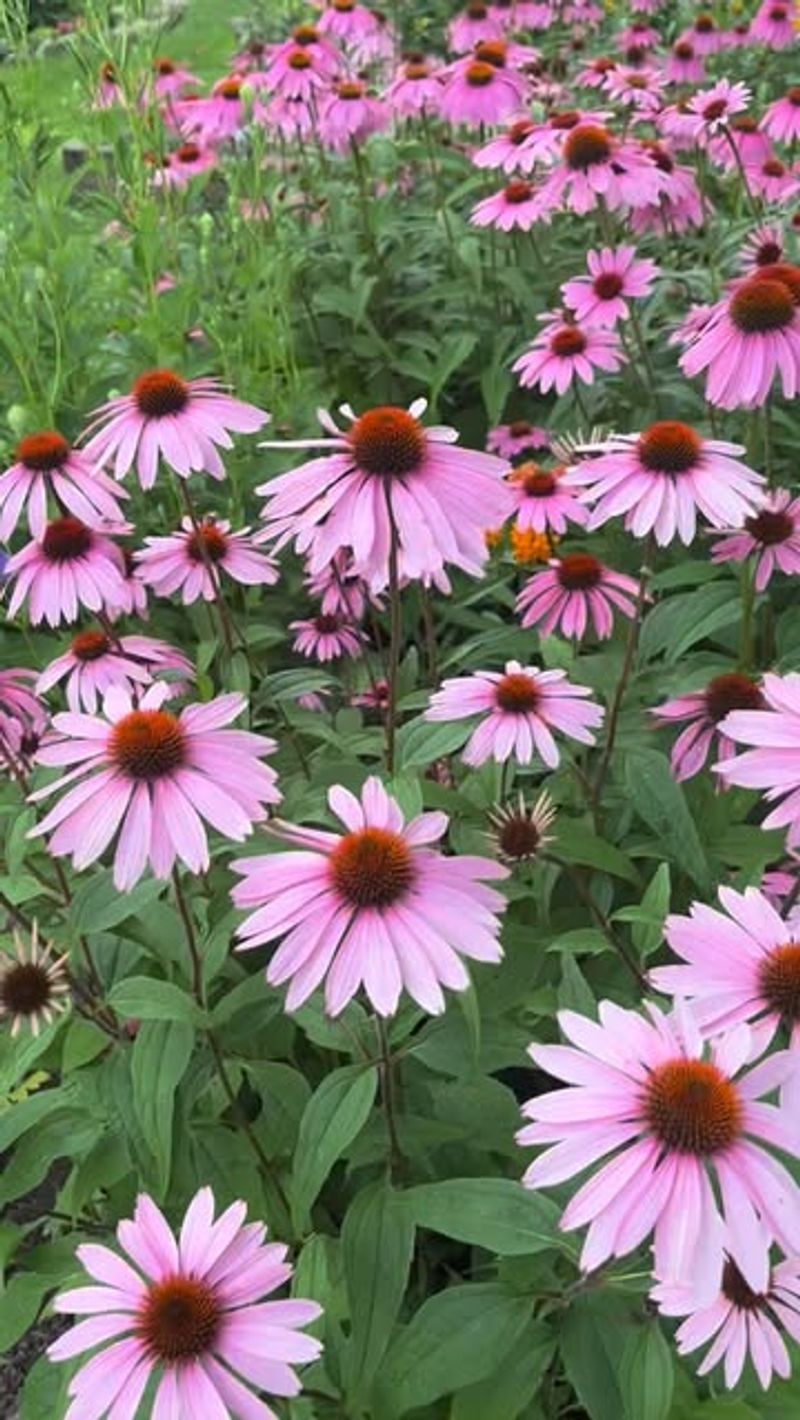
Deadheading is one of those gardening habits that feels almost too simple to make a real difference, but with coneflowers it genuinely works.
When you remove a flower that has already passed its peak, the plant redirects energy toward producing new buds instead of putting resources into forming seeds.
The result is a longer blooming season with more flowers opening over a greater stretch of time throughout summer.
You do not need any fancy tools for this. A clean pair of garden snips or even your fingers work perfectly well.
Snip the faded bloom just above the nearest set of leaves or a developing side bud, and the plant will typically respond within a week or two with fresh new growth.
Doing a quick pass through your coneflower bed every week or so during peak bloom season keeps things looking tidy and encourages that continuous flowering cycle.
Here is where things get interesting though: you do not have to remove every single seed head as the season winds down.
Leaving a few of the later blooms to mature fully on the stem gives local birds, especially goldfinches, a natural food source heading into fall.
It also allows some seeds to drop naturally, which can result in new seedlings popping up nearby the following spring.
Striking a balance between deadheading for more blooms early in the season and letting a few seed heads stay later on gives you the best of both worlds in your North Carolina garden.
7. Skip Heavy Fertilizer
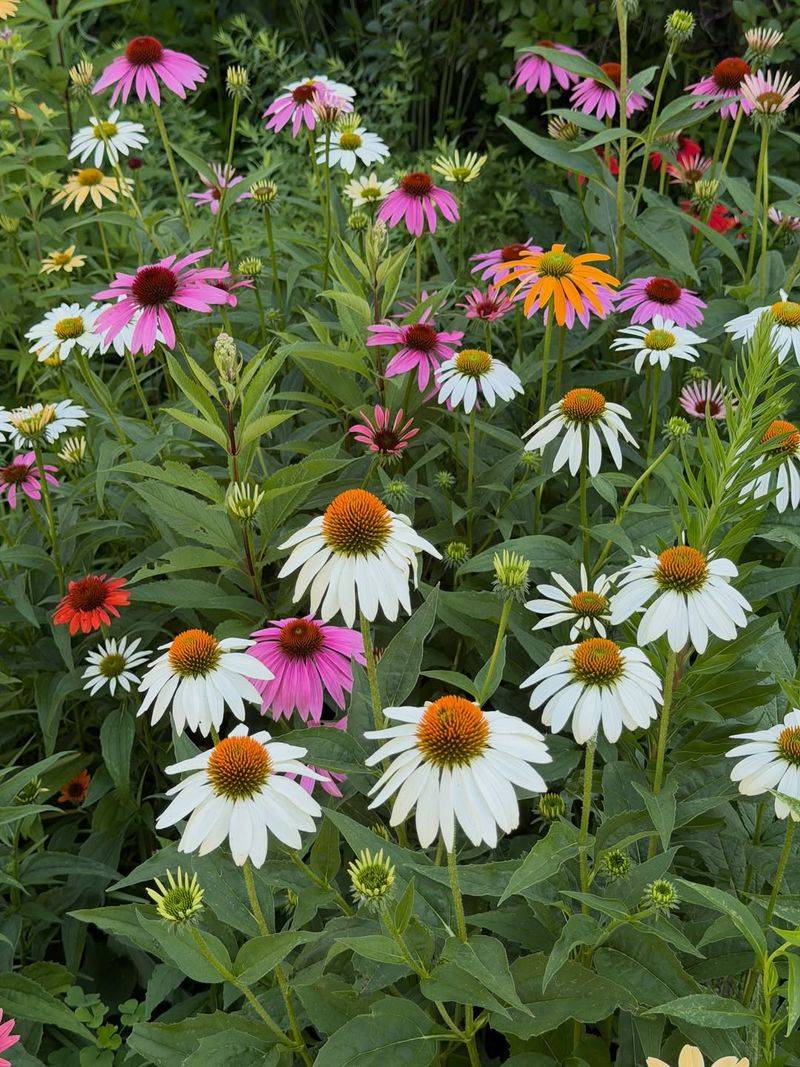
Coneflowers have a reputation as low-maintenance plants, and one big reason for that is their modest appetite when it comes to nutrients.
Unlike vegetables or annuals that need regular feeding to keep producing, coneflowers evolved in lean, open-meadow conditions where the soil was never particularly rich. Trying to push them with heavy fertilizer often backfires in a frustrating way.
Too much nitrogen, the nutrient most commonly found in high concentration in synthetic fertilizers, tends to push plants toward lush leafy growth at the expense of flowers.
You end up with big, bushy plants that look healthy but produce far fewer blooms than you hoped for.
In a North Carolina garden with decent native or amended soil, most established coneflowers simply do not need supplemental feeding to perform beautifully year after year.
If your soil is genuinely poor or sandy with very low organic matter, a light topdressing of finished compost worked gently into the surface around the base of each plant in early spring is usually all that is needed.
Compost releases nutrients slowly and steadily, improves soil structure, and supports the beneficial organisms that keep garden soil healthy over time. Skip the granular fertilizer and let the compost do the quiet, steady work instead.
Focusing on good drainage, adequate sunlight, and healthy soil structure gives coneflowers everything they need to produce a stunning bloom season without any of the complications that come with overfeeding. Simple really is better with these plants.
8. Watch For Leaf Spots And Powdery Growth Early
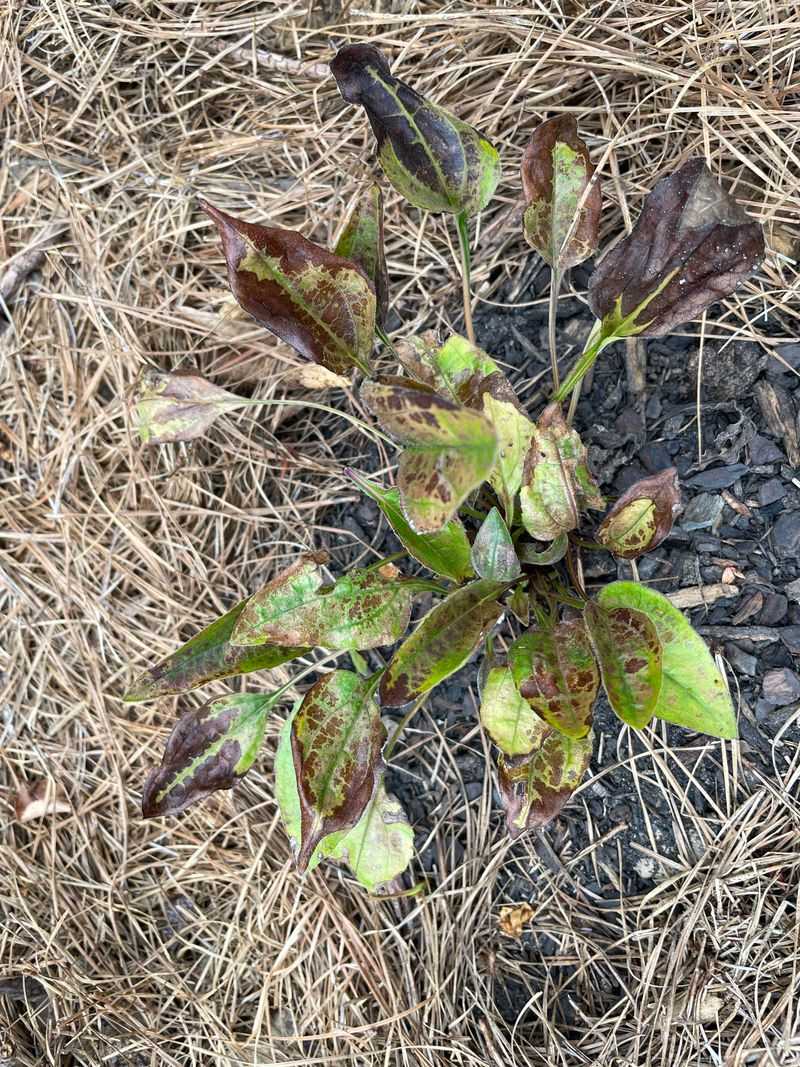
Humid summers in North Carolina create ideal conditions for a couple of common coneflower issues: powdery mildew and various leaf spot diseases.
Powdery mildew shows up as a pale, dusty white coating on the surface of leaves, while leaf spot causes darker, irregular patches that spread across the foliage.
Neither issue is a garden emergency, but catching them early makes managing them much easier and less disruptive to the plant overall.
Start checking your plants regularly once the weather turns consistently warm and humid, usually by mid-summer in most parts of the state. Look at the undersides of leaves as well as the tops, since problems often start in less visible spots.
When you notice early signs of trouble, the first step is improving airflow around the affected plants. Removing any badly affected leaves and disposing of them away from the garden bed helps stop the spread to healthy foliage nearby.
Watering at soil level rather than overhead, giving plants proper spacing, and avoiding late-evening watering all help reduce the conditions these issues thrive in.
For persistent powdery mildew, some gardeners have success with a diluted neem oil spray applied in the early morning when temperatures are cooler.
Choosing coneflower varieties that are noted for better disease resistance is also a smart move when adding new plants to your garden.
Staying observant and acting quickly at the first sign of trouble keeps your plants looking clean, healthy, and full of blooms through the entire growing season.
9. Let A Few Seed Heads Stay For Future Plants
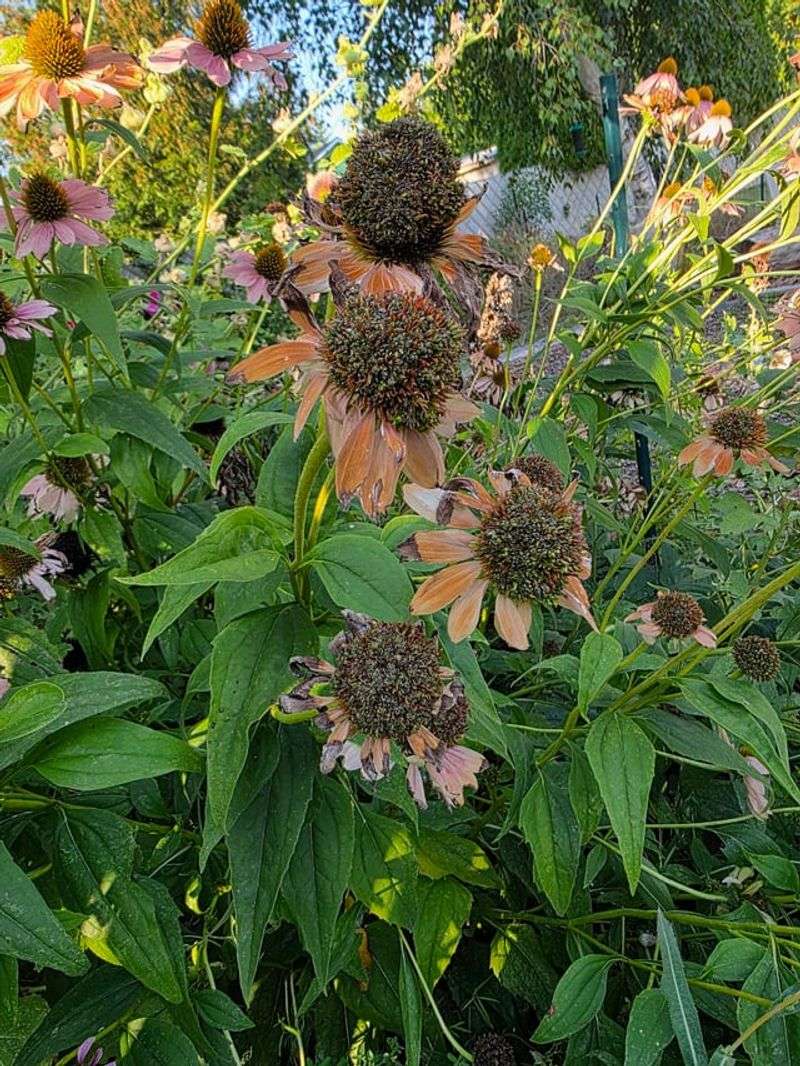
Once the main bloom season winds down and temperatures begin to cool, resist the urge to cut every coneflower stem back to the ground.
Those spiky brown seed heads that remain after the petals fall are actually one of the most valuable parts of the plant during the fall and winter months.
Goldfinches and other small birds actively seek them out, clinging to the stems and picking out seeds as a natural and nutritious food source.
Beyond feeding wildlife, leaving seed heads in place gives the planting a chance to renew itself naturally.
Coneflower seeds that drop to the soil below can germinate the following spring, producing fresh new seedlings that gradually fill in gaps or expand the planting over time.
This natural reseeding process is one of the reasons a well-established coneflower bed seems to get fuller and more impressive with every passing year without much extra effort from the gardener.
Not every seed will sprout, and some seedlings may not appear exactly where you want them, but that unpredictability is part of what makes a naturalistic pollinator garden feel alive and dynamic.
You can always transplant young seedlings in early spring if they pop up in an inconvenient spot.
Leaving seed heads also adds genuine winter interest to the garden, with the textured brown forms catching light and adding structure when most other plants have faded back.
It is one of the simplest and most rewarding things you can do for your North Carolina coneflower garden at the end of the season.