The One Thing North Carolina Blueberry Growers Should Stop Doing In July
Blueberry care advice is full of things to add, apply, and adjust, and that abundance of recommendations makes it easy to miss the fact that one very common July habit is actively working against the bushes it is meant to help.
North Carolina growers who have struggled with soft fruit, reduced shelf life, or bushes that seem perpetually stressed despite attentive care are often tracing that problem back to one specific practice applied during the wrong window of the season.
Stopping it does not require replacing it with anything complicated.
It requires recognizing that the plant is better served by less intervention during this particular period than by the continued application of something that made sense earlier in the year but does real damage in July.
1. Stop Treating July Like Spring Feeding Season
Springtime fertilizer habits are hard to shake, especially when your blueberry bushes look so full and green in July. The problem is that July is not spring, and your plants are not in the same growth phase they were back in April or May.
Feeding them like it is still planting season can actually push the bushes in the wrong direction.
Blueberries follow a natural seasonal rhythm. By midsummer, they have already pushed their main growth for the year and are quietly starting to wind things down.
When growers apply fertilizer too late, the plant responds by sending out fresh, soft growth instead of slowing down the way it should.
That tender new growth is a problem because it has not had enough time to toughen up. As temperatures shift later in the year, those soft shoots are the most vulnerable parts of the plant.
They have not hardened off properly, and that can set your bushes back significantly before next season even begins.
Think of your blueberry bush like an athlete heading into the off-season. You would not ask a marathon runner to sprint harder right before their rest period.
Your bush needs a chance to slow down naturally, store energy, and prepare for what comes next. Fertilizing in July without following a careful, region-specific schedule disrupts that process entirely.
The smartest move a North Carolina grower can make in July is to step back from the fertilizer bag and trust the plant’s natural timeline.
2. Extra Nitrogen Can Push Soft Late Growth
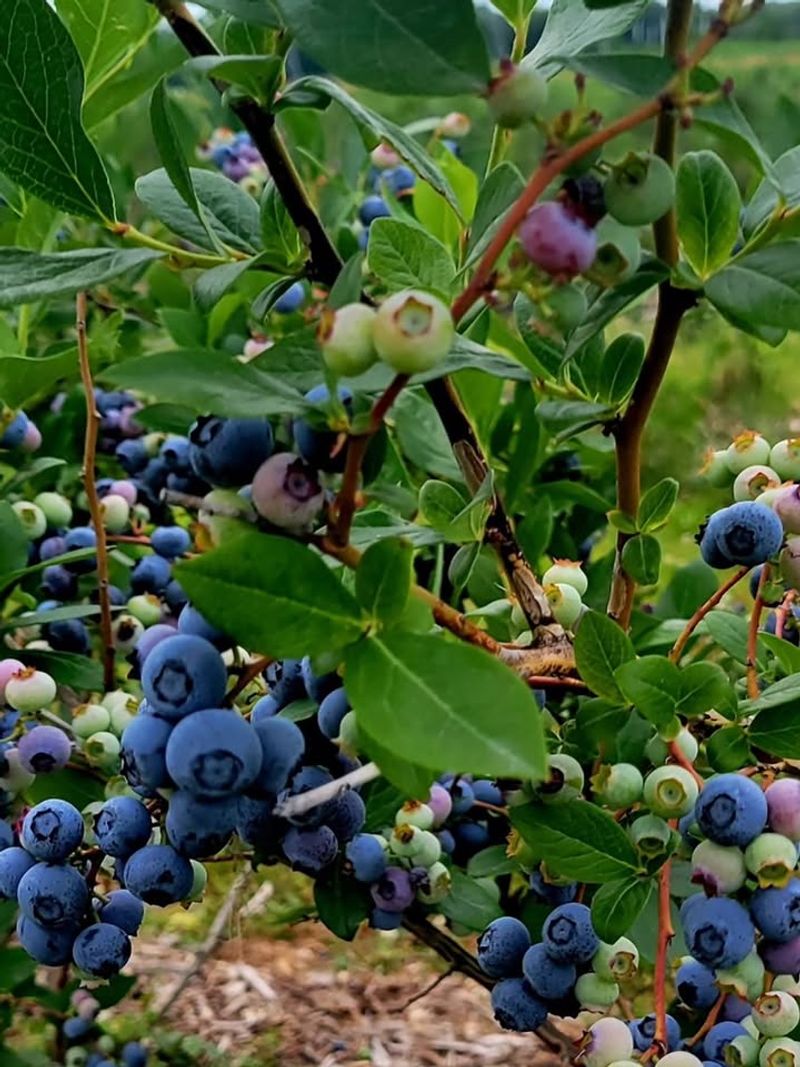
Nitrogen is one of the most powerful tools in a gardener’s toolbox, but timing is everything. When you apply nitrogen-rich fertilizer in July, your blueberry bushes respond quickly by pushing out fresh, leafy growth.
That sounds like a good thing at first glance, but those soft new shoots come with a serious catch.
Late-season growth on a blueberry bush is not the same as spring growth. Spring shoots have weeks of warm, stable weather ahead of them to strengthen and mature.
July growth does not get that luxury. By the time those new shoots appear, the season is already moving toward cooler temperatures, and the plant has far less time to harden them off.
Your North Carolina Garden Changes Every Week. Your Plan Should Too.
Gardening in North Carolina changes quickly throughout the season. Every Friday you’ll receive a simple weekly plan showing exactly what to plant, prune, fertilize, harvest, and protect so you never miss the right timing.
Soft tissue on a blueberry bush is always the most vulnerable. It has not developed the tougher cell walls that protect older growth.
When conditions shift later in the year, those tender shoots are the first parts of the plant to suffer. That means potential damage to tissue your bush worked hard to produce, and that energy cannot be reclaimed.
Here is the part most growers do not think about: every bit of energy your bush puts into late, nitrogen-pushed growth is energy it is not saving for next season’s fruit production.
Blueberries store resources in their roots and older wood to fuel next year’s blooms and berries. Sending that energy into soft, late shoots is essentially borrowing from next summer’s harvest.
Keeping nitrogen applications on a careful schedule, not just when the mood strikes, is one of the simplest ways to protect your blueberry crop long-term.
3. Young Blueberry Bushes Need The Most Caution
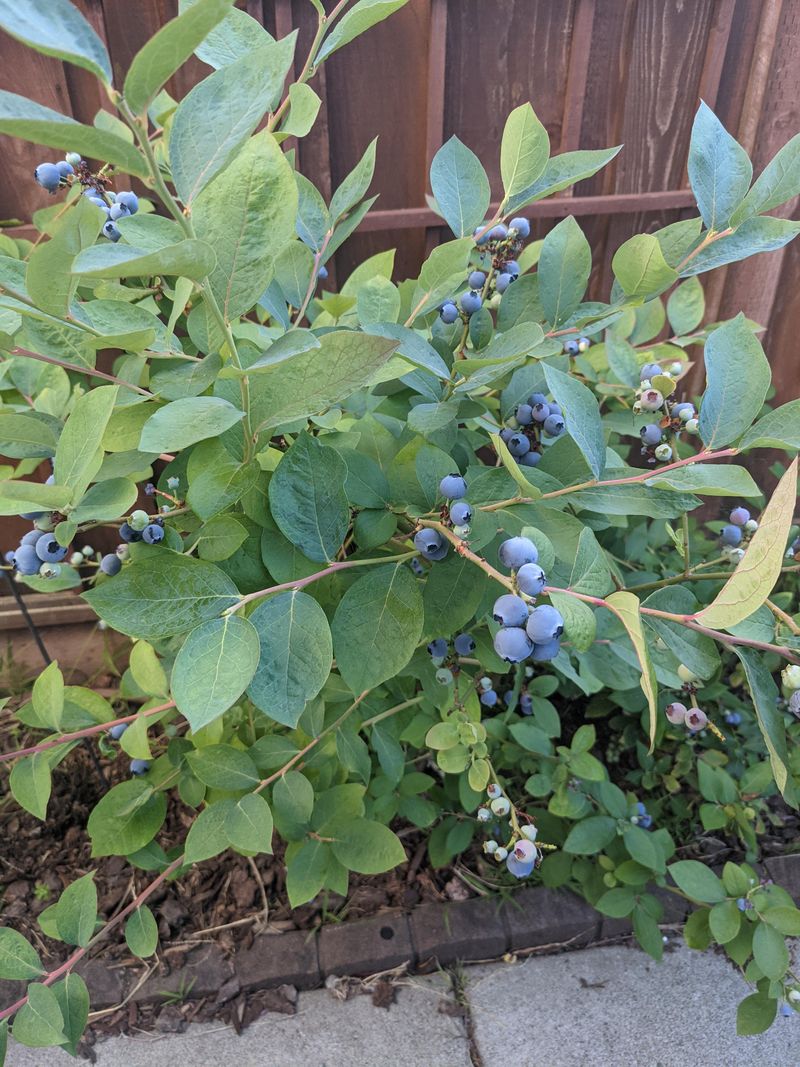
Young blueberry bushes are not miniature versions of mature plants. They are still building their root systems, learning to manage water, and figuring out how to settle into their new environment.
That makes them far more sensitive to fertilizer timing mistakes than established bushes that have been in the ground for years.
NC State University’s guidelines are clear on this point. For first-year blueberry plants, fertilizer applications should follow a strict schedule and stop by midsummer.
Pushing fertilizer past that window on a young bush is not just unnecessary, it can genuinely work against the plant’s development.
Young roots are more easily stressed by excess nutrients, and the risk of pushing unwanted late growth is even higher on plants that are not yet fully established.
A young bush that gets late nitrogen feeding may respond by sending out growth it simply cannot support. Without a deep, strong root system to back it up, that growth can leave the plant in a weakened state heading into its next growing season.
The goal for a first or second-year bush is steady, balanced development, not a burst of late summer shoots.
Patience really does pay off with young blueberries. Growers who respect the midsummer cutoff and allow their young plants to settle naturally into dormancy tend to see stronger, healthier bushes in years two and three.
Think of it as building a solid foundation rather than rushing the process and risking setbacks that take multiple seasons to recover from.
4. The Right Cutoff Depends On Your North Carolina Region
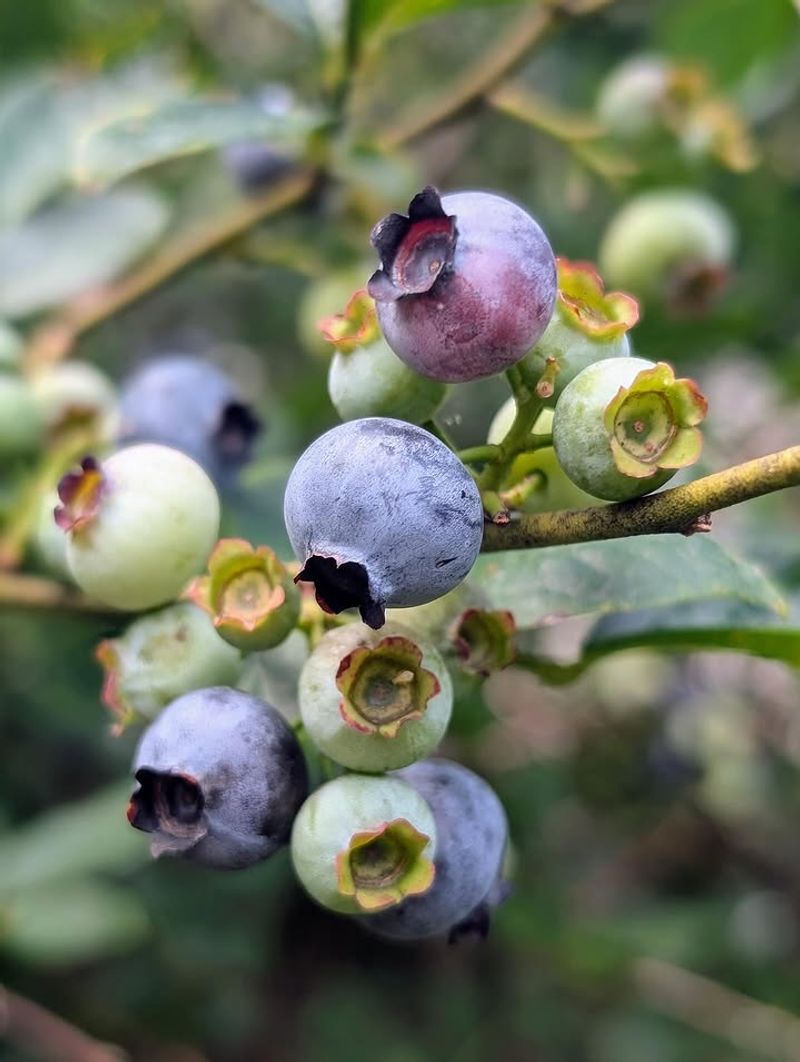
North Carolina is not a one-size-fits-all state when it comes to gardening. The Mountains in the west and the Coastal Plain in the east have very different climates, and those differences matter a great deal when you are planning your blueberry fertilizer schedule.
Treating the whole state like a single growing zone is one of the most common mistakes growers make.
NC State University provides a first-year blueberry fertilizer schedule that takes these regional differences seriously. For growers in the Mountains, fertilizer applications for young bushes should wrap up by mid-July.
For those in the Coastal Plain, the window extends a bit longer, with mid-August as the cutoff. That difference exists because the Mountain region shifts toward cooler temperatures earlier, giving plants less time to harden off any late growth.
Growers in the Piedmont fall somewhere in between, and checking with your local NC State Cooperative Extension office is always a smart move if you are unsure where your property fits.
Extension agents can give you localized advice that accounts for your specific elevation, soil type, and typical weather patterns.
That kind of personalized guidance is far more reliable than following a general statewide rule.
The takeaway here is straightforward. Your neighbor’s fertilizer schedule might not be the right schedule for you, even if you live just a county or two apart.
North Carolina’s geography is rich and varied, and your blueberry bushes will thank you for respecting those regional differences. Knowing your zone is not optional, it is essential for getting the timing right every single year.
5. More Fertilizer Does Not Mean More Berries
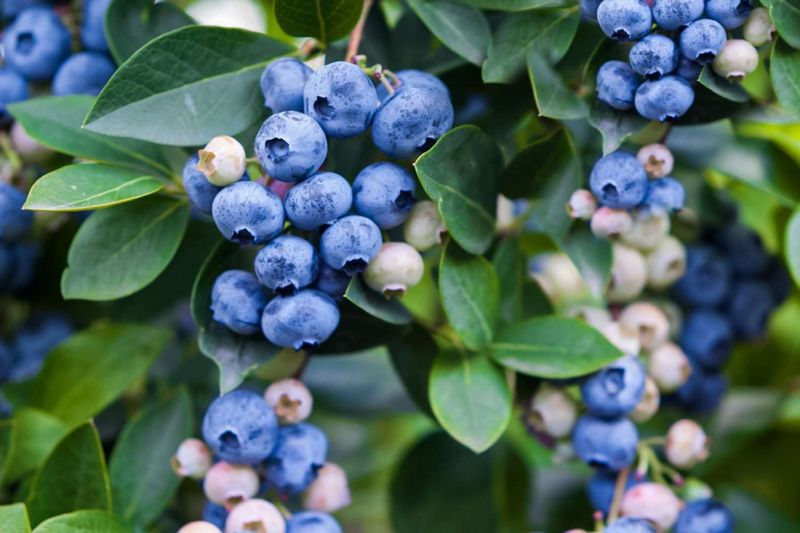
More is not always better, and blueberries prove that point beautifully. Many growers assume that adding extra fertilizer in July will supercharge their plants and lead to bigger, more abundant harvests.
The reality is almost the opposite. Blueberries are unusually sensitive to excess nutrients, and overfeeding them can create more problems than it solves.
A truly productive blueberry bush depends on a combination of factors working together. Soil acidity is one of the most important.
Blueberries thrive in soil with a pH between 4.5 and 5.5, and if that range is off, the plant struggles to absorb nutrients no matter how much fertilizer you apply. Adding more fertilizer to soil with the wrong pH is a bit like pouring water into a cracked bucket.
Steady moisture also plays a huge role. Blueberry roots are shallow and fibrous, which means they dry out faster than many other plants.
Mulch helps regulate soil temperature and keeps moisture from evaporating too quickly during North Carolina’s hot July days. Good drainage is equally important because waterlogged roots are just as harmful as dry ones.
Getting the right amount of fertilizer at the right time, in combination with proper soil acidity, consistent moisture, and good mulch coverage, is what actually produces a strong harvest.
Chasing bigger yields by piling on more fertilizer in late summer skips all of that nuance. The growers who see the best results year after year are the ones who focus on balance, not excess, and who trust the full picture of what healthy blueberry care actually requires.
6. July Is A Better Time To Watch Moisture And Mulch

Putting down the fertilizer bag in July does not mean stepping back from your blueberry bushes entirely.
July is actually one of the most important months for a different kind of care, and growers who shift their focus from feeding to moisture management often see a noticeable difference in how their plants perform.
The heat of a North Carolina summer can be intense, and your bushes feel every degree of it.
Blueberry roots are shallow, sometimes only a few inches deep, which makes them especially quick to dry out. Checking soil moisture regularly in July is one of the most valuable things you can do.
A simple finger test works well: push your finger an inch or two into the soil near the base of the bush. If it feels dry, your plant needs water.
Consistent moisture during fruit development and ripening is critical for berry quality. Mulch is your best friend during these hot months.
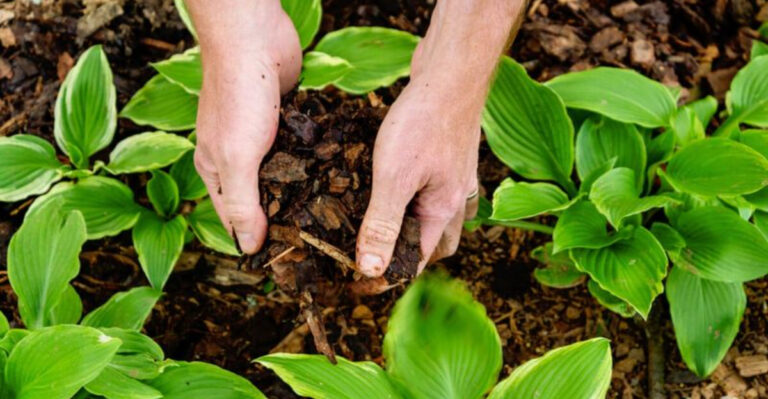
A four to six inch layer of pine bark or wood chip mulch around the base of each bush helps hold moisture in, keeps the soil temperature from spiking, and slowly breaks down to improve soil structure over time.
Pine bark mulch is especially popular with blueberry growers in North Carolina because it also contributes to soil acidity as it decomposes.
Drainage matters too. After a heavy summer rain, check that water is not pooling around your bushes.
Standing water around shallow roots can cause root stress quickly. Good drainage paired with steady moisture and strong mulch coverage gives your blueberries exactly what they need to thrive through July and beyond.
7. Soil Testing Beats Guessing With Blueberries
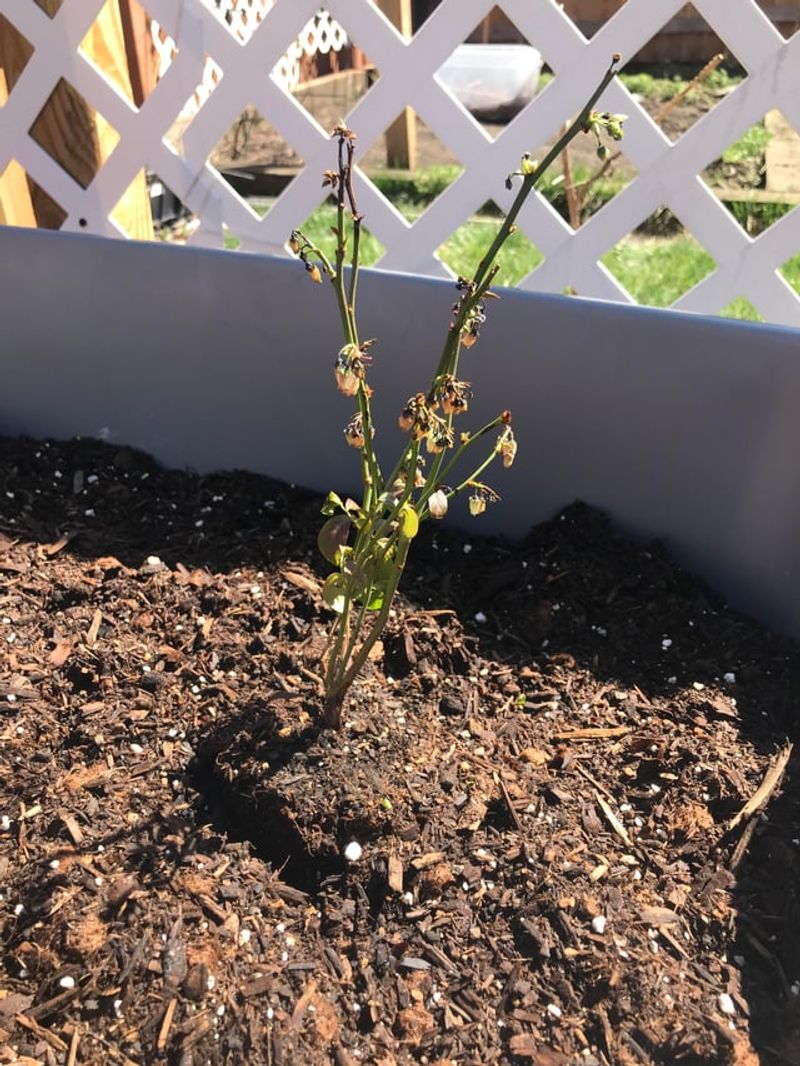
Guessing with blueberries is a gamble that rarely pays off. These plants have very specific soil needs, and without knowing exactly what your soil contains, every fertilizer or amendment decision you make is based on incomplete information.
Soil testing removes the guesswork and gives you a clear, accurate picture of what your garden actually needs.
Blueberries need acidic soil, and that requirement is not flexible. A soil pH between 4.5 and 5.5 is the sweet spot where blueberry roots can absorb nutrients efficiently.
When pH drifts above that range, even well-fertilized plants may show signs of nutrient deficiency because the roots simply cannot take up what is available in the soil.
Yellowing leaves, especially between the veins, are a common sign that something is off, but leaf color alone cannot tell you whether the problem is pH, nutrient levels, or something else entirely.
The NC Department of Agriculture and Consumer Services offers affordable soil testing through local Cooperative Extension offices.
A basic test will show you pH, phosphorus, potassium, and other key measurements, along with recommendations for what to add and how much. That information is far more useful than applying sulfur or fertilizer based on a hunch.
Testing in late summer or fall gives you time to make amendments before the next growing season begins. Adjusting soil pH takes time, sometimes several months, so acting on test results early puts you ahead of the curve.
Growers who test regularly and follow the results consistently tend to grow healthier, more productive blueberry bushes than those who rely on visual guessing alone.
8. The Takeaway For July Blueberry Care
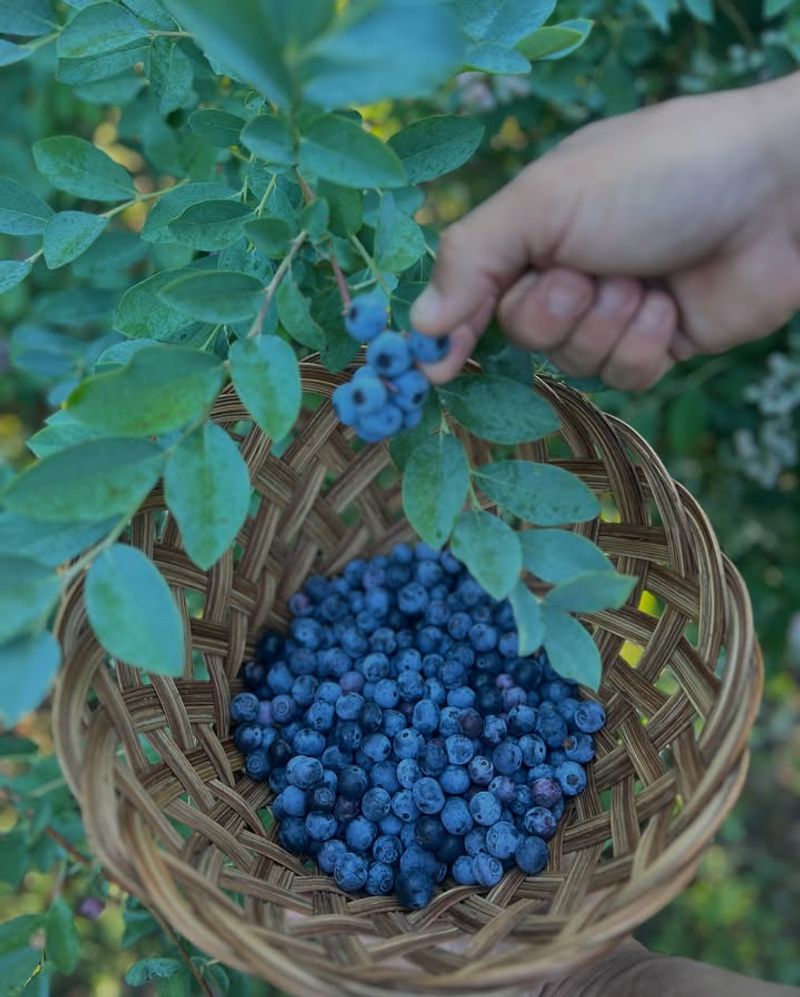
After everything we have covered, one clear message stands out for North Carolina blueberry growers heading into July: stop pushing late fertilizer unless your region-specific schedule from NC State genuinely calls for it.
That one habit, continuing to feed your bushes past the recommended cutoff, is the single most common mistake that quietly undermines plant health and next season’s crop potential.
Blueberry bushes are not asking for more food in July. They are asking for smart moisture management, a solid layer of mulch, and the freedom to follow their natural seasonal rhythm.
When growers respect that rhythm instead of fighting it, the plants respond with stronger root systems, better-hardened growth, and more productive flowering come spring. Every decision you make in July echoes forward into next year’s harvest.
Young bushes especially need growers to honor the midsummer cutoff. First-year plants are still finding their footing, and late fertilizer applications can push soft growth that those young roots are not equipped to support.
Established bushes are more resilient, but they still benefit from growers who know when to pull back and let nature take the lead.
Soil testing, consistent moisture checks, and region-aware scheduling are the real tools of a successful North Carolina blueberry grower. These are not complicated or expensive steps.
They are simply the right steps, taken at the right time. July is not a month to push harder.
It is a month to be thoughtful, observant, and patient. The growers who understand that tend to grow the best berries, season after season, without burning out their plants in the process.