The Georgia Weed That Spreads Faster After Summer Rain
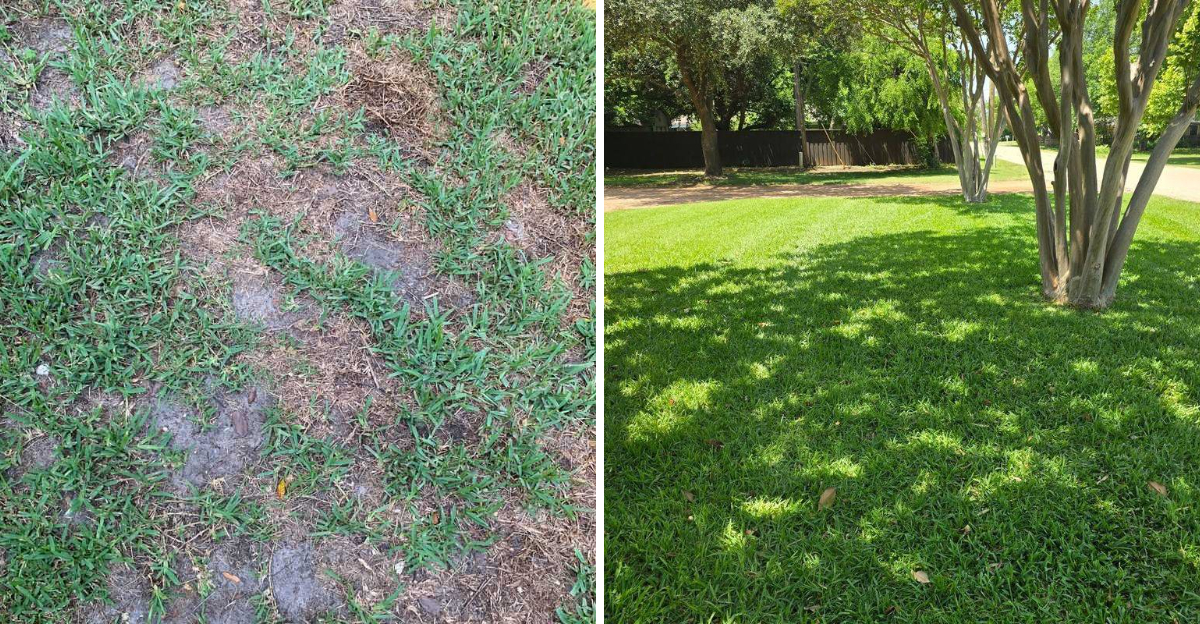
Nothing is more frustrating than clearing the same patch, only to find the weed back again after the next summer rain.
You finish the job feeling relieved, then notice fresh growth pushing through before the week is over.
That kind of comeback can make anyone question whether pulling it was worth the effort.
The problem often seems worse after a storm, when the soil is soft and everything starts growing faster.
Georgia gardens can give this weed exactly what it needs to spread quickly. What looks like a small patch can become a much bigger problem before you realize what is happening.
There is a reason this weed returns so aggressively after wet weather. Once you know what is helping it spread, the pattern becomes much easier to understand clearly.
1. Doveweed Spreads Quickly After Summer Rain
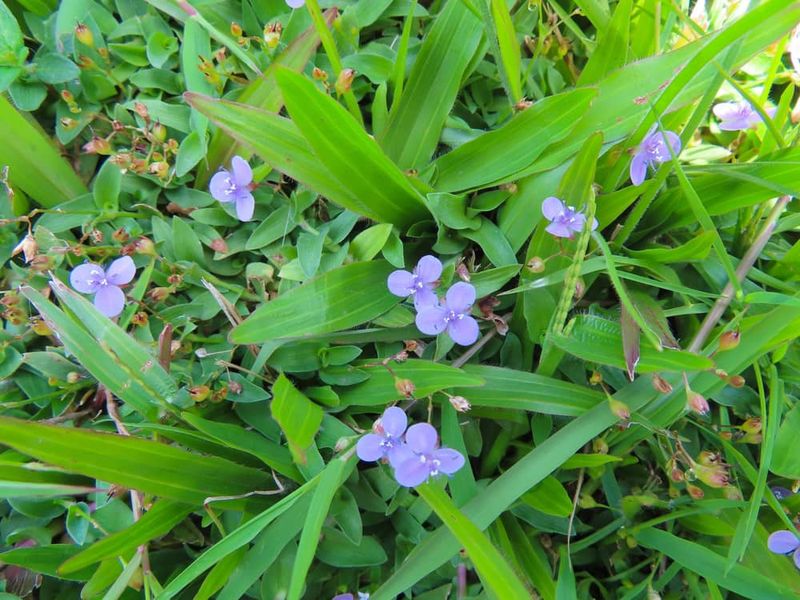
Rain hits, and doveweed wakes up. Few weeds respond to summer moisture as fast as this one does in warm, humid regions like Georgia.
Doveweed, known scientifically as Murdannia nudifolia, moves through lawns by rooting at its stem nodes. Each time a stem touches damp soil, it can anchor itself and begin growing a new plant.
One rainstorm can trigger a chain reaction across your yard.
Stems creep low along the ground, making the plant hard to spot until it has already spread. Fleshy, grass-like leaves blend in with turf, which delays detection.
By the time most homeowners notice it, several patches may already be established.
Summer rain also softens the soil, making it easier for stems to make contact and root down quickly. Wet conditions speed up germination from seeds already present in the soil.
Both spreading methods work at the same time after a good rain.
Warm nights keep growth going around the clock. Doveweed does not slow down between rain events if the soil stays moist.
Consistent humidity in the Southeast gives it a long active window each season.
Catching it right after a rain event, while the soil is soft and plants are small, is one of the most practical times to act.
2. Hot Wet Weather Creates Ideal Growing Conditions
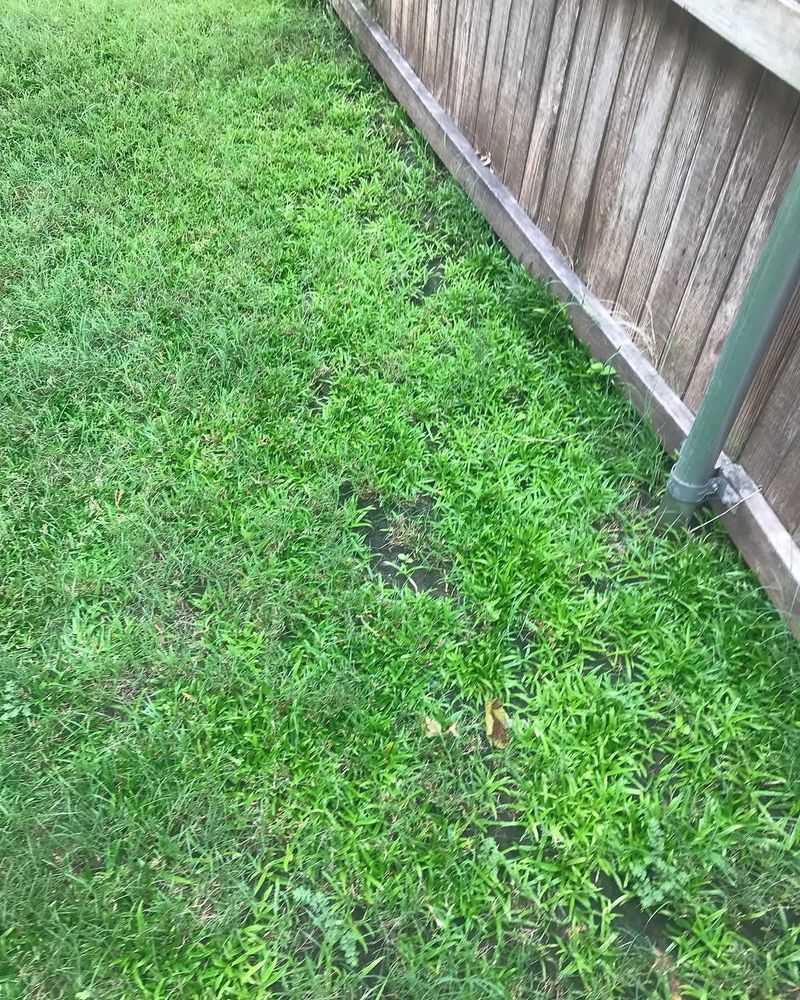
Doveweed was practically built for Georgia summers. High heat combined with frequent afternoon storms gives it everything it needs to grow fast and spread wide.
Soil temperatures above 65 degrees Fahrenheit trigger doveweed seed germination. Most of the Southeast hits those temperatures by late spring and stays there well into fall.
That long warm window gives this weed months of active growing time.
Afternoon thunderstorms are common across the region from June through September. Each storm deposits moisture that doveweed absorbs quickly.
Roots establish fast in warm, wet soil, and stems begin reaching outward within days.
Turf grasses under heat stress become less competitive during these months. When your lawn grass slows down, doveweed speeds up.
It fills gaps left by stressed or thin turf with surprising efficiency.
High humidity prevents the soil surface from drying out quickly between rain events. That sustained moisture near the soil surface is especially helpful for stem-rooting.
Your Georgia Garden Changes Every Week. Your Plan Should Too.
Gardening in Georgia changes quickly throughout the season. Every Friday you’ll receive a simple weekly plan showing exactly what to plant, prune, fertilize, harvest, and protect so you never miss the right timing.
A few dry days might not be enough to interrupt its growth cycle once it gets going.
Shaded areas stay wetter longer after rain, and doveweed takes advantage of that too. Spots under trees or along fence lines often show the heaviest infestations.
3. Pull Young Plants Before They Spread
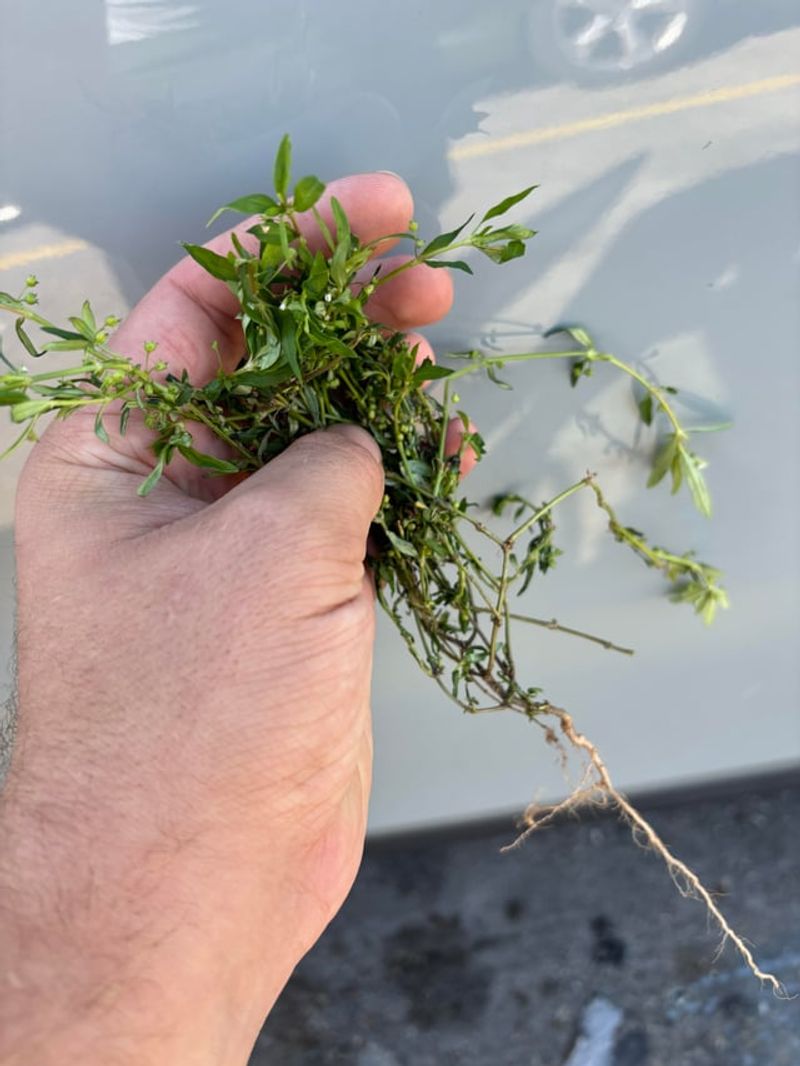
Young doveweed plants are far easier to manage than mature ones. Pulling them early, before they root at multiple nodes, is one of the most effective steps you can take.
Wet soil after rain makes hand-pulling much more practical. Roots come out cleaner when the ground is soft.
Dry, compacted soil tends to break stems off at the surface, leaving roots behind to regrow.
Grab the plant close to the soil line and pull steadily. Rushing the pull often snaps the stem.
A slow, firm tug usually brings the root system out intact, which reduces the chance of regrowth from leftover plant material.
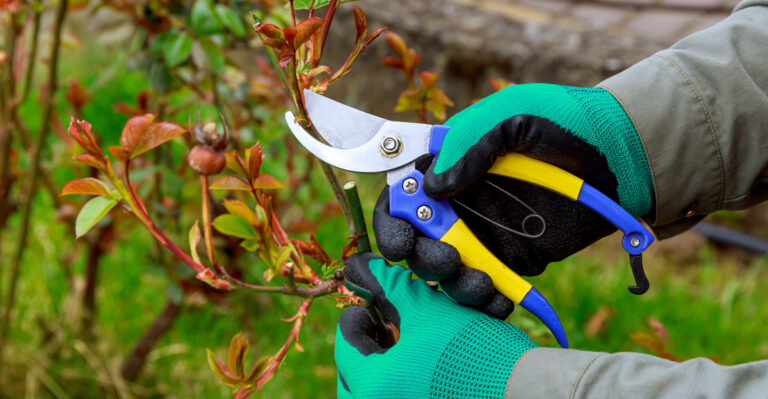
Wear gloves during removal. Doveweed sap can cause mild skin irritation in some people, especially with prolonged contact.
Rinsing your hands and tools after working in infested areas is a good habit.
Bag removed plants rather than leaving them on the lawn. Stems left on moist soil can re-root even after being pulled.
Disposing of them in a sealed bag keeps that from becoming a problem.
Check the same spots again after the next rain. New seedlings can emerge from seeds already in the soil, even after you remove existing plants.
4. Improve Drainage To Reduce New Growth
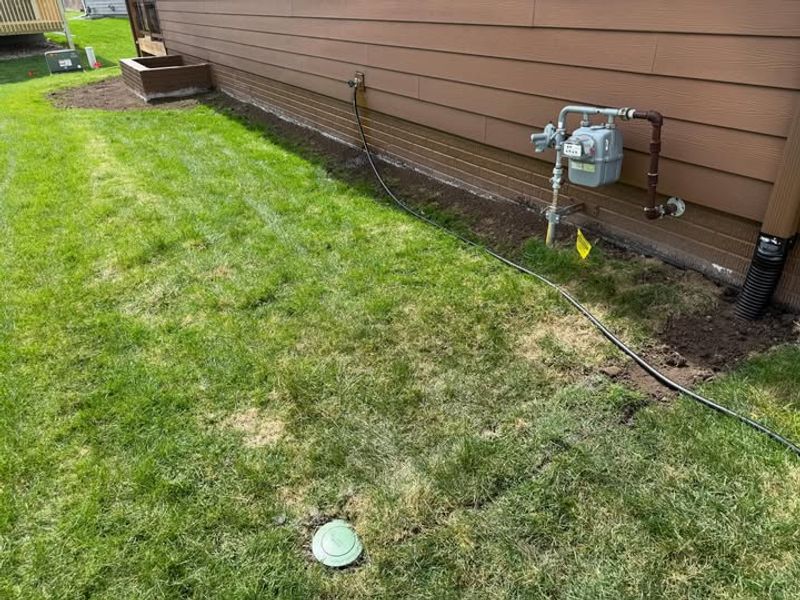
Standing water is an open invitation for doveweed. Low spots that collect water after rain are almost always the first places this weed shows up in a yard.
Poor drainage keeps the soil wet long after a storm passes. Doveweed thrives in that lingering moisture while your lawn grass struggles to breathe.
Improving drainage changes that balance in your favor.
Simple grading adjustments can redirect surface water away from problem areas. Even a slight slope toward a drainage outlet makes a noticeable difference.
Water that moves off your lawn quickly does not sit long enough to fuel doveweed growth.
Core aeration helps compacted soils absorb water more efficiently. Compacted ground sheds water across the surface rather than pulling it down into the root zone.
Aerating once or twice a year can improve how quickly your lawn processes rainfall.
French drains or catch basins work well for persistently wet areas that grading alone cannot fix. Installing one in a chronic low spot can change the entire behavior of water in that part of your yard.
A local landscaper familiar with the region can help assess what your specific situation needs.
Sand topdressing can also help in certain soil types. Adding a thin layer to low spots over time gradually raises the grade.
5. Healthy Turf Makes Invasion More Difficult
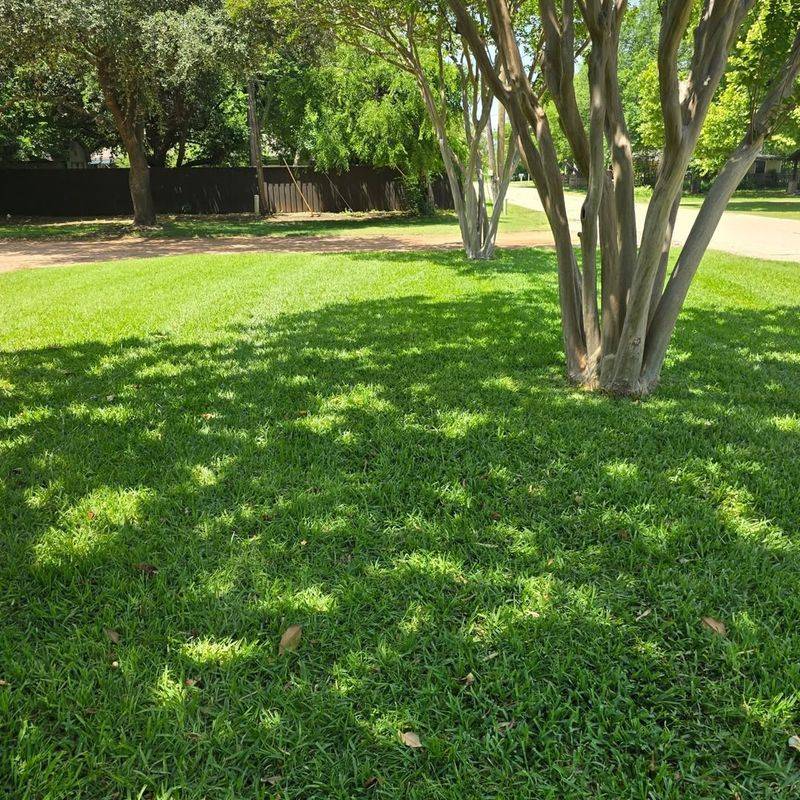
A thick, dense lawn is one of the best natural defenses against doveweed. Weeds struggle to establish when grass fills in tightly and leaves little open soil exposed.
Thin or patchy turf gives doveweed exactly the gaps it needs to get started. Bare spots, worn pathways, and areas recovering from stress are prime targets.
Keeping your lawn full and healthy reduces those vulnerable entry points.
Proper fertilization during the growing season supports vigorous turf growth. Grass that is well-fed competes more aggressively with weeds.
Using a soil test to guide your fertilizer choices helps avoid over- or under-feeding your lawn.
Mowing height matters more than most people realize. Cutting grass too short stresses the turf and opens the canopy to sunlight, which weed seeds need to germinate.
Keeping warm-season grasses at their recommended height gives your lawn a competitive edge.
Overseeding thin areas in the appropriate season helps close gaps before doveweed can move in. Bare patches left unaddressed tend to attract weeds faster than you might expect.
Addressing those spots proactively is much easier than managing a full infestation later.
Watering deeply but less frequently encourages deeper root development in your grass. Shallow, frequent watering keeps the soil surface wet, which benefits doveweed more than your turf.
6. Remove Plants Before They Produce Seeds
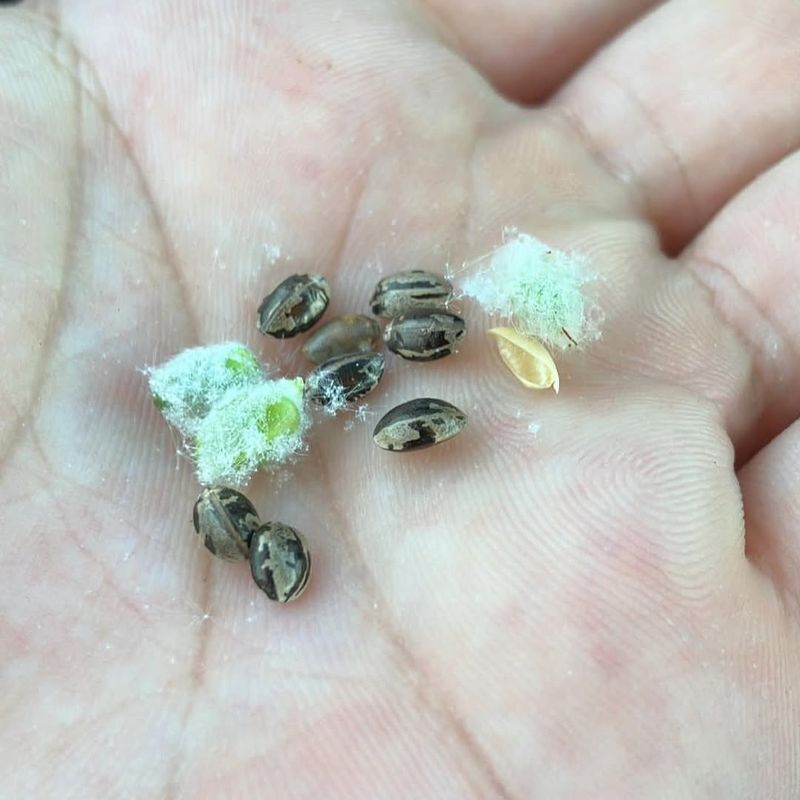
Seed production is where doveweed goes from a manageable problem to a multi-season headache. Each plant can produce a significant number of seeds before the season ends.
Doveweed produces small, inconspicuous purple flowers that are easy to overlook. Those flowers develop into seed pods quickly in warm conditions.
Missing that window means next year’s seed bank gets a major deposit.
Seeds that fall into the soil can remain viable for more than one season under the right conditions. Removing plants before they flower is more effective than waiting until seeds are visible.
Acting at the right time breaks the cycle before it compounds.
Walk your lawn regularly during late summer and early fall. Look for plants that have shifted from leafy growth to producing flower buds.
Catching them at that stage and removing them before seeds drop makes a real difference over time.
Bagging removed plants that are already flowering is especially important. Flowers can continue developing into seeds even after the plant is pulled from the ground.
Leaving flowering plants loose on the lawn surface is a risk worth avoiding.
Reducing the seed bank in your soil takes consistent effort over more than one season. Each year you prevent seed production, you lower the number of plants that emerge the following summer.
7. Watch Damp Areas For New Patches
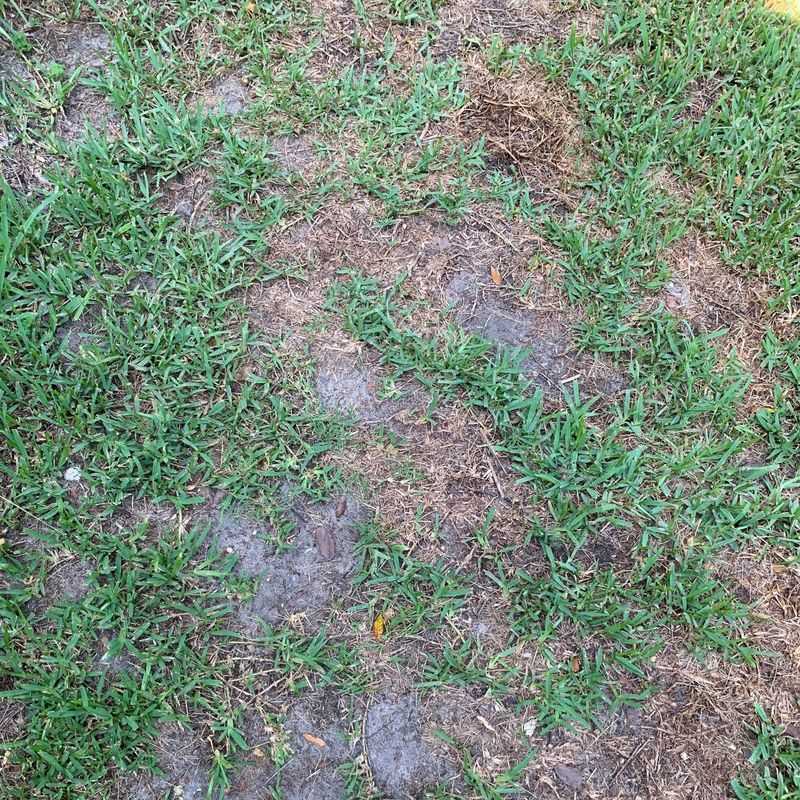
Damp corners of a yard are where doveweed tends to show up first. Spots near downspouts, irrigation heads, or shaded fence lines stay wet longer and attract this weed consistently.
Making a habit of checking those areas after each rain event helps catch new patches early. Early-stage plants are small and easy to remove.
Waiting until patches are large and rooted in multiple places makes removal much harder.
Note where water pools or drains slowly after a storm. Those spots are reliable indicators of where doveweed is most likely to establish next.
Keeping a mental map of your yard’s wet zones helps you prioritize where to look.
Shaded areas under trees or along the north side of structures tend to stay damp even without standing water. Soil in those spots evaporates moisture slowly, which doveweed uses to its advantage.
A quick visual check of those zones every week or two during summer can catch problems before they expand.
New patches often appear at the edges of existing infestations. Stems creeping outward root into surrounding soil and start fresh colonies nearby.
Monitoring the perimeter of known patches, not just the center, gives a more complete picture of how far the weed has traveled.
Consistent observation over the growing season is more useful than a single inspection.