The Wyoming Natives Built For Wind And High Elevation
Wyoming does not negotiate with anything soft. Wind rips across open plains at speeds that would snap a greenhouse orchid in half, while nighttime temperatures at elevation can swing forty degrees before sunrise.
Most nursery plants would surrender by October. The natives here treat that same stretch as a Tuesday. These species evolved through short growing seasons, thin alpine air, and soil that barely qualifies as soil in some counties.
This is not about picking pretty plants for a flower bed. It is about understanding a landscape shaped by pressure, scarcity, and stubborn survival instincts passed down over centuries.
Gardeners, land restorers, and curious hikers alike will find something worth studying in these eight species built for a state that does not do gentle.
1. Rocky Mountain Juniper
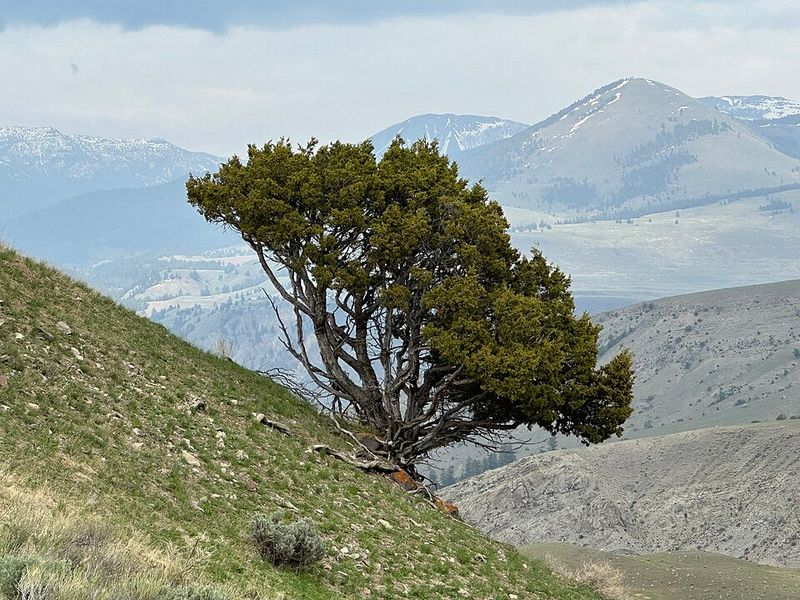
Wind does not scare Rocky Mountain Juniper one bit. This tough, twisting evergreen has been anchoring itself to rocky slopes and exposed ridgelines across the Mountain West for centuries.
Rocky Mountain Juniper grows in places where most trees simply give up. Poor soil, steep terrain, and bone-dry summers are just Tuesday for this plant.
Its bark spirals like a wrung-out towel, a physical sign of how it handles constant wind pressure. That spiral grain is thought to help the tree stay standing when gusts would snap a straighter trunk clean.
The blue-gray berries are not just pretty. Birds like cedar waxwings and bluebirds rely on them heavily during cold months when other food sources disappear.
This tree also pulls double duty as a windbreak. Ranchers and wildlife managers plant rows of them to protect pastures and create shelter corridors for deer and elk.
At high elevation, it grows slowly and lives for hundreds of years. Some specimens in Wyoming have been standing since before European settlers ever crossed the Mississippi.
For gardeners, it needs almost no supplemental water once established. Plant it, walk away, and come back to a thriving, wildlife-friendly anchor for your landscape.
Few plants match its combination of toughness, longevity, and ecological value. Rocky Mountain Juniper is not just surviving Wyoming conditions, it is genuinely thriving in them, season after relentless season.
2. Plains Cottonwood
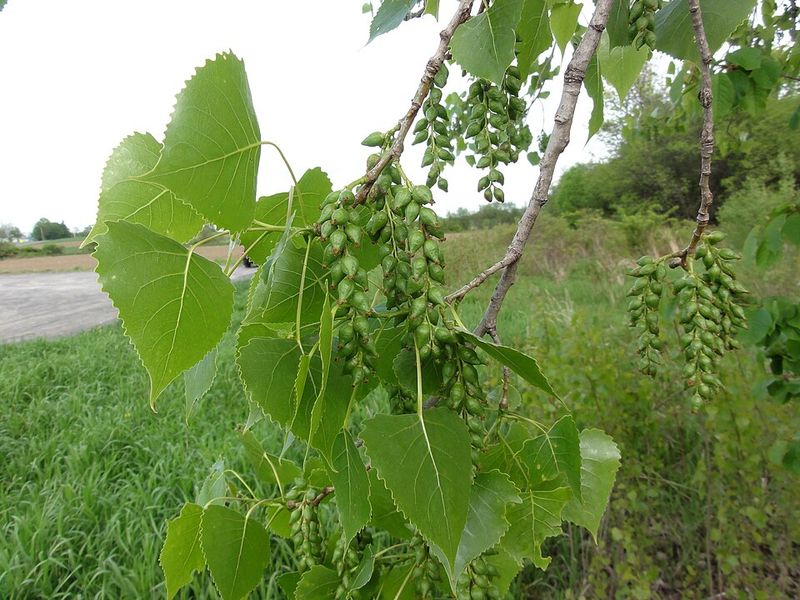
Few trees command a Wyoming river valley like the Plains Cottonwood. Its massive canopy, fluttering leaves, and cotton-like seeds drifting through summer air make it one of the most iconic sights in the region.
Cottonwood is fast. Seriously fast. It can grow several feet in a single season, making it one of the quickest native trees in North America.
That speed is a survival strategy. By shooting up quickly, it beats out competing plants for light and establishes deep roots before drought conditions set in.
The roots are legendary among landowners. They chase water aggressively, snaking toward streams, irrigation ditches, and even underground pipes with single-minded determination.
In fall, the leaves turn a brilliant gold that can rival a New England autumn. Drive through a Wyoming canyon in October and the cottonwoods will stop you in your tracks.
Wildlife depend heavily on this tree. Beavers chew the bark and branches, birds nest in its hollow cavities, and deer browse the young shoots in early spring.
For travelers crossing the open plains, a stand of cottonwoods has always meant one thing: water nearby. Ranchers and homesteaders once used these groves as natural markers for creeks and springs across otherwise featureless terrain.
Despite its love of water, Plains Cottonwood handles cold snaps and high-wind events with surprising resilience. Its flexible branches bend dramatically without breaking under pressure.
If you have a low-lying spot with decent moisture, this tree will transform it into a thriving habitat corridor. Plains Cottonwood earns every inch of space it occupies in the Wyoming landscape.
3. Limber Pine
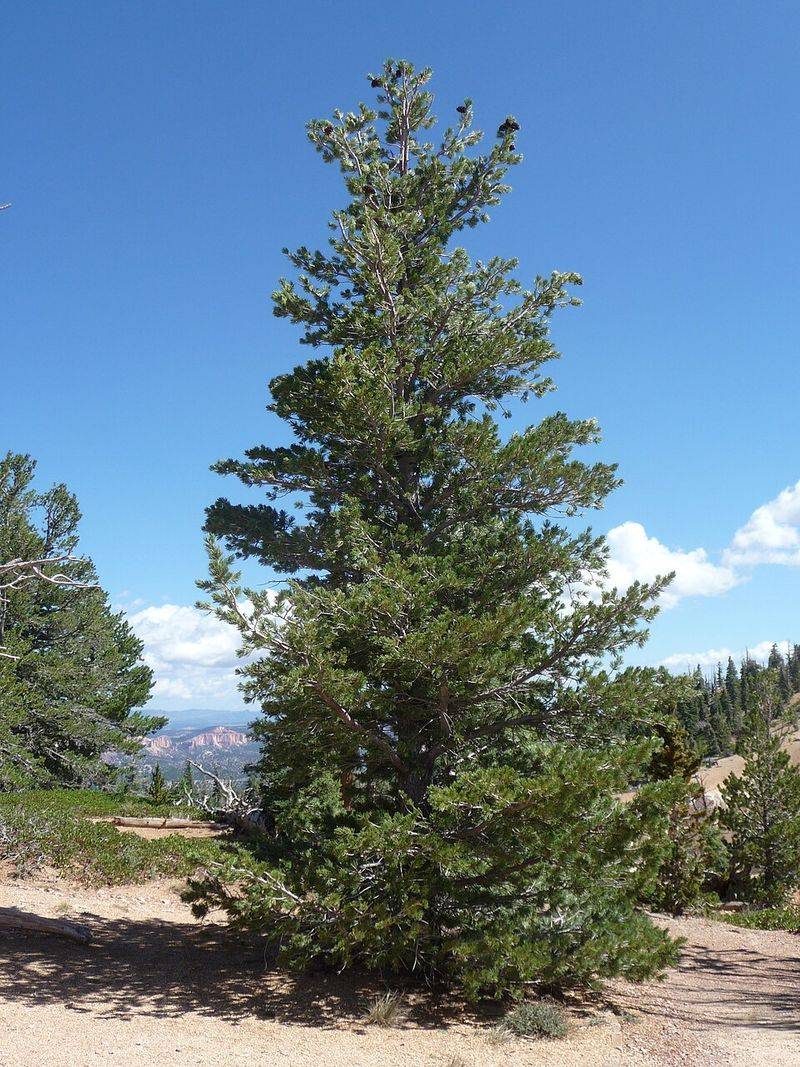
Bend without breaking. That is the entire life philosophy of the Limber Pine, and it works spectacularly well at elevation. Its branches flex in the wind like rubber, snapping back without damage after brutal gusts.
The name says it all. Early explorers noticed they could tie the young branches into knots without snapping them, a party trick few other pines can match.
Limber Pine grows where almost nothing else dares. Exposed ridgelines, rocky outcrops, and windswept high-elevation summits are prime real estate for this scrappy conifer.
Its needles grow in bundles of five, which is a useful identification trick. Run your fingers along a branch and count those tight little clusters.
Clark’s nutcracker, a bold mountain bird, has a deeply personal relationship with this tree. The bird caches thousands of seeds each fall, and the ones it forgets become new trees.
That partnership has helped Limber Pine colonize new terrain for thousands of years. It is one of the most interesting plant-animal relationships in the entire Rocky Mountain ecosystem.
Growth is painfully slow at high elevation, sometimes just an inch per year. But what it lacks in speed, it makes up for in staying power, living up to 1,000 years in some cases.
For anyone restoring high-elevation land or planting in a harsh, exposed spot, Limber Pine is built for Wyoming conditions in a way few non-native species could match.
4. Ponderosa Pine
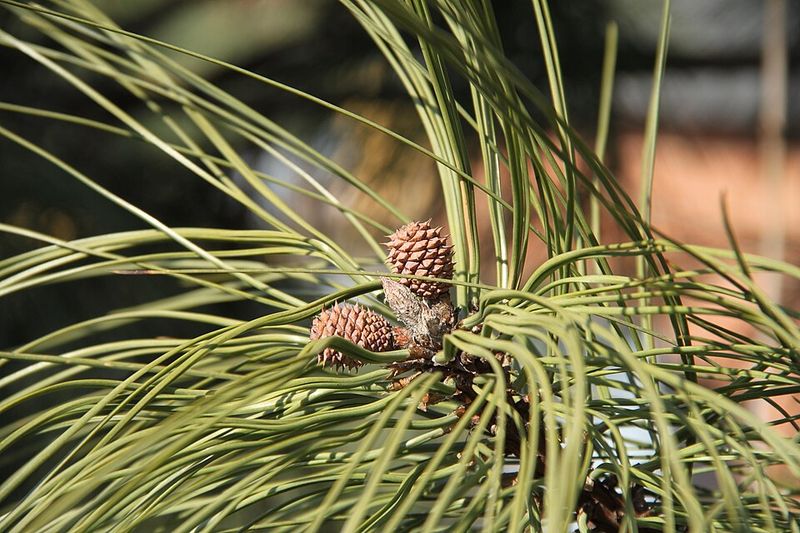
Press your nose against the bark of a Ponderosa Pine on a warm afternoon. You will catch a scent like vanilla or butterscotch, one of the most surprising and delightful smells in any forest.
That sweet bark is not just pleasant, it is a sign of this tree’s maturity and fire resistance. Thick, plated orange bark protects the living wood beneath from low-intensity blazes.
Ponderosa Pine is a fire-adapted species, meaning it evolved alongside periodic burns rather than trying to avoid them. Old-growth stands have bark like armor plating.
At mid-elevation across Wyoming, this pine forms open, park-like forests with grassy understories. Sunlight filters through the canopy in a way that feels almost cathedral-like on a clear morning.
The long needles, usually in pairs or triplets, can reach seven inches. They create a soft, rustling sound in the wind that is genuinely calming once you have heard it a few times.
Ponderosa is also one of the most important timber trees in the American West. Its straight grain and workable wood made it a building staple for settlers moving through the region.
Wildlife from mule deer to Abert’s squirrels depend on Ponderosa forests. The seeds, bark beetles, and insects living in the wood create a full food web from a single species.
Plant one in the right spot and you are investing in a centuries-long relationship with the Wyoming landscape. Ponderosa Pine rewards patience in a genuinely magnificent way.
5. Wyoming Big Sagebrush
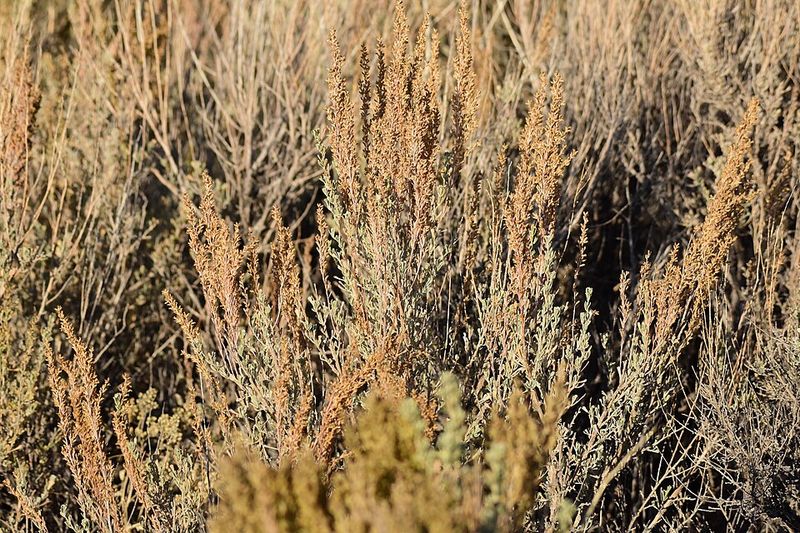
If Wyoming had an official scent, it would be sagebrush after a rainstorm. That sharp, herbal smell hits you like a memory, even if you have never visited the state before.
Wyoming Big Sagebrush is the backbone of the high-desert ecosystem. Millions of acres of it stretch across basins and plateaus, forming one of North America’s most important shrublands.
It thrives in alkaline soils that would choke most ornamental shrubs. Poor drainage, low nutrients, and brutal cold are conditions it has adapted to over millennia.
Sagebrush is not just scenery. Greater sage-grouse, pronghorn, mule deer, and dozens of songbird species depend on it for food, shelter, and nesting habitat throughout the year.
The silver-green leaves are coated with aromatic oils that help reduce water loss. On hot summer days, those oils release into the air, creating that iconic Western fragrance.
It grows slowly but lives for decades, sometimes over a century in undisturbed sites. Once a sagebrush community is cleared, restoration can take generations to accomplish successfully.
For Wyoming natives built for wind and high elevation, this shrub stands as the defining symbol. Few other species cover as much ground or support as much life across the region.
Gardeners working with dry, alkaline soil should consider sagebrush seriously. It asks for almost nothing and gives back an entire ecosystem in return, season after season.
6. Rabbitbrush
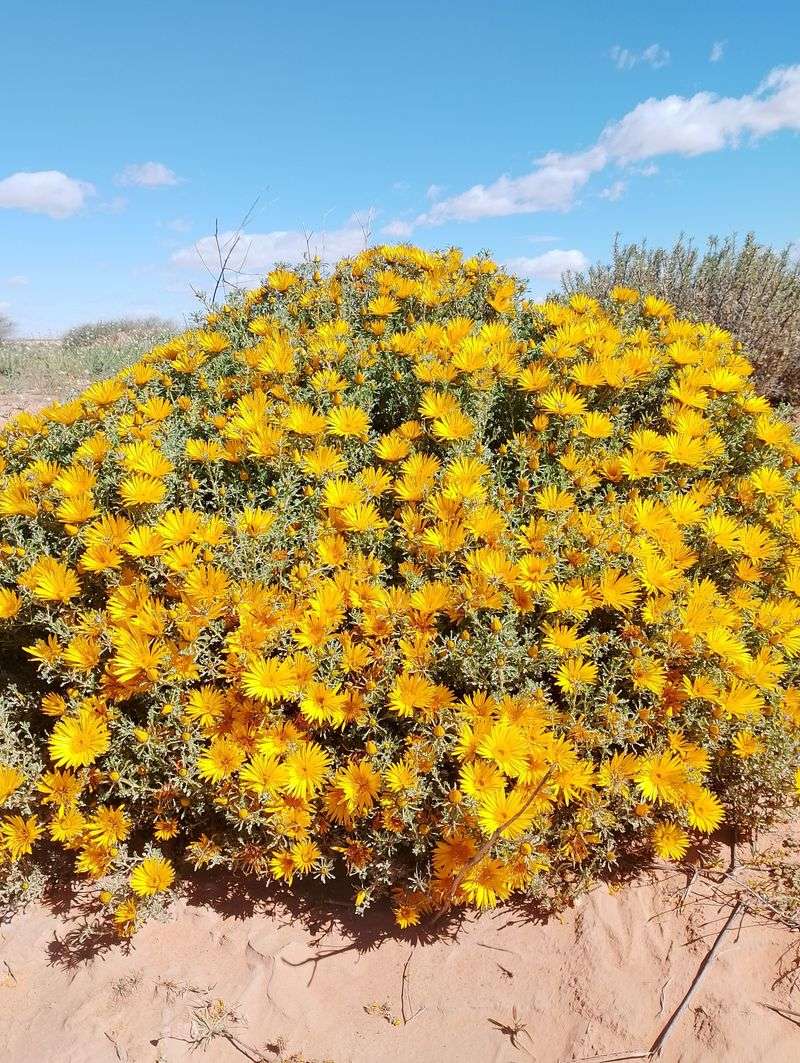
When much of the late-summer landscape has gone brown and brittle, Rabbitbrush explodes into brilliant yellow. It is the last big show of the season, and it does not disappoint.
This shrub blooms in August and September, making it a critical late-season nectar source. Monarch butterflies, native bees, and dozens of other pollinators swarm its flowers before cold weather arrives.
Rabbitbrush handles drought like a seasoned professional. Its deep roots tap moisture that shallow-rooted plants cannot reach, keeping it green and productive through the driest months.
The stems are covered in fine white hairs that reflect intense sunlight. That fuzzy coating acts like a built-in sunscreen, reducing heat stress during peak summer temperatures.
It grows in disturbed areas, roadsides, and overgrazed pastures, often being one of the first native shrubs to recolonize damaged ground. Ecologists call plants like this pioneers.
Pronghorn browse the foliage heavily in winter when grasses are buried under snow. Jackrabbits, hence the name, use the dense branches as cover from predators and cold winds.
Rabbitbrush tolerates alkaline soil, clay, sand, and rocky terrain without complaint. Few plants offer this level of flexibility in difficult growing conditions across high-elevation landscapes.
For anyone restoring disturbed Wyoming land, this shrub is a first-responder species. Plant it, and the rest of the ecosystem often starts following its lead naturally and quickly.
7. Bitterbrush
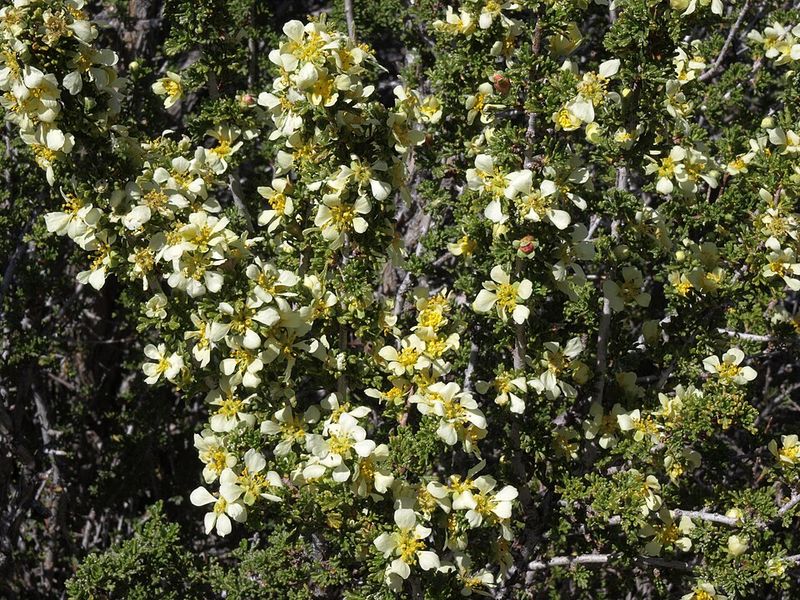
Mule deer will travel miles for Bitterbrush. This shrub is so nutritious and so beloved by ungulates that wildlife biologists use its presence as an indicator of quality habitat.
Also called antelope bitterbrush, it produces small yellow flowers in spring that cover the plant in a cheerful golden haze. The contrast against dry, rocky slopes is genuinely striking.
Bitterbrush fixes nitrogen in the soil through a symbiotic relationship with root bacteria. That means it actually improves the ground around it, making life easier for neighboring plants.
It grows best in well-drained, sandy, or rocky soils at elevations between 4,000 and 9,000 feet. Those conditions describe a huge portion of Wyoming’s landscape perfectly.
The foliage stays on the plant through much of winter, providing browse when snow covers grasses and other food sources. Deer, elk, and pronghorn all rely on it heavily during lean months.
Bitterbrush is drought-tolerant once established, requiring no irrigation in most native settings. Its deep root system pulls moisture from far below the surface during summer dry spells.
Restoration ecologists prize it for reclamation projects on burned or disturbed land. It establishes relatively quickly for a native shrub and begins supporting wildlife within just a few seasons.
For Wyoming natives built for wind and high elevation, Bitterbrush punches well above its modest size. It is a cornerstone species that the entire food web quietly depends upon every single year.
8. Bearberry
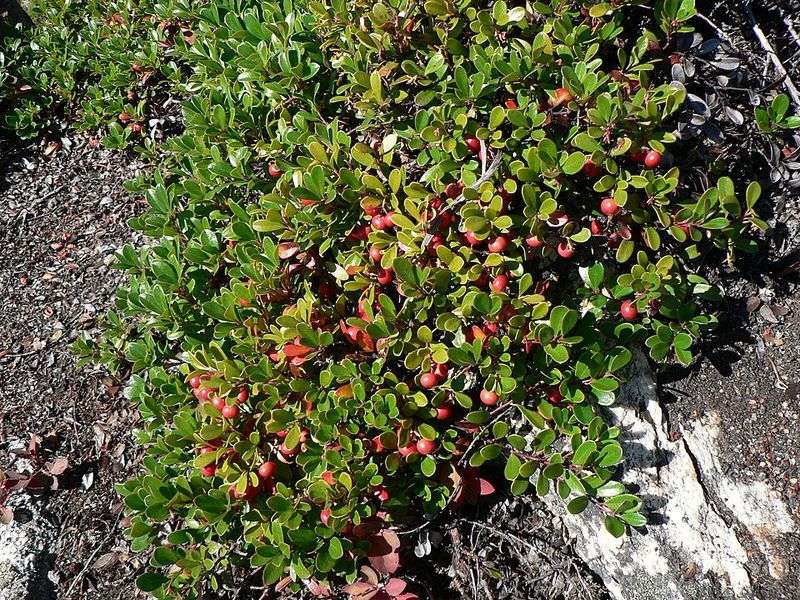
Ground-hugging and quietly spectacular, Bearberry is the plant that earns your respect only after you crouch down to really look at it. Most people walk right past it without noticing a thing.
Also known as kinnikinnick, this low-growing evergreen forms dense mats across rocky, wind-blasted slopes. It stays green all year, even when buried under several feet of snow.
The waxy leaves are specially coated to reduce moisture loss in dry, high-elevation air. That coating also gives them a glossy shine that catches sunlight in a surprisingly beautiful way.
Bright red berries ripen in late summer and persist into winter, providing critical food for bears, foxes, grouse, and songbirds when other berries have long since disappeared from the landscape.
Indigenous peoples across the West used Bearberry leaves in traditional herbal and ceremonial preparations. Its cultural history runs as deep as its ecological importance in mountain communities.
This plant spreads slowly by underground stems, gradually filling in bare spots on rocky terrain. Patience is required, but the result is a tough, weed-suppressing groundcover that does not need maintenance.
Bearberry tolerates acidic, sandy, and rocky soils with ease. It handles full sun and exposed conditions that would scorch most ornamental groundcovers within a single season.
Among Wyoming natives built for wind and high elevation, Bearberry is the quiet achiever. Small in stature but enormous in ecological impact, it holds the hillside together one creeping stem at a time.