The Real Meaning Behind Grackle Flocks Taking Over Texas Neighborhoods This Summer
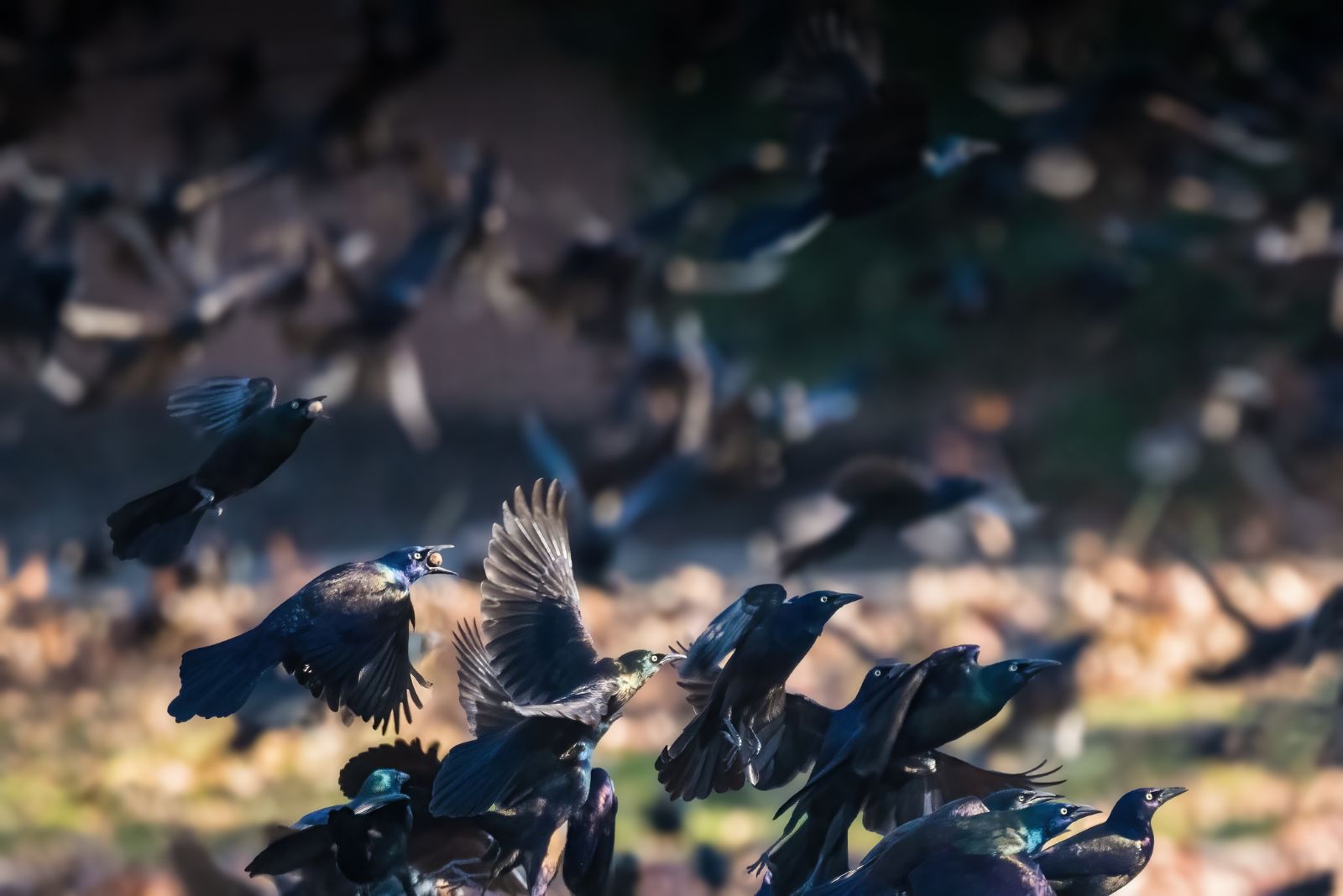
If you’ve ever been caught under a tree when a grackle flock decides to settle in for the evening, you already know it’s an experience. The noise, the sheer number of birds, the mess they leave behind.
Grackles have a way of making their presence impossible to ignore, and when a flock takes over a neighborhood, people notice. The question most Texans eventually ask is the same one. Why here? Why now?
Grackle flocks gathering in residential areas are not random. These are highly social, highly intelligent birds, and the locations they choose for their evening roosts tell you something real about what your neighborhood is offering.
Food sources, roosting conditions, urban heat, and shifting seasonal patterns all play into why grackles descend on certain areas in large numbers during summer.
Understanding what’s behind it makes the whole spectacle a lot more interesting, and in some cases gives homeowners real options for managing the situation.
Here’s what grackle flocks are really telling you about your Texas neighborhood this summer.
1. Your Neighborhood Has Become A Feeding Stop
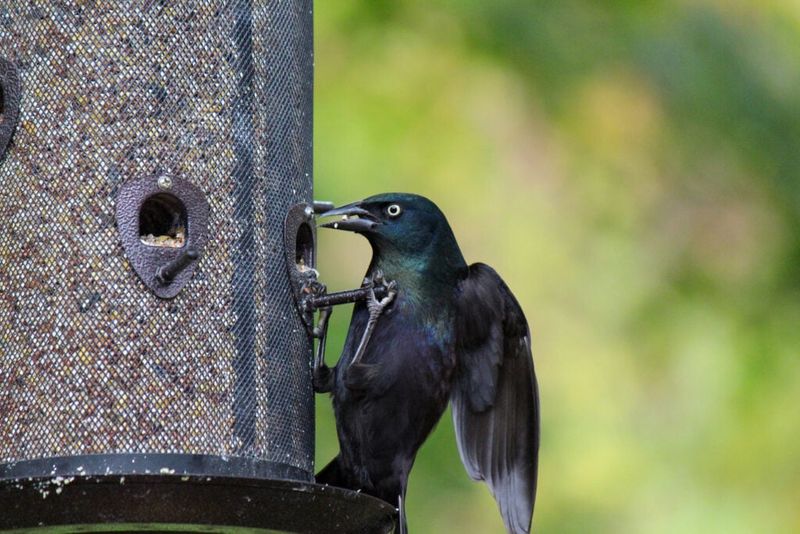
Walk outside on any warm Texas morning and you might spot dozens of grackles picking through the grass like they own the place. That is actually a clue about your yard. Big grackle flocks almost always mean one thing: easy food is nearby.
Grackles are opportunistic feeders, which means they eat just about anything they can find. Spilled trash, pet food left outdoors, birdseed scattered on the ground, food scraps near picnic areas, and insects hiding in the lawn are all fair game.
They forage across open lawns, parking lots, fields, and urban spaces with impressive efficiency.
Once grackles find a reliable food source, they remember it. They will return to that same spot day after day, and they will bring their flock along. The more food available, the larger the group that shows up.
Neighborhoods with outdoor pet food bowls, overflowing trash bins, or well-watered lawns full of insects are especially attractive to them. Even a bird feeder that spills seed onto the ground can act like an open invitation.
The good news is that food-based visits are easy to manage. Secure your trash cans with tight lids.
Bring pet food inside after feeding time. Sweep up spilled birdseed regularly. Clean up food scraps after outdoor meals or barbecues.
Making small changes removes the main reason grackles keep stopping by. They are not choosing your yard because something is wrong with it.
They are choosing it because it is offering them exactly what they need to survive. Take away the buffet, and the crowd will gradually move on to look elsewhere.
2. They Have Found A Safe Roosting Spot
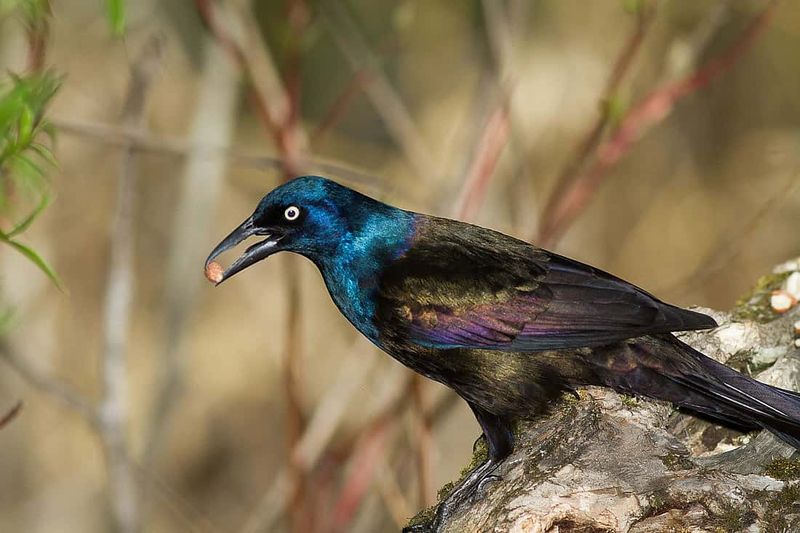
There is something almost theatrical about watching grackles pour into a single block of trees just before sunset. The noise builds fast, the branches fill up, and suddenly your quiet street sounds like a packed stadium.
What you are witnessing is a communal roost coming together for the night. Great-tailed grackles are famous for forming massive roosting flocks. They gather at dusk in trees, on rooftops, along power lines, and in parking-lot shade trees.
Your Texas Garden Changes Every Week. Your Plan Should Too.
Gardening in Texas changes quickly throughout the season. Every Friday you’ll receive a simple weekly plan showing exactly what to plant, prune, fertilize, harvest, and protect so you never miss the right timing.
These spots offer shelter, warmth, and safety while the birds sleep. A roosting site can attract hundreds or even thousands of birds on a single evening. What makes a roost location appealing? Grackles look for spots that feel protected.
Dense tree canopies, tall shrubs, and structures that block wind and rain work well. Urban areas provide plenty of these options, and neighborhoods with mature trees are prime candidates.
Once a roost is established, grackles tend to return to it night after night throughout the season. The same trees get chosen repeatedly because the birds recognize familiar, reliable shelter. Changing that pattern takes consistent effort.
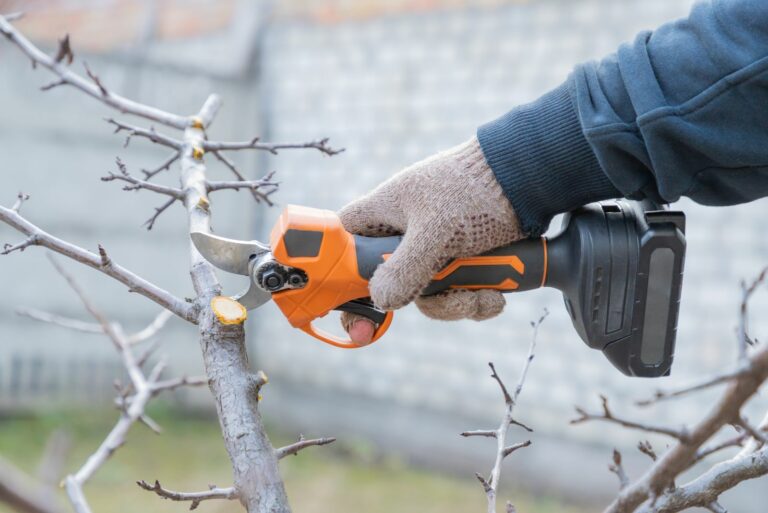
If grackles are roosting in your yard trees, trimming back dense branches can make the spot less appealing. Noise deterrents, reflective tape, or motion-activated lights near roost trees may also encourage them to pick a different location.
The important thing to remember is that roosting is completely normal bird behavior. They are not targeting your home out of aggression.
They simply found a comfortable, safe place to rest, and your neighborhood happened to offer exactly the kind of shelter they were searching for that evening.
3. The Area Has The Open Habitat They Like
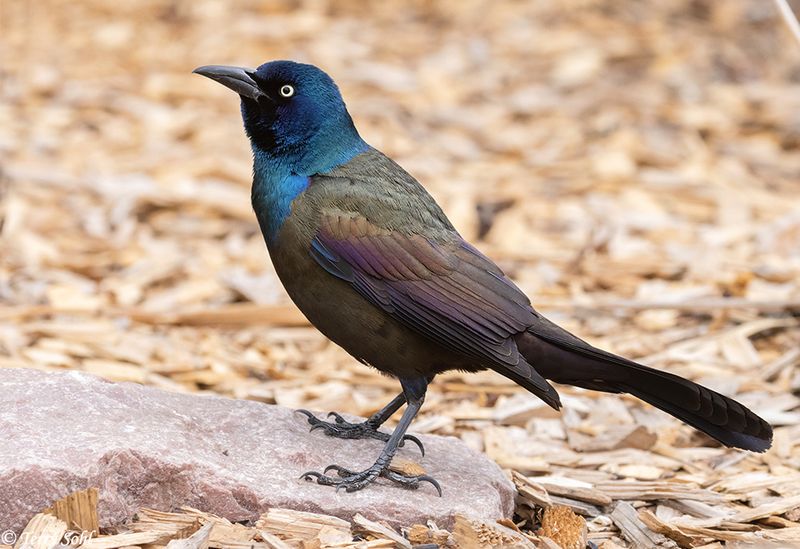
Grackles did not just randomly end up in your neighborhood. They are actually well-suited to exactly the kind of environment most Texas suburbs provide. Understanding their habitat preferences makes their presence make a lot more sense.
Great-tailed grackles thrive in open spaces mixed with some tree cover. Think parks, lawns, roadsides, fields, and urban corridors.
They avoid dense forests and prefer areas where they can walk on the ground and scan for food without obstacles blocking their view. Texas suburbs fit that description almost perfectly.
Texas breeding records confirm that great-tailed grackles nest heavily around human habitations. They are especially drawn to areas near lawns, pastures, and open ground with scattered trees nearby.
Your neighborhood, with its mowed grass, sidewalks, and planted trees, is basically ideal grackle territory.
This is one reason grackle populations have expanded so much across Texas over the past several decades. As more land was developed into suburbs and urban spaces, the grackle population followed right along.
Human development actually created more of the habitat they prefer. Grackles are not an invasive species. They are native birds that adapted extremely well to living alongside people.
Their success in urban and suburban areas is a reflection of how flexible and resourceful they are as a species.
If you want fewer grackles visiting your yard, reducing the open lawn areas or adding dense plantings can help make your space feel less like their preferred habitat.
Even small landscape changes can shift how attractive your yard appears to a passing flock looking for a new place to settle in during the summer months.
4. They Are Using Safety In Numbers
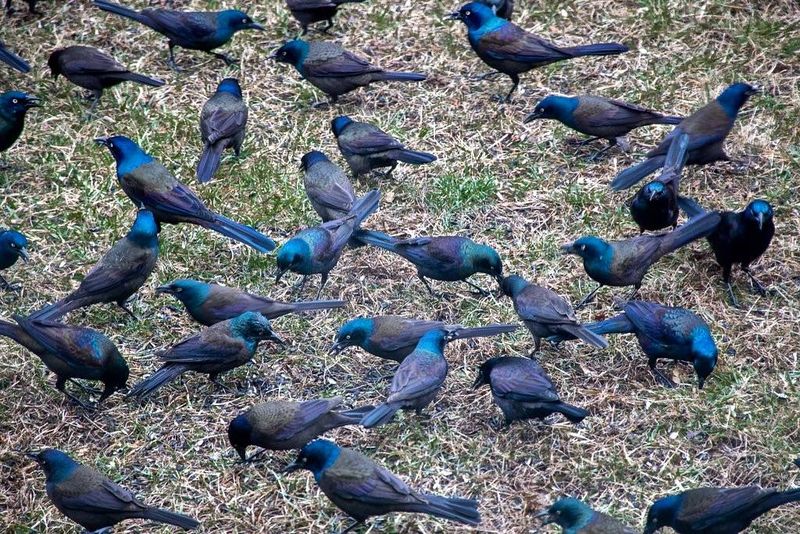
Hundreds of grackles swooping, chattering, and jostling around the same trees can feel chaotic and a little overwhelming. But that noisy, crowded scene actually has a very logical explanation rooted in survival instincts that have worked for birds for millions of years.
Flocking is one of the most effective survival strategies in the animal world. When grackles group together in large numbers, every individual bird benefits from having more eyes watching for predators.
A hawk or falcon has a much harder time targeting a single bird inside a dense, moving flock than it would targeting a lone bird perched in an open tree.
Beyond predator protection, large flocks also help individual grackles compete for the best roosting positions.
Birds that arrive early and in groups can hold prime spots in trees that offer better shelter and warmth. Social competition drives a lot of the noise and movement you see at dusk.
The loud calls, wing flapping, and constant repositioning are all part of normal grackle social behavior. They are communicating, establishing pecking orders, and coordinating group movements.
None of it signals that something is wrong with your neighborhood or that the birds are behaving unusually.
Young grackles also learn from experienced flock members. Older birds know where the best food sources are, which roost spots are safe, and how to read the environment.
Staying in a group gives younger birds access to that knowledge without having to figure everything out alone.
So the next time a massive flock fills your trees with noise, just know that what looks like chaos is actually a highly organized, socially complex group of birds doing exactly what evolution designed them to do.
5. Summer Water And Shade Are Drawing Them In
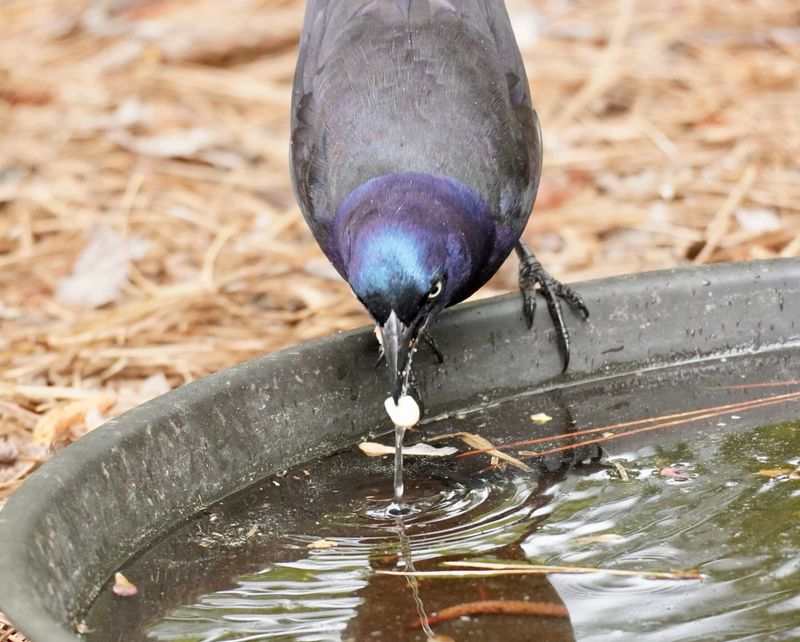
Texas summers are brutally hot. Temperatures regularly climb above 100 degrees, and the heat affects wildlife just as much as it affects people.
Grackles are smart enough to seek out the coolest, most comfortable spots in any given neighborhood, and some blocks simply offer more relief than others.
Irrigated lawns are a major draw. Watered grass stays cooler, holds moisture, and supports more insects near the soil surface.
Grackles forage on the ground, using their bills to flip debris and probe the earth for bugs, grubs, and worms. A freshly watered lawn is basically a well-stocked grocery store from a grackle’s perspective.
Water features matter too. Birdbaths, garden fountains, ponds, puddles, and even shallow drainage areas can attract grackles looking to drink or cool off. Standing water is a precious resource during a Texas summer, and birds will travel to find it.
Shade also plays a big role. Parking lots with large shade trees, parks with mature canopies, and neighborhoods with dense street trees all offer cooler air temperatures.
Grackles will favor these areas for midday resting and late afternoon foraging as the heat peaks.
Watered landscapes and shaded yards essentially create a microclimate that feels far more comfortable than dry, exposed areas nearby. From a grackle’s point of view, that block is simply the best option available on a scorching afternoon.
Reducing standing water, adjusting irrigation schedules to water less frequently, and trimming back dense shade trees near high-traffic areas can all make your yard feel less like a summer retreat.
Small adjustments to your outdoor setup can make a noticeable difference in how many birds stop by.
6. You Can Reduce The Crowd Without Harming Them
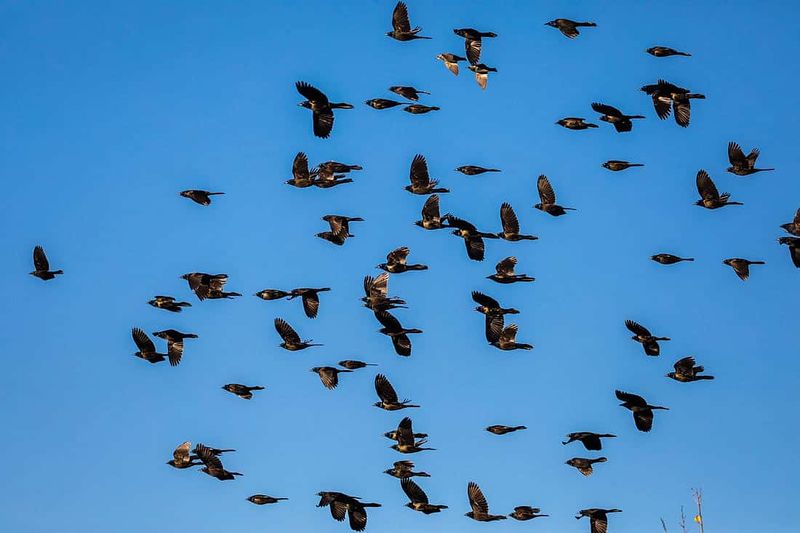
Seeing a massive grackle flock take over your yard every evening can get old fast. The noise, the droppings, and the general chaos are real frustrations.
The good news is that you have several practical options for making your space less attractive to them, and none of those options require anything drastic.
Start with food. Securing trash cans with tight, locking lids removes one of the easiest food sources grackles rely on.
Bringing pet food bowls inside after feeding time eliminates another common attractant. Cleaning up after outdoor meals and avoiding overfeeding backyard birds with seed scattered on the ground also helps significantly.
Next, address water. Emptying birdbaths every few days, fixing leaky outdoor faucets, and reducing unnecessary irrigation can all make your yard less appealing during the hottest parts of summer.
Grackles need water just like any other creature, and removing easy access encourages them to search elsewhere.
Tree and shrub management is worth considering too. Trimming dense canopy branches in trees that grackles favor for roosting can make those spots feel less secure and comfortable.
They prefer thick cover, so opening up the canopy a bit changes the appeal of your yard significantly.
Reflective tape, pinwheels, or motion-activated sprinklers near favorite roosting trees can also encourage the flock to move along without causing any harm to the birds themselves.
Remember, a large grackle flock is almost always a signal that your neighborhood is offering food, water, shelter, or roosting comfort. The birds are just responding to what is available.
Address those attractants one by one, and the crowd will naturally begin to shrink over time as the birds find better options nearby.