Why California Rosemary Stops Smelling Fragrant And How To Fix It
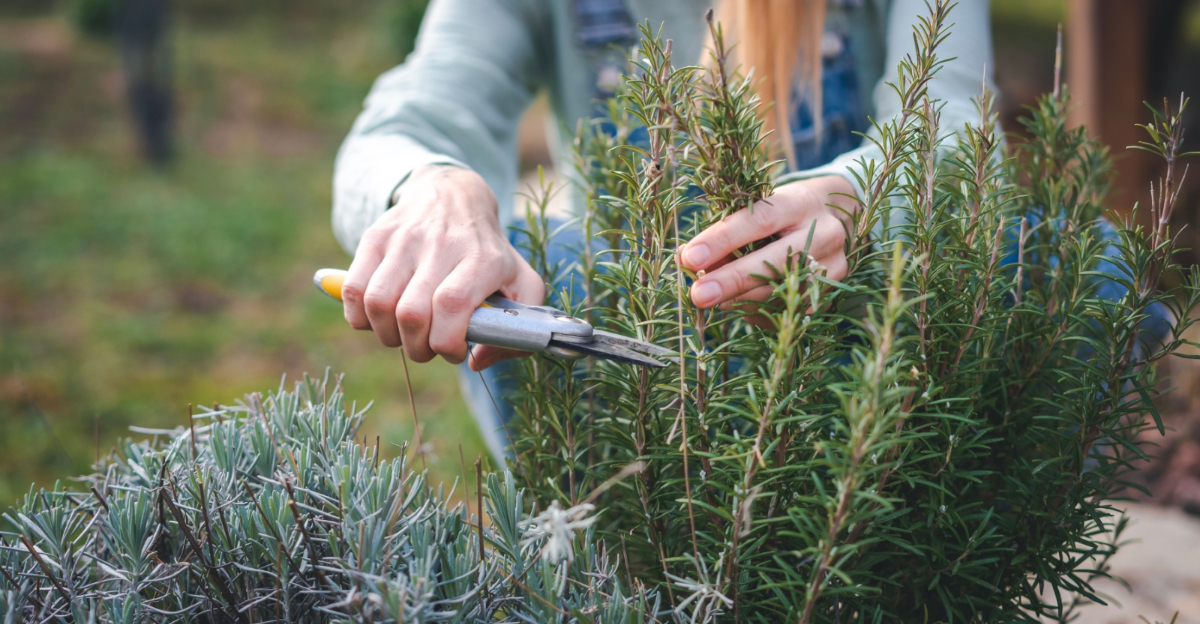
There is something deeply satisfying about rubbing a sprig of fresh rosemary between your fingers and getting that bold, piney, unmistakably Mediterranean aroma. And there is something equally deflating about doing exactly that and getting almost nothing in return.
If your California rosemary looks perfectly healthy but smells surprisingly faint, you are dealing with one of the more puzzling and undertalked problems in the herb garden.
The good news is that it is rarely a mystery once you understand what rosemary actually needs to produce those aromatic compounds in its leaves.
Overwatering, not enough sun, old woody stems, poor harvest timing, and even how you store it can all quietly drain the fragrance right out of an otherwise thriving plant. Get a few key details right and that familiar scent can absolutely come back strong.
1. Too Much Shade Weakens The Fragrance
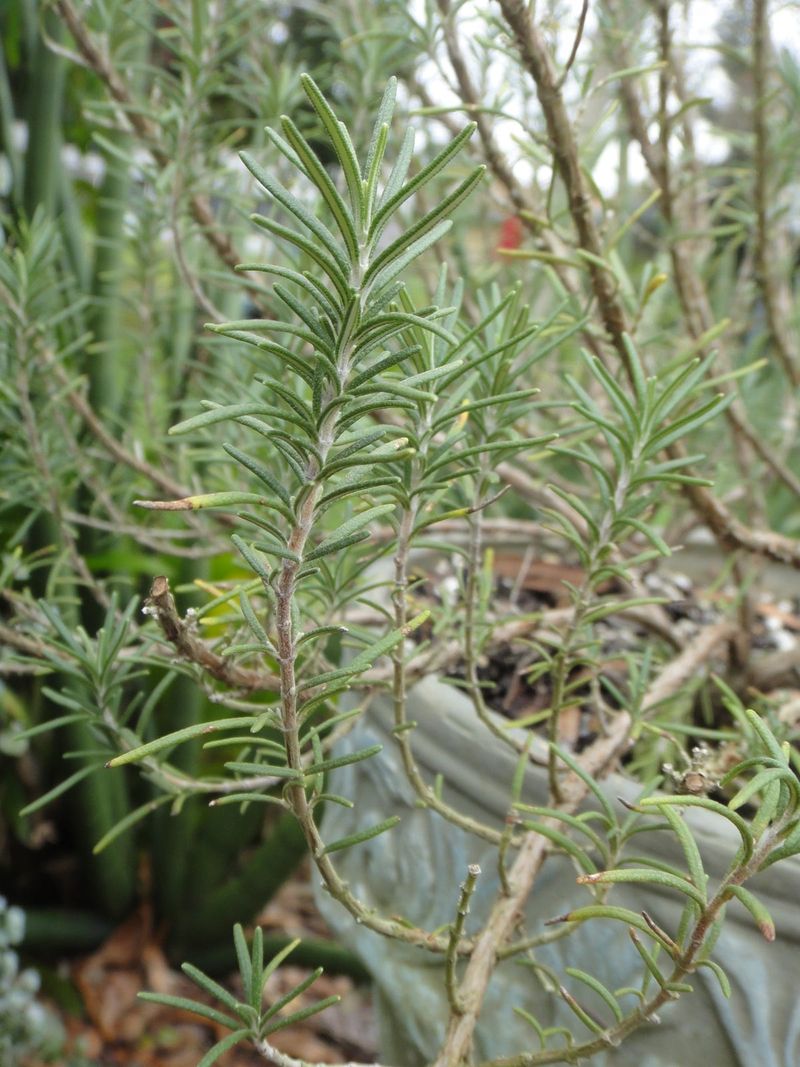
Picking a faint-smelling sprig from a rosemary plant tucked against a shaded fence is a frustrating experience many California homeowners know well.
Rosemary is a Mediterranean herb, and it genuinely thrives when it receives direct sunlight for most of the day.
When shade creeps in from nearby trees, walls, or overhanging structures, the plant struggles to produce the aromatic compounds responsible for that signature scent.
The fragrance in rosemary leaves comes from essential oils stored in tiny glands on the foliage. Sunlight plays a real role in encouraging the plant to develop those oils.
A rosemary growing in six or more hours of direct sun will almost always smell noticeably stronger than one getting only a few filtered hours each day.
In warm inland California areas, full sun is rarely in short supply, but patios with shade structures, north-facing beds, and gardens crowded with large shrubs can all create shading problems.
Even mild coastal gardens benefit from placing rosemary where it catches as much open sky as possible.
If your rosemary has been sitting in shade, consider moving it to a sunnier spot. Container-grown plants have the advantage of being easy to relocate.
For in-ground plants, trimming back neighboring plants to open up the canopy can help. Give the rosemary a season in better light before judging the results, since fragrance tends to improve gradually as new growth develops under stronger sun.
2. Overwatering Dulls Healthy Growth
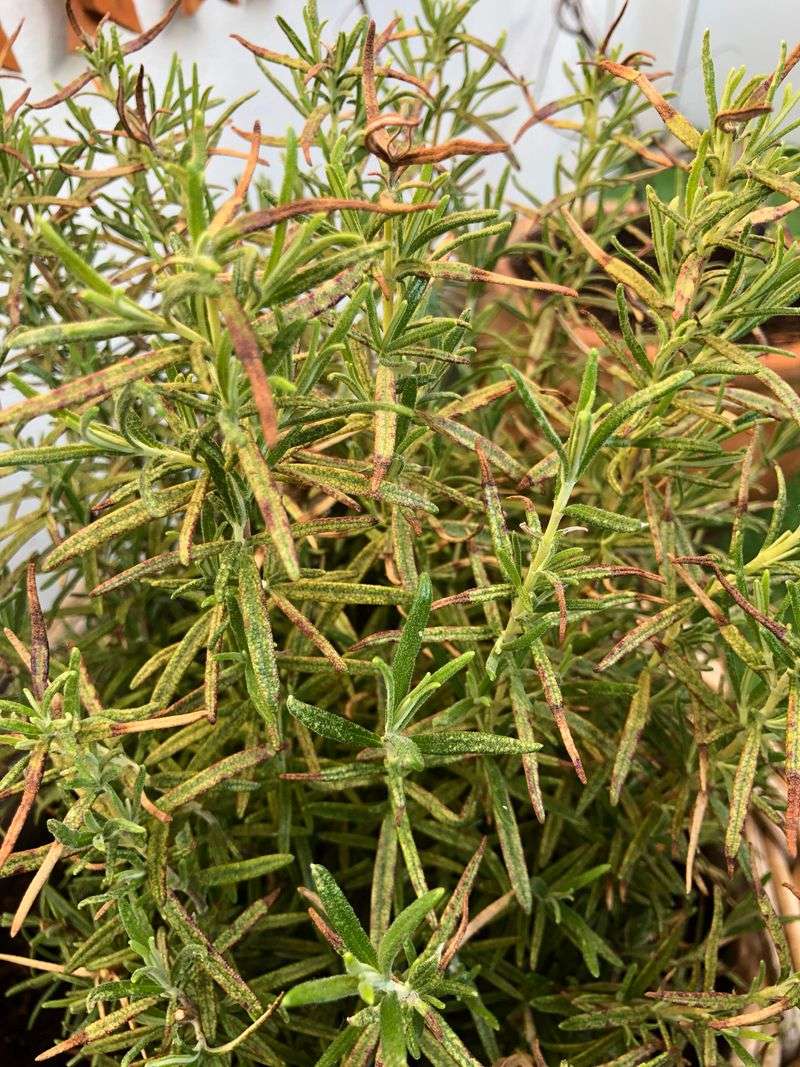
Soggy soil around a rosemary plant is one of the quickest ways to push the herb toward poor fragrance and weak overall growth. Rosemary evolved in dry Mediterranean climates, and its roots are genuinely not built to sit in consistently wet conditions.
When watering happens too frequently, the roots begin to struggle, and the plant shifts its energy away from producing aromatic foliage.
Established rosemary in California gardens often needs far less irrigation than gardeners expect. During warm, dry summers, deep but infrequent watering tends to suit the plant much better than regular shallow watering.
In many inland California areas with hot summers, established rosemary in the ground may only need supplemental watering every couple of weeks, depending on soil type and temperatures.
Your California Garden Changes Every Week. Your Plan Should Too.
Gardening in California changes quickly throughout the season. Every Friday you’ll receive a simple weekly plan showing exactly what to plant, prune, fertilize, harvest, and protect so you never miss the right timing.
Signs of overwatering can include yellowing leaves, soft stems near the base, and a general look of fatigue despite the plant receiving attention. The foliage may also appear less vibrant and produce a noticeably weaker scent when crushed.
Scaling back on irrigation is often the most straightforward adjustment gardeners can make. If the plant is in a container, make sure the pot has drainage holes and that water is not pooling at the bottom.
Letting the soil dry out between waterings encourages the roots to stay healthy and supports the kind of sturdy, fragrant foliage that makes rosemary worth growing in the first place.
3. Poor Drainage Stresses The Roots
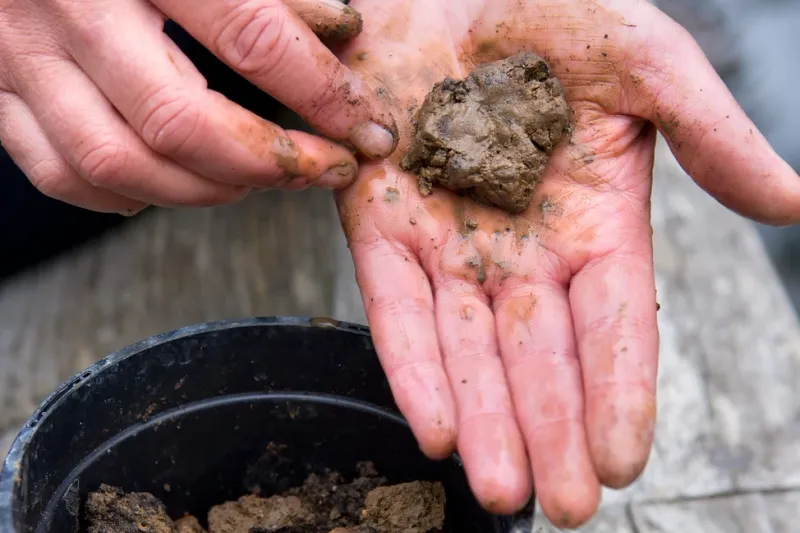
Even when watering habits are reasonable, heavy clay soil or compacted ground can trap moisture around rosemary roots for days after irrigation or rain.
In parts of California where clay soils are common, drainage is one of the most important factors separating a fragrant, thriving rosemary from a struggling one.
Roots sitting in poorly drained soil become stressed, and that stress tends to show up as reduced fragrance long before any dramatic visual symptoms appear.
Rosemary roots need air as much as they need water. When soil stays wet and dense, oxygen cannot reach the root zone effectively, and the plant cannot take up nutrients normally.
That combination of oxygen stress and nutrient disruption makes it hard for the plant to develop the aromatic compounds that give the herb its distinctive scent.
Gardeners in California can improve drainage in several practical ways. Raised beds are one of the most reliable options, especially in areas where native soil tends to be heavy.
Mixing coarse sand or fine gravel into planting beds helps open up the soil structure. For container rosemary, using a fast-draining potting mix designed for Mediterranean herbs or succulents makes a noticeable difference.
Planting rosemary on a slight slope or raised mound can also help excess water move away from the root zone naturally. Once drainage improves and roots recover, fragrant new growth tends to follow over the course of a growing season.
4. Too Much Fertilizer Pushes Soft Growth
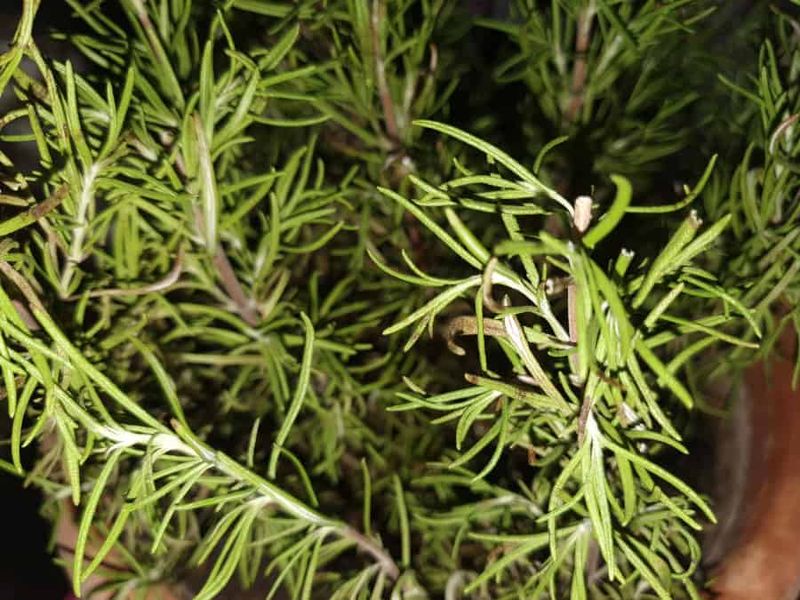
Soft, pale, fast-growing stems on a rosemary plant are often a sign that the herb has received more fertilizer than it actually needs.
Rosemary is naturally adapted to lean, low-fertility soils, and feeding it with rich or frequent fertilizers can push the plant into producing growth that looks vigorous but smells noticeably weaker.
That soft new growth simply does not carry the same concentration of aromatic compounds as slower, sturdier foliage.
Many California gardeners apply general-purpose fertilizers to their herb beds without realizing that Mediterranean herbs like rosemary respond differently than vegetables or flowering annuals.
Heavy nitrogen inputs in particular tend to encourage leafy, watery growth rather than the compact, resinous foliage that gives rosemary its strong scent.
If your rosemary has been receiving regular fertilizer applications, pulling back is usually the most helpful step. Rosemary growing in reasonably decent garden soil often does not need supplemental feeding at all once it is established.
If the soil is genuinely poor, a light application of a balanced, low-nitrogen fertilizer once in early spring may be enough for the entire season.
Giving the plant time to harden off its growth after reducing fertilizer is important. New growth that develops under lower-fertility conditions tends to be more compact and aromatic.
Patience matters here, since it may take a full growing season before the fragrance returns to a noticeably satisfying level in your California herb garden.
5. Old Woody Stems Smell Less Fresh
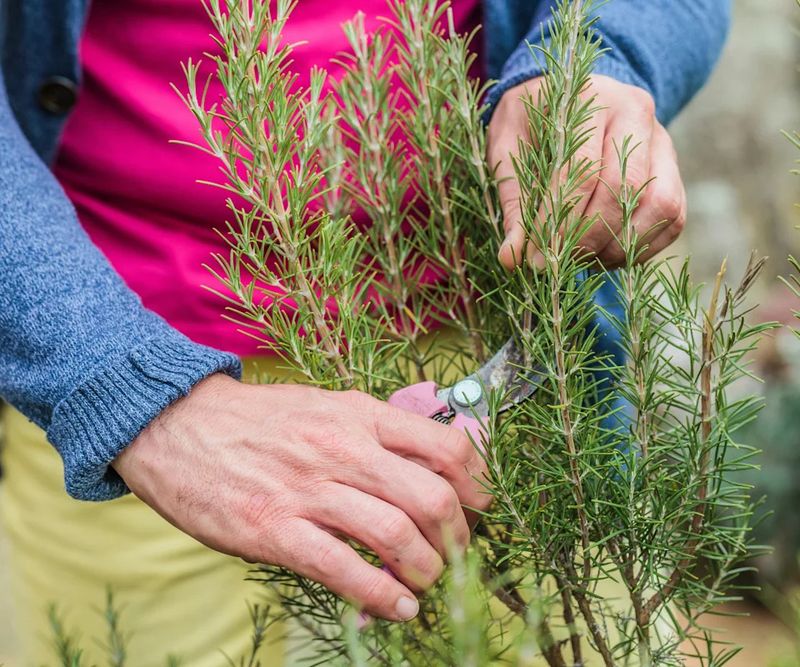
Woody, bark-covered stems near the base of a mature rosemary plant are a natural part of how the herb ages, but they contribute very little to the fragrance most people love.
The aromatic compounds in rosemary are concentrated in the soft, green leaf tissue, and as stems become increasingly woody and bare, the overall scent output of the plant can decline even if some fresh tips are still present at the ends of branches.
California gardens with established rosemary plants that have not been pruned for several years often develop this imbalance between woody base growth and fresh aromatic tips.
The plant can start to look sprawling and somewhat tired, and the fragrance from harvested sprigs may feel noticeably thinner than expected.
Light, consistent pruning over time is the most practical way to address this. Cutting back into green growth after flowering encourages the plant to push new aromatic shoots from lower on the stems.
Gardeners should avoid cutting all the way back into completely bare, thick wood, since rosemary does not reliably regrow from truly old wood with no green tissue remaining.
Taking off roughly a third of the plant’s length after the main flowering period is a reasonable approach for most California home gardens.
Over a couple of seasons of consistent light pruning, the plant tends to develop a better ratio of fresh, fragrant foliage to woody structure, and the scent when you brush past or harvest from the plant improves meaningfully.
6. Harvesting At The Wrong Time Reduces Aroma
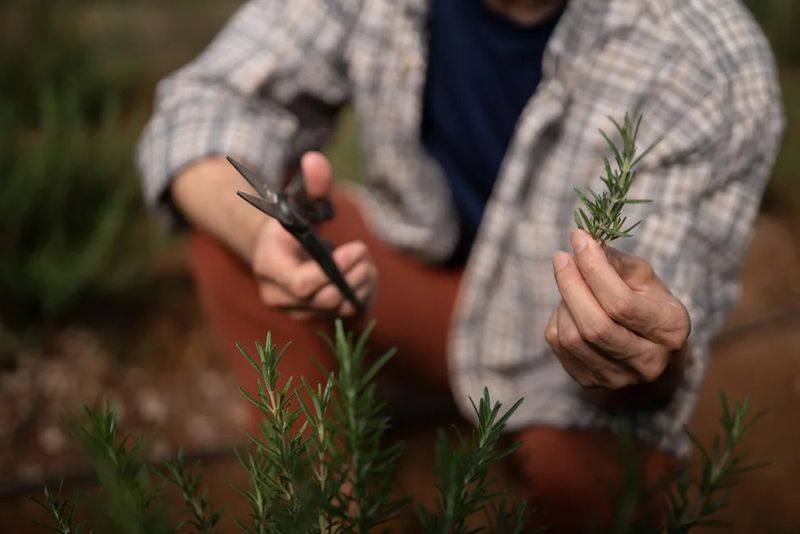
Reaching into an herb basket and finding that the rosemary you just cut smells surprisingly flat can be genuinely puzzling, especially when the plant looks healthy. Harvest timing matters more than many people realize.
Rosemary tends to carry its highest concentration of aromatic compounds in the morning, after any overnight moisture has dried from the leaves but before the midday heat begins to volatilize the oils into the surrounding air.
Cutting rosemary late in the afternoon on a hot California summer day often yields sprigs that smell noticeably less potent than those harvested in the cooler morning hours.
This is not a dramatic difference every single time, but over repeated harvests it becomes apparent, especially in warm inland gardens where summer temperatures climb quickly after sunrise.
The stage of growth at harvest also plays a role. Sprigs with young, actively growing tips tend to carry strong fragrance, while stems that are heading toward or past full flower may have somewhat less concentrated leaf aroma.
Harvesting just before or during early flowering is often considered a favorable time for the most aromatic yield from a rosemary plant.
Keeping harvest cuts to green, leafy growth rather than pushing deep into woody stems also helps ensure the sprigs you bring inside are as fragrant as possible.
For California gardeners who use fresh rosemary in cooking regularly, developing a morning harvest habit during the cooler parts of the year can make a noticeable difference in the kitchen.
7. Regular Pinching Keeps Fragrant Tips Coming
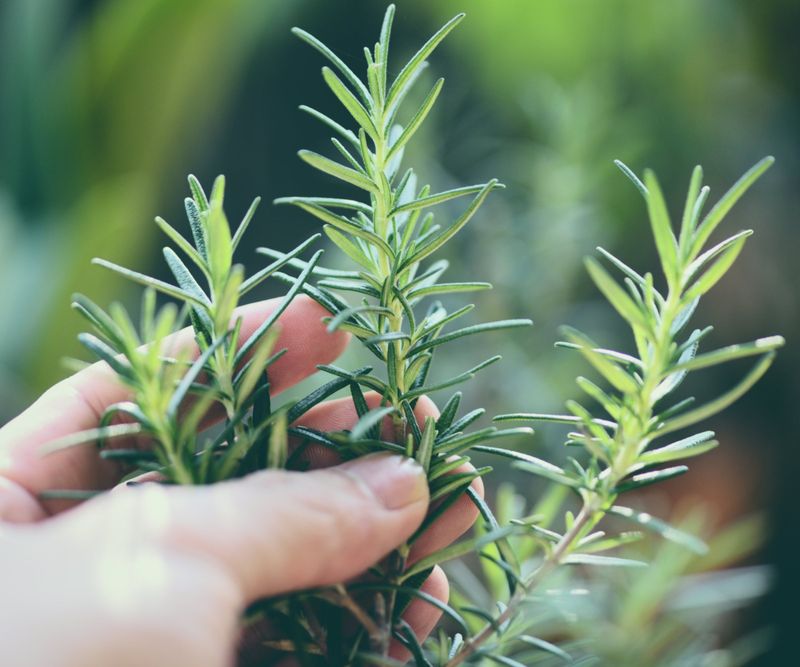
Running your fingers along a rosemary plant that has been left to grow unchecked for a season, you might notice that the fresh, pinchable tips are few and far between.
Those soft green tips are exactly where the most aromatic foliage tends to develop, and when a plant is allowed to grow long and leggy without any intervention, the ratio of fragrant leaf tissue to overall plant mass shrinks considerably.
Pinching back the growing tips of rosemary regularly encourages the plant to branch out and produce more of that fresh, oil-rich foliage.
It is a simple habit that takes only a few minutes and makes a real difference in how much fragrance the plant produces over a season.
For container rosemary on California patios, regular pinching also keeps the plant from becoming too large and top-heavy for its pot.
The best approach is to pinch or lightly trim just the soft tips, removing an inch or two of new growth every few weeks during the active growing season.
This stimulates side branching and results in a fuller, more compact plant with a much greater surface area of aromatic leaves.
For gardeners in California who grow rosemary alongside other kitchen herbs, making pinching a part of the regular harvest routine is an easy way to stay consistent.
Every time you take a few sprigs for cooking, pinch a few extra tips nearby to keep the plant bushy and fragrant throughout spring and into the warm summer months.
8. Drying And Storage Affect The Scent
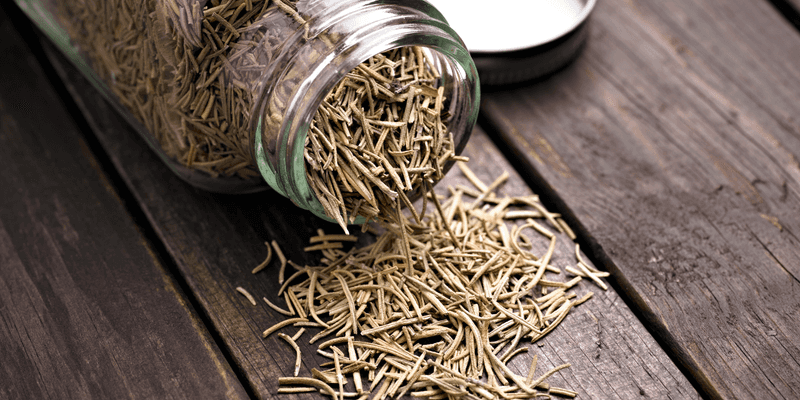
A jar of dried rosemary sitting in a warm pantry for over a year has usually lost a good portion of the fragrance it started with, and many California home cooks do not realize that storage conditions are just as important as the quality of the fresh herb.
Drying and storing rosemary properly makes a meaningful difference in how much aromatic character the herb retains once it leaves the garden.
Drying rosemary slowly in a cool, well-ventilated space out of direct sunlight tends to preserve more of the essential oils than drying it in a hot oven or leaving it in direct sun.
Bundling freshly cut sprigs and hanging them upside down in a shaded, airy spot, like a garage or covered porch, is a method that works well in many California climates where humidity stays relatively low.
Once the rosemary is fully dry and the leaves crumble easily from the stems, storing it in an airtight glass jar away from heat and light helps slow the natural breakdown of aromatic compounds over time.
Plastic bags and open bowls allow too much air exchange and tend to result in faster scent loss.
Replacing dried rosemary every eight to twelve months is a reasonable general guideline for home cooks who want the best flavor and fragrance. Keeping storage jars away from the stove or any warm appliance also helps.
Fresh rosemary will almost always outperform dried herb that has been sitting too long, so harvesting regularly and storing thoughtfully makes a real difference.