7 Signs Your Fall Garden Is Thirsty (Even When The Soil Looks Moist) In Louisiana
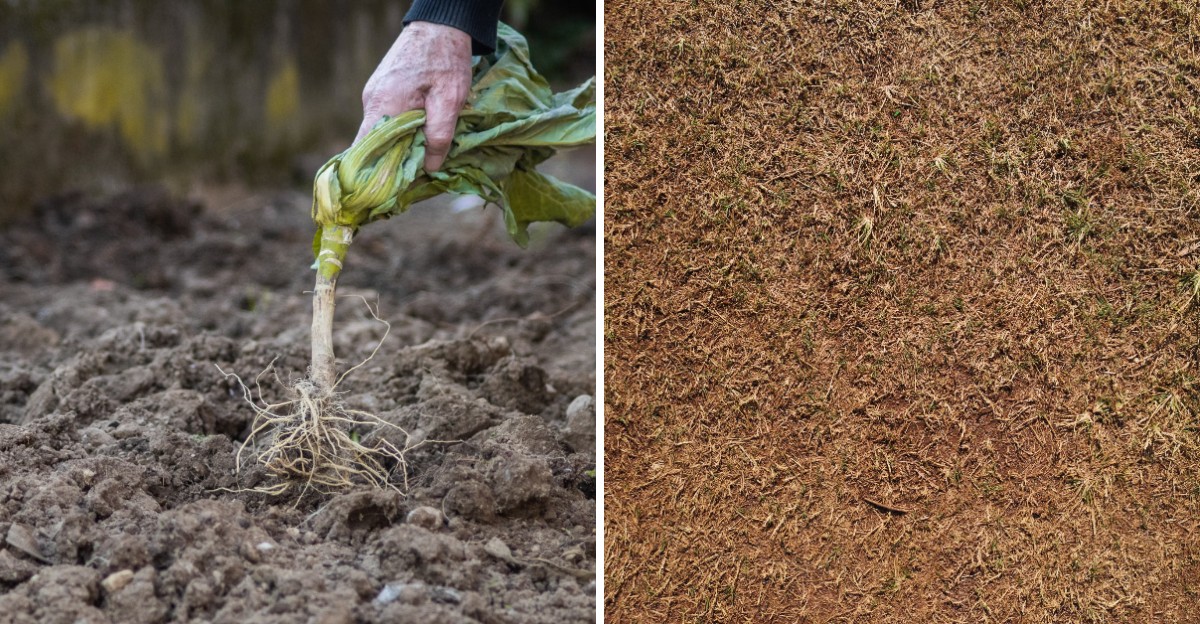
Your soil looks moist. Your finger comes back muddy. Everything should be fine. Yet those collard leaves are drooping.
They look like they haven’t been watered in weeks. You’re standing there wondering what you’re missing. Here’s the truth. Louisiana’s cool, damp mornings can trick even seasoned gardeners.
Those mornings make them think their plants are getting enough water. That top layer of soil holds moisture like a sponge. But a few inches down, roots are struggling in dry clay. Add in poor drainage.
Or a touch of root rot. Now you’ve got a plant that looks watered. But it’s quietly running low underneath. This isn’t just bad luck. It’s a pattern. Once you learn to spot it, you’ll never look at a wilting leaf the same way again.
Below are seven telltale signs that your garden is thirstier than it lets on. Each one is shaped by the exact conditions Louisiana brings in November.
Leaves Wilt On Breezy, Sunny Afternoons
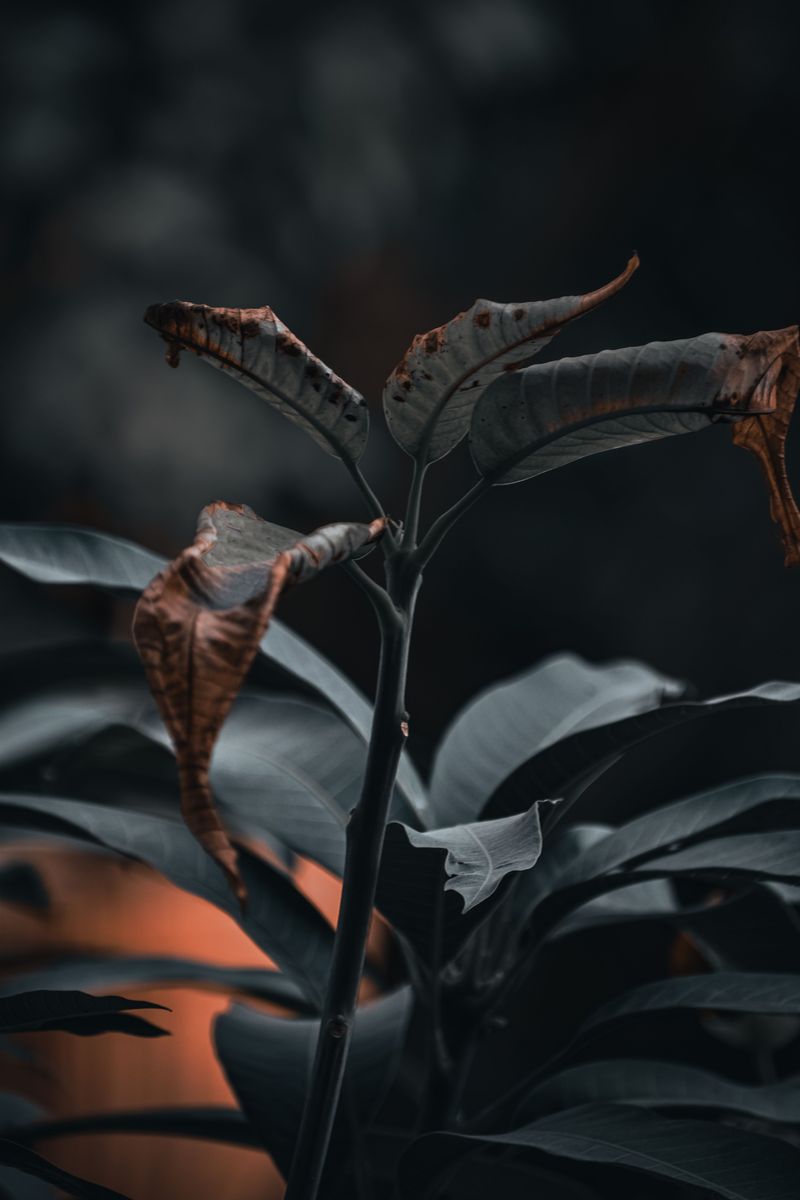
Early afternoon arrives, the sun is out, and a brisk wind is moving through the garden. Suddenly your plants look noticeably tired.
That midday droop is one of the clearest signs your plants are thirsty, and it can happen even when the topsoil feels moist to the touch.
November brings cold fronts that push in dry air and steady wind. Temperatures may only reach the 60s or low 70s, but plants still lose water through their leaves quickly when the air is dry and moving.
If roots cannot send water upward fast enough, leaves relax and sag. Wilting in the afternoon does not always mean lasting trouble, since plants often perk up once evening settles in. But if it happens day after day, something below the surface needs attention.
Clay-heavy Louisiana soil makes this tricky. It holds water near the top while staying quite dry a few inches down, so roots cannot reach the deeper moisture they need, no matter how damp things look up top.
Check your soil at a depth of four to six inches. If it crumbles or feels dusty there, your plants are working hard just to get by. Surface dampness is simply hiding the real story.
Water deeply and slowly to help. A soaker hose or drip line sends moisture down where roots actually live. A quick sprinkle on top will not do much, even in cooler weather.
Mulch helps too. A two-inch layer of pine straw, leaves, or wood chips slows evaporation, shields roots from wind, and keeps soil temperatures steadier when nights turn chilly. Your plants will reward you with stronger, calmer growth all season long.
Curling Or Drooping Continues Even After Watering
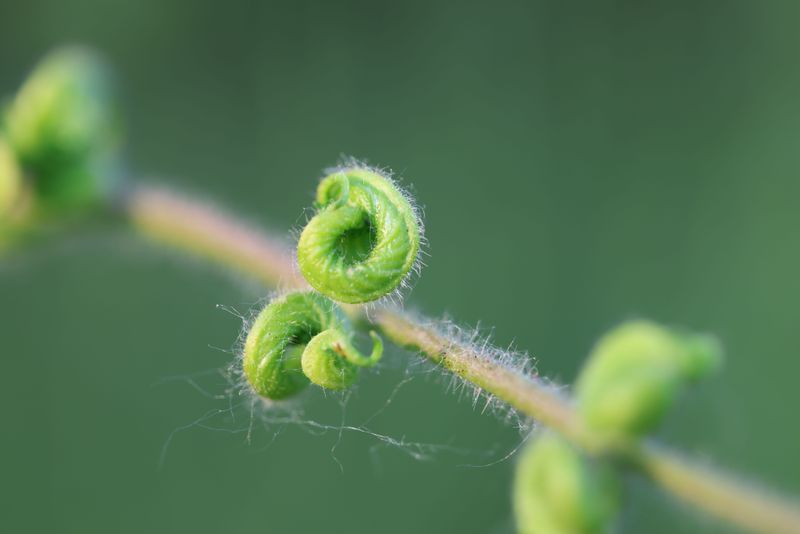
You watered an hour ago, and those leaves are still curling inward like tiny fists. That stubborn curl is not a fluke. It is a sign that something deeper is happening with your plant’s water supply.
Leaf curling is a smart defense. Plants roll their leaves to reduce the surface area exposed to sun and wind, which cuts water loss on a dry, breezy November day when a cold front is passing through.
When curling sticks around after watering, the water usually never reached the root zone. Compacted soil can act like a barrier, letting water pool on top and run off to the side.
Fall rains can make this worse by sealing the surface into a thin crust. Louisiana’s heavy clay soils are well known for this.
They look damp on top but stay dense and dry a few inches below, so roots cannot take in what they need, no matter how much water you pour on. Try the screwdriver test. Push a long screwdriver into the soil after watering.
If it stops before reaching six inches, the ground is too compact for water to move through properly.
Fall is a wonderful time to loosen things up. Gently aerate the soil around your plants, taking care not to disturb roots, and mix in compost to keep the soil open and friendly for roots over time.
If curling does not ease after a deep, slow watering, root stress from heavy, waterlogged soil may be the cause. Healthy roots are the best path to relaxed, happy leaves.
Yellowing Appears Despite Consistently Damp Soil
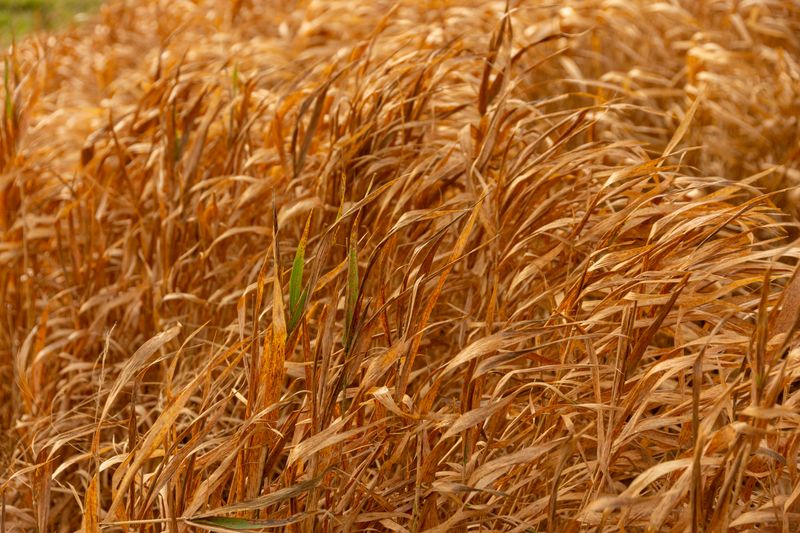
Yellow leaves and wet soil together make one of gardening’s most confusing combinations. Most people assume yellow means too little water, but in Louisiana, especially in the cooler months, it often points to the opposite.
November tends to bring more cloud cover, longer-lasting dew, and less evaporation, so soil can stay wet for days. When it does, air gets pushed out of the root zone.
Roots need air just as much as they need moisture, and without it they slow down and struggle to pull up water and nutrients.
This is often called root rot, and it is common in low-lying Louisiana yards. If you gently lift a plant, healthy roots appear white and firm.
Roots that look brown, soft, or mushy have been sitting in too much water. Here is the surprising part. A plant with soggy roots shows many of the same signs as a thirsty plant.
Yellowing, wilting, and slow growth all appear because the plant cannot access water properly. Damp soil does not always mean a hydrated plant.
Poor drainage is the usual cause. If your bed sits in a low spot, water collects and never fully drains away.
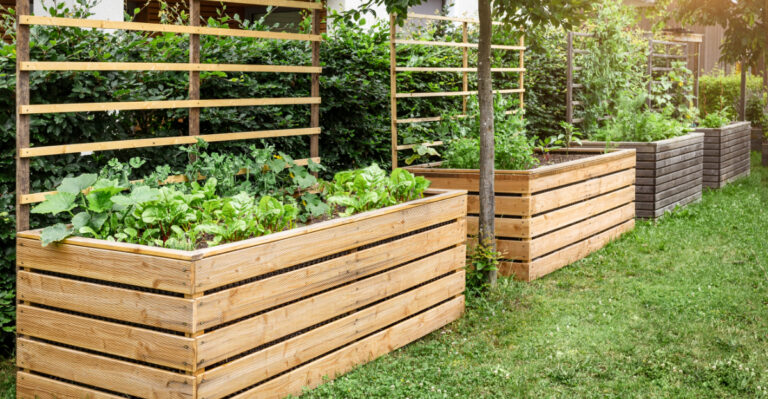
Raised beds are a popular fix among Louisiana gardeners, and fall is a great time to build them before spring planting.
Notice how long water lingers after rain or watering. If puddles remain for several hours, drainage deserves attention.
Mixing in perlite, coarse sand, or finished compost can improve flow. In the meantime, ease back on watering until the soil feels dry a few inches down.
Growth Slows Even With Regular Rainfall
Your neighbor’s garden is full of healthy lettuce and cabbage, and yours seems to be moving in slow motion. Regular Louisiana rainfall should be enough, right?
Not always, and that gentle slowdown is telling you something important. Some slowing is natural in November. Days are shorter and nights are cooler. But if seedlings sit still or fall crops look smaller than they should, water may be part of the story.
Plants need water to fuel every growth process, from cell expansion to moving nutrients. When roots cannot reach enough moisture, growth simply pauses.
Frequent rainfall does not guarantee deep soil moisture. Heavy showers ahead of a cold front often run off before soaking in, leaving the top inch wet while everything below stays dry and compact.
Even an inch of rain can fail to reach deep into packed clay. Shallow-rooted plants feel this most, since surface soil dries fastest between rains. Fall transplants like broccoli, kale, and strawberries are especially sensitive while they settle in.
Nutrient uptake slows too when plants lack water. Even rich, well-fertilized soil cannot help a thirsty plant absorb what it needs.
A simple rain gauge shows how much rain really fell. When rainfall is light, give your beds a long, slow drink once a week rather than a daily sprinkle. Deep watering encourages roots to grow downward, where moisture is steadier.
Roots Stay Shallow Instead Of Digging Deep
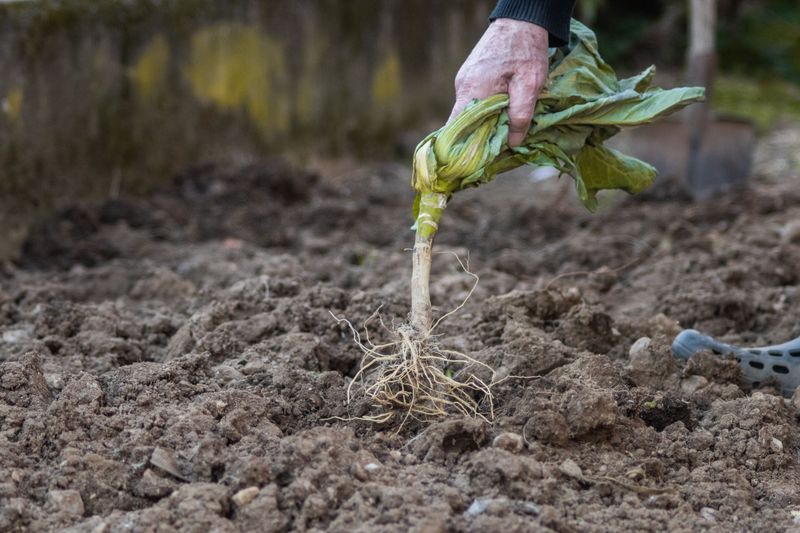
Pull back the mulch around a struggling plant, and you might spot roots creeping along the surface like little white threads. That is not typical root behavior. It is a quiet signal hiding just beneath your feet.
Roots follow moisture. When water only reaches the top inch or two of soil, roots have no reason to grow deeper. They gather near the surface, close to the only damp zone available. Shallow roots make a more delicate plant.
The surface layer dries out quickly when a dry, windy cold front moves through, and it swings between warm afternoons and chilly nights faster than deeper soil does. Any gap in watering, even a short one, leaves those roots exposed.
Signs your plants are thirsty show up more often when root systems stay shallow, since the plant has less stored moisture to draw from. When frost is in the forecast, plants with deeper, well-hydrated roots handle the chill far better.
Deep, less frequent watering is the best way to encourage roots to head downward. When moisture sits deeper in the soil, roots follow it, and your plants develop a stronger, more resilient foundation.
Louisiana’s clay soil makes deep root growth harder, since clay compacts easily and resists water. Working in compost, leaf mold, or aged bark improves drainage and invites roots to explore deeper.
A plant with deep roots handles cold snaps, skipped waterings, and dry spells far better than its shallow-rooted neighbors. Building that root depth now sets your garden up for a strong winter and an even stronger spring.
Soil Feels Wet On Top But Dry Underneath
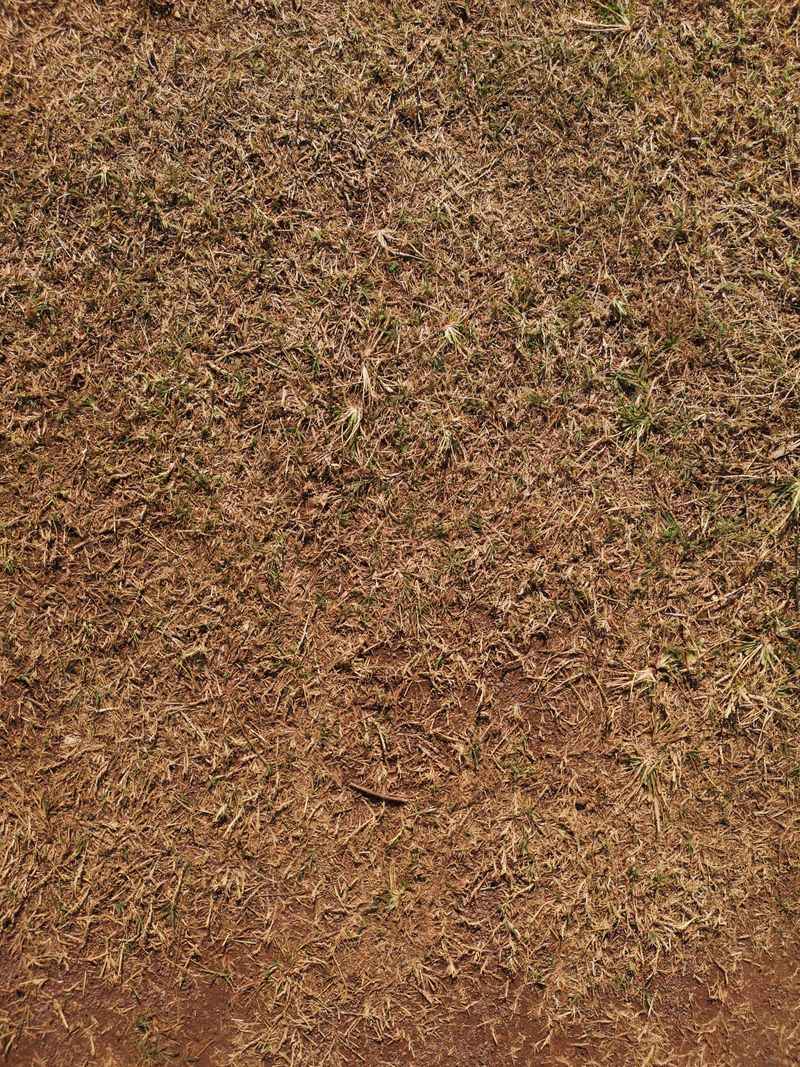
Press your palm into the soil, and it feels cool and damp. Stick a finger down three inches, and suddenly it feels like chalk.
That gap between surface and depth is one of the sneakiest surprises in Louisiana gardening.
This layered moisture pattern has a few causes. Compacted soil forms a crust that holds surface water for a while, and morning dew and cool temperatures keep the top layer feeling fresh, even when the lower layers have not received enough water to stay hydrated.
Louisiana’s clay-based soil is especially prone to this. Clay particles pack tightly together, creating invisible barriers that slow water as it moves down. Rain and light watering wet the top layer but pause before reaching the root zone.
Roots living two to six inches below the surface do most of the work. If that zone stays dry, the plant is under-hydrated no matter how moist the surface looks.
A simple moisture meter takes away the guesswork. These affordable tools measure moisture at different depths with a quick probe, and they are especially useful in fall, when cool mornings make soil feel wetter than it really is.
Watering slowly over a longer period gives moisture time to travel through compacted layers. Fast watering tends to pool on top and run off before it soaks in. Slow and steady works best in heavy clay.
Adding compost regularly over several seasons gradually improves soil structure and water movement from top to bottom. Your garden’s health depends on what is happening underground, not just what you can feel on the surface.
Wilting Returns Quickly After Temporary Perking Up
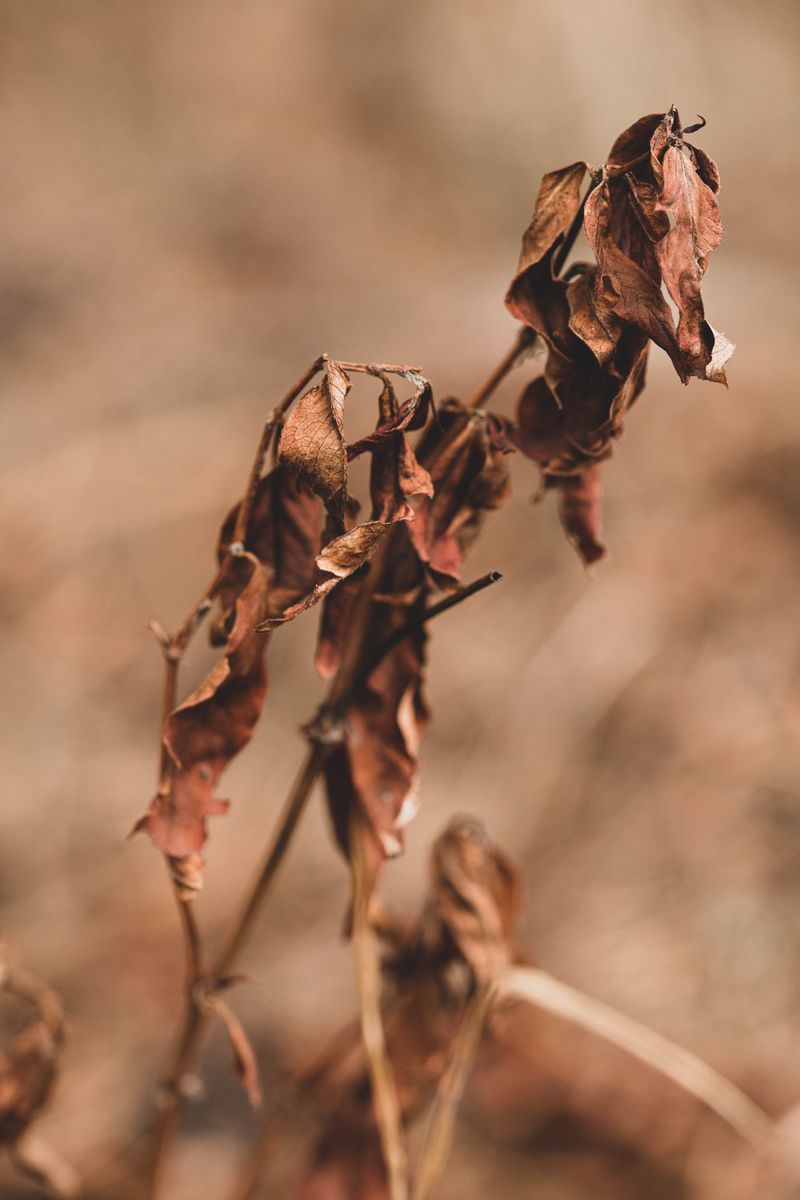
You water your plant, it perks up for an hour, then droops again as if nothing happened. That bounce-back cycle is one of the most telling signs your plants are thirsty at a deeper level.
Quick recovery followed by drooping means the plant got just enough water to ease its stress briefly, but the root zone did not receive enough to carry it through the day. It is a bit like taking one small sip of water on a long, breezy afternoon.
This pattern often points to a shallow watering habit. If you sprinkle a little water on top each day, moisture never travels deep enough.
The plant refreshes from surface absorption, then dries out again within hours, especially on sunny days with dry fall wind.
Louisiana afternoons can still be demanding in November. Warm spells can follow a cold front, and sunshine on a dry, windy day makes leaves lose moisture quickly.
Damaged roots can cause this cycle too. Roots stressed by soggy soil absorb water poorly, even when plenty is available. November adds two more things to check. First, cold stress.
A chilly night can leave leaves looking droopy in the morning in a way that looks just like thirst, so check your overnight lows before adding more water. A light frost cloth on cold evenings is a simple, helpful step. Second, potted plants.
Containers near a sunny wall, a heater, or a bright window can dry out faster than you expect, even when the surface feels damp.
If wilting keeps repeating, gently inspect the roots. Healthy roots are firm, white, and spread wide. Brown, slimy, or sparse roots need more than watering can offer.