Hard To Find Native Pennsylvania Ground Covers Worth Tracking Down For Impossible Shaded Slopes
Shaded slopes are one of the most challenging spaces in any Pennsylvania yard. Too steep for mulch to stay put, too shaded for most flowering plants, and too difficult to mow even if grass would grow there.
Most homeowners either give up and accept bare eroding soil or cover it with landscape fabric that looks bleak and eventually fails anyway. But native Pennsylvania ground covers change that equation entirely.
The right native ground cover planted on a shaded slope does something nothing else can. It establishes, spreads, holds the soil in place, and eventually creates a self sustaining layer of living coverage that requires almost no maintenance once it gets going.
No mulch to replace, no fabric to manage, no seasonal replanting. The challenge is finding the best ones.
The native ground covers that truly excel on shaded slopes are often not sitting on the shelves at your local garden center. But for Pennsylvania gardeners willing to track them down, the payoff is enormous.
1. Canadian Wild Ginger
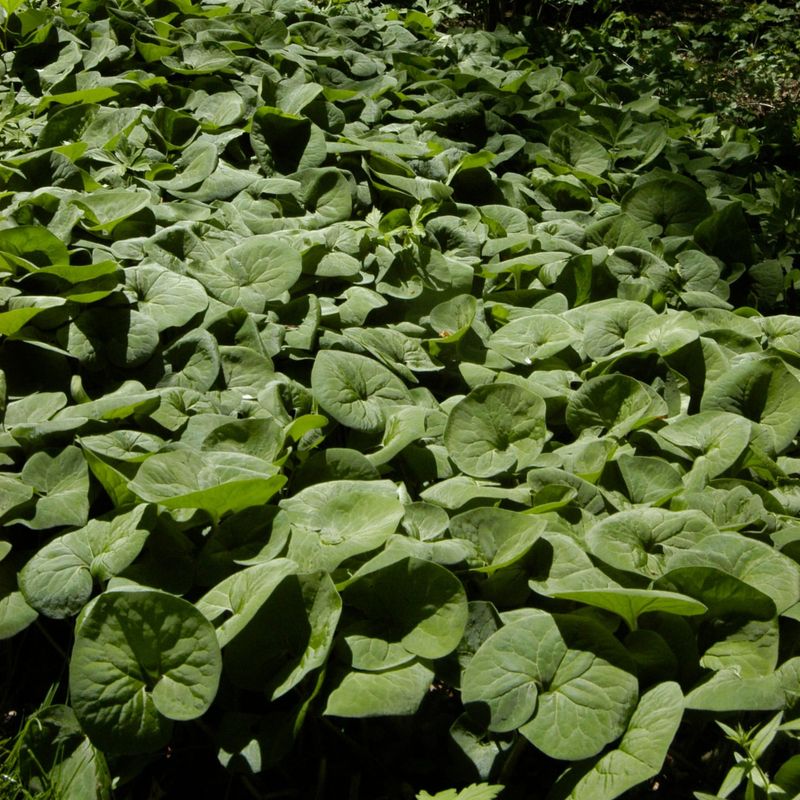
Walk through almost any rich Pennsylvania woodland in spring, and you might notice a low, spreading carpet of large, heart-shaped leaves hugging the ground. That is Canadian Wild Ginger, one of the most satisfying native ground covers you can plant on a shaded slope.
It moves slowly but steadily, building soft, lush colonies that look like they have always belonged there.
The leaves are deep green and velvety, growing about four to six inches wide. They stay low to the ground, rarely reaching more than six inches tall, which makes them perfect for filling in under trees and along shaded hillsides.
The tiny reddish-brown flowers hide beneath the foliage in early spring, so most people never notice them. But pollinators do.
One of the best things about Canadian Wild Ginger is how well it handles the kind of rich, moist, shaded soil that many other plants avoid. It actually thrives in those conditions.
Once it gets going, it forms a dense mat that helps hold soil in place on slopes and keeps weeds from sneaking in. Finding it can take some searching. Most big box garden centers do not carry it.
Your best bet is a native plant nursery, a local plant sale run by a native plant society, or a reputable online native plant retailer. It is worth every bit of effort to track down.
Plant it in clusters and give it a couple of seasons to spread. You will end up with a ground cover so natural-looking that visitors will think it grew there on its own, which is honestly the highest compliment a planted ground cover can get.
2. Partridgeberry
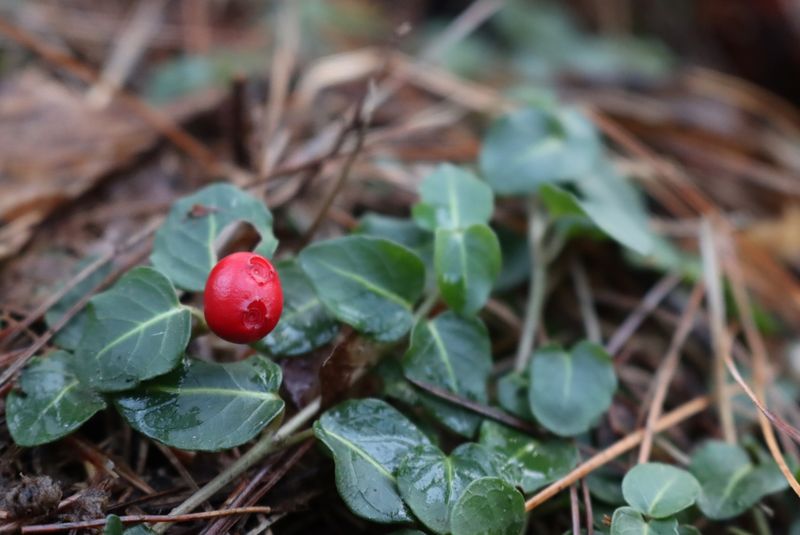
Partridgeberry is one of those plants that makes you stop and stare. It is tiny, barely an inch or two tall, but it packs an incredible amount of charm into that small frame.
The glossy, paired leaves stay green all year long. In early summer, pairs of delicate white tubular flowers bloom at the stem tips. By fall and winter, bright red berries dot the mat like little ornaments.
Your Pennsylvania Garden Changes Every Week. Your Plan Should Too.
Gardening in Pennsylvania changes quickly throughout the season. Every Friday you’ll receive a simple weekly plan showing exactly what to plant, prune, fertilize, harvest, and protect so you never miss the right timing.
For shady, acidic slopes under oaks, pines, or hemlocks, Partridgeberry is a near-perfect solution. It roots as it creeps along the ground, slowly weaving itself into a tight, weed-suppressing carpet.
It handles dry shade reasonably well once established, though it truly shines in moist, humus-rich woodland soil with good drainage.
Wildlife absolutely love it. White-tailed deer, wild turkeys, and several species of woodland birds feed on the berries through the winter months.
Planting Partridgeberry means you are not just solving an erosion problem, you are also adding real ecological value to your property.
Did you know that Partridgeberry flowers are actually fused in pairs, and both flowers must be pollinated to produce a single berry? That quirky fact is a great conversation starter when visitors notice the plant.
Finding Partridgeberry at a regular nursery is nearly impossible. Seek out native plant specialists, woodland nurseries, or conservation plant sales in Pennsylvania.
It is worth calling ahead because stock is often limited. Plant it in groups for faster coverage, keep the soil slightly acidic, and avoid disturbing the roots once it starts to establish.
Patience is everything with this one, but the reward is a ground cover that genuinely looks like a piece of wild Pennsylvania forest floor.
3. Foamflower
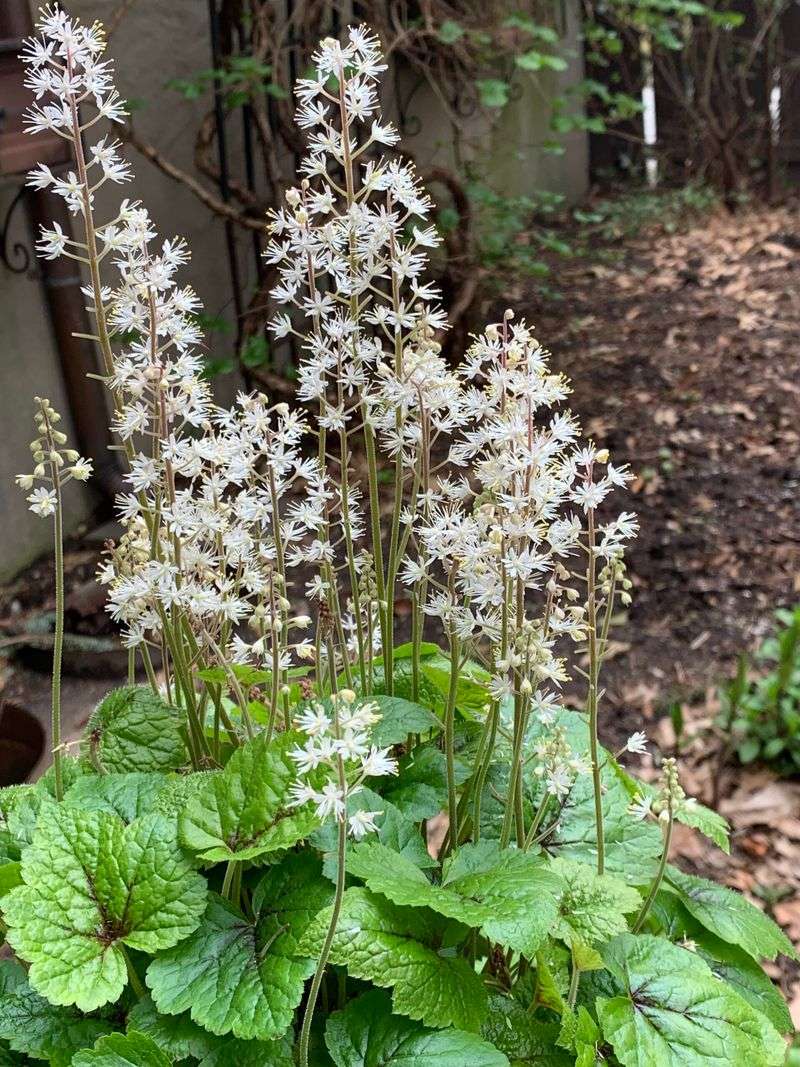
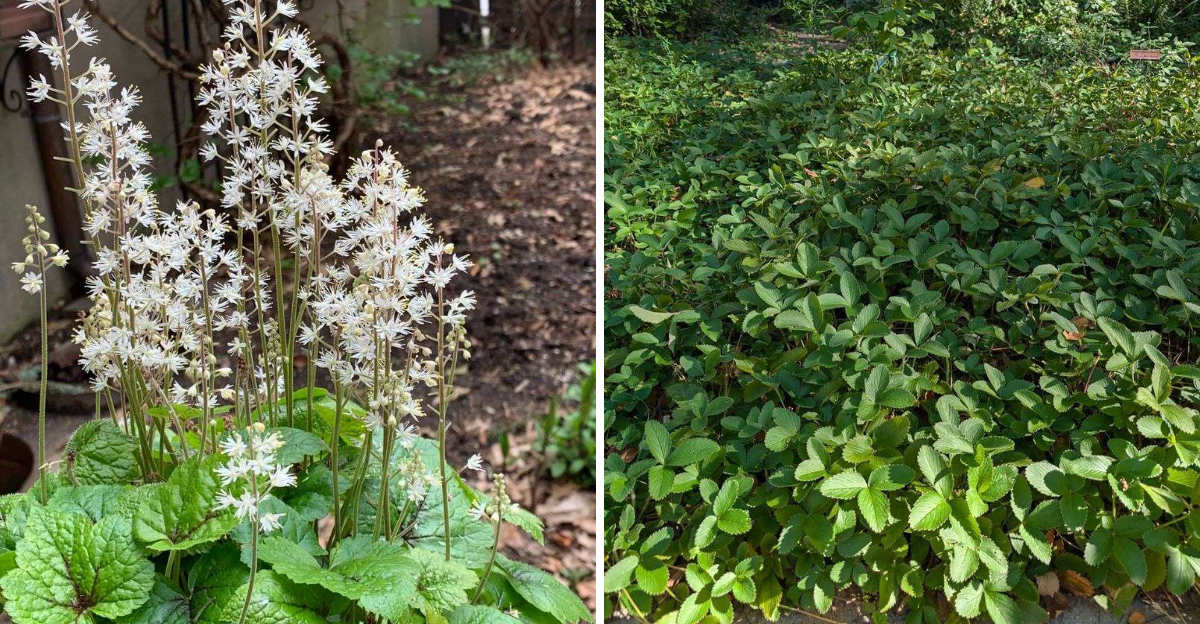
Few native plants put on a spring show quite like Foamflower. When the flowers open in April and May, they form frothy white or pale pink spikes that seem to float above the foliage like foam on a gentle stream.
That is actually how the plant got its common name, and once you see it in bloom, the name makes perfect sense.
Foamflower spreads by both clumping and sending out runners, which means it fills in a shaded slope faster than many other native ground covers. The leaves are attractive even when the plant is not blooming.
They are deeply lobed and sometimes marked with burgundy or bronze tones, especially in fall and winter. Some varieties hold their leaves through mild winters, giving the slope year-round visual interest.
It grows best in moist, rich, woodland soil with consistent shade or dappled light. A shaded slope with decent organic matter in the soil is basically its ideal home.
It is also a magnet for native bees in spring, so you are doing pollinators a real favor by adding it to your landscape.
Foamflower is more available than some of the other plants on this list, but true native straight species can still be tricky to find compared to nursery hybrids. Try to source plants labeled as Pennsylvania or Appalachian native ecotypes for the best results on local slopes.
Plant them about a foot apart in fall or early spring. Within two or three seasons, they will knit together into a soft, layered ground cover that looks completely at home on a wooded hillside. It is one of the most rewarding native plants a Pennsylvania gardener can grow.
4. Barren Strawberry
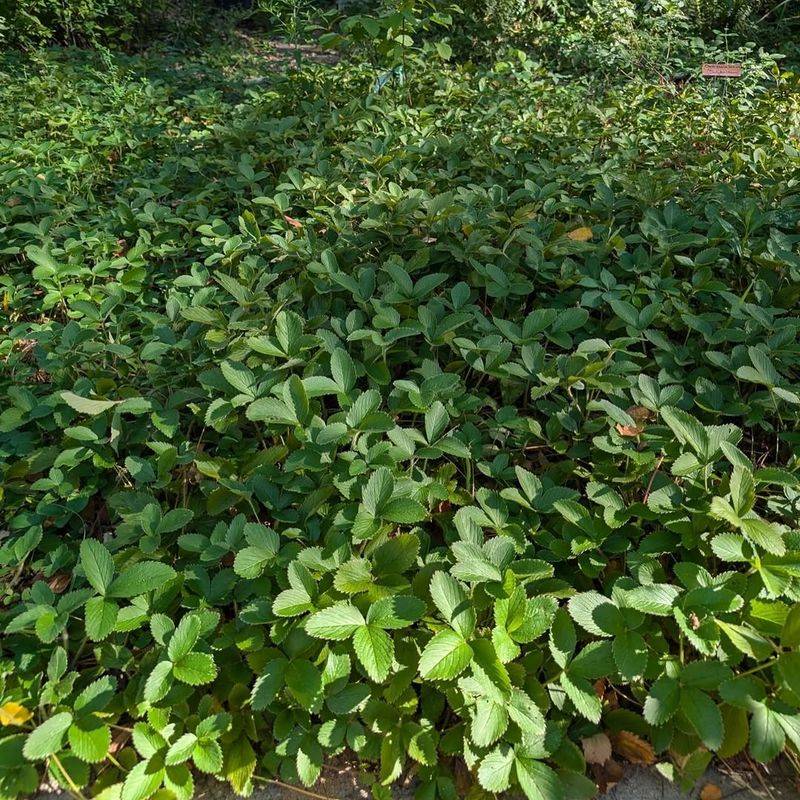
At first glance, Barren Strawberry looks a lot like a regular wild strawberry, and that resemblance is part of its appeal. The three-part leaves are neat and tidy, the plant stays very low to the ground, and small bright yellow flowers pop up in spring.
But unlike edible strawberries, the fruits are dry and not meant for the table, hence the name.
What Barren Strawberry lacks in fruit, it more than makes up for in toughness. It handles partly shaded slopes with dry or average soil better than almost any other native ground cover on this list.
Once established, it spreads reliably by runners, forming a dense, weed-resistant carpet that looks clean and well-kept without much effort from you.
It is a particularly smart choice for slopes that get morning sun and afternoon shade, or for areas under deciduous trees where some light filters through.
The foliage often takes on rich reddish and bronze tones in fall, which adds a nice seasonal color change to what might otherwise be a plain hillside. It also provides some erosion control on steeper banks.
Native plant nurseries and specialty perennial growers are your best sources for Barren Strawberry. It is not commonly stocked at mainstream garden centers, which is a shame because it deserves far more attention than it gets.
Space plants about eight to twelve inches apart for faster coverage. Avoid heavy clay soils and make sure the site has decent drainage.
Within a season or two, you will have a tidy, attractive carpet that handles neglect well and keeps coming back stronger every year. It is a genuinely underrated native plant.
5. Pennsylvania Sedge
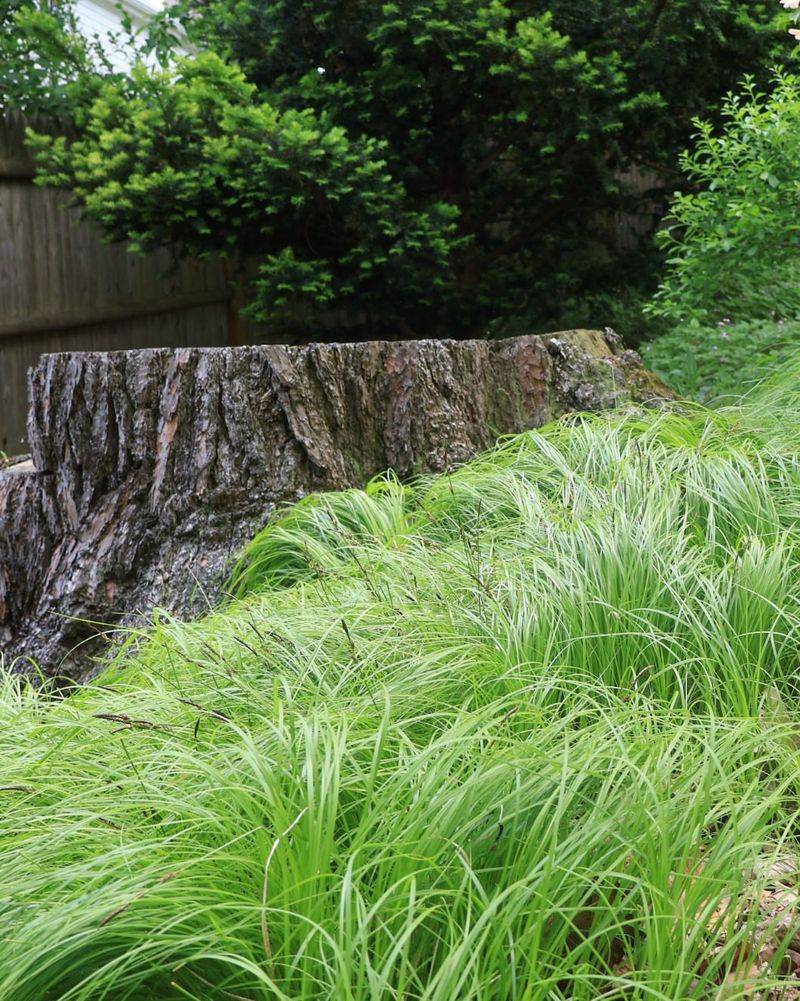
Most people do not think of sedges when they are looking for ground covers, but Pennsylvania Sedge might just change your mind. It looks like a fine-textured, arching grass, but it is actually a sedge, and that distinction matters.
Sedges handle dry shade far better than most true grasses, making them an ideal solution for those frustrating spots under dense tree canopies where nothing else seems to want to grow.
Pennsylvania Sedge stays low, usually between four and eight inches tall, and it has a naturally flowing, soft appearance. It does not spread aggressively, but over time it fills in nicely through clumping and gentle self-seeding.
The result is a meadowy, soft-looking carpet that gives a shaded slope a naturalistic feel without looking messy or unkempt.
One of its biggest selling points is how little maintenance it needs once established. No mowing is required, though you can give it a light trim in early spring if you want to refresh its appearance.
It tolerates drought once rooted in, handles foot traffic reasonably well, and stays green through most of Pennsylvania winters. That kind of year-round reliability is hard to beat.
Finding Pennsylvania Sedge at a standard nursery can be hit or miss. Native plant nurseries, prairie restoration suppliers, and native plant society sales are your most reliable sources.
Look for plants grown from local Pennsylvania seed sources when possible. Plant in fall or early spring, water regularly for the first season, and then mostly leave it alone.
It rewards patience with a ground cover that feels genuinely wild and natural, the kind of landscape that makes a shaded slope look intentional rather than forgotten.
6. Christmas Fern
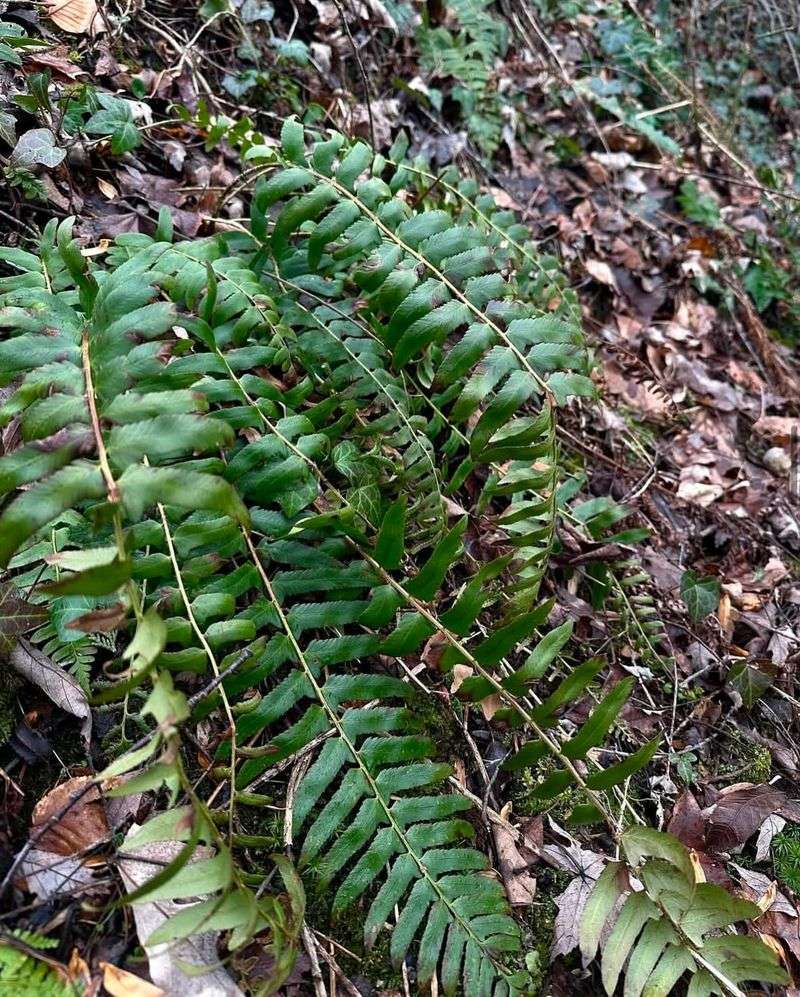
Christmas Fern earned its festive name because its deep green fronds stay on the plant straight through the winter holiday season, even when snow is on the ground.
That evergreen staying power is exactly what makes it such a valuable plant for shaded hillsides and erosion-prone banks across Pennsylvania.
When most other plants go dormant and leave bare soil exposed, Christmas Fern is still holding the slope together.
The fronds are dark green, leathery, and slightly glossy. They grow in arching clumps that can reach one to two feet tall, giving a slope real visual structure.
In spring, new fronds unfurl from the center of the clump in a satisfying, graceful way. Old fronds gradually flatten to the ground as the season progresses, which actually helps mulch and protect the soil around the plant.
Christmas Fern is one of the most adaptable native ferns in the region. It handles dry shade, moist shade, rocky slopes, and clay soil with equal ease.
It does not spread rapidly, but it is extremely long-lived and reliable. A single clump planted today could still be thriving in the same spot fifty years from now.
It is more widely available than most plants on this list, though true locally-sourced native specimens are still worth seeking out from native plant nurseries.
Plant clumps in staggered rows on a slope, spacing them about two feet apart, and they will gradually form overlapping coverage that controls erosion beautifully.
Pair Christmas Fern with other native woodland plants for a layered, natural look. It is one of the hardest-working, most dependable native plants you can put on a difficult shaded slope in Pennsylvania.