These Pennsylvania Native Wildflowers Outperform Annuals In Heat And Come Back Every Year For Free
There is a certain moment every spring when you do the mental math on annuals and realize you have spent a genuinely surprising amount of money on plants that will not survive October.
It happens to a lot of Pennsylvania gardeners, and it is a completely reasonable thing to want to change.
Native perennial wildflowers are a pretty compelling answer to that problem. Plant them once in the right spot and they come back on their own season after season, no replanting, no annual trip to the garden center for the same flats of the same flowers.
The roots do the work over winter and the plant returns stronger each year. Meanwhile your garden still gets bold color, sturdy stems, and serious pollinator traffic all summer long.
Pennsylvania has a genuinely impressive lineup of native wildflowers built to deliver exactly that.
1. Butterfly Weed Handles Hot Sunny Beds
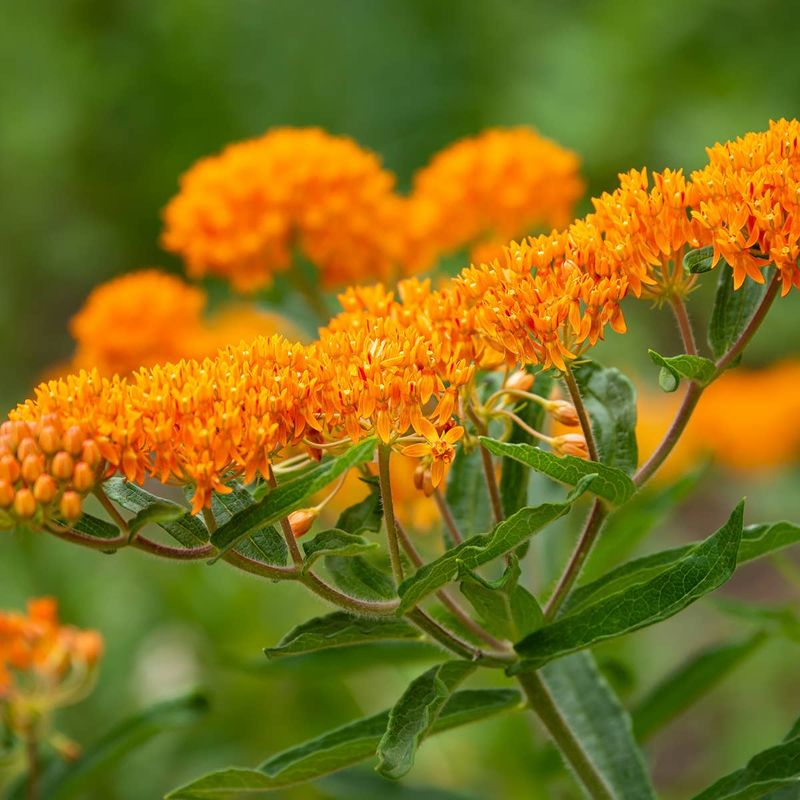
Sun-baked borders that leave most annuals looking limp by July are exactly where butterfly weed tends to shine.
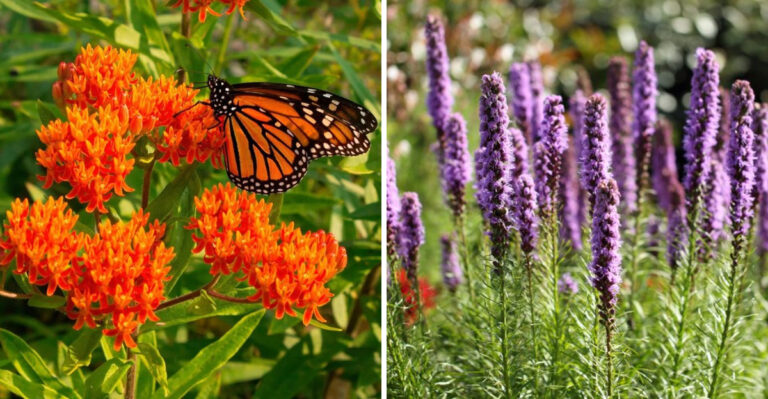
This native wildflower, known botanically as Asclepias tuberosa, produces clusters of vivid orange blooms that hold up remarkably well during the kind of hot, dry stretches Pennsylvania summers can bring.
It thrives in full sun and well-drained soil, and it does not appreciate soggy conditions, so raised beds, dry slopes, and sandy or gravelly spots tend to suit it well.
Butterfly weed is one of the few native milkweed species that does not produce the milky sap common in others, which makes it a bit easier to handle in the garden.
More importantly, it serves as a host plant for monarch butterfly caterpillars and draws in a wide range of pollinators, including bumblebees, fritillary butterflies, and native bees.
That combination of ecological value and showy color makes it a strong candidate for pollinator borders and naturalized plantings across Pennsylvania.
Since butterfly weed develops a deep taproot, it can be slow to establish in the first season or two. Moving it once it is settled in is not recommended, so choosing the right spot from the start matters.
Once it takes hold, it tends to return reliably from those deep roots, offering orange blooms year after year without needing to be replanted each spring.
2. Orange Coneflower Keeps Summer Color Going
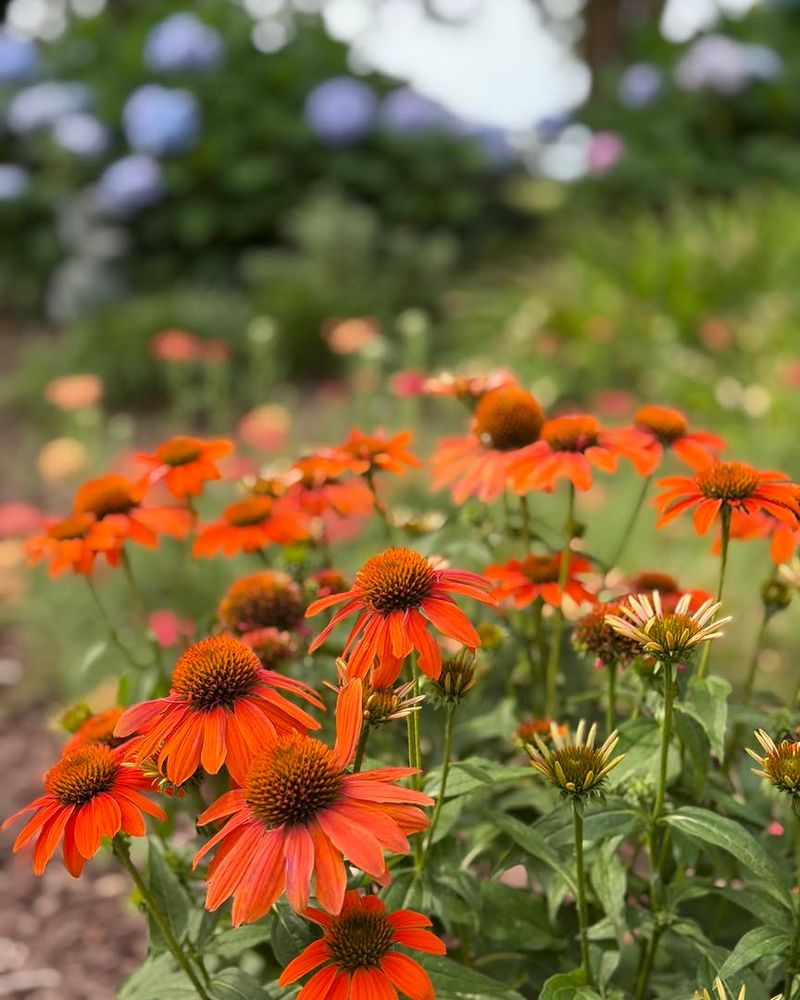
Few plants keep a Pennsylvania garden looking cheerful from midsummer through early fall quite like orange coneflower.
Rudbeckia fulgida, sometimes called black-eyed Susan, produces golden-yellow petals with dark brown centers that seem to glow in afternoon light.
It is a sturdy native perennial that handles full sun and tolerates the kind of clay-heavy soil that shows up in many Pennsylvania yards, which is not something every garden plant can claim.
What makes orange coneflower especially practical is how little fuss it needs once it finds a comfortable spot.
It spreads gradually over time through both rhizomes and self-seeding, which means a single plant can slowly fill in a border without requiring you to buy replacements.
That spreading habit is worth keeping in mind if space is limited, but in a meadow-style bed or a wider pollinator planting, it works in your favor.
Your Pennsylvania Garden Changes Every Week. Your Plan Should Too.
Gardening in Pennsylvania changes quickly throughout the season. Every Friday you’ll receive a simple weekly plan showing exactly what to plant, prune, fertilize, harvest, and protect so you never miss the right timing.
Bees, butterflies, and goldfinches all have reasons to visit orange coneflower. The blooms support pollinators through the summer, and once the petals fade, the seed heads attract birds into the fall and early winter.
Leaving the seed heads standing rather than cutting them back right away gives birds a natural food source during cooler months.
For Pennsylvania gardeners who want reliable late-summer color without replanting every year, orange coneflower is a dependable choice that earns its space in the bed.
3. Purple Coneflower Brings Tough Perennial Blooms
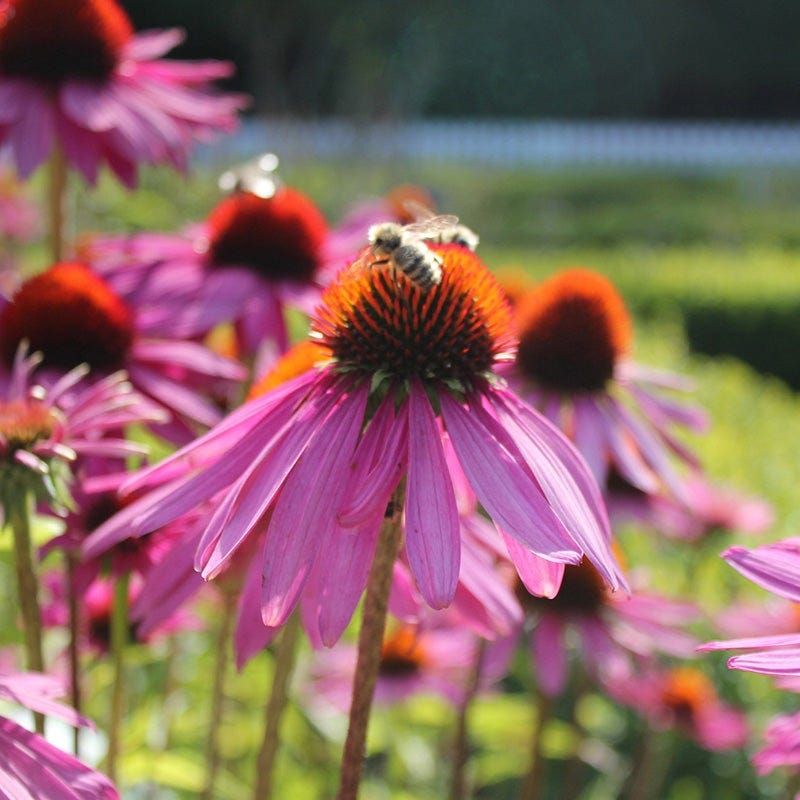
Walk through almost any Pennsylvania native plant garden in July and you are likely to spot the rosy-purple petals and spiky orange-brown centers of Echinacea purpurea.
Purple coneflower has earned its reputation as a go-to perennial not just because it looks good, but because it genuinely handles tough conditions.
It tolerates heat, survives dry spells once established, and grows well in full sun to light shade across a wide range of soil types.
One of the things that sets purple coneflower apart from many annuals is how it responds to Pennsylvania summers.
Rather than fading or struggling when temperatures climb, it tends to hold its blooms for an extended period, often from late June into August or even September depending on the planting site and local conditions.
That long bloom window makes it useful in mixed borders where you want color that does not disappear by midsummer.
Pollinators find purple coneflower hard to resist. Bumblebees work the flower heads steadily, and several species of native bees rely on it for pollen.
Once blooming slows, the seed heads become a food source for birds, particularly American goldfinches, which are a common sight in Pennsylvania gardens.
Purple coneflower also self-seeds moderately, so over time a planting can expand on its own.
For a perennial that returns from established roots without needing to be repurchased each spring, it delivers consistent value.
4. Wild Bergamot Adds Heat-Friendly Color
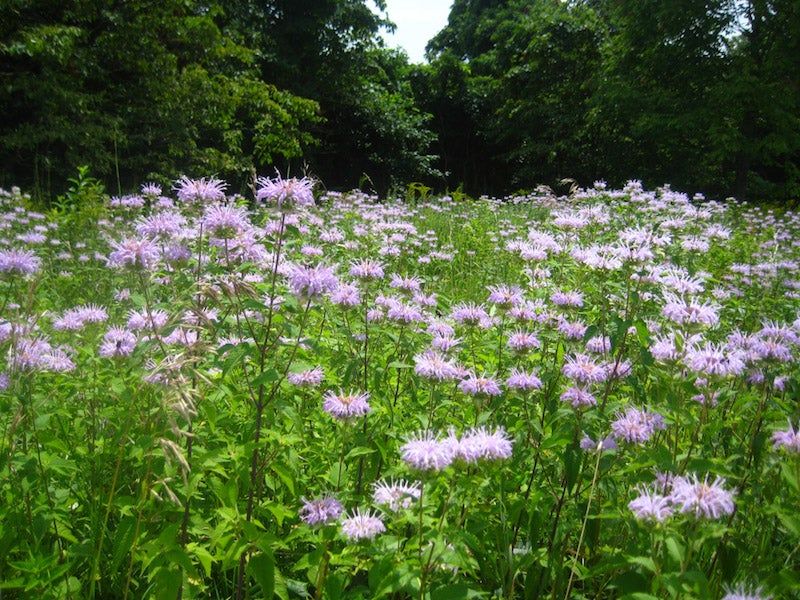
There is something almost carefree about the way wild bergamot blooms in a Pennsylvania summer border.
Monarda fistulosa produces loose, lavender-pink flower heads on upright stems that can reach two to four feet, creating a soft, airy look that works well in cottage gardens, meadow-style plantings, and naturalized areas.
It handles full sun and tolerates dry to medium moisture soils, which makes it a reasonable fit for the kind of variable conditions Pennsylvania yards often present.
Unlike its close relative bee balm, wild bergamot tends to be more resistant to powdery mildew, especially when given good air circulation and a sunny spot with decent drainage.
That does not mean it is completely immune, but spacing plants well and avoiding overly rich, wet soil can help reduce the likelihood of foliar issues during humid summer stretches.
Pollinators are drawn to wild bergamot in impressive numbers. Bumblebees, hummingbirds, sphinx moths, and a variety of native bees visit the flowers regularly, making it a strong addition to any Pennsylvania pollinator planting.
The plant spreads by rhizomes and can gradually expand over time, so dividing clumps every few years helps keep it manageable and encourages fresh growth.
Once established from its root system, wild bergamot returns each season without needing to be replanted, offering reliable summer color and pollinator habitat year after year in suitable growing conditions.
5. Blue False Indigo Returns With Strong Structure
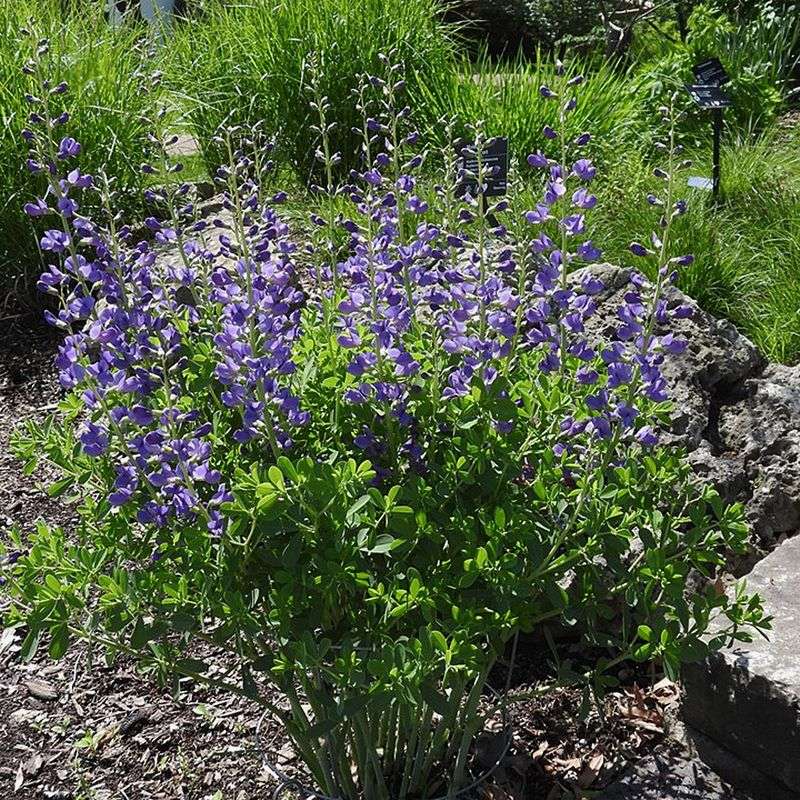
Bold, upright, and surprisingly tough, blue false indigo earns its place in Pennsylvania gardens through sheer staying power.
Baptisia australis sends up tall spikes of deep blue-purple flowers in late spring, typically May into June, and even after blooming ends, the rounded blue-green foliage holds its shape through summer and into fall.
That structural quality is something many annual flowers simply cannot offer, and it makes blue false indigo useful as both a flowering plant and a garden anchor.
Establishing blue false indigo takes patience. The plant develops a deep, substantial root system over its first few seasons, which means it may look modest early on.
However, that same deep root system is what allows it to handle dry spells, summer heat, and even some of the heavier clay soils found across Pennsylvania.
Once settled in, it tends to be long-lived and low-maintenance, returning dependably from its roots each spring without much intervention.
Bumblebees are particularly fond of blue false indigo blooms, and the plant also supports several specialist native bees. After flowering, inflated seed pods develop and turn dark as the season progresses, adding a quiet visual interest through late summer and fall.
Because it dislikes being moved once established, choosing a permanent sunny to lightly shaded location from the start is worth the extra thought.
For Pennsylvania homeowners who want structure and perennial reliability, this native wildflower is a strong long-term investment.
6. Oxeye Sunflower Brightens Dry Sunny Spots
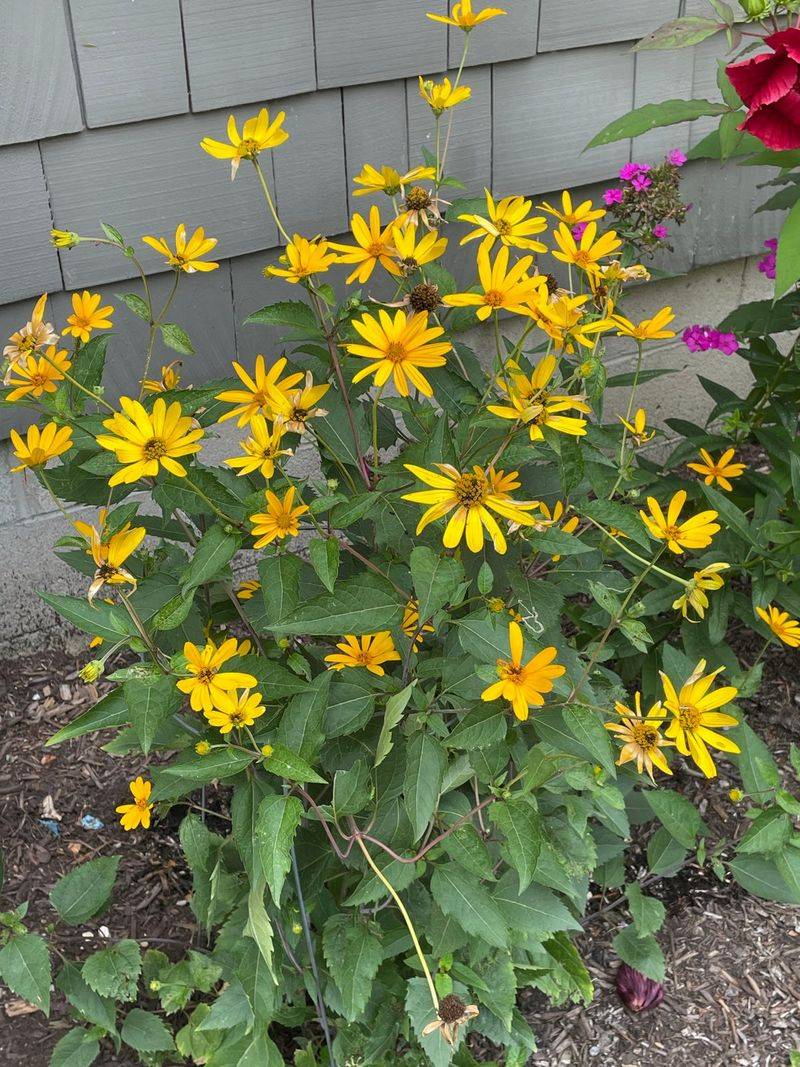
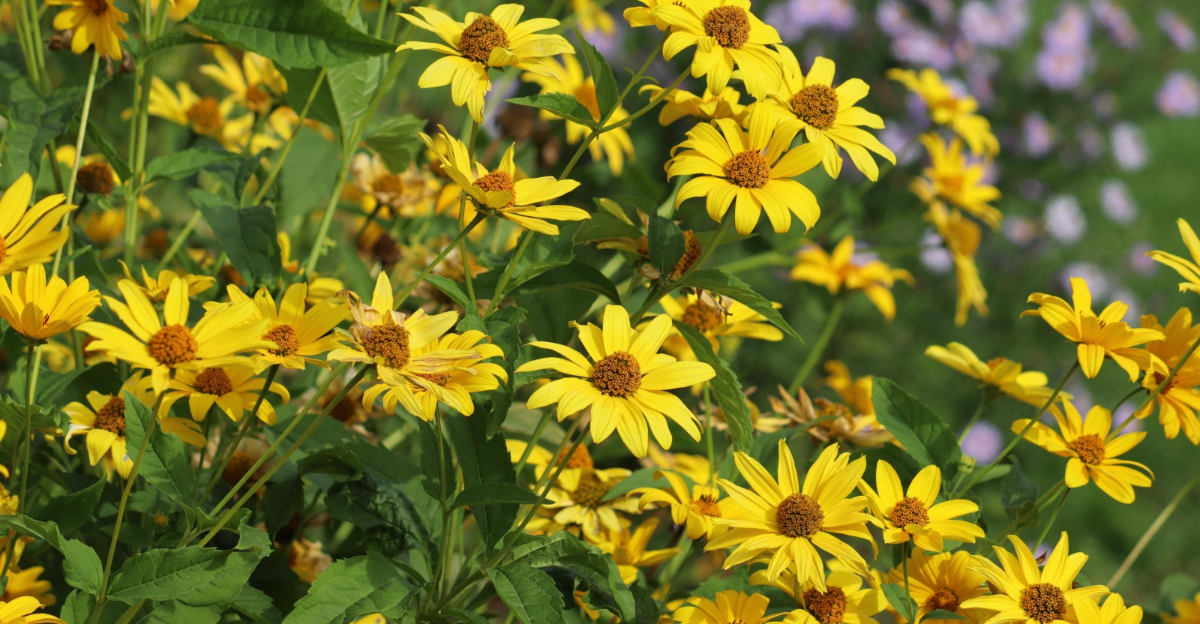
Dry, sunny spots that drain quickly and bake through July can be tricky to fill with plants that actually look good. Oxeye sunflower, or Heliopsis helianthoides, is one of the native perennials that genuinely thrives in those conditions across Pennsylvania.
It produces cheerful, golden-yellow daisy-like flowers from midsummer into early fall, and it does so without demanding rich soil or regular watering once the roots are settled in.
What sets oxeye sunflower apart from some other yellow-flowered perennials is its adaptability. It grows well in average to poor soils, tolerates clay and sandy ground, and handles both heat and humidity without losing its upright form.
Plants typically reach three to five feet in height, creating a bold vertical presence in borders, meadow plantings, and naturalized areas. Staking is rarely needed in full sun, where stems tend to stay sturdy through the season.
Pollinators find oxeye sunflower highly attractive. Native bees, bumblebees, and butterflies work the flowers steadily during peak bloom, and goldfinches and other seed-eating birds visit the spent flower heads later in the season.
The plant spreads over time through rhizomes and self-seeding, so it can gradually expand a planting without any additional purchases.
For Pennsylvania gardeners looking to brighten a dry, sun-drenched slope, curbside strip, or open border with a native perennial that returns reliably, oxeye sunflower is a practical and rewarding option.
7. Narrowleaf Mountain Mint Thrives In Summer Heat
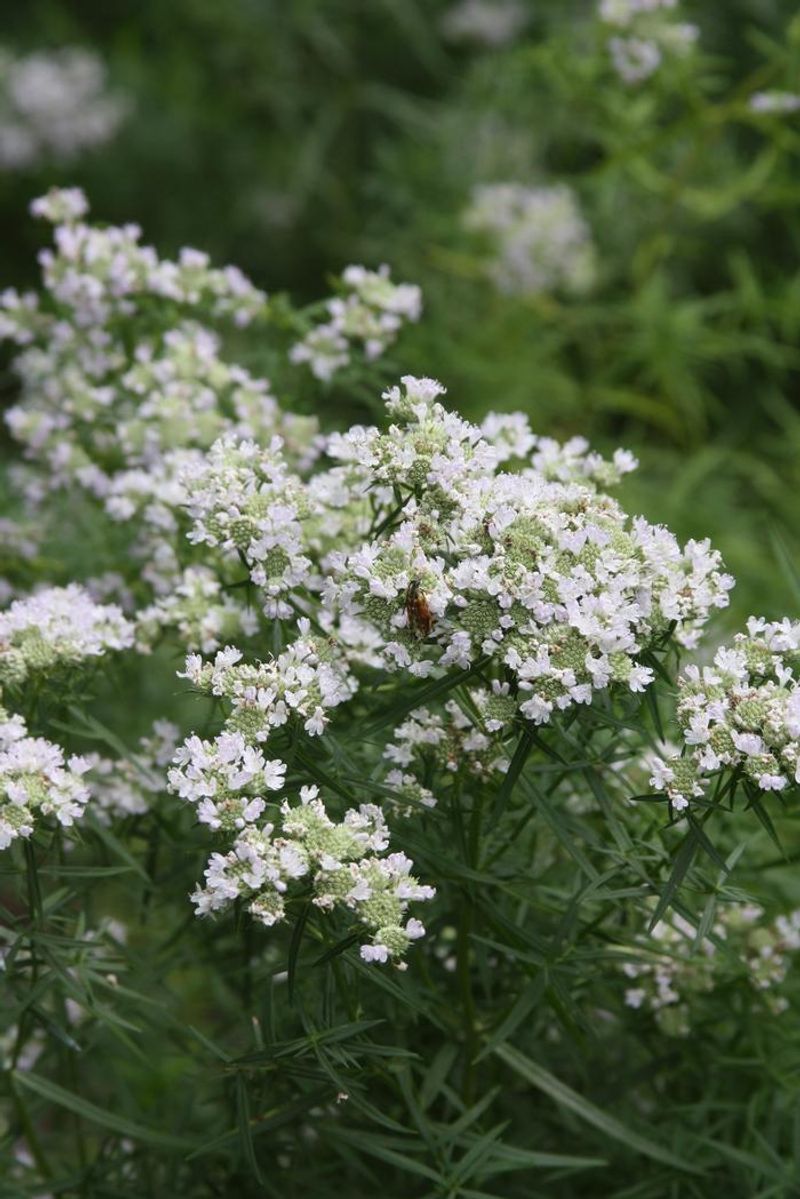
If you have ever stood near mountain mint in full bloom and watched the insects move through it, the activity is almost hard to believe.
Narrowleaf mountain mint, Pycnanthemum tenuifolium, is one of the most pollinator-productive native plants available to Pennsylvania gardeners, drawing in dozens of bee species, wasps, butterflies, and other beneficial insects.
Its long summer bloom period gives pollinators a reliable and extended food source during some of the busiest weeks of the season.
The flowers themselves are small and white, but they appear in such abundance that the plant looks silvery-white from a distance during peak bloom.
This native perennial handles summer heat with ease once established, growing well in full sun to light shade and tolerating a fairly wide range of soil conditions, including the clay-heavy ground common in many Pennsylvania yards.
It reaches about two to three feet in height and spreads gradually through rhizomes, which means a small planting can fill in over time.
That spreading habit is worth accounting for in a tidy border, but in a pollinator bed or naturalized area it works beautifully.
The foliage has a pleasant minty fragrance when brushed, which tends to deter deer browsing, a helpful quality for Pennsylvania gardens where deer pressure can be significant.
Narrowleaf mountain mint blooms from roughly June through August, providing a consistent nectar source during the hottest weeks of summer.
Once established from its root system, it returns each year without replanting, making it a genuinely low-cost, high-value addition to any sunny Pennsylvania planting.
8. Wrinkleleaf Goldenrod Carries Color Into Fall
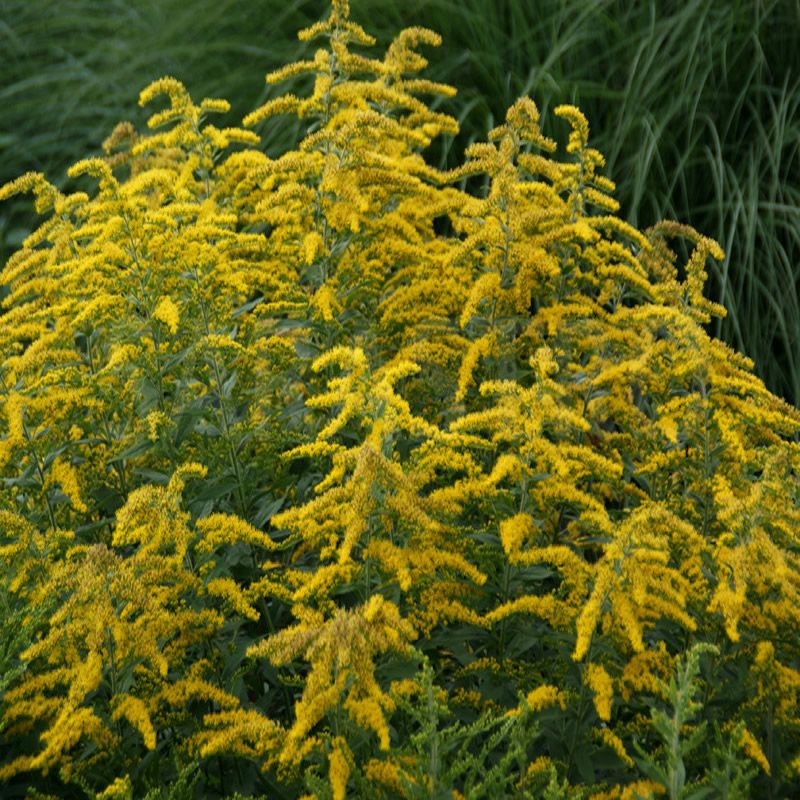
When most summer perennials are winding down and the garden starts to look tired, wrinkleleaf goldenrod steps in with arching sprays of bright yellow flowers that carry color well into fall.
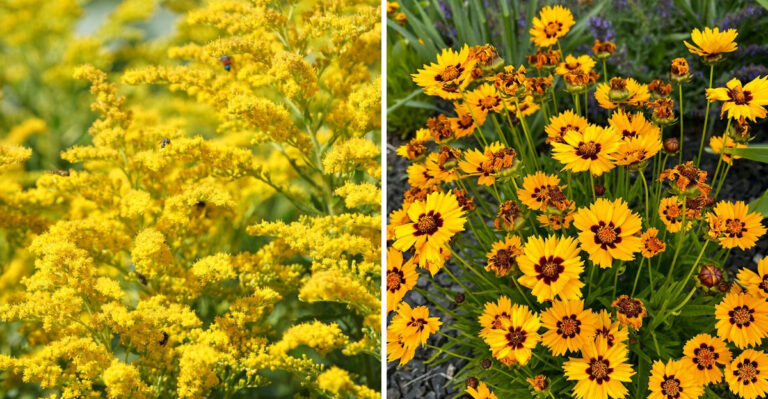
Solidago rugosa is a native Pennsylvania species that blooms from late summer through October in many locations, filling that late-season gap when pollinators still need nectar sources before temperatures drop significantly.
Its timing alone makes it worth considering in any border designed to support wildlife through the full growing season.
Wrinkleleaf goldenrod grows in full sun to partial shade and tolerates moist to average soils, including some of the heavier, wetter ground that other sun-loving perennials struggle with.
It reaches roughly three to five feet in height, with distinctive wrinkled, textured leaves that give it a slightly coarser look than some other goldenrods.
The arching flower stems have a graceful, natural quality that fits well in informal borders, rain gardens, meadow-style plantings, and woodland edges.
Goldenrod in general has an unfair reputation for causing hay fever, but the pollen is actually carried by insects rather than wind, so it is not a significant allergen for most people.
Wrinkleleaf goldenrod supports bees, wasps, butterflies, and beetles during bloom, and the seed heads provide food for birds later in the season.
Once established in a suitable Pennsylvania site, it returns from its roots each fall, offering reliable late-season color without any need to replant or repurchase.