This Invasive Georgia Tree Gets Less Attention Than Fire Ants But Keeps Spreading Every Year
Everyone talks about fire ants, so it is easy to assume they are the biggest problem worth watching. That habit can make something much more invasive slip by without getting the attention it deserves.
You may pass the same tree every day without realizing how quickly it is spreading. By the time it becomes impossible to ignore, removing it is often far more difficult than expected.
Looking a little closer today can prevent much bigger headaches later.
One invasive tree has quietly expanded into more neighborhoods, roadsides, and open spaces across Georgia. It spreads steadily while many people focus on more obvious yard problems instead.
Learning to recognize it early is one of the simplest ways to protect your landscape before this overlooked invader becomes much harder to control.
1. The Chinese Tallow Tree Spreads Faster Than Many Native Trees
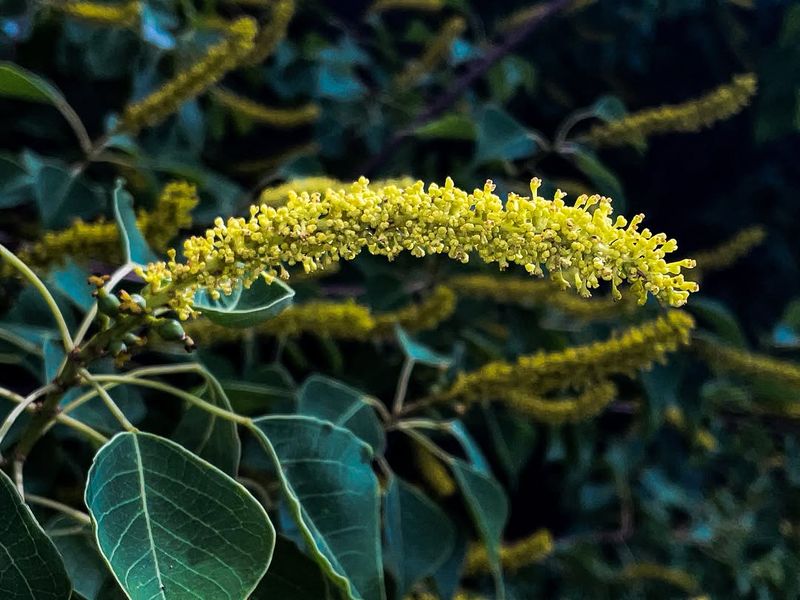
Speed is this tree’s biggest weapon. Chinese tallow can grow six to eight feet in a single year under decent conditions, which is significantly faster than most native hardwoods in the Southeast.
Native oaks and hickories take years to reach the same height. Tallow shoots past them quickly, shading them out before they even get a fair start.
Part of what makes tallow so competitive is its tolerance for wet and dry soils alike. Floodplains, roadsides, open fields, and disturbed lots all suit it just fine.
Chinese tallow can spread into pine flatwoods, bottomland forests, and even coastal marshes. Few native trees can match that kind of habitat flexibility.
Tallow also leafs out earlier in spring than most native competitors. Getting a head start on sunlight gives it a measurable edge during the growing season.
One mature tallow tree can produce around 100,000 seeds per year.
Not all of them sprout, but even a small fraction is enough to create serious problems across a wide area over time.
Landowners in Georgia have reported tallow taking over abandoned fields within just a few years. Once it establishes a foothold, clearing it becomes a much bigger project than most people expect.
2. Birds Carry Its Seeds To New Areas
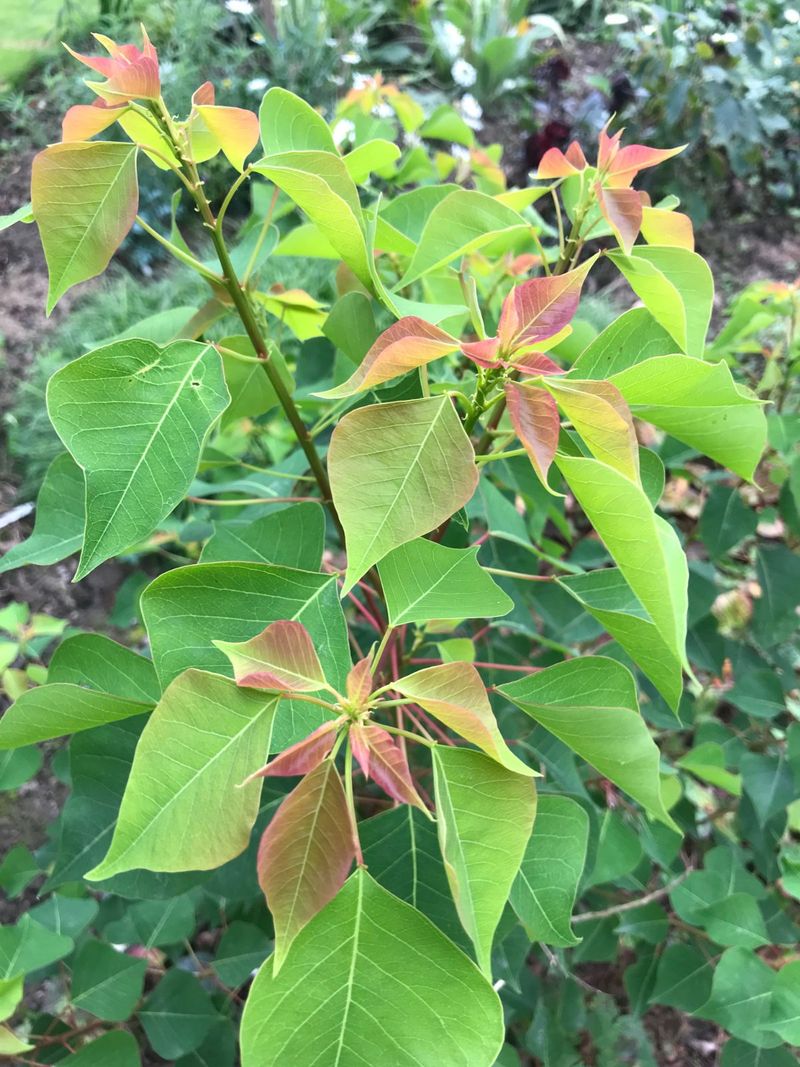
White, waxy, and packed with fat, tallow seeds are basically bird food wrapped in a plant. Dozens of bird species eat them eagerly, especially during winter when other food sources are scarce.
Cedar waxwings, yellow-rumped warblers, and robins are among the most frequent visitors.
Each bird that feeds on tallow seeds can carry them miles away before depositing them somewhere new.
Seeds pass through a bird’s digestive system quickly.
Many of those seeds remain capable of sprouting after passing through a bird’s digestive system, allowing new trees to grow far from the original parent tree.
Waterways also move seeds long distances. Tallow seeds float well, and floods can carry them downstream into areas where tallow has never grown before.
Wind plays a smaller role, but seeds can still drift short distances from a parent tree on their own.
Combined with birds and water, tallow has multiple reliable ways to colonize new ground.
Your Georgia Garden Changes Every Week. Your Plan Should Too.
Gardening in Georgia changes quickly throughout the season. Every Friday you’ll receive a simple weekly plan showing exactly what to plant, prune, fertilize, harvest, and protect so you never miss the right timing.
One reason tallow spreads so persistently is that people sometimes plant it intentionally, not knowing it is invasive. Old nursery stock still shows up in garden centers occasionally, which adds to the problem.
Removing isolated tallow trees before they fruit is one practical way to slow bird-assisted spread.
3. It Crowds Out Native Plants Over Time
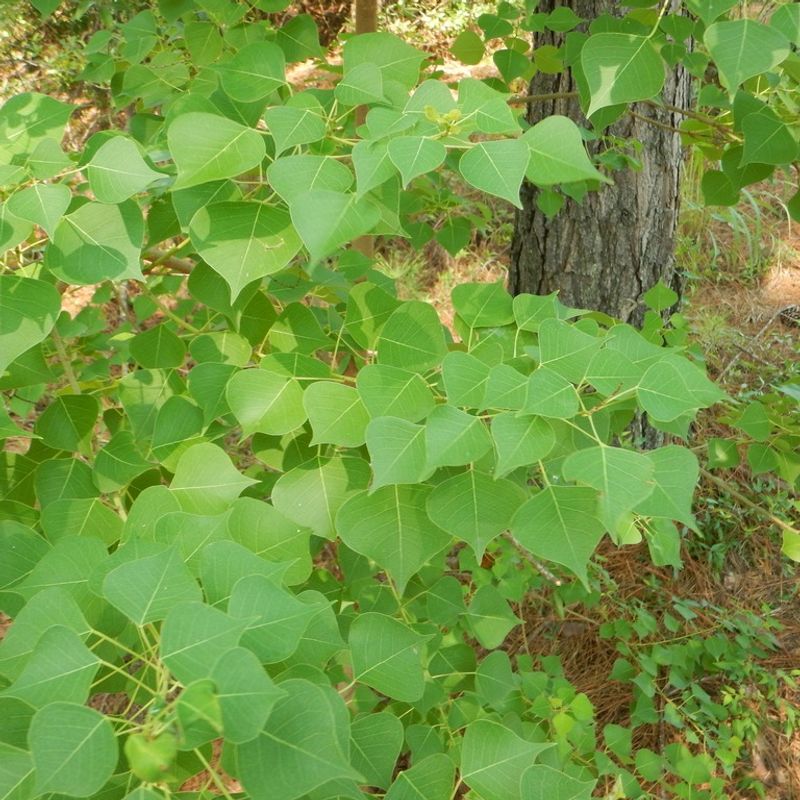
Crowding out native plants is not something Chinese tallow does overnight. It spreads gradually, often becoming well established before many people realize how much the landscape has changed.
As Chinese tallow grows, it forms a dense canopy that blocks sunlight from reaching the ground.
Many native wildflowers, grasses, and young shrubs struggle to survive with so little light.
Thick layers of fallen leaves also make it harder for many native plants to germinate and grow. Over time, fewer native species remain beneath mature tallow trees.
As native vegetation declines, insects that depend on those plants also become less common. That change can affect birds and other wildlife that rely on native insects and plants for food and shelter.
Bottomland forests, streambanks, and other seasonally wet areas are especially vulnerable because Chinese tallow grows well in moist soils and tolerates periodic flooding.
Removing young seedlings before they mature is far easier than clearing a dense stand of established trees. Early action helps protect native habitats and reduces future management work.
Learning to recognize Chinese tallow alongside the native plants in your area makes it easier to spot new seedlings before they spread further.
4. Young Seedlings Are Easier To Remove
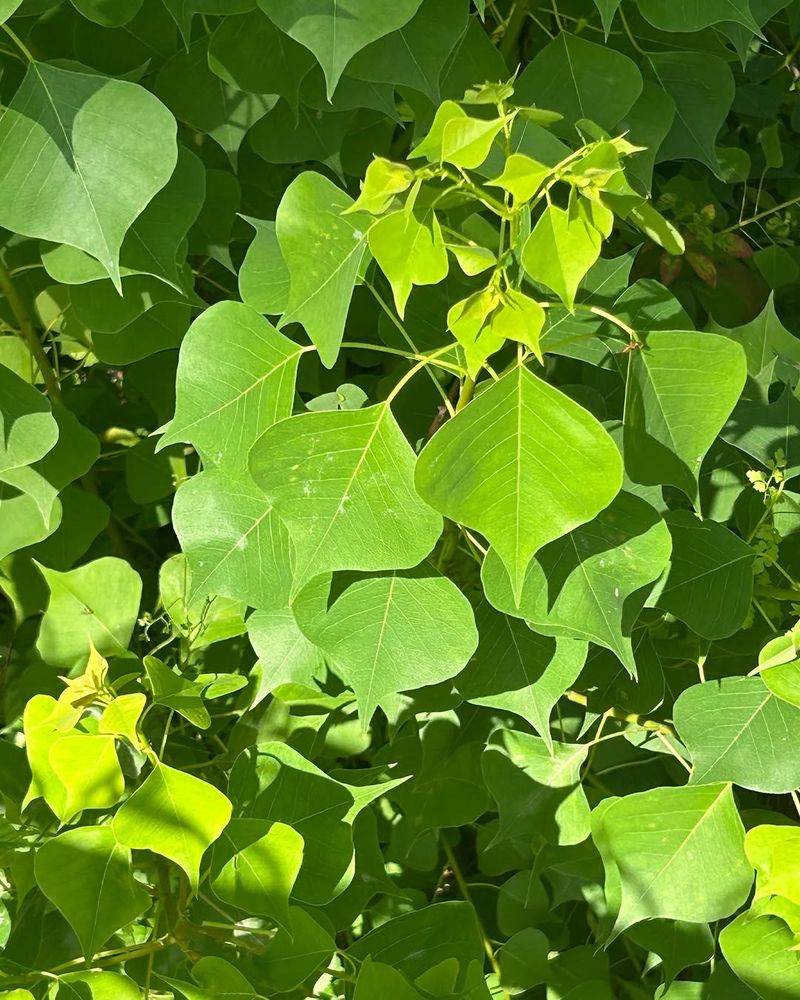
Catching tallow early is genuinely worth the effort. Seedlings under a foot tall can usually be pulled by hand when the soil is moist, roots and all, without much difficulty.
Larger plants develop a deep taproot that makes hand-pulling far less effective. Leaving even a portion of the root behind can lead to regrowth, especially during warm months.
Spring is a practical time to check for new seedlings. Tallow germinates readily after winter, and young plants are easy to spot once you know what the leaves look like.
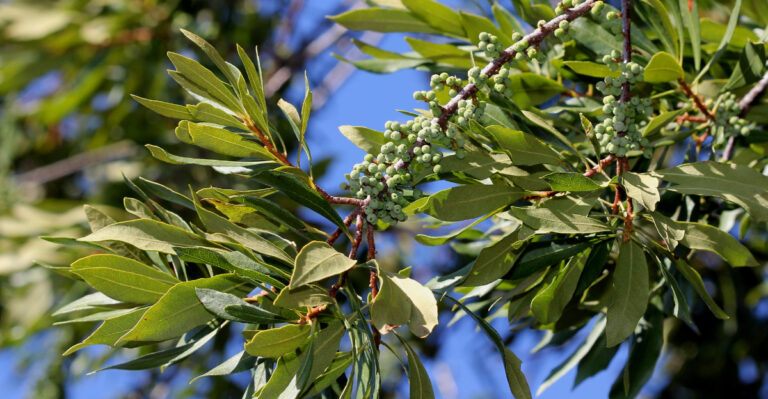
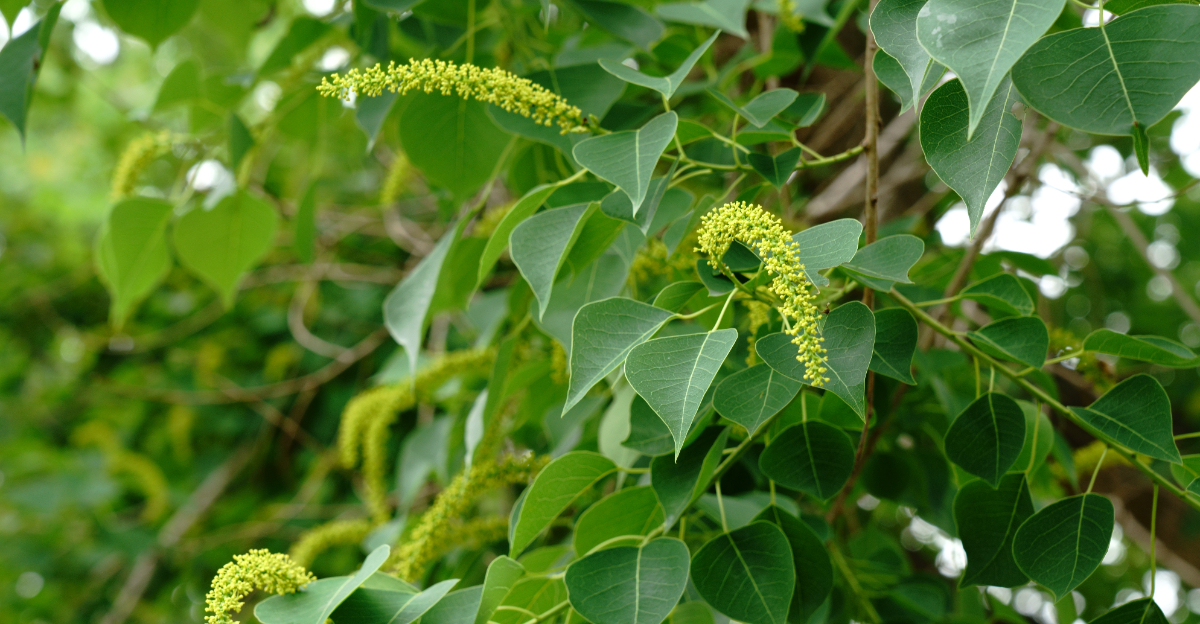
Tallow leaves are broadly oval with a pointed tip and a distinctive long stem. In fall, they turn bright red, orange, and yellow, which is actually one reason people planted them intentionally in the past.
Pulling seedlings after a rain softens the soil and makes root removal cleaner. Dry, compacted soil tends to snap the stem and leave the root intact, which reduces your success rate.
Check fence lines, woodland edges, and any area where birds perch regularly.
Those spots tend to accumulate tallow seedlings because birds rest there after feeding and drop seeds directly below.
Staying consistent with early removal over two or three seasons can significantly reduce the number of new seedlings appearing each year.
5. Cutting Alone Rarely Stops Regrowth
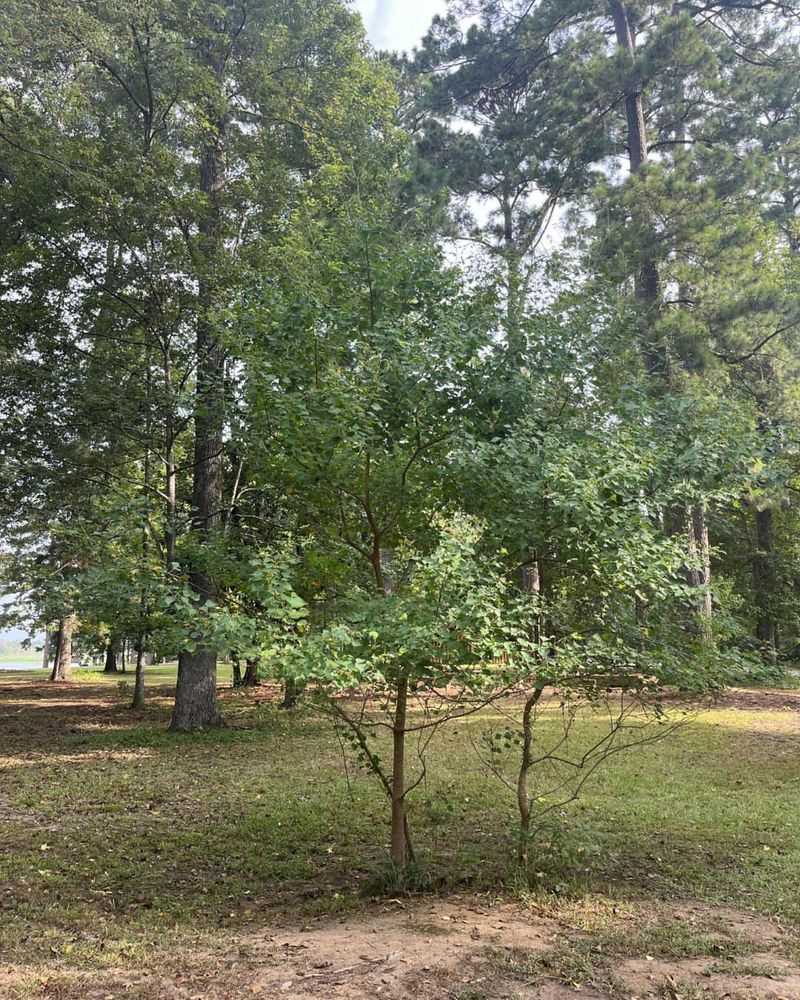
Cut a tallow tree down and walk away, and there is a strong chance it grows back. Tallow stumps sprout vigorously from the base, sometimes sending up dozens of new shoots within weeks.
Each sprout competes to become the new dominant stem. Without follow-up treatment, a single cut stump can turn into a dense, multi-stemmed shrub that is harder to manage than the original tree.
Basal sprouting is one of the main reasons tallow is so difficult to control through cutting alone. Stored energy in the root system fuels rapid regrowth even after the trunk is removed.
Land managers and extension specialists generally recommend treating cut stumps immediately after cutting.
Waiting even a few hours can reduce the effectiveness of stump treatments significantly.
Repeated cutting without any follow-up can actually make the problem worse over time. Stressed tallow plants sometimes produce more seeds as a survival response, which increases spread potential.
Mowing young tallow in open fields can suppress growth when done consistently across multiple growing seasons. However, mowing alone rarely removes the plant from the landscape entirely.
Consulting your local county extension office in Georgia before starting a removal project is a reasonable first step.
6. Early Removal Helps Prevent Future Spread
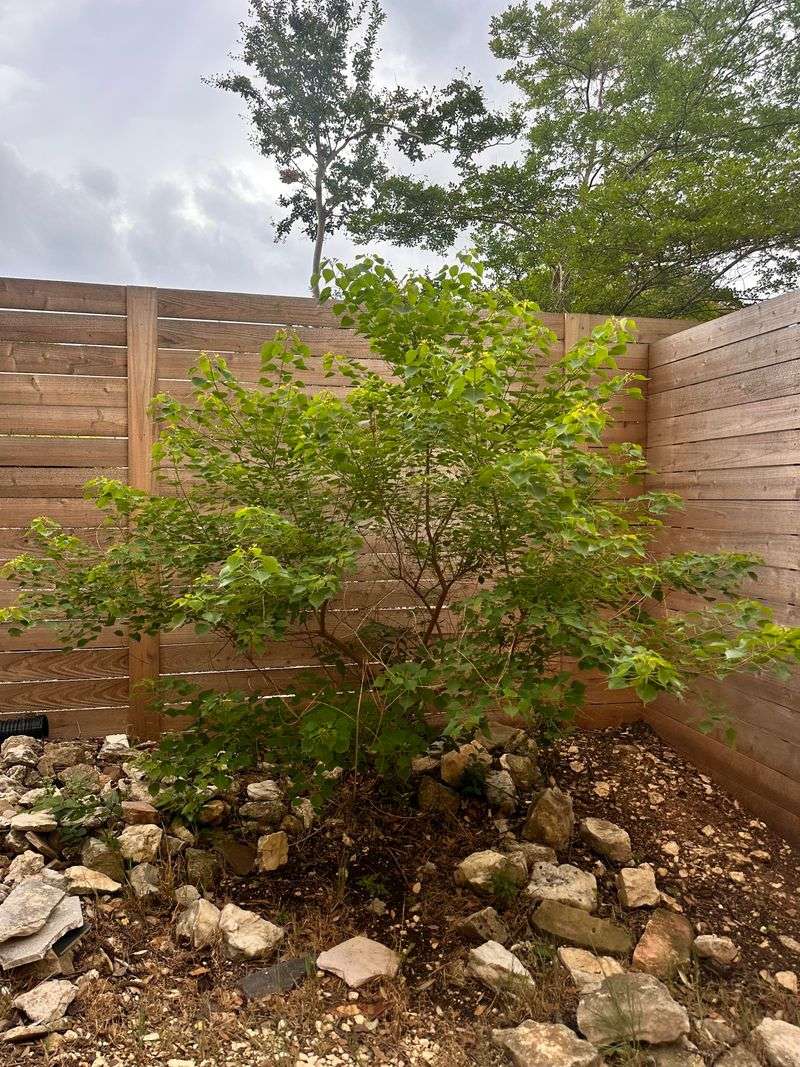
Waiting until a tallow tree is large and fruit-bearing is one of the costliest mistakes a landowner can make.
A tree that has not yet produced seeds has not yet contributed to the next generation.
Removing tallow before it reaches reproductive maturity cuts off its ability to spread to neighboring properties, roadsides, and natural areas. Timing really does change the outcome.
Tallow typically begins producing seeds within three to five years of germination, depending on growing conditions. Catching plants before that window closes makes a measurable difference in local spread rates.
Neighbors working together on tallow removal tend to see better results than individuals working alone. Seeds from an untreated tree next door will continue repopulating any area you have already cleared.
Sharing information about tallow identification with neighbors, local community groups, or neighborhood associations can multiply the impact of individual removal efforts.
Awareness spreads faster than the tree does when people are paying attention.
Some Georgia counties have resources through cooperative extension programs that support landowner efforts to manage invasive species. Reaching out early connects you with practical guidance and sometimes even organized removal events.
Consistent effort over several years is more realistic than expecting a single removal to solve the problem.
7. Native Trees Make Better Long-Term Replacements
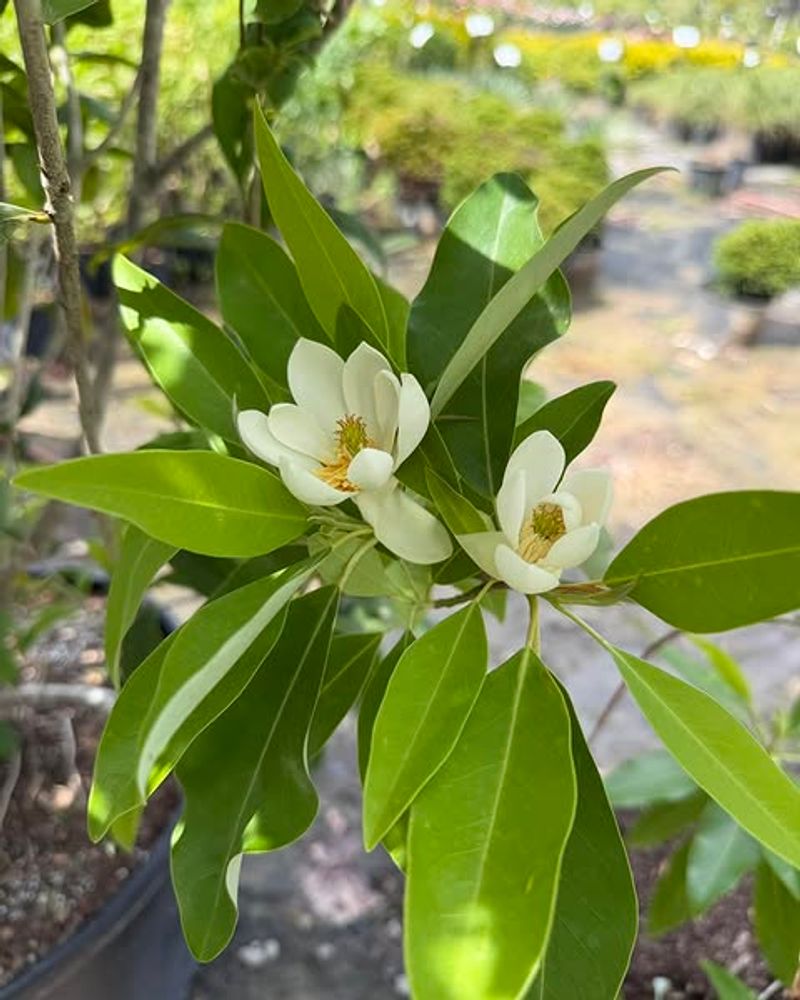
Replacing a removed tallow with a native tree is one of the most effective things you can do to prevent the spot from being recolonized. Bare ground invites reinvasion quickly.
Native trees suited to the Southeast bring real ecological value. Red maple, swamp chestnut oak, river birch, and sweetbay magnolia all support local insects, birds, and other wildlife in ways tallow simply cannot.
Native plants and local insects evolved together over thousands of years.
Many caterpillars, for example, can only feed on specific native tree species, meaning non-native trees like tallow contribute very little to insect food webs.
Choosing a native tree that matches your site conditions matters. A tree planted in the wrong soil or light level will struggle, leaving gaps that tallow or other invasives can fill.
Local nurseries that specialize in native plants are usually a better source than big-box garden centers. Staff at native plant nurseries can help match species to your specific yard conditions in Georgia.
Some native trees grow faster than people expect. River birch, for instance, can put on two to three feet of growth per year in good conditions, making it competitive with many invasives.
Planting natives also supports pollinators, which benefits vegetable gardens and fruit trees nearby.