What It Really Means When Bats Suddenly Show Up At Dusk In Your Indiana Yard
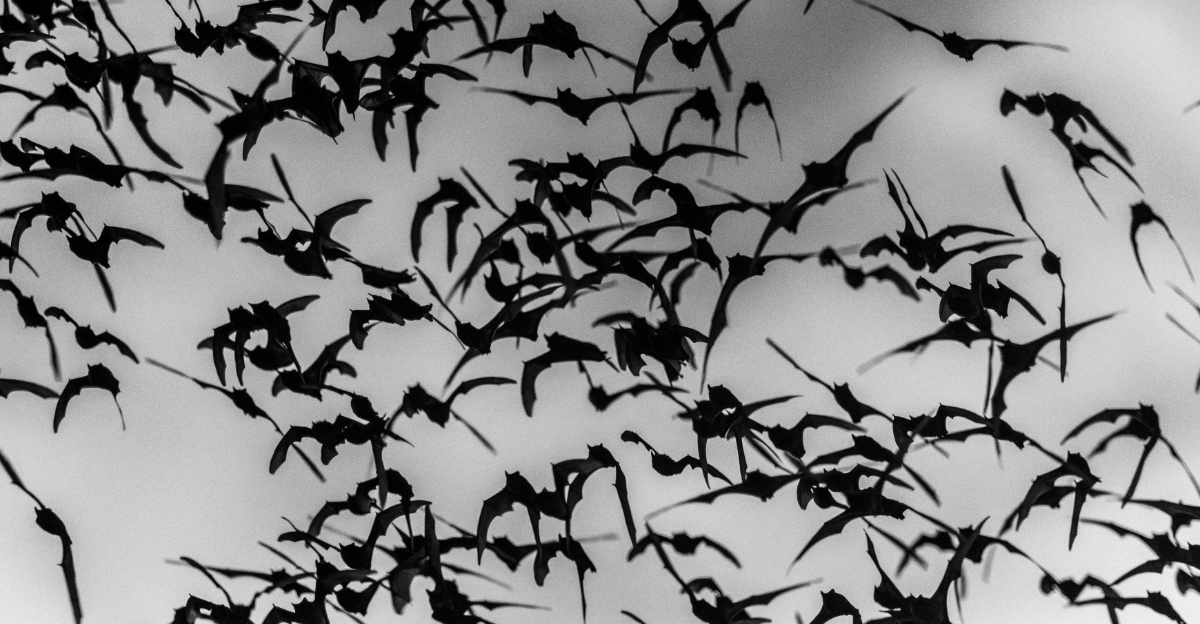
You step onto the porch right as daylight fades, and something slices through the air an arm’s length from your face. It loops, it dives, then vanishes before your brain even registers what happened.
Bats over an Indiana backyard at dusk aren’t lost or confused. They’re on a schedule. That flicker overhead is a hunting run, timed to the exact moment mosquitoes and moths start swarming the cooling air.
A single bat can pick off hundreds of insects in one evening, which means your yard just became free pest control the moment the sun dropped.
Most people flinch at that first pass and miss what’s actually happening above their heads. Once you know the pattern, the swooping stops feeling like an ambush and starts looking like a nightly show worth watching.
Bats Appear At Dusk To Feed On Insects
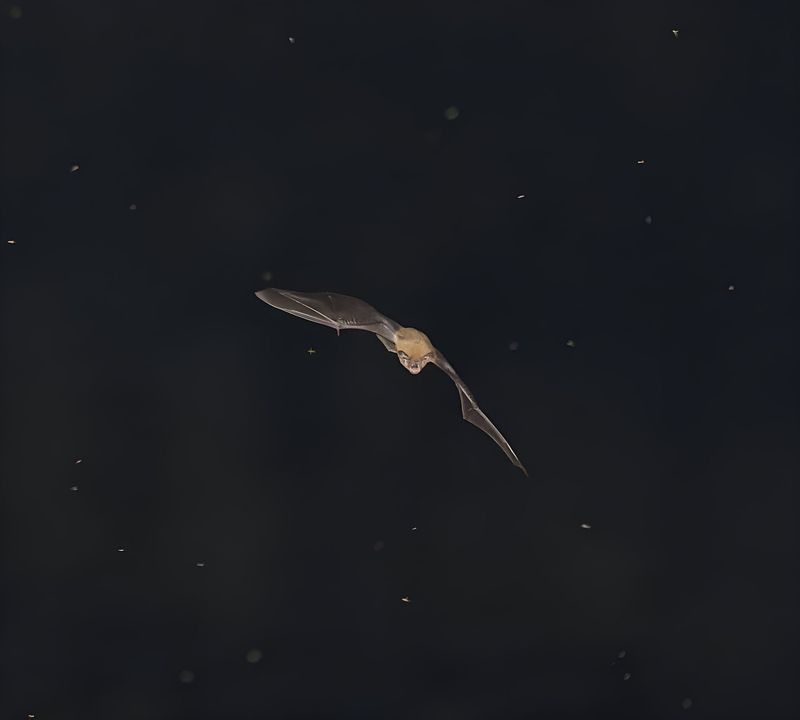
Picture this: the sky turns orange, and a small dark shape shoots past your porch light. That is not a bird. Bats are nocturnal, and dusk is when their nightly activity typically begins.
At dusk, flying insects swarm in large numbers near warm surfaces and outdoor lights. Bats have evolved over millions of years to take full advantage of that exact window.
Using echolocation, a bat can detect a mosquito-sized target from several feet away. It sends out high-pitched sound pulses and listens for the echo bouncing back.
A single bat can catch hundreds of insects per hour during a good feeding session. That frantic zigzag flight you see is actually a highly skilled aerial hunt.
Bats do not fly randomly. Every sharp turn and sudden drop is a split-second move toward a flying bug.
The reason bats suddenly show up at dusk in your Indiana yard is straightforward. Your yard is full of food, and they know it.
Warm summer evenings in the Midwest create perfect conditions for insect activity. Bats time their emergence almost perfectly with peak bug hours.
Bat flight patterns closely track insect swarm locations. Wherever the bugs gather, the bats follow shortly after.
Watching a bat feed is genuinely impressive once you know what you are seeing. Each twist and dive represents split-second decisions made at full speed.
Indiana Yards Attract Bats With Abundant Bugs
Your yard might look peaceful from the porch, but to a bat, it looks like an all-you-can-eat buffet. Indiana summers are famously humid, and humidity breeds insects in massive numbers.
Standing water, dense garden beds, and tall grass all create ideal breeding spots for mosquitoes and gnats. Bats pick up on these insect hotspots fast.
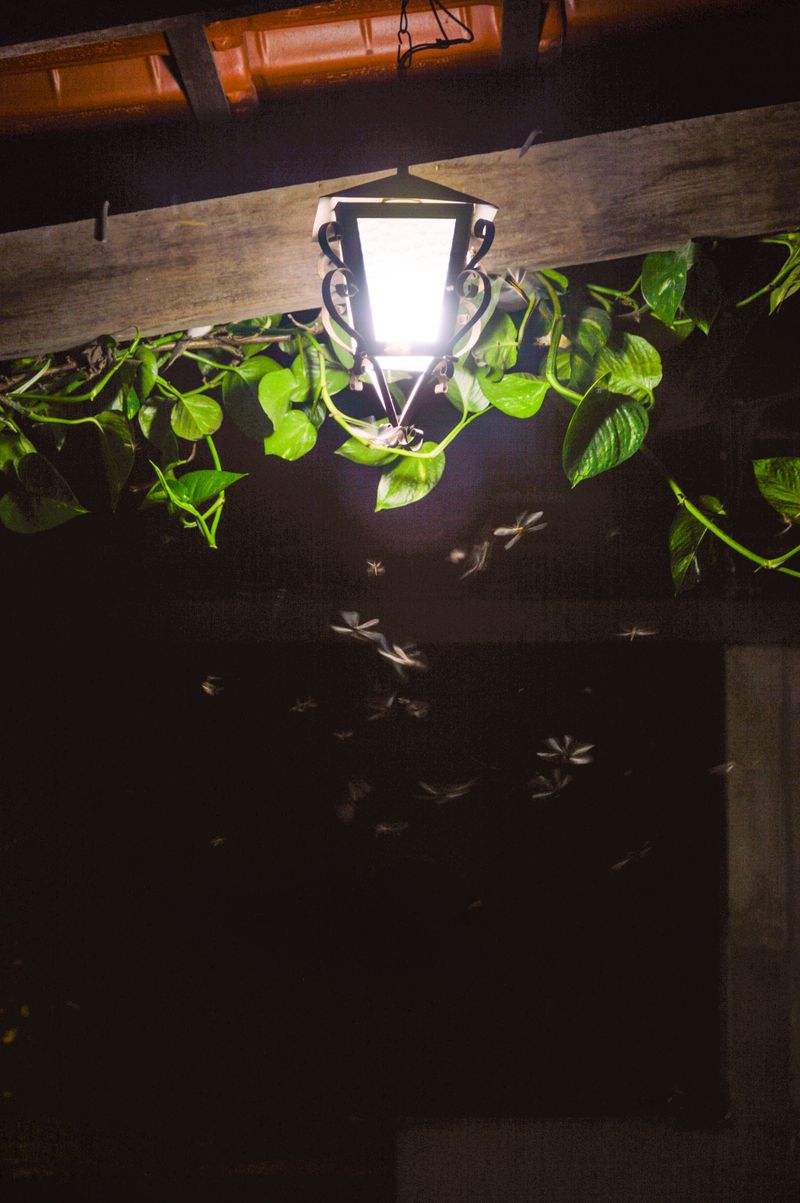
Outdoor lights are especially powerful attractors. Moths, beetles, and crane flies swarm around porch bulbs and flood lights every single night.
Bats learn the layout of productive feeding areas quickly. Once they find your yard is reliable, they return night after night at nearly the same time.
Compost piles, birdbaths, and even mulched flower beds generate warmth and moisture. That combination creates a microhabitat that insects absolutely love.
Your Indiana Garden Changes Every Week. Your Plan Should Too.
Gardening in Indiana changes quickly throughout the season. Every Friday you’ll receive a simple weekly plan showing exactly what to plant, prune, fertilize, harvest, and protect so you never miss the right timing.
Gardens with flowering plants attract even more pollinators and night-flying moths. Bats are essentially following the food chain right to your back door.
Neighbors with less vegetation or fewer lights may see fewer bats. Your yard might simply be the best restaurant on the block.
Switching to yellow or amber outdoor bulbs can reduce the number of insects near your home. Fewer insects near the house means bats feed in the yard rather than right at your door.
Understanding why bats suddenly show up at dusk in your Indiana yard starts with recognizing what your outdoor space offers. You have unintentionally created a five-star dining experience for local wildlife.
Common Bat Species Seen In Indiana At Dusk
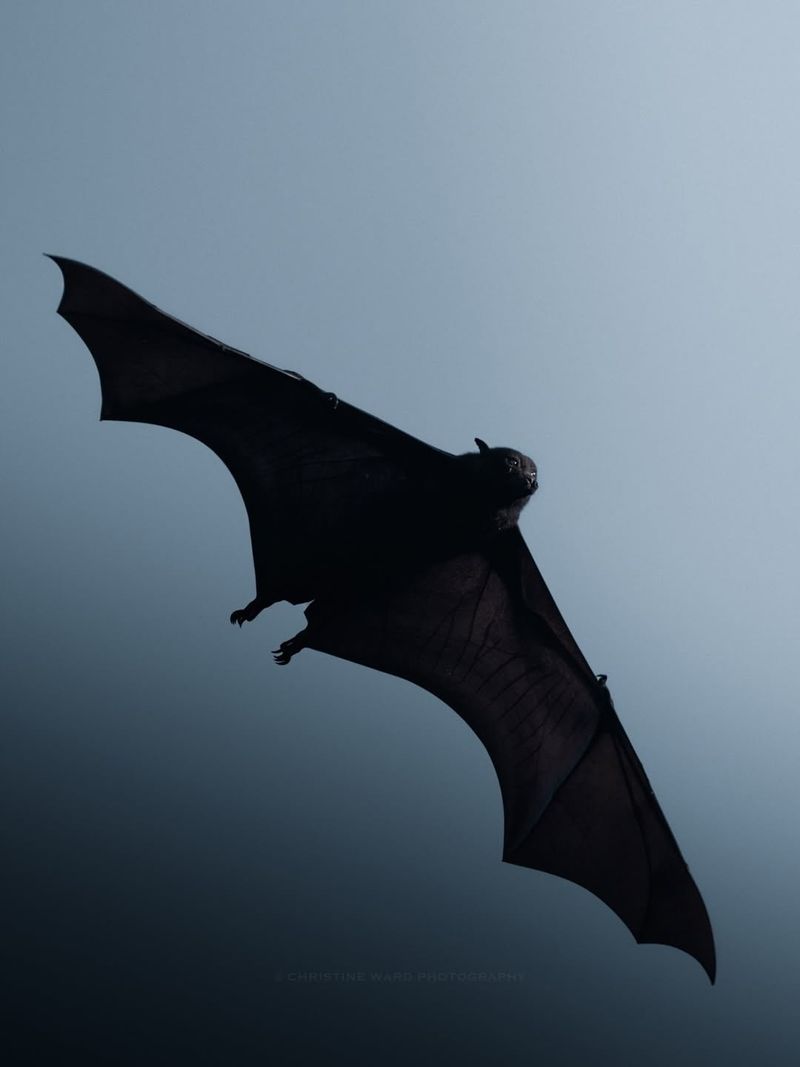
Not every bat zipping through your yard is the same species. Indiana is home to several bat types, and a few of them are especially common in residential areas.
The little brown bat and the big brown bat are the two you are most likely to spot.
Big brown bats are larger and tend to fly in straighter, more predictable patterns. They are sturdy fliers and often show up later in the evening than their smaller cousins.
The eastern red bat is a migratory species with rusty orange fur that makes it surprisingly beautiful up close. It roosts alone in tree leaves and is often mistaken for a falling leaf.
Indiana bats, a federally endangered species, are smaller and tend to avoid suburban areas. Spotting one near your home would be genuinely rare and worth reporting to wildlife officials.
Tri-colored bats, formerly called eastern pipistrelles, are among the smallest in the state. Their yellowish-brown coloring sets them apart from other local species.
Most of the bats you see at dusk in a typical Indiana yard are big or little brown bats. Both species are well adapted to living alongside humans.
Knowing your local species helps you appreciate what is actually flying overhead. Each one plays a slightly different role in the local food web.
Bats suddenly showing up at dusk in your Indiana yard likely means one of these common species found a reliable food source nearby.
Bats Provide Natural Pest Control For Yards
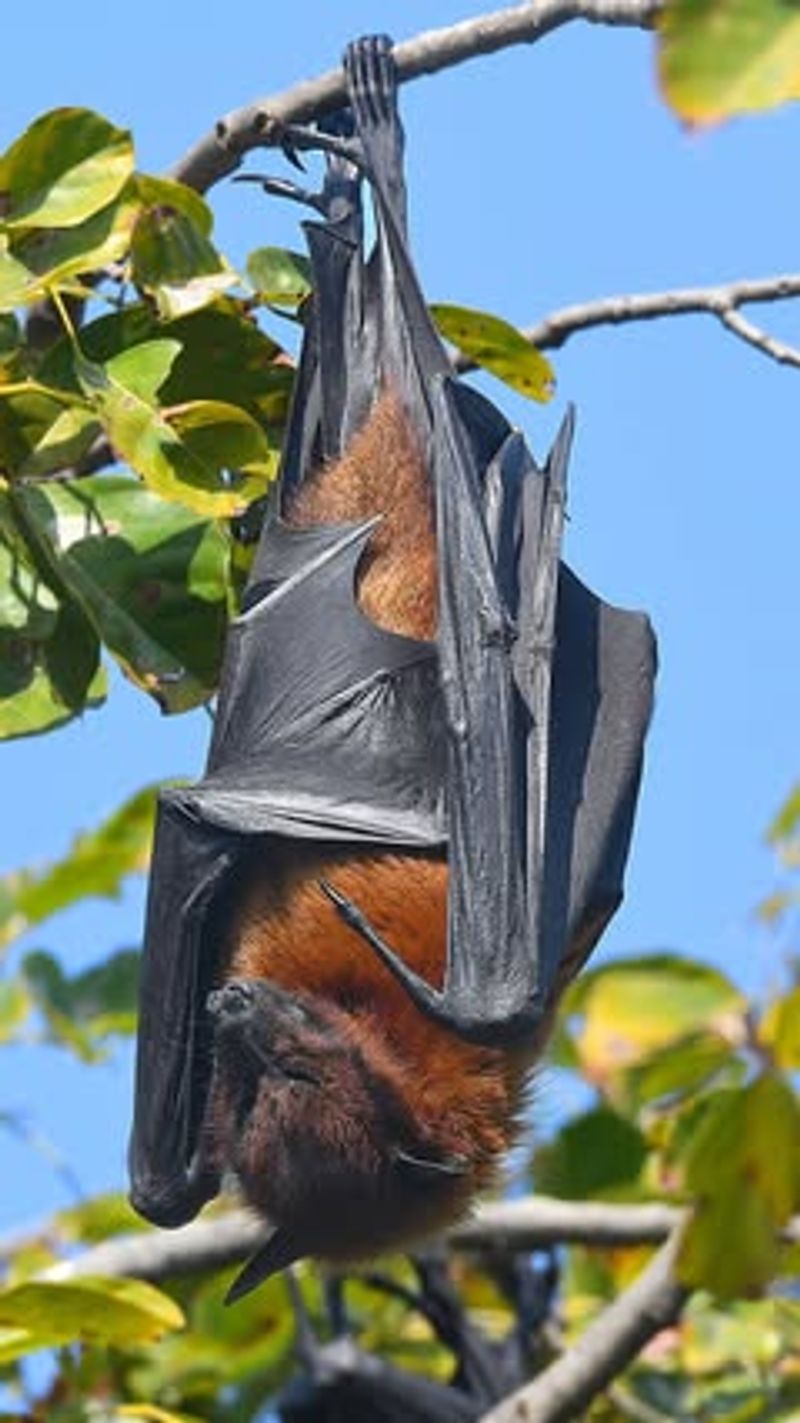
Forget the bug zappers. Forget the citronella candles. Bats are the most effective natural pest control system your yard could ever have.
A single bat can eat a significant portion of its body weight in insects every night. Over a full summer, a small colony does serious work on your local bug population.
Mosquitoes are the obvious target, but bats also chase moths, gnats, beetles, and leafhoppers. Many of those insects are garden pests that chew through crops and ornamental plants.
Farmers in the Midwest have long recognized bats as allies. Bat colonies near agricultural fields are linked to a reduced need for chemical pesticides.
For a homeowner, that means fewer bites on your arms during evening cookouts. It also means your vegetable garden gets a free layer of protection every night.
Bats do not sting, spray, or leave droppings on your patio furniture the way wasps and pigeons do. Their impact on your yard is almost entirely positive.
Installing a bat house near your garden is one of the smartest low-effort moves a homeowner can make. It gives local bats a safe place to roost while keeping them working your yard.
The pest control value of a healthy bat population is estimated in the billions of dollars annually across North American agriculture. That same value scales down beautifully to your backyard.
When bats suddenly show up at dusk in your Indiana yard, they are essentially offering a free service. Accepting that deal is a pretty easy choice.
Signs A Bat Colony Is Nesting Nearby
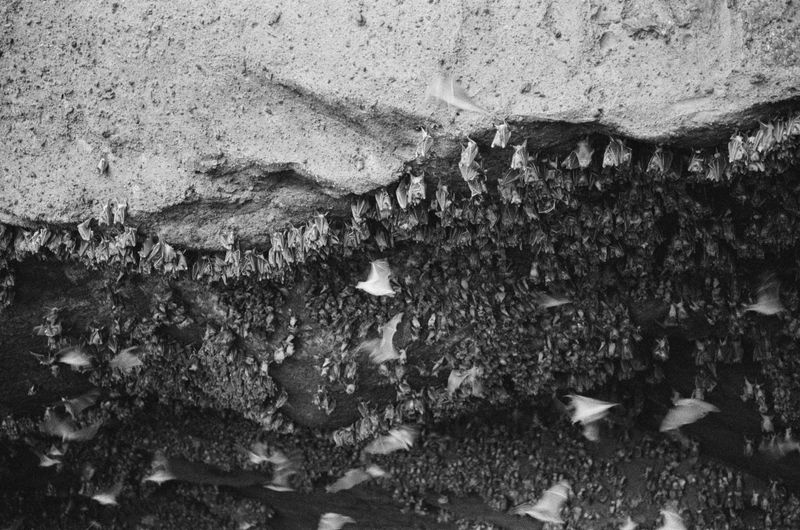
One bat flying overhead is a visitor. A dozen bats appearing at exactly the same time every evening? That is a colony, and they are probably living closer than you think.
The most obvious sign is a consistent emergence pattern. Bats from a colony exit their roost in a stream, not scattered individually.
Check your roofline, soffit, and fascia boards for small dark stains. Bat droppings and body oils leave greasy marks near entry points over time.
Guano accumulation on windowsills, decks, or the ground below an eave is a strong indicator. Fresh droppings are dark and crumble easily when dry.
You might also notice a faint musky odor near certain walls or attic vents. Colonies produce a distinctive smell that becomes noticeable once the group grows large enough.
Squeaking or scratching sounds inside walls at dusk or dawn suggest bats are roosting in the structure itself. This is worth investigating before the colony expands further.
Bats prefer warm, tight spaces that mimic natural tree cavities. Gaps as small as three-eighths of an inch are enough for a bat to squeeze through.
Neighbors may also report seeing bats emerging from your home before you notice yourself. A second set of eyes from the street can reveal roost entry points you cannot see from inside.
Knowing the signs of a nearby colony helps you respond appropriately. Recognizing these signs early makes any next step easier.
Ways To Safely Coexist With Backyard Bats
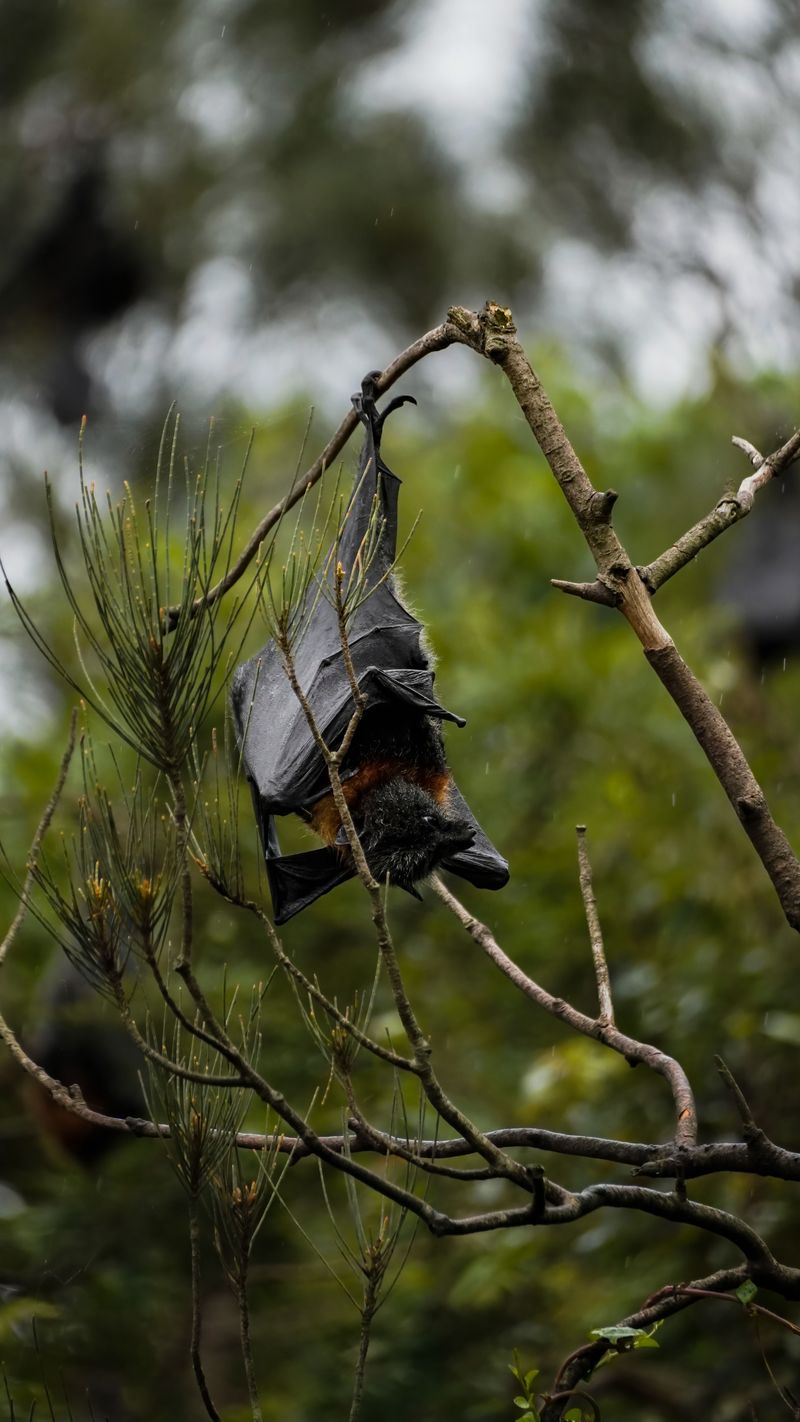
Sharing your yard with bats does not require bravery. It just requires a little knowledge and a few simple adjustments to your outdoor routine.
Avoid handling a bat with bare hands. If one lands on the ground or seems disoriented, call your local animal control office for guidance.
Vaccinations matter here. If you are unsure a bat made contact with you or a pet, consult a healthcare provider promptly.
Keep pets indoors during peak bat activity hours, which run roughly from 30 minutes before sunset to about an hour after. This reduces any chance of an unwanted encounter.
Installing a bat house at least 12 feet off the ground gives local colonies a dedicated spot to roost. Place it in a sunny location facing south or southeast for best results.
Avoid sealing entry points in your home between May and August. Pups born during that period cannot yet fly, and sealing them in creates bigger problems.
Once the young bats are flying independently in late summer, a licensed wildlife professional can help you exclude them humanely. This process involves one-way devices that let bats exit but not return.
Planting native flowers like coneflower and black-eyed Susan draws insects, which in turn keeps bats feeding in your garden rather than near your entry doors. A little landscaping goes a long way.
When bats suddenly show up at dusk in your Indiana yard, the best response is calm curiosity. These creatures are on your side, and treating them that way makes your outdoor space better for everyone.