This Michigan Native Plant Looks Like It’s Spreading Too Much, Until The Weeds Disappear
The first season this plant expands beyond its original footprint, the instinct to pull it back is strong and completely understandable.
It does not spread with the polite restraint of plants that stay where they are put, and a Michigan gardener watching it move through a bed in midsummer could reasonably conclude that a mistake was made.
What changes that assessment is what happens to the weeds in the areas it moves through. They disappear.
Not gradually and not partially, but with a completeness that reframes the spreading habit from a problem into the mechanism by which this native does its most valuable work.
The gardeners who resisted cutting it back describe their beds the following season as the cleanest they have ever been.
1. Wild Strawberry
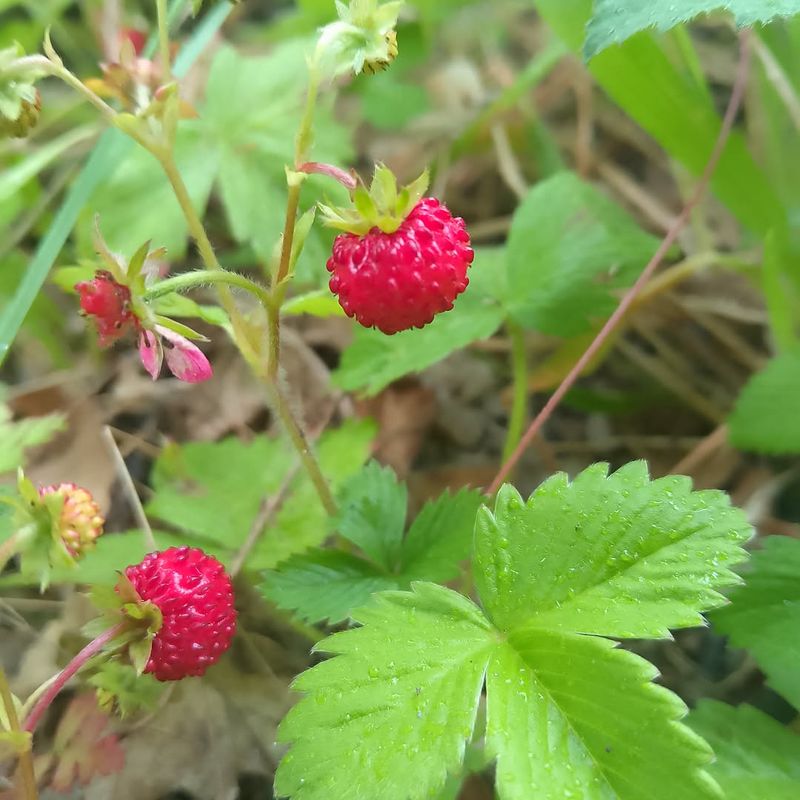
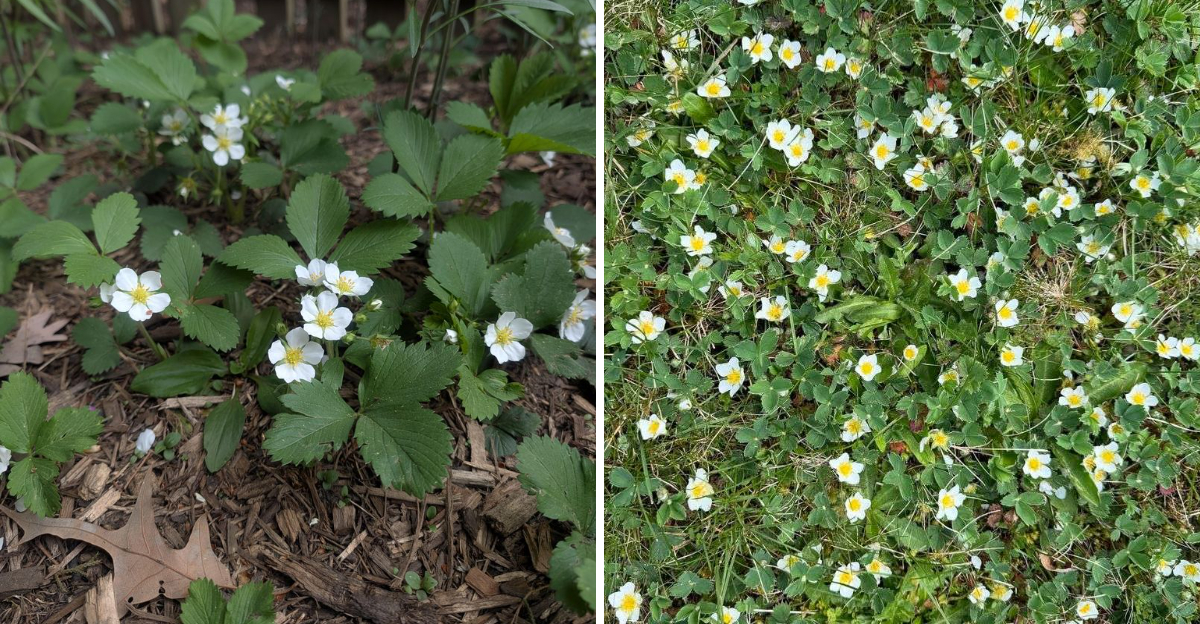
Not every ground cover is actually from here, but wild strawberry is the real deal. Fragaria virginiana, the native wild strawberry, grows naturally across Michigan and much of North America.
It is not an imported plant trying to fit in. It belongs here, and the local soil, rainfall, and seasons already suit it perfectly.
Growing low to the ground, wild strawberry stays close, usually just a few inches tall. Its leaves are bright green, slightly toothed, and grow in clusters of three, giving it a clean and recognizable look.
Because it stays low and spreads outward rather than upward, it fills horizontal space without blocking sunlight from nearby plants.
One of the most useful things about wild strawberry is how it spreads. It sends out runners, which are thin stems that stretch along the soil surface and root themselves into new plants wherever they touch down.
Over time, this creates a living carpet across open ground. That coverage is exactly what helps close off the open spaces where weeds love to sprout and take hold.
Michigan gardeners who want a native plant that actually does something useful beyond looking pretty will find wild strawberry checks a lot of boxes.
It supports local pollinators, handles Michigan winters without help, and works well alongside other native perennials.
Starting with just a few plants, you can watch it gradually fill a space in a way that feels natural, because it genuinely is.
2. Its Runners Are The Reason It Looks Too Eager
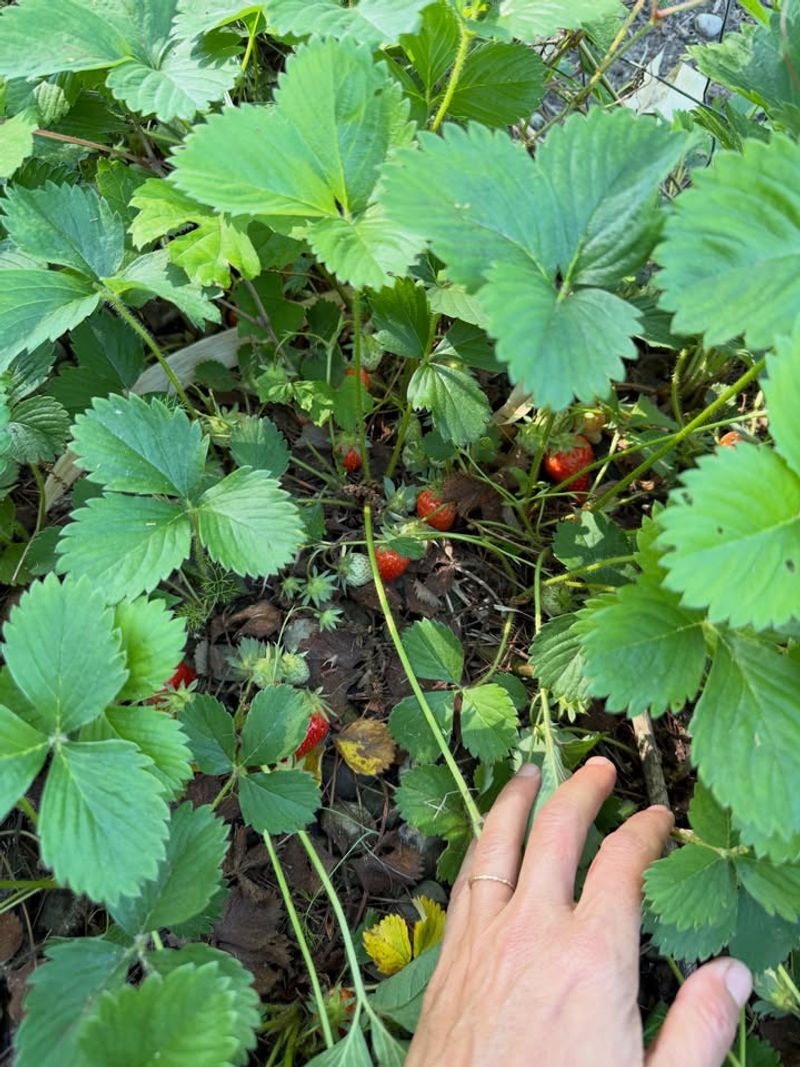
Walk past a patch of wild strawberry in midsummer and you might do a double take. Those thin stems shooting outward in every direction can look a little alarming if you are not expecting it.
It almost seems like the plant decided overnight that it needed more real estate, and it is not asking for permission.
Those stems are called stolons, though most gardeners just call them runners. They grow horizontally above the ground, reaching outward from the main plant in multiple directions at once.
At certain points along each runner, small nodes form and press down into the soil, where roots develop and a brand new plant begins to grow.
One plant can produce several runners, and each runner can produce multiple new plants in a single growing season.
Your Michigan Garden Changes Every Week. Your Plan Should Too.
Gardening in Michigan changes quickly throughout the season. Every Friday you’ll receive a simple weekly plan showing exactly what to plant, prune, fertilize, harvest, and protect so you never miss the right timing.
For a gardener who values tidy, controlled beds, this habit can feel like chaos. But for someone working with a larger naturalized area, a slope, or a border that needs filling, that same spreading behavior becomes a genuine advantage.
The plant is essentially doing the planting work for you, filling gaps without any extra effort on your part.
Understanding that the runners are purposeful rather than random changes how you see them. Wild strawberry is not misbehaving.
It is doing exactly what a good ground cover should do: moving into open space and claiming it before something less welcome does. Once that perspective clicks, the runners start to look a lot less like a problem and a lot more like a feature.
3. The Weed Blocking Power Comes From Ground Coverage
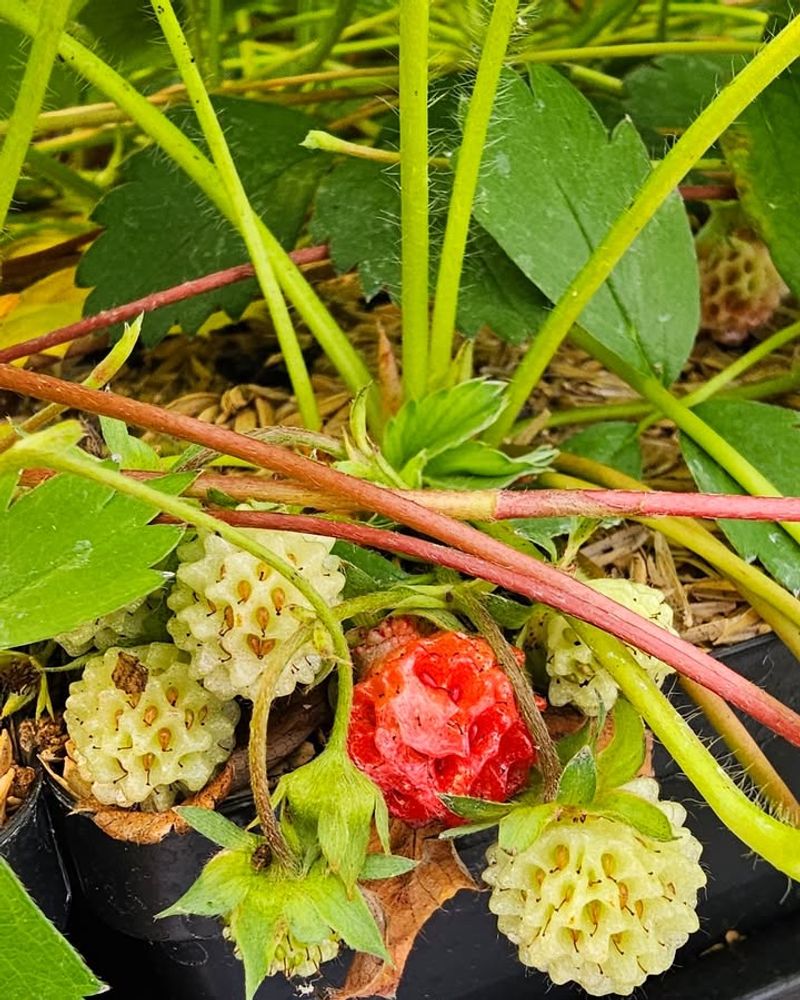
Weeds are opportunists. They move into bare soil fast, especially in spring when the ground warms up and light reaches the surface.
Any open patch is an invitation, and most common garden weeds are very good at accepting that invitation quickly. Wild strawberry works against this by simply not leaving much open soil for weeds to claim.
As wild strawberry spreads and fills in, its leaves overlap and create a shading effect at ground level. Weed seedlings need light to get started.
When the soil beneath wild strawberry is already shaded by a thick layer of leaves, many weed seeds that land there never get the conditions they need to sprout and establish.
The coverage does a quiet but consistent job of reducing how many weeds show up in the first place.
Along garden edges and between taller perennials, wild strawberry fills the gaps that would otherwise stay open. Those in-between spaces are where weeds tend to sneak in.
Having a low-growing native plant already occupying those areas means less hand weeding for you over the course of the season.
It is not a guarantee of a completely weed-free bed, because no ground cover can promise that, but it does reduce the pressure noticeably.
Think of wild strawberry as a living mulch. It keeps the soil covered, moderates soil temperature, and reduces how much bare ground is exposed to weed seeds blowing in on the wind.
Paired with occasional spot weeding, it can make a real difference in how manageable your garden beds stay through the growing season.
4. It Works Best In Sunny To Partly Shaded Michigan Beds
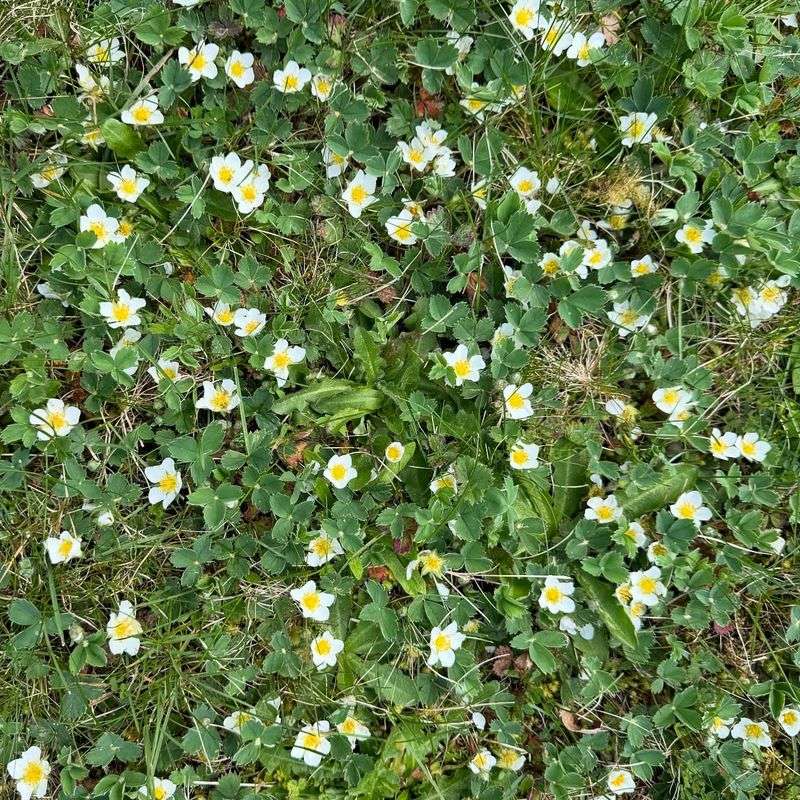
Picking the right spot for any plant makes all the difference, and wild strawberry is no exception.
The good news is that it is flexible enough to handle a range of light conditions, which makes it easier to find a place for it in most Michigan yards. Full sun to part shade is its comfort zone, and it performs well across that range.
In full sun, wild strawberry tends to spread more actively and produce more flowers. Along open garden borders, sunny path edges, or low slopes that get good light through most of the day, it thrives and fills in steadily.
Michigan’s open meadow-style plantings are a natural fit, where wild strawberry can weave through grasses and other low natives without crowding anything out.
Part shade works well too, especially under the dappled light of open tree canopies or along the north-facing edge of a bed that gets a few hours of direct sun.
In shadier spots, growth may be a bit slower and flowering somewhat reduced, but the plant still holds its own and provides useful ground coverage.
Deep shade under dense evergreens is where it struggles, so avoiding those spots is wise.
Naturalized areas, woodland edges, and low-maintenance corners of the yard are all places where wild strawberry fits comfortably into a Michigan landscape. It does not need rich, heavily amended soil.
Average to lean, well-drained soil suits it fine. That low-maintenance quality makes it a practical choice for Michigan gardeners who want coverage without constant upkeep.
5. Spring Flowers And Small Fruit Add More Than Ground Cover
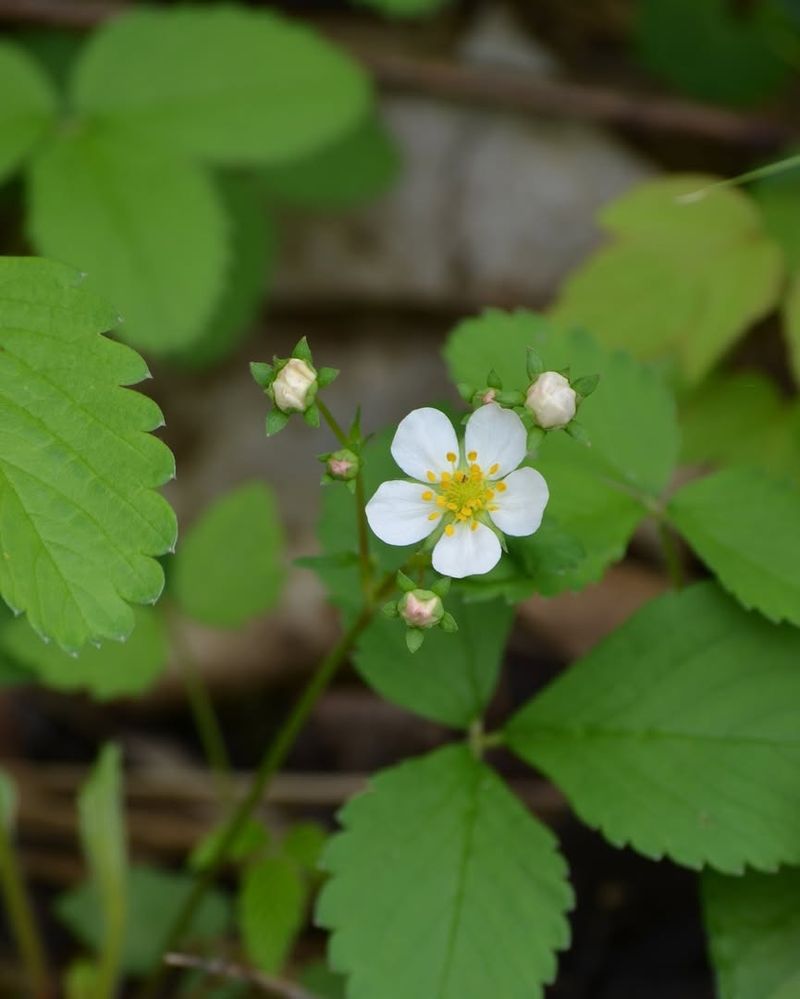
Most ground covers do one thing: cover ground. Wild strawberry does that and then keeps going.
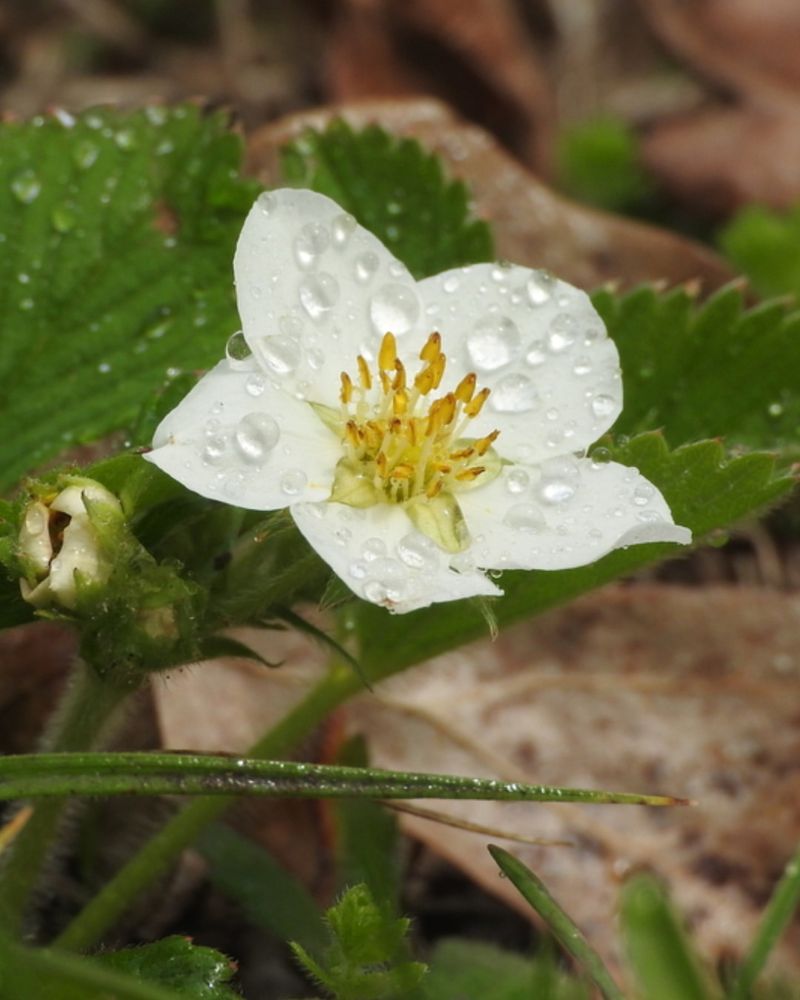
Starting in spring, usually from late April into June depending on the location and weather, wild strawberry produces small white flowers with five petals and a bright yellow center.
They are simple and cheerful, and they show up right when the garden is waking up and needs some early color.
Those flowers are not just pretty. Native bees, including small native sweat bees and bumblebees, visit them for pollen and nectar.
Since wild strawberry blooms early in the season, it provides food at a time when many other flowering plants have not yet opened. That early timing makes it genuinely useful for pollinators, not just decorative.
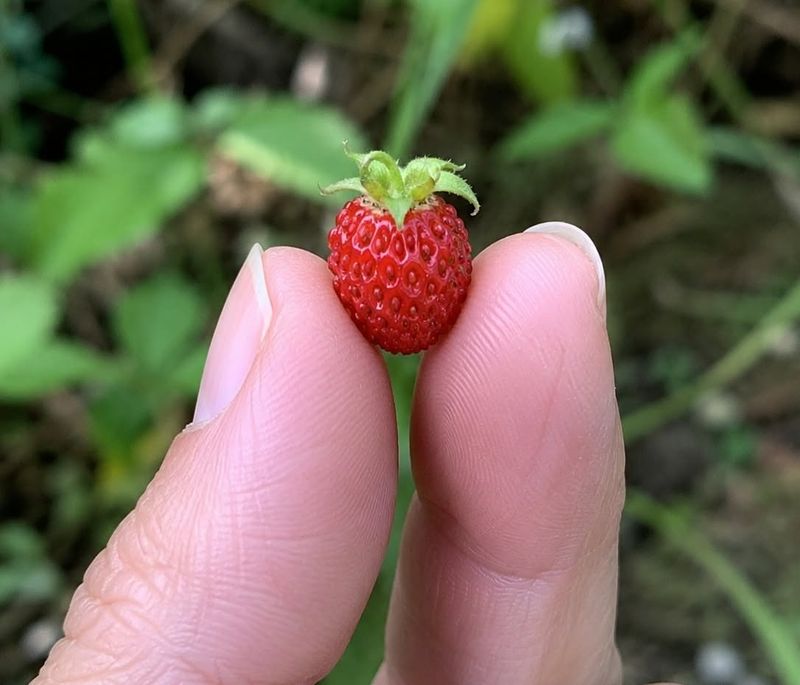
After the flowers fade, small red fruits develop. These are true strawberries, much smaller than grocery store varieties but fully edible and surprisingly flavorful.
Wildlife goes after them quickly, especially birds, chipmunks, and small mammals that rely on early summer food sources. If you want to taste a few yourself, you will need to get there before the local wildlife does, which is part of the fun.
Having a ground cover that also blooms, feeds pollinators, and produces fruit for wildlife gives wild strawberry a seasonal value that goes well beyond simple coverage.
It earns its space in multiple ways across the growing season, from the first flowers of spring through the fruiting period of early summer.
For Michigan gardeners focused on supporting local ecosystems, that layered value is hard to match with a single plant.
6. It Is Better For Natural Beds Than Tiny Formal Spaces
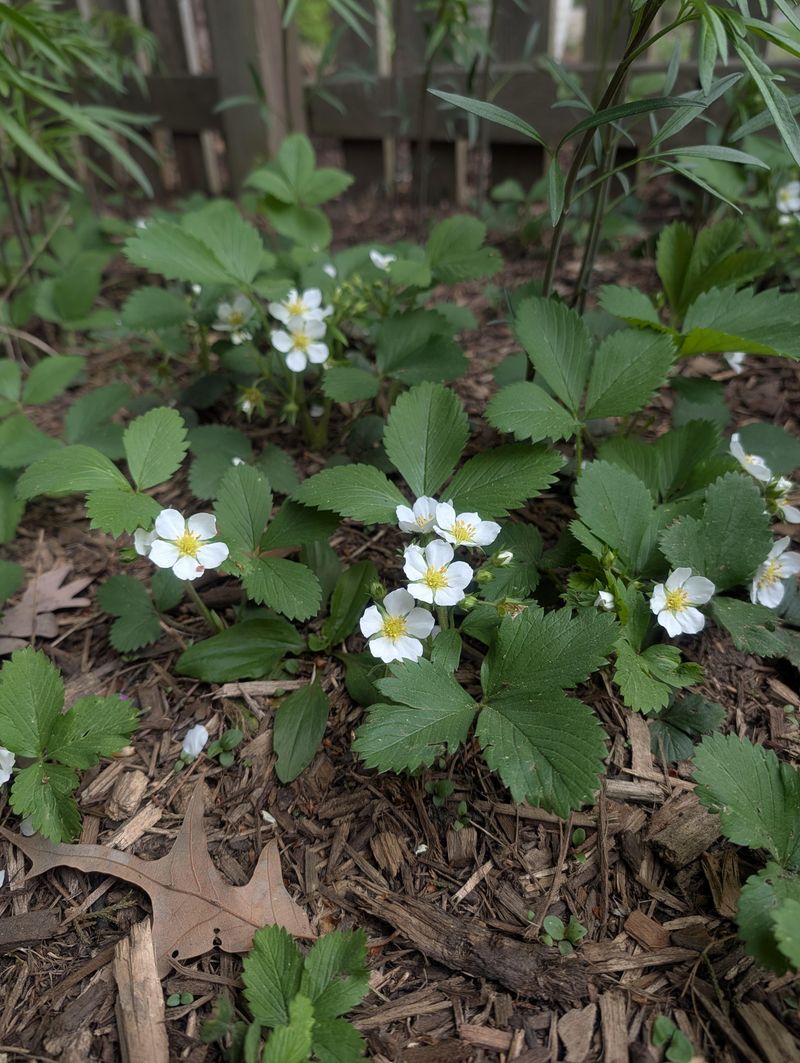
Honesty matters when recommending plants, and wild strawberry deserves an honest look at where it does not belong. For all its strengths, it is not the right fit for every garden situation.
Knowing where it works and where it does not saves you from a frustrating experience down the road.
Tiny formal beds with crisp edges and carefully spaced small plants are not where wild strawberry shines. Its runners do not stop at borders or respect the invisible lines between plant zones.
If you have a small, structured bed with delicate low-growing perennials that need their own space, wild strawberry will likely crowd them over time.
Keeping it contained in that kind of setting takes consistent effort that most gardeners would rather spend elsewhere.
Rock gardens with very small, slow-growing alpine plants face a similar challenge. Wild strawberry can outpace slower neighbors and fill in spaces that were meant to stay open.
In those situations, a less aggressive ground cover is a better choice for keeping the design intact without constant intervention.
Where wild strawberry truly earns its reputation is in larger, more relaxed naturalized areas where spreading is not just acceptable but actually the goal.
Open borders, meadow patches, low slopes, and the edges of woodland gardens are all places where its runner-based spread works with you instead of against you.
Matching the plant to the right setting is the key. Give wild strawberry room to do what it naturally does, and it rewards you with a living, breathing carpet that manages itself with very little help from you.
7. It Can Soften Edges And Cover Bare Soil Under Taller Plants
There is a specific kind of garden problem that most Michigan gardeners know well: the bare stretch of soil at the front of a perennial bed, or the patchy gaps between plants that never quite fill in on their own.
Mulch helps, but it breaks down and needs refreshing. Wild strawberry offers a living solution that actually improves over time instead of slowly disappearing.
Along bed edges, wild strawberry creates a soft, natural transition between the garden and the lawn or path. Instead of a sharp edge that needs constant maintenance, you get a gentle green border that moves and grows organically.
It does not look manicured, which is exactly the point in a naturalized or cottage-style garden setting where that relaxed aesthetic is the goal.
Beneath taller native perennials, wild strawberry fills the lower layer of the planting. Many tall natives like coneflowers, black-eyed Susans, and native grasses leave open soil at their base, especially early in the season before they fully leaf out.
Wild strawberry moves into that lower zone and keeps it covered, reducing evaporation and cutting down on the weeds that would otherwise take advantage of that exposed ground.
Bare spots under trees or along the shaded base of shrubs are another place where wild strawberry can step in.
As long as the light is not too deep, it will gradually fill those awkward areas that are hard to plant and harder to mulch effectively.
For Michigan gardeners designing layered native plantings, wild strawberry belongs in that low, ground-hugging layer where it quietly holds everything together from the bottom up.
8. A Smart Choice For Michigan Gardens
Wild strawberry has a reputation for spreading that makes some gardeners nervous, and that reaction is understandable. Watching runners shoot out in every direction while the rest of the garden is still waking up in spring can feel like you made a mistake.
But give it a full season and the picture changes. That spreading habit is not a flaw. It is the whole point.
As a Michigan native, wild strawberry is already adapted to the climate, the soil, and the seasonal rhythms of this region. It handles cold winters, wet springs, and dry summer stretches without extra attention.
No special fertilizers, no winter protection, no fussing. It simply grows, spreads, and fills in, which is exactly what a good low-maintenance ground cover should do.
The spring flowers bring in early pollinators when food sources are still limited. The small red fruit that follows feeds birds, chipmunks, and other wildlife through early summer.
The dense leaf coverage shades out weed seedlings and keeps open soil to a minimum. Layer those benefits together and wild strawberry starts to look less like a spreading problem and more like a plant doing several helpful jobs at once.
For Michigan gardeners who want a native ground cover that earns its space, wild strawberry is worth a serious look. Plant it where there is room to spread, pair it with taller natives, and let it fill in over a season or two.
The weeds that would have moved into those open spaces simply find less room to grow, and your garden ends up looking fuller, greener, and a lot more alive for it.